Best Snorkeling in Krabi: Top Spots, Islands & Tours
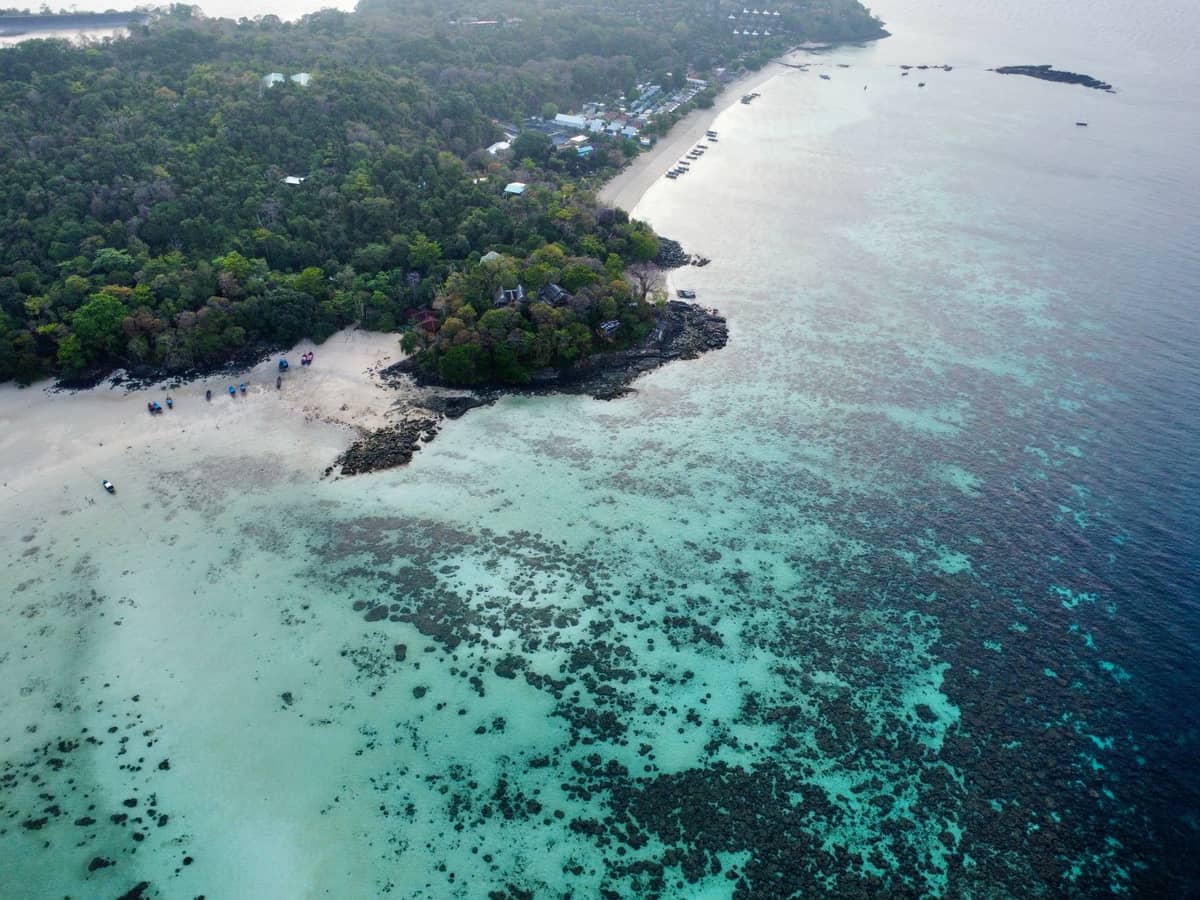
Krabi Province has some of Thailand's finest snorkeling, with clear Andaman water, limestone island scenery, and healthy reefs accessible from multiple departure points. This guide covers the best snorkeling spots by area, what to expect underwater, and how to plan your trips from Ao Nang, Koh Lanta, and beyond.
Tickets & tours
Live prices and dates from our booking partner. If you book, we may earn a commission at no extra cost to you.
Krabi's snorkeling ranges from shallow reef gardens you can reach on a budget longtail to remote islands requiring a speedboat and an early start. The best conditions run from November through April, when calm seas and good visibility define the Andaman coast. For a practical overview of planning, the best time to visit Krabi guide covers seasonal conditions in detail. The main departure hubs are Ao Nang for the northern islands and Koh Lanta for the southern reefs. If you want a full day-by-day framework, the 5-day Krabi itinerary shows how to fit snorkeling around Krabi's other highlights. Note that 'snorkeling tour' itineraries often include beaches, lagoons, and viewpoints alongside reef stops, so always confirm what's included before booking.
💡 Local tip
National park entry fees apply at several snorkeling destinations. As of recent listings, fees are approximately ฿300 per foreign adult and ฿150 per child at Hong Island area sites. Confirm with your operator whether fees are included in the tour price, as they are sometimes charged separately on the day.
Northern Krabi: Best Snorkeling Islands from Ao Nang
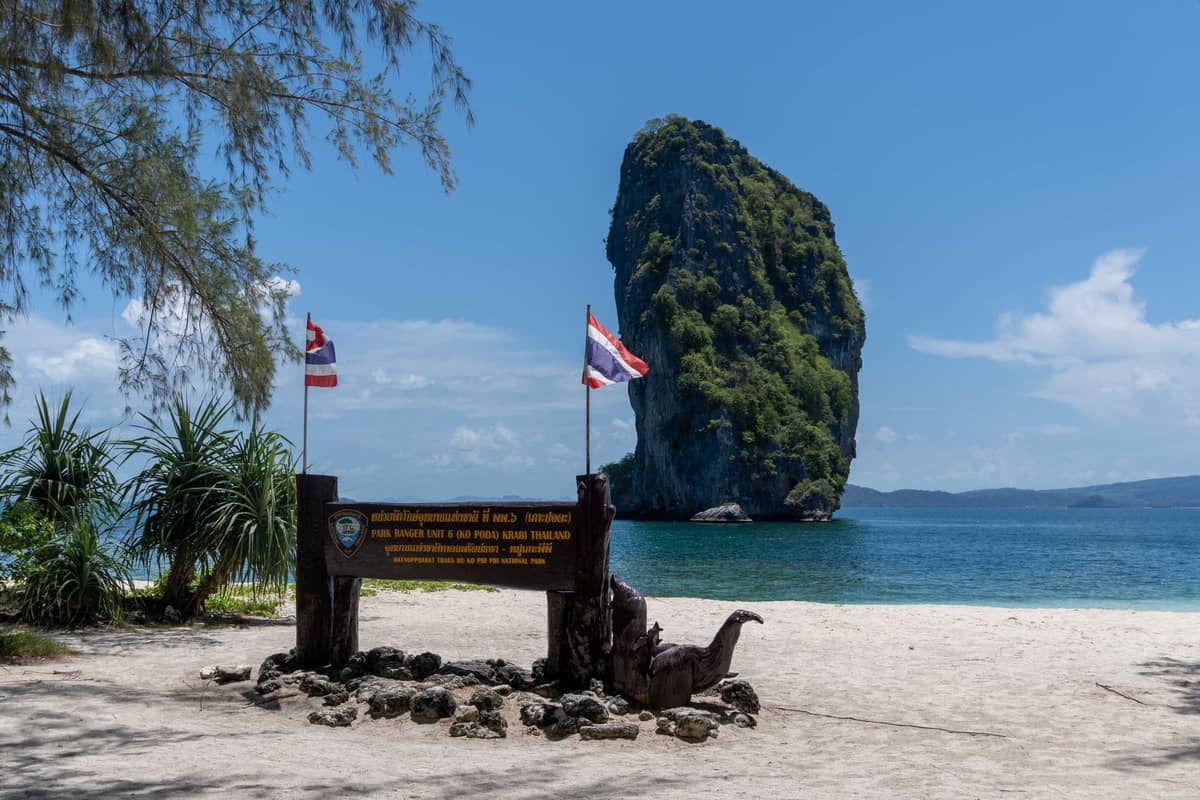
Most snorkeling tours departing from Ao Nang and Nopparat Thara head north and west to the Hong Island group or south toward the Four Islands cluster. Speedboats reach the northern sites in 20-30 minutes; longtail boats are slower but cheaper and give you a better feel for the landscape. The Krabi island hopping guide explains how to combine these stops efficiently.
1. Snorkel the Enclosed Lagoon and Reefs of Koh Hong
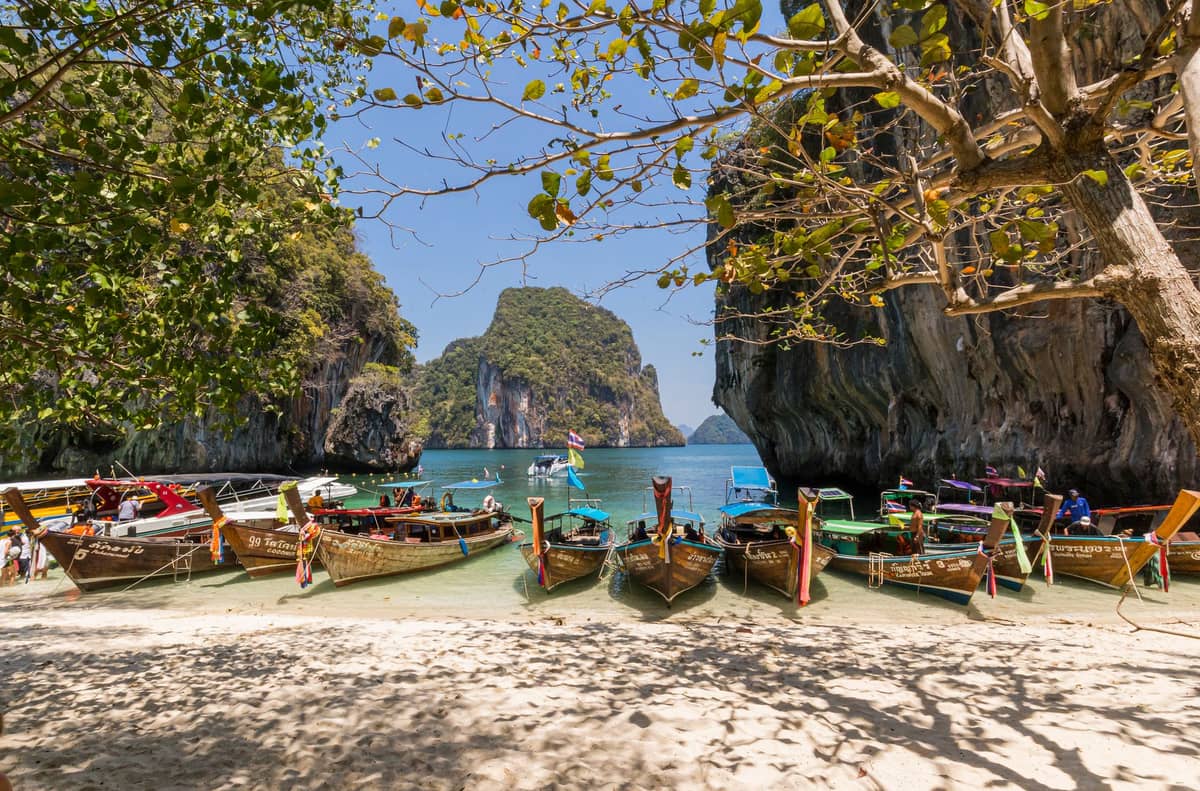
Koh Hong is Krabi's standout day-trip snorkeling destination. Shallow coral gardens ring the island's beaches, and the protected lagoon accessed through a sea cave offers calm, clear water with good fish diversity. Go by speedboat for more snorkel time.
Explore1. Snorkel the Enclosed Lagoon and Reefs of Koh Hong
Koh Hong is Krabi's standout day-trip snorkeling destination. Shallow coral gardens ring the island's beaches, and the protected lagoon accessed through a sea cave offers calm, clear water with good fish diversity. Go by speedboat for more snorkel time.
Explore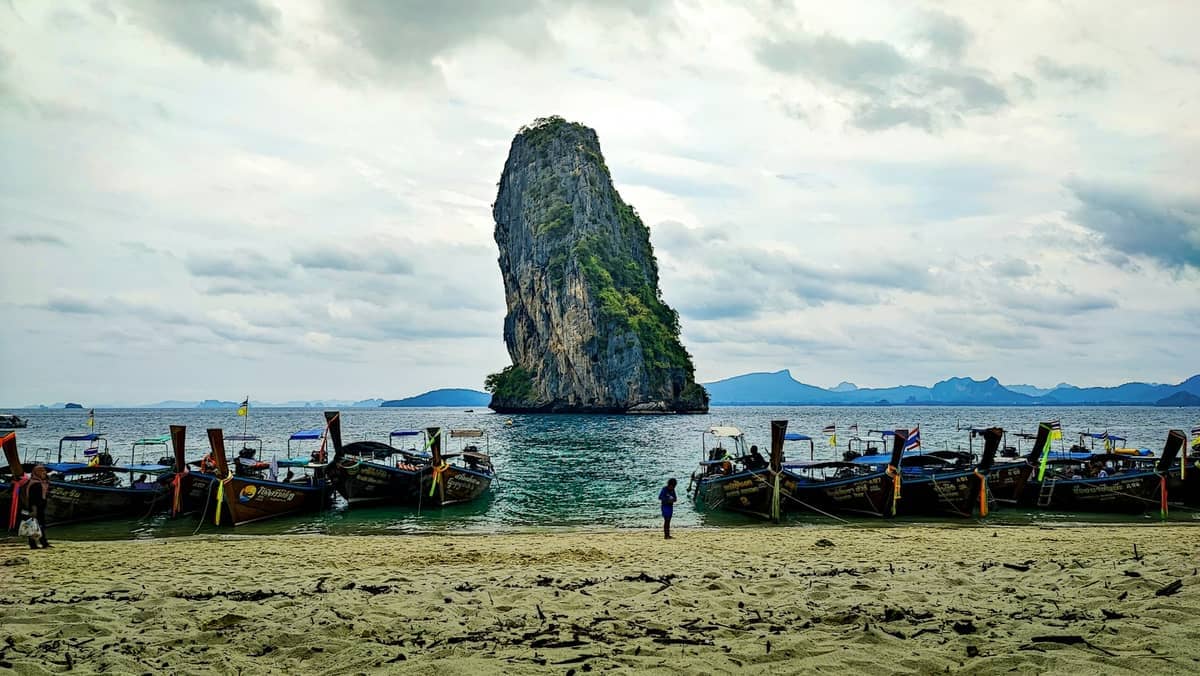
2. Combine Reef Snorkeling and a Surreal Sandbar on the Four Islands Tour
The Four Islands route hits multiple snorkel stops around Koh Poda and Koh Kai, then finishes at Thale Waek, a sandbar connecting islands at low tide. Coral coverage varies by stop, so ask operators which sites have the best reef before booking.
Explore2. Combine Reef Snorkeling and a Surreal Sandbar on the Four Islands Tour
The Four Islands route hits multiple snorkel stops around Koh Poda and Koh Kai, then finishes at Thale Waek, a sandbar connecting islands at low tide. Coral coverage varies by stop, so ask operators which sites have the best reef before booking.
Explore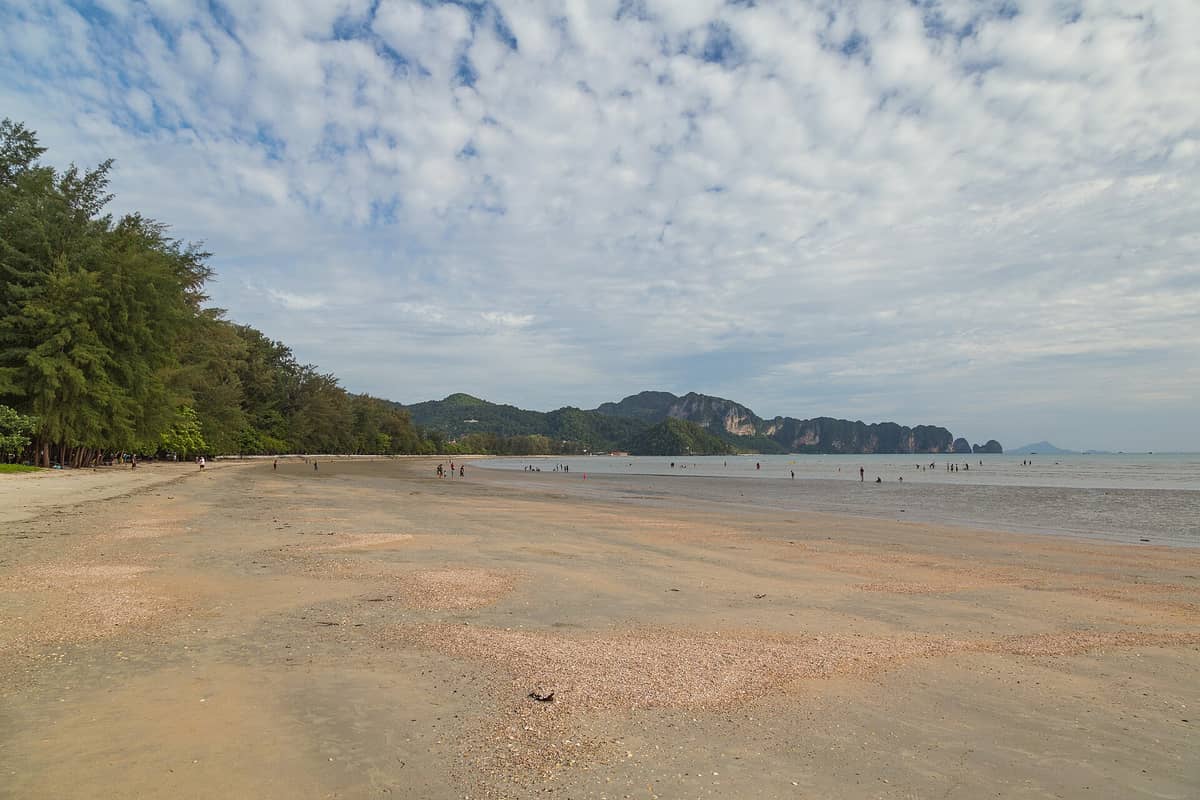
3. Use Nopparat Thara as Your Departure Point for Island Snorkeling
Nopparat Thara's pier is the main launch point for Hong Island and Koh Phi Phi ferries. The beach itself has limited snorkeling, but its position makes it a practical staging point. Arrive early to secure a good seat on shared speedboats.
Explore3. Use Nopparat Thara as Your Departure Point for Island Snorkeling
Nopparat Thara's pier is the main launch point for Hong Island and Koh Phi Phi ferries. The beach itself has limited snorkeling, but its position makes it a practical staging point. Arrive early to secure a good seat on shared speedboats.
Explore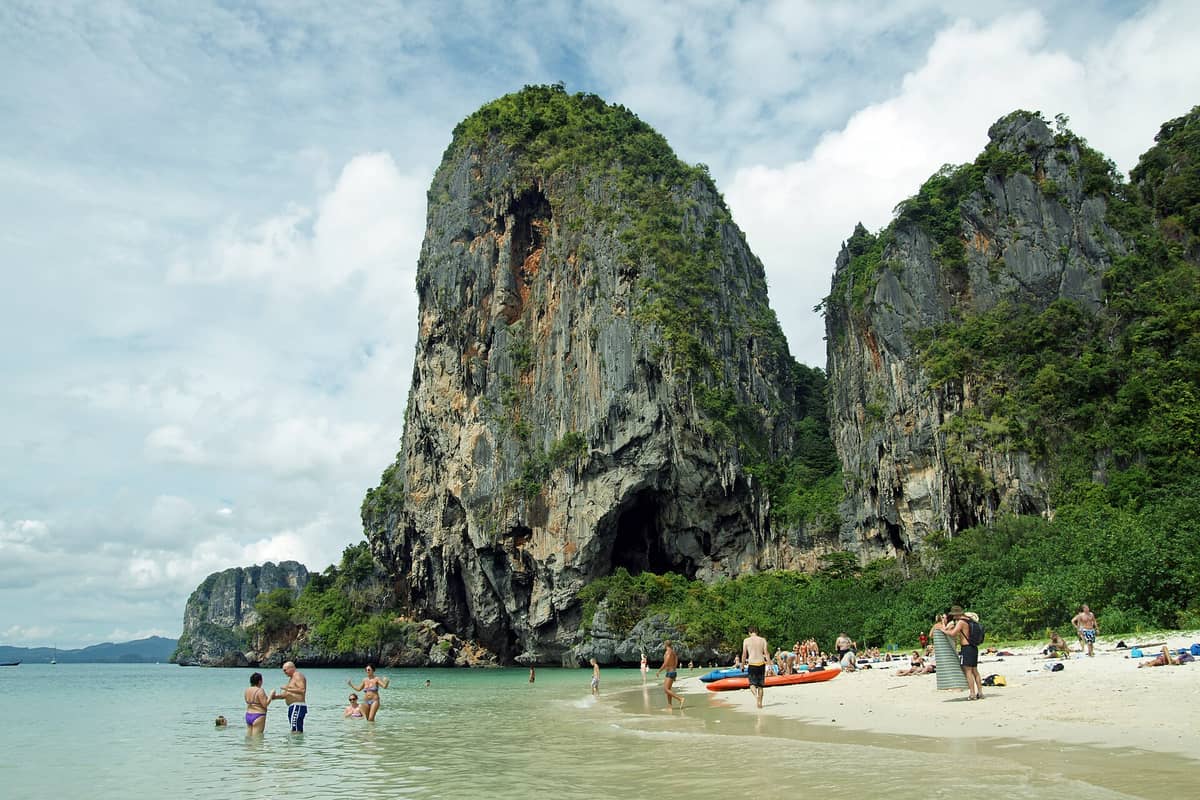
4. Snorkel the Rocky Outcrops Around Phra Nang Beach
Phra Nang's limestone headlands create sheltered pockets where reef fish gather year-round. The snorkeling here is secondary to the beach's beauty, but it's a worthwhile stop on any Railay day trip and requires no boat tour to access once you're on the peninsula.
Explore4. Snorkel the Rocky Outcrops Around Phra Nang Beach
Phra Nang's limestone headlands create sheltered pockets where reef fish gather year-round. The snorkeling here is secondary to the beach's beauty, but it's a worthwhile stop on any Railay day trip and requires no boat tour to access once you're on the peninsula.
Explore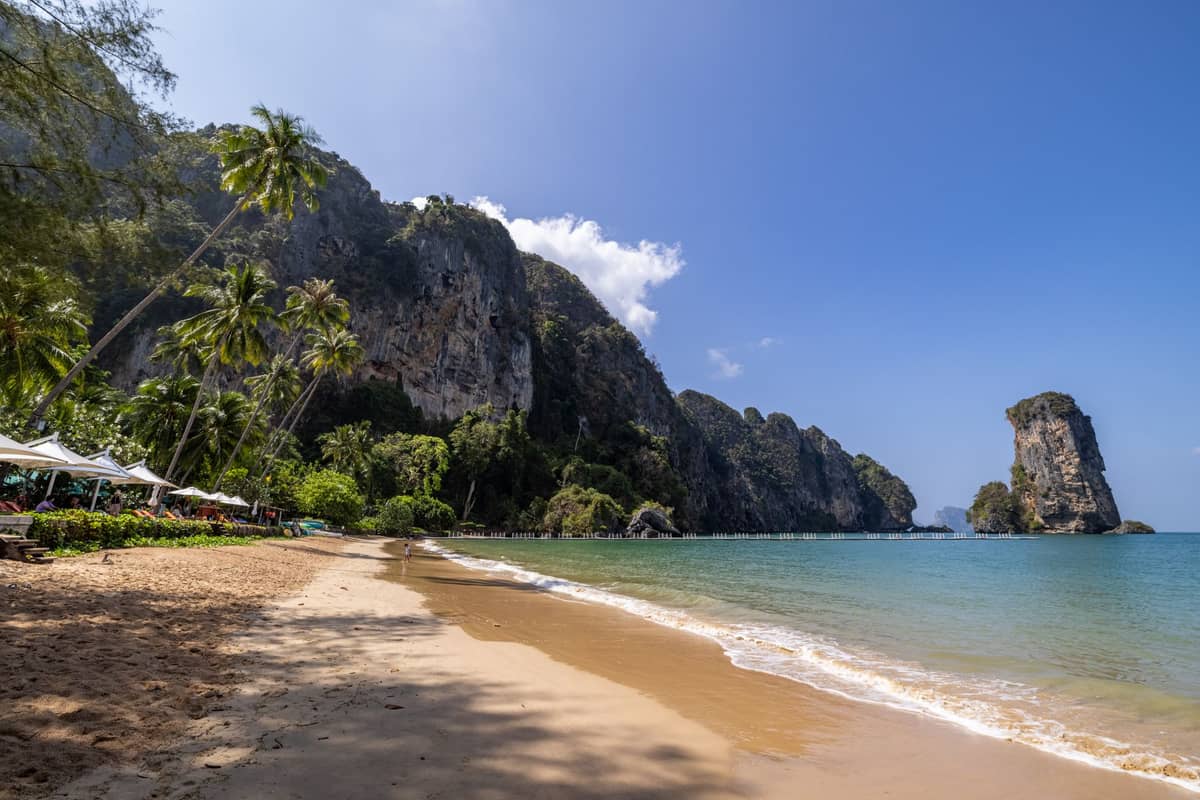
5. Book Your Snorkeling Tours Directly from Ao Nang Beach
Ao Nang's beach road is lined with tour operators running snorkeling day trips to every major site in Krabi. Comparing prices here in person often beats online rates. Most tours depart from the beach or Nopparat Thara pier just north.
Explore5. Book Your Snorkeling Tours Directly from Ao Nang Beach
Ao Nang's beach road is lined with tour operators running snorkeling day trips to every major site in Krabi. Comparing prices here in person often beats online rates. Most tours depart from the beach or Nopparat Thara pier just north.
ExplorePhi Phi Islands: World-Class Reefs and Iconic Scenery
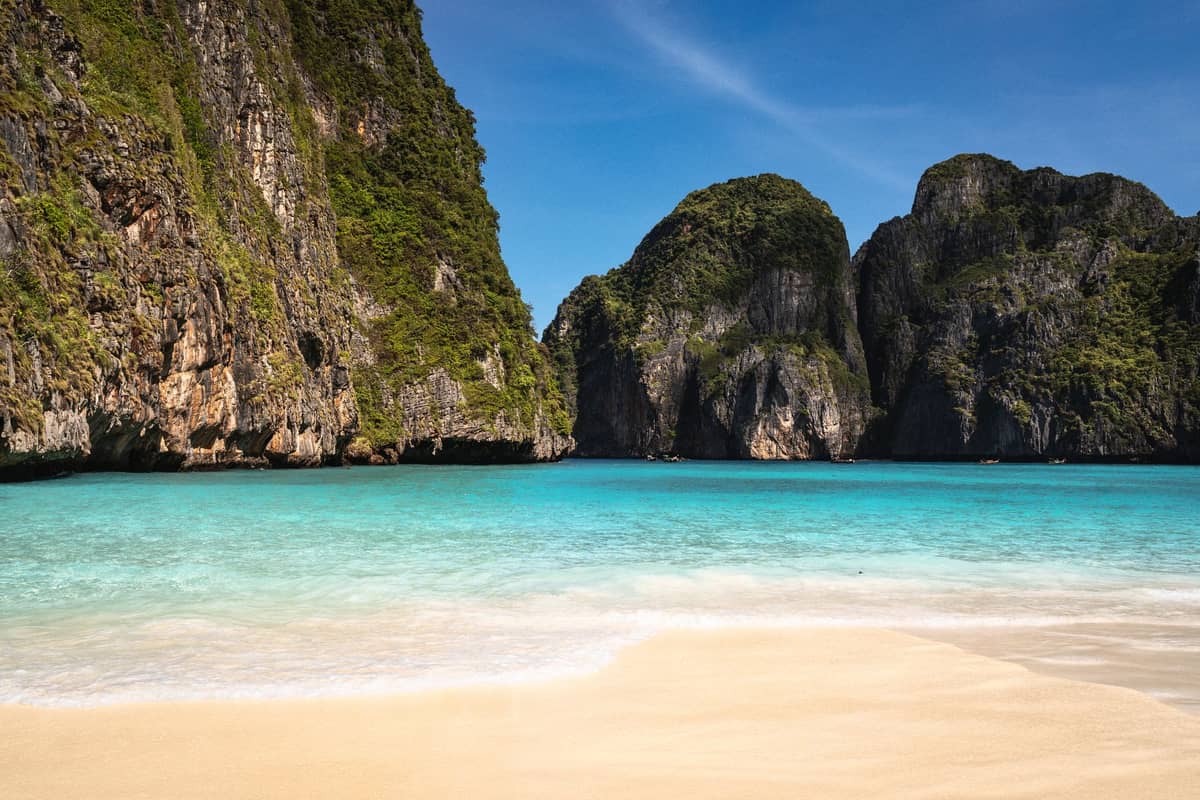
The Phi Phi Islands sit within a marine national park and offer some of the densest coral coverage in Krabi Province, along with the region's most dramatic scenery. Day trips from Ao Nang or Koh Phi Phi itself typically take 6-8 hours. For a focused planning guide, see the Krabi Phi Phi day trip guide.
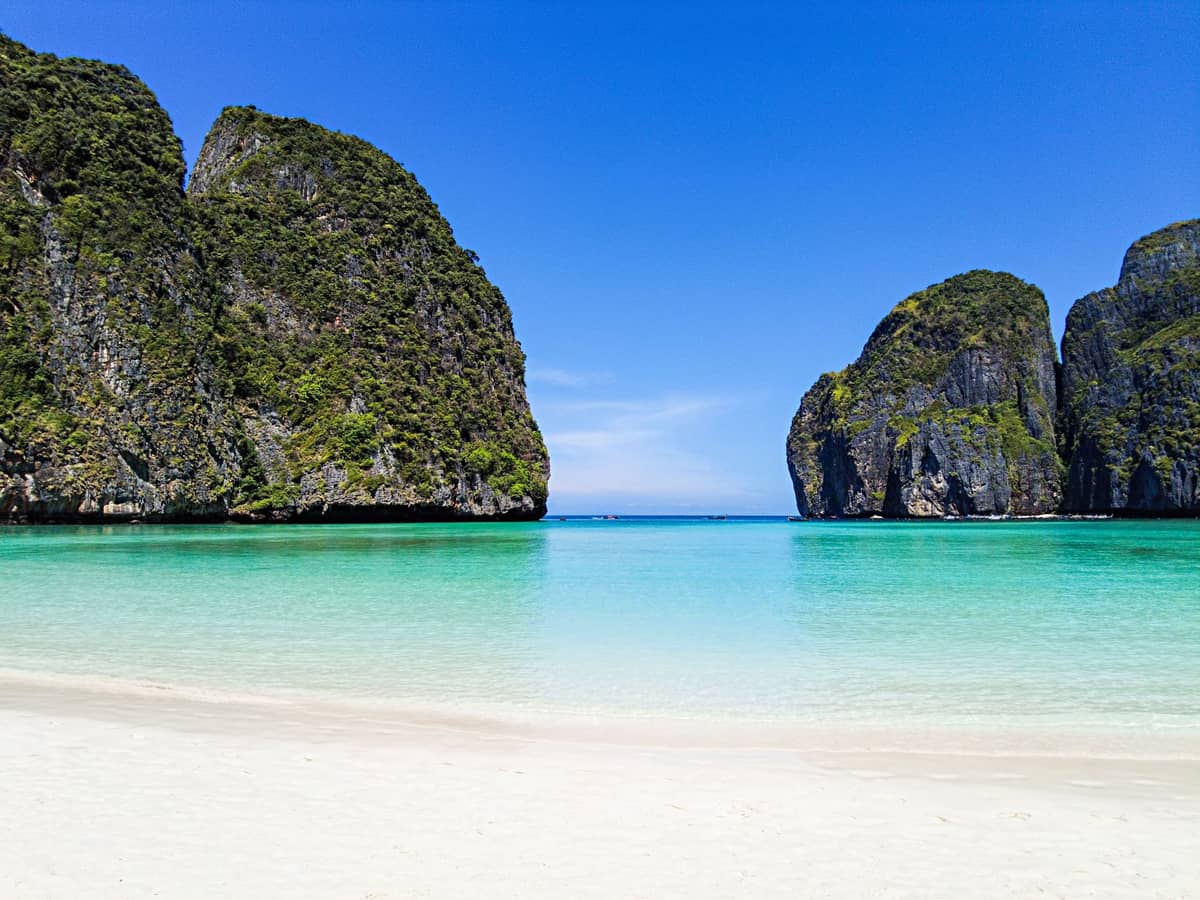
6. Dive Into the Crystal-Clear Waters Around Koh Phi Phi Leh
The uninhabited Phi Phi Leh is entirely protected, keeping its reefs in better shape than Phi Phi Don. Snorkeling stops here typically cover the outer reef walls, where you'll find parrotfish, triggerfish, and occasional reef sharks in the current.
Explore6. Dive Into the Crystal-Clear Waters Around Koh Phi Phi Leh
The uninhabited Phi Phi Leh is entirely protected, keeping its reefs in better shape than Phi Phi Don. Snorkeling stops here typically cover the outer reef walls, where you'll find parrotfish, triggerfish, and occasional reef sharks in the current.
Explore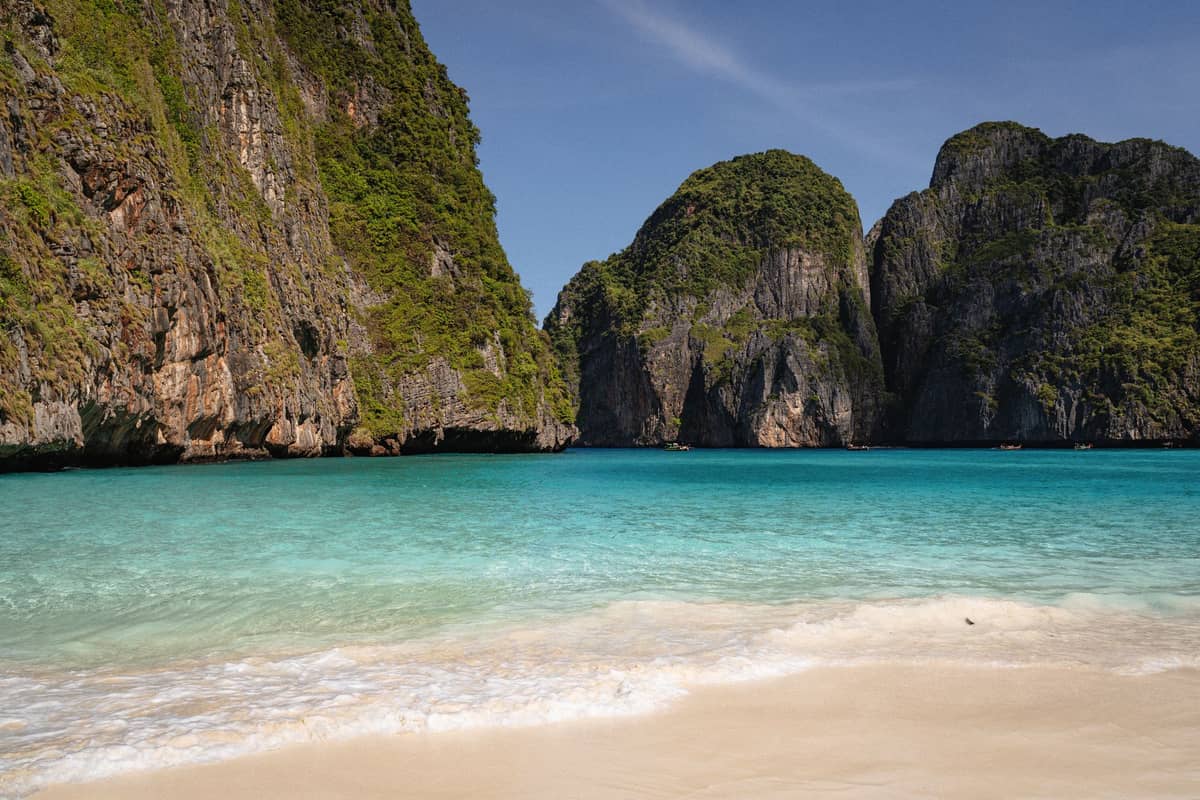
7. Snorkel Maya Bay's Rehabilitated Coral Gardens
Maya Bay closed for three years to allow coral recovery and reopened with visitor limits. Snorkeling inside the bay is now restricted, but the surrounding reef shows genuine recovery. Tours that include an early-morning slot see the bay before crowds arrive.
Explore7. Snorkel Maya Bay's Rehabilitated Coral Gardens
Maya Bay closed for three years to allow coral recovery and reopened with visitor limits. Snorkeling inside the bay is now restricted, but the surrounding reef shows genuine recovery. Tours that include an early-morning slot see the bay before crowds arrive.
Explore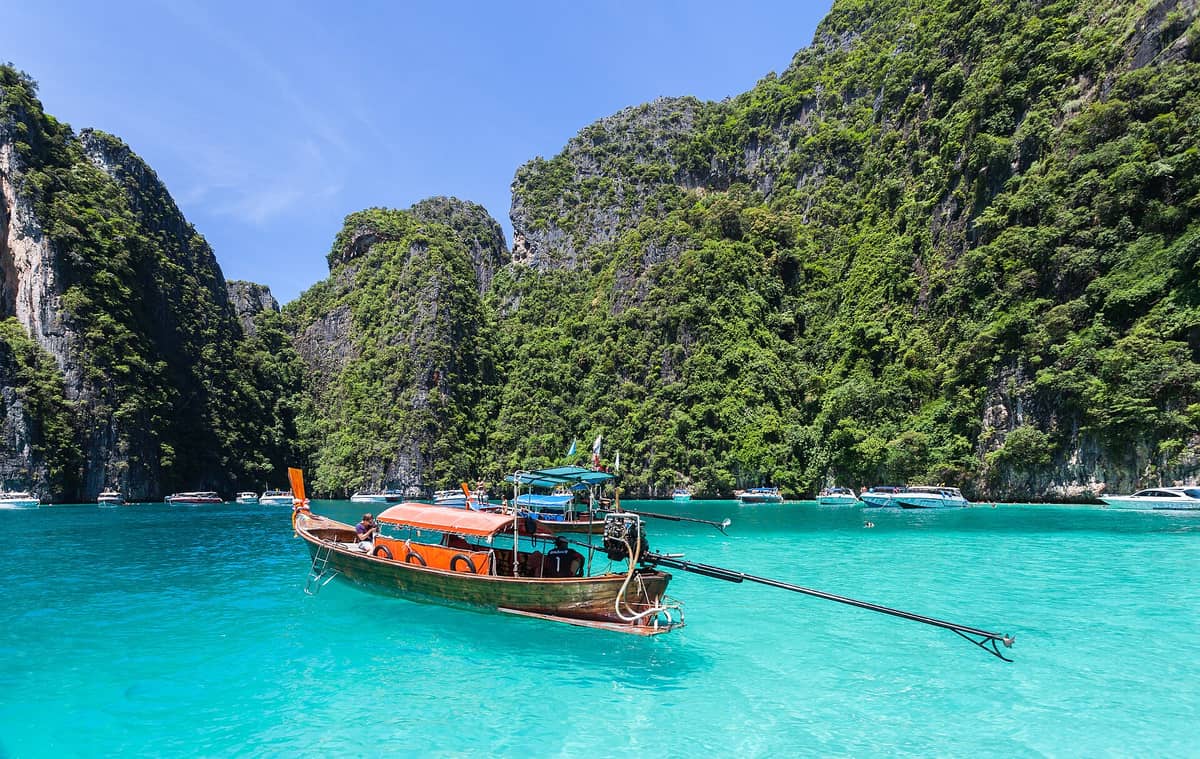
8. Float Through the Emerald Waters of Pileh Lagoon
Pileh is a saltwater lagoon enclosed by vertical limestone, with water clarity that feels unreal. Snorkeling is possible from the boat edges, though marine life is limited inside. The visual experience alone makes this a highlight of any Phi Phi snorkeling tour.
Explore8. Float Through the Emerald Waters of Pileh Lagoon
Pileh is a saltwater lagoon enclosed by vertical limestone, with water clarity that feels unreal. Snorkeling is possible from the boat edges, though marine life is limited inside. The visual experience alone makes this a highlight of any Phi Phi snorkeling tour.
Explore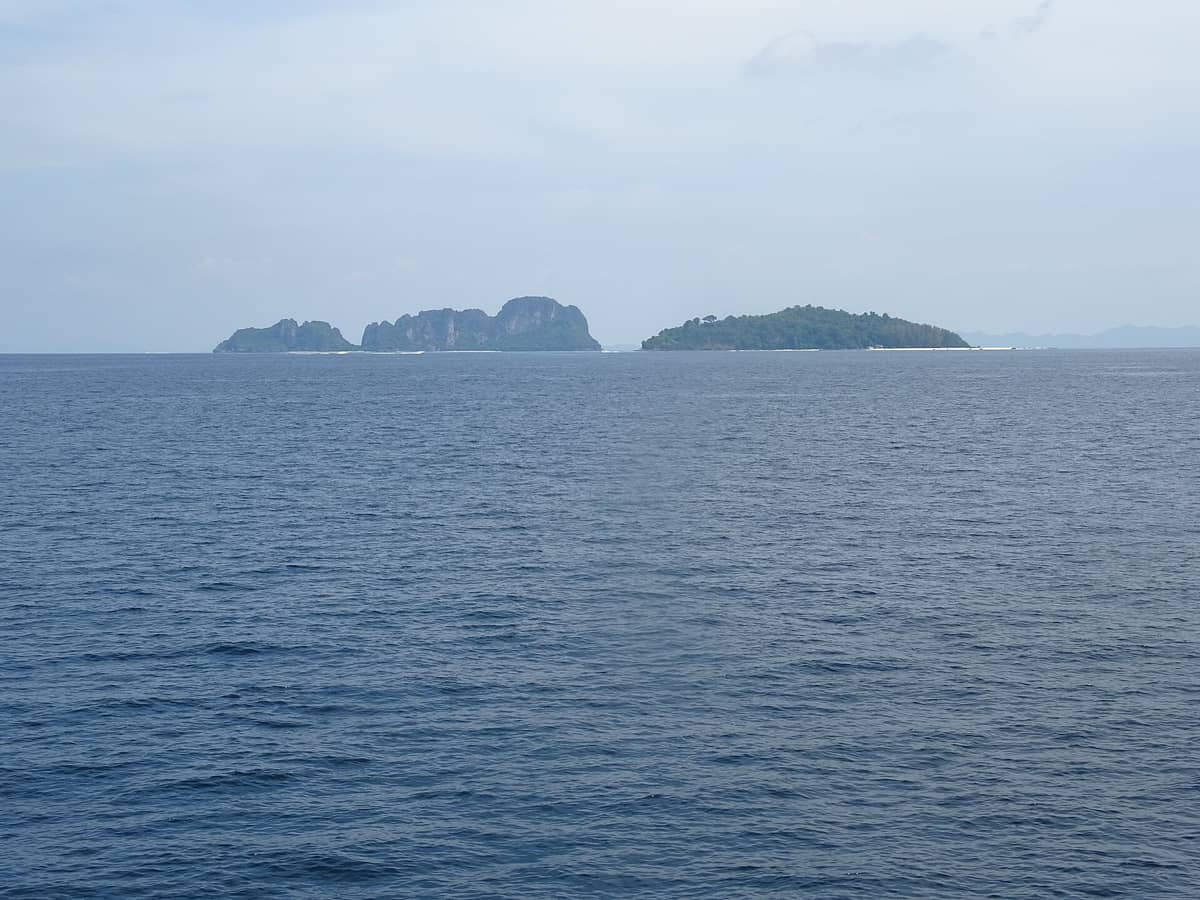
9. Snorkel the Shallow Reefs Around Bamboo Island
Bamboo Island's surrounding reef is shallow, sandy, and ideal for beginner snorkelers. Soft corals and reef fish are plentiful close to shore. It's a standard stop on Phi Phi island-hopping tours and one of the most relaxed snorkeling sites in the archipelago.
Explore9. Snorkel the Shallow Reefs Around Bamboo Island
Bamboo Island's surrounding reef is shallow, sandy, and ideal for beginner snorkelers. Soft corals and reef fish are plentiful close to shore. It's a standard stop on Phi Phi island-hopping tours and one of the most relaxed snorkeling sites in the archipelago.
Explore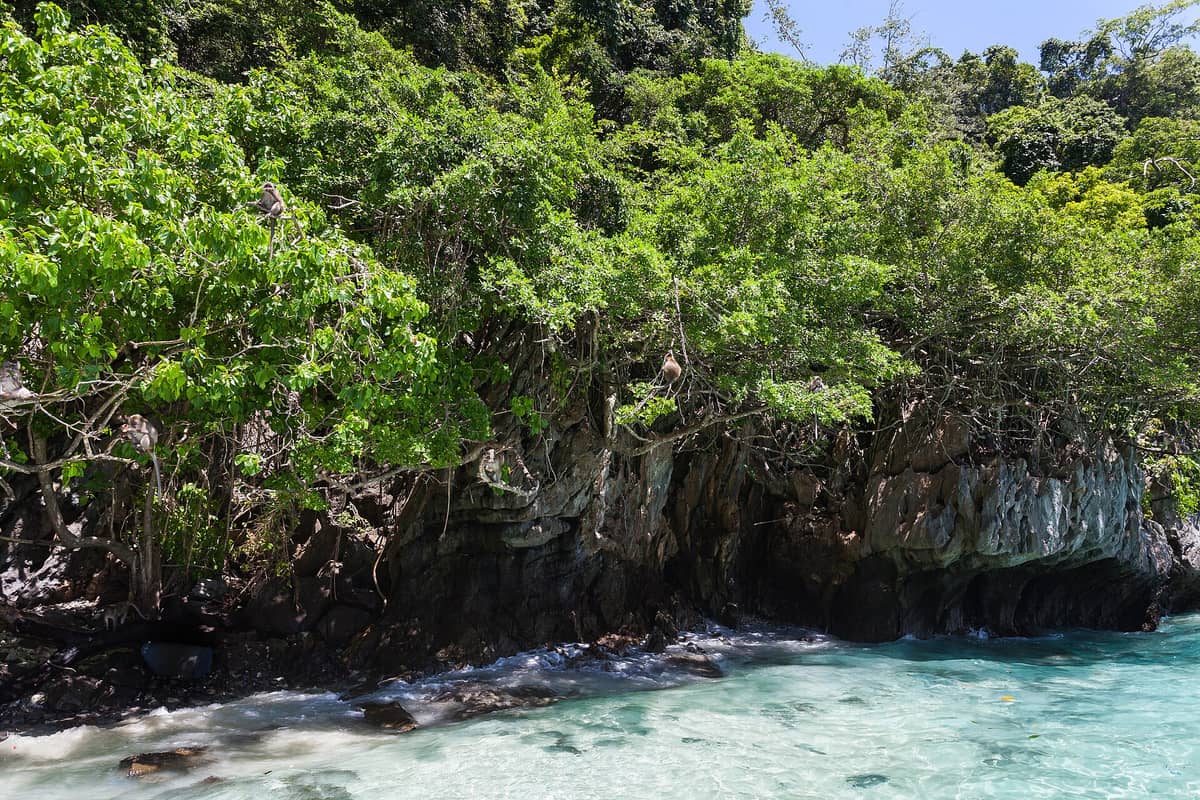
10. Stop at Monkey Beach for a Quick Snorkel Between Sites
Monkey Beach is primarily known for its macaque residents, but the rocky edges of the bay hold interesting reef fish. It's a short stop on most Phi Phi longtail tours, and the combined experience of wildlife and underwater life makes it a fun, casual snorkel.
Explore10. Stop at Monkey Beach for a Quick Snorkel Between Sites
Monkey Beach is primarily known for its macaque residents, but the rocky edges of the bay hold interesting reef fish. It's a short stop on most Phi Phi longtail tours, and the combined experience of wildlife and underwater life makes it a fun, casual snorkel.
Explore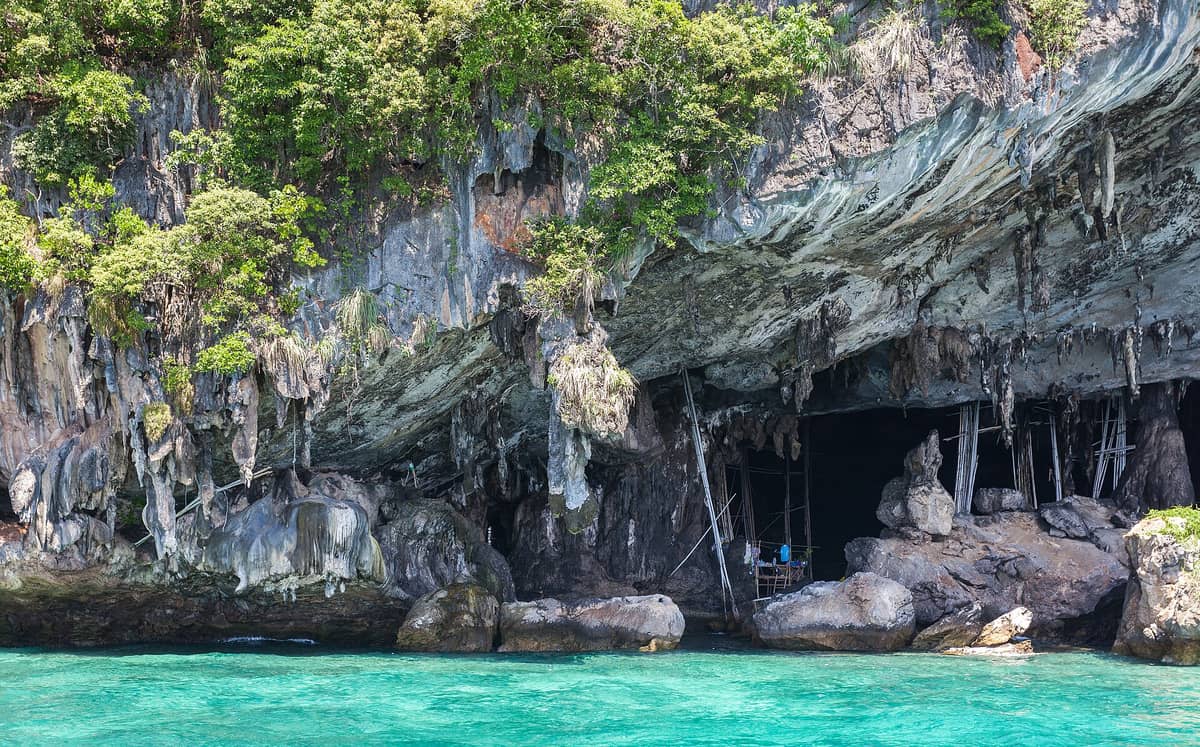
11. Combine a Cave Visit with Snorkeling at Viking Cave
Viking Cave on Phi Phi Leh is a working bird's-nest harvest site with ancient boat paintings on its walls. The surrounding water has clear visibility and reef fish, making it a good combined cultural and snorkeling stop on Phi Phi Leh tours. Landing inside is not permitted.
Explore11. Combine a Cave Visit with Snorkeling at Viking Cave
Viking Cave on Phi Phi Leh is a working bird's-nest harvest site with ancient boat paintings on its walls. The surrounding water has clear visibility and reef fish, making it a good combined cultural and snorkeling stop on Phi Phi Leh tours. Landing inside is not permitted.
Explore✨ Pro tip
Book a speedboat tour for Phi Phi snorkeling rather than the slow ferry. Speedboats get you to the islands in 45 minutes versus 90 minutes, giving significantly more time in the water at each stop before the day-trip crowds from other boats arrive.
Koh Lanta Area: Remote Reefs and Pristine Coral
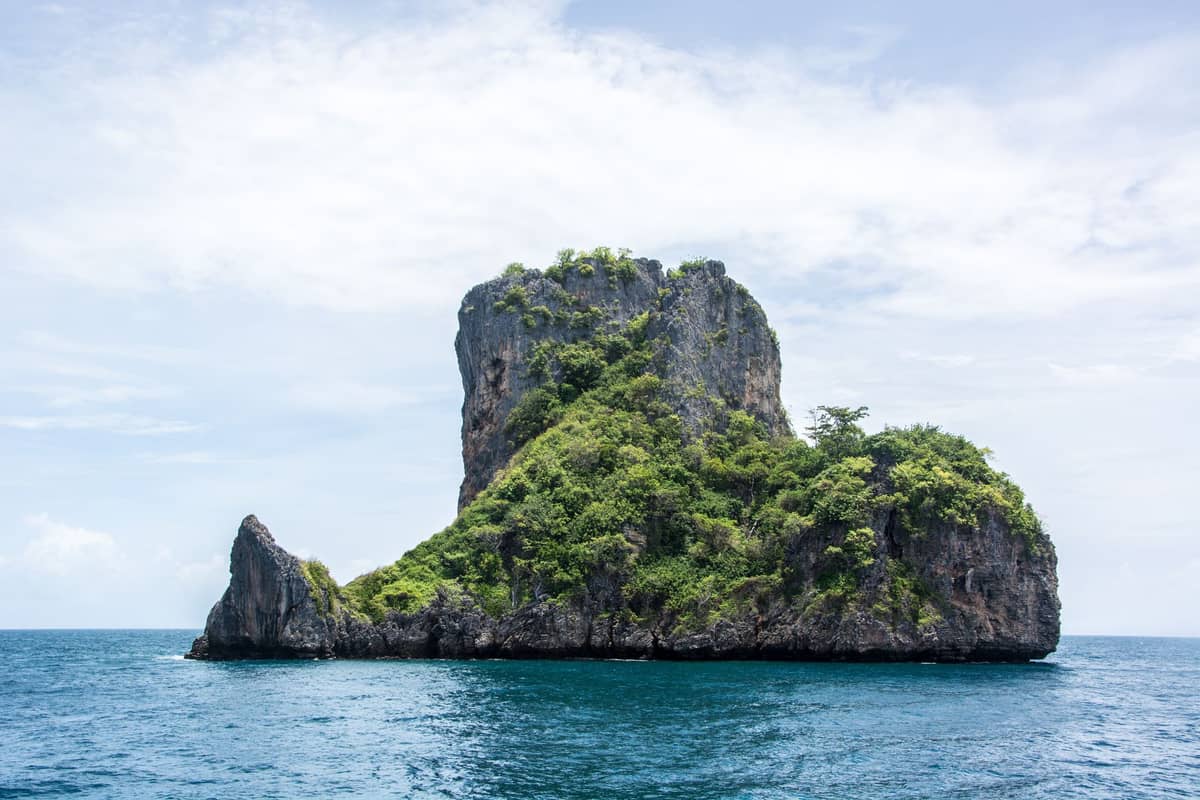
The southern part of Krabi Province, centered on Koh Lanta, gives access to some of the province's least-disturbed reefs. Koh Haa and Koh Rok are further from the mainland and see fewer visitors than the Phi Phi sites, which directly benefits coral health and water clarity. See the Koh Lanta guide for basing yourself here.
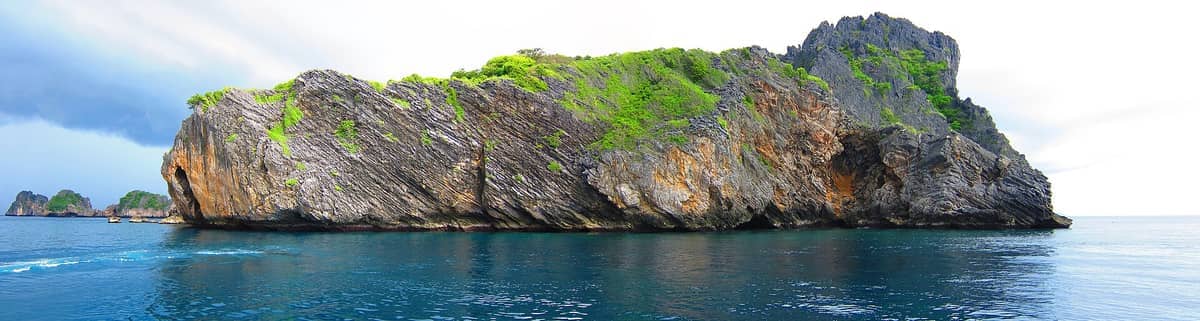
12. Snorkel with Leopard Sharks and Sea Turtles at Koh Haa
Koh Haa's five limestone islands are encircled by one of Krabi's healthiest reef systems. Visibility regularly exceeds 20 meters. Leopard sharks rest on the sandy bottom, sea turtles are common, and the dramatic underwater caves make this exceptional for experienced snorkelers.
Explore12. Snorkel with Leopard Sharks and Sea Turtles at Koh Haa
Koh Haa's five limestone islands are encircled by one of Krabi's healthiest reef systems. Visibility regularly exceeds 20 meters. Leopard sharks rest on the sandy bottom, sea turtles are common, and the dramatic underwater caves make this exceptional for experienced snorkelers.
Explore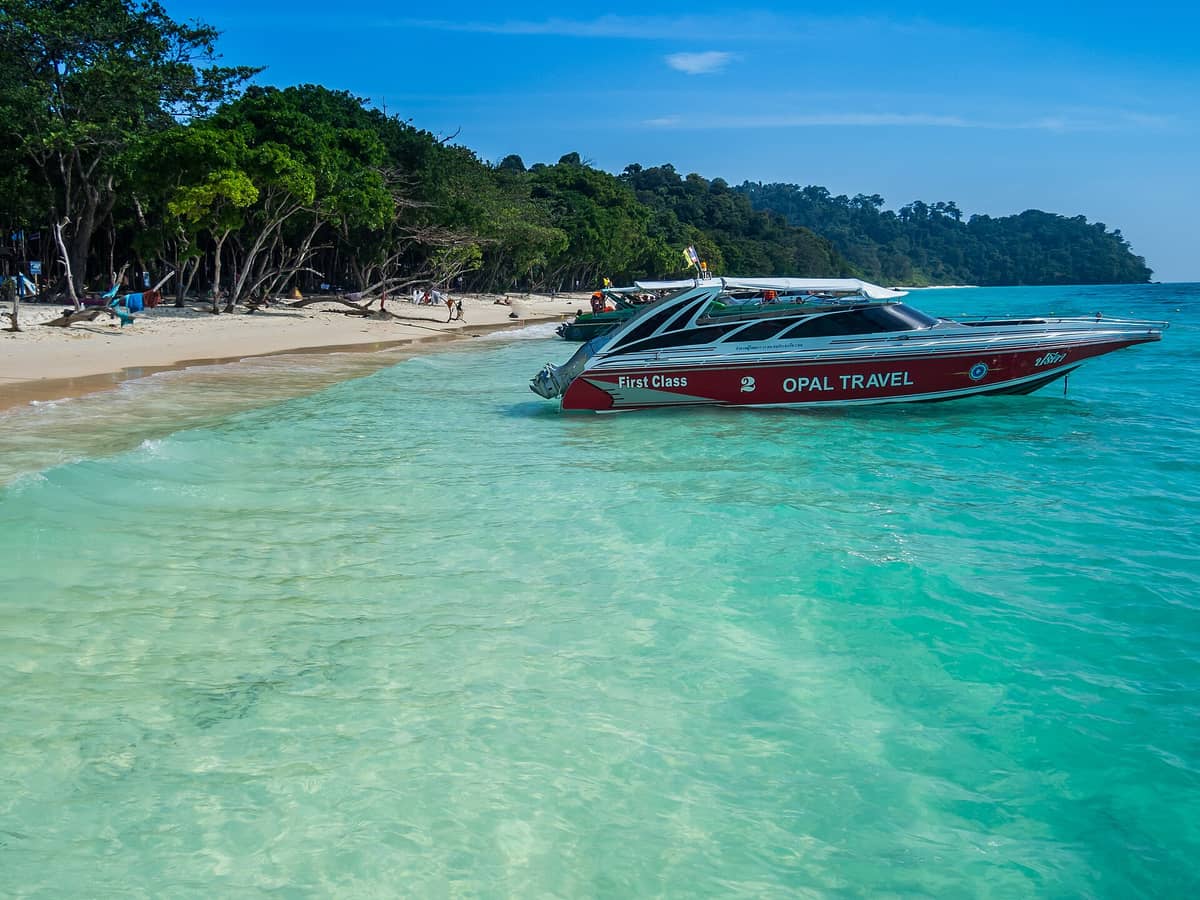
13. Visit Koh Rok for Some of the Clearest Water in Krabi Province
Koh Rok's twin islands are surrounded by water so clear it appears shallow even at depth. Hard coral coverage here is among the best in the province. Tours from Koh Lanta take about 45 minutes by speedboat; the site is closed from May through October.
Explore13. Visit Koh Rok for Some of the Clearest Water in Krabi Province
Koh Rok's twin islands are surrounded by water so clear it appears shallow even at depth. Hard coral coverage here is among the best in the province. Tours from Koh Lanta take about 45 minutes by speedboat; the site is closed from May through October.
Explore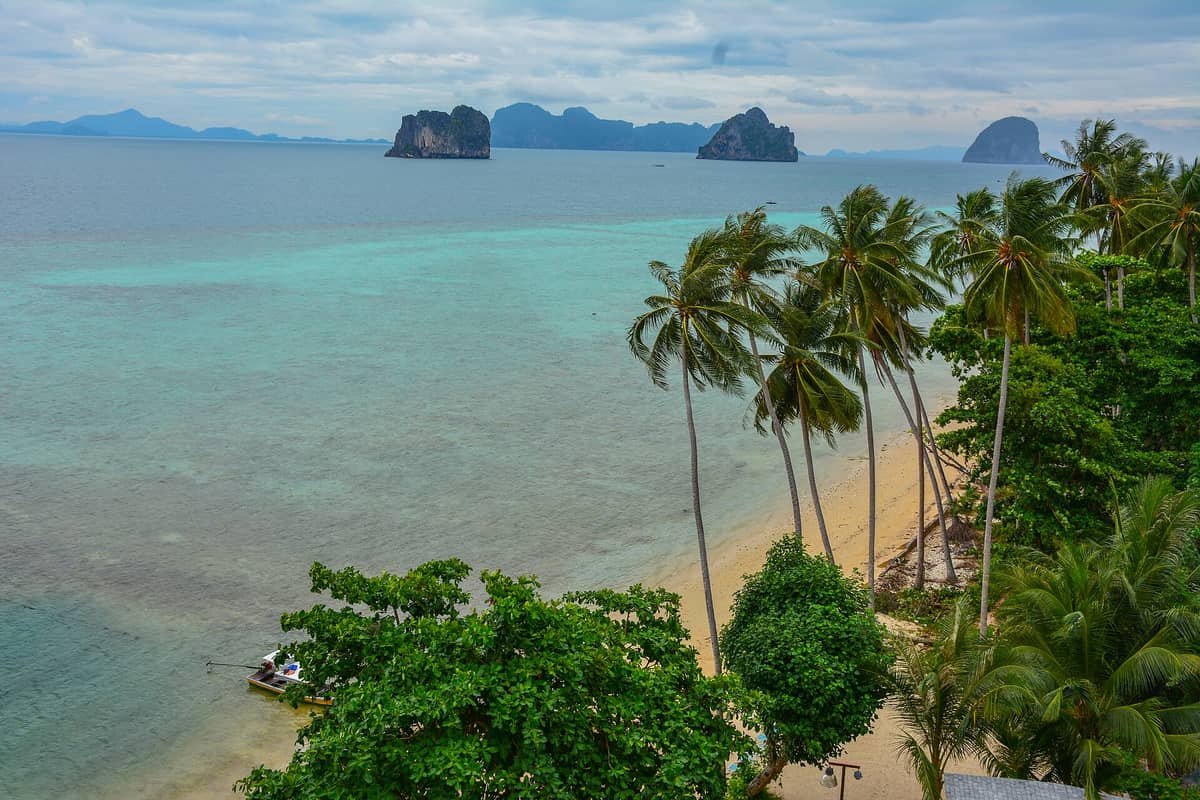
14. Snorkel the Fringing Reef at Peaceful Koh Ngai
Koh Ngai's fringing reef runs directly off the beach, making shore entry snorkeling straightforward for guests staying on the island. The reef is shallow and colorful, with good coverage of hard coral and reef fish. It's best visited as a stay, not just a day trip.
Explore14. Snorkel the Fringing Reef at Peaceful Koh Ngai
Koh Ngai's fringing reef runs directly off the beach, making shore entry snorkeling straightforward for guests staying on the island. The reef is shallow and colorful, with good coverage of hard coral and reef fish. It's best visited as a stay, not just a day trip.
Explore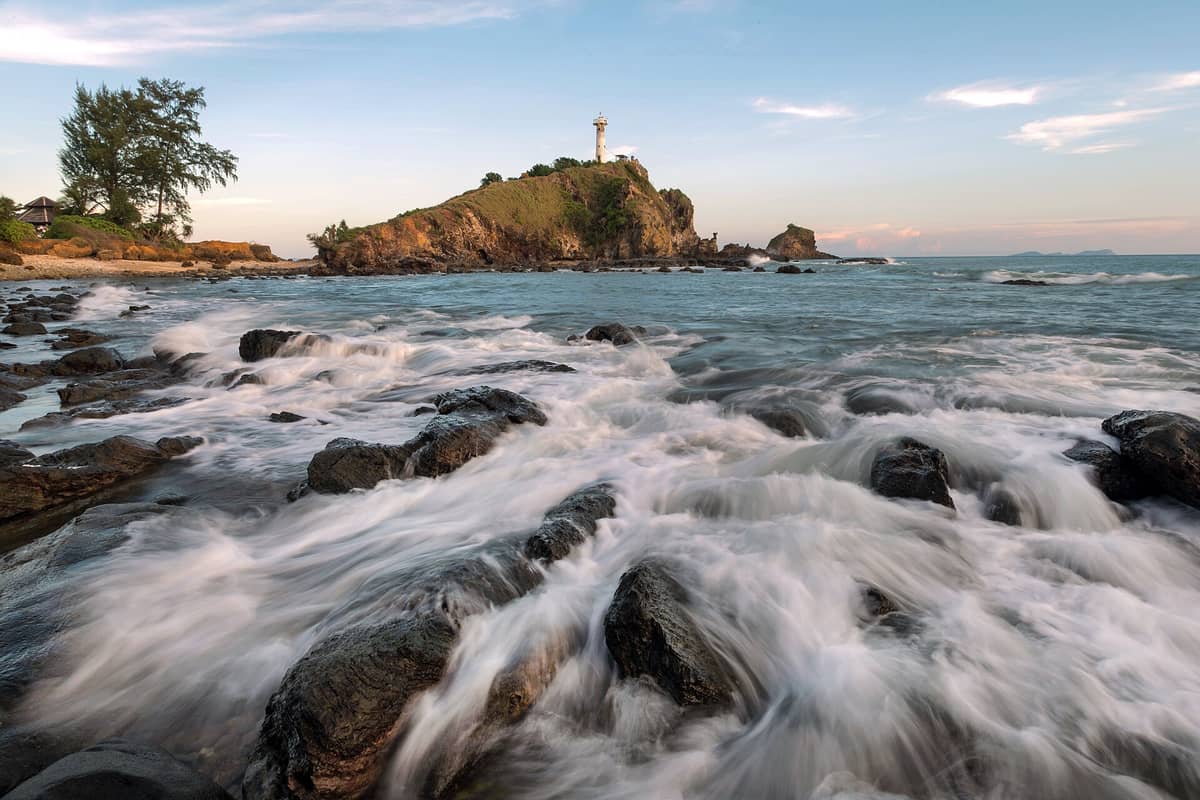
15. Combine the Lighthouse Hike with Snorkeling at the National Park's Reefs
Mu Ko Lanta National Park protects coral reefs around the southern tip of Koh Lanta. Some tour operators run snorkeling trips that combine the lighthouse viewpoint with nearby reef sites, pairing Koh Lanta's best land and sea experiences in one trip.
Explore15. Combine the Lighthouse Hike with Snorkeling at the National Park's Reefs
Mu Ko Lanta National Park protects coral reefs around the southern tip of Koh Lanta. Some tour operators run snorkeling trips that combine the lighthouse viewpoint with nearby reef sites, pairing Koh Lanta's best land and sea experiences in one trip.
ExploreRailay Peninsula: Snorkeling Accessible Without a Boat Tour
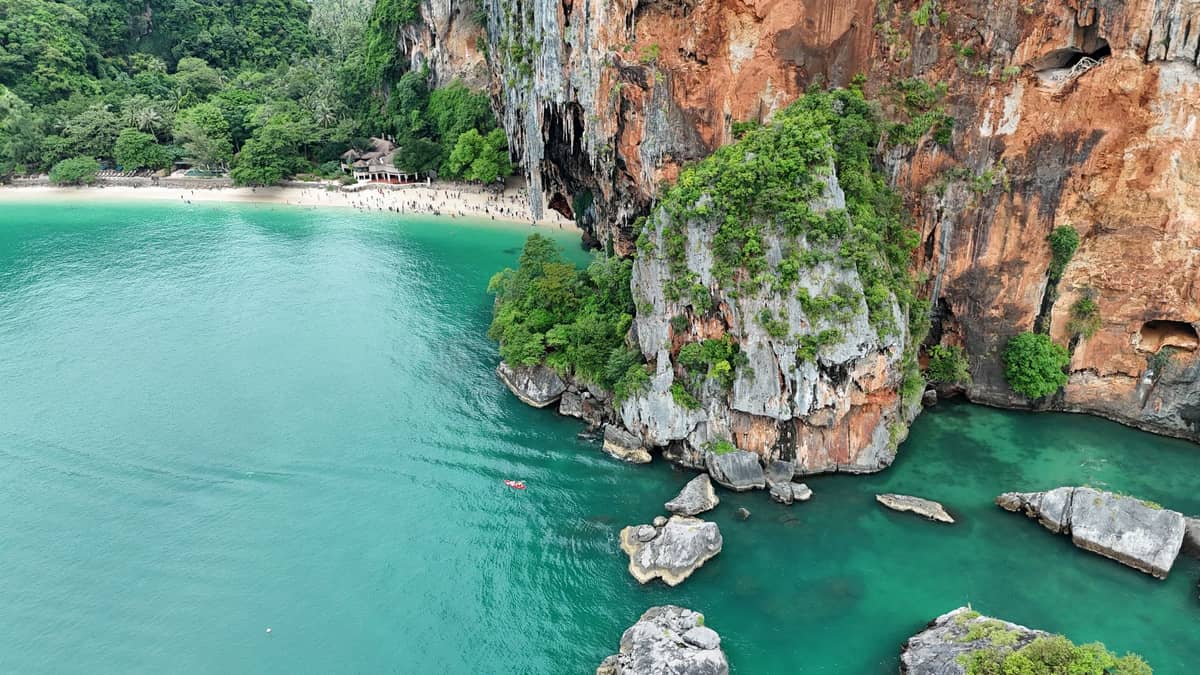
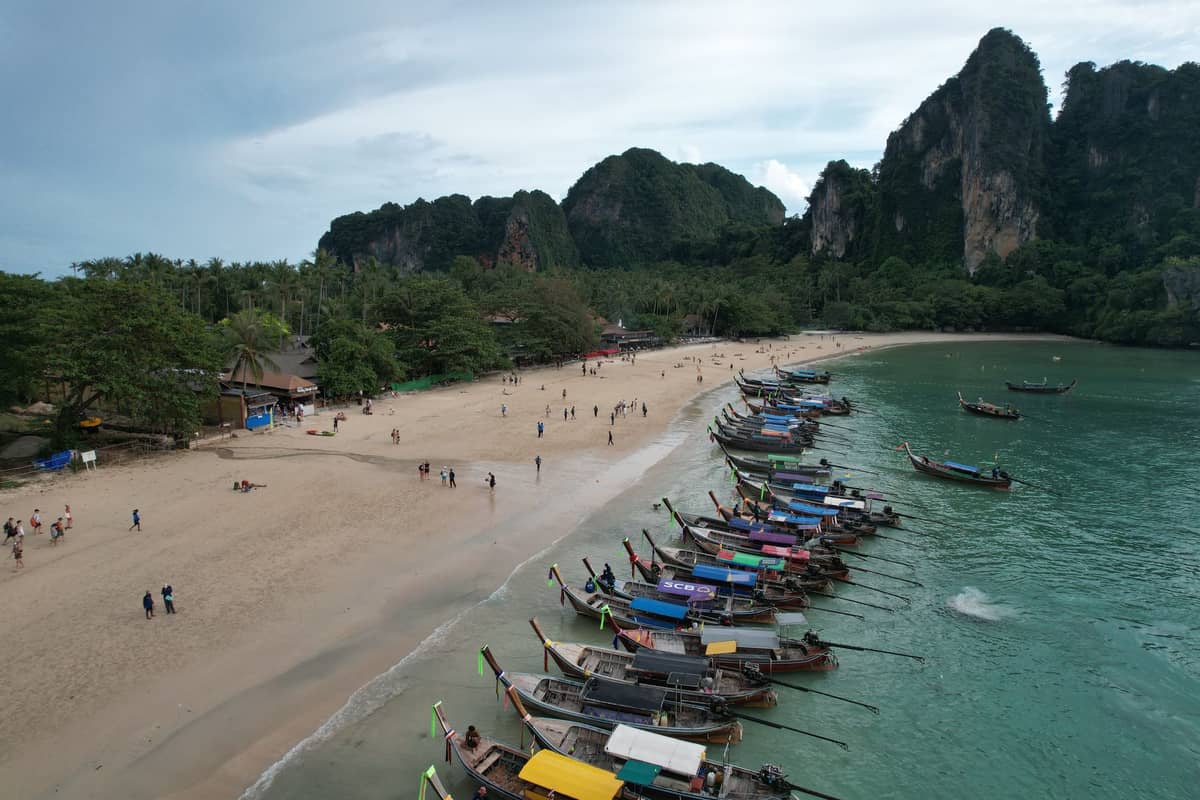
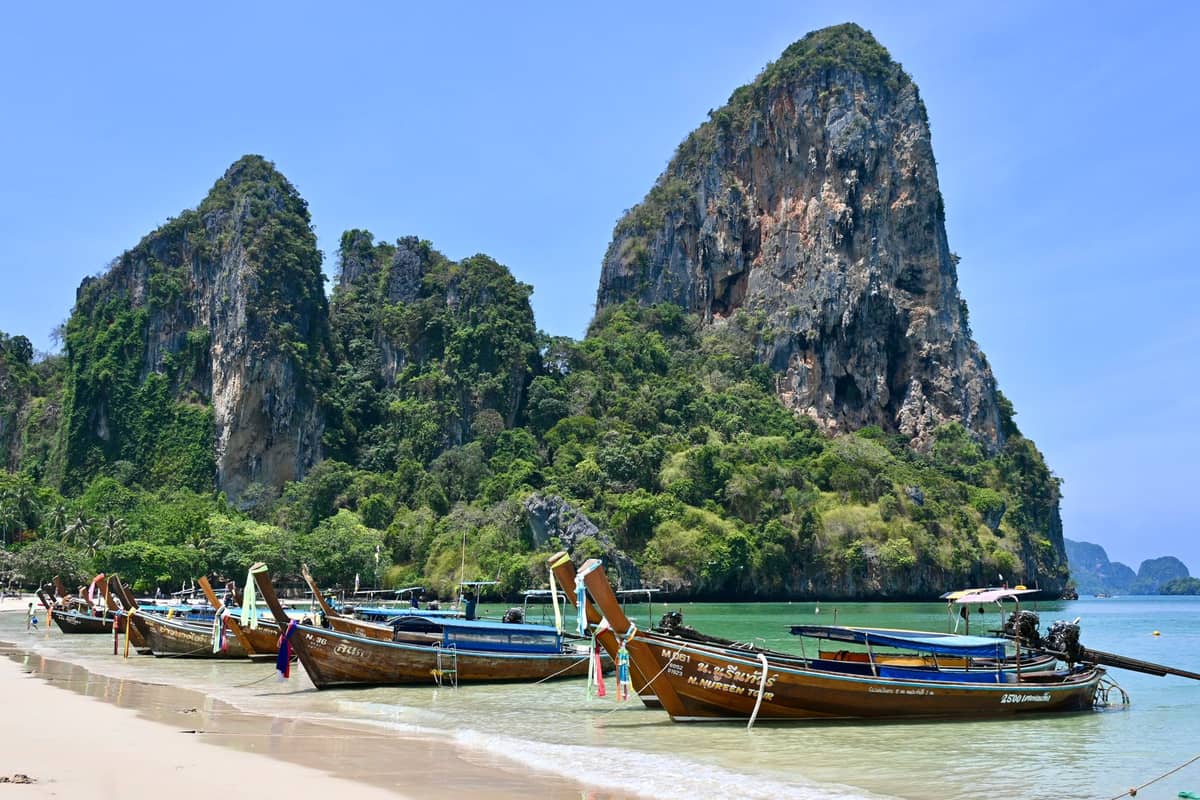
16. Snorkel the Limestone Outcrops Directly from West Railay Beach
West Railay's rocky limestone headlands on both ends of the beach shelter small reef communities accessible without any tour. Simply wade in with a mask at low tide. Fish concentration is highest near the rocks at the southern end toward Phra Nang Cave.
Explore16. Snorkel the Limestone Outcrops Directly from West Railay Beach
West Railay's rocky limestone headlands on both ends of the beach shelter small reef communities accessible without any tour. Simply wade in with a mask at low tide. Fish concentration is highest near the rocks at the southern end toward Phra Nang Cave.
Explore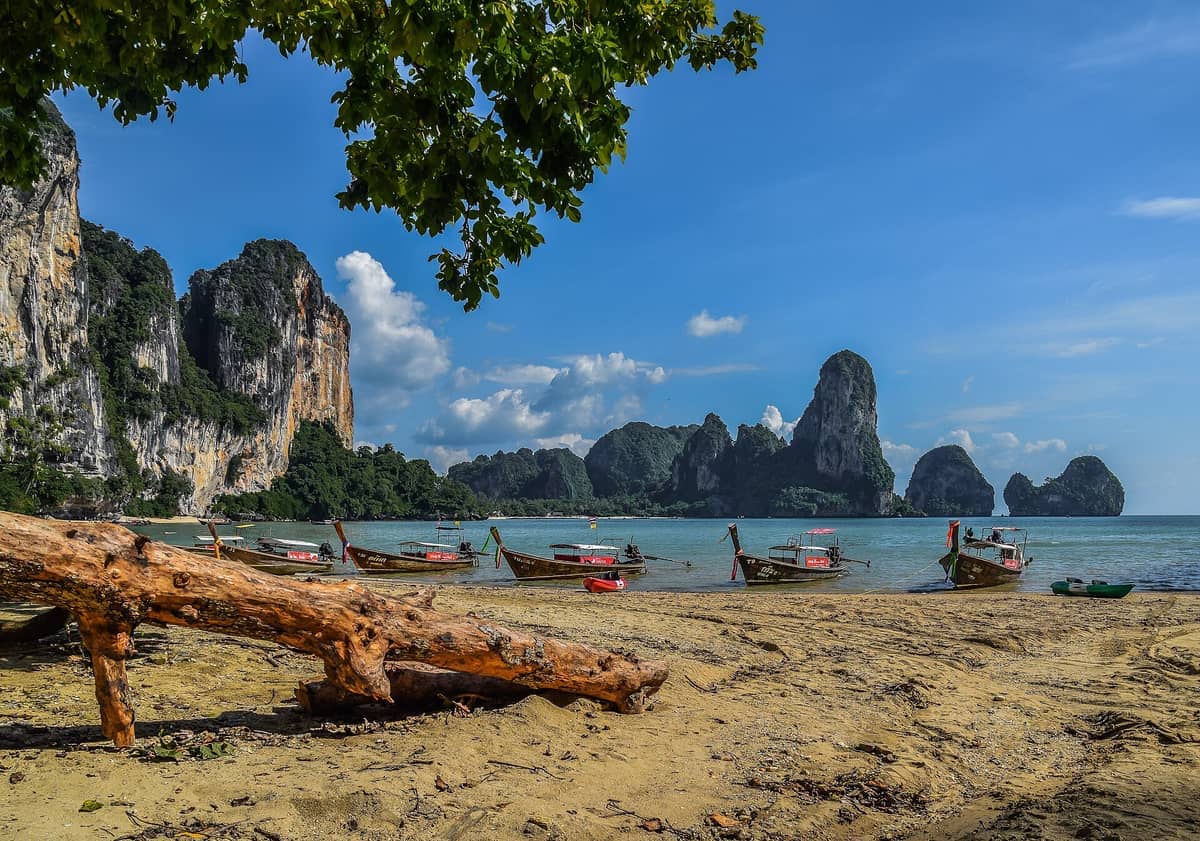
17. Use Tonsai Beach as a Budget Base for Snorkeling the Railay Area
Tonsai sits between Ao Nang and Railay and is reachable by longtail. The rocky reef at the beach's western end has basic snorkeling, and longtail boat charters from here to nearby snorkeling sites are cheaper than tours booked from Ao Nang.
Explore17. Use Tonsai Beach as a Budget Base for Snorkeling the Railay Area
Tonsai sits between Ao Nang and Railay and is reachable by longtail. The rocky reef at the beach's western end has basic snorkeling, and longtail boat charters from here to nearby snorkeling sites are cheaper than tours booked from Ao Nang.
ExploreMarine Life, Visibility, and What to Expect Underwater
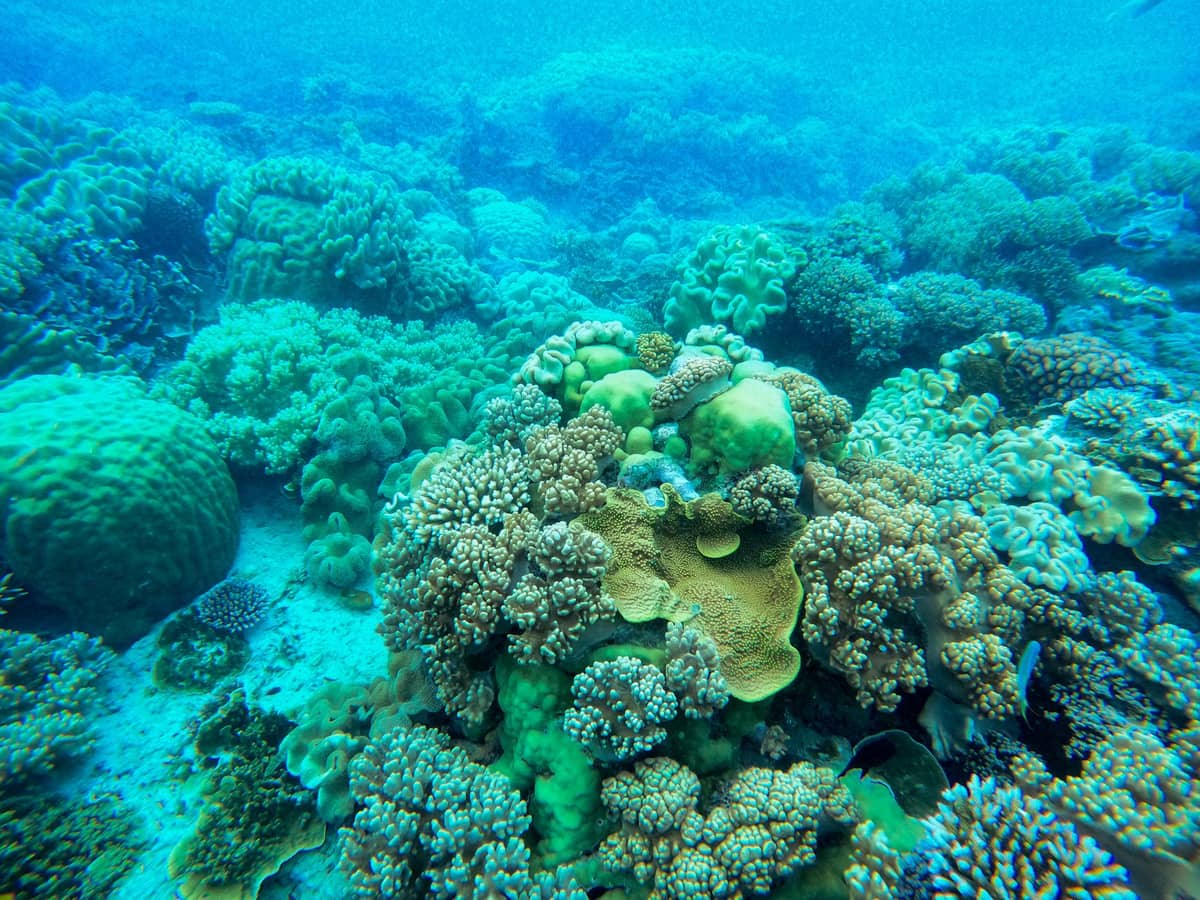
Understanding what you'll actually see underwater helps set realistic expectations. Krabi's snorkeling ranges from beginner-friendly shallow reefs with clownfish and parrotfish to advanced sites with strong currents, dramatic topography, and large pelagic species. Here's what distinguishes the most notable underwater environments.
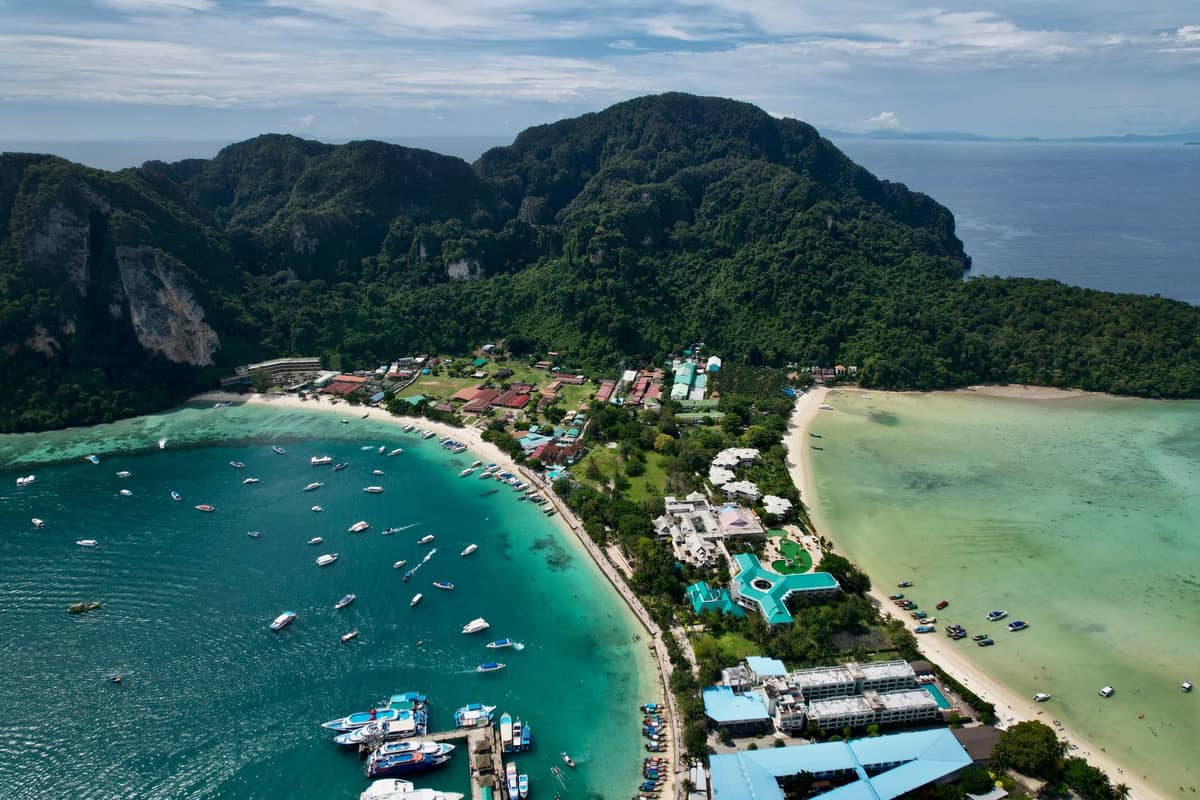
18. Use Koh Phi Phi Don as a Base for Multi-Day Snorkeling Exploration
Staying overnight on Phi Phi Don lets you snorkel the surrounding reefs early morning before tour boats arrive. Several bays around the island have accessible reef from shore, and local longtail operators run cheaper reef trips than tours from the mainland.
Explore18. Use Koh Phi Phi Don as a Base for Multi-Day Snorkeling Exploration
Staying overnight on Phi Phi Don lets you snorkel the surrounding reefs early morning before tour boats arrive. Several bays around the island have accessible reef from shore, and local longtail operators run cheaper reef trips than tours from the mainland.
Explore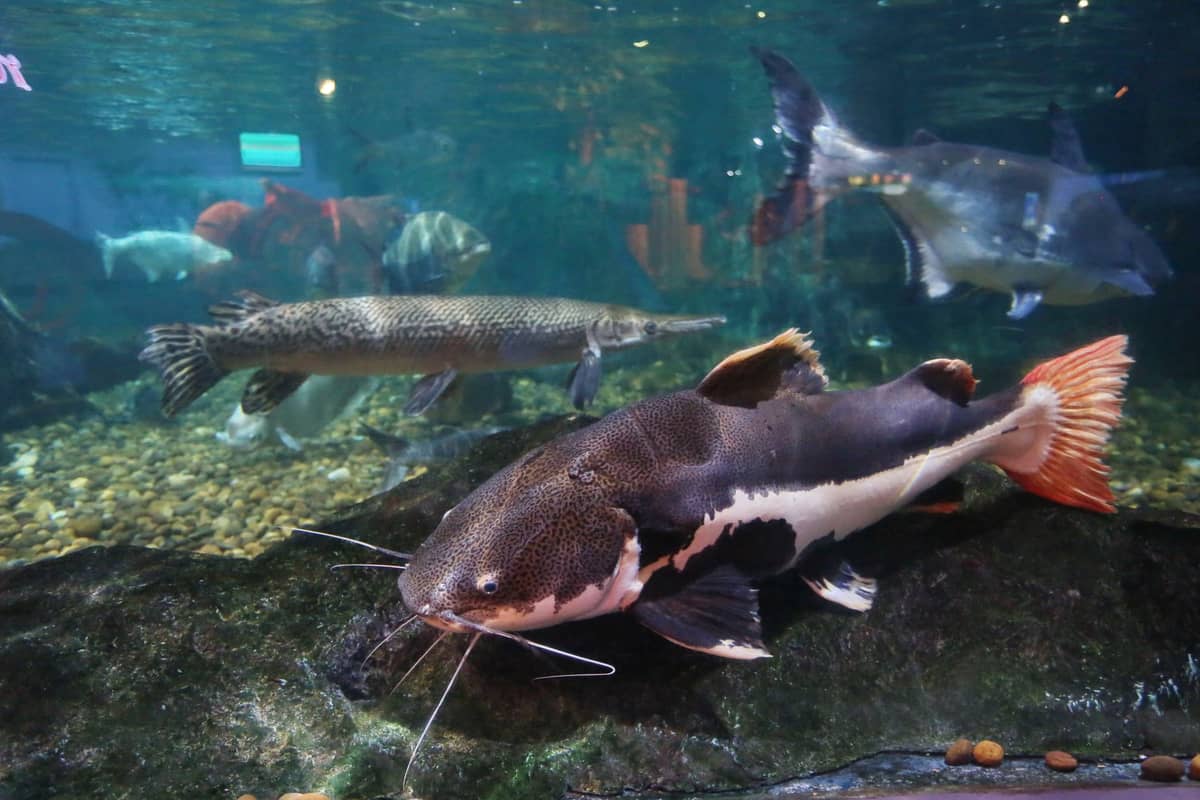
19. Learn the Local Marine Species at Krabi Aquarium Before You Snorkel
A quick visit to Krabi Aquarium before your snorkeling days helps you identify reef fish, sea turtles, and invertebrates you'll encounter underwater. It's a small facility, but knowing what you're looking at sharpens the experience on the reef.
Explore19. Learn the Local Marine Species at Krabi Aquarium Before You Snorkel
A quick visit to Krabi Aquarium before your snorkeling days helps you identify reef fish, sea turtles, and invertebrates you'll encounter underwater. It's a small facility, but knowing what you're looking at sharpens the experience on the reef.
Explore⚠️ What to skip
Do not touch corals or stand on the reef. Krabi's marine parks enforce reef protection rules, and coral damage from touching or anchoring is a serious problem at popular sites. Wear a rash guard instead of sunscreen where possible; many chemical sunscreens harm coral.
Island Bases Worth Considering for Snorkeling Trips
20. Explore Uncrowded Reefs Around Undeveloped Koh Jum
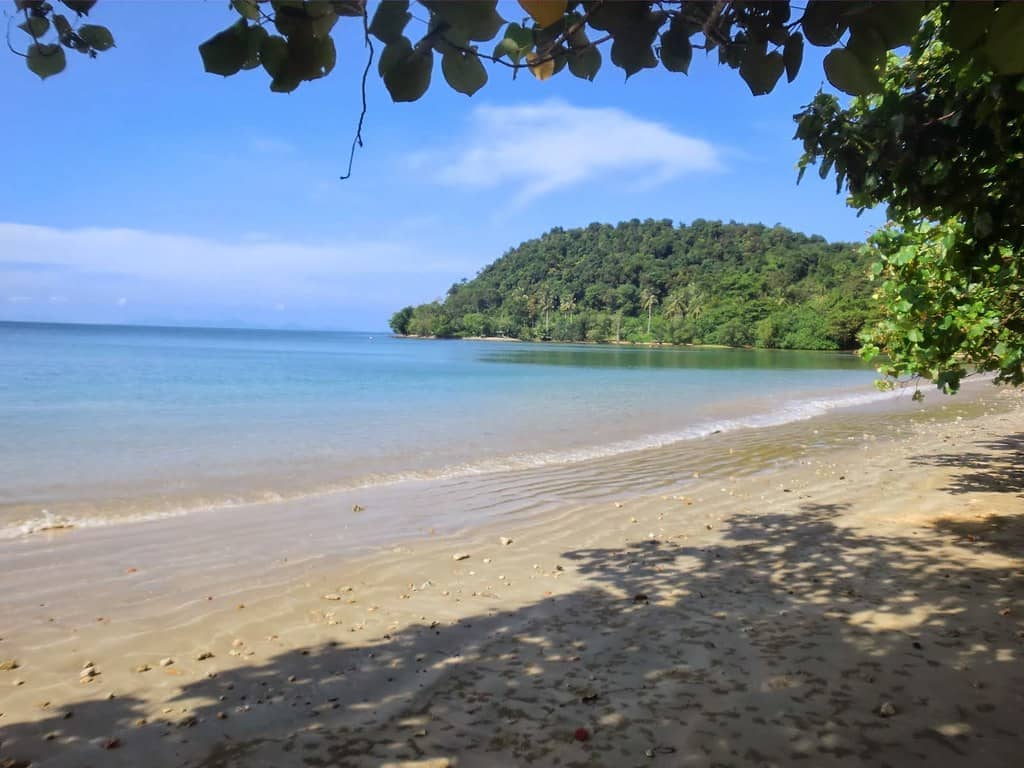
Koh Jum sees very few snorkeling tour boats, which means its surrounding reef is quieter and less disturbed than mainland-accessible sites. Arrange snorkeling directly with your guesthouse or a local longtail operator once on the island.
Explore20. Explore Uncrowded Reefs Around Undeveloped Koh Jum
Koh Jum sees very few snorkeling tour boats, which means its surrounding reef is quieter and less disturbed than mainland-accessible sites. Arrange snorkeling directly with your guesthouse or a local longtail operator once on the island.
Explore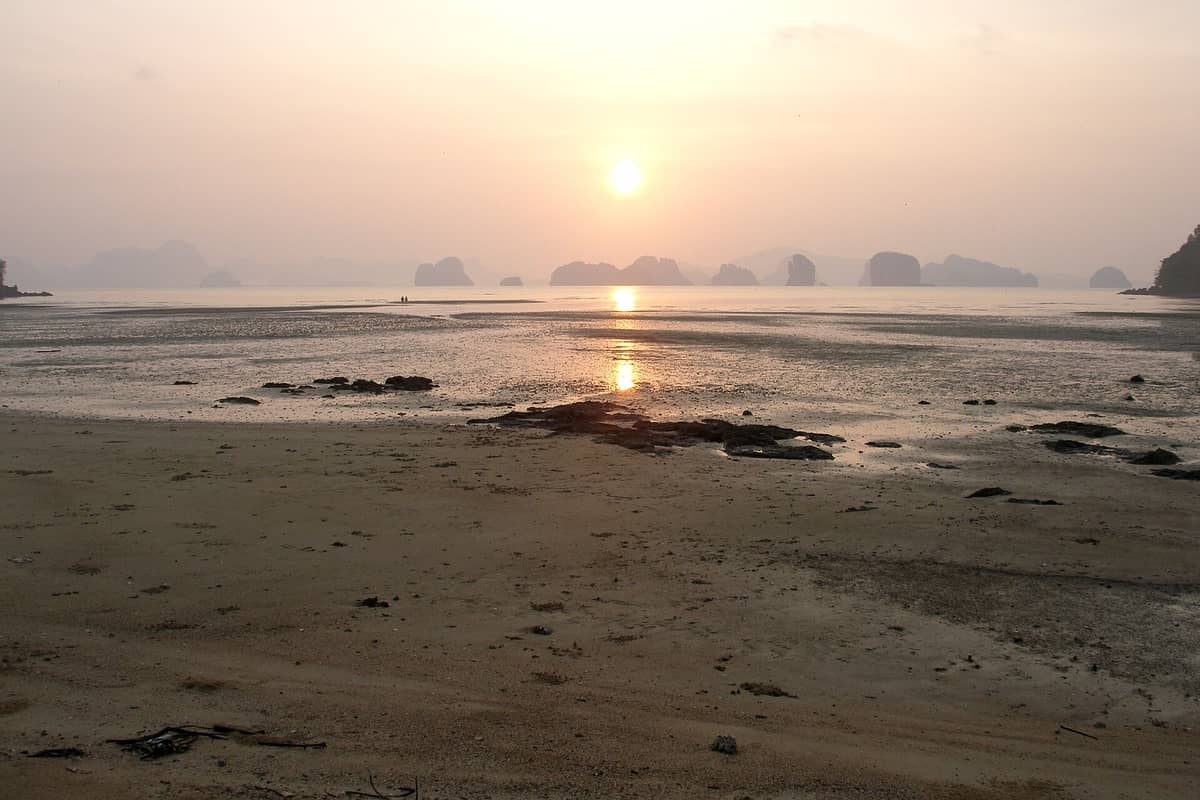
21. Kayak and Snorkel the Mangrove-Fringed Bays of Koh Yao Noi
Koh Yao Noi sits in Phang Nga Bay between Krabi and Phuket, with protected bays that are ideal for combined kayaking and snorkeling. The reefs here are not as spectacular as Koh Rok, but the landscape and tranquility are unmatched in the wider Krabi region.
Explore21. Kayak and Snorkel the Mangrove-Fringed Bays of Koh Yao Noi
Koh Yao Noi sits in Phang Nga Bay between Krabi and Phuket, with protected bays that are ideal for combined kayaking and snorkeling. The reefs here are not as spectacular as Koh Rok, but the landscape and tranquility are unmatched in the wider Krabi region.
ExploreFAQ
When is the best time to go snorkeling in Krabi?
November through April offers the calmest seas and best underwater visibility, typically 10-20 meters at top sites. May through October brings the southwest monsoon, with rough conditions that often cancel boat tours. December to February is the peak of the dry season and the most reliable period for snorkeling.
What is the best snorkeling spot in Krabi for beginners?
Bamboo Island and the Four Islands sites around Koh Poda are the most beginner-friendly, with shallow water, calm conditions, and colorful reef fish close to shore. Koh Hong is also good for beginners as the lagoon area is protected and gentle. Avoid Koh Haa and Koh Rok if you're not comfortable with currents.
Do I need to book a tour or can I snorkel independently in Krabi?
You can snorkel independently at Railay's beaches and some spots accessible by longtail from Ao Nang. Most top sites like Koh Haa, Koh Rok, and the Phi Phi islands require a boat tour. If you rent snorkel gear (available at most beach shops for around ฿100-150/day), you can explore shore-accessible reefs without any booking.
Are there reef sharks or dangerous marine life at Krabi snorkeling sites?
Leopard sharks are commonly seen resting on the sandy bottom at Koh Haa and occasionally at Koh Rok. They are harmless to snorkelers. Blacktip reef sharks appear at some Phi Phi sites. Jellyfish can be present during certain months, particularly May-October. Serious incidents are rare but wearing a rash guard is sensible protection.
What's the difference between a longtail boat tour and a speedboat snorkeling tour?
Longtail tours are cheaper (often ฿600-900 per person) and cover nearby sites like the Four Islands or Railay area. Speedboat tours cost more (฿1,200-2,500 per person) but reach farther sites like Koh Haa and Koh Rok, spend less transit time on the water, and typically include more snorkel stops. For the best snorkeling sites, speedboats are worth the extra cost.
Tickets & tours
Live prices and dates from our booking partner. If you book, we may earn a commission at no extra cost to you.
Planning a trip? Discover personalized activities with the Nomado app.