Koh Yao Noi: The Slow-Paced Island in Phang Nga Bay Worth the Ferry Ride
Koh Yao Noi sits in Phang Nga Bay between Krabi and Phuket, offering one of the few genuinely unhurried island experiences left in the region. Think rubber plantations, sea kayaking routes, fishing villages, and limestone karsts on the horizon rather than beach bars and jet skis.
Quick Facts
- Location
- Ko Yao District, Phang Nga Province — Phang Nga Bay, accessible from both Krabi and Phuket by ferry
- Getting There
- Ferry from Krabi Town (Klong Jilad Pier) or Phuket (Bang Rong Pier); no road access. Schedules and operators vary — confirm locally before travel.
- Time Needed
- Minimum 1 full day; most visitors stay 2–4 nights to appreciate the pace
- Cost
- No island admission fee; ferry fares vary by route and operator (verify current prices locally). Motorbike rental is the primary way to get around.
- Best for
- Travellers wanting slow travel, nature, kayaking, and genuine village life — not nightlife or resort amenities
- Official website
- thailandtourismdirectory.go.th/en/attraction/1927
What Koh Yao Noi Actually Is
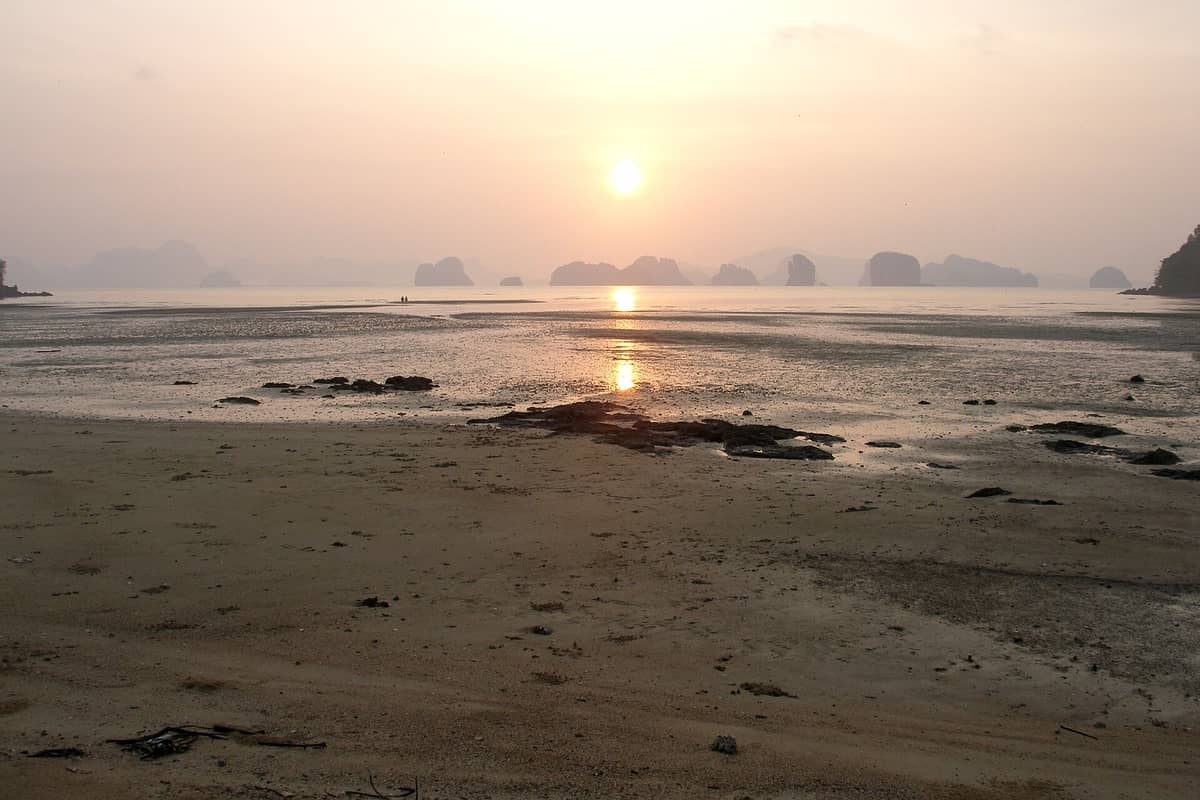
Koh Yao Noi (Thai: เกาะยาวน้อย) is a small island approximately 18 km long, sitting in the middle of Phang Nga Bay. Administratively it falls under Ko Yao District, Phang Nga Province, but it is most commonly reached from Krabi and is a natural extension of the Krabi travel circuit. The bay around it is studded with the same dramatic limestone karsts visible from Railay and Ao Nang — except here, you look at them from a quieter shoreline rather than a crowded beach.
The island's interior is mostly rubber and palm plantations, with a small Muslim fishing community that has kept development relatively low-key compared to nearby islands. There are guesthouses and a handful of boutique resorts, but no high-rise hotels, no strip of bars, and no beach vendors following you along the waterline. If that sounds appealing, read on. If it sounds dull, this island is probably not for you.
ℹ️ Good to know
Koh Yao Noi is culturally a Muslim-majority island. Dress modestly when walking through villages, and be mindful of local customs, particularly during prayer times and the month of Ramadan.
Getting There: Ferries, Piers, and What to Expect
Access is entirely by boat. From the Krabi side, ferries typically depart from Klong Jilad Pier; from Phuket, the main departure point is Bang Rong Pier on the northeast coast of the island. The crossing from Krabi takes roughly 40 minutes depending on the vessel; from Phuket it is roughly 40 minutes by speedboat. Arrivals on Koh Yao Noi are at Manoh Pier or Laem Sai Pier, depending on the route.
Ferry schedules are not fixed year-round. Services can be reduced during the May–October rainy season when sea conditions deteriorate, and some operators run only a few crossings per day even in high season. Always confirm current schedules with your accommodation or directly at the pier before planning tight connections. For broader context on navigating Krabi's waterways and transport options, see the getting around Krabi guide.
⚠️ What to skip
The last ferry back to Krabi or Phuket tends to depart mid-afternoon. Day-trippers who misjudge timing can find themselves stranded overnight. Check the last departure time the moment you arrive on the island.
Tickets & tours
Live prices and dates from our booking partner. If you book, we may earn a commission at no extra cost to you.
Full-day Koh Rok and Koh Haa from Koh Lanta
From 47 €Instant confirmationFree cancellationKoh Kradan and Four Islands Boat Tour from Koh Lanta Yai
From 52 €Instant confirmationFree cancellationMuay Thai introductory group class for beginners in Koh Lanta
From 14 €Instant confirmationFree cancellationMuay Thai introductory private class for beginners in Koh Lanta
From 45 €Instant confirmationFree cancellation
On the Island: Getting Around and What You Find
There are no tuk-tuks and no metered taxis on Koh Yao Noi. The practical choice is motorbike rental, available from guesthouses and small shops near the main piers. If you are not comfortable on a motorbike, some accommodations can arrange bicycle rentals or songthaew (shared pickup truck) transfers, but options are limited. The roads are mostly quiet and relatively flat along the coast, with steeper inland tracks if you venture toward the island's forested interior.
The main village near Manoh Pier has the island's small market, coffee shops, and basic supplies. Mornings here smell of freshly brewed Thai coffee and salt air, with fishing boats returning from overnight trips and locals picking up provisions before the heat of the day sets in. By 9am the market activity winds down considerably. The pace on this island is genuinely slow, and that is not a marketing phrase — shops sometimes close without notice, menus change based on what the fishermen brought in, and nothing moves urgently.
The Landscape: What You Actually See
The interior of Koh Yao Noi is green, lush, and largely inaccessible without local knowledge. Rubber trees line the roads, their shallow trunks tapped at dawn for latex before the temperature rises too high. Between the plantation rows you occasionally glimpse mudflats and mangrove channels cutting toward the coast, home to monitor lizards, mudskippers, and birds that ignore the few tourists who wander through.
The island's coastline varies considerably. The east-facing shores are calmer, with shallow, sandy-bottomed bays, reasonable for swimming at high tide but revealing wide mudflats at low tide. The views facing east look directly toward the karst towers of Phang Nga Bay, which catch the light beautifully in the late afternoon. Sea kayaking is one of the best ways to get into those karst channels; several operators on the island offer half-day and full-day kayaking trips that explore caves, hidden lagoons, and mangroves. For detailed paddling context, the Krabi kayaking guide covers what to expect on similar routes in the region.
Sunsets on the west-facing side of the island are genuinely striking. The light catches the limestone formations of the bay in shades of orange and amber, and because there are no high-rises or beach bars to compete with, the view is unobstructed. A motorbike ride to the west coast in the late afternoon, around 5pm, is the single most reliable way to experience the island at its most photogenic.
Beaches: Manage Your Expectations
Koh Yao Noi is not a beach destination in the conventional sense. The beaches are quiet and relatively undeveloped, which is the appeal, but they are also often narrow, tidal, and not suited to all-day sunbathing in the way that the beaches at Ao Nang or Koh Lanta are. The best beaches for swimming tend to be those on the calmer eastern and southern shores, and conditions vary significantly with the tide.
Travellers whose primary goal is a great beach with clear water and reliable swimming should look at Krabi's best beaches to find locations better suited to that purpose. Koh Yao Noi is best treated as a place to slow down, cycle, kayak, and eat well — the beaches are a backdrop rather than the main event.
Time of Day: How the Island Changes
Early mornings are the most active part of the day on Koh Yao Noi. Fishing boats are already out before sunrise, and the village market near the main pier operates from around 6am until mid-morning. The light at this hour is soft and the air is cool enough to walk comfortably. This is the time to visit the village, buy fresh roti or Thai breakfast, and watch the bay come alive.
Midday brings real heat, typically in the 31–34°C range, and most activity stalls. Locals retreat indoors, guesthouse hammocks fill up, and the roads go quiet. This is not a bad time to nap, read, or swim if the tide is right. By late afternoon, the temperature drops marginally, the light turns golden, and the island briefly comes alive again before dinner.
Evenings are quiet by any measure. Most restaurants on the island are simple, family-run operations that close early. There is no nightlife to speak of. If a quiet dinner of freshly grilled fish followed by an early bedtime sounds ideal, the island delivers. If it sounds punishing, factor that in before booking several nights.
When to Visit and What to Watch For
The driest and most predictable weather falls between December and February, when seas are calmer and ferry crossings are more reliable. March and April are warmer and drier but can be hazy. The rainy season runs roughly May through October; during this period, rain is frequent, sea conditions can be rough, and some boat services are reduced or suspended. Visiting during the wetter months is possible but requires flexibility. For a fuller breakdown of seasonal conditions, the best time to visit Krabi guide covers the tradeoffs in detail.
Koh Yao Noi is a Muslim-majority island and observes Islamic holidays. During Ramadan, food and drink availability in public spaces may be restricted during daylight hours, and the atmosphere in the village changes noticeably. This is worth knowing before you go, not as a deterrent, but as context that will help you behave respectfully and plan your days accordingly.
💡 Local tip
If you visit between December and February, the clearest views of the Phang Nga Bay karst formations tend to appear in the early morning before any haze develops. Get to the east-facing coastline by 7am for the best light and the most defined silhouettes.
Insider Tips
- Rent a motorbike for a full day rather than a half day — the island is small but the roads loop around, and the best viewpoints and quietest beaches are rarely signed. Having the bike all day means you can explore without rushing back.
- The Thailand Tourism Directory lists unusual opening hours (1:00–9:00) for the island entry, which do not correspond to any recognizable ferry or access schedule. These hours are likely a data entry error. Do not rely on them — confirm all ferry times directly with operators or your accommodation.
- The mudflats on the eastern shore expose fully at low tide, which can make the beaches look much less appealing than photos suggest. Check a tide table for your visit dates before assuming morning beach time will be good for swimming.
- Several resorts on the northern end of the island offer kayak rentals that include a rough map of nearby mangrove channels and cave entrances. These self-guided routes are far quieter than the organized group tours and cost less. Ask at your accommodation rather than booking through a tour desk.
- If you are coming from Phuket, the Bang Rong Pier ferry is significantly cheaper than taking a speedboat transfer arranged through a hotel. The ride is slower but the difference in cost is substantial and the scenery is the same.
Who Is Koh Yao Noi For?
- Travellers who want to experience Thai island life without a resort veneer — village markets, fishing culture, and genuine quiet
- Kayakers and nature-focused visitors who want to explore mangroves, karst formations, and Phang Nga Bay at a relaxed pace
- Couples or solo travellers who need a few days off from the social intensity of busier tourist islands
- Photographers drawn to the bay's karst landscapes and want to shoot them from a shoreline without crowds
- Travellers mid-trip who want to break the journey between Phuket and Krabi without rushing through
Nearby Attractions
Other things to see while in Koh Yao Islands:
- Koh Yao Yai
Koh Yao Yai sits in Phang Nga Bay between Krabi and Phuket, offering a rare combination of working fishing villages, long undeveloped coastlines, and limestone karst scenery without the infrastructure crowds of the region's better-known islands. It rewards travelers who value pace over spectacle.
Planning a trip? Discover personalized activities with the Nomado app.