Koh Yao Yai: The Slow Island That Krabi's Resort Crowd Hasn't Ruined Yet
Koh Yao Yai sits in Phang Nga Bay between Krabi and Phuket, offering a rare combination of working fishing villages, long undeveloped coastlines, and limestone karst scenery without the infrastructure crowds of the region's better-known islands. It rewards travelers who value pace over spectacle.
Quick Facts
- Location
- Phang Nga Bay, Koh Yao District, Phang Nga Province, Thailand
- Getting There
- Boat from Bang Rong Pier (Phuket), or via ferries from Krabi/Phang Nga piers; no road access
- Time Needed
- Minimum 1 overnight stay; 2–3 nights recommended to settle into the island's pace
- Cost
- No admission fee; the island is a residential community, not a ticketed attraction
- Best for
- Cyclists, slow travelers, photographers, couples seeking quiet, anyone exhausted by package tourism
- Official website
- www.tourismthailand.org/Attraction/ko-yao-yai
What Kind of Place Is Koh Yao Yai?
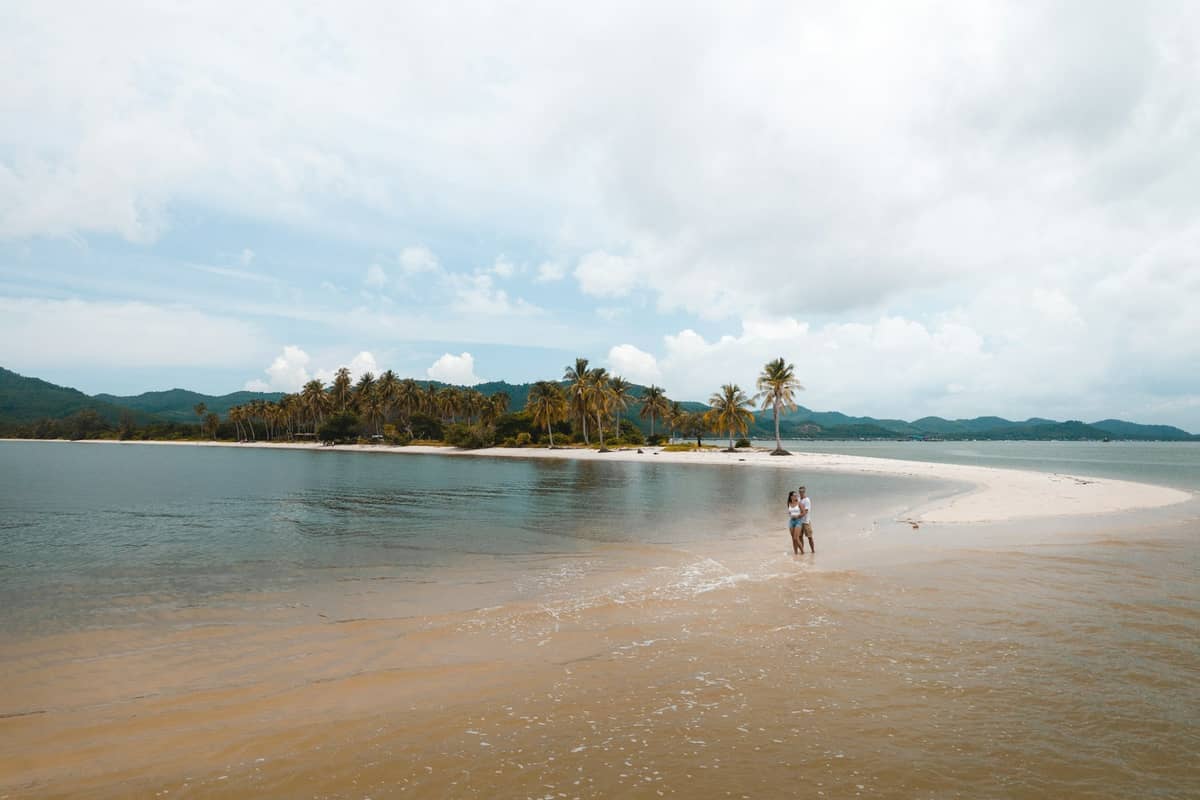
Koh Yao Yai (เกาะยาวใหญ่) is the larger of the two Koh Yao islands sitting at the center of Phang Nga Bay. The name translates roughly to 'Big Long Island,' and the shape earns it: the island stretches north to south in a thin, elongated form, fringed with mangroves on its eastern shore and quieter sandy beaches on its west. It is administratively part of Phang Nga Province, though geographically it sits equidistant between Krabi and Phuket, and many visitors arrive from Phuket's Bang Rong Pier.
This is not a resort island in the conventional sense. Most of the population is Muslim, and the dominant industries are rubber farming and fishing, not tourism. That is precisely what makes it interesting. The interior roads pass through rubber plantations where tapping happens in the pre-dawn dark. Fishing boats come in early morning. The afternoon is slow and warm and quiet in a way that Ao Nang and Phi Phi simply cannot offer.
ℹ️ Good to know
Koh Yao Yai is a living community, not a resort zone. Dress modestly when away from the beach, especially near villages and the mosque. This shapes the whole character of the visit in a way that's worth embracing rather than overlooking.
Getting There: Piers, Boats, and Timing
There is no road or bridge connecting Koh Yao Yai to the mainland. All access is by boat. From Phuket, the most established route runs from Bang Rong Pier (on the northeast coast of Phuket) to Klong Hia Pier on Koh Yao Yai. Other Phuket piers serve Laem Yai and Loh Jark on the island. Boats also run from Krabi and from the Phang Nga side. Journey times vary by boat type and departure point, so confirm schedules with your accommodation or the pier directly before travel, as timetables and operators can change seasonally.
The boat crossing itself is part of the experience. On a clear morning, the ride through Phang Nga Bay delivers views of the limestone karst towers that define this corner of southern Thailand. The water is typically calmer on the eastern, bay-facing side of the island than on the Andaman-exposed west. During the southwest monsoon season, roughly May through October, sea conditions can be rougher and some crossings may be disrupted. The period from December through February offers the most reliable weather for the crossing and for beach use once you arrive.
If you are combining this trip with other Krabi Province islands, the Krabi island-hopping guide covers logistics for moving between destinations, which is relevant if Koh Yao Yai is one stop on a multi-island route.
Tickets & tours
Live prices and dates from our booking partner. If you book, we may earn a commission at no extra cost to you.
Koh Kradan and Four Islands Boat Tour from Koh Lanta Yai
From 52 €Instant confirmationFree cancellationFull-day Koh Rok and Koh Haa from Koh Lanta
From 47 €Instant confirmationFree cancellationMuay Thai introductory group class for beginners in Koh Lanta
From 14 €Instant confirmationFree cancellationMuay Thai introductory private class for beginners in Koh Lanta
From 45 €Instant confirmationFree cancellation
The Island on Foot and by Motorbike
Most visitors rent a motorbike or bicycle from near the main pier area to explore the island independently. The roads are mostly quiet, paved in the central areas, and occasionally unpaved on tracks heading toward beaches or into the rubber tree interior. A motorbike allows you to cover the island's length in an hour or two, stopping wherever the scenery or a roadside food stall catches your attention. A bicycle is feasible for the fitter traveler but the terrain has some incline and the midday heat between March and May is genuinely taxing.
The western shoreline has several beach areas that receive far fewer visitors than equivalent beaches on Koh Lanta or the Phi Phi islands. The sand and water quality varies by season and location, and none of the beaches are groomed resort fronts with sunbeds and umbrellas. What you get instead is space, the sound of water, and the outline of limestone towers across the bay. In the early morning, before the heat builds, this is exceptional.
For comparison, the neighboring smaller island has its own distinct character. Koh Yao Noi is more developed for tourism and easier to combine with a day trip, while Koh Yao Yai rewards a longer, slower visit.
How the Island Changes Through the Day
Pre-dawn and early morning is when the island is most itself. Rubber tappers work in the hours before sunrise, when the latex flows most freely in the cooler air. The smell of fresh rubber is faint but distinct in the plantation tracks. Fishing boats have often already returned before most tourists are awake, and the pier area near Klong Hia has a brief, practical energy during offloading.
By mid-morning the light on Phang Nga Bay is clear and strong, ideal for photography toward the karst silhouettes to the north and east. This is also the best time to cycle or ride to less-visited beaches before the temperature peaks. Midday from roughly 11:30 a.m. to 2:30 p.m. is genuinely hot, and the pace of village life reflects this: things slow, shutters close, and the sensible move is shade, a cold drink, and whatever local food is available from the small shops and stalls near the village centers.
Late afternoon softens the light considerably and the heat drops enough to make movement comfortable again. Sunset from the western beaches can be strong, with the sky going through orange and pink behind the Andaman horizon. There is no formal sunset bar culture here the way there is in Ao Nang. You watch it from wherever you happen to be standing.
💡 Local tip
Bring cash before arriving. ATM availability on the island is limited and cannot be relied upon for your entire stay. Stock up at a bank or ATM in Phuket or Krabi before boarding the boat.
Food, Villages, and Local Life
The island's food scene is small-scale and largely Muslim. Pork is absent. Fresh seafood is the default protein, typically grilled or in curries, served at simple shopfronts rather than beachfront restaurants with laminated menus. Portions are generous and prices are considerably lower than equivalent meals in Ao Nang or on Koh Phi Phi. Breakfast is often a matter of seeking out whichever stall near your guesthouse is open, which requires flexibility rather than a plan.
The main settlements have mosques, small markets, and shops selling basic goods. Exploring the villages on foot or by motorbike is itself an activity: the pace is unhurried, people go about their work, and the atmosphere is one of ordinary Thai-Muslim coastal life rather than performed local culture for visitors. That distinction is worth treating with some care. This is not a show. Move through with corresponding respect.
Travelers who want to understand how food and local markets work across Krabi Province more broadly will find the Krabi street food guide useful context before arriving, though the island's offerings are simpler and more localized than the mainland scene.
Who This Island Is For, and Who Should Reconsider
Koh Yao Yai works exceptionally well for travelers who have already done the headline Krabi attractions and want contrast. It works for couples looking for quiet without paying boutique resort prices. It works for anyone who finds the high-season crowds on Phi Phi or Railay genuinely unpleasant, or who wants to spend time in a place where tourism is one thread in local life rather than the entire fabric.
It does not work well for travelers who need nightlife, a dependable restaurant with international options, reliable fast internet, or a wide range of organized activities bookable on arrival. The island has accommodation ranging from simple guesthouses to a small number of mid-range resorts, but the supply is limited and standards are inconsistent. Research your accommodation carefully and book in advance during the December to February peak season.
If the slow-island concept appeals but you want a more developed infrastructure base, Koh Lanta offers a similar pace with more options for food, accommodation, and day trips.
⚠️ What to skip
During the rainy season (roughly May to October), sea conditions in Phang Nga Bay can deteriorate quickly. Some boat services reduce frequency or suspend operations. If your travel window falls in this period, check sea conditions locally and have flexibility in your schedule. The island experience during rainy season can still be worthwhile, but logistics require more caution.
Practical Notes Before You Go
There is no admission fee to visit Koh Yao Yai. The island is a residential community with no entry gate or ticket system. Your costs will be boat fare, accommodation, food, and motorbike or bicycle rental. All of these are affordable by Krabi Province standards, making the island one of the more budget-accessible destinations in the region despite its relative quietness.
Confirm all boat times and pier locations directly with your accommodation or the relevant pier operator before travel, as schedules and operators can shift seasonally. For first-time visitors, booking a guesthouse that can arrange or advise on your arrival transfer removes significant logistical uncertainty.
For travelers approaching from the mainland, the guide to getting around Krabi explains the broader transport network, including how to position yourself for island boat connections.
Insider Tips
- Book accommodation before arriving, not on the pier. The island has limited rooms and the guesthouses that are genuinely good fill up quickly in December and January. Walk-in options during peak season tend to be whatever is left.
- The early morning light over Phang Nga Bay from the island's western beaches is the single best photography condition on the island. Be out before 7:30 a.m. to catch it before the haze builds.
- Motorbike rental prices are negotiable, especially for multi-day hire. Ask your guesthouse to recommend a trusted local renter rather than the first person who approaches you at the pier.
- Eat where the local workers eat. The simplest shophouses near the village centers often serve the freshest and cheapest food on the island, usually a rotating selection of rice dishes, grilled fish, and southern Thai curries.
- If you are crossing from Phuket's Bang Rong Pier, arrive at least 20 minutes before the scheduled departure. The pier can be confusing if it is your first time, and boats occasionally leave a few minutes early when full.
Who Is Koh Yao Yai For?
- Slow travelers and digital detoxers who want genuine quiet over organized entertainment
- Cyclists and motorbike explorers happy to navigate without a fixed itinerary
- Photographers working with natural light and karst bay scenery
- Couples seeking a low-key base without the price premium of boutique resort islands
- Repeat Krabi visitors looking for something the package tours don't cover
Nearby Attractions
Other things to see while in Koh Yao Islands:
- Koh Yao Noi
Koh Yao Noi sits in Phang Nga Bay between Krabi and Phuket, offering one of the few genuinely unhurried island experiences left in the region. Think rubber plantations, sea kayaking routes, fishing villages, and limestone karsts on the horizon rather than beach bars and jet skis.
Planning a trip? Discover personalized activities with the Nomado app.