Best Street Food in Krabi: What to Eat & Where to Find It
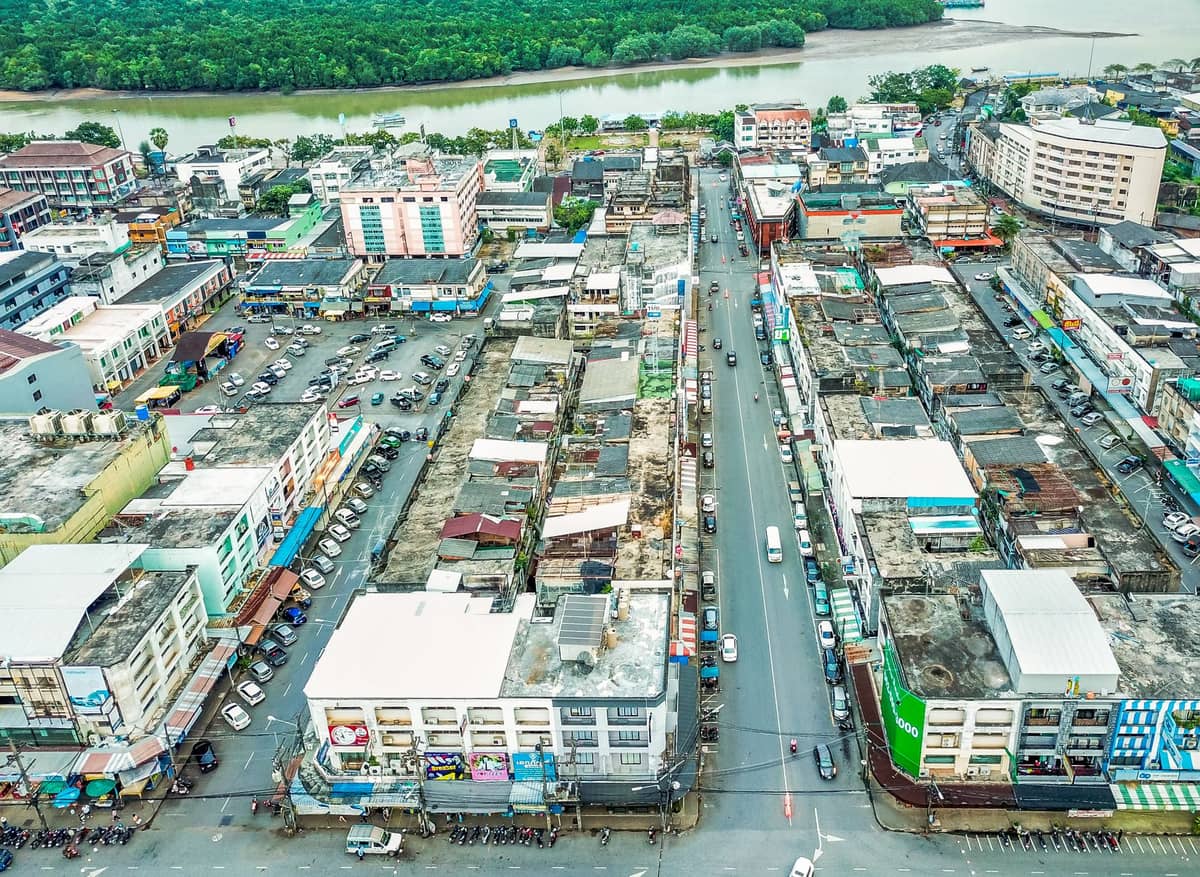
Krabi Thailand's street food scene runs the full spectrum from southern Thai curries ladled out of giant woks to fresh-caught seafood grilled on the spot. This guide covers the best dishes, the top markets, neighborhood-by-neighborhood options, and practical tips for eating well without getting burned by tourist pricing.
Tickets & tours
Live prices and dates from our booking partner. If you book, we may earn a commission at no extra cost to you.
TL;DR
- Krabi Town's Walking Street on Soi Maharaj 8 runs Friday to Sunday, around 17:00–22:00, and is the single best street food concentration in the province.
- Expect to pay ฿40–80 for most dishes: som tam, pad Thai, roti, and grilled skewers are the everyday staples.
- Ao Nang has seafood restaurants but fewer genuine street stalls; for real local eating, Krabi Town beats the resort strip.
- The rainy season (roughly May–October) can disrupt outdoor markets; always check stall hours locally before making a dedicated trip.
- See our full guide to things to do in Krabi to plan your time around the best markets and meal stops.
Why Krabi's Street Food Scene Deserves Your Attention
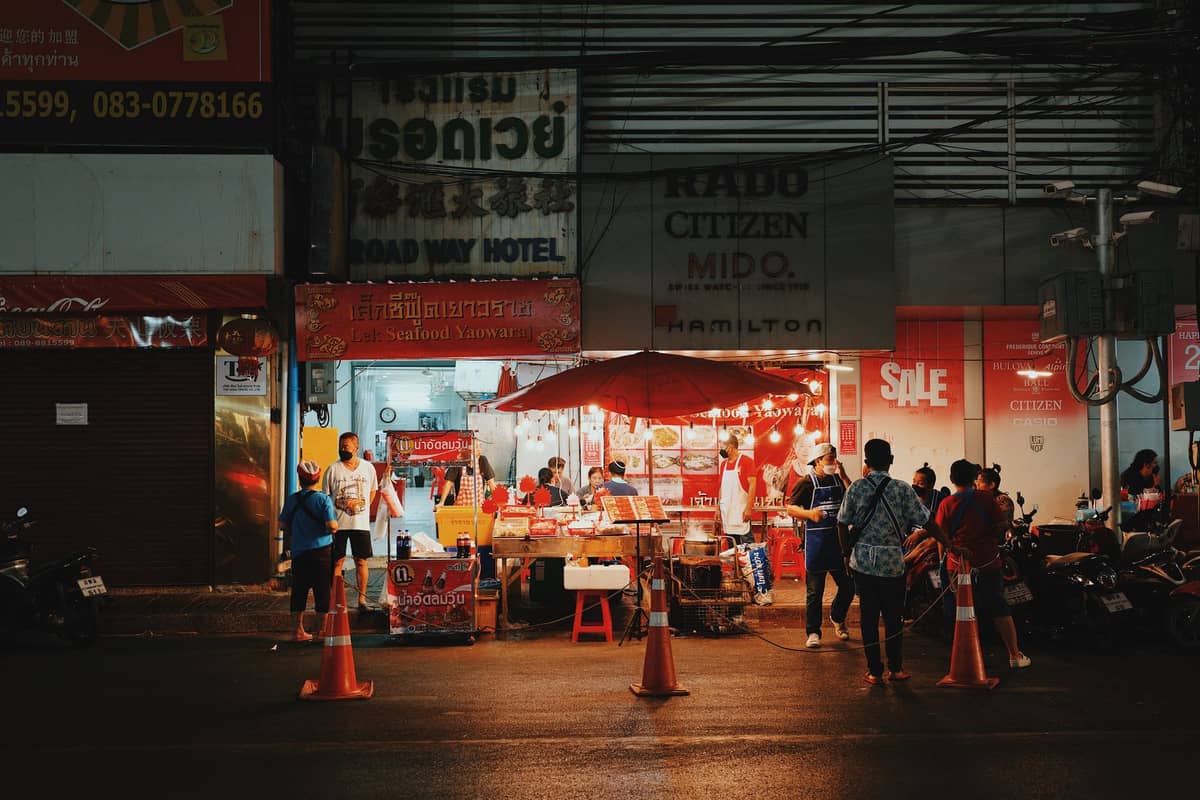
Krabi Thailand is most often sold on its beaches and limestone cliffs, but the food culture running underneath the tourism surface is just as compelling. This is the deep south of Thailand, which means the cooking leans Muslim-influenced in places: you'll find halal grilled chicken (gai yang), roti canai fried to order, and slow-cooked beef curries sitting alongside the central Thai staples like pad Thai and green papaya salad. That mix is what makes eating here genuinely interesting rather than just convenient.
The price gap between tourist restaurants and street stalls is significant. A bowl of noodles or a plate of som tam at a market stall costs ฿40–60. The same ingredients on a beachfront menu at Ao Nang often run ฿150–250. Neither option is a scam, but if you want to understand what Krabi actually tastes like, the markets and roadside shops are where to start.
ℹ️ Good to know
Krabi Town is the provincial capital and the heart of local street food. It is a separate place from Ao Nang, Railay, and Koh Lanta. If your accommodation is on the beach strip, budget half a day to get into town and eat properly.
The Dishes You Should Actually Seek Out
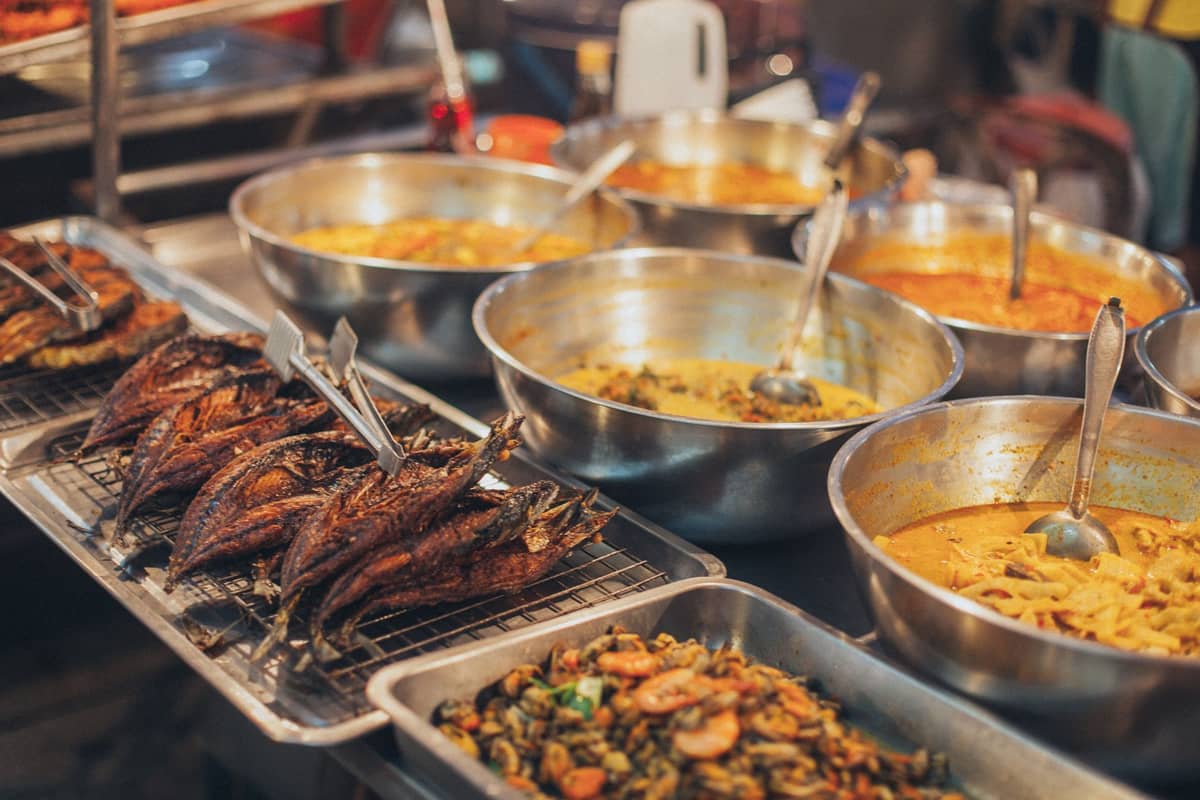
Southern Thai cooking differs from what most visitors encounter in Bangkok or Chiang Mai. The curries are darker, drier, and often fiercer with turmeric and dried spice. Massaman, which originated in the Muslim south, is a staple here and worth trying from a small local shop rather than a tourist restaurant. Gaeng som (sour curry with fish and vegetables) is another regional dish that doesn't travel well to menus designed for foreign palates, so catching it at a market is a genuine advantage.
- Som tam (green papaya salad) The most common market dish in Krabi. The southern version is often fishier and spicier than the Isaan style. Prices run ฿40–60 per portion.
- Roti A southern Thai staple with Muslim roots. Eaten plain with condensed milk and sugar, or stuffed with banana or egg. Available at night markets and from dedicated roti carts throughout Ao Nang and Krabi Town, typically ฿30–50.
- Pad Thai Ubiquitous but variable in quality. The best versions use fresh rice noodles and a proper wok. Expect ฿40–60 at market stalls.
- Mango sticky rice A reliable dessert benchmark. Fresh mango season peaks around April–May, but quality versions are available year-round. Budget around ฿60–80.
- Grilled seafood skewers Squid, prawns, and fish grilled over charcoal, sold by the piece from ฿20–50 depending on the protein. Best at evening markets near the pier.
- Khao man gai (poached chicken rice) A Chinese-Thai staple, typically served from mid-morning. Filling, mild, and one of the best value meals at ฿50–70.
- Satay More common here than in northern Thailand. Look for pork or chicken skewers with a thick peanut sauce, usually sold in sets of 5–10 sticks.
⚠️ What to skip
Spice levels in southern Thailand are not adjusted for tourists by default. When ordering som tam or curries from local stalls, 'mai phet' (not spicy) is worth saying clearly. Many vendors interpret 'a little spicy' as still quite hot by international standards.
Where to Eat: Markets and Stalls by Area
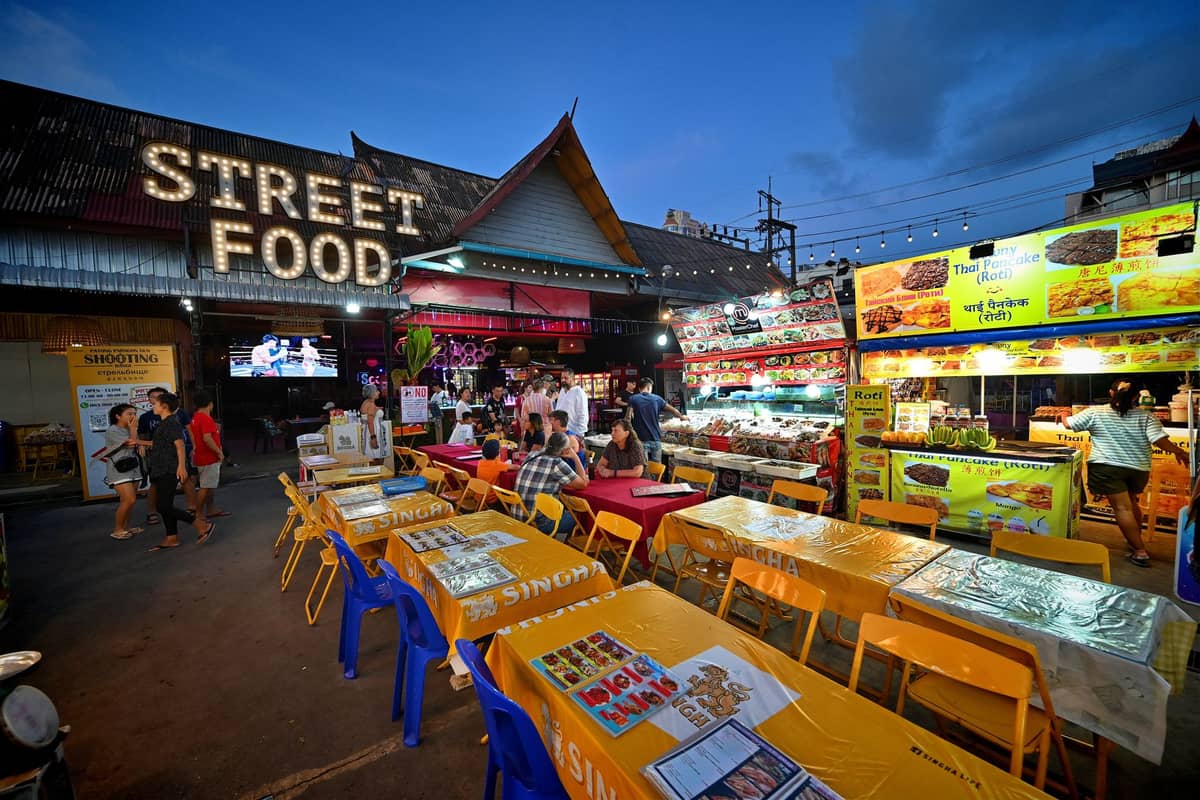
The single most concentrated street food experience in Krabi Province is the Krabi Walking Street on Soi Maharaj 8 in Krabi Town. It runs Friday through Sunday, opening around 17:00 and winding down around 22:00. This is not a nightly market, which catches many visitors off guard. The stalls cover all the southern Thai staples, plus fresh fruit, grilled meats, and sweets. It fills up quickly after 18:00, so arriving early gives you better access to the full range of stalls before the crowds thicken.
The Chao Fah Pier area in Krabi Town has a smaller evening market reportedly operating daily from around 17:00. It's a more local affair than the Walking Street and draws fewer tourists. Dishes are in the ฿40–80 range. Verify hours locally before going specifically for this one, as schedules at smaller markets shift with the season.
Ao Nang has the largest concentration of tourists in Krabi Province, but it is not the bestAo Nang Night Market for street food. The main strip is lined with restaurants rather than stalls, and prices reflect the visitor traffic. That said, the Ao Nang area does have a few roti carts and fruit vendors along the beachfront road, and local Thai restaurants one or two streets back from the main strip offer better value than the seafront. For dedicated market eating, the 20–30 minute drive into Krabi Town is worth the effort.
On Koh Lanta, street food concentrates around Lanta Old Town and the main road through Ban Sala Dan. The evening market near the pier road has grilled seafood and Thai staples, and the old town has a handful of small Muslim-run shops serving roti and curries. It's a quieter scene than Krabi Town, which suits the island's pace.
💡 Local tip
The Krabi Town Night Market near the waterfront is a separate, smaller affair from the Walking Street. Both are worth visiting if your schedule allows, but if you can only choose one, the Walking Street on Soi Maharaj 8 has the greater variety and energy.
Eating in Krabi Town: Beyond the Markets
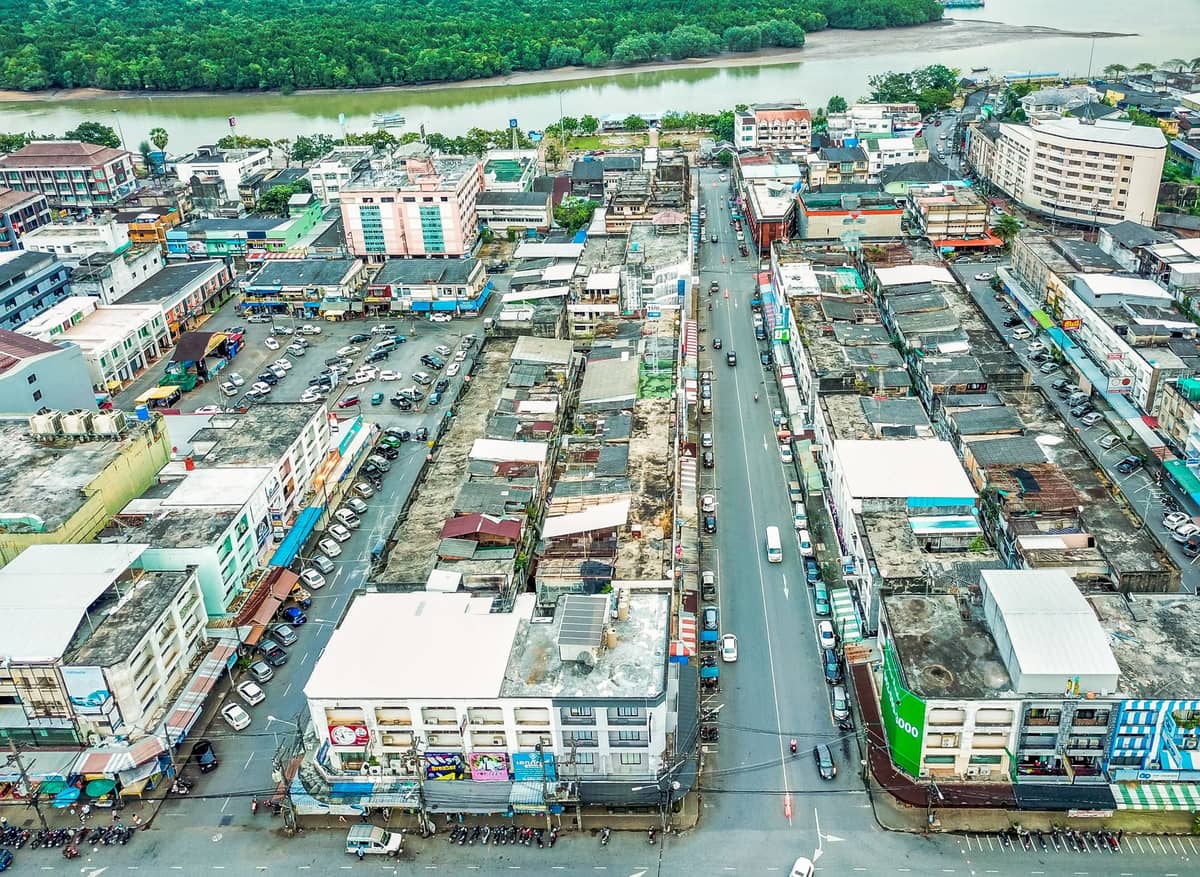
Krabi Town has a genuine local food culture that runs outside market hours. In the mornings, shophouses around the central market area serve traditional Thai breakfasts: jok (rice porridge), pa thong ko (fried dough), and coffee from old-style filtered pots. The town's Muslim community means halal food is easy to find, a significant advantage over beach resort areas where dietary options are less varied.
Lunchtime is when small shopfront restaurants (called 'ran khao kaeng' in Thai, literally 'rice and curry shops') offer the best value eating in the province. These places lay out six to ten curry and stir-fry dishes in trays, and you point at what you want over rice. A full plate typically costs ฿50–80. The curries turn over through the afternoon, so arriving between 11:00 and 13:00 gives you the freshest selection. By 14:00, the best options are usually gone.
If you're building a full day in the town, the Krabi Town Night Market near the riverside is a relaxed evening option for a final meal before heading back to the resort strip. The river setting is pleasant, the prices are local, and it stays open later than the Walking Street. Pair it with a visit to Khao Khanab Nam, the twin limestone mountains visible from the waterfront, for a decent half-day.
Practical Tips: Budget, Hygiene, and Timing
A full street food meal in Krabi, covering one main dish, a side, and a fresh-cut fruit portion or dessert, can come in at ฿100–150 per person without any difficulty. That's the real value proposition of eating locally rather than at tourist restaurants, where the same spend buys considerably less. Cash in Thai baht is essential at all markets and most stalls; card readers are rare in this context.
- Carry small denomination bills: ฿20, ฿50, and ฿100 notes are easiest for market transactions.
- Eat where there is visible turnover. Stalls with a queue and empty plates on the tables are reliable indicators of freshness.
- Avoid pre-plated food that has been sitting out for extended periods, particularly in the heat of the afternoon.
- Fresh fruit from vendors is generally safe; cut fruit in bags with no ice is better eaten quickly.
- Bottled water or sealed drinks from stalls are the safest hydration option. Do not assume tap water or ice from unknown sources is potable.
- The Walking Street gets crowded after 18:30 on weekends, particularly in the dry season (December–March). Go early or expect to queue.
- During the rainy season (roughly May–October), outdoor market stalls may reduce hours or close entirely on heavy rain evenings. Have a backup plan.
For travellers on a tight budget, the street food circuit in Krabi Town pairs naturally with the rest of our Krabi on a budget guide, which covers accommodation, transport, and free attractions in more detail. The food savings alone can make a meaningful difference over a week-long trip.
Street Food and Seasonal Timing
Krabi's climate divides roughly into a dry season (December–March) and a wetter period dominated by the southwest monsoon (May–October), with April and November as shoulder months. The dry season is peak tourist time, which means markets are busier, more stalls operate, and the Walking Street in particular is at its most lively. For tips on planning around the seasons, see our guide on the best time to visit Krabi.
During the rainy season, street food doesn't disappear, but outdoor evening markets thin out. Covered shopfront restaurants and indoor food courts become more practical. The upside of visiting in the wet months is that Krabi Town feels more authentically local, with fewer tourists competing for stall space and prices reflecting that reality. If street food is a priority and you're visiting between May and October, focus on the covered market areas and be flexible about which specific stalls are operating on any given evening.
✨ Pro tip
Mango sticky rice peaks in quality around April and May when Thai mango varieties are in season. If your visit falls in this window, this is the one dessert worth seeking out specifically rather than eating from habit.
FAQ
Is the Krabi Walking Street open every night?
No. The Walking Street on Soi Maharaj 8 in Krabi Town operates Friday through Sunday only, generally from around 17:00 to 22:00. It is one of the most common itinerary mistakes in Krabi to arrive on a weeknight expecting a market. Always check the current schedule locally, as seasonal disruptions can affect operations.
What is the cheapest way to eat in Krabi?
Street food markets and local rice-and-curry shophouses (ran khao kaeng) in Krabi Town are the cheapest options. A full meal costs ฿100–150 per person. Avoid the beachfront restaurant strips in Ao Nang for daily eating; the same dishes cost two to four times more there.
Is street food in Krabi safe to eat?
Generally yes, with the usual precautions. Stick to stalls with visible turnover and freshly cooked food. Avoid pre-plated dishes that have been sitting out in the heat. Drink bottled or sealed beverages rather than tap water. Following these basics makes street food eating low-risk and far more rewarding than defaulting to tourist restaurants.
Can I find halal street food in Krabi?
Yes. Krabi has a significant Muslim community, particularly in and around Krabi Town. Halal stalls are easy to find at the Walking Street and in the town's Muslim-run shophouses. Look for the green halal certification signs or ask vendors directly. Roti, grilled chicken, and beef curries are common halal options.
Where is the best street food in Krabi outside of Krabi Town?
On Koh Lanta, the evening market near Ban Sala Dan pier and the shophouses in Lanta Old Town are the best local eating options. In Ao Nang, look one or two streets back from the main beachfront road for small Thai restaurants. Railay has almost no street food due to its boat-access-only geography; eating there means restaurant prices throughout.
Tickets & tours
Live prices and dates from our booking partner. If you book, we may earn a commission at no extra cost to you.
Planning a trip? Discover personalized activities with the Nomado app.