Koh Ngai: The Quiet Island Worth the Extra Journey
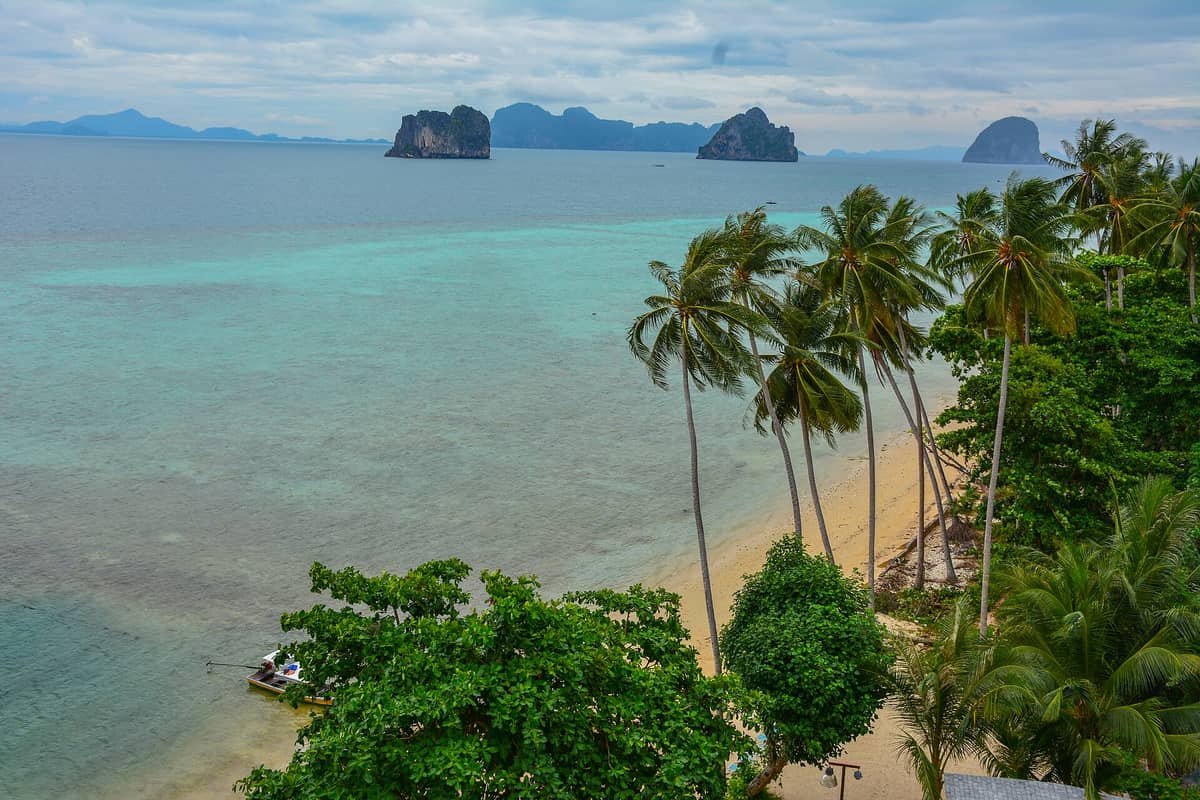
Koh Ngai sits at the edge of Mu Ko Lanta National Park, closer to Trang Province than Krabi Town but closely associated with Koh Lanta as a day-trip or overnight destination. Its appeal is straightforward: shallow turquoise water, shallow turquoise water, a long stretch of pale sand, and coral reefs that begin almost at the shoreline. Visitor numbers stay low compared to the region's more famous islands, which is precisely the point.
Quick Facts
- Location
- Trang Islands, Andaman Sea — administratively Trang Province, accessed via Koh Lanta or Trang piers
- Getting There
- Longtail or speedboat from Koh Lanta's Saladan Pier, or from Pak Meng/Hat Yao Pier in Trang; no road access
- Time Needed
- Half day for a day trip; overnight stays available at island resorts
- Cost
- National park entry reportedly ~฿400 for foreign adults (unverified official rate — confirm at pier or with boat operator before travel)
- Best for
- Snorkeling, swimming, quiet beach days, couples, and travelers who find Phi Phi too crowded
- Official website
- www.tourismthailand.org/Attraction/ko-ngai
What Koh Ngai Actually Is
Koh Ngai (เกาะไหง) — also spelled Ko Ngai — is a small island in the Trang Islands group on Thailand's Andaman coast. Despite sitting geographically in Trang Province, it appears in many Krabi-based travel itineraries because the most convenient access for most visitors is via Koh Lanta, and its character aligns closely with the quieter southern end of Krabi Province's island scene.
The island falls within Mu Ko Lanta National Park, a protected marine area that limits development and keeps the reef systems in reasonable condition. There are a small handful of low-key bungalow resorts on the island, but no convenience stores, no nightlife, and no main road. If you arrive expecting the infrastructure of Ao Nang, you will be disappointed. If you arrive expecting to swim off white sand into warm, clear water without fighting through tour groups, you will understand why people make the effort to get here.
ℹ️ Good to know
Koh Ngai is reported to be within a national park zone that closes to outer-island visitors from approximately 16 May to 31 October each year due to monsoon conditions. Verify current access dates with your boat operator or the Department of National Parks before booking.
The Beach and Water: What You Will Actually See
The main beach on Koh Ngai faces east and runs for a few hundred meters of fine, pale sand that stays firm underfoot rather than sinking into soft powder. The gradient into the water is gentle, which makes it suitable for confident swimmers of most abilities, though it is not a swimming-lesson beach. The water is shallow for a good distance from shore, and on calm days the visibility is good enough to see coral and fish without a mask.
The reef that fringes the southern and western sides of the island is the main draw for snorkelers. You do not need a boat to reach it — in places, the coral begins close enough to wade to before putting your face in the water. Parrotfish, angelfish, and small reef species are consistently reported by snorkelers. The reef health varies by section, as is the case throughout the Andaman, and some areas show bleaching or damage from past El Nino events. Manage expectations: this is good snorkeling for the region, not world-class diving.
Travelers who want to go deeper will need to arrange scuba trips through a Koh Lanta dive operator rather than rely on island-based facilities. The Krabi diving guide covers the broader options in the region, including sites accessible from the southern Andaman zone.
Tickets & tours
Live prices and dates from our booking partner. If you book, we may earn a commission at no extra cost to you.
Full-day Koh Rok and Koh Haa from Koh Lanta
From 47 €Instant confirmationFree cancellationKoh Kradan and Four Islands Boat Tour from Koh Lanta Yai
From 52 €Instant confirmationFree cancellationMuay Thai introductory group class for beginners in Koh Lanta
From 14 €Instant confirmationFree cancellationMuay Thai introductory private class for beginners in Koh Lanta
From 45 €Instant confirmationFree cancellation
How the Island Changes Through the Day
Early morning is the most rewarding time to be on the beach. The light comes in flat and golden from the east, the water is glassy before any breeze picks up, and any day-trippers who have crossed from Koh Lanta have not yet arrived. Snorkeling visibility is typically at its best before 10 am, when the water is undisturbed and the sun is not yet directly overhead creating surface glare.
By mid-morning, day-trip boats begin pulling up and the beach gets noticeably more active. This is relative — even at peak hours, Koh Ngai holds far fewer visitors than Phi Phi or Railay. But if you are staying overnight and want solitude, early morning and late afternoon are your hours. From around 3 pm onward, most day boats head back, and the island gradually quiets. The east-facing beach catches the morning light over the water, which is worth staying for.
At night, with no village and minimal light pollution, the sky is genuinely dark. Staying overnight is the clearest argument for not just passing through on a day trip.
Getting to Koh Ngai
Most travelers reach Koh Ngai from Koh Lanta, where speedboat and longtail transfers depart from Saladan Pier on the northern tip of Lanta Yai. The crossing takes roughly 30 to 45 minutes by speedboat under normal conditions. Some operators run combination tours that include Koh Ngai alongside other southern islands, which can be good value if you want to cover more ground — though the island deserves more than a 90-minute stop.
The alternative access point is Trang Province, with boats leaving from Pak Meng Pier or Hat Yao Pier. This route makes sense if you are already based in Trang or traveling overland from the south, but for most Krabi-based visitors it adds unnecessary distance.
💡 Local tip
Book your boat transfer in advance during peak season (December to February). Seats on small speedboats fill quickly, and longtail crossings in choppier shoulder-season conditions can be cancelled at short notice. Your resort or guesthouse on Koh Lanta can usually arrange transfers directly.
For context on the broader island-hopping options from this part of the coast, the Krabi island hopping guide is worth reading before you finalize which islands to prioritize.
Accommodation, Facilities, and What to Bring
A small number of bungalow-style resorts operate on the island, catering to travelers who want to stay overnight. Standards range from very basic fan bungalows to modest air-conditioned rooms. There is no hostel, no large hotel, and no backpacker infrastructure. Book well ahead for peak season stays.
There are no shops, ATMs, or pharmacies on Koh Ngai. Bring cash in Thai baht, any medication you need, sunscreen, insect repellent, and a reusable water bottle. The national park area may apply a fee — reportedly around ฿400 for foreign adults, though this is unverified and should be confirmed directly with your boat operator or at the pier before departure.
Footwear with grip is useful if you are walking over rocky areas near the reef. Reef-safe sunscreen is not just an environmental courtesy here — it matters in a national park where chemical runoff affects coral health. Bring more drinking water than you think you need; the heat on a small island with limited shade is more intense than it feels on a breezy boat.
Honest Assessment: Who This Is For and Who Should Stay Away
Koh Ngai is not the right destination for travelers who want a full program of activities, easy restaurant access, or nightlife. It is not comparable to the range of things available on Koh Lanta or the social energy of Koh Phi Phi. If you need reliable Wi-Fi for work, a pharmacy nearby, or multiple dining options, stay on Lanta and do Koh Ngai as a day trip rather than an overnight stay.
The island is also not ideal for travelers with limited mobility. There are no paved paths, and the terrain between beach, reef, and bungalows involves sand, rocks, and uneven ground. Boat boarding typically requires stepping between unstable surfaces without dock infrastructure.
Families with young children can visit, but should be aware that the boat crossing can be rough in shoulder season and that facilities are minimal. The Krabi with kids guide covers which islands tend to be more suitable for families with specific needs.
For couples, slow travelers, keen snorkelers, and anyone who has found the more famous Andaman islands too overrun, Koh Ngai delivers what it promises: a quiet, good-looking island where the water is the main event and the days move slowly.
Weather and Seasonal Considerations
Krabi Province follows a tropical climate shaped by the southwest monsoon. The drier, calmer period runs roughly from December through early April, with December to February being the most reliable months for clear skies, flat seas, and good snorkeling visibility. March and April see rising humidity and heat before the monsoon arrives, but conditions are generally still manageable.
The outer island zone including Koh Ngai is reported to close from around 16 May to 31 October, which broadly aligns with the peak monsoon period. Attempting to visit during this window is not practical, and boat operators will not run the route in unsafe conditions regardless of any formal closure. For a broader look at what each month actually looks like, the best time to visit Krabi breaks it down by activity type.
⚠️ What to skip
Verify the current seasonal closure dates for Mu Ko Lanta National Park directly with the Department of National Parks (nps.dnp.go.th) or your boat operator. Closure dates can shift slightly year to year and are enforced for safety, not convenience.
Insider Tips
- If you are staying overnight, ask your resort about snorkeling at high tide versus low tide. The reef exposure changes significantly, and some sections are more accessible at specific water levels.
- Day-trip groups tend to cluster on the central section of the main beach. Walk ten minutes in either direction and you will often find a stretch of sand that feels entirely empty.
- Longtail boats are cheaper than speedboats but the crossing can be wet and uncomfortable in choppy conditions. Choose based on your tolerance for spray, not just your budget.
- The national park fee is sometimes included in your boat transfer price and sometimes not. Ask explicitly before paying at the pier to avoid paying twice.
- Bring a dry bag for your electronics. Even on a calm day, boarding and disembarking from small boats near the beach involves a real risk of splashing or a minor wade through shallow water.
Who Is Koh Ngai For?
- Snorkelers looking for accessible reef without needing a dive boat
- Couples wanting an overnight beach stay away from crowds
- Travelers who have already done Phi Phi and Railay and want something quieter
- Slow travelers with flexible schedules who can wait out bad-weather days on Koh Lanta before crossing
- Photographers targeting early-morning light over flat Andaman water
Nearby Attractions
Other things to see while in Koh Lanta:
- Kantiang Bay
Kantiang Bay sits near the southern tip of Koh Lanta Yai, backed by forested hills and flanked by limestone headlands. The beach is free, uncrowded compared to Koh Lanta's northern stretches, and rewards visitors who make the effort to get there with a genuinely peaceful atmosphere and clear water.
- Khlong Chak Waterfall
Khlong Chak Waterfall sits deep inside Mu Ko Lanta National Park on Ko Lanta Yai, reached by a trail that weaves through dense jungle and crosses a stream multiple times. It rewards patient hikers with a shaded, 8-metre cascade and a natural pool, well away from the island's beach crowds.
- Klong Dao Beach
Stretching nearly 3 kilometres along Koh Lanta Yai's west coast, Klong Dao Beach is one of the island’s longest and most well-developed beaches. Wide, calm, and easy to reach from Saladan Pier, it offers something that rarer shores often don't: comfort without sacrifice.
- Klong Nin Beach
Klong Nin Beach runs for roughly 2.4 km along the west coast of Koh Lanta Yai, offering calm waters, affordable beachside restaurants, and dramatically low crowds compared to Thailand's more famous shores. It rewards travelers who prioritize atmosphere over facilities.
Planning a trip? Discover personalized activities with the Nomado app.