Klong Dao Beach: Koh Lanta's Original Shoreline
Stretching nearly 3 kilometres along Koh Lanta Yai's west coast, Klong Dao Beach is one of the island’s longest and most well-developed beaches. Wide, calm, and easy to reach from Saladan Pier, it offers something that rarer shores often don't: comfort without sacrifice.
Quick Facts
- Location
- West coast of Koh Lanta Yai, just south of Saladan, Krabi Province, Thailand
- Getting There
- Taxi, songthaew, or scooter from Saladan Pier; also walkable from the pier area
- Time Needed
- 2–4 hours for a relaxed beach visit; full day if swimming, eating, and watching sunset
- Cost
- No admission fee; sunlounger and umbrella rentals available from beachfront vendors
- Best for
- Families, first-time visitors to Koh Lanta, sunset watchers, low-key beach days
What Klong Dao Beach Actually Is
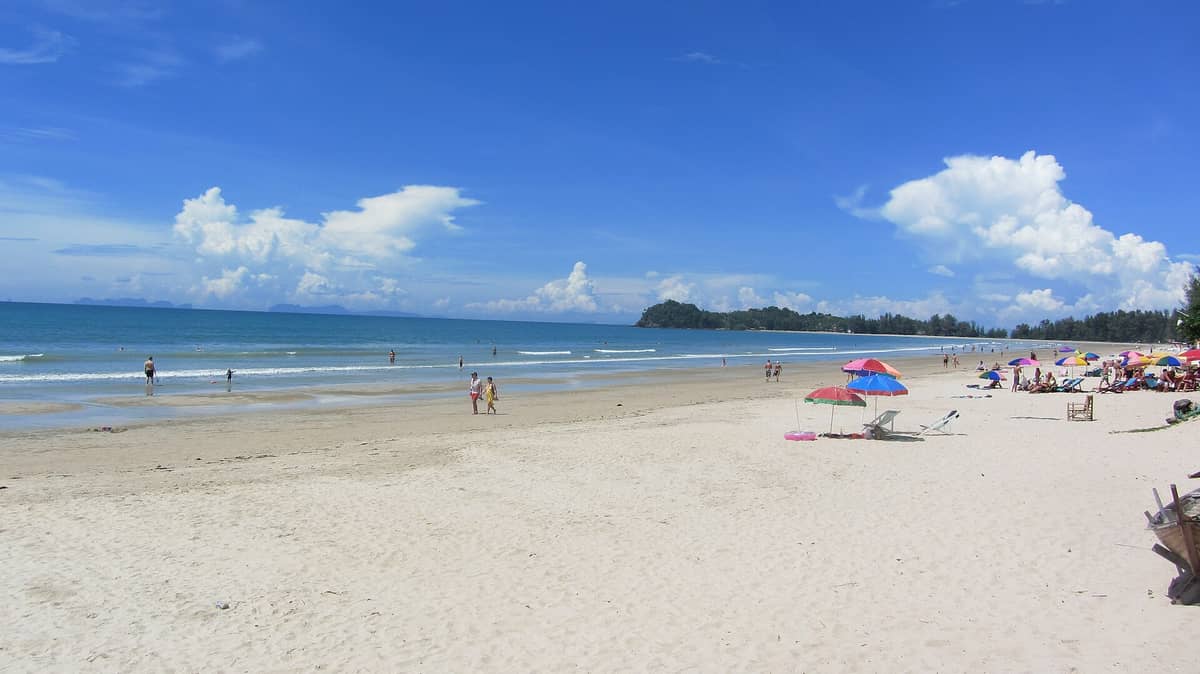
Klong Dao Beach is widely described as the first beach on Koh Lanta to receive tourists, and that early start shows in the best possible way. The infrastructure here is practical and settled rather than overdeveloped: a mix of beachfront restaurants, small resorts, and rental shacks sits behind a wide strip of sand that runs for roughly 2.7 kilometres. There are no entry gates, no ticket windows, and no crowds thick enough to obscure the view. You simply arrive, find a patch of sand, and settle in.
The beach faces west across the Andaman Sea, which means sunsets here are genuinely worth planning around. On clear evenings between November and April, the light turns the water a shade somewhere between copper and pale gold, and the silhouettes of distant islands appear faintly on the horizon. It is one of those views that tends to stop people mid-conversation.
ℹ️ Good to know
Klong Dao Beach is a public beach with no admission fee. Sunloungers and umbrellas are available for rent from vendors along the shore, typically in the low-to-moderate price range. Verify current rental rates with vendors on arrival.
The Beach Through the Day
Mornings on Klong Dao are quiet enough to feel almost private. Before 9am, the sand is damp from the overnight moisture, the light is flat and soft, and the only real sounds are small waves and the occasional motorbike on the road behind the treeline. This is when the beach looks its largest: with few people on it, the full roughly 2.7-kilometre stretch becomes visible, bookended by low headlands and backed by palms.
By mid-morning, families with children begin to appear, and the water sees its first proper use of the day. The sea here is generally calm during the dry season (November through April), with a gradual shelf that makes it safe for children and non-swimmers. The sand is fine enough to be comfortable underfoot without being the powdery, blinding white of some more photogenic but less practical beaches.
Midday brings the strongest sun and, for most of the year, temperatures above 32°C. This is when the beachfront restaurants earn their keep. Most are open-sided wooden structures directly on or immediately behind the sand, serving grilled seafood, pad thai, som tam, and cold drinks. Shade here is real shade, not the thin cover of a parasol.
Late afternoon, from around 4pm onward, is the most social time of day. Vendors become more active, children return to the water, and the light begins its shift toward the warm tones that make the western-facing beach worthwhile. If you are staying somewhere else on the island and only plan one visit, timing it for a late afternoon arrival through sunset is the most efficient use of your time.
Tickets & tours
Live prices and dates from our booking partner. If you book, we may earn a commission at no extra cost to you.
Klong Root kayak, batik class, rubber tapping and pineapple farm tour
From 40 €Instant confirmationFree cancellationKlong Root kayak, eco printing, rubber tapping and pineapple farm tour
From 53 €Instant confirmationFree cancellationHalf-day Klong Root kayak experience with pineapple farm tour
From 21 €Instant confirmationFree cancellationDaily Cooking Class at Thai Cookery School in Krabi
From 42 €Instant confirmationFree cancellation
Getting to Klong Dao Beach from Saladan
Saladan is the main entry point to Koh Lanta Yai. Ferries from Krabi Town and from other islands dock at Saladan Pier. From there, Klong Dao Beach is the closest significant beach on the island's west coast. It is walkable if you have no luggage and don't mind around 30 minutes in the heat, or a very short ride by taxi, songthaew, or rented scooter.
Scooter rental is the most practical option for exploring Koh Lanta at your own pace. Klong Dao sits at the northern end of the island's west coast road, which continues south through more beaches all the way to the Mu Ko Lanta National Park. Renting a scooter from Saladan for the day allows you to use Klong Dao as a starting point and explore further south before returning for sunset.
💡 Local tip
If you are arriving by ferry with heavy luggage, take a songthaew or taxi directly to your accommodation first. Most guesthouses and resorts on Koh Lanta are happy to store bags so you can head to the beach without hauling everything along.
Swimming, Safety, and Sea Conditions
During the dry season, the sea at Klong Dao is calm enough for confident swimming and suitable for children. The wave action is gentle, the current is not particularly strong in typical conditions, and the gradual bottom means you can walk out a reasonable distance before losing footing. This is not a surf beach and does not attract people looking for wave action.
During the rainy season, broadly from May through October, conditions change noticeably. Waves become rougher, currents can strengthen, and some stretches of beach may see red warning flags. Travel to Koh Lanta during this period is cheaper and quieter, but swimming should be treated with more caution and the sea should be read carefully each day rather than assumed safe.
⚠️ What to skip
No lifeguard service is confirmed at Klong Dao Beach. Swim within your own abilities and pay attention to flag warnings if present. During the rainy season (roughly May–October), sea conditions can be hazardous even if the beach looks calm from shore.
If you are planning water activities beyond swimming, Koh Lanta offers snorkeling and diving access to nearby islands. The Krabi snorkeling guide covers options across the wider province, some of which depart from Koh Lanta's pier area.
Where Klong Dao Sits Among Koh Lanta's Beaches
Koh Lanta Yai has a string of beaches running down its west coast, each with a different character. Klong Dao is the northernmost and the most developed, which makes it the most accessible but also the most conventionally resort-oriented. Travellers wanting more seclusion or a different pace often continue south to Klong Nin Beach or further to Kantiang Bay, both of which have their own distinct atmosphere.
This is worth knowing before you choose where to base yourself. Klong Dao is the right choice if you want easy access to services, a full range of accommodation options, and a beach that works for mixed groups or families. It is less suited to travellers looking for isolation or an undeveloped shoreline. The word 'developed' here doesn't mean high-rise hotels; it means there are restaurants, rental equipment, and guesthouses within walking distance of the water, which is either a feature or a drawback depending on what you need.
For a broader sense of how Koh Lanta fits into Krabi Province, and how to plan time across the island, the Koh Lanta travel guide covers the practical logistics of getting there, getting around, and choosing the right base.
Photography, Light, and Practical Notes
The western orientation of Klong Dao Beach makes it one of the better beaches in Krabi Province for sunset photography. The ideal window is roughly 30 minutes before and 15 minutes after the sun drops below the horizon. During the dry season, when the sky is clear, the colours are reliable and dramatic. During the rainy season, clouds can both obscure the sun and produce more complex, layered light, which some photographers prefer.
For wider beach shots, the southern end of Klong Dao tends to be less crowded and offers longer uninterrupted sightlines. Morning light from the east creates softer shadows on the beach itself, useful for detail shots of the sand and water texture. Midday light is flat and generally unflattering for landscapes but acceptable for portraits under shade.
Bring reef-safe sunscreen. Standard sunscreens containing oxybenzone and octinoxate are harmful to coral and marine ecosystems. While Klong Dao itself is not a coral-diving site, the marine environment in the wider Mu Ko Lanta area is ecologically significant, and the habit of using reef-safe products is worth maintaining across the region.
💡 Local tip
The best light for sunset photos at Klong Dao is typically 30 minutes before the sun reaches the horizon. Arrive early to find your spot — the beachfront fills noticeably as sunset approaches during high season.
Insider Tips
- The northern section of Klong Dao Beach, closest to Saladan, tends to have more vendors and activity. Walk 10–15 minutes south along the waterline to find quieter stretches with more space between groups.
- Several beachfront restaurants allow you to use their sunloungers if you order food or drinks. This is often cheaper than paying standalone rental fees from independent vendors, and you get shade and service included.
- Klong Dao faces due west, so the sunset alignment is clean and direct. If you arrive at the beach around 5pm during the dry season, you can watch the full arc of the light change without repositioning.
- Songthaews between Saladan and Klong Dao are infrequent and not on a fixed schedule. Confirm your return transport before your driver leaves, or arrange a scooter rental for the flexibility to leave when you want.
- The road behind Klong Dao has a cluster of small convenience stores and local food stalls where prices are noticeably lower than beachfront restaurants. If you're on a budget, stock up here before settling on the sand.
Who Is Klong Dao Beach For?
- Families with children looking for calm, safe swimming water and nearby amenities
- First-time visitors to Koh Lanta who want a beach that's easy to reach and well-serviced
- Travellers who want to watch a sunset over open water from a west-facing shore
- Groups with mixed interests, where some want to swim and others want to eat and sit in the shade
- Anyone who wants a beach day without needing to book a boat trip or plan far in advance
Nearby Attractions
Other things to see while in Koh Lanta:
- Kantiang Bay
Kantiang Bay sits near the southern tip of Koh Lanta Yai, backed by forested hills and flanked by limestone headlands. The beach is free, uncrowded compared to Koh Lanta's northern stretches, and rewards visitors who make the effort to get there with a genuinely peaceful atmosphere and clear water.
- Khlong Chak Waterfall
Khlong Chak Waterfall sits deep inside Mu Ko Lanta National Park on Ko Lanta Yai, reached by a trail that weaves through dense jungle and crosses a stream multiple times. It rewards patient hikers with a shaded, 8-metre cascade and a natural pool, well away from the island's beach crowds.
- Klong Nin Beach
Klong Nin Beach runs for roughly 2.4 km along the west coast of Koh Lanta Yai, offering calm waters, affordable beachside restaurants, and dramatically low crowds compared to Thailand's more famous shores. It rewards travelers who prioritize atmosphere over facilities.
- Koh Haa
Koh Haa is a group of five uninhabited limestone islands inside Mu Ko Lanta National Park, accessible only by boat from Koh Lanta. The islands are best known for exceptional diving and snorkeling, with underwater caves, coral-covered walls, and clear water that draws serious divers and day-trippers alike.
Planning a trip? Discover personalized activities with the Nomado app.