Klong Nin Beach: Koh Lanta's Most Relaxed Stretch of Sand
Klong Nin Beach runs for roughly 2.4 km along the west coast of Koh Lanta Yai, offering calm waters, affordable beachside restaurants, and dramatically low crowds compared to Thailand's more famous shores. It rewards travelers who prioritize atmosphere over facilities.
Quick Facts
- Location
- Ko Lanta Yai, Ko Lanta District, Krabi Province, Thailand
- Getting There
- Scooter or songthaew via Koh Lanta's west-coast road; no public transit directly to the beach
- Time Needed
- 2–5 hours, or a full day if you settle in at a beach bar
- Cost
- Free to access; food and drinks extra
- Best for
- Couples, slow travelers, sunset chasers, and anyone escaping the Ao Nang crowds
What Klong Nin Beach Actually Is
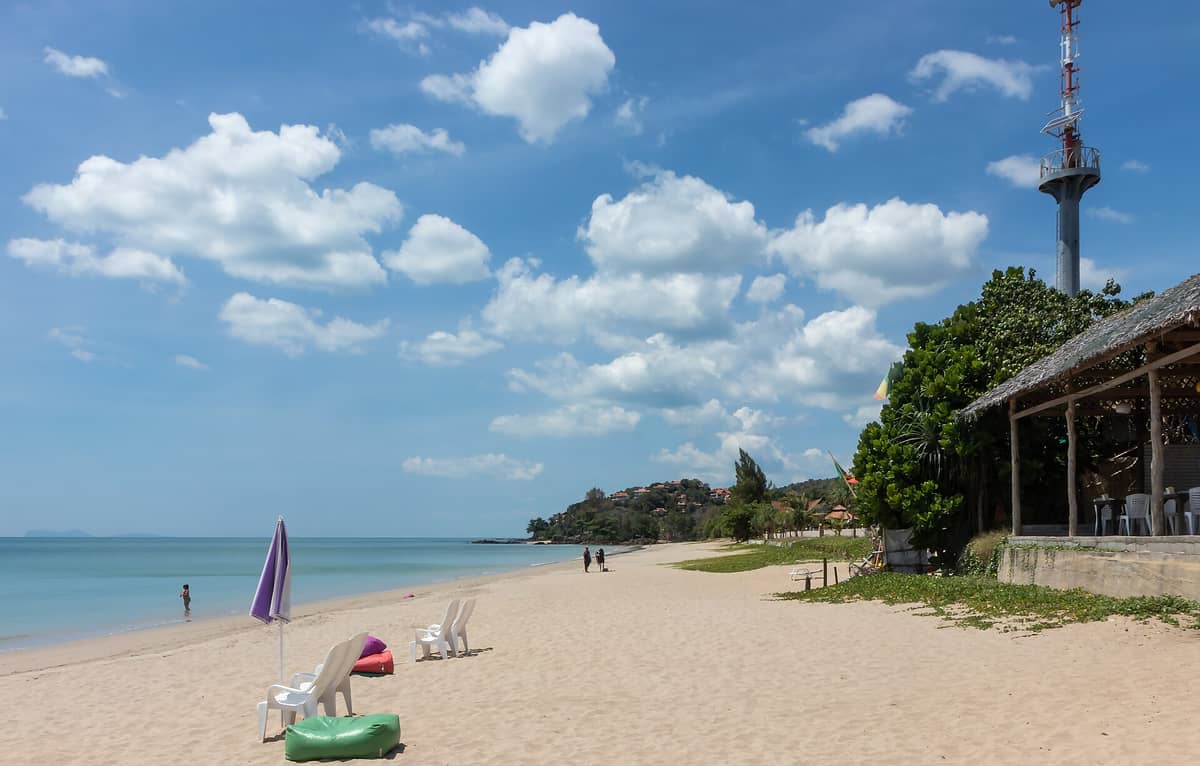
Klong Nin Beach (หาดคลองนิน) is a west-facing stretch of sand on Koh Lanta Yai, one of two main islands that make up Koh Lanta in Krabi Province. At approximately 2.4 km long, it sits roughly in the middle of the island's west coast, placing it between the more developed northern beaches and the wilder southern tip near Mu Ko Lanta National Park. That central position gives it a particular character: more relaxed than the resort-heavy north, more accessible than the rugged south.
The sand here is pale and coarse-grained rather than the powder-fine variety you might find on Thailand's most-photographed beaches. The shoreline is relatively flat, and the water is generally calm during the dry season, making it comfortable for swimming. A shallow gradient means the water stays shallow for a good distance from shore, which can be reassuring for less confident swimmers but unremarkable for snorkelers.
ℹ️ Good to know
Klong Nin Beach is a public beach with no admission charge. Nearby resorts and beach bars are private, but the sand itself is open to everyone.
How the Beach Changes Through the Day
Mornings are the quietest window. Before 9 a.m., the beach belongs almost entirely to guests of the small resorts and bungalow operations that line the backshore. The air smells of salt and the faint smoke of someone's breakfast grill. Fishing boats pass offshore and the light is flat and soft, which makes the water look more grey-green than the turquoise you might see in afternoon photographs. It is not the most photogenic hour, but it is the most peaceful.
By mid-morning, day visitors start arriving via scooter along the coastal road. The beach never becomes densely packed in the way Ao Nang or even the northern Koh Lanta beaches do, but between 11 a.m. and 3 p.m. you will notice beach chairs filling up and the kitchen smells from beachside restaurants sharpening as lunch service begins. The water temperature at this hour can feel uncomfortably warm to some, particularly between April and May.
Late afternoon is when Klong Nin earns its reputation. From around 4:30 p.m. onward, the light turns amber across the water and the western horizon becomes the focal point for nearly everyone on the beach. Because the beach faces almost due west, sunsets here are unobstructed and can be genuinely dramatic. The crowd that gathers is still modest by Thai beach standards, which makes the whole experience feel less performative and more like something you have stumbled into.
Tickets & tours
Live prices and dates from our booking partner. If you book, we may earn a commission at no extra cost to you.
Evening Thai cookery class with chef Ya in Ao Nang
From 36 €Instant confirmationFree cancellationKlong Root kayak, batik class, rubber tapping and pineapple farm tour
From 40 €Instant confirmationFree cancellationKlong Root kayak, eco printing, rubber tapping and pineapple farm tour
From 53 €Instant confirmationFree cancellationHalf-day Klong Root kayak experience with pineapple farm tour
From 21 €Instant confirmationFree cancellation
The Beach Environment and Swimming Conditions
During the dry season, roughly November through April, the Andaman Sea along this coast is typically calm and relatively clear. The water visibility is not exceptional for snorkeling, and the seabed near Klong Nin is mostly sand rather than the reef structures you would find further offshore. If underwater exploration is your priority, boat trips departing from Koh Lanta's northern piers will serve you better.
The southwest monsoon, which typically runs from May through October, brings stronger winds, heavier surf, and occasional jellyfish. Swimming during this period is inadvisable on some days, and the beach takes on a rougher, more dramatic appearance. Some beach bars reduce their hours or close entirely. If you are visiting during the wetter months, check conditions locally before planning your day around the beach. For more on planning around seasonal weather, the guide to visiting Krabi in the rainy season covers what to expect across the province.
⚠️ What to skip
No lifeguard service is present at Klong Nin Beach. During monsoon months, red flags indicate unsafe conditions. Respect them — currents can become strong with little visual warning.
The Surrounding Area: Where Klong Nin Fits on Koh Lanta
Koh Lanta Yai is a long, narrow island and most visitor activity concentrates on the west coast road that runs its length. Klong Nin sits at a comfortable midpoint: close enough to the northern settlements to feel connected, but far enough south that the pace noticeably slows. The road behind the beach is lined with guesthouses, small restaurants serving Thai and Western food, and a few convenience stores. It is functional without being charming, but the beach itself provides everything the road lacks. For a broader sense of how the island is structured, the Koh Lanta visitor guide lays out the full picture.
To the south, the road eventually reaches the boundaries of Mu Ko Lanta National Park, which protects the southern tip of the island and surrounding waters. Day trips from Klong Nin to the park's beaches are possible by scooter or hired vehicle, and the contrast between the two areas is striking: the national park sector is far more raw and less developed.
At the northern end of Koh Lanta Yai, Klong Dao Beach offers a more developed alternative with resort infrastructure, water sports rentals, and a wider range of dining. Visitors who find Klong Nin too quiet — or who need specific facilities — often base themselves there and visit Klong Nin as an afternoon excursion.
Getting to Klong Nin Beach
Reaching Koh Lanta itself requires a ferry or speed boat from the mainland, typically departing from piers near Krabi Town or from Ban Hua Hin pier, with journey times and ferry schedules varying by season and operator. Verify departure times before travel, as services are reduced or suspended during bad weather.
Once on the island, Klong Nin Beach is most easily reached by renting a scooter, which the majority of independent travelers do. The coastal road is well-paved and signposted, and Klong Nin is clearly marked. Scooter rental shops are plentiful near the ferry piers and in the main town area. If you prefer not to ride a scooter, songthaews (shared pickup trucks used as taxis) operate on the island, though they follow flexible schedules and are less predictable than a private vehicle. Negotiate the fare before departure.
💡 Local tip
There is no fixed parking infrastructure at the beach. Scooters are typically left on the roadside shoulder near restaurant or resort entrances. This works fine in practice but keep an eye on your timing if you are renting by the half-day.
Food, Drink, and Practical Facilities
Klong Nin's beachside dining scene is small but adequate. A handful of open-air restaurants and beach bars operate directly on the sand, serving Thai dishes, fresh seafood grilled over charcoal, and the usual range of Western staples. Prices are reasonable by Thai resort standards. The best strategy is to arrive without a specific restaurant in mind and walk the length of the beach to see what appeals, as menus and quality can shift between operators.
Toilets and basic shower facilities exist at some of the beach bar establishments, but these are for customers. There are no dedicated public facilities. Bring sunscreen, water, and cash, as ATMs are not located on the beach itself. The nearest ATMs are in the small commercial area on the road behind the beach, or further north toward the main town.
Accessibility to the beach sand itself is limited for visitors with mobility impairments. The road-to-beach transition typically involves a short walk over soft sand or uneven ground, and no verified accessible pathways have been documented. Visitors who require solid-surface access should contact specific resort properties in advance, as individual hotels may have their own arrangements.
Who This Beach Suits, and Who It Does Not
Klong Nin rewards the unhurried traveler. If your idea of a good beach day involves reading, swimming at your own pace, eating when hungry, and watching the sun disappear into the Andaman Sea without a crowd of hundreds doing the same thing, this beach delivers that reliably and without much effort.
Travelers expecting organized water sports, beach clubs, jet skis, or the social energy of a destination beach will find Klong Nin underwhelming. It simply is not that kind of beach. Families with young children may also find the monsoon-season surf too strong and the lack of lifeguard coverage a concern. For travelers who want more activity built into a Koh Lanta stay, pairing Klong Nin with a boat trip to Koh Haa for snorkeling, or joining an island-hopping excursion, creates a more balanced itinerary.
For couples and slow travelers, Klong Nin consistently delivers what the more famous beaches in the province struggle to offer: genuine quiet. If you are comparing where to base yourself in the region, the guide to the best beaches in Krabi Province provides a broader comparison to help match your priorities.
Insider Tips
- Arrive between 4 p.m. and 4:30 p.m. to claim a good spot at one of the beach bar tables before the sunset crowd settles. The difference between a table with a clear sightline and one blocked by a longtail boat parked offshore is real.
- The beach changes character noticeably by section. The northern end tends to have more restaurant activity; the southern end is quieter and the sand is slightly wider. Walk south if you want more space.
- During the shoulder months of April and November, Klong Nin's water is typically still swimmable but the beach operators are less crowded and more attentive. You will often get better service and lower prices in these windows.
- If you rent a scooter for a full day, pair a Klong Nin afternoon with a morning visit to the southern tip of the island or the old town area. The road is straightforward and the combination covers most of what Koh Lanta Yai offers.
- Cash is essential. While some restaurants accept cards, many smaller operators do not, and there are no ATMs within easy walking distance of the beach itself.
Who Is Klong Nin Beach For?
- Couples and honeymooners looking for a quiet, sunset-facing beach without resort-level prices
- Slow travelers who want to spend a full day on one beach without feeling rushed or crowded
- Photographers and sunset chasers, as the west-facing aspect gives unobstructed evening light
- Budget travelers who want a relaxed atmosphere without paying for a high-end beach club
- Repeat visitors to Koh Lanta who have already covered the northern beaches and want something calmer
Nearby Attractions
Other things to see while in Koh Lanta:
- Kantiang Bay
Kantiang Bay sits near the southern tip of Koh Lanta Yai, backed by forested hills and flanked by limestone headlands. The beach is free, uncrowded compared to Koh Lanta's northern stretches, and rewards visitors who make the effort to get there with a genuinely peaceful atmosphere and clear water.
- Khlong Chak Waterfall
Khlong Chak Waterfall sits deep inside Mu Ko Lanta National Park on Ko Lanta Yai, reached by a trail that weaves through dense jungle and crosses a stream multiple times. It rewards patient hikers with a shaded, 8-metre cascade and a natural pool, well away from the island's beach crowds.
- Klong Dao Beach
Stretching nearly 3 kilometres along Koh Lanta Yai's west coast, Klong Dao Beach is one of the island’s longest and most well-developed beaches. Wide, calm, and easy to reach from Saladan Pier, it offers something that rarer shores often don't: comfort without sacrifice.
- Koh Haa
Koh Haa is a group of five uninhabited limestone islands inside Mu Ko Lanta National Park, accessible only by boat from Koh Lanta. The islands are best known for exceptional diving and snorkeling, with underwater caves, coral-covered walls, and clear water that draws serious divers and day-trippers alike.
Planning a trip? Discover personalized activities with the Nomado app.