Bamboo Island (Koh Mai Phai): Phi Phi's Quieter Side
Bamboo Island, or Koh Mai Phai, is a small coral-fringed island in Hat Noppharat Thara–Mu Ko Phi Phi National Park, sitting just north of Phi Phi Don in the Andaman Sea. At roughly 0.5 km², it offers a long crescent of white sand and shallow turquoise water with noticeably fewer visitors than the Phi Phi main islands. Access is by boat only, making it a natural half-day escape for anyone already based in the Phi Phi area.
Quick Facts
- Location
- North of Phi Phi Don, Hat Noppharat Thara–Mu Ko Phi Phi National Park, Krabi Province, Thailand
- Getting There
- Boat only — typically via day tour from Phi Phi Don; some tours depart from Ao Nang or Krabi Town
- Time Needed
- 1.5–3 hours on the island; usually included in a half-day or full-day island-hopping tour
- Cost
- National park fee: ฿400 for foreign adults, ฿200 for foreign children (verify locally before travel)
- Best for
- Snorkelers, beach lovers, and travelers wanting calmer water than central Phi Phi
- Official website
- portal.dnp.go.th/Content/nationalpark?contentId=930
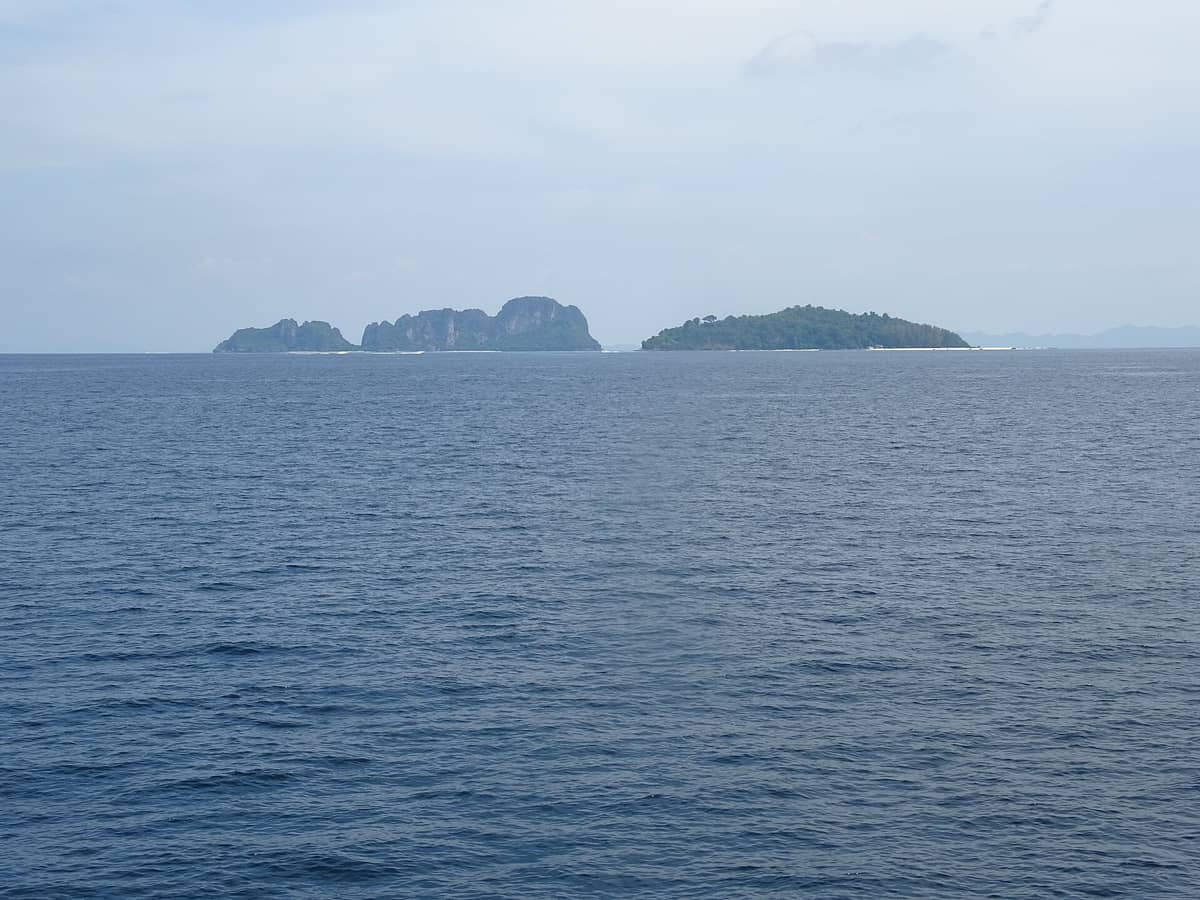
What Bamboo Island Actually Is
Bamboo Island (Koh Mai Phai, Thai: เกาะไม้ไผ่) is one of the smaller islands within Hat Noppharat Thara–Mu Ko Phi Phi National Park, the same protected marine zone that covers Phi Phi Don and Phi Phi Leh. At approximately 0.5 km², it barely registers on most maps, but that compact size is precisely what makes it appealing. There is essentially one main beach, one long arc of coarse-white sand that curves around the western and southern edges of the island, and a shallow reef system in the surrounding water.
The name translates loosely as 'bamboo wood island,' though the dominant vegetation you will actually notice is low coastal scrub, palm, and dense tropical forest behind the beach rather than stands of bamboo. The interior is undeveloped and off-limits to casual exploration, which keeps the experience focused on the shoreline.
ℹ️ Good to know
Park entry fee for foreign visitors: ฿400 adults, ฿200 children (Thai nationals: ฿40 adults, ฿20 children). This fee was verified as of February 2025 — confirm the current rate with your tour operator or at the park checkpoint before arriving.
How the Island Feels at Different Times of Day
Morning arrivals, typically between 9 and 10:30 am, get the best version of the island. The light comes in low and raking from the east, the water in the shallows shifts between pale jade and deeper blue, and the beach is cool enough to walk on barefoot without discomfort. Tour boats begin arriving in sequence, so there is never true solitude, but the atmosphere in those early hours is genuinely relaxed.
By late morning, when multiple boats from Phi Phi Don have unloaded, the main beach stretch can feel crowded relative to its size. Groups spread towels and stake out spots, longtail engines cut back and forth in the shallows, and the smell of reef-safe sunscreen mixes with salt air. It is still pleasant, but it is no longer quiet.
Afternoons see a gradual emptying as tour packages wrap up and boats return to Phi Phi Don or Ao Nang. If your tour allows a later pickup, the beach in the final hour or two before departure is noticeably emptier. The water stays clear and calm into the afternoon on most dry-season days, making late snorkeling worthwhile.
Tickets & tours
Live prices and dates from our booking partner. If you book, we may earn a commission at no extra cost to you.
Speedboat Tour to Koh Phi Phi and Bamboo from Lanta
From 46 €Instant confirmationFree cancellationDaily Cooking Class at Thai Cookery School in Krabi
From 42 €Instant confirmationFree cancellation7 islands speedboat excursion from Krabi
From 41 €Instant confirmationFree cancellationSpeedboat Tour to Hong Island Archipelago from Krabi
From 34 €Instant confirmationFree cancellation
The Beach and Snorkeling
The beach itself is wide enough to avoid feeling hemmed in, and the sand is firm rather than powdery, so it does not stick excessively to wet skin. The water entry is gradual, with no sharp drop-off close to shore, which makes it suitable for swimmers of most confidence levels. The seabed in the shallows is a mix of sand and scattered coral fragments.
Snorkeling is the main activity. The reef sections around the island's northern and eastern edges can hold reef fish — parrotfish, sergeant majors, and the occasional pufferfish — though coral health in the Phi Phi area has been affected by bleaching events and visitor pressure in past decades. Do not expect pristine coral walls. What you will find is enough marine life to make the effort worthwhile, particularly for travelers who are new to snorkeling or who want a manageable, shallow-water introduction.
For dedicated underwater exploration with healthier reef systems, the Krabi snorkeling guide covers sites with more extensive coral cover. Bamboo Island works well as one stop on a broader island-hopping day rather than as a snorkeling destination in isolation.
Getting to Bamboo Island
There is no independent transport to the island. Visitors arrive by boat, almost always as part of an organized tour. The most common departure point is Phi Phi Don, from where the crossing takes roughly 20 to 30 minutes by longtail or speedboat. Some tours that originate from Ao Nang or from piers near Krabi Town include Bamboo Island as one stop on a multi-island route.
If you are planning a full day in the Phi Phi area, the Krabi to Phi Phi day trip guide outlines how to structure a visit that includes multiple islands, including practical notes on boat schedules and what to expect at different stops.
💡 Local tip
Book tours that list Bamboo Island specifically on the itinerary. Generic 'Phi Phi island tour' packages often focus on Phi Phi Leh and Maya Bay, skipping Bamboo Island entirely. Confirm the stop list with the operator before paying.
The National Park Context
Bamboo Island falls under the administration of Hat Noppharat Thara–Mu Ko Phi Phi National Park, managed by Thailand's Department of National Parks, Wildlife and Plant Conservation. This matters practically because the park entry fee applies on top of any tour cost, and because park regulations govern behavior on the island: no removal of coral, shells, or marine life, and no overnight camping without permits.
The Phi Phi island group has faced significant environmental pressure over the years, driven by the volume of tourism in the area. Koh Phi Phi Leh and its famous bay have had periodic closures for reef recovery. Bamboo Island has not faced the same intensity of pressure, partly because it lacks the cinematic recognition of its neighbors, but responsible behavior — staying in designated areas, not touching coral, taking rubbish back to the boat — remains important.
Weather, Seasonality, and Practical Preparation
The best conditions for visiting Bamboo Island fall between December and March, when Krabi Province's dry season brings calmer Andaman seas, lower humidity, and consistent visibility for snorkeling. February in particular tends to offer stable conditions with minimal rain.
During the southwest monsoon season, roughly May through October, sea conditions in the Phi Phi area can deteriorate significantly. Boat tours may be cancelled or rerouted, and the beach experience is considerably less appealing in rain. The guide to visiting Krabi in rainy season is worth reading if your travel dates fall outside the dry window.
What to bring: reef-safe sunscreen (conventional sunscreen is environmentally damaging and may be restricted in national park waters), a dry bag for electronics, cash in Thai baht for the park fee and any snack stalls that operate on the beach, and water. Shade on the beach is limited to areas near the tree line, so a hat and UV-protective swim top are practical rather than optional in peak season.
⚠️ What to skip
Bamboo Island has limited or no permanent facilities on the beach. Do not assume there are toilets, food vendors, or fresh water reliably available. Bring what you need for the duration of your stop, and carry out all rubbish.
Photography Notes and Accessibility
The photogenic window at Bamboo Island is narrow. Early morning, before the beach fills with tour groups, gives the cleanest compositions: clear water, an uncluttered shoreline, and the backdrop of low tropical forest. A waterproof camera or housing is worth bringing for underwater shots; the shallow reef provides decent natural light without the need for a flash.
Accessibility is limited by the nature of the island. Boat access means boarding and disembarking, often via a small dinghy or by wading ashore. The beach surface is uneven sand. No sources document step-free access, mobility accommodations, or accessible facilities on the island. Travelers with mobility considerations should contact tour operators directly before booking to understand what the specific boarding and landing procedure involves.
Who Should Skip This Island
Bamboo Island is a straightforward beach stop. If you are looking for dramatic scenery, high walls of limestone, or a significant snorkeling site, it will not deliver those things at the level of nearby alternatives. Travelers who have already spent several days in the Phi Phi area and want something new will find the experience familiar rather than surprising.
If your priority is the best available snorkeling in Krabi Province, sites further afield, such as those covered in the Krabi diving guide, or islands like Koh Haa offer more diverse marine environments. Bamboo Island suits people who want a calm, uncomplicated beach hour rather than a dedicated dive or snorkel expedition.
Insider Tips
- Request a morning departure from Phi Phi Don, ideally leaving the pier by 8:30 am. This gets you to Bamboo Island before the second and third wave of tour boats arrive, and the beach is genuinely calm in the first hour.
- The water is shallow enough for stand-up paddling close to shore. Some tour operators include boards; it is worth asking when booking rather than assuming all boats carry snorkel gear only.
- Bring a small drybag and leave valuables on the boat rather than the beach. There are no lockers or secure storage on the island.
- The tree line at the back of the beach provides shade from around late morning onward as the sun moves. Arriving early and then retreating to the shade during the hottest midday period makes the visit considerably more comfortable in peak season.
- Confirm the park fee arrangement with your tour operator before booking. Some tours include the national park fee in the listed price; others add it at the pier. Knowing in advance prevents a cash scramble on the day.
Who Is Bamboo Island (Koh Mai Phai) For?
- First-time snorkelers who want calm, shallow water with straightforward conditions
- Families with children looking for a safe swimming beach with gradual water entry
- Travelers on a Phi Phi day trip who want a quieter beach stop alongside Phi Phi Leh
- Photographers looking for clean early-morning beach compositions away from the main Phi Phi crowds
- Anyone seeking a low-intensity half-day on the water between more active activities
Nearby Attractions
Other things to see while in Koh Phi Phi:
- Koh Phi Phi Don
Koh Phi Phi Don is the largest and only inhabited island in the Phi Phi group, sitting within Krabi Province roughly midway between the mainland and Phuket. It combines dramatic limestone cliffs, clear turquoise water, and a compact central village with a reputation that has grown considerably since the early 2000s. This guide tells you what the experience actually looks like, when to go, and whether it suits your style of travel.
- Koh Phi Phi Leh
Koh Phi Phi Leh is an uninhabited limestone island in Krabi Province, best known for Maya Bay. Striking from every angle and more controlled than you'd expect, it rewards visitors who understand what they're walking into.
- Maya Bay
Maya Bay on Koh Phi Phi Leh is one of Thailand's most photographed beaches, framed by sheer limestone cliffs and turquoise water. After a three-year ecological closure, it has reopened with strict visitor rules. Here is what the experience actually looks like today.
- Monkey Beach
Monkey Beach, known in Thai as Ao Ling or Yong Gasem Bay, is a short boat ride from Tonsai Bay on Koh Phi Phi Don. The 150-metre strip of sand is famous for its resident macaques, but the experience is more complicated than the photos suggest. Here is what you actually need to know before going.
Planning a trip? Discover personalized activities with the Nomado app.