Krabi Safety Tips & Scams to Avoid: What Every Traveler Needs to Know
Krabi Thailand is one of Southeast Asia's most rewarding destinations, but a handful of well-worn scams and avoidable risks can derail a trip fast. This guide covers the real threats, practical precautions, and emergency contacts you need before you go.
Tickets & tours
Live prices and dates from our booking partner. If you book, we may earn a commission at no extra cost to you.
TL;DR
- Krabi is generally safe for tourists, but jet-ski damage scams, vehicle rental disputes, and overpriced tuk-tuks are common and preventable.
- Never leave your passport as collateral for a rental — this is the single most important rule. See our getting around Krabi guide for safer transport options.
- Save Thailand's Tourist Police number (1155) and local Krabi Tourist Police (075 637 208) before you arrive.
- Sea conditions during the May–October monsoon can turn dangerous quickly — always verify boat trip status on the day.
- Dress modestly at temples, drink tap water only if your accommodation confirms it is safe, and check when to visit Krabi to avoid the worst weather windows.
How Safe Is Krabi for Tourists?
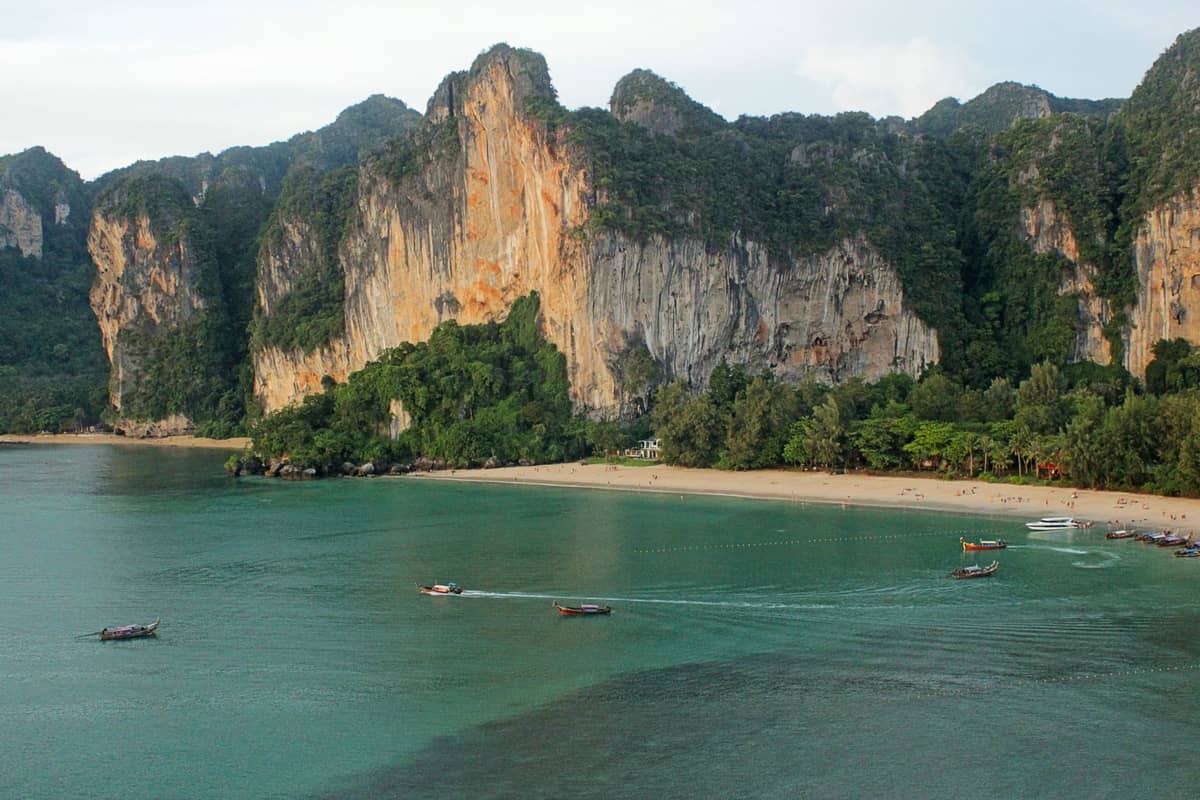
Krabi Province sits in southern Thailand and draws visitors to its limestone karst coastline, islands, and national parks. Violent crime targeting tourists is rare. The risks that actually affect travelers are mostly financial: rental scams, inflated fares, and deposit disputes. That said, petty theft does happen, and certain situations — isolated beaches after dark, unsupervised water activities, and heavy drinking near bars — carry real physical risks that are worth understanding clearly.
The U. S. State Department highlights risks around sexual violence near bars, beaches, and isolated areas in Thailand, and notes passport-withholding practices by some vehicle rental operators. These aren't theoretical warnings. If you're heading to Railay Peninsula or Ao Nang for the first time, knowing the mechanics of the most common scams will save you money and stress.
ℹ️ Good to know
Emergency numbers to save before you land: Tourist Police hotline 1155 (English spoken), Krabi Tourist Police local line 075 637 208, national police 191, ambulance and emergency medical services 1669. Thailand's country dialing code is +66.
The Most Common Scams in Krabi
Krabi's scam ecosystem is not unique to the province — most of the playbooks run across coastal Thailand. But knowing the local variations helps you respond correctly rather than paying up out of confusion.
- Jet-ski damage scam You rent a jet-ski, return it, and the operator claims you caused damage that was already there. They may demand hundreds of dollars and refuse to release your passport or other collateral. Always photograph every scratch and dent before you get on, keep the rental agreement, and pay only by card if possible so you have a dispute route.
- Passport-as-collateral trap Some motorbike, scooter, and jet-ski rental businesses ask to hold your passport instead of a cash deposit. This is not a legal requirement in Thailand, and it gives them leverage to extort payment for exaggerated or fake damage claims. Use a copy, leave a cash deposit, or walk away.
- Overpriced tuk-tuk and taxi fares Fixed meters are rare in Krabi. Drivers near piers and popular beaches sometimes quote three to five times the reasonable fare for tourists. Grab works in parts of Krabi Province and provides transparent pricing. Agree on the price before you get in any vehicle, or use the Grab app.
- Tour operator bait-and-switch Budget island-hopping tours advertised at suspiciously low prices often involve boats that are overcrowded, skip advertised stops, or spend minimal time at each location. Check recent reviews on Google and Tripadvisor, confirm the boat size, and read what is actually included before paying.
- Gem and souvenir scams The classic 'gem scam' involving a friendly stranger offering to take you to a great deal on jewelry or gemstones is less prevalent in Krabi than in Bangkok, but it does appear. If a stranger you've just met is enthusiastic about steering you to a specific shop, decline.
- Accommodation deposit disputes Some guesthouses near beaches charge large cash deposits and later find reasons not to return them. Pay by card where possible. Document the room's condition with photos at check-in and keep all receipts.
⚠️ What to skip
Never hand over your actual passport as collateral for any rental. Thai law does not require it. If an operator insists, take your business elsewhere. If your passport is already being held and a dispute escalates, contact the Tourist Police at 1155 rather than paying under pressure.
Water Safety and Boat Trip Risks
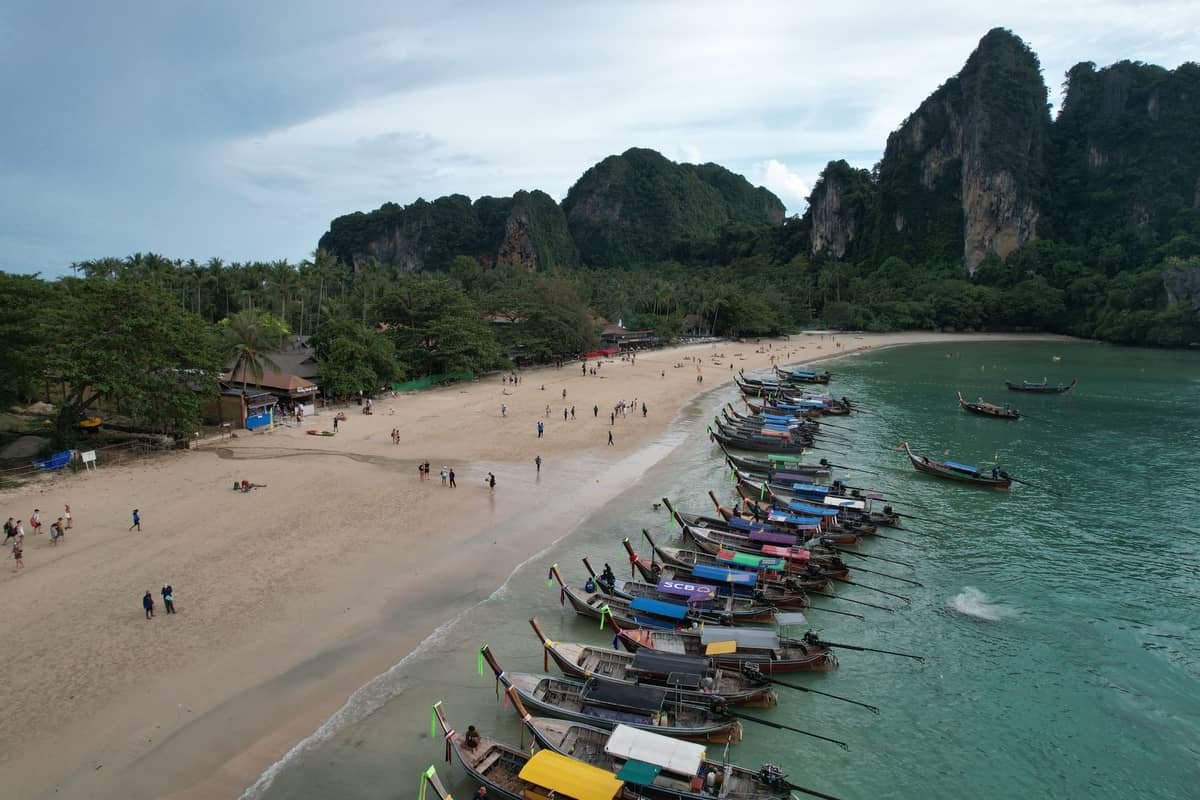
Krabi's biggest draw is its water: the islands, the snorkeling, the boat trips out to Koh Phi Phi Don and Phra Nang Beach. But the Andaman Sea is a serious body of water, and conditions change fast during the monsoon season (roughly May through October).
Boat accidents in Thai waters typically involve a combination of overloaded vessels, poor weather judgment, and operators prioritizing profit over cancellation. Before any boat trip, check the sky and the sea yourself — don't rely solely on an operator who has a financial interest in the trip running. If the weather looks bad, ask explicitly whether the trip will run, where life jackets are stored, and how many passengers are on board. Reputable operators will have this information ready.
Rip currents are a real hazard at certain beaches, particularly during the monsoon. West Railay Beach and Ao Nang Beach post red flags when swimming is unsafe. Respect them. Drownings at Thai beaches disproportionately involve tourists who ignored warning flags. If you see a red flag, do not swim, regardless of what other people appear to be doing.
✨ Pro tip
When booking island-hopping or snorkeling tours, opt for operators that use larger longtail speedboats or covered ferries rather than the smallest open longtails for open-water crossings. The difference in safety margin in unexpected chop is significant. Check our Krabi snorkeling guide for operator tips.
Personal Safety: Theft, Scooters, and Night-Time Risks
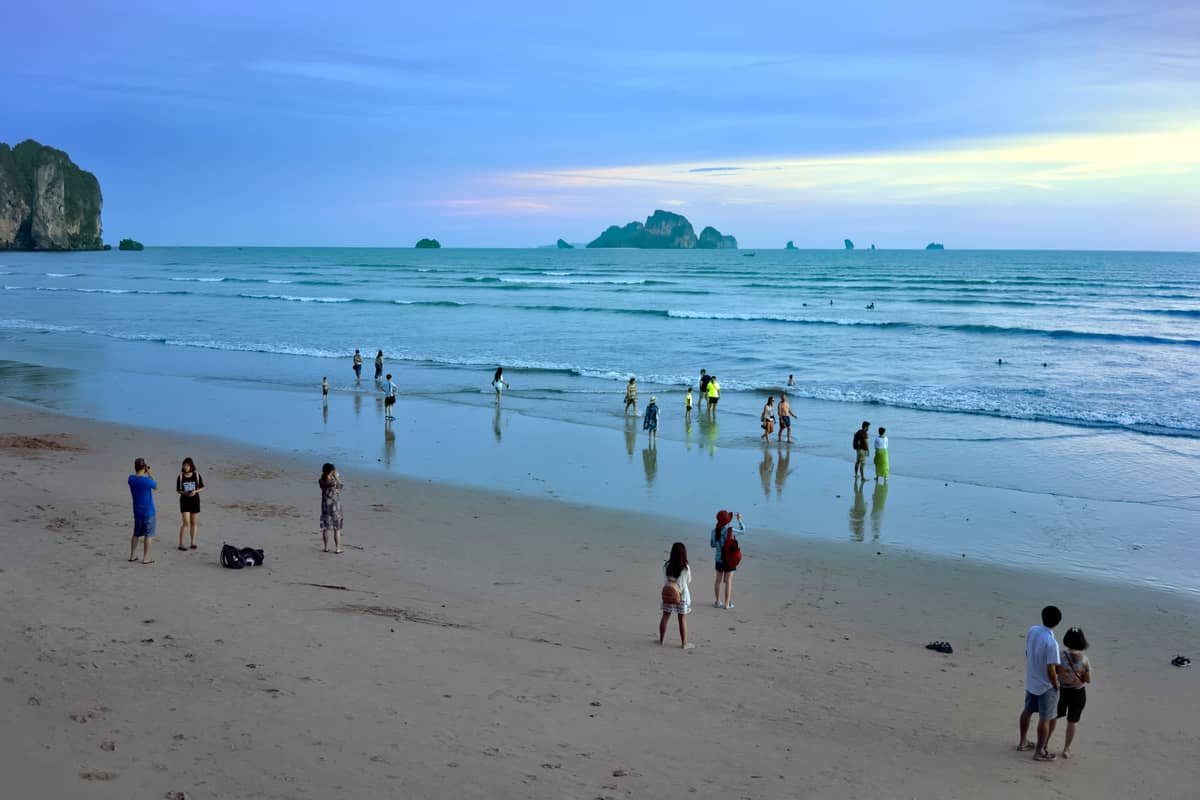
Pickpocketing and bag-snatching occur in Krabi's busier areas, particularly around Ao Nang's beachfront strip, the Krabi Town Night Market, and ferry piers during peak departure times. The standard precautions apply: keep bags in front of you, don't leave valuables on the beach unattended, and use a hotel safe for your passport and extra cash.
Renting a motorbike or scooter is tempting and often practical for exploring quieter parts of the province. It is also the leading cause of tourist injuries in Thailand broadly. If you do rent one, wear a helmet (non-negotiable), have an international driving permit that covers motorcycles, and check your travel insurance covers two-wheeled vehicles explicitly — many standard policies exclude them. Roads in Krabi can be narrow and slick during the rainy season.
Alcohol-related incidents cluster around beach bars in Ao Nang and near party spots on Koh Phi Phi. This is not a reason to avoid the nightlife, but going out in a group, not accepting drinks from strangers, and having a plan for getting back to your accommodation are basic precautions worth taking. Isolated beaches and walking alone late at night carry added risk, particularly for solo travelers.
- Use a hotel safe for your passport — carry a high-quality photocopy when going out.
- Don't leave bags, phones, or cameras unattended on beaches, even briefly.
- Carry only the cash you need for the day; leave extra in the safe.
- If riding a scooter: helmet, valid license, insurance that covers motorcycles.
- On night out: go in a group, avoid accepting drinks from strangers, have a return plan.
- At ATMs: use machines in well-lit bank lobbies rather than standalone street ATMs when possible.
Health Precautions and Practical Basics
Tap water in Krabi is not reliably potable. Use sealed bottled water or water that your accommodation has confirmed as safe. This applies to brushing teeth in budget guesthouses as well. Bottled water is widely available and cheap throughout the province.
The heat is real. Krabi's mean daily temperatures range from around 26.6°C to 28.8°C year-round, with daytime highs regularly reaching 31–34°C. Heat exhaustion is a genuine risk during inland hikes, particularly at sites like Dragon Crest Mountain. Carry more water than you think you need, wear sun protection, and plan outdoor activities for the cooler morning hours.
Thailand's electricity runs at 220V, 50Hz, and socket types vary. Bring a universal adapter. Check Krabi airport arrival logistics if you're unsure about airport facilities. For visa questions, eligibility depends on your nationality and current Thai immigration rules — always check the official Thai e-Visa portal before travel, as policies change.
- Drink only bottled or confirmed-safe water.
- Apply SPF 30+ sunscreen and reapply after swimming.
- Schedule hikes and outdoor activities before 10am or after 4pm to avoid peak heat.
- Pack basic first aid: blister plasters, antiseptic cream, rehydration sachets, and antihistamines.
- Check whether your travel insurance covers water sports, motorbike riding, and emergency medical evacuation.
Cultural Respect and Avoiding Unintentional Offenses
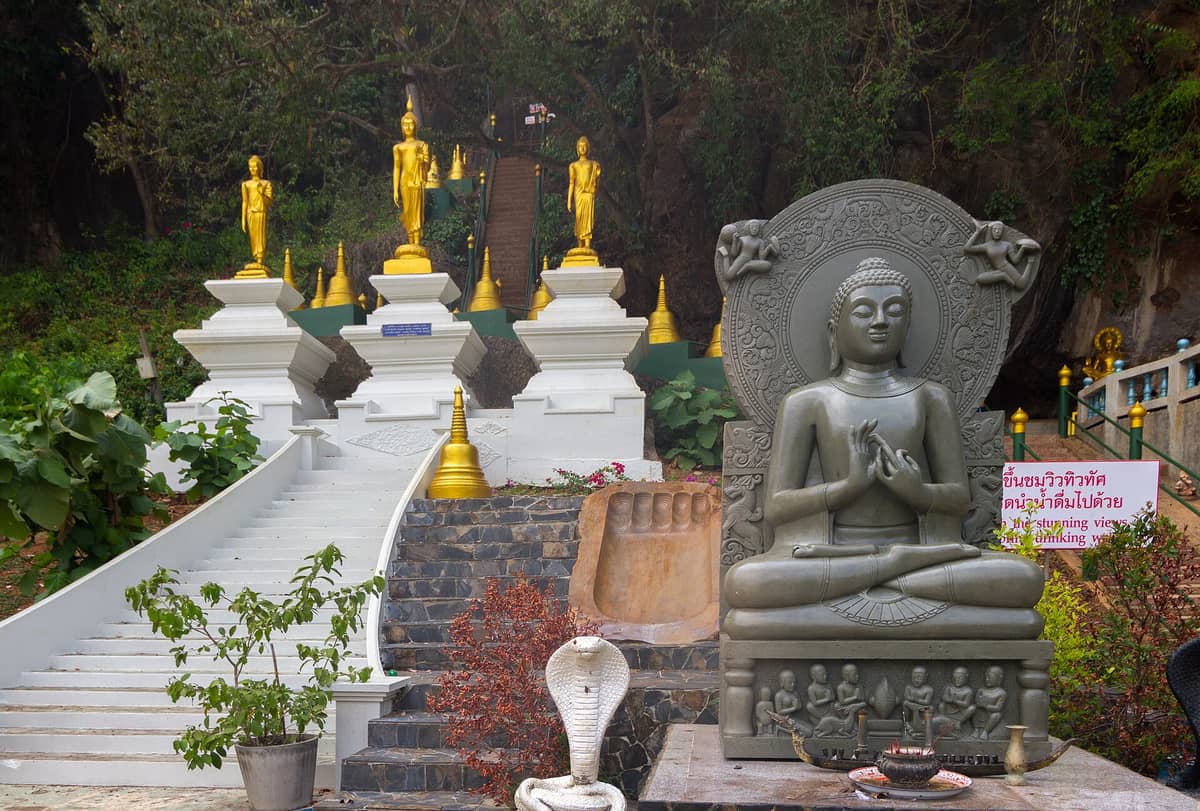
Krabi Province is predominantly Muslim in many of its inland and fishing communities, while its tourist zones attract a mix of Buddhist temples and beach culture. At sites like Tiger Cave Temple (Wat Tham Seua), dress modestly: cover shoulders and knees. Sarongs are often available at temple entrances if you arrive in beachwear, but arriving appropriately dressed shows basic respect.
The Thai monarchy is protected by strict lèse-majesté laws. Negative public comments about the royal family can result in serious legal consequences. This is not a gray area. Avoid any commentary on the topic, including online posts made while in Thailand.
💡 Local tip
Tipping is not obligatory in Thailand, but small tips are appreciated for good service. Some restaurants add a service charge — check the bill before tipping on top. For tours and transfers, 50–100 THB per person for a guide is a reasonable gesture for a good experience.
FAQ
Is Krabi safe for solo female travelers?
Krabi is generally considered manageable for solo female travelers, but it requires the same awareness you'd apply anywhere. The U.S. State Department specifically notes risks of sexual violence near bars, beaches, and isolated areas in Thailand. Stick to well-lit, populated areas at night, go out in groups where possible, don't accept drinks from strangers, and trust your instincts if a situation feels uncomfortable. Daytime sightseeing and organized tours are low-risk.
What should I do if a jet-ski rental operator claims I caused damage?
Stay calm and do not pay immediately under pressure. If you photographed the vehicle's condition before the rental and kept your rental agreement, you have documentation to dispute the claim. Contact the Tourist Police (1155 or local Krabi station 075 637 208) for assistance. Never agree to leave your passport as collateral, and avoid escalating a confrontation physically.
Is it safe to swim at Krabi beaches during the rainy season?
It depends on the specific day and beach. Red flags mean do not swim, regardless of conditions appearing calm. Rip currents can be strong and unpredictable during the May–October monsoon period. Boat trips to islands may also be cancelled or unsafe during heavy weather. Always check conditions on the day and follow posted warnings.
Are there hospitals or clinics in Krabi for medical emergencies?
Yes. Krabi Town has Krabi Hospital (a government facility) and several private clinics. For serious emergencies, dial 1669 for ambulance services. Having comprehensive travel insurance with medical evacuation coverage is strongly recommended, particularly if you plan water sports or motorbike riding. Confirm the nearest clinic to your accommodation when you check in.
Can I use Grab in Krabi to avoid taxi scams?
Grab operates in parts of Krabi Province, including around Krabi Town and Ao Nang, and provides upfront pricing that removes fare negotiation from the equation. Availability can be limited compared to larger Thai cities, and pickup at remote beaches may not be possible. In areas without Grab coverage, agree on the price verbally before getting into any vehicle.
Tickets & tours
Live prices and dates from our booking partner. If you book, we may earn a commission at no extra cost to you.
Planning a trip? Discover personalized activities with the Nomado app.