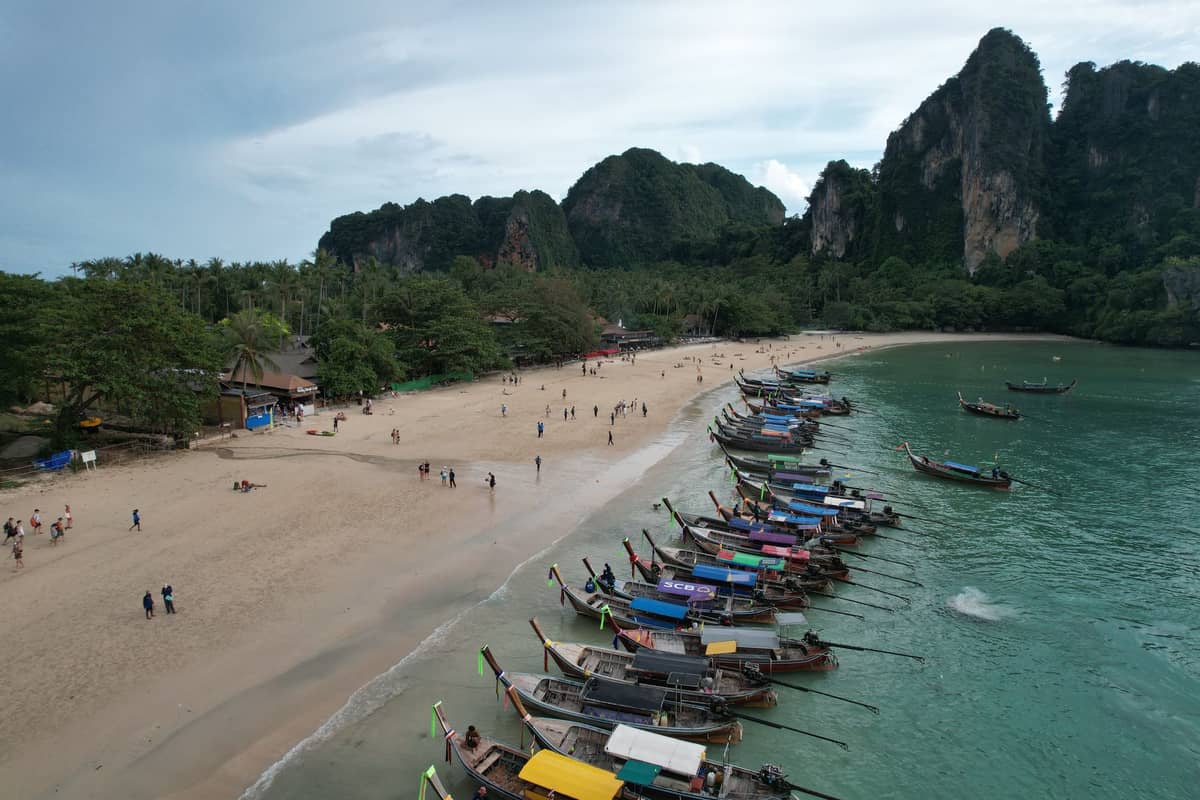
Railay Peninsula is a compact limestone headland on the Krabi coast, cut off from the mainland by towering cliffs and accessible only by longtail boat. It packs four distinct beaches, world-class rock climbing, and some of southern Thailand's most dramatic scenery into a short walk from one side to the other.
Railay Peninsula sits just minutes from Ao Nang by longtail boat but feels like a different world entirely. With no roads, no cars, and sheer limestone cliffs rising from the sea on every side, this small headland in Krabi Province is one of the few places in Thailand where the geography itself dictates a slower pace of life.
Orientation
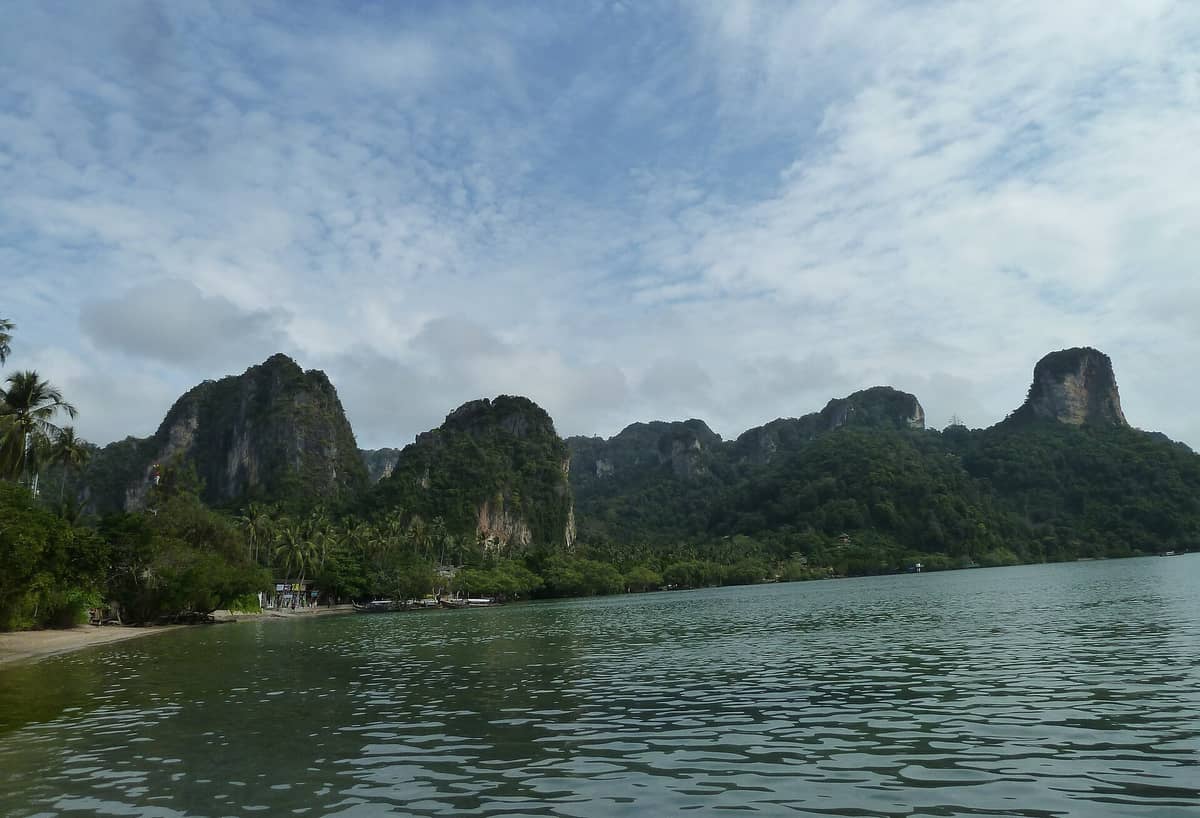
Railay Peninsula extends southward from the Krabi coast, positioned between Ao Nang to the northwest and Krabi Town to the east. The cliffs that ring its landward side are not just dramatic backdrops, they are the reason there is no road. The peninsula is technically connected to the mainland, but the karst walls that rise from its northern end make any overland approach impractical, so every visitor arrives by boat.
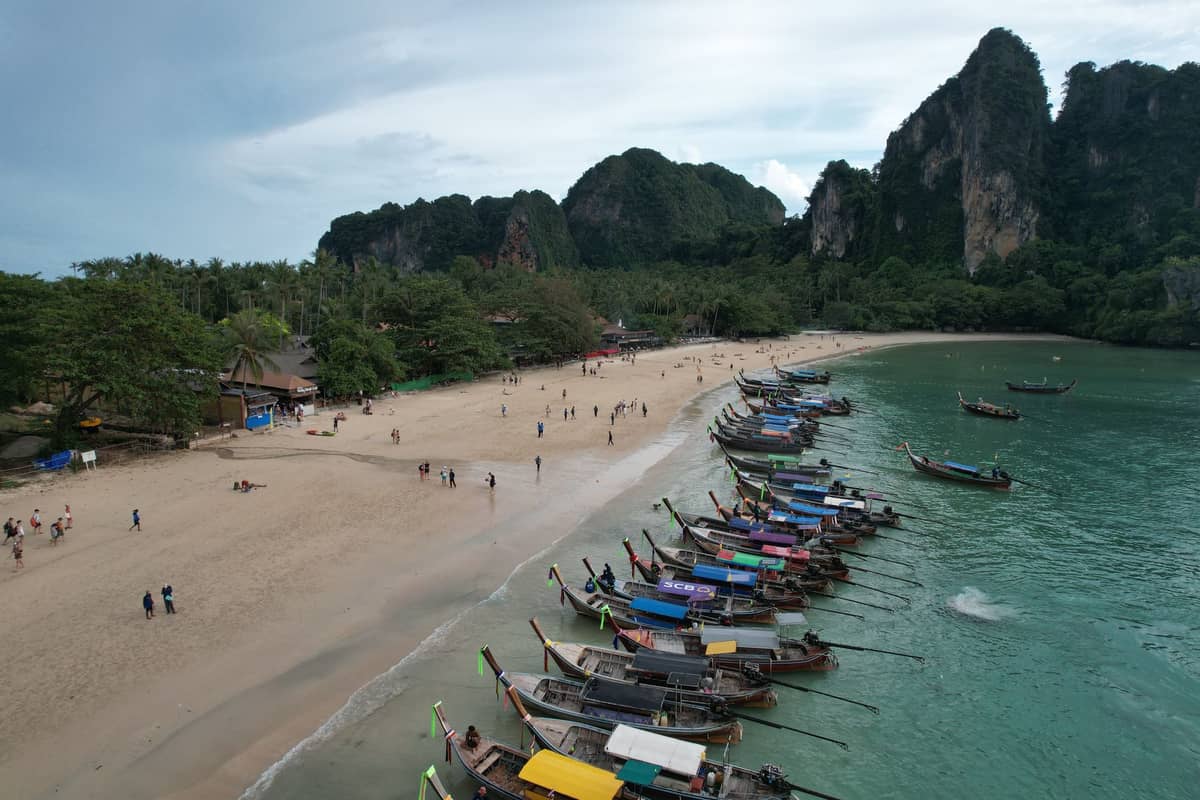
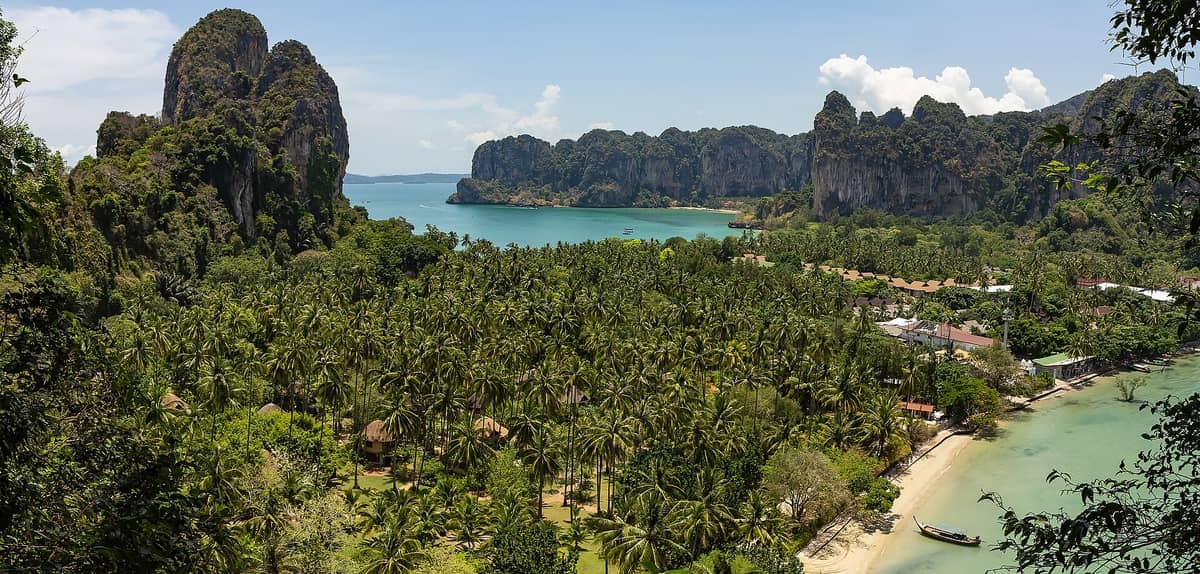
The geography divides the peninsula into four distinct zones, each with a different character. Railay West faces the Andaman Sea and holds the main swimming beach. Railay East faces a shallow, mangrove-fringed bay and is where most longtail boats from Ao Nang land. A path runs between them, crossing the peninsula's narrow waist in about five minutes on foot. Phra Nang Beach occupies the southern tip, and Tonsai Beach sits just around the western headland, accessible on foot at low tide or by boat.
For anyone planning time in the wider region, understanding how Railay fits into Krabi Province matters. Ao NangAo Nang is the main service hub and the most common departure point for boats to Railay. Krabi Town, roughly 20 km by road from Ao Nang, is the provincial capital with the bus terminal, hospital, and most practical amenities. Neither is on the peninsula itself, so anything you forget to bring will require a boat trip to retrieve.
Character and Atmosphere
Early mornings on Railay West are some of the most peaceful hours in Krabi Province. The longtails from Ao Nang do not run at dawn, so before roughly 8am the beach belongs to guests staying on the peninsula. The light comes over the cliffs from the east, hitting the water at a low angle and illuminating the limestone in shades of gold and amber. The sand is white, fine-grained, and noticeably clean at this hour.
By mid-morning the character shifts. Day-trippers begin arriving in waves, and the beach fills steadily through lunch. The restaurants and beach bars that line Railay West's northern end get busy. Walking east, the mood changes again: Railay East is more functional, with pier infrastructure, slightly murky water at low tide, and the practical end of the resort economy. It is not a swimming beach, but it is where things happen logistically.
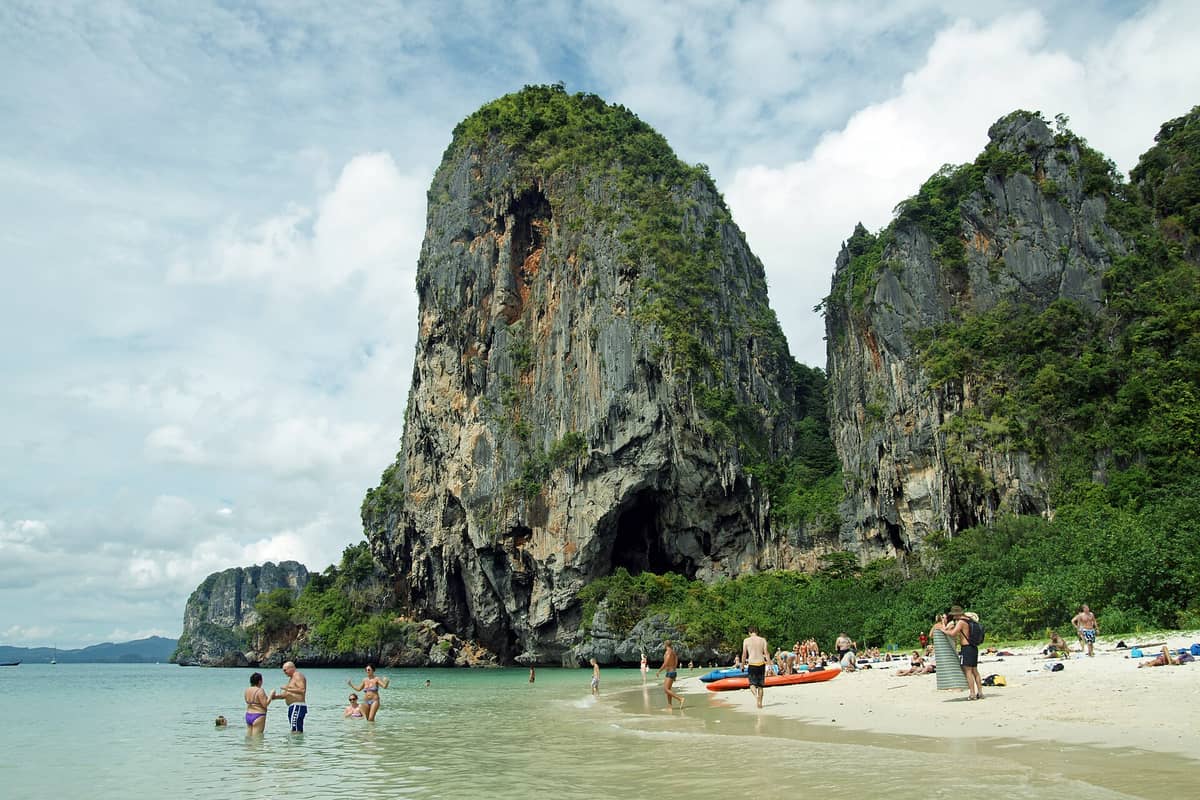
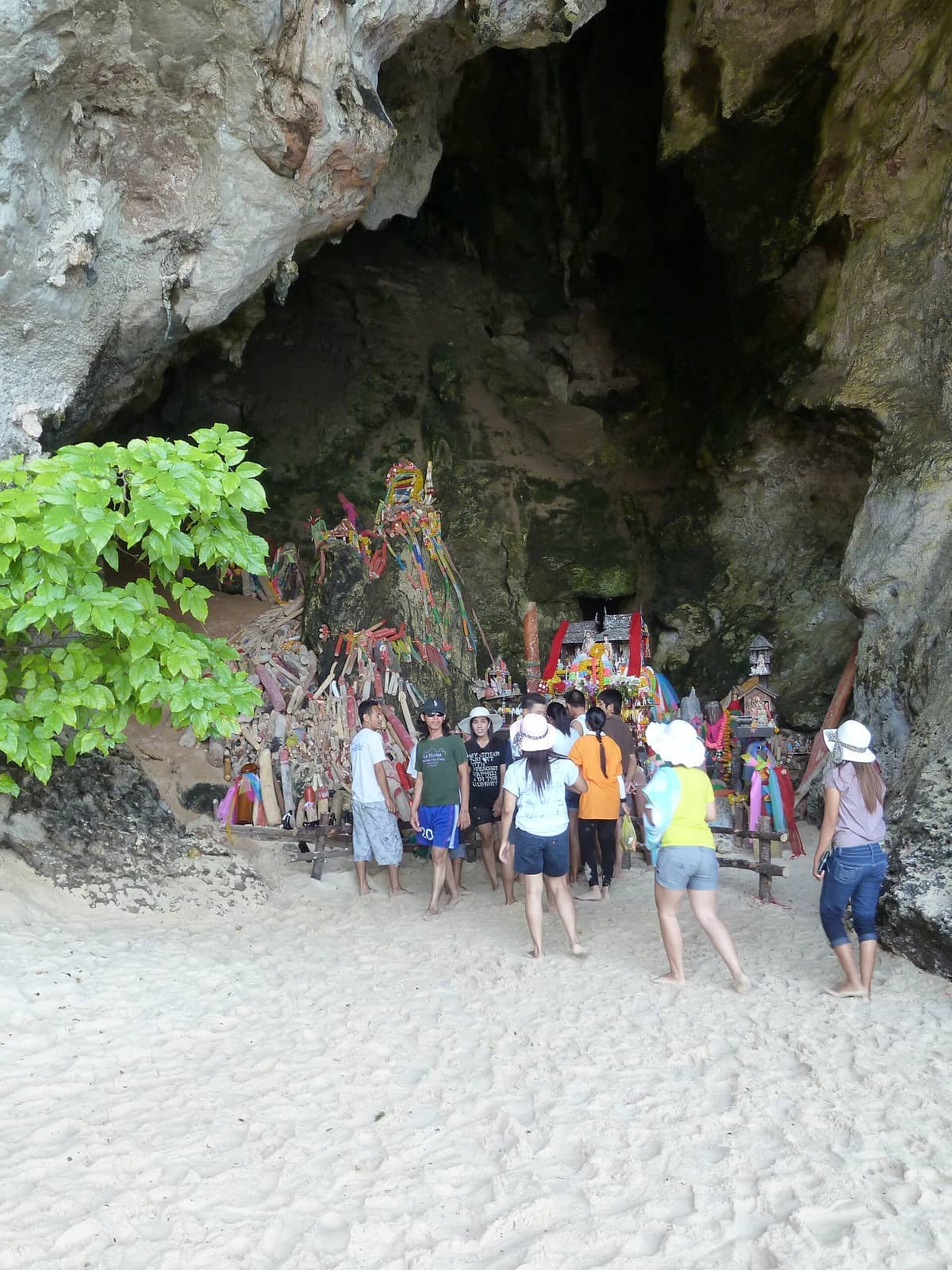
Phra Nang Beach, reached by the path that skirts the southern end of the peninsula, is the most visually striking stretch of sand in the area. The cliffs here are particularly close, and a cave at the beach's eastern end holds an elaborate shrine. It draws significant daytime crowds, but by late afternoon, as day-trip boats leave, a relative calm settles back. After dark, Railay has minimal nightlife by Thai beach resort standards. There is no Bangla Road equivalent here. A handful of bars run into the late evening, and the general atmosphere is relaxed rather than raucous.
ℹ️ Good to know
Railay's population of permanent residents is small, and the economy is almost entirely tourism-driven. The absence of a road connection keeps vehicle noise out but also limits the depth of local life you might find in a mainland town. Expect a resort atmosphere rather than a community one.
What to See and Do
The beaches are the obvious draw. West Railay Beach is the main swimming and sunbathing strip, with calm water for most of the dry season and a row of sun loungers available for rent. Phra Nang Beach is widely cited as one of the most beautiful beaches in Thailand, backed by vertical cliff and fringed with turquoise water. The Phra Nang Cave at its eastern end houses a fertility shrine that has been maintained for generations by the local fishing community.
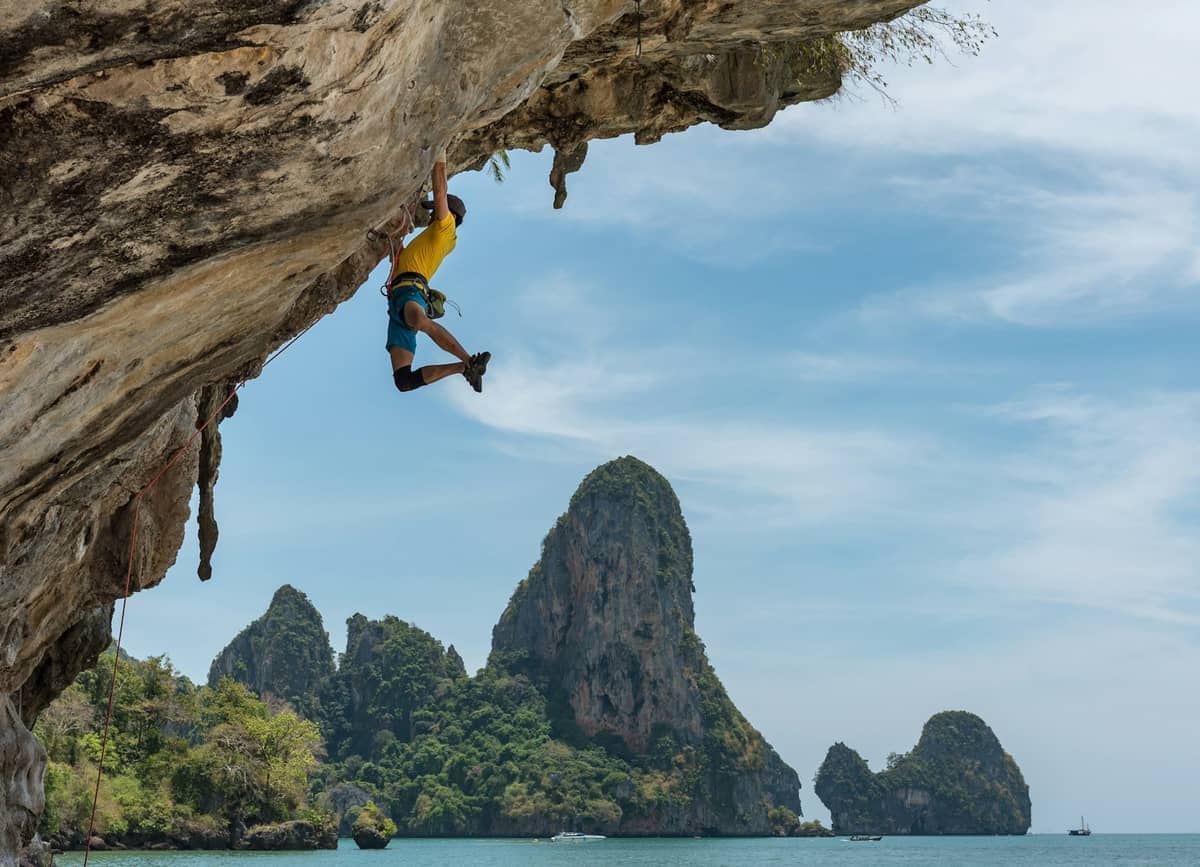
Rock climbing is arguably Railay's most serious credential. The limestone cliffs offer routes at every grade, from beginner-friendly walls to technical multi-pitch climbs that attract experienced climbers from around the world. Several guiding operations on the peninsula offer instruction and equipment rental. The Railay rock climbingRock climbing scene is well-established and well-run, with fixed bolts on most routes and qualified guides available.
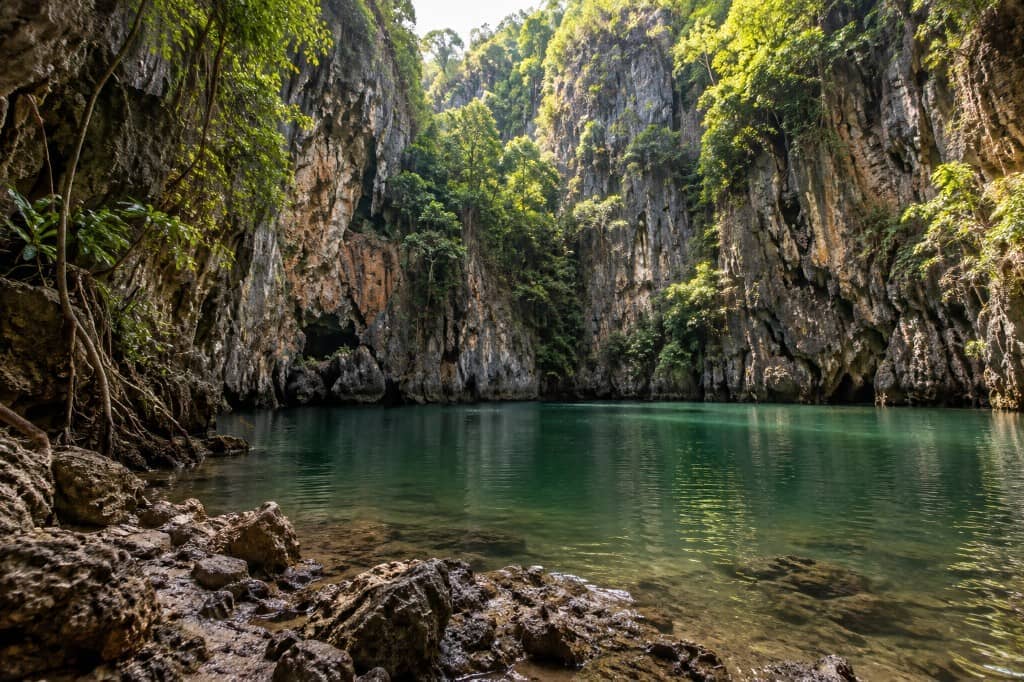
The Railay Viewpoint requires a steep climb up a fixed-rope trail through the jungle interior of the peninsula, but rewards the effort with a panorama over both coasts and the surrounding sea. The trail starts near Railay East and takes roughly 30 to 45 minutes up depending on conditions. Go early to avoid the heat. A short detour from the viewpoint path also leads to the Railay Lagoon, a sheltered inland pool accessible through a narrow cave passage.
Beyond the peninsula itself, Railay is a useful base for day trips. Tonsai Beach is a short walk or a brief longtail ride away, with a more budget-oriented, climber-focused crowd. Boat trips to the Four Islands can be arranged directly from Railay East pier, making the peninsula a practical launchpad for exploring the surrounding waters.
Swimming and snorkeling at West Railay Beach and Phra Nang Beach
Rock climbing on fixed-bolt limestone routes, beginner to advanced
Hiking to the Railay Viewpoint for panoramic sea views
Exploring Phra Nang Cave and its active shrine
Kayaking around the peninsula's sea-facing cliffs
Day trips by longtail to the Four Islands and nearby bays
Eating and Drinking
The food scene on Railay is functional and reasonably priced given the captive-audience setting, though it is not a destination for serious culinary exploration. Most restaurants sit along the path connecting Railay West and East, with a concentration near the beach bars on the western shore. Menus follow a predictable tourist-facing format: Thai curries, fried rice, pad thai, grilled seafood, and Western options like pizza and burgers.
Prices are higher than in Krabi Town or the mainstreet of Ao Nang, partly because every ingredient arrives by boat. A plate of pad thai that costs 60 baht in town might run 100 to 130 baht here. That said, the beach bar experience, eating a bowl of curry while watching the sun drop behind the Andaman horizon from Railay West, carries its own value that the price tags reflect.
For evening drinks, the bars along Railay West tend to stay open into the late hours. Fire shows are a regular feature at some venues during peak season. Coffee and breakfast options are available from several small cafes near the Railay East pier area from early morning, catering to guests catching the first boats back to Ao Nang.
💡 Local tip
If you are staying overnight, stock up on snacks, sunscreen, and any medications before you arrive. Convenience items are available on the peninsula but cost significantly more than on the mainland. There is no pharmacy or medical clinic on Railay itself.
Getting There and Around
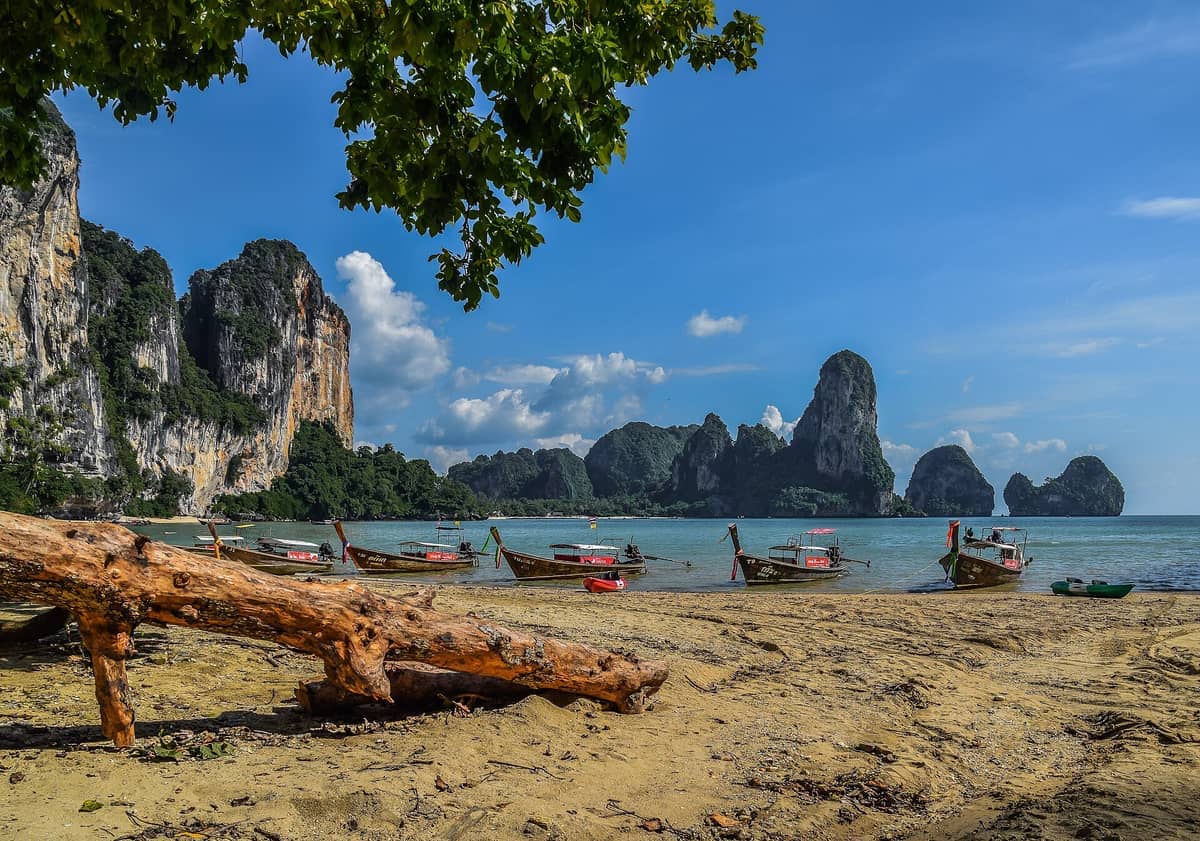
There is no road access to Railay. The standard approach is by longtail boat from Ao Nang Beach, a journey that typically takes around 10 to 15 minutes. Boats depart when they have enough passengers, roughly six to eight people, and generally run during the day, with service times varying by season and conditions. During peak season the wait is rarely long. Fares are fixed per person and posted at the beach. For a full picture of how to reach the wider area, see the getting around Krabi guide.
Boats also run from Ao Nam Mao Pier, which sits slightly east of Ao Nang and is accessible by road. This option can be faster to reach from Krabi Town by taxi or songthaew, and boats from there go directly to Railay East. A third option, less commonly used by independent travelers, is the longtail service from Krabi Town's Chao Fah Pier, which typically takes 45 to 90 minutes depending on tide and route, but is occasionally useful if you are arriving from that direction.
Once on the peninsula, everything is on foot. The main path from Railay East to Railay West crosses flat ground and takes about five minutes. The Phra Nang path runs south along the eastern shore and takes another five to ten minutes. The viewpoint trail adds significant elevation. There are no vehicles, no bikes, and no motorbike taxis. You walk, and in the midday heat, that matters. Wear footwear you can walk comfortably in, not flip-flops if you plan to do the viewpoint trail.
⚠️ What to skip
Longtail boat departures from Railay are affected by tides and sea conditions. During rough weather or the height of the southwest monsoon, services can be suspended or delayed without notice. If you are staying overnight, build flexibility into your plans for the return journey. Do not book onward transport with no buffer time.
The nearest useful transport hub is Ao Nang, where you can pick up songthaews toward Krabi Town or arrange minivan transfers to Krabi International Airport (KBV). The airport is approximately 25 km from Ao Nang by road. For arrival planning, the Krabi airport guide covers the key logistics.
Where to Stay
Accommodation on Railay ranges from mid-range bungalows to high-end resorts, concentrated on the Railay West and Railay East sides of the peninsula. Budget options are limited here compared to Ao Nang or Krabi Town, largely because of the added cost of delivering everything by boat. For a broader overview of where different accommodation tiers are located across Krabi Province, the where to stay in Krabi guide provides useful context.
Staying on the peninsula overnight is the single biggest factor in having a genuinely different experience here. Day-trippers leave by late afternoon, and what remains is quiet in a way that feels earned. The beaches at dusk and dawn, with the cliffs catching the last or first light, look different without crowds. If your budget allows for even one night, it changes the trip.
Railay West is the preferred side for sunset views and beach access. Railay East is more practical but faces the mangrove bay. For honeymooners or travelers prioritizing atmosphere, the western side is the obvious choice. Tonsai Beach, just beyond the western headland, has more budget-friendly bungalows and draws a younger, more adventure-oriented crowd, mostly climbers and backpackers.
For couples considering Railay as part of a romantic itinerary, it features prominently in the Krabi honeymoon guide. Families with young children should note that some of the boat landings at Railay East require wading through shallow water, and the viewpoint trail is not appropriate for small children.
Practical Considerations
Railay is at its best between December and March, when the Andaman Sea is calm, the sky is clear, and boat access is reliable. The best time to visit Krabi in terms of weather aligns with this window. During the rainy season (May to October), sea conditions can make boat crossings uncomfortable or impossible on some days, and the cliffs and trails become slippery. Some businesses on the peninsula close or reduce hours during this period.
ATMs are available on the peninsula but not in abundance. Bring sufficient cash in Thai baht (THB) before arriving. Phone signal exists but can be patchy depending on your carrier. There is no hospital on Railay; for more serious medical care, the nearest facilities are in Ao Nang or Krabi Town. For general safety advice relevant to the region, the Krabi scams and safety tips guide covers the most common issues travelers encounter.
ℹ️ Good to know
Emergency numbers in Thailand: Tourist Police at 1155, general police at 191, ambulance and emergency medical at 1669. Save these before you travel.
TL;DR
Railay Peninsula is reachable only by longtail boat, a 10-15 minute ride from Ao Nang Beach, making it car-free and relatively self-contained.
The peninsula has four distinct beach zones: Railay West (swimming and sunsets), Railay East (boat pier, mangroves), Phra Nang (dramatic cliff setting, active cave shrine), and Tonsai (budget bungalows, climbing crowd).
Rock climbing on limestone is world-class here, with routes for all levels and established guiding operations on-site.
Overnight guests get a fundamentally different experience from day-trippers: quieter beaches at dawn and dusk, and the full atmosphere of the peninsula without crowds.
Best visited December to March for reliable boat access and calm seas. Not ideal for travelers on very tight budgets, those with mobility limitations, or anyone who needs immediate access to medical or banking facilities.
Bangkok to Krabi is one of Thailand's most-traveled long-distance routes, and there are three main ways to do it: fly, take the overnight bus, or combine a southern-line train with a road transfer. This guide breaks down every option with real costs, journey times, and the real trade-offs so you can pick the right route for your trip.
Krabi Province has more great beaches than most travelers can visit in a single trip, spread across the mainland coast, the Railay Peninsula, Koh Phi Phi, and Koh Lanta. This guide ranks and compares the best, so you can choose the right beach for your style.
Krabi's weather shapes everything from island hopping to hotel rates. This guide breaks down every month of the year so you know exactly when to go, when to save money, and what to realistically expect from Thailand's most dramatic coastline.
Krabi is one of southern Thailand's best bases for day trips, with stunning islands, jungle waterfalls, sacred temples, and sea caves all within reach. This guide covers the top destinations you can explore in a single day, from the legendary Phi Phi Islands to the serene mangroves of Ao Tha Lane.
Krabi Province spans coastline, islands, and inland jungle with no metro or rail network. This guide covers every transport option, from airport minivans and local songthaews to long-tail boats and ferries, so you can move around without overpaying or getting stranded at the wrong pier.
Three days in Krabi, Thailand is enough to hit the highlights without rushing — if you plan smart. This itinerary covers Railay Peninsula, island day trips, Krabi Town's underrated food scene, and the key logistics most guides get wrong.
Krabi International Airport (KBV) is a manageable gateway, but the transfer options are genuinely confusing if you haven't researched them. This guide breaks down every transport option from the airport, with realistic fare ranges, journey times, and tips for avoiding the most common mistakes.
Krabi Province offers some of southern Thailand's most accessible and rewarding dive experiences, from shallow coral gardens off Ao Nang to advanced wreck dives and world-class drift sites. This guide covers the best dive sites, how to choose a course, what operators charge, and a clear take on when diving here is worth it.
Most visitors to Krabi stick to Ao Nang, Railay, and the Phi Phi day trip. But the province holds far more: ancient fishing villages, mineral-fed jungle pools, empty beaches, and islands with no roads. This guide points you to the places worth the extra effort.
Krabi's limestone karst landscape delivers some of Southeast Asia's most dramatic hiking. From the roughly 1,240-step climb to Tiger Cave Temple's panoramic summit to the rope-assisted scramble into Railay Lagoon, these are the best trails, viewpoints, and jungle walks across the province.
Krabi Province offers one of Southeast Asia's most compelling honeymoon settings: limestone karsts rising from turquoise water, car-free beach peninsulas, and islands that feel genuinely remote even in peak season. This guide covers where to stay, what to do, and how to plan a honeymoon in Krabi that goes beyond the standard tourist trail.
December marks the start of Krabi's drier travel season, bringing warm temperatures, calmer seas, and the year's biggest tourist crowds. Here's everything you need to plan your trip, from realistic weather expectations to the best activities and where to stay.
Krabi's rainy season runs from May to October, but it's rarely the washout people fear. This guide covers what the southwest monsoon actually means for your trip: which activities hold up, which boat routes get disrupted, where prices drop, and how to plan around the weather without wasting your time or money.
Krabi Thailand sits at the centre of one of Southeast Asia's great island-hopping regions. This guide breaks down every major route, from the classic Four Islands trip to the quieter Hong Islands circuit, with real pricing, seasonal warnings, and booking tips to help you plan smarter.
Five days is enough time to experience the best of Krabi Thailand without rushing. This itinerary balances iconic beaches, island excursions, jungle trails, and local culture — with practical logistics, realistic cost breakdowns, and advice on what to skip.
Krabi Thailand offers some of Southeast Asia's most dramatic paddling terrain: limestone karsts rising from calm water, mangrove labyrinths, and island lagoons accessible only by kayak. This guide covers the top routes, tour formats, seasonal conditions, and practical advice to help you choose the right experience.
Koh Lanta is one of the most rewarding islands in Krabi Province, and getting there is straightforward once you know which transport option suits your trip. This guide covers minivans, ferries, speedboats, fares, journey times, and the key details that booking platforms often leave out.
Krabi Province offers some of Southeast Asia's most dramatic luxury settings, from cliffside villas at Railay to private pool suites on Koh Lanta. This guide breaks down where to stay, what to do, and how to get the most from a high-end trip to Krabi, Thailand, without falling for overhyped options.
Krabi's after-dark scene spreads across several distinct areas, each with its own vibe, price point, and closing time. This guide covers Ao Nang, Krabi Town, and Railay so you know exactly where to go, what to spend, and what to skip.
Krabi, Thailand can devour a travel budget faster than most visitors expect, or stretch it surprisingly far if you know where the price traps are. This guide covers transport, accommodation, food, beaches, and island trips with realistic cost breakdowns and no fluff.
Planning a Koh Phi Phi day trip from Krabi? This guide covers ferry routes, speedboat tours, Maya Bay access, park fees, seasonal closures, and the practical details that most travel sites gloss over. Know what you're booking before you pay.
Krabi Thailand is one of Southeast Asia's most rewarding destinations, but a handful of well-worn scams and avoidable risks can derail a trip fast. This guide covers the real threats, practical precautions, and emergency contacts you need before you go.
Krabi Province has some of Thailand's finest snorkeling, with clear Andaman water, limestone island scenery, and healthy reefs accessible from multiple departure points. This guide covers the best snorkeling spots by area, what to expect underwater, and how to plan your trips from Ao Nang, Koh Lanta, and beyond.
Krabi Thailand's street food scene runs the full spectrum from southern Thai curries ladled out of giant woks to fresh-caught seafood grilled on the spot. This guide covers the best dishes, the top markets, neighborhood-by-neighborhood options, and practical tips for eating well without getting burned by tourist pricing.
Two of Thailand's most-visited southern destinations, Krabi and Phuket sit on the same Andaman coastline but offer very different experiences. This guide breaks down the key differences across scenery, access, budget, beaches, and travel style so you can decide which one belongs on your itinerary.
Krabi Province has the beaches, islands, and outdoor adventures that make it one of Thailand's best destinations for families. This guide covers the top kid-friendly activities, where to base yourself, how to get around with children, and what to watch out for so your family holiday runs smoothly.
Krabi Province offers one of the most geographically varied destinations in southern Thailand, from mainland karst scenery and inland waterfalls to boat-access beaches and remote islands. But is it right for you? This guide cuts through the hype and gives you a clear-eyed look at what Krabi delivers, what it doesn't, and who should actually go.
Phuket and Krabi are neighboring provinces in southern Thailand, yet getting between them takes more planning than most travelers expect. This guide breaks down every realistic option, from shared minivans to scenic ferries, with candid assessments of cost, comfort, and when each makes sense.
Krabi, Thailand is one of Southeast Asia's top rock climbing destinations, with hundreds of bolted limestone routes at Railay and Tonsai. This guide covers beginner courses, operator prices, the best season to climb, and what nobody tells you before you book.
Krabi Province packs limestone cliffs, emerald lagoons, jungle temples, and some of Thailand's finest beaches into one compact destination. This guide covers the best things to do in Krabi across beaches, islands, inland attractions, and adventure activities, with practical notes on pricing, seasonality, and what tour operators often skip.
Krabi Thailand covers a sprawling province of limestone coast, islands, and inland jungle. Choosing the wrong base can cost you hours of unnecessary travel. This guide breaks down every major area, who each one suits, and what to realistically expect from your accommodation.