Rock Climbing in Krabi: The Complete Guide for All Levels
Krabi, Thailand is one of Southeast Asia's top rock climbing destinations, with hundreds of bolted limestone routes at Railay and Tonsai. This guide covers beginner courses, operator prices, the best season to climb, and what nobody tells you before you book.
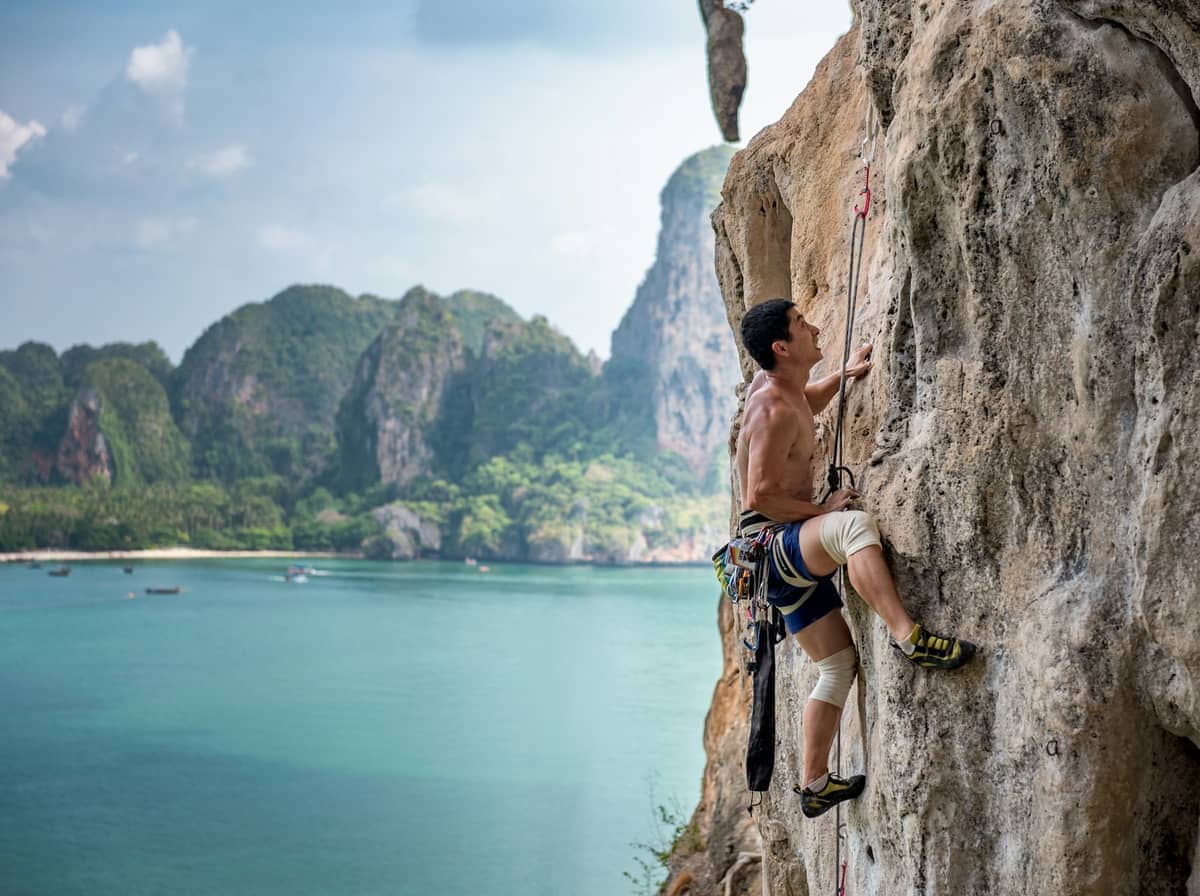
Tickets & tours
Live prices and dates from our booking partner. If you book, we may earn a commission at no extra cost to you.
TL;DR
- Rock climbing in Krabi is centered on Railay's limestone crags and nearby Tonsai Beach, with hundreds of bolted routes across all grades.
- Beginner courses start from around ฿1,200 per person and require zero prior experience — gear and instruction are included.
- The dry season (November to April) is the best time to climb; the monsoon months (May to October) bring wet rock and rough boat crossings.
- Railay is only accessible by boat from Ao Nang or Krabi Town — factor in tides and boat schedules when planning your day.
- Private guiding runs ฿3,500–฿5,000 for a solo climber per half or full day; group courses are the most cost-effective option for beginners.
Why Krabi is One of Asia's Best Climbing Destinations
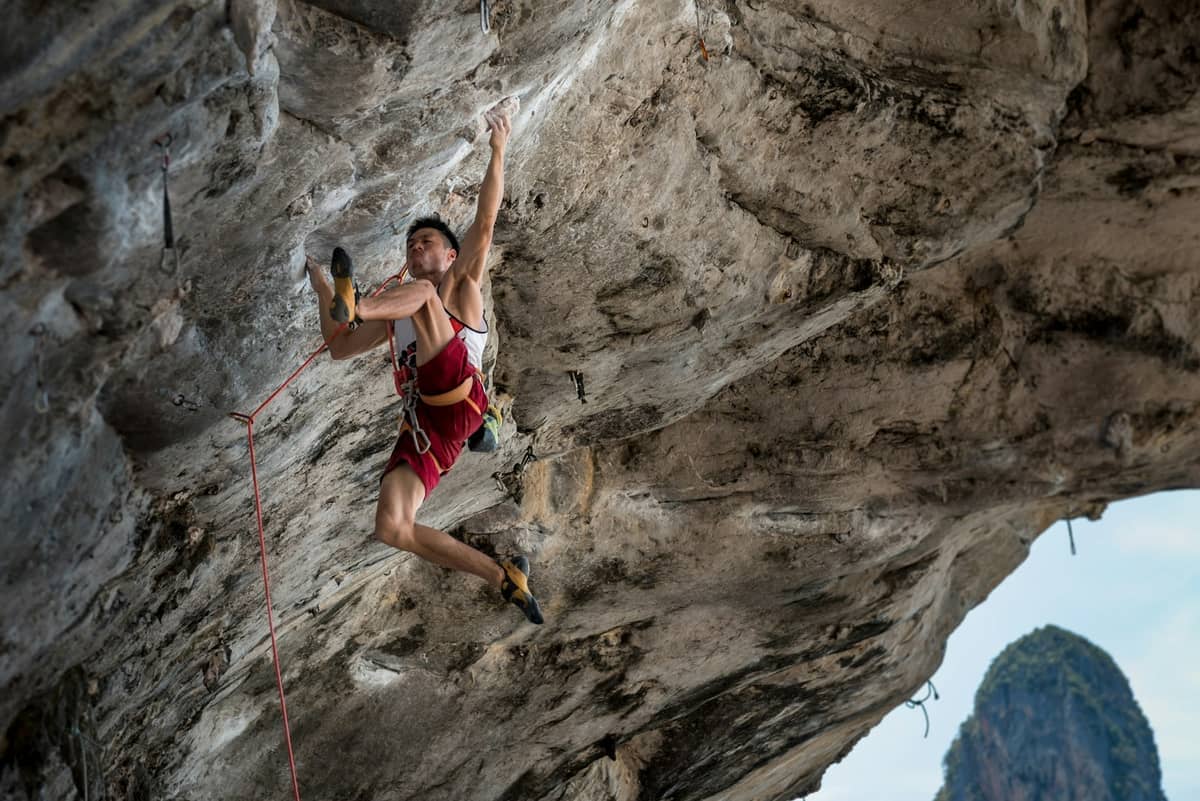
Krabi Province in southern Thailand sits on one of the world's great limestone belts. Millions of years of marine sedimentation created the towering karst towers that now line the Andaman coast, and those same formations produce exceptional sport climbing terrain: steep walls, tufas, pockets, and overhangs with solid bolt protection. The combination of a tropical setting, warm year-round temperatures, and direct beach access is hard to match anywhere in the region.
The climbing is concentrated on the Railay Peninsula and the adjacent Tonsai Beach. Together, these two areas host several hundred bolted routes ranging from relaxed beginner slabs to technical overhanging grades that challenge experienced sport climbers. New routes continue to be developed, and the local climbing schools have maintained hardware on most of the popular lines for decades.
ℹ️ Good to know
Railay Peninsula is not accessible by road. The only way in is by longtail boat from Ao Nang (around 10–15 minutes) or from Krabi Town (around 45 minutes). Boat frequency drops at low tide and after dark, so plan your climbing day with this in mind.
The Main Climbing Areas: Railay and Tonsai
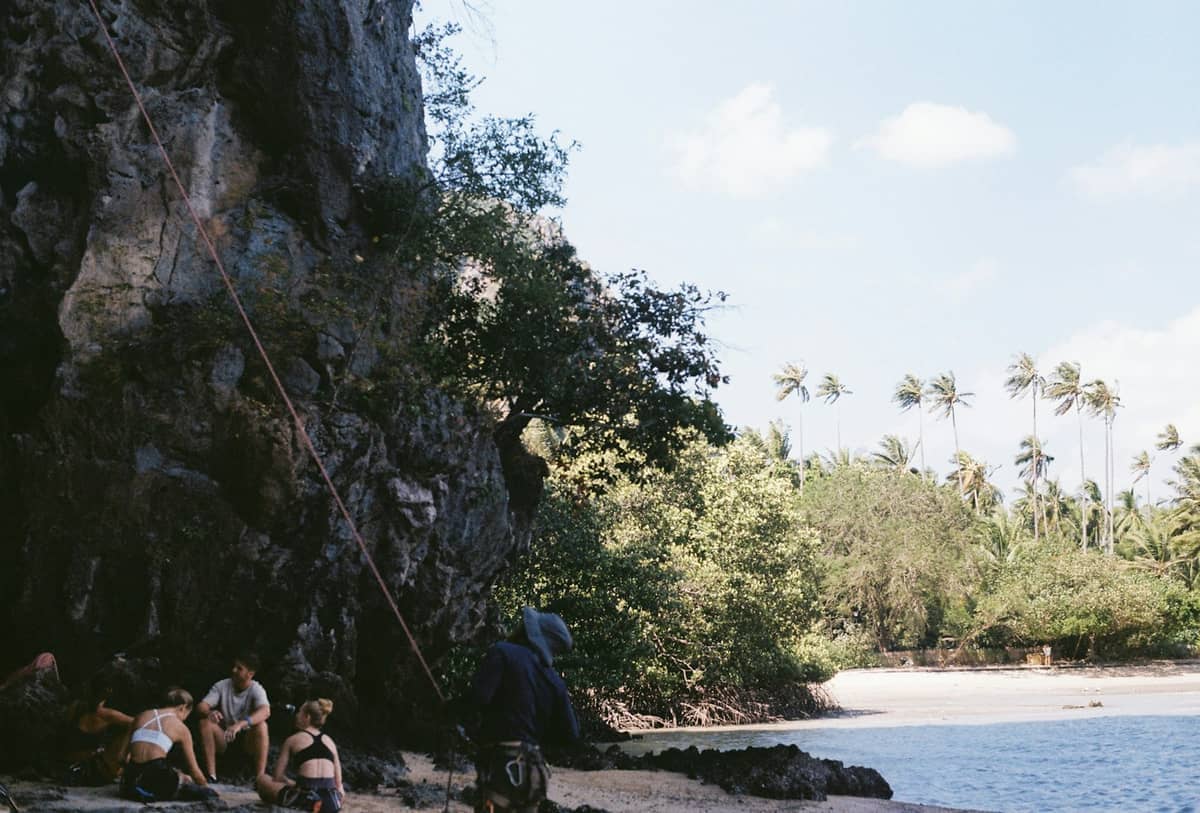
Railay is the flagship area. Its west side is where most tourists stay, with a beach backed by several climbing schools offering guided access to the surrounding walls. The limestone here is beautifully featured, and many routes can be set up as top-ropes, making it well-suited to beginners. The east side of Railay is mangrove-fringed and less scenic, but it connects to some quieter crags and is the jumping-off point for routes further inland.
Tonsai Beach, a short walk or scramble from West Railay (tide-dependent), has a longer history as a climber hangout and tends to attract a more independent, budget-conscious crowd. The crags directly above Tonsai and on the headland toward Tonsai's eastern cliffs include some of the area's harder routes and a few multi-pitch lines. Facilities are more basic here, but several small operators and freelance guides work out of Tonsai.
- Railay West The most accessible area for beginners, with multiple climbing schools, well-maintained bolts, and routes starting at easy grades. Boat access from Ao Nang is quick and frequent during peak season.
- Tonsai Beach Better suited to climbers with some experience who want harder routes and a more independent atmosphere. The walk from Railay involves scrambling over rocks and is tide-dependent — check conditions before crossing.
- Railay East and Inland Crags Less busy than the main beaches, with some excellent routes away from crowds. A local guide is useful for navigating to the lesser-known walls.
Beginner Courses: What to Expect and What It Costs
You do not need any prior climbing experience to take an introductory course in Krabi. The main schools run structured half-day sessions that cover basic movement on rock, how to use a harness and belay device, and supervised top-rope climbing on beginner-friendly walls. All equipment is provided.
King Climbers, one of the longest-running schools on Railay, lists introductory courses starting at ฿1,500 per person, with sessions departing at 9 a.m. and 2 p.m. Hot Rock Climbing School, another established operator, lists options at ฿1,500 per person for a group course and ฿2,600 per person for a more intensive option. Prices and inclusions change, so confirm directly with the school before booking. Neither school requires advance reservations for group courses during shoulder season, but spots fill quickly from November through March.
⚠️ What to skip
A beginner course is not the same as independent climbing. Completing a half-day course does not qualify you to lead climb or set up your own anchors. Be honest with operators about your experience level, and do not attempt unsupervised climbing unless you have verified technical skills.
For climbers who already have some experience and want to push grades or explore more of the area's walls, private guiding is the right call. King Climbers lists half-day private guiding at ฿3,500 for one person or ฿6,000 for two, and full-day guiding at ฿5,000 for one or ฿9,000 for two. A private guide covers more ground, tailors the day to your goals, and can take you to crags that group tours never visit.
- Beginner group course (half-day): ฿1,500 per person (King Climbers and Hot Rock)
- Intermediate or intensive course: around ฿2,600 per person (Hot Rock) — check inclusions carefully
- Private half-day guide: ฿3,500 (solo) or ฿6,000 (two people)
- Private full-day guide: ฿5,000 (solo) or ฿9,000 (two people)
- All courses include equipment rental — harness, shoes, helmet, and belay device
Best Time to Climb in Krabi
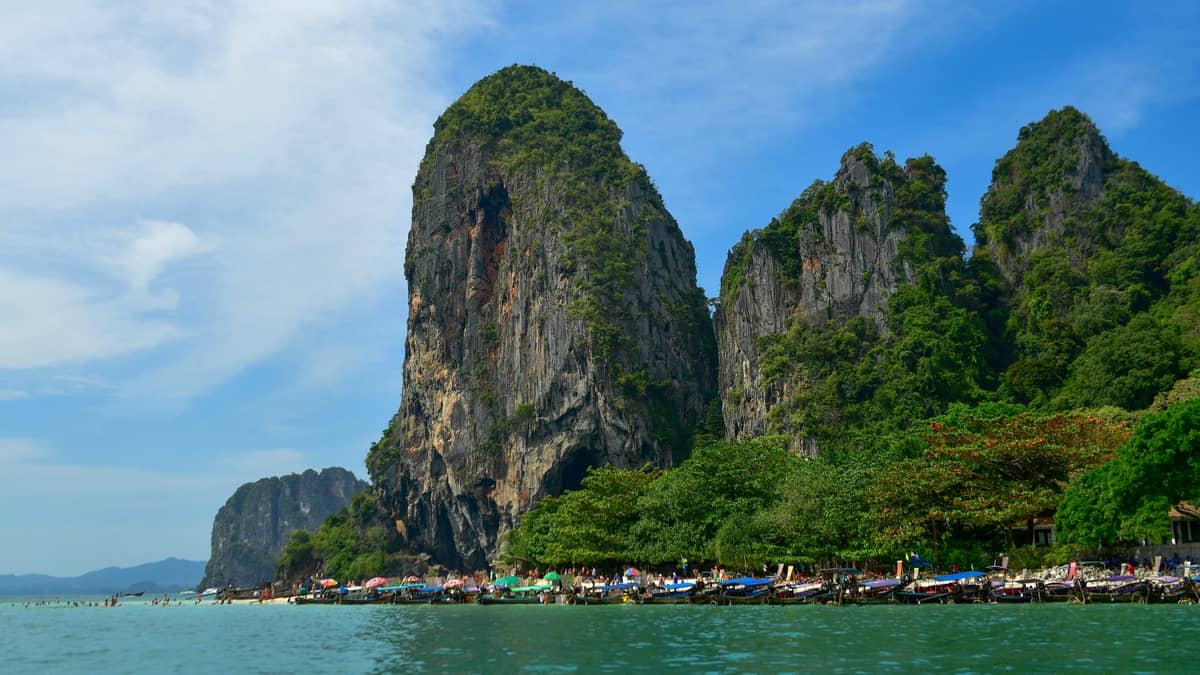
The climbing season in Krabi follows the same pattern as the wider Krabi travel season. November through April is the dry period, with lower humidity, less rain, and reliable boat service to Railay. December through February offers the most consistent weather, and this is also peak tourist season, so expect the crags to be busy and accommodation prices to be higher.
May through October is the southwest monsoon season. Rain is frequent, the rock gets wet, and boats to Railay can be cancelled or delayed when seas are rough. Climbing is not impossible during this period, but conditions are less predictable and some routes stay damp for days after heavy rain. If your trip falls in the wet months, consider building flexibility into your plans and having backup activities ready.
✨ Pro tip
Morning sessions are almost always better than afternoons in Krabi. The sun hits many of the walls directly after midday, making the rock uncomfortably hot and causing sweaty hands to slip on even easy moves. Book the 9 a.m. slot when possible and use the afternoon for swimming or exploring the peninsula.
If you are timing a climbing trip specifically, aim for late November or early March. You get dry conditions with slightly thinner crowds compared to the Christmas and New Year peak. For broader context on timing your visit, the Krabi in December guide covers what the peak season actually looks like on the ground.
Logistics: Getting There and Planning Your Day
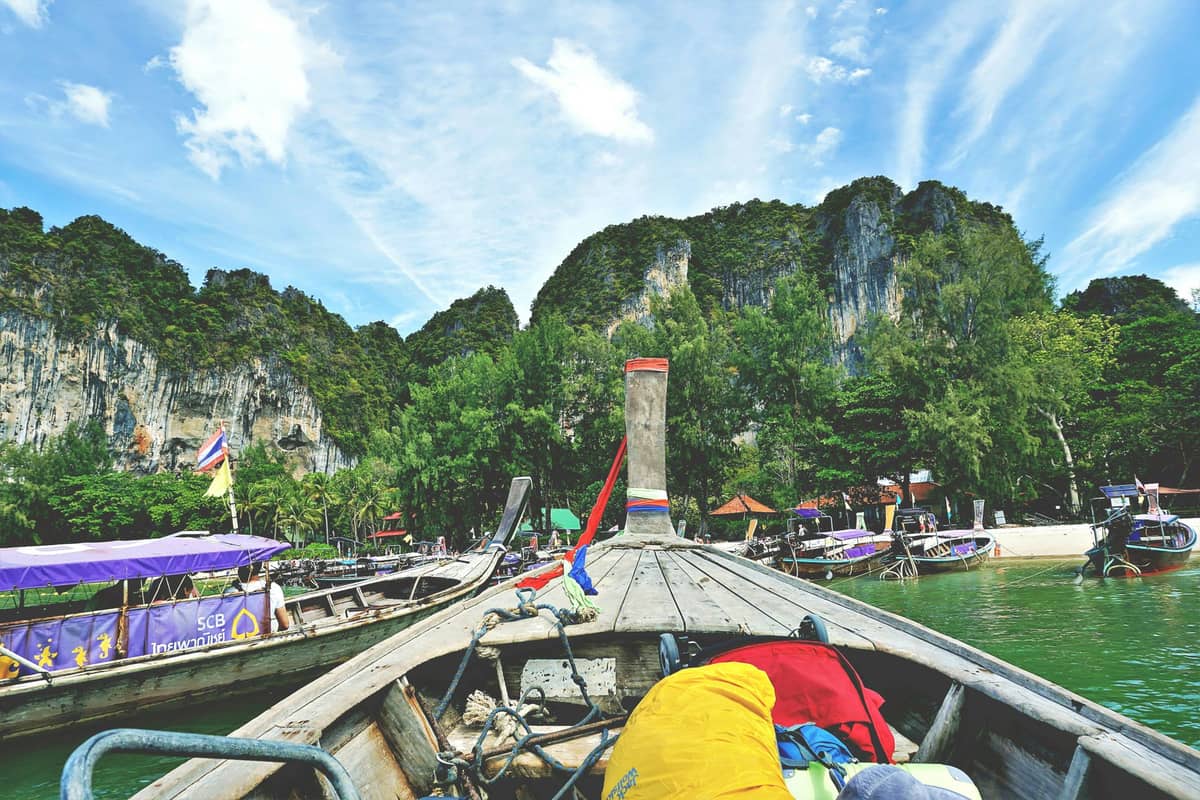
Most climbers base themselves in Ao Nang or on Railay itself. From Ao Nang Beach, longtail boats run to Railay West throughout the day during peak season, taking around 10–15 minutes and costing roughly ฿100–฿150 per person each way. There are no fixed departure times — boats leave when full, or you can charter one. If you're staying at a resort in Khlong Muang or further afield, factor in additional travel time.
Accommodation on Railay itself is more expensive and books out quickly in high season. Staying in Ao Nang and taking the daily boat is a practical alternative that also gives you access to more restaurants, shops, and budget-friendly options. Tonsai has cheaper guesthouses, but access between Tonsai and Railay requires scrambling over a rocky headland and is tide-dependent — it is not suitable for those with heavy bags or limited mobility.
- Bring water, sunscreen, and a light snack — there are small vendors near the main crags but choices are limited
- Closed-toe shoes or sneakers are fine for arriving; the school provides climbing shoes
- Leave valuables at your accommodation — you will be on rock faces, not watching your bag
- A dry bag or waterproof cover for your phone is useful on the boat crossing, especially in choppy conditions
- Cash is essential: many schools and boat operators do not accept cards
Beyond the Basics: Combining Climbing with Other Activities
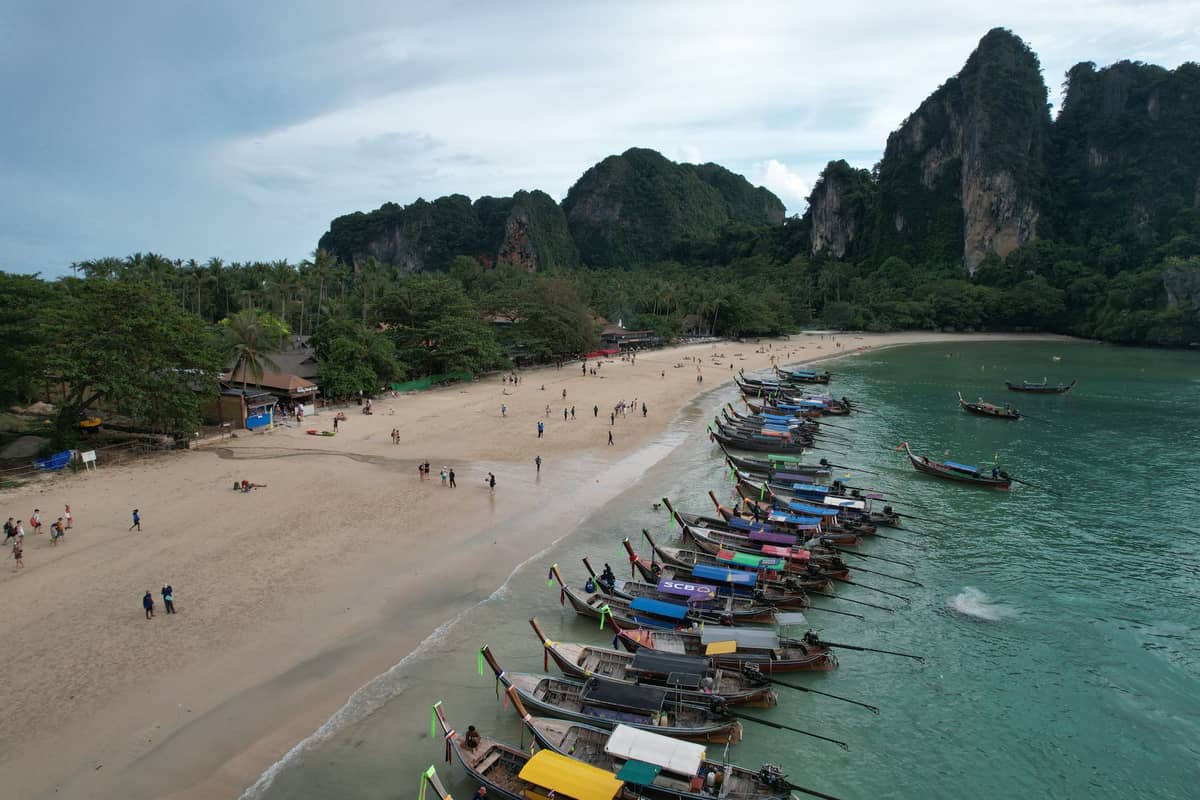
A day on Railay rarely needs to be just about climbing. The peninsula also has Phra Nang Beach, consistently rated among Thailand's best beaches, and the short trail up to the Railay viewpoint rewards an easy 20–30 minute walk with sweeping views over the karst landscape. Many climbing courses finish by early afternoon, leaving the rest of the day free.
Climbers spending multiple days on Railay often combine the trip with island hopping or snorkeling excursions departing from Ao Nang. If your goal is to maximize climbing days, a 3-day stay with two morning sessions and an afternoon boat excursion is a realistic and satisfying structure. The Krabi 3-day itinerary offers a practical framework for fitting it all in.
FAQ
Do I need experience to go rock climbing in Krabi?
No. The main schools on Railay offer introductory courses specifically for people with zero prior experience. You will be on a top-rope the entire time with a qualified instructor managing the safety system. All equipment is provided.
How much does rock climbing in Krabi cost?
Beginner group courses start at around ฿1,500 per person for a half-day session, with some operators charging up to ฿2,600 depending on inclusions. Private guiding costs ฿3,500–฿5,000 for a solo climber per half or full day. All prices include equipment rental. Verify current rates directly with the school before booking.
Can I rock climb in Krabi during the rainy season?
Technically yes, but conditions are unreliable. May through October brings monsoon rain, wet rock, and occasional rough seas that can delay or cancel boat service to Railay. Some climbing is possible between weather windows, but it is not the experience most people expect. November through April is strongly preferable.
How do I get to the climbing areas at Railay?
Railay is only accessible by boat. Longtail boats run from Ao Nang Beach to Railay West throughout the day during peak season, taking around 10–15 minutes and costing roughly ฿100–฿150 per person each way. There is no road access to the peninsula.
Is Tonsai or Railay better for climbing?
Railay is better for beginners and those on a structured course, with more schools, more maintained routes at easier grades, and better amenities. Tonsai suits climbers who already have skills and want harder routes, a quieter vibe, and cheaper accommodation. The path between the two depends on tides, so pick your base and stick with it unless you know the crossing conditions.
Tickets & tours
Live prices and dates from our booking partner. If you book, we may earn a commission at no extra cost to you.
Planning a trip? Discover personalized activities with the Nomado app.