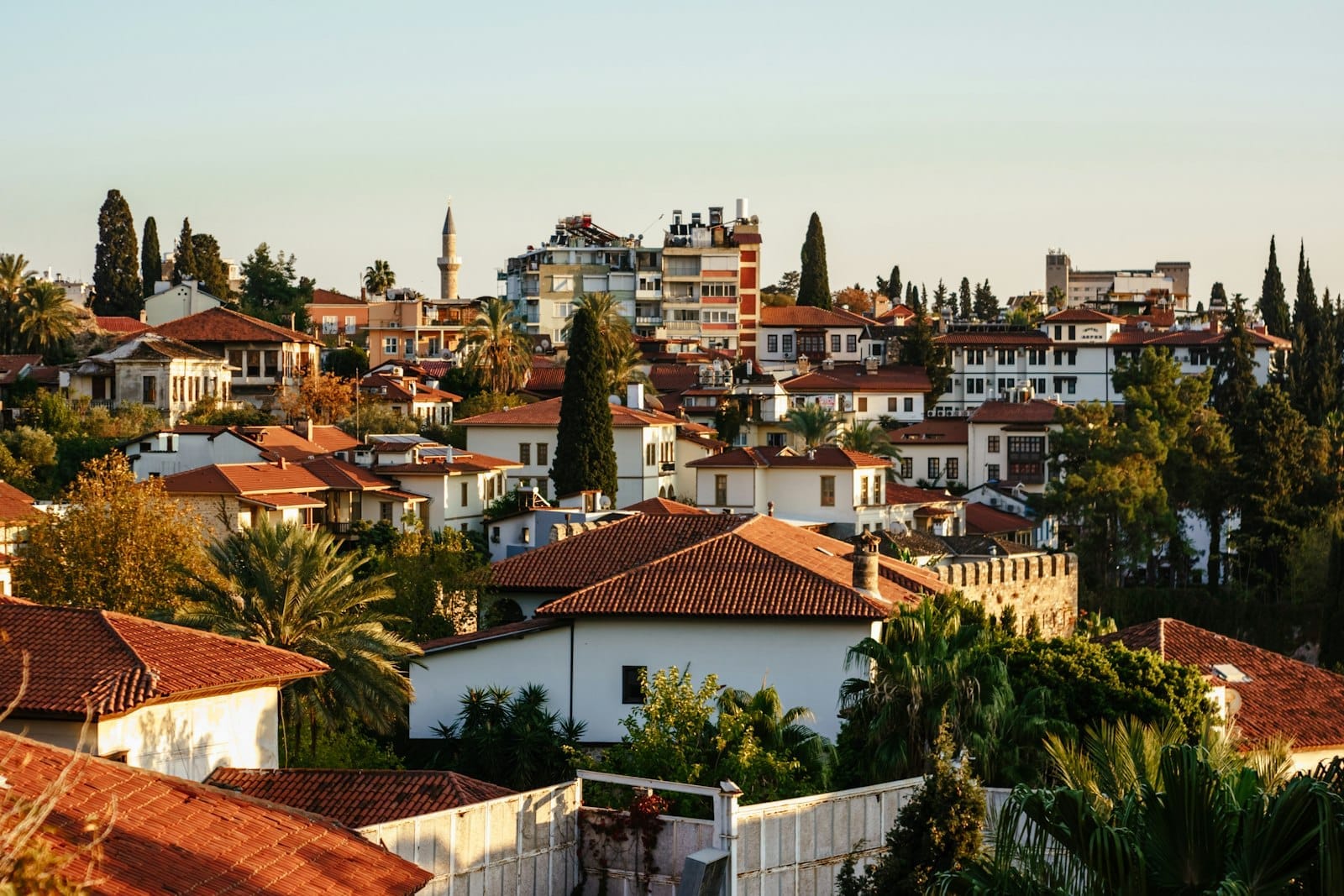
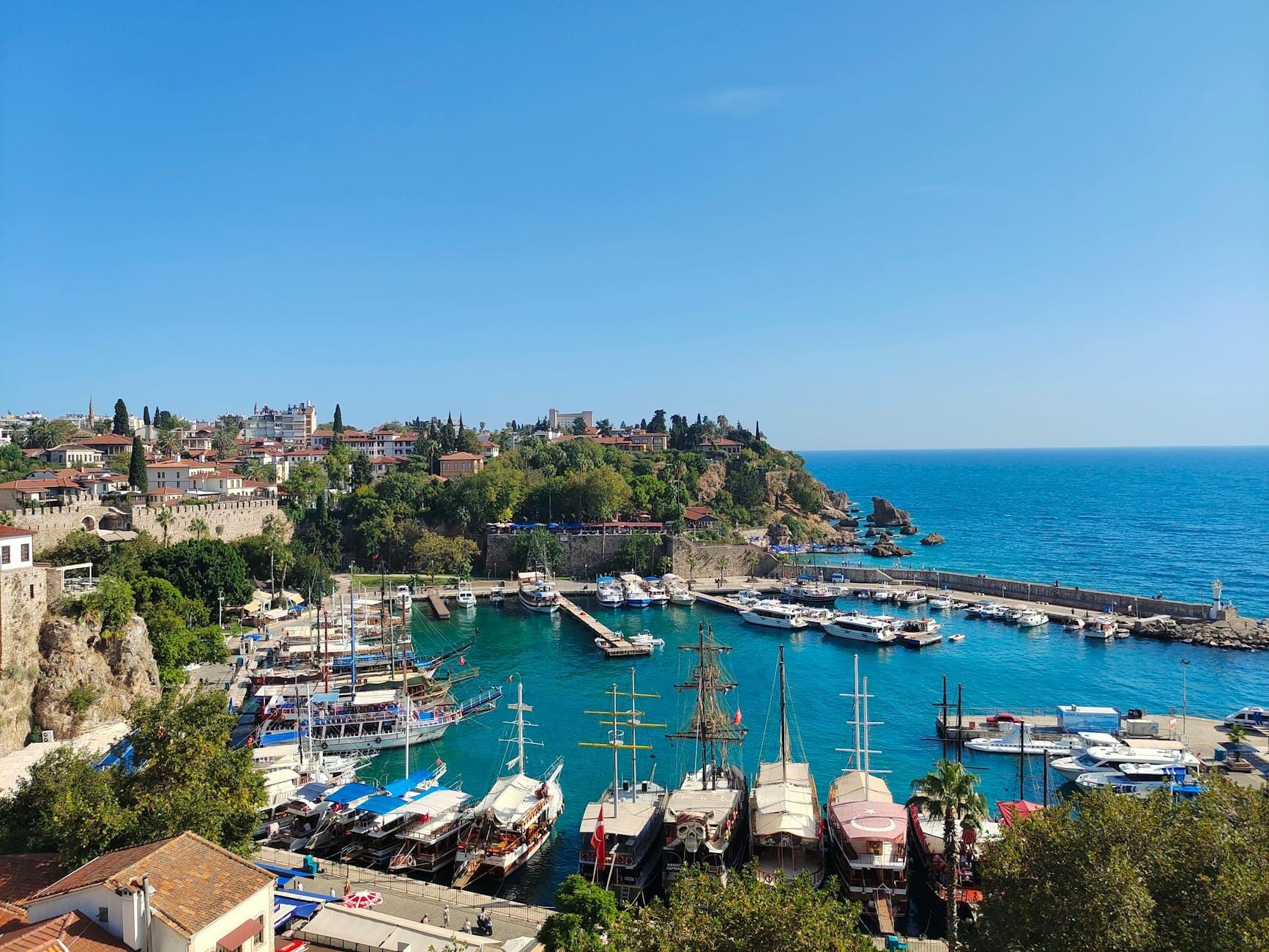
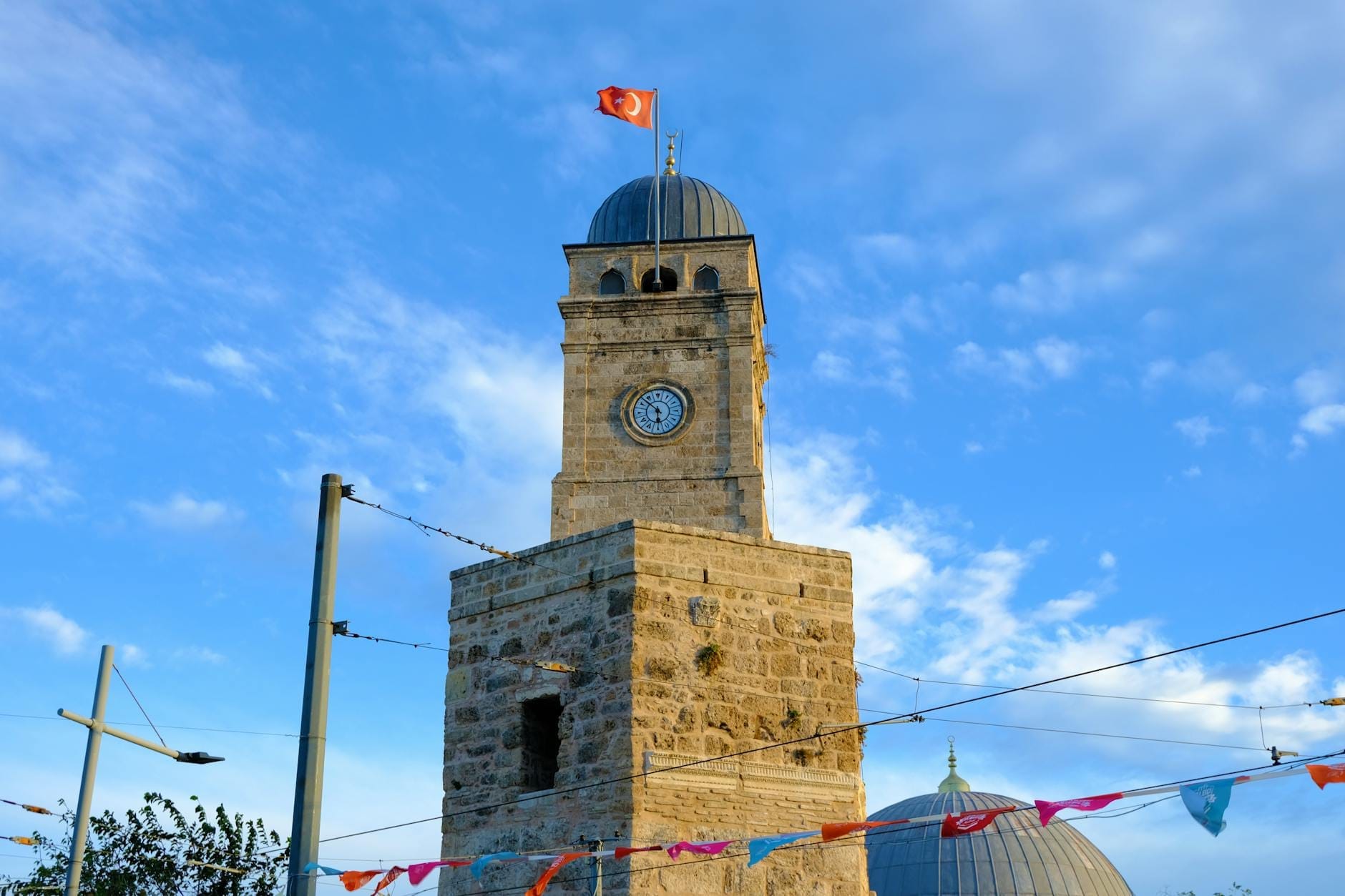
Kaleiçi is the historic heart of Antalya, a compact walled quarter of Roman ruins, Seljuk minarets, and Ottoman timber houses perched on limestone cliffs above the old harbor. It is where most visitors begin their time in the city, and where the layers of history are most visibly compressed.
Kaleiçi translates literally as 'inside the fortress,' and that name still describes exactly what you find here: a walled old town where two thousand years of Mediterranean history are packed into a walkable grid of narrow, uneven alleys above a Roman harbor. It is the most historically rich neighborhood in Antalya, and easily the most atmospheric place to base yourself in the city.
Orientation
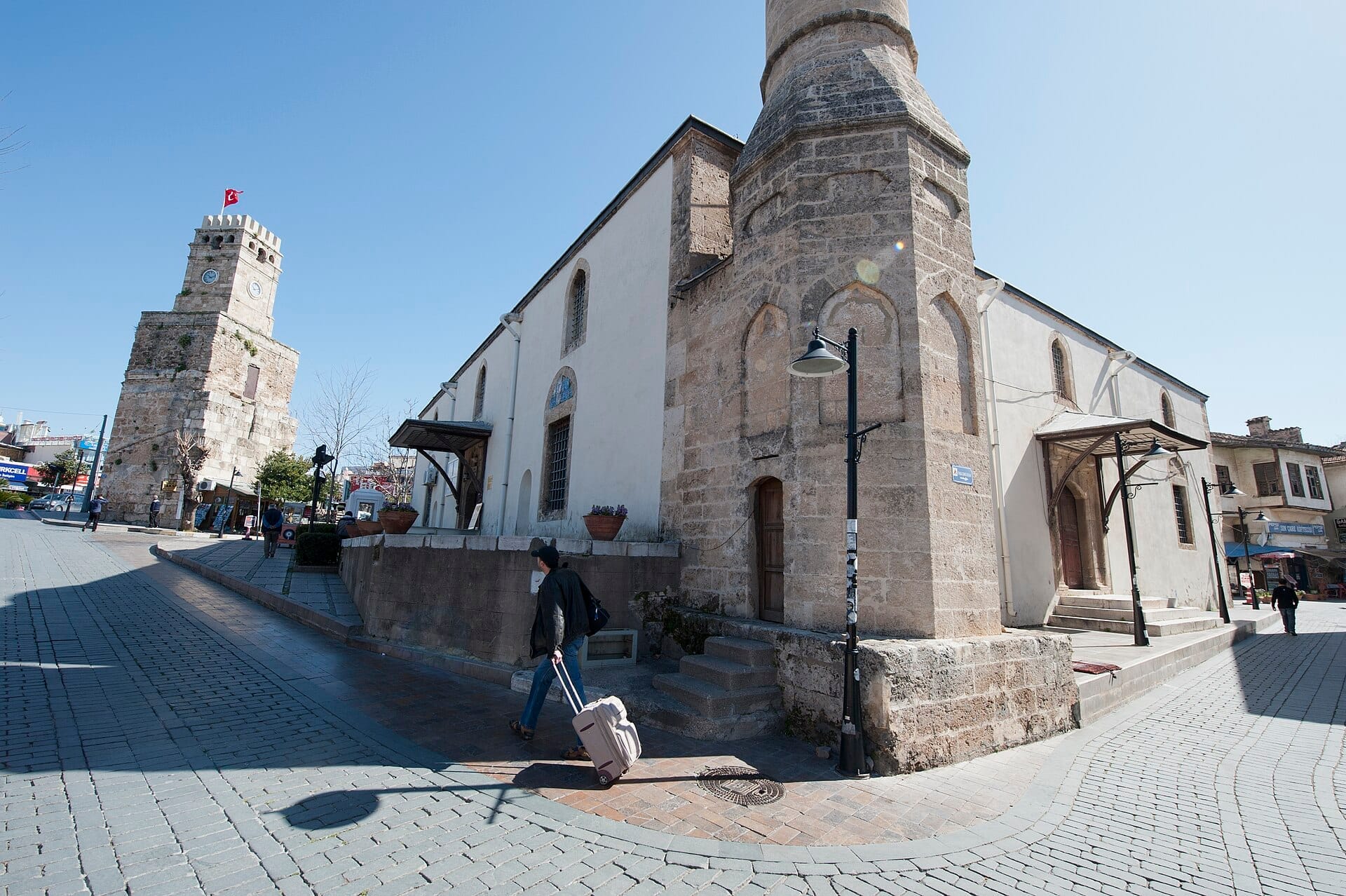
Kaleiçi occupies the southwestern corner of Antalya's city center, sitting on a limestone promontory that drops sharply to the sea. The neighborhood is compact: roughly 0.5 km wide and 0.6 km long, enclosed almost entirely by Roman and Byzantine walls. To the north, the Clock Tower and Kalekapısı square mark the main pedestrian entrance from the modern city. Hadrian's Gate stands on the eastern to southeastern edge, acting as the formal ceremonial threshold between the newer commercial streets and the old town. The western edge is formed by Atatürk Caddesi, a wide tree-lined boulevard that until the 19th century was a fortified wall line. Below the neighborhood to the south, the old Roman harbor now functions as Antalya Marina, hemmed in by cliff walls on three sides.
The interior street pattern is not a grid. It is an organic tangle shaped by centuries of rebuilding over Roman foundations, with alleys that widen into small squares and then narrow again without warning. The main navigational spine runs roughly from Kalekapısı in the north down toward the marina, passing several of the key monuments along the way. If you lose your bearings, moving downhill generally brings you toward the harbor; moving uphill brings you back toward the Clock Tower and the modern city. For a broader understanding of where Kaleiçi fits within Antalya's layout, the Antalya city guide gives useful context on the surrounding districts.
Kaleiçi borders the modern commercial center of Antalya on its northern and eastern sides. The Konyaaltı beach area lies several kilometers to the west along the coast, while Lara and its long sandy beach stretch eastward. The old town is entirely surrounded by functioning urban neighborhoods, but feels set apart from all of them by its walls and its topography.
Character and Atmosphere
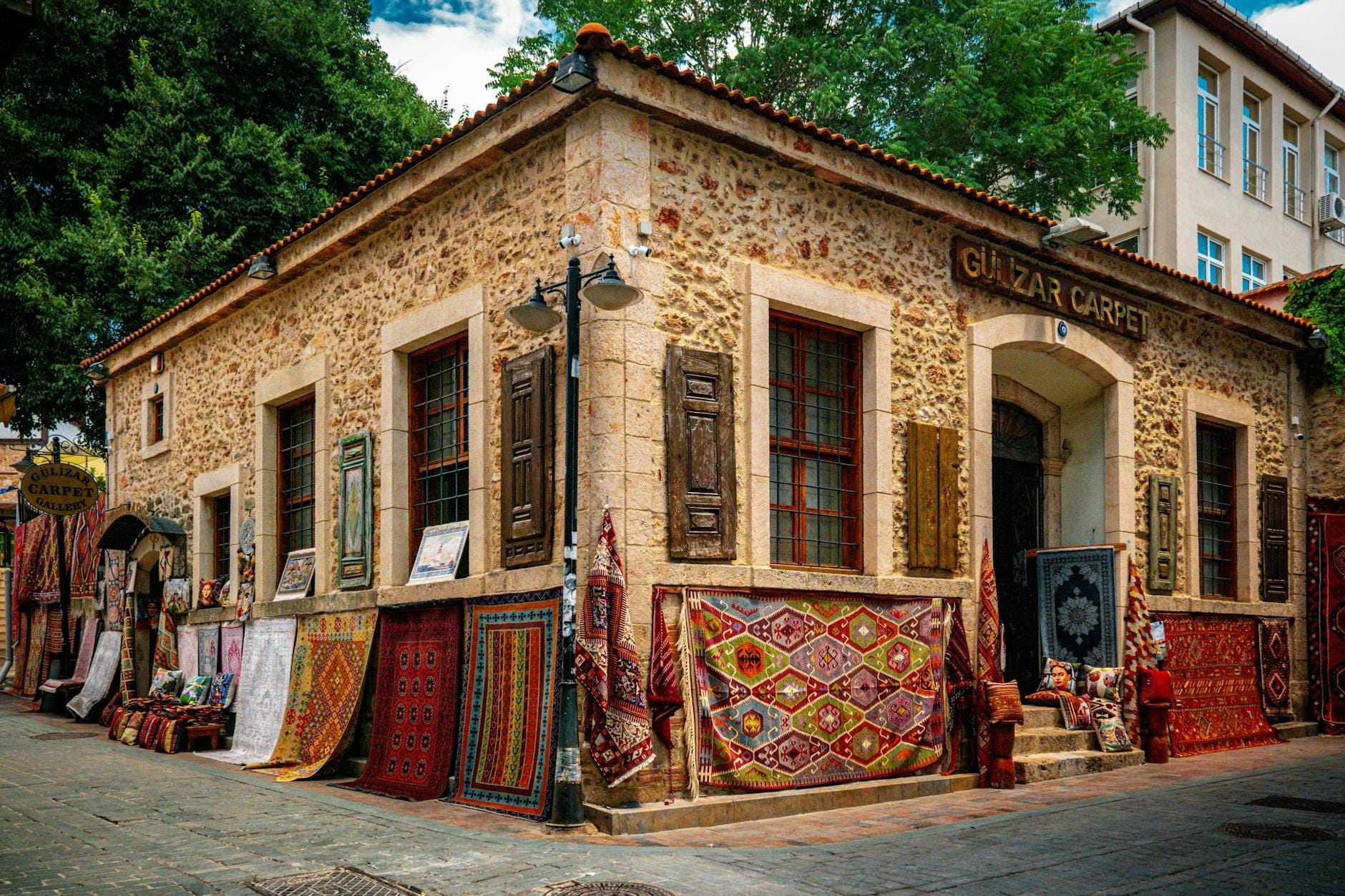
The feeling of Kaleiçi changes dramatically depending on when you walk through it. In the early morning, before 8am, the alleys are quiet enough that you can hear your own footsteps on the worn stone. Cats are everywhere, draped across doorsteps and windowsills. Shopkeepers roll up metal shutters and sweep the steps in front of Ottoman-era houses, many of which have been converted into boutique hotels with flowering courtyard gardens. The light at this hour comes at a low angle, catching the texture of the old walls and the carved wooden balconies that overhang the narrower lanes.
By mid-morning the tour groups arrive, and the atmosphere shifts. The Long Bazaar street and the lanes immediately around Hadrian's Gate fill with souvenir stalls and insistent vendors selling everything from leather goods to evil eye pendants. This is the most tourist-saturated part of the neighborhood, and it can feel overwhelming in July and August. If you want to experience Kaleiçi at its most commercial, this is where it happens.
Wander even a few streets away from the main tourist corridor and the character changes completely. Residential lanes where locals actually live sit a short walk from the busiest areas. Laundry hangs between restored Ottoman houses. A small mosque's call to prayer echoes off stone walls. The contrast is one of the more striking things about Kaleiçi: it functions simultaneously as a living neighborhood and a well-worn tourist destination, and neither identity has fully overwhelmed the other.
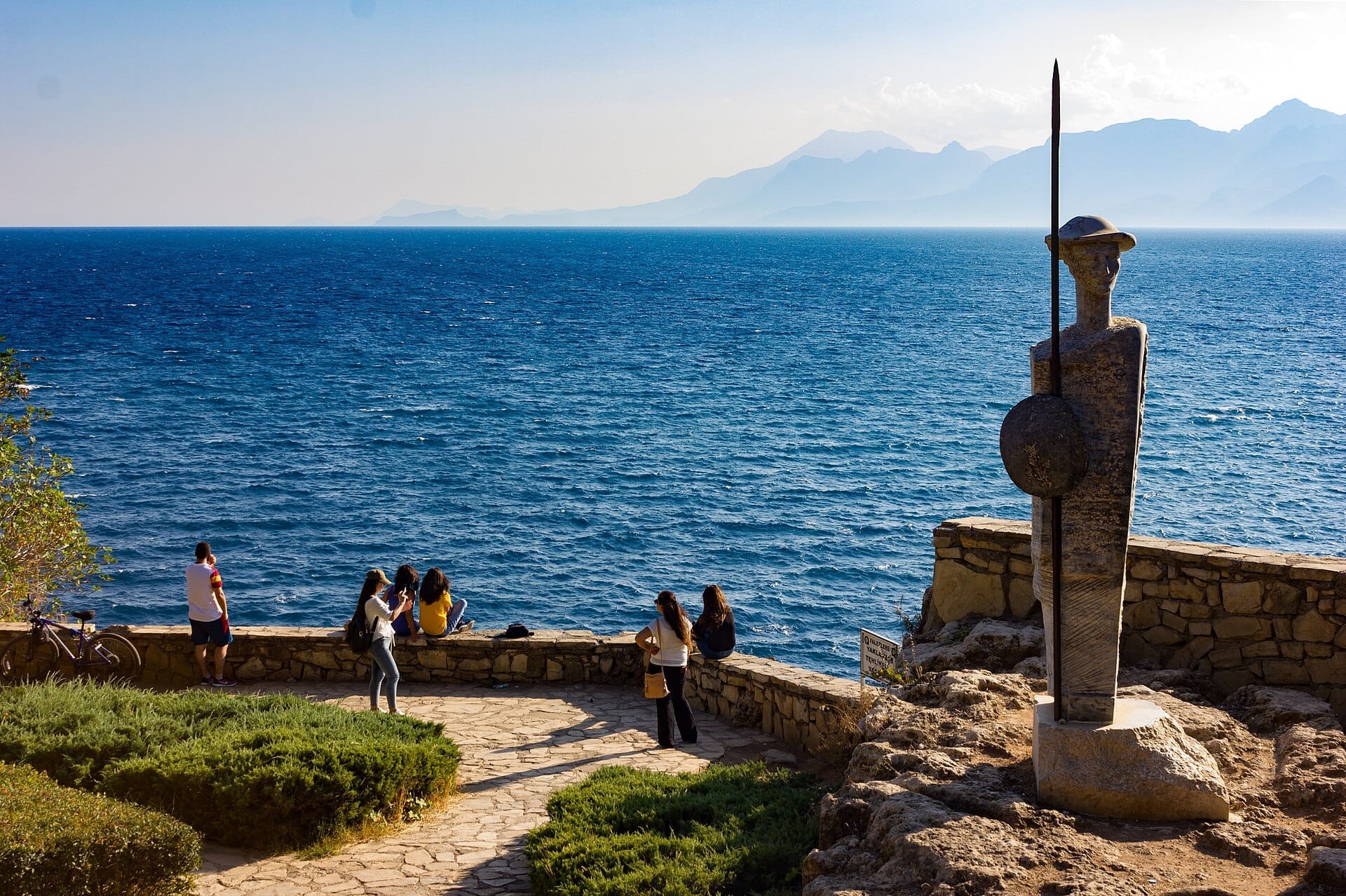
After dark, especially in summer, the old town takes on a different energy. Restaurant terraces fill, the harbor lights reflect off the marina water far below, and the upper promenade along Karaalioglu Park becomes a popular evening walk. The street-level bars and rooftop venues near the harbor tend to stay busy until well past midnight. Noise is a genuine consideration if you are staying in a hotel here: the area around the harbor restaurants and the main bazaar street can be loud on weekend nights.
💡 Local tip
The best time to photograph Kaleiçi's architecture is in the first two hours after sunrise, when the lanes are empty and the light is soft. The same streets are noticeably harder to navigate and enjoy between 11am and 3pm in summer.
What to See and Do
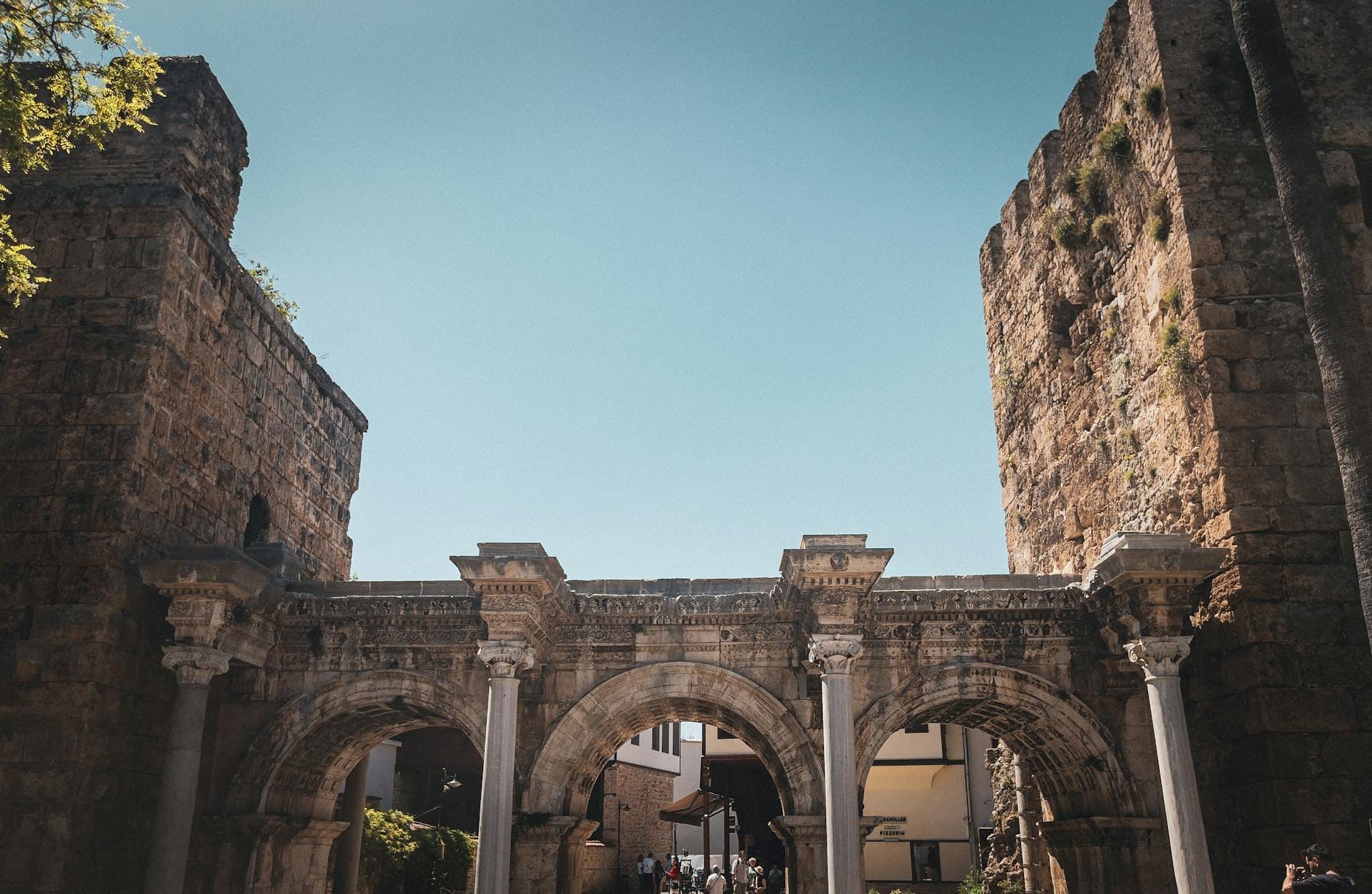
The single most important monument in Kaleiçi is Hadrian's Gate, a Roman triumphal arch built in 130 AD to honor the visiting emperor Hadrian. It stands at the southeastern entrance to the old town, flanked by two towers, and is remarkably well-preserved given its age. Passing through it on foot still has a ceremonial quality to it. The gate was rediscovered in the 1950s, having been partially obscured by later construction, and subsequent restoration has left it as one of the clearest Roman structures in the city.
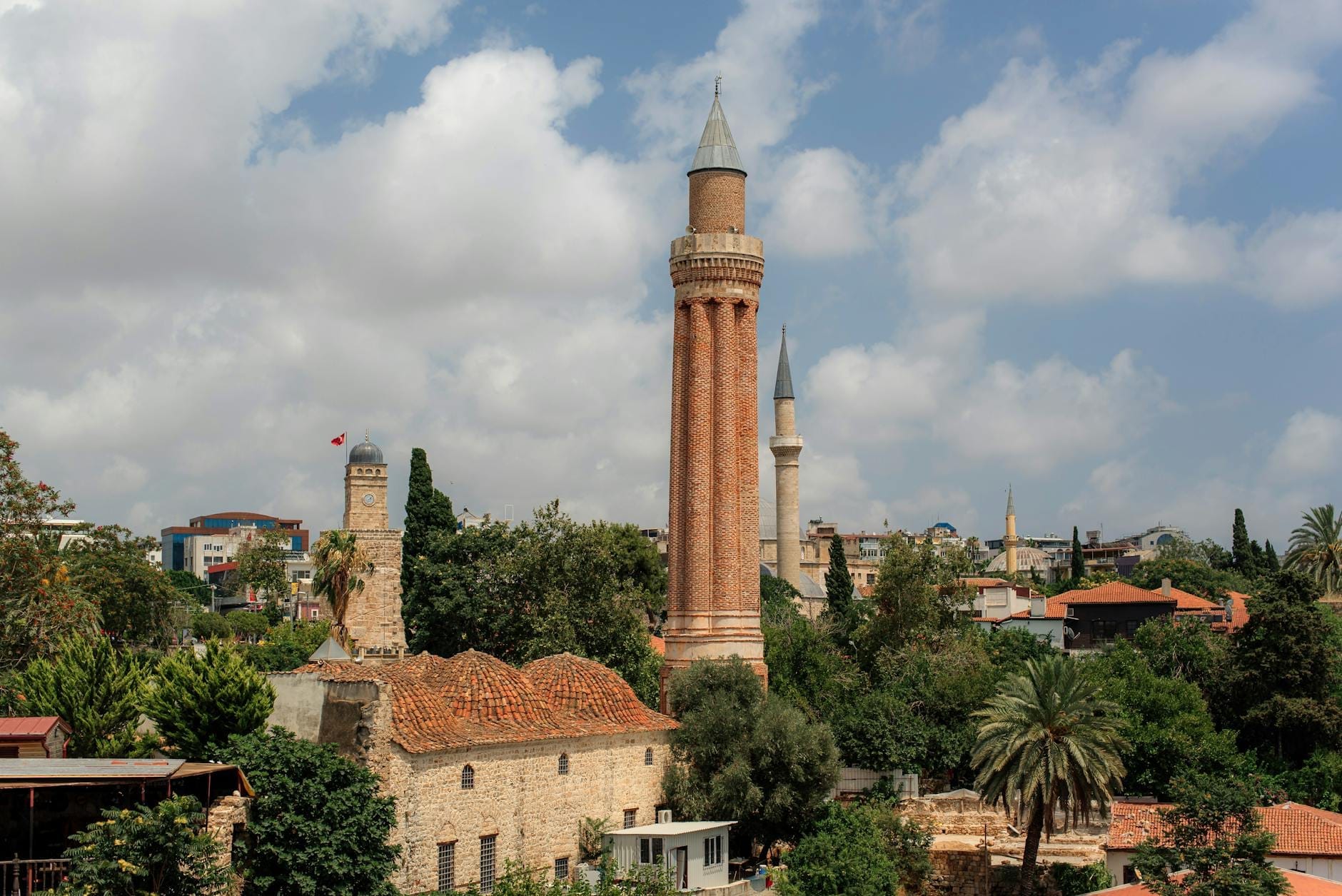
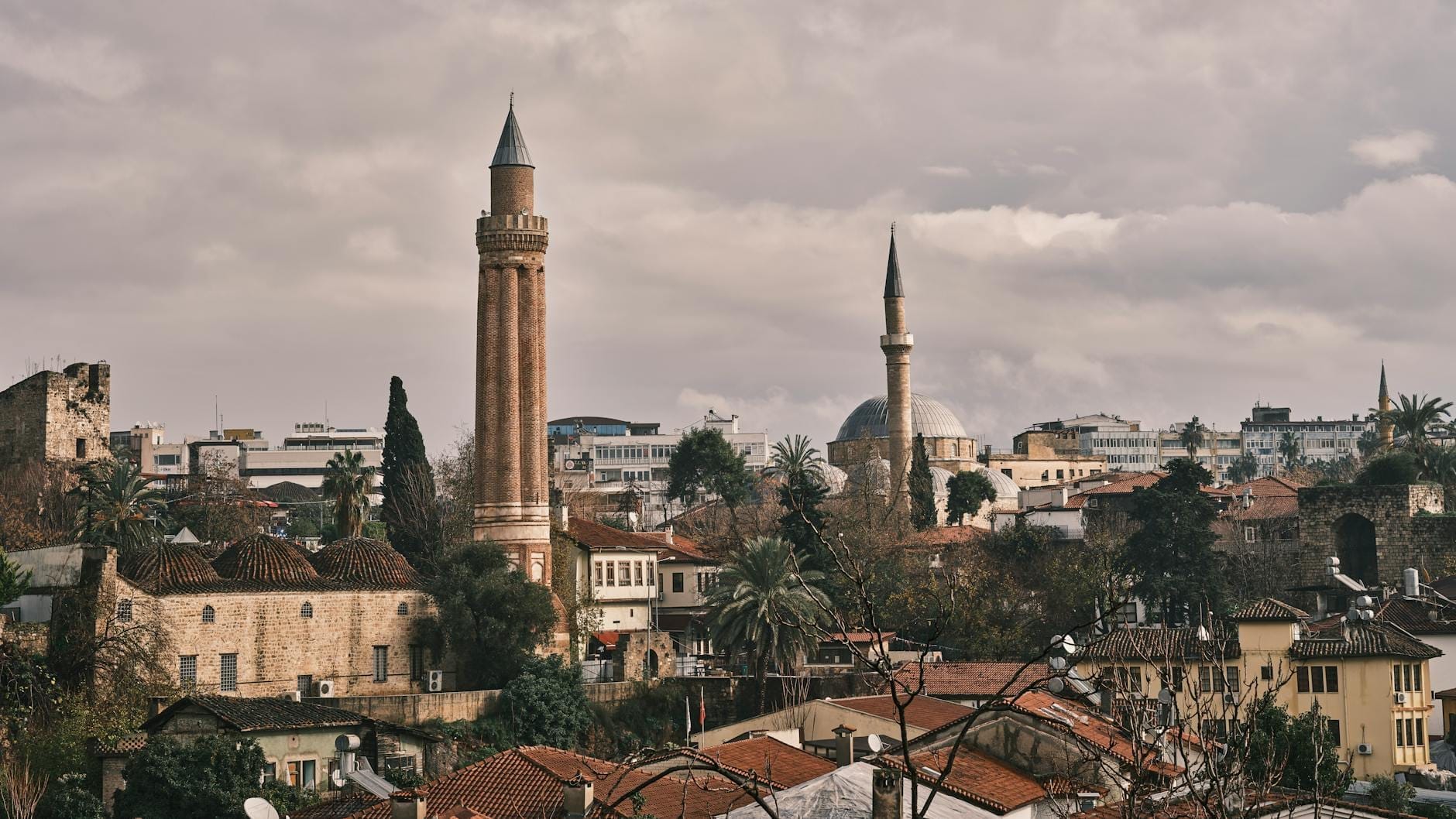
Walking north from the gate and through the interior, the Yivli Minaret rises above the rooflines as the defining vertical landmark of the neighborhood. Built in the 13th century under Seljuk Sultan Alaaddin Keykubad, its distinctive fluted shaft is the symbol most associated with Antalya as a city. The minaret stands adjacent to a former Byzantine church that was converted into a mosque. It is visible from most elevated points in the old town and serves as a useful orientation marker when the streets disorient you.
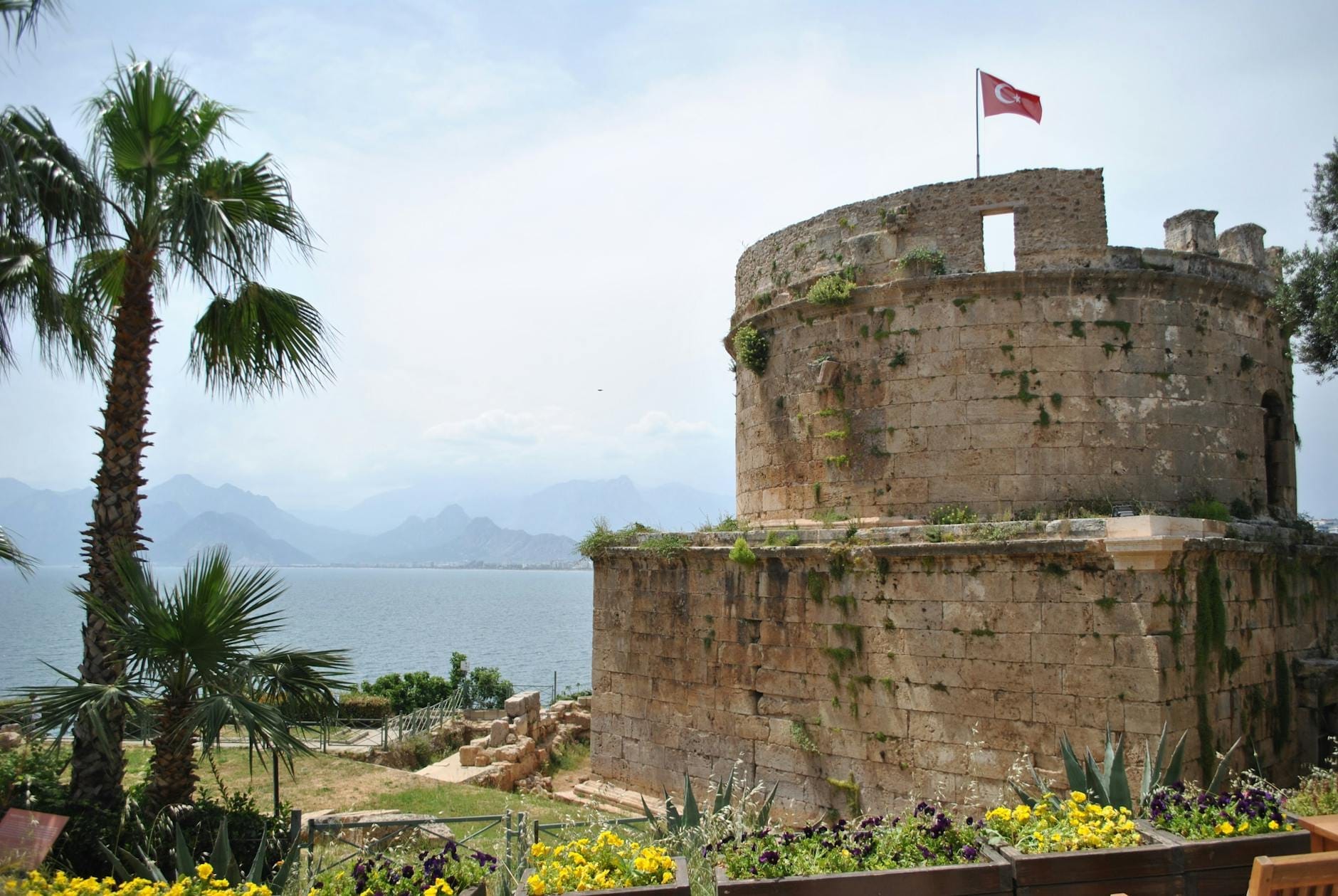
The Hıdırlık Tower at the southwestern edge of Kaleiçi is worth finding. This squat Roman tower, likely dating to the 2nd century AD, sits at the corner where the old walls meet the cliff edge, with an unobstructed view over the harbor entrance and out to the Mediterranean. The tower itself is closed to the interior, but the surrounding terrace is an excellent spot to understand the strategic logic of the city's location.
The old bazaar runs along the main commercial lane through Kaleiçi and offers the typical array of Turkish souvenirs alongside a smaller number of genuine antique dealers and artisan workshops. It rewards slow, selective walking rather than being somewhere to speed through. The Mawlawi Lodge Museum, a former Sufi dervish lodge converted to a museum, is one of the more distinctive cultural sites in the neighborhood and tends to be less crowded than the main Roman monuments.
The Antalya Marina at the base of the cliffs is accessible by a steep path or steps from the old town above. The old harbor is picturesque and still functions as a departure point for boat tours along the coast. From the harbor you can look back up at the cliff face and see the walls of Kaleiçi from below, which gives you a completely different perspective on how the neighborhood is structured. The Antalya Museum, one of the finest archaeological museums in Turkey, is located a short walk west along the coast road from Kaleiçi and makes an excellent half-day addition to any time spent in the old town.
Hadrian's Gate: Roman triumphal arch, the most photogenic entry point to the neighborhood
Yivli Minaret: 13th-century Seljuk minaret, the visual symbol of Antalya
Hıdırlık Tower: Roman tower with harbor and sea views
Old Bazaar: main commercial lane for souvenirs, antiques, and crafts
Mawlawi Lodge Museum: former dervish lodge with Sufi cultural exhibits
Antalya Marina: Roman harbor below the cliffs, departure point for boat tours
Tekeli Mehmet Pasha Mosque: fine 18th-century Ottoman mosque within the walls
ℹ️ Good to know
The Antalya Museum is not technically within Kaleiçi, but it sits about 1.5km west along the coastal road and holds the region's most important collection of Roman and Hellenistic statuary, including finds from Perge and Aspendos. It is worth planning a morning around.
Eating and Drinking
The food scene in Kaleiçi is a mixed picture. On the tourist-facing streets, particularly around Hadrian's Gate and the harbor promenade, restaurants compete aggressively for walk-in custom, with laminated menus in five languages and hosts stationed at the door. Quality at these places is variable and prices are generally higher than equivalent options outside the old town walls. They are not all bad, and a harbor-view terrace dinner remains a genuinely enjoyable experience, but it helps to approach them knowing they are optimized for tourists.
The better eating tends to be found in the smaller courtyard restaurants tucked into the residential interior lanes away from the main bazaar corridor. Several restored Ottoman houses operate as restaurants where you eat in a walled garden under orange and lemon trees. These places tend to serve traditional Turkish dishes, including slow-cooked mezes, grilled meats, and fresh seafood, at more reasonable prices. For a broader understanding of what to eat in Antalya and what is actually worth ordering, the guide to Antalya's food scene covers the regional specialties worth seeking out.
Breakfast in Kaleiçi is particularly good. Most boutique hotels serve an extended Turkish breakfast, and several small cafés in the quieter parts of the neighborhood offer the full spread: multiple cheeses, olives, tomatoes, cucumbers, eggs, honey, cream, and freshly baked bread. This is one of the better arguments for staying in the old town, even if your hotel is simple.
For drinks, the harbor area has the highest concentration of bars, ranging from casual waterfront spots to rooftop terraces with views toward the sea. The marina promenade is a pleasant place for an evening drink even if you do not stay for dinner. Beer and wine are widely available. Note that Kaleiçi also has a number of nargileh (hookah) cafés, which are a standard part of the social landscape in Turkish old towns and tend to be genuinely local rather than tourist-facing.
⚠️ What to skip
Restaurant touts around Hadrian's Gate can be persistent. If you are being directed into a restaurant before you have had a chance to look at the menu yourself, it is reasonable to walk away and choose your own. Checking menus posted outside before sitting down saves most problems.
Getting There and Around
Kaleiçi is walkable from Antalya's main commercial center: the Kalekapısı entrance is about a 5-minute walk south from the main shopping streets of the city center. Hadrian's Gate on the eastern side is the most photogenic way to enter and is reached by walking down Atatürk Caddesi from the north. The guide to getting around Antalya covers tram and bus options in more detail, but the practical reality is that most visitors reach Kaleiçi on foot from wherever they are staying in the central city.
Antalya's AntRay tram runs along Atatürk Caddesi on the western boundary of the old town; the stop closest to Kaleiçi puts you about a 3-minute walk from the Kalekapısı entrance. If you are arriving from Antalya Airport (AYT), which sits roughly 13 kilometers northeast of the city center, there are bus connections and taxis. Journey time from the airport to Kaleiçi by taxi is typically 20 to 30 minutes depending on traffic.
Inside Kaleiçi, vehicle access is extremely limited. Most of the interior lanes are pedestrian-only, and the few streets that allow cars are too narrow and irregularly surfaced for comfortable driving. This is by design: the neighborhood functions best on foot. Wear shoes with grip, particularly on the steeper stone lanes that can be slippery after rain or when freshly swept. The streets slope noticeably toward the harbor, so downhill navigation is generally straightforward even without a map.
Where to Stay
Kaleiçi has the most distinctive accommodation options in Antalya. The neighborhood's Ottoman-era houses have largely been converted into small boutique hotels and pansiyons, typically built around internal courtyards with gardens, stone floors, and individually styled rooms. Staying within the walls gives you immediate access to the main monuments at their quietest, and the experience of walking out your door into a 2,000-year-old townscape is difficult to replicate in the modern hotel districts. For a full comparison of where to stay across Antalya, including beach areas and more resort-style options, the Antalya accommodation guide covers the tradeoffs between neighborhoods.
The quieter interior lanes, particularly those away from the harbor restaurants and the main bazaar, offer the most comfortable base. Rooms facing internal courtyards are significantly quieter at night than those on the street. The price range runs from budget pansiyons to well-renovated boutique hotels at mid-range prices; Kaleiçi does not have large chain hotels, which keeps the scale and character consistent. If you are traveling with children and a lot of luggage, note that navigating wheeled bags over uneven cobblestones through narrow lanes can be physically demanding.
Kaleiçi suits travelers who want to walk to history, who are comfortable with some ambient noise in the evening, and who prefer character over convenience. Travelers who want beach access as their primary focus will likely find Konyaaltı or Lara more practical as a base, with Kaleiçi visited as a day trip.
Practical Notes
The dress code around Kaleiçi is relatively relaxed in the tourist-facing areas, but when visiting the mosques within the walls, including the Tekeli Mehmet Pasha Mosque or the Sultan Alaaddin Mosque near the Yivli Minaret, standard rules apply: shoulders and knees covered, shoes removed at the entrance. Many of the mosques within Kaleiçi are still active places of worship rather than pure tourist sites, and that context is worth keeping in mind.
Safety in Kaleiçi is generally not a concern for the kinds of low-level risks that affect many historic city centers. The main scam pattern is the over-attentive restaurant host rather than anything more serious, and standard urban awareness is sufficient. The Antalya scams and safety guide covers the specific patterns worth knowing before you arrive. Tap water in Turkey is generally not recommended for drinking; bottled water is inexpensive and widely available throughout Kaleiçi.
The neighborhood is best visited between April and June, or in September and October. Summer heat in July and August pushes midday temperatures above 35°C, which makes the enclosed stone lanes genuinely uncomfortable between late morning and late afternoon. Spring and autumn keep temperatures in the mid-20s and the light is better for photographs.
TL;DR
Kaleiçi is Antalya's ancient walled quarter, with 2,000 years of history compressed into a 500-meter-wide pedestrian neighborhood above the old Roman harbor.
Best for: travelers who want walkable history, boutique hotel character, and easy access to the city's main monuments.
Main landmarks include Hadrian's Gate, the Yivli Minaret, the Hıdırlık Tower, and the old harbor marina at the base of the cliffs.
The tourist-facing streets around Hadrian's Gate are crowded and commercial in summer; the residential interior lanes are considerably quieter.
Not ideal for: beach-focused travelers, families with heavy luggage, or anyone who needs quiet nights, as harbor restaurants run loud until late.
Three days is enough time to cover Antalya's best layers: Roman gates and Ottoman lanes in Kaleiçi, world-class ruins at Aspendos and Perge, pebble beaches, dramatic waterfalls, and west-coast viewpoints over the bay. This itinerary is built around smart sequencing so you spend less time backtracking and more time actually seeing things.
Antalya sits at the heart of ancient Pamphylia, surrounded by some of the Mediterranean world's most remarkable ruins. This guide covers the best Roman theaters, Greek temples, mountain citadels, and archaeological sites within reach of the city.
Antalya has hundreds of properties marketed as all-inclusive, from basic meal-plan hotels to full ultra all-inclusive resorts on Lara Beach. This guide cuts through the marketing to explain what you actually get, which resorts deliver value, and when going all-inclusive makes sense in Antalya.
The Aspendos International Opera and Ballet Festival is one of the world's most extraordinary performance settings: grand opera and classical ballet staged inside a 2,000-year-old Roman theatre near Antalya. This guide explains when the festival usually runs, how to verify the current schedule, how to get tickets, and how to handle transport on performance nights.
Antalya's coastline stretches from urban pebble beaches backed by the Taurus Mountains to remote sandy coves tucked between ancient ruins. This guide covers the best beaches in and around Antalya, with honest notes on what each one actually offers.
Everything you need to navigate Antalya city with confidence. From the Roman walls of Kaleiçi to the tram lines connecting the coast, this guide covers neighborhoods, transport, seasonal planning, and the practical details most travel sites skip.
Antalya is far more than a beach resort. This guide breaks down the most rewarding romantic experiences for couples, from Kaleiçi's Roman-era streets and boat tours on turquoise bays to waterfall hikes, ancient theatre evenings, and canyon adventures. Practical, specific, and honest about what actually delivers.
Belek, Turkey's golf capital, packs more than 15 championship courses into a compact stretch of Mediterranean coastline 30km east of Antalya city. This guide covers the standout courses, realistic costs, the best time to book, and what the brochures don't tell you.
Summer in Antalya means scorching heat, packed beaches, crystal-clear sea, and some of the best value sun holidays on the Mediterranean. This guide covers the weather reality, the best things to do in June, July, and August, how to handle the crowds, and what most visitors get wrong about a summer trip.
Antalya's after-dark scene spans ancient-walled cocktail bars in Kaleiçi, open-air mega-clubs at the marina, foam parties in Kemer, and sophisticated shisha lounges. This guide covers the best venues by district, what to expect in each season, dress codes, realistic drink prices, and smarter alternatives to the obvious tourist traps.
Kaleiçi is Antalya's Roman-era old town, packed with 2,000 years of layered history inside ancient walls. This self-guided walking tour covers the essential stops, the best route order, what to skip, and how to time your visit to avoid the worst of the crowds.
Antalya has a reputation as a luxury resort destination, but the reality is far more accessible. This guide breaks down exactly what budget travel looks like in Antalya, from hostel options and free attractions to transport hacks and the best time of year to keep costs down.
Antalya is one of Turkey's most-visited cities, and for good reason. But like any major tourist destination, it has its share of scams and petty pitfalls. This guide breaks down exactly what to watch for, where the real risks are, and how to travel confidently without being caught off guard.
The journey from Antalya to Cappadocia is one of Turkey's great cross-country trips, covering around 540-586 kilometers through Central Anatolia. This guide breaks down every transport option, what guided tours actually include, and how to make the most of the route whether you have two days or five.
Antalya sits at the edge of the Taurus Mountains, and the rivers rushing down from those peaks create some of the Mediterranean coast's most dramatic waterfalls. This guide covers the Upper and Lower Düden falls, the forested Kurşunlu nature park, and the best natural sites to pair them with for a full day outdoors.
Antalya is one of Turkey's most family-friendly destinations, with options ranging from massive water theme parks to free coastal waterfalls and Roman ruins. This guide covers the best things to do in Antalya with kids, broken down by age group, season, and budget — with honest assessments of what delivers and what disappoints.
Antalya delivers sun almost year-round, but timing your visit correctly makes a significant difference. This guide breaks down every season by temperature, crowds, cost, and what you can actually do — so you arrive at the right moment for your priorities.
A boat trip along the Turquoise Coast is one of the best things you can do in Antalya. This guide breaks down every tour type, realistic pricing, departure logistics, and honest advice on what's worth your money and what isn't.
Antalya sits at the center of one of Turkey's richest regions for day-tripping. Within two hours in any direction you'll find world-class Roman ruins, national parks, underground cave systems, and ancient seaside towns. This guide covers the best excursions, organized by type, with practical advice on timing and how long each takes.
Antalya Airport (AYT) is one of Europe's busiest summer gateways. This guide covers which airlines fly there, how the terminals work, how to get into the city, and how to avoid the most common arrival headaches.
Antalya rewards travelers who explore on foot. From a perfectly preserved Roman triumphal gate to clifftop parks overlooking the Mediterranean, the city's best experiences are largely free. This guide covers the top no-cost attractions across the old town, coastline, and beyond.
Antalya Airport (AYT) handles millions of arrivals each year, and getting from the terminal to your hotel shouldn't eat into your first day. This guide covers every realistic transport option — public buses, private transfers, trams, taxis — with honest cost comparisons and seasonal tips.
Antalya draws over 10 million tourists a year, but is it actually worth your time and money? This guide cuts through the resort-brochure hype to give you a clear-eyed look at what the city delivers, what it oversells, and who it suits best.
Köprülü Canyon is Antalya's top rafting destination, offering a 14 km run through a gorge up to 400 metres deep on the Köprüçay River. This guide covers everything from pricing and booking to what to pack, when to go, and how to avoid common mistakes.
Antalya rewards shoppers who know where to look. This guide covers the best markets and bazaars, the most worthwhile things to buy, honest price expectations, and the practical details that help you shop smarter across one of Turkey's most visited coastal cities.
Antalya packs ancient ruins, dramatic waterfalls, world-class beaches, and serious adventure into one destination on Turkey's Mediterranean coast. This guide cuts through the noise to show you exactly what's worth your time, what to skip, and how to plan it all without overpaying.
Antalya has a distinct food culture that goes well beyond kebabs and baklava. This guide covers the city's signature dishes, where locals actually eat, what things cost, and which spots to skip. Whether you have one meal or two weeks, eat like you know what you're doing.
Antalya's food scene runs deeper than the all-inclusive buffet. This guide breaks down the best neighborhoods to eat in, specific restaurants worth your time, what dishes to order, and which spots to skip — so you eat well every meal.
Choosing where to stay in Antalya shapes your entire trip. This guide breaks down the four main areas, their real trade-offs, current price ranges, and exactly who each neighborhood suits best.