Kaleiçi Walking Tour: The Complete Self-Guided Old Town Walk
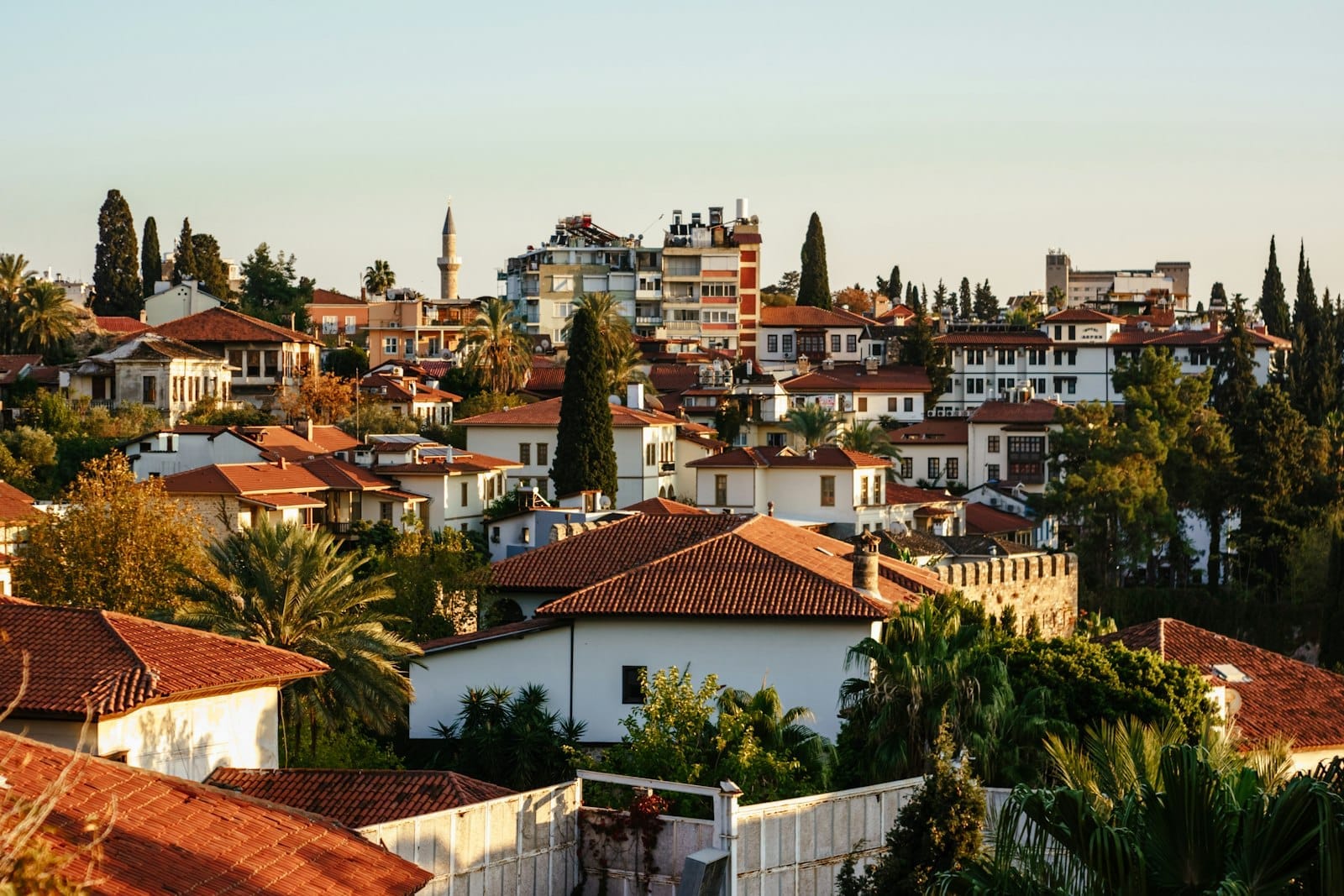
Kaleiçi is Antalya's Roman-era old town, packed with 2,000 years of layered history inside ancient walls. This self-guided walking tour covers the essential stops, the best route order, what to skip, and how to time your visit to avoid the worst of the crowds.
Plan and book this trip
Tools from our partner Travelpayouts help you compare flights and hotels. If you book through them, we may earn a commission at no extra cost to you.
Flights
Hotels map
TL;DR
- Kaleiçi means 'inside the castle' and the district dates to the 2nd century BC, making it one of Turkey's most intact ancient urban cores.
- The self-guided walk takes 2.5 to 4 hours depending on pace, starting at Hadrian's Gate and ending at the Old Harbor or Karaalioglu Park.
- Street entry is free; museum fees run around 50-150 TRY per site (verify on-site, as prices change frequently).
- Spring and autumn are the best seasons: cooler temperatures, manageable crowds, and better light for photography.
- Wear comfortable, flat shoes — the cobblestone lanes are steep in places and uneven throughout. See our full Antalya activity guide for what to pair with this walk.
What Is Kaleiçi and Why It Matters
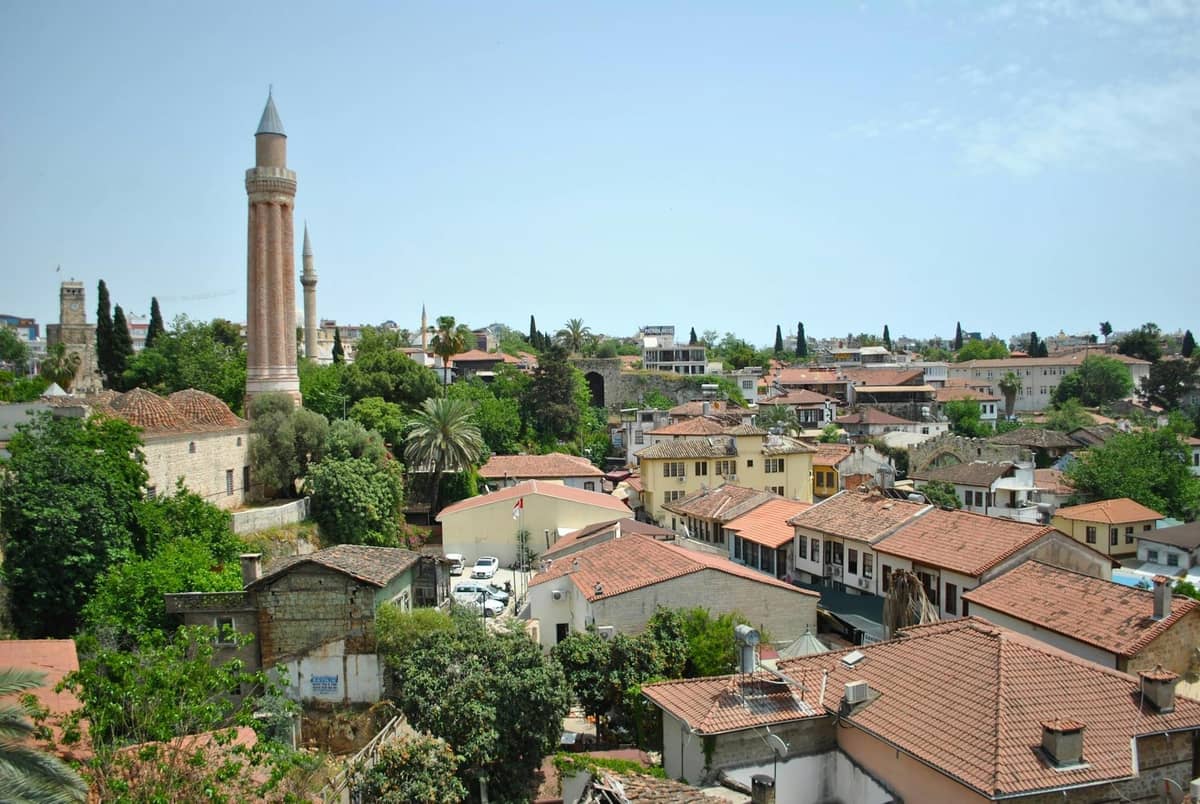
Kaleiçi is Antalya's historic core, a compact district of Roman foundations, Byzantine churches, Seljuk minarets, and Ottoman timber houses all compressed into roughly one square kilometer of winding cobblestone lanes. The name translates literally as 'inside the castle,' a reference to the ancient walls that still define the neighborhood's boundaries. Those walls have been standing in some form since the city was founded the 2nd century BC under the Pergamon king Attalus II, though the current structure reflects later Roman, Byzantine, and Seljuk modifications.
What makes Kaleiçi genuinely unusual, even by Turkish standards, is how densely layered it is. A single short block might pass a Roman arch, a Seljuk mosque, a Greek Orthodox church converted to a warehouse, and a 19th-century Ottoman mansion now operating as a boutique hotel. The district sits on a low cliff above the old harbor, and the terrain slopes noticeably toward the sea. Pair this walk with a boat tour from the Old Harbor for a complete half-day experience.
ℹ️ Good to know
Kaleiçi is often confused with 'just Ottoman.' In reality, its roots are firmly Roman, and ongoing archaeological work continues to surface new finds beneath its lanes. Hadrian's Gate, for example, was largely buried and only properly excavated and restored in the 1950s.
The Self-Guided Route: Stop by Stop
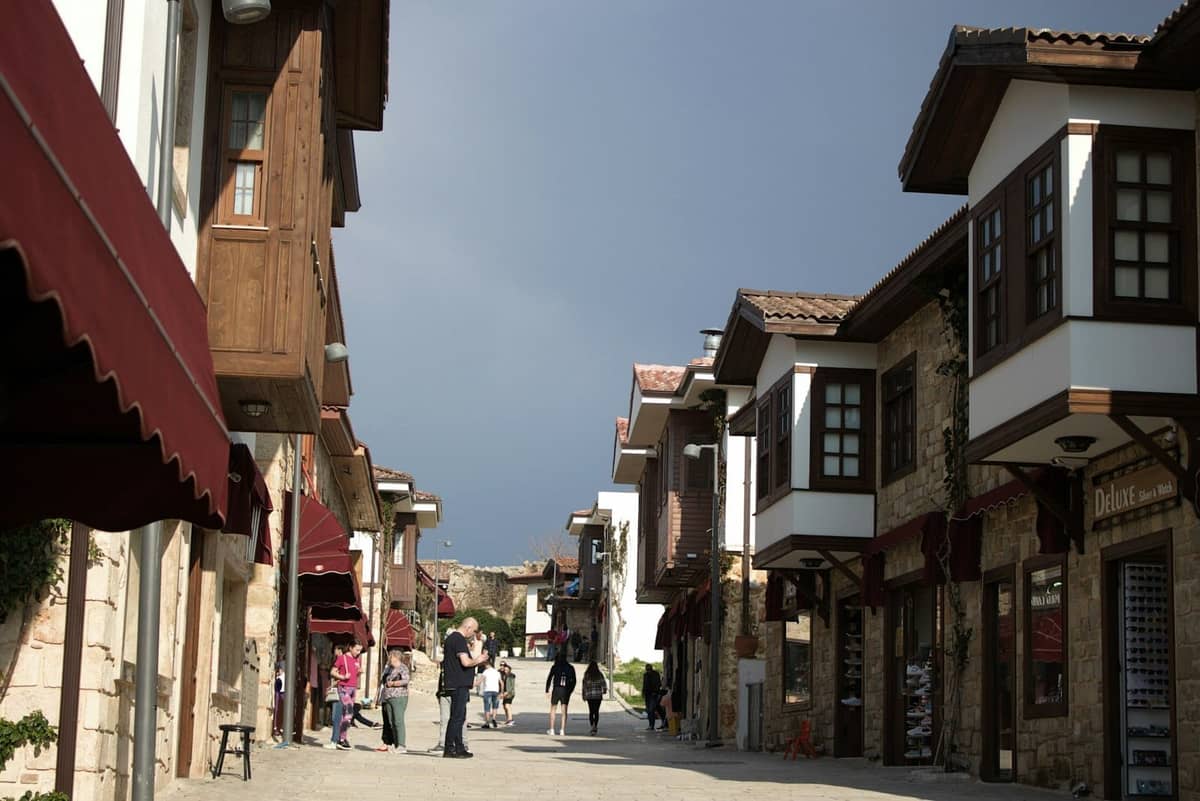
The most logical route runs roughly south to north, descending toward the harbor before looping back up through the bazaar streets. This takes advantage of the natural slope, saving the uphill climb for when your legs are fresh, and it ends at the harbor with the option to sit down at one of the waterfront cafes. Allow 2.5 hours minimum, and up to 4 hours if you plan to enter museums or browse the bazaar properly.
- Stop 1: Hadrian's Gate (Üçkapılar) Start here. This triple-arched Roman gate was built in 130 AD to honor the visiting Emperor Hadrian. It's the main pedestrian entrance to the old town from the modern city side. The carved reliefs are well-preserved and genuinely impressive — take time to look at the ceiling coffers before pushing through. Morning light hits the arch from the east, making it the best time for photos.
- Stop 2: Yivli Minaret and Mosque A five-minute walk northwest brings you to Antalya's most recognized landmark: the fluted Seljuk minaret built in the 13th century under Sultan Alaeddin Keykubad I. The 38-meter minaret with its distinctive brick fluting stands above a mosque converted from a Byzantine church. Entry to the mosque is free, but respect prayer times.
- Stop 3: Clock Tower and Old Bazaar Adjacent to the Yivli Minaret, the Clock Tower (Saat Kulesi) marks the edge of the bazaar zone. From here, the Old Bazaar and Long Bazaar streets branch off, full of spice sellers, leather goods, silver jewelry, and the usual tourist-grade ceramics. Budget for browsing time and negotiate on anything that doesn't have a fixed price tag.
- Stop 4: Old Harbor (Yat Limanı) Descend the slope toward the harbor. This is where Antalya's past and present blur most visibly: Roman harbor walls bracket a marina full of modern gulets offering boat trips along the coast. The harbor is compact and photogenic, especially in the late afternoon when the light catches the cliffs. Grab water or food here before continuing — options thin out further into the walk.
- Stop 5: Hıdırlık Tower A short walk west along the cliff brings you to this squat Roman tower, likely built in the 2nd century AD and possibly used as a lighthouse or funerary monument. The views over the Mediterranean from this point are among the best in the old town, and the adjacent Karaalioglu Park provides shade and benches.
- Stop 6: Kesik Minare (Broken Minaret) Looping back northeast, the Kesik Minare is one of Antalya's most layered monuments: originally a Roman temple, later a Byzantine basilica, converted to a mosque under the Seljuks, damaged by fire in the 19th century, and now preserved as a ruin. Entry is generally free. It's quieter than the main landmarks and worth the short detour.
💡 Local tip
Download an offline map before entering Kaleiçi. The lanes are genuinely maze-like, mobile data can be unreliable in the narrower alleys, and the area has several dead-ends that drain time. Google Maps and Maps.me both cover the area well.
What to See Inside Kaleiçi Beyond the Main Stops
The Mevlevi Lodge Museum (Mawlawi Lodge) is consistently overlooked by first-time visitors following the standard route. This 18th-century Sufi lodge is now a small museum dedicated to the Mevlevi order (the whirling dervishes), with well-labeled exhibits on Sufi practice and Ottoman religious life. It's a more intimate experience than the larger Antalya Museum, and the building itself is architecturally interesting.
The Tekeli Mehmet Paşa Mosque is another stop worth adding for anyone interested in Ottoman architecture. Built in the 17th century, it's smaller and less visited than the Yivli Minaret complex, which means you can often have it nearly to yourself. The interior tile work is particularly well-preserved. The mosque is typically open outside prayer times; dress modestly and remove shoes.
The Suna and İnan Kıraç Kaleiçi Museum, housed in a restored 19th-century Ottoman mansion, focuses on Antalya's social history through ceramics, ethnographic objects, and period rooms. It's a good 45-minute stop if you want historical context to anchor everything you've just walked past. Entry fees apply and vary, so check at the door.
Practical Logistics: Timing, Crowds, and What to Bring
Kaleiçi opens as a neighborhood around the clock, but the practical sweet spot for walking is 8:00 to 11:00 in the morning. By 10:00 AM in peak season (June through August), tour groups from the resort hotels have typically arrived and the narrower lanes become congested. Visiting at 8:00 AM in summer means near-solitude at Hadrian's Gate, cooler temperatures, and softer light. Cafes in the area open by around 8:00 AM.
In terms of seasons: April, May, October, and November are the most comfortable months. Summer is genuinely hot, with temperatures regularly reaching 35-38°C, and the combination of heat and tourist volume makes the walk physically demanding. Winter (December to February) is quieter but some boutique hotels and smaller restaurants close or reduce hours. The old town does not shut down in winter, but the atmosphere is considerably more subdued.
- Wear flat, closed-toe shoes: the cobblestones are uneven and some sections slope sharply
- Carry at least 1.5 liters of water per person in summer; refill points are limited inside the old walls
- Bring cash in Turkish Lira: some bazaar vendors and smaller museums do not accept cards
- A light scarf is useful for entering mosques, particularly for women
- Sun protection is essential from May through September — there is limited shade on the harbor approach
- Museum entry costs fluctuate with inflation; assume 50-150 TRY per site and verify at each entrance
⚠️ What to skip
The carpet and leather shops around the Old Bazaar area use familiar pressure tactics: a free tea invitation that pivots to a high-pressure sales pitch. There is nothing wrong with accepting the tea and politely declining to buy. But if you have limited time and low patience for this dynamic, move through the bazaar streets at pace rather than lingering in doorways.
Guided Tours vs. Self-Guided: Which Is Better?
The honest answer is that Kaleiçi is one of the easier districts in Turkey to navigate independently. The walk described above is straightforward, the key landmarks are well-signed in English, and the Old Bazaar is compact enough that you won't miss much by exploring on your own. A self-guided approach works well for independent travelers who prefer to set their own pace.
That said, a guided tour adds real value if you're interested in historical depth. The visual remains in Kaleiçi don't always explain themselves well: a wall that looks like old brick might be Roman, Byzantine, or Ottoman depending on exactly where you're standing, and guide commentary helps decode these layers. Free walking tours operate on a tip basis through platforms like GuruWalk; these run on fixed departure times (typically late morning) and last around 2 hours. Paid private tours and small-group VIP tour options provide more flexibility and more personalized attention, particularly useful for families or visitors with limited mobility.
Combining the Walk With Other Antalya Activities
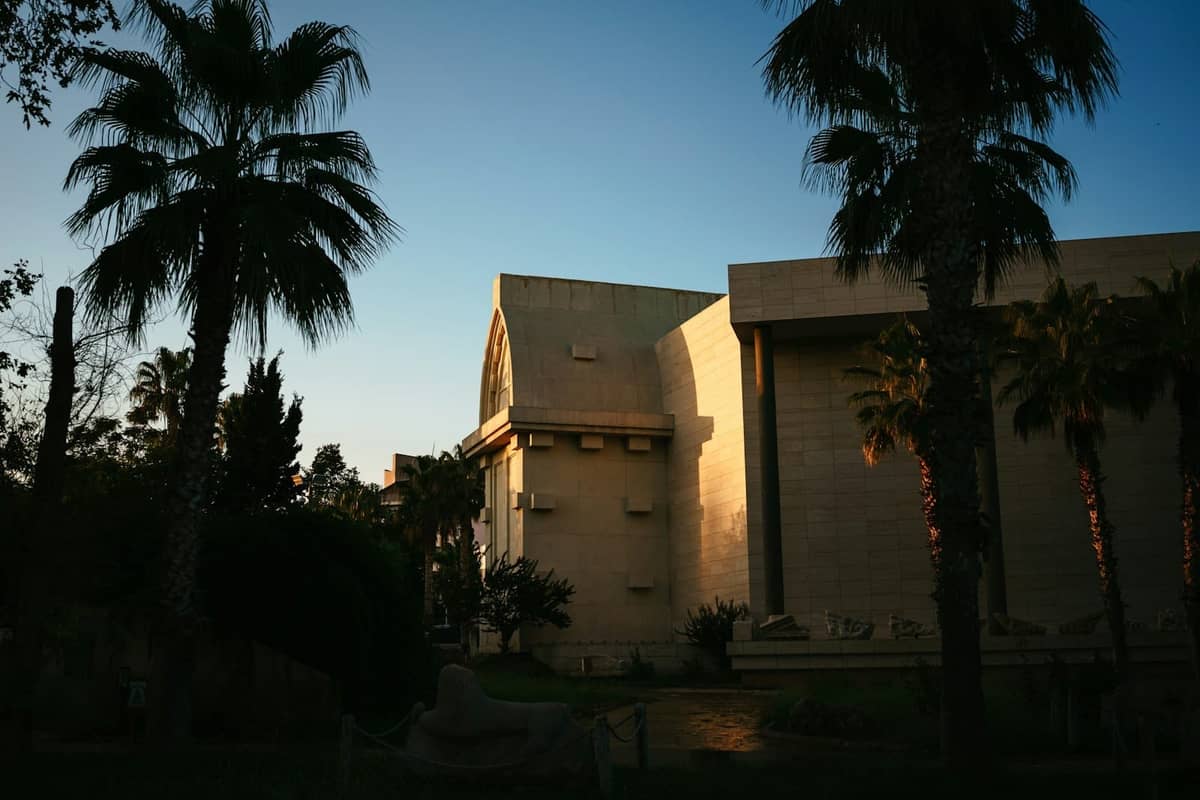
Kaleiçi pairs naturally with the Antalya Archaeological Museum, which sits about 2 km west of the old town along the coast road. The museum holds one of the best classical antiquities collections in Turkey, covering finds from Perge, Aspendos, and other regional sites. A morning in Kaleiçi followed by an afternoon at the museum makes a full and logically coherent day.
For a day trip pairing, the ancient city of Perge is around 15 km northeast of Antalya's center and easily reached by public bus or taxi. Perge's colonnaded streets and Roman baths complement the Kaleiçi walk well, giving context to the Roman layer you've just walked through in the old town. Check our day trips from Antalya guide for logistics on reaching Perge and other nearby sites.
If time allows, the Karaalioglu Park at the southern edge of Kaleiçi makes an ideal end-of-walk stop: cliff-top gardens, sea views, and plenty of benches. From there you can walk east to Konyaaltı Beach or simply return into the old town for dinner. The Kaleiçi restaurant scene is solid, with options ranging from rooftop mezes to straightforward grills in the bazaar area.
FAQ
How long does a Kaleiçi walking tour take?
At a comfortable pace covering the main landmarks, allow 2.5 to 3 hours. If you plan to enter museums, browse the bazaar properly, or stop for food, budget 4 hours. The district is compact enough that you won't feel rushed even with multiple stops.
Is the Kaleiçi walk suitable for families with children?
Yes, with caveats. The route itself is manageable, but the cobblestones are rough for strollers. Most families navigate it on foot without issues. The Old Harbor is a particular hit with kids. Avoid the middle of summer days if children are young, as the heat and crowds can become difficult quickly.
What is the best time of day to walk around Kaleiçi?
Early morning (8:00 to 11:00 AM) is the clear best option, especially in summer. You get cooler temperatures, softer light, and significantly fewer tour groups. Late afternoon (from around 4:00 PM) is the second-best window, particularly for the harbor views and the approaching golden hour light on the Roman walls.
Is Kaleiçi safe to walk around at night?
Generally yes. The old town is well-trafficked in the evenings during tourist season, and the main restaurant and bar strips around the harbor remain lively until late. The narrower residential lanes further from the harbor are quieter at night but not unsafe. Standard urban common sense applies: stay aware of your surroundings and keep valuables out of sight.
Do I need to pay to enter Kaleiçi?
No. The streets, the harbor area, Karaalioglu Park, and the exterior of the major monuments are all free to access. Individual museum entry fees apply and run roughly 50-150 TRY per site at current rates, though these fluctuate with inflation. Always verify at the entrance.