Mawlawi Lodge Museum: Antalya's Quiet Window into Sufi History
Tucked inside the Yivli Minare Complex in Kaleiçi, the Antalya Mevlevi Lodge Museum (Antalya Mevlevihane Müzesi) preserves centuries of Sufi tradition through dervish costumes, musical instruments, and calligraphy. Entry is free, crowds are light, and the atmosphere is genuinely contemplative.
Quick Facts
- Location
- Selçuk Neighbourhood, No:36, Muratpaşa, Kaleiçi, Antalya
- Getting There
- Walking distance from Hadrian's Gate; accessible by local dolmuş to Kaleiçi
- Time Needed
- 45–75 minutes
- Cost
- Free entry
- Best for
- History lovers, architecture enthusiasts, anyone wanting a calm pause in Kaleiçi
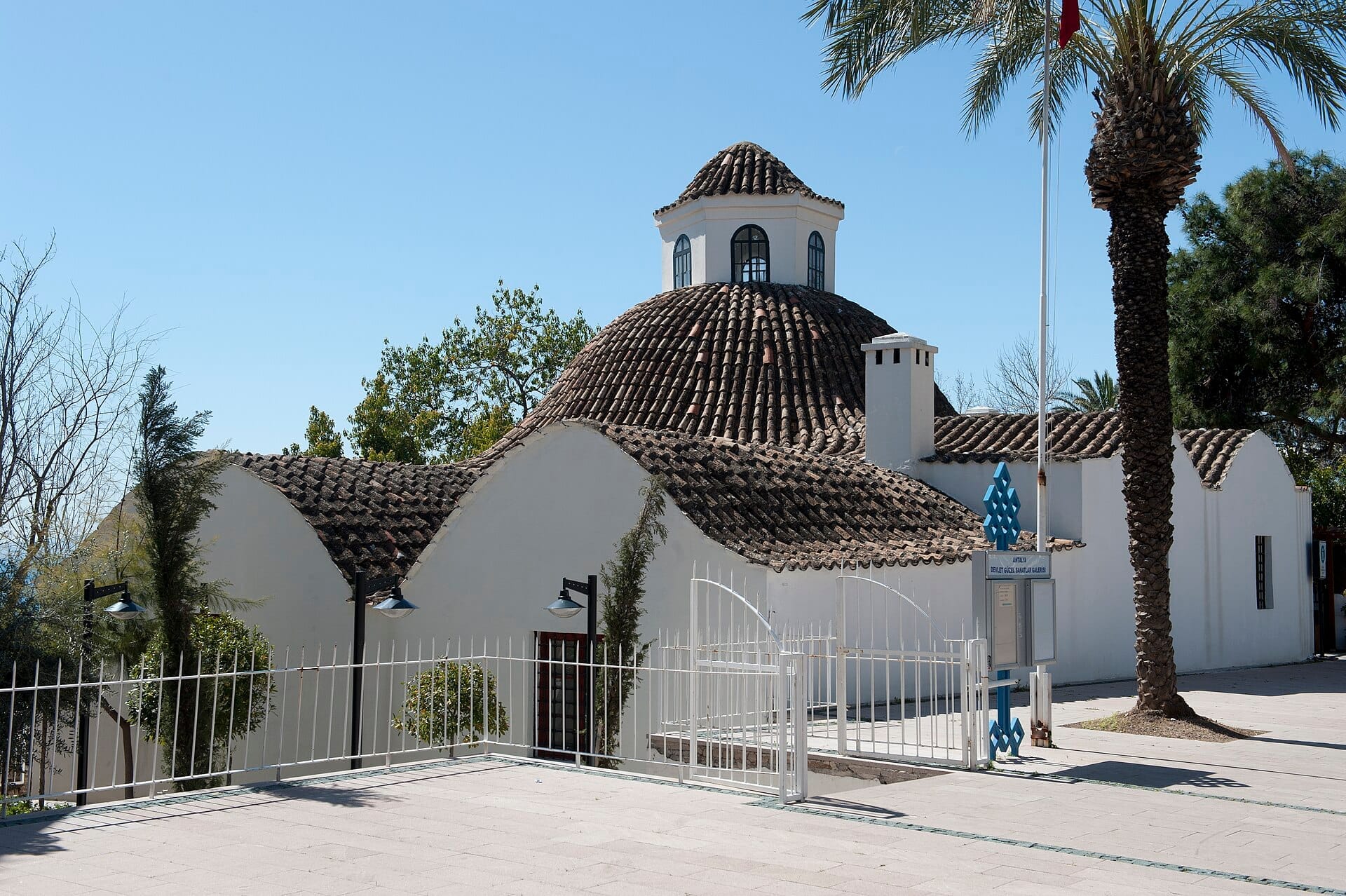
What the Mawlawi Lodge Museum Actually Is
The Antalya Mevlevi Lodge Museum, known locally as Antalya Mevlevihane Müzesi, occupies a carefully restored complex within the Yivli Minare Mosque compound at the northern edge of Kaleiçi. In Ottoman society, a mevlevihane was a residential and ceremonial lodge for followers of the Mevlevi Sufi order, the tradition founded by the poet and mystic Rumi (Jalal al-Din Rumi) in 13th-century Konya. This particular lodge converted to Mevlevi use in the Ottoman period, though the site's origins trace back to the Seljuk period, with construction attributed to Sultan Alaeddin Keykubad around 1255.
The building served as a living, working spiritual community for centuries. Dervishes would eat, sleep, study, and perform their distinctive sema ceremony here. The complex also contains tombs dated to 1377, adding a layer of Ottoman funerary architecture to what is already a multi-period site. Following a restoration completed in 2018, the structure opened as a museum presenting Mevlevi religious and cultural heritage through objects, garments, and instruments.
💡 Local tip
Entry is completely free. Arrive between 08:30 and 10:30 on weekdays to have the courtyard and display rooms almost entirely to yourself.
The Experience Room by Room
From the street, the entrance is subtle. You pass through the outer precinct of the Yivli Minare Complex, where the 13th-century fluted minaret rises visibly above the roofline, and find the mevlevihane tucked to the side, its low stone facade giving no indication of what is inside. The threshold shift is immediate: the interior is cool, dimly lit compared to the bright Antalya sun outside, and noticeably quiet.
Display cases hold the signature objects of Mevlevi life: the tall sikke hat made of camel felt, the wide-skirted tennure robe worn during the sema, and the short jacket called a destegül. These are not reproductions. Seeing the actual wear and weight of the fabric makes the sema far easier to imagine as a physical practice, not just a choreographic spectacle. Alongside the garments you will find ney flutes (the reed instrument central to Mevlevi music), kudum drums, and manuscript pages with calligraphic texts from Rumi's Masnavi.
The semahane, the large ceremonial hall where the whirling ceremonies took place, retains its original spatial proportions. The wooden floors, the raised gallery where musicians would sit, and the central open floor all remain legible as functional architecture rather than just historical decoration. Standing in the semahane at opening time, with no other visitors present, gives a sense of scale and silence that is genuinely unusual in this part of Kaleiçi.
Tickets & tours
Hand-picked options from our booking partner. Prices are indicative; availability and final rates are confirmed when you complete your booking.
Tazı Kanyon, Safari, Rafting, Buggy Safari, and Zipline in Turkey
From 65 €Instant confirmationFree cancellationAntalya guided city tour with lunch
From 45 €Instant confirmationFree cancellationTraditional Turkish bath experience in Antalya
From 45 €Instant confirmationFree cancellationTurkiye village small group guided tour from Side or Belek
From 39 €Instant confirmationFree cancellation
Historical and Cultural Context
The Mevlevi order was formally dissolved in Turkey in 1925 as part of Atatürk's secularization reforms, which abolished Sufi lodges (tekkes and zaviyes) across the country. The buildings were repurposed, fell into disuse, or were demolished. Converting surviving mevlevihanes into museums has been the standard preservation strategy across Turkey, and Antalya's example follows the pattern seen in Istanbul and Konya.
This context matters for visitors. What you are seeing is not a living religious community but a preserved record of one. The museum does an honest job of presenting that distinction. If you want deeper background on the surrounding neighborhood's layered history before your visit, the Antalya old town walking tour guide provides useful spatial context for how the Yivli Minare Complex fits within the broader Kaleiçi streetscape.
The tombs within the complex, dated to 1377, place the site squarely within the Hamidid period of Anatolian history, a time when the region was transitioning between Seljuk remnant powers and early Ottoman consolidation. The funerary architecture is modest but well-preserved, and the inscriptions, though largely in Arabic and Ottoman Turkish, are labeled in the museum context.
How the Visit Changes by Time of Day
Mornings are calm. The complex opens at 08:30, and for the first hour or two, the main flow of Kaleiçi tourists has not yet arrived. The courtyard catches early light at an angle that makes the stonework and minaret particularly photogenic, and the interior rooms are cool without being dark. This is the best window for photography and for reading the display labels without other visitors crowding the cases.
By midday in summer, Kaleiçi fills with tour groups moving between Hadrian's Gate, the marina, and the nearby bazaar. The mevlevihane draws fewer mass-tour visitors than those landmarks, but it is not completely bypassed. The afternoon heat also makes the stone interior a practical refuge. By late afternoon, light quality in the courtyard improves again, though the museum closes at 17:30, so arrivals after 16:30 leave limited time to move through the rooms without rushing.
⚠️ What to skip
Opening hours (08:30–17:30 daily) are listed without seasonal variation, but Turkish state museum hours can change without advance notice. Check locally on the day of your visit, particularly outside peak season.
Getting There and What to Bring
The museum is located on foot from anywhere in Kaleiçi. From Hadrian's Gate, the most common entry point for visitors approaching from the modern city, the walk to the Yivli Minare Complex takes roughly 10 minutes along the main pedestrian street. The complex is signposted. From the waterfront and marina area, the walk uphill takes around 15 minutes.
Local dolmuş (shared minibuses) stop near the Kaleiçi entrance points. For orientation across the wider old town area, the guide to getting around Antalya covers transport options including AntRay tram routes that bring you close to Kaleiçi without needing a taxi.
Dress modestly for the visit. The mevlevihane is a former religious site and current museum. Shoulders and knees should be covered, which is standard practice across Kaleiçi's mosques and historic religious buildings. Comfortable walking shoes matter because the courtyard surfaces are uneven stone. Bring a bottle of water as the museum does not have an on-site cafe, and the shade inside is welcome but not air-conditioned.
ℹ️ Good to know
The museum is listed as accessible, though no detailed information on ramps or specific facilities is available from official sources. Visitors with mobility requirements should confirm arrangements directly before visiting.
Pairing This Visit with the Rest of Kaleiçi
The Mevlevi Lodge Museum works best as part of a half-day walking loop through Kaleiçi rather than a standalone trip. Directly adjacent, the Yivli Minaret is one of Antalya's most recognizable structures and shares the same complex grounds. A few minutes' walk away, Hadrian's Gate provides the Roman counterpoint to the Ottoman and Seljuk layers of the mevlevihane. The old bazaar in Kaleiçi sits close by for those who want to extend the morning.
For visitors with a full day in the old town, combining the mevlevihane with the Antalya Museum (a 20-minute taxi ride to the west, near Konyaaltı) gives a comprehensive arc from ancient Roman artifacts to Ottoman Sufi culture. The museum is substantially larger and ticket-priced, so the mevlevihane makes a good free bookend.
Who should skip this place: visitors with no interest in religious or social history will find the exhibit density low and the experience too quiet. If your priority is dramatic coastal scenery, Roman ruins at scale, or beach time, the mevlevihane will feel like a detour. It is also not suitable as a primary activity for young children.
Insider Tips
- The Yivli Minare's fluted shaft photographs best from the mevlevihane courtyard in the first two hours after opening, when the low eastern sun catches the brickwork. Most tourists photograph the minaret from the street level without realizing the courtyard offers a far better angle.
- Labels in the display cases are in Turkish and English. The English translations are generally accurate but brief. Reading about the sema ceremony before you visit, even a short overview, makes the garment and instrument displays significantly more meaningful.
- The tombs in the complex are easy to overlook because they are not prominently labeled from the main entrance. Ask at the entrance or walk the perimeter of the courtyard to find them before leaving.
- Because entry is free and crowds are light, this is one of the few places in Kaleiçi where you can stop, sit, and observe without feeling commercial pressure. The courtyard benches are a genuine rest point on a hot day.
- If you are visiting in summer, the stone interior is noticeably cooler than outside but the museum is not air-conditioned. Plan this stop for morning rather than midday if you are sensitive to heat.
Who Is Mawlawi Lodge Museum For?
- Travelers interested in Ottoman and Sufi religious history
- Architecture enthusiasts exploring Kaleiçi's layered periods
- Anyone looking for a free, unhurried counterpoint to Kaleiçi's busier landmarks
- Photographers who want courtyard access to the Yivli Minaret
- Visitors combining a half-day walking tour of the old town
Nearby Attractions
Other things to see while in Kaleiçi (Old Town):
- Antalya Marina
Kaleiçi Yat Limanı, known to visitors as Antalya Marina, is a semi-circular harbor carved into the limestone cliffs of the old town. Built during the Hellenistic period and used continuously through Roman, Byzantine, Seljuk, and Ottoman times, it now anchors a strip of seafood restaurants, craft shops, and boat tour operators. Admission is free, and the harbor is open around the clock.
- Antalya Boat Tours
Departing from the ancient Kaleiçi Marina, Antalya boat tours take you along dramatic limestone cliffs and into clear turquoise bays. Whether you want a full-day swim-and-lunch cruise or a shorter evening sail, here is everything you need to decide if it is worth your time.
- Clock Tower
Standing at the edge of Antalya's ancient walls, the Saat Kulesi is a 14-metre Ottoman clock tower built in 1901 with a pentagonal stone base dating back to the 9th century. Free to visit at any hour, it marks the gateway between the modern city and the cobbled lanes of Kaleici's old quarter.
- Hadrian's Gate
Built in 130 CE to honor Emperor Hadrian's visit to the ancient city of Attaleia, Hadrian's Gate is a triple-arched Roman triumphal monument in white marble and granite. Free to enter at any hour, it marks the main threshold between Atatürk Boulevard and the winding lanes of Kaleiçi old town.