Antalya City Guide: Neighborhoods, Transport & Essential Tips
Everything you need to navigate Antalya city with confidence. From the Roman walls of Kaleiçi to the tram lines connecting the coast, this guide covers neighborhoods, transport, seasonal planning, and the practical details most travel sites skip.
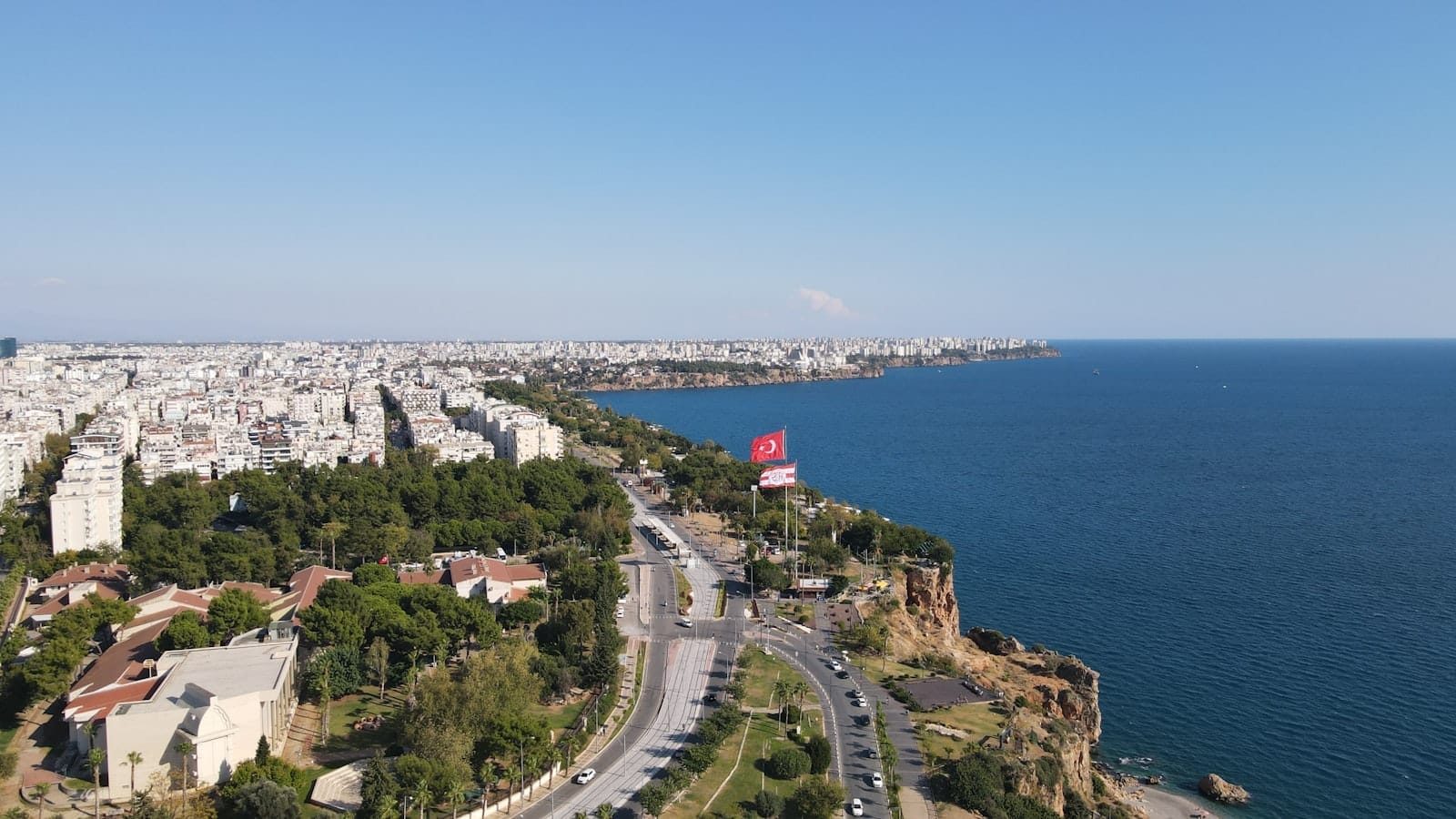
Plan and book this trip
Tools from our partner Travelpayouts help you compare flights and hotels. If you book through them, we may earn a commission at no extra cost to you.
Flights
Hotels map
TL;DR
- Antalya city sits on Turkey's Mediterranean coast, with a compact historic core (Kaleiçi) and modern beach districts spreading west toward Konyaaltı and east toward Lara.
- Public transport runs on buses (100+ lines), the AntRay light rail, and trams — no metro yet. Use the ANET app or check out our guide to getting around Antalya for full route details.
- April to June and September to October are the sweet spots: warm enough to swim, cool enough to sightsee, and significantly less crowded than July and August.
- Tap water is not recommended for drinking. Currency is Turkish Lira (TRY). Emergency number is 112. English is widely spoken in tourist areas. For a broader overview, see things to do in Antalya before you arrive.
- Antalya is often confused with Alanya (130 km east) and Antakya (a separate province entirely) — double-check airport codes and hotel locations when booking.
Understanding Antalya: City, Province, and Geography
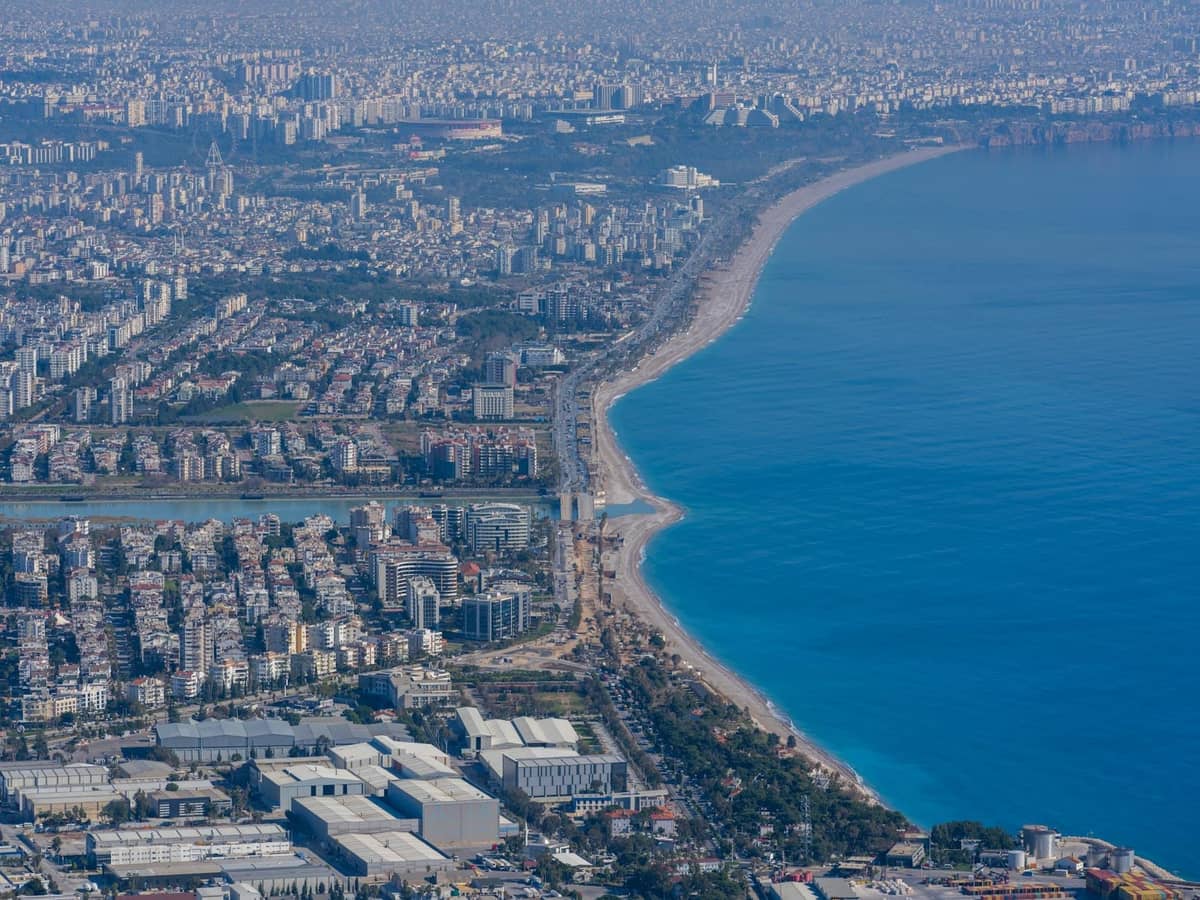
Antalya is the capital of Antalya Province in southern Turkey, sitting at roughly 36°53'N latitude on the northeast edge of the Gulf of Antalya. The city proper has a population of around 2.6 million, while the wider province — covering 20,815 km² — houses over 2.7 million people. It's the largest city on Turkey's Mediterranean coast and one of the country's fastest-growing urban centers.
The old town sits on a low cliff above the Roman harbor, which gives the historic center its distinctive character: narrow Ottoman-era lanes dropping sharply toward a boat-filled marina. Modern Antalya spreads out dramatically from this core, with wide boulevards, high-rise hotels, and suburban developments extending several kilometers in every direction.
Don't confuse the city with its province. When people say they're "going to Antalya," they might mean the city center, the Belek resort strip 30 km east, the beach town of Side (75 km away), or even Alanya (130 km east). These are all within Antalya Province but require separate planning. The city itself is where the airport is located, and most cultural sights are concentrated here.
⚠️ What to skip
Booking mistake alert: Many hotels marketed as 'Antalya' are actually in Belek, Kemer, or Lara, which can add 30-60 minutes of travel to the city center. Check the district name, not just the province, when comparing accommodation options.
Antalya Neighborhoods: Where to Base Yourself
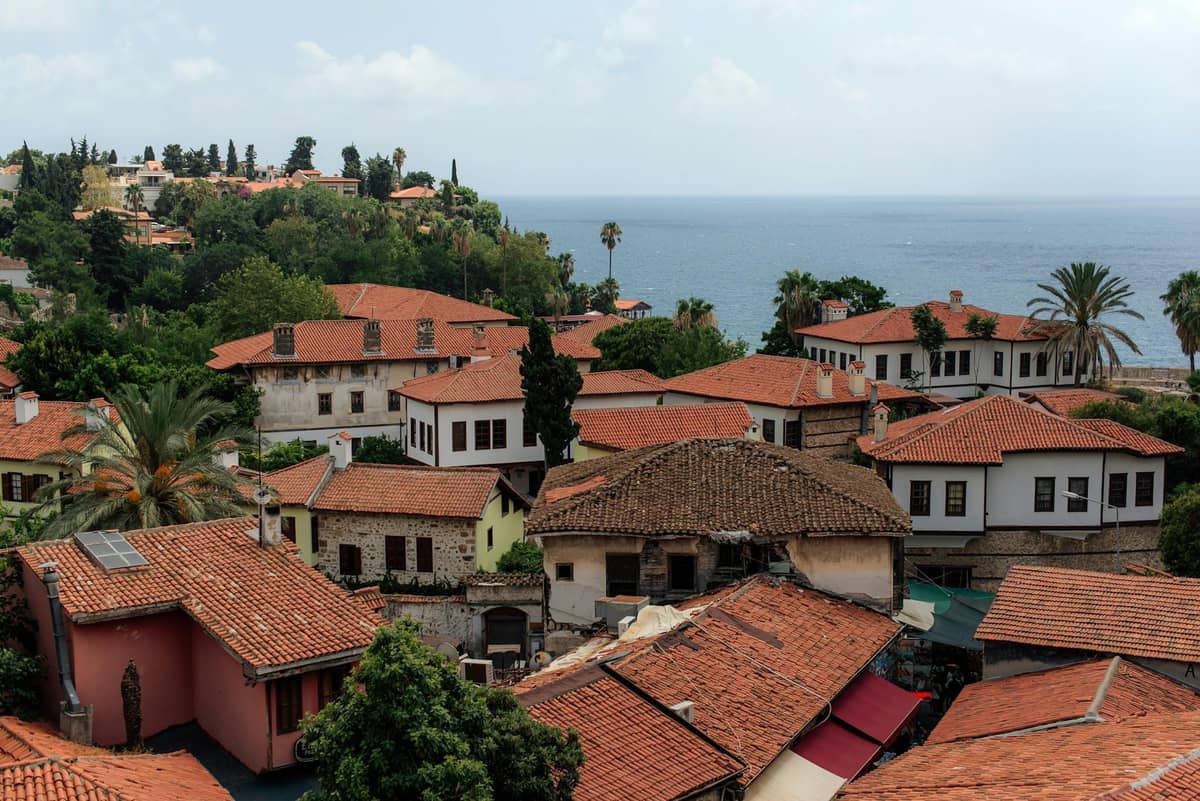
The neighborhood you choose defines your entire trip. Antalya's districts have genuinely different characters, price points, and access to attractions. Here's how the main areas break down. For a more detailed comparison of where to sleep, see the full where to stay in Antalya guide.
- Kaleiçi (Old Town) The historic core, enclosed within Roman walls. Boutique hotels, restaurants, and atmospheric lanes surround Hadrian's Gate and the Roman harbor. Fully walkable — you won't need transport for most sightseeing here. The trade-off: cobblestones are rough with luggage, parking is nearly impossible, and some streets are noisy late into the evening.
- Konyaaltı The western beach district, accessible by tram from the city center. More local in feel than Lara, with a long pebble beach backed by the Bey Mountains. Apartment-style accommodation dominates. A practical base for those who want beach access without full resort pricing.
- Lara East of the city center, Lara is where the all-inclusive mega-resorts operate. The beach here is sand (unlike Konyaaltı's pebbles), and the hotel strips are self-contained — which is either a plus or a minus depending on your travel style. Getting to the old town from Lara requires a taxi or bus journey.
- City Center (Muratpaşa) The modern urban core surrounding Kaleiçi. The Antalya Museum, shopping streets, and transport hubs are here. Good hotel variety at mid-range prices. Less atmospheric than Kaleiçi but more practical for early flights and late arrivals.
- Belek 30 km east of the city. Turkey's premier golf destination, with manicured resort hotels and the ancient sites of Perge and Aspendos nearby. Not a neighborhood for exploring on foot — it's purpose-built for resort stays and day trips.
Getting Around: Public Transport, Taxis, and Airport Transfers
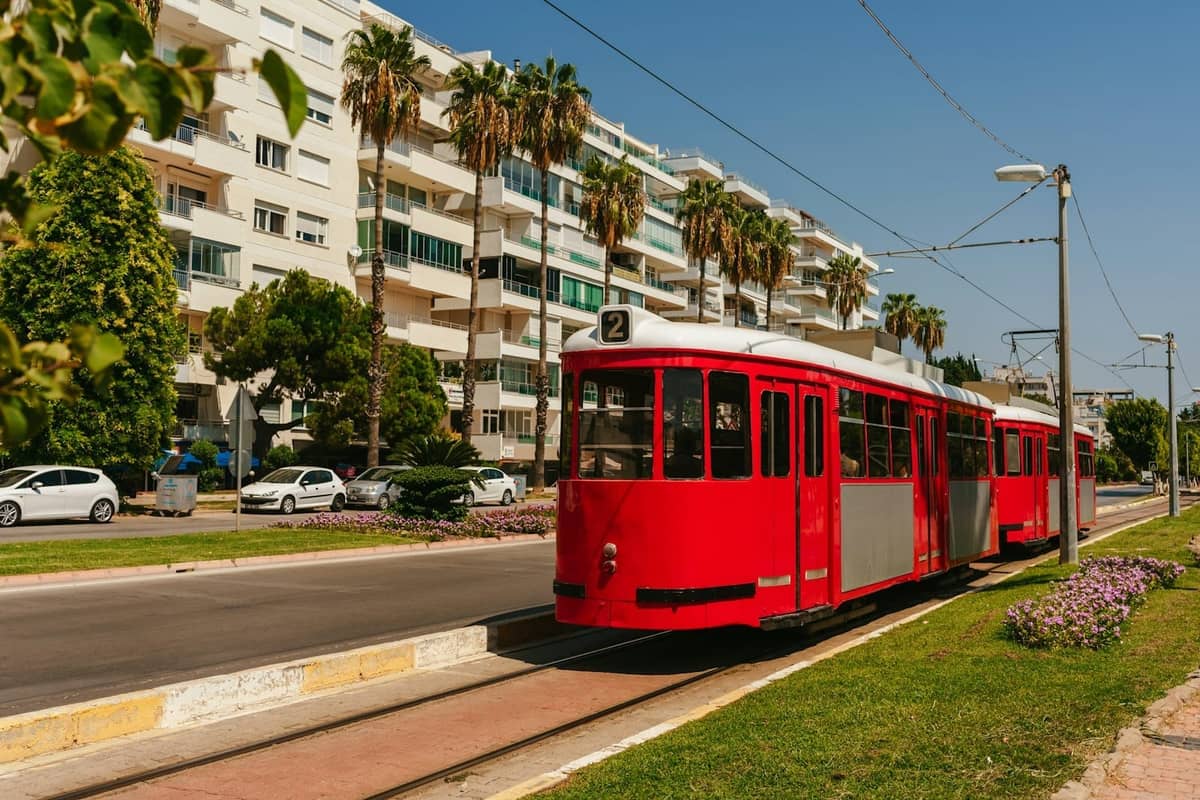
Antalya has a more developed public transport network than most visitors expect. The system combines over 100 bus lines (serving more than 4,200 stops city-wide), the AntRay light rail, and several tram lines including the T3 route running from Varsak through the city center to the Antalya Museum. There is no full metro yet — planning is ongoing — but the tram and light rail cover the main tourist corridors effectively.
For airport connections, the most useful lines are the 600 (airport to bus terminal to Sarısu), the 800 (Lara to the center, passing near the airport), and the TY23 (airport to terminal to city center). Taxis from Antalya Airport (AYT) to Kaleiçi run around 250-400 TRY depending on traffic and time of day, but rates shift with fuel prices — ask the price before getting in or insist on the meter. Rideshare apps BiTaksi and inDrive operate in Antalya and are generally more transparent on pricing than street taxis.
💡 Local tip
Download the ANET app before you arrive. It covers real-time bus and tram schedules, route maps, and allows you to buy transport cards digitally. Google Maps works well for Antalya routing but occasionally lags on real-time bus data — use ANET to cross-check.
Within Kaleiçi itself, you won't need transport at all. The old town is compact enough to walk end-to-end in under 20 minutes on flat ground. The challenge is the steep descent to the marina — easy going down, harder coming back up in summer heat. For Konyaaltı Beach, the tram is the cleanest option: it runs frequently and drops you close to the beach promenade. In July and August, buses to coastal areas get genuinely crowded by mid-morning.
✨ Pro tip
Renting a scooter or hiring a driver for a day costs roughly the same as multiple taxi trips, and gives you flexibility for the Düden Waterfalls, Kursunlu, and other attractions scattered around the city outskirts. For longer day trips to Perge or Aspendos, organized tours often work out cheaper than hiring private transport.
Climate, Seasons, and When to Visit
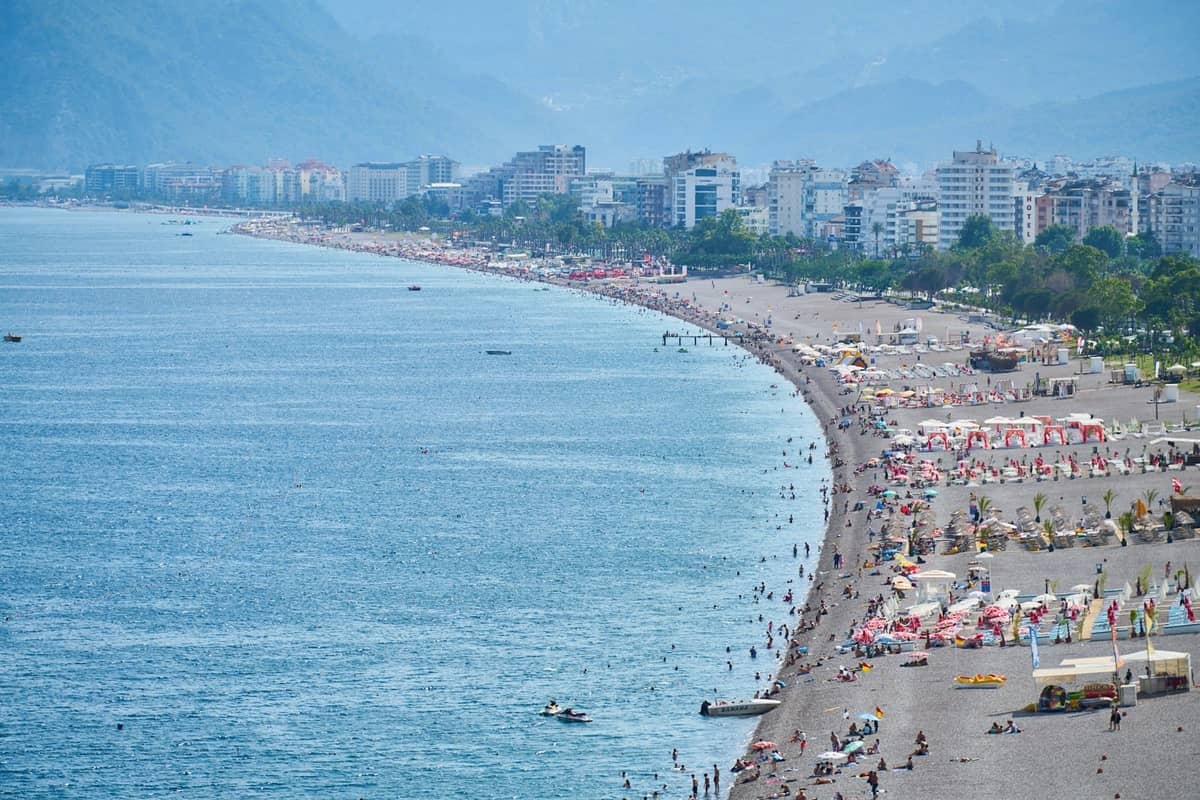
Antalya sits in a Mediterranean climate zone with hot, dry summers and mild, wetter winters. The city claims over 300 sunny days per year, which sounds ideal until you're standing on a dark-colored pebble beach in mid-August with temperatures north of 38°C and every sun lounger occupied.
April to June is the most balanced window: sea temperatures reach a swimmable 22-26°C by late May, prices are lower than peak summer, and the ancient sites — Perge, Termessos, and Aspendos — are bearable to explore without collapsing from heat. September and October offer similar conditions on the back end of summer, with the added bonus of calmer seas for boat tours and kayaking.
July and August bring massive tourist volume: Antalya Airport handles millions of arrivals in these two months alone, mostly charter flights from Europe and Russia. Beach access becomes genuinely difficult without an early start. If you must visit in peak summer, mornings before 10am and evenings after 6pm are when the city becomes pleasant again. Winter (December to February) sees rain and occasional cold snaps, but temperatures rarely drop below 5°C and some cultural sights are refreshingly quiet.
- Best for beaches: June, September, early October
- Best for ancient sites and hiking: April, May, October, November
- Best for budget travelers: November to March (excluding New Year's)
- Worst for crowds: July 15 to August 20
- Aspendos Opera and Ballet Festival: typically June to July — check the annual program for exact dates
Practical Essentials: Money, Safety, and Local Customs
Turkey's currency is the Turkish Lira (TRY). Exchange rates shift significantly, so check live rates before converting cash. ATMs are widely available throughout the city center and at the airport — withdrawing TRY locally is almost always more cost-effective than pre-purchasing currency at home. Major credit and debit cards are accepted at hotels, mid-range restaurants, and larger shops. Smaller places in Kaleiçi and market stalls operate cash-only.
Tap water in Antalya is not recommended for drinking. Bottled water is cheap and available everywhere — budget around 5-10 TRY per liter at supermarkets. Don't buy from tourist-facing kiosks near the marina, where prices inflate considerably. For a full breakdown of where tourist pricing becomes exploitative, see our guide to Antalya scams and safety tips.
Tipping customs follow standard Turkish practice: 5-10% in sit-down restaurants is appreciated, taxi drivers rarely expect tips but rounding up the fare is common. In resort areas catering to European tourists, some staff are accustomed to higher tips — use your judgment based on the establishment. Emergency services operate on 112, which works across Turkey. The country dialing code is +90. Electricity runs on Type C and F plugs at 230V, 50Hz — compatible with most European devices but requiring an adapter for UK and US equipment.
Dress codes vary sharply by location. At Konyaaltı or Lara beach, regular swimwear is fine. Inside Kaleiçi mosques — including the Yivli Minaret Mosque and Tekeli Mehmet Pasa Mosque — shoulders and knees should be covered, and shoes removed at entrances. At ancient sites there are no formal dress restrictions, but sun protection is the practical priority.
ℹ️ Good to know
Visa requirements depend on your nationality. Some travelers are visa-exempt, some can use Turkey's e-Visa system, and others need a different visa type. Check the Turkish Ministry of Foreign Affairs website or evisa.gov.tr for current rules before travel.
Key Attractions and How to Structure Your Visit
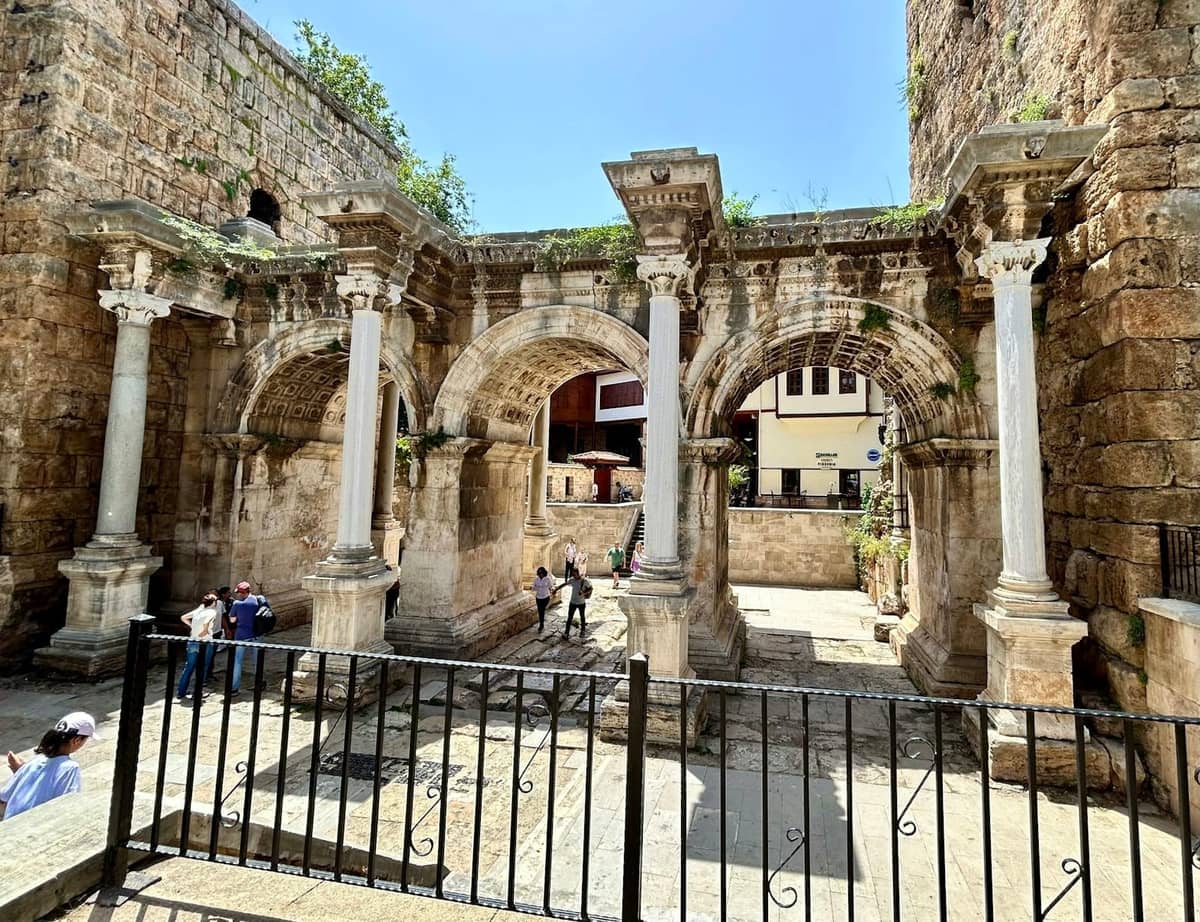
Most first-time visitors underestimate how much the city itself has to offer before heading to beach resorts. Kaleiçi alone contains Hadrian's Gate, the Roman harbor, the Yivli Minaret, Hıdırlık Tower, and the Mawlawi Lodge Museum within a 15-minute walk. The Antalya Museum is one of Turkey's finest archaeological collections and consistently under-visited relative to its quality — allow at least two hours.
Outside the city center, the options expand considerably. The Upper Düden Waterfalls are about 12 km northeast of the center, reachable by bus or taxi. The Köprülü Canyon, roughly 90 km away, is the departure point for white-water rafting on the Köprüçay River. Ancient sites including Perge and Aspendos sit in the Serik district, 15-50 km east of the city. See our day trips from Antalya guide for logistics on all of these.
For families, the Land of Legends theme park near Belek and the Antalya Aquarium near Konyaaltı both handle half-day visits comfortably. The aquarium in particular is a genuinely impressive facility, not a small tourist trap — the tunnel walkway through the main tank draws reactions even from adults. Admission prices fluctuate seasonally; book online to avoid queues in July and August.
FAQ
Is Antalya a city or a region?
Both, depending on context. Antalya is a city of roughly 2.6 million people on Turkey's Mediterranean coast, and also the name of the surrounding province covering 20,815 km². When booking travel, clarify whether you mean the city center (where the airport and historic sites are) or a specific resort district within the wider province, like Belek, Kemer, or Alanya.
How many days do you need in Antalya city?
Two full days covers the city's core sights: Kaleiçi, the Antalya Museum, Konyaaltı Beach, and a waterfall excursion. Three to four days allows you to add a day trip to Perge, Aspendos, or Köprülü Canyon without feeling rushed. A week works well if you're combining city exploration with beach time and more distant ancient sites.
What is the best area to stay in Antalya city center?
For atmosphere and walkability, Kaleiçi is the top pick — boutique hotels within the Roman walls put you steps from the main sights. For practical value without tourist-area pricing, the Muratpaşa district surrounding Kaleiçi offers solid mid-range hotels with easy tram and bus access. Avoid booking 'Antalya center' without checking the exact neighborhood, as some listings are several kilometers from the actual city core.
Is there a metro or subway in Antalya?
No operational metro exists yet. Antalya's rail network consists of the AntRay light rail and tram lines, which cover the main tourist corridors including the route toward Konyaaltı Beach and the Antalya Museum. A full metro has been in planning stages for years but is not currently operational. Buses fill the gaps across the broader city.
Is Antalya safe for tourists?
Antalya is generally considered safe for tourists, with a well-established tourism infrastructure and low rates of violent crime targeting visitors. The main risks are typical of any large tourist city: pickpocketing in crowded markets, overpriced taxis, and aggressive sales pitches in bazaar areas. Exercise standard urban caution in Kaleiçi after midnight on weekends. Check current UK FCDO or US State Department advisories before travel for the most up-to-date assessment.