Antalya Safety Tips & Scams to Avoid: What Tourists Need to Know
Antalya is one of Turkey's most-visited cities, and for good reason. But like any major tourist destination, it has its share of scams and petty pitfalls. This guide breaks down exactly what to watch for, where the real risks are, and how to travel confidently without being caught off guard.
Plan and book this trip
Tools from our partner Travelpayouts help you compare flights and hotels. If you book through them, we may earn a commission at no extra cost to you.
Flights
Hotels map
TL;DR
- Antalya is generally safe for tourists — violent crime targeting visitors is rare, but petty scams are common in high-traffic areas.
- The most prevalent scams involve taxis, inflated bar tabs in Kaleiçi, fake goods, and ATM distraction tricks.
- Use BiTaksi or agree on a metered fare before getting in any cab — see our full guide to getting around Antalya for transport tips.
- Peak summer (June to August) brings bigger crowds and more opportunistic scammers — stay alert especially at night.
- Emergency number in Turkey: 112. Tourism Police can be reached at 157 or via their website.
Is Antalya Actually Safe for Tourists?
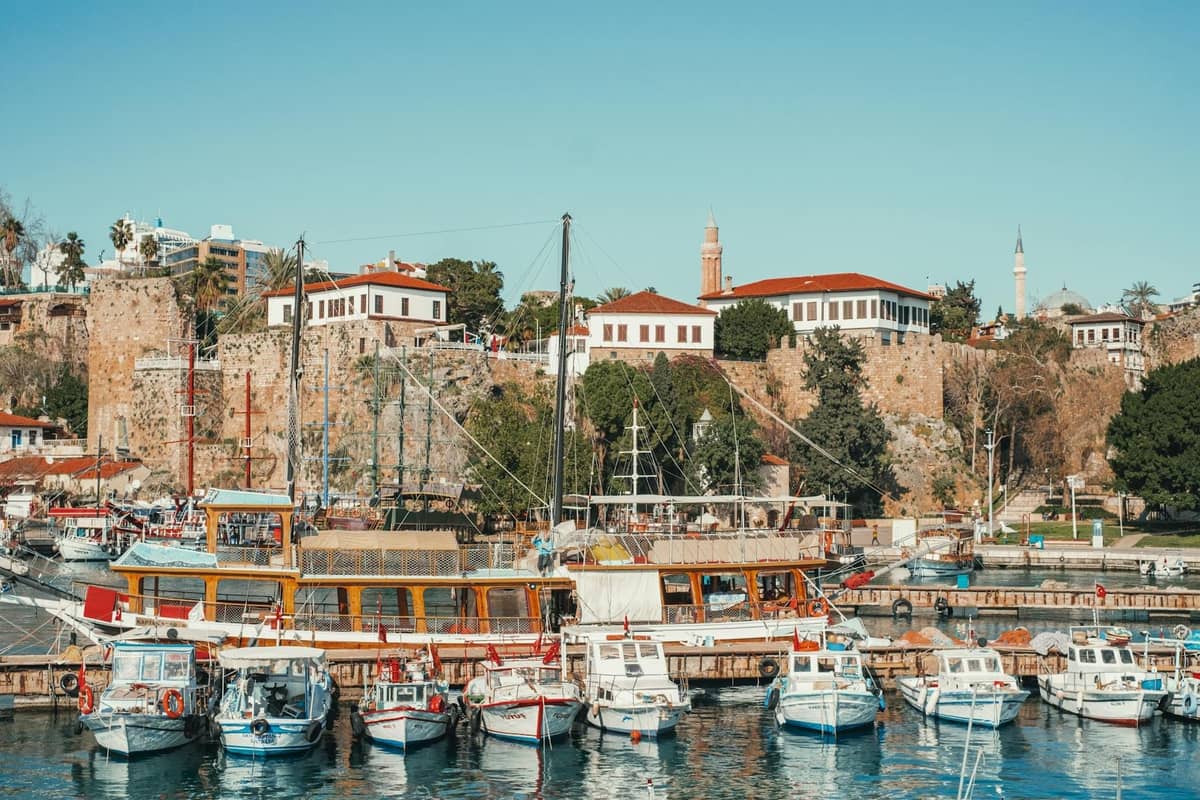
Antalya, capital of Antalya Province on Turkey's Mediterranean coast, welcomes millions of international visitors each year. The city consistently ranks as one of the world's most-visited destinations, and the overwhelming majority of tourists leave without any serious incident. Violent crime against foreigners is genuinely uncommon. That said, treating the city as completely risk-free would be naive.
The risks in Antalya are almost entirely in the category of opportunistic scams and petty theft, not physical danger. They tend to concentrate in predictable spots: the Kaleiçi old quarter, the airport taxi rank, popular beach strips, and bazaar areas. Knowing where and how these scams operate is the most effective protection you can have.
ℹ️ Good to know
The Turkish Tourism Police operate a dedicated helpline (157) and website for reporting scams and getting assistance. The general emergency number in Turkey is 112, which covers police, ambulance, and fire services.
The Most Common Scams in Antalya
These are not theoretical edge cases — they are documented, recurring patterns that target tourists specifically because visitors are less familiar with local prices and norms. Each one has a clear tell and an easy countermeasure.
- Taxi Overcharging The most common complaint from tourists in Antalya. Drivers at the airport or outside major hotels may refuse to use the meter, quote an inflated flat rate, claim the meter is 'broken', or take a deliberately long route. At journey's end, some will insist they have no change for large bills. Always confirm the meter is running before departure, or use the BiTaksi app (bitaksi.com) which shows fares upfront. Carry small bills in Turkish Lira so change is never an issue.
- Shoe Shine Drop A scammer 'accidentally' drops a shoe brush near you, then offers a free polish as a thank-you for picking it up. Once finished, they demand an inflated payment and turn aggressive if you refuse. The fix is simple: don't engage. Walk past, don't pick up the brush, and don't accept services from strangers on the street.
- Kaleiçi Bar and Drink Scams Friendly strangers invite you to a bar in the old town, where menus have no prices or prices that spike dramatically once you're seated. Some establishments also serve counterfeit spirits — a genuine health risk, not just a financial one. Always check for a printed menu with prices before sitting down, and avoid any bar where someone on the street is actively steering you toward it.
- Fake Antiques and Rugs Near archaeological sites and in the bazaar areas, vendors push 'ancient' coins, artifacts, and hand-knotted rugs at prices that seem like deals. The coins and artifacts are almost always reproductions, and the rugs are frequently machine-made. Buying fake antiquities can also technically create legal problems at customs. If you want a rug, visit a reputable shop with a fixed address and take time to compare prices.
- ATM Distraction and 'Helper' Scams One version involves a stranger standing close to 'help' you navigate the ATM in Turkish — while skimming your card or watching your PIN. Another classic is the bird-dropping distraction: someone splashes something on your clothing, a helpful stranger offers to clean it while an accomplice lifts your wallet. Use ATMs inside bank branches during business hours, and keep cards in a front pocket or money belt in crowded areas.
- Photography and Simit Seller Scams Someone poses for a photo, then demands payment. Or a vendor places a simit (sesame bread ring) or other item in your hands and insists you pay for it. A variant involves someone pretending to trip or drop something near you and demanding compensation. Decline unsolicited physical interactions and never accept items pressed into your hands.
⚠️ What to skip
Counterfeit alcohol in unregulated bars is a serious issue across Turkey, including in Antalya's nightlife areas. Symptoms of methanol poisoning include headache, blurred vision, and nausea. Stick to sealed bottles from supermarkets or established venues with a visible licence. If you feel unwell after drinking, seek medical attention immediately and call 112.
Practical Safety Tips That Actually Work
Most safety advice for Antalya is common sense applied to a specific context. The city is not dangerous in the way that requires constant vigilance — but lowering your guard entirely in tourist-heavy zones is where problems start.
- Carry only the cash you need for the day. Keep the bulk of your money and a backup card in your accommodation safe.
- Pay in Turkish Lira wherever possible. Merchants who insist on euros or dollars often apply unfavorable exchange rates on top of inflated prices.
- Ignore all unsolicited approaches in tourist zones — guides, carpet sellers, tour operators, 'friendly locals' near attractions. If you want a tour, book through verified platforms in advance.
- In the bazaar and markets, treat the first price quoted as a starting point for negotiation, not a reasonable rate.
- Keep your phone in a front pocket or bag with a zip, especially in the old bazaar and beach areas.
- Avoid displaying expensive cameras or jewelry in crowded areas. It does not make you a robbery target, but it does make you a more appealing scam target.
- Book airport transfers in advance through your hotel or a verified transfer company. The price difference compared to a random taxi is usually small, but the reliability difference is large.
For solo travelers and couples, traveling Antalya on a budget requires extra attention to price transparency — always ask for a written or printed menu, confirm tour prices before boarding any boat or vehicle, and never hand over your passport as a deposit.
✨ Pro tip
The BiTaksi app works similarly to Uber and shows you the registered driver, license plate, and estimated fare before you confirm. It is by far the safest way to take a taxi in Antalya, especially from the airport and at night. Download it before you arrive.
Where Scams Are Most Concentrated
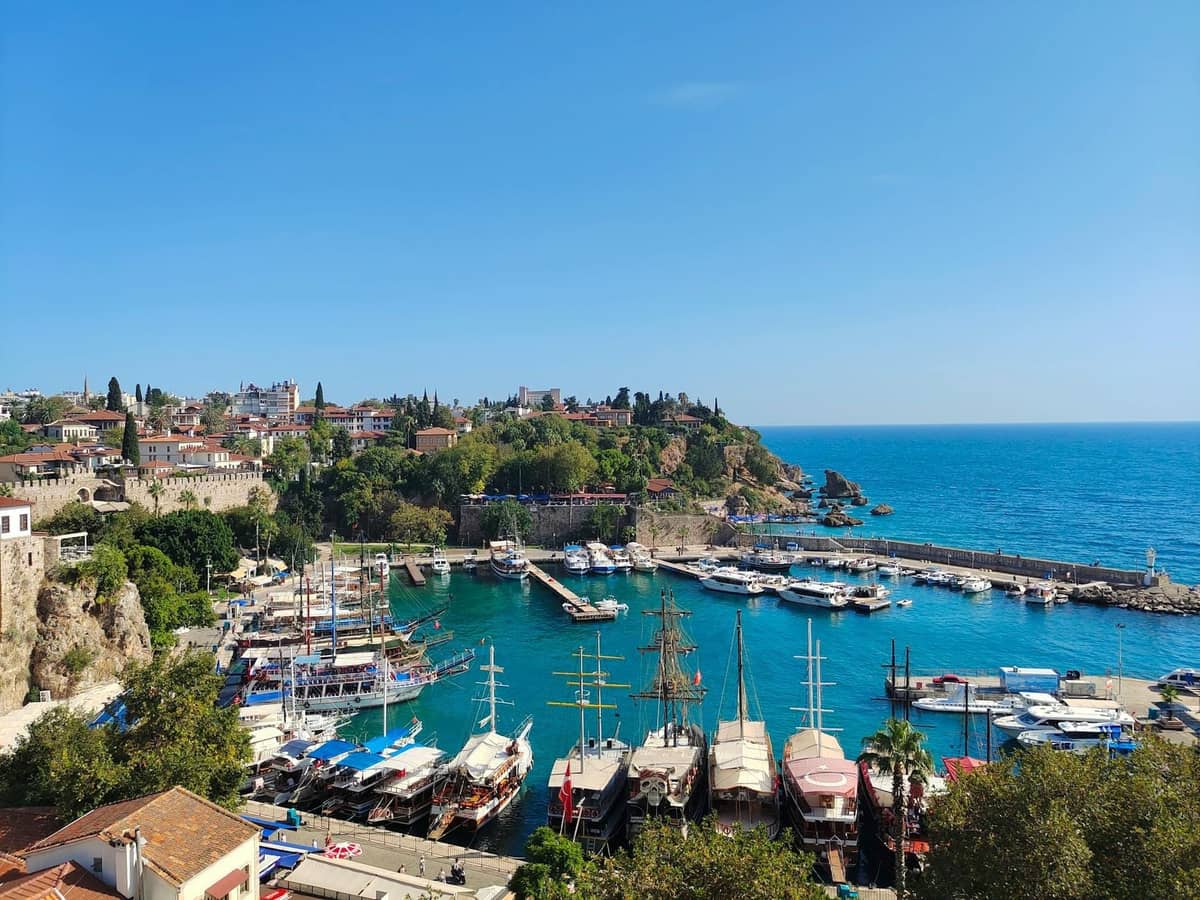
Geography matters. Scam activity is not evenly distributed across Antalya. The Old Bazaar in Kaleiçi and the streets around Hadrian's Gate see the highest concentration of tourist foot traffic and, correspondingly, the most opportunistic approaches. The marina area and the clifftop promenade of Karaalioğlu Park are generally relaxed, but stay alert at bar and restaurant entrances.
Resort strips in Lara and Konyaaltı are calmer because most visitors are on all-inclusive packages and rarely carry much cash. The airport taxi rank is a consistent hotspot, particularly during late-night arrivals when you're tired and less sharp. Day-trip destinations like Perge and Aspendos tend to have informal vendors pushing replica goods — easy to ignore, but worth knowing about.
Seasonal Patterns: When to Be Extra Cautious
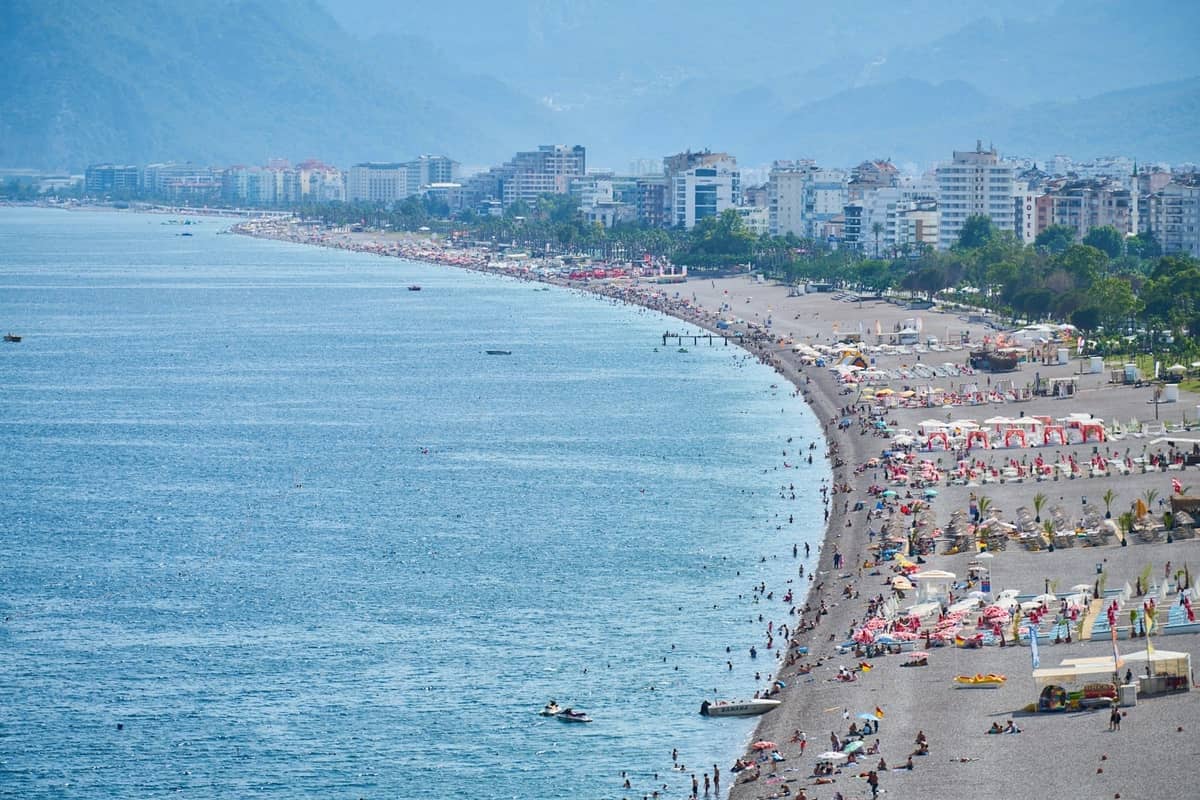
Scam activity in Antalya tracks tourism volume almost exactly. June through August is peak season, with the city receiving the bulk of its annual visitors. Crowded beaches, packed old-town streets, and busy nightlife create ideal conditions for distraction scams and pickpocketing. If you visit in summer, the practical advice is to assume tourist areas are operating at maximum scam intensity and behave accordingly.
April, May, September, and October are the sweet spot for most travelers. The best time to visit Antalya from a safety and comfort perspective is shoulder season, when temperatures are manageable, crowds are smaller, and you're less likely to be surrounded by the conditions that make scammers effective. Winter sees a dramatic drop in tourist numbers, and while the city is quieter and generally scam-free, many tourist-facing businesses operate on reduced hours or close entirely.
💡 Local tip
If you're exploring Kaleiçi at night during peak season, go in a group if possible, decide your bar or restaurant before you go rather than being led there by someone on the street, and keep your group together when leaving. The areas immediately outside the Roman walls have fewer tourist traps than the streets deep inside the old town.
What Antalya Is Not: Correcting Common Misconceptions
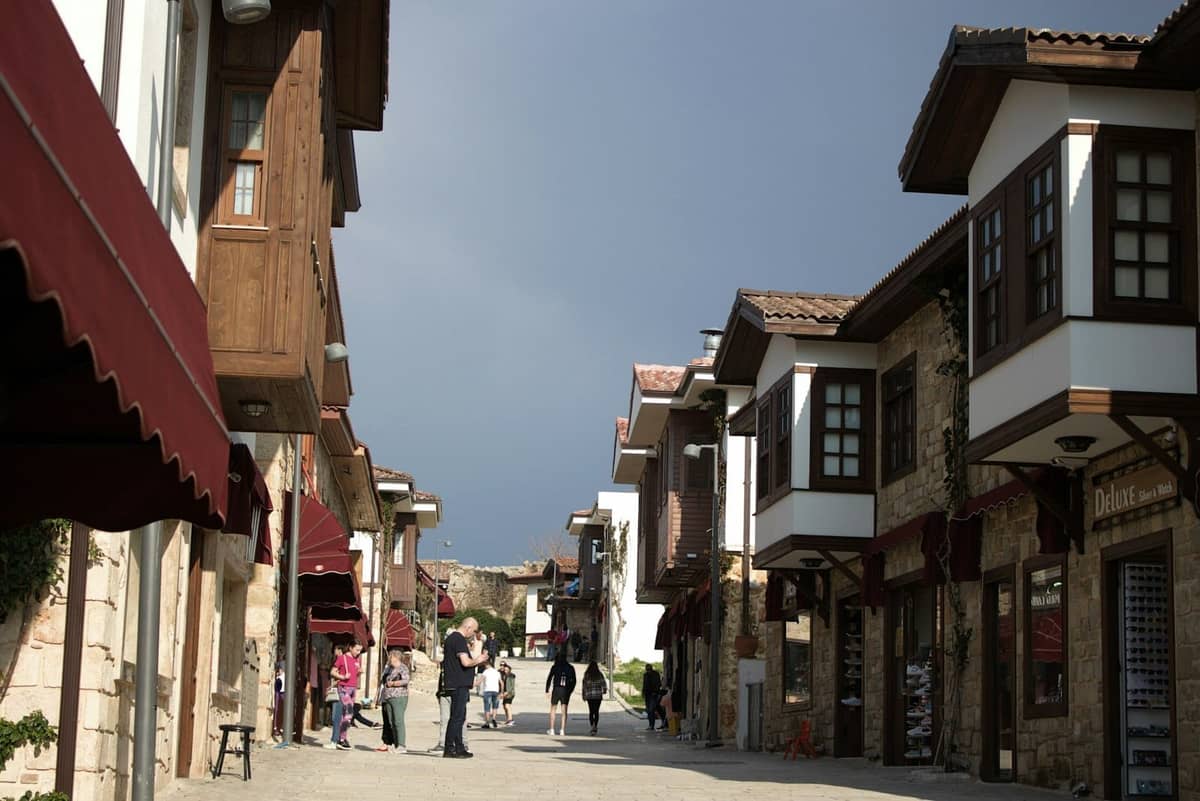
Plenty of online travel forums paint Antalya as a minefield. That is an overreaction. The vast majority of interactions you have with locals will be straightforward and genuinely hospitable. Harassment on the street, while occasionally persistent, rarely escalates. Turkish hospitality culture is real, and most merchants, drivers, and restaurant staff are not trying to scam you.
Antalya is also not a place where you need to worry about your physical safety in any serious way. It is a different kind of city from what some Western travelers imagine. The Antalya city guide covers the broader picture, but the short version is: use basic urban common sense, know the specific scams described above, and you will almost certainly have no problems. The city rewards visitors who arrive informed rather than anxious.
Dress codes are worth a brief mention in the safety context. In resort areas and on beaches, standard holiday clothing is fine. Inside mosques and at religious sites, modest dress is required — covered shoulders and legs for women, removal of shoes. This is a matter of respect rather than safety, but getting it wrong can attract unwanted attention and occasionally aggressive correction from site staff.
FAQ
Is Antalya safe for solo female travelers?
Generally yes. Solo female travelers report that Antalya's resort areas and tourist zones are comfortable to navigate during the day. Evening hours in Kaleiçi require more caution — persistent attention from vendors and touts is common, though rarely threatening. Staying on well-lit streets, avoiding overly quiet areas after dark, and having your accommodation's number saved are sensible precautions. The city is not uniquely difficult for solo female travelers compared to other major Mediterranean tourist destinations.
What is the most common scam tourists face in Antalya?
Taxi overcharging is consistently the top complaint. Drivers at the airport and outside hotels frequently refuse to use meters or claim meters are broken, then quote inflated flat rates. The simplest fix is using the BiTaksi app for a pre-confirmed fare, or insisting on the meter before the car moves. The second most common issue is inflated bar tabs in Kaleiçi, particularly in venues where a stranger invited you in.
Is tap water safe to drink in Antalya?
Tap water in Antalya is technically treated, but local advice and general tourist guidance consistently recommend using bottled water for drinking. The infrastructure is not always reliable enough for the water quality to meet what most visitors expect. Bottled water is cheap and widely available everywhere. Use tap water for brushing teeth without concern.
Can I use euros or dollars in Antalya, or do I need Turkish Lira?
Many tourist-facing businesses in Antalya will accept euros, and occasionally dollars, especially in resort areas. However, the exchange rate applied by the merchant is almost always worse than what you would get from a bank or ATM. Paying in Turkish Lira is significantly better value. Use ATMs inside bank branches to withdraw Lira, and check whether your bank charges foreign transaction fees before you travel.
What should I do if I get scammed in Antalya?
Report it to the Turkish Tourism Police via tourismpolice.gov.tr or call 112 for the general emergency line. If you have been pickpocketed, get a police report (called a 'tutanak') immediately — you will need this for any insurance claim. Contact your bank right away if your card details may have been compromised. Keep records of any inflated charges or fraudulent transactions, as some credit card companies will reverse them with documentation.