Antalya on a Budget: How to Visit Without Overspending
Antalya has a reputation as a luxury resort destination, but the reality is far more accessible. This guide breaks down exactly what budget travel looks like in Antalya, from hostel options and free attractions to transport hacks and the best time of year to keep costs down.
Plan and book this trip
Tools from our partner Travelpayouts help you compare flights and hotels. If you book through them, we may earn a commission at no extra cost to you.
Flights
Hotels map
TL;DR
- Budget travelers can comfortably manage on €35-50 per day, covering a hostel bed, meals, transport, and at least one paid attraction.
- April-May and September-October offer the best value: pleasant weather, 30-40% lower hotel rates, and fewer crowds. See our best time to visit Antalya guide for full seasonal breakdown.
- The AntalyaKart transit card cuts transport costs by over 80% compared to taxis — use it from day one.
- Kaleiçi Old Town, Hadrian's Gate, public beaches, and the Lower Düden Waterfalls are all free to enter.
- The Museum Pass (around €90 for 7 days) pays for itself after visiting 6-7 sites and covers Antalya Museum, Perge, Aspendos, and Side.
What Does Antalya Actually Cost Per Day?
Antalya is one of the more affordable Mediterranean destinations once you step outside the all-inclusive resort bubble. A realistic daily budget for a solo traveler spending consciously looks like this: €15-25 for a hostel dorm or €25-45 for a budget guesthouse room, €12-18 on food if you eat at local restaurants and markets, €3-5 on public transport, and €5-10 on entry fees. That puts the total at roughly €35-50 per day, or €245-350 for a week.
The currency is the Turkish Lira (TRY), and exchange rates have historically been favorable for visitors from Europe, the US, or the UK. Prices quoted in TRY can look misleadingly large, but the equivalent in euros or dollars is typically modest. Pay in local currency wherever possible and avoid airport currency exchanges, which carry poor rates.
- Hostel dorm bed €15-25 per night. Gold Coast and Be Bold hostels are frequently recommended options in Konyaaltı.
- Budget guesthouse room €25-45 per night. Konyaaltı neighborhood offers beach access and easy tram links into the city center.
- Local sit-down meal €4-8 for a full plate at a Turkish lokanta (lunch restaurant). Tourist-facing restaurants in Kaleiçi can charge 2-3x more for similar food.
- Public transport per ride Around 27 TRY (approximately €0.60) with the AntalyaKart card.
- Paid museum entry Antalya Museum costs around €15 individually. The Museum Pass covers it and 40+ other sites.
⚠️ What to skip
Taxis in Antalya can be expensive, especially for tourists unfamiliar with routes. A single taxi ride that costs €10-15 can be replaced by a tram or bus ride costing €0.60. Over a week of sightseeing, that gap adds up to €87-148 in unnecessary spending. Always check if a tram or bus route covers your destination before hailing a cab.
Free and Low-Cost Attractions Worth Your Time
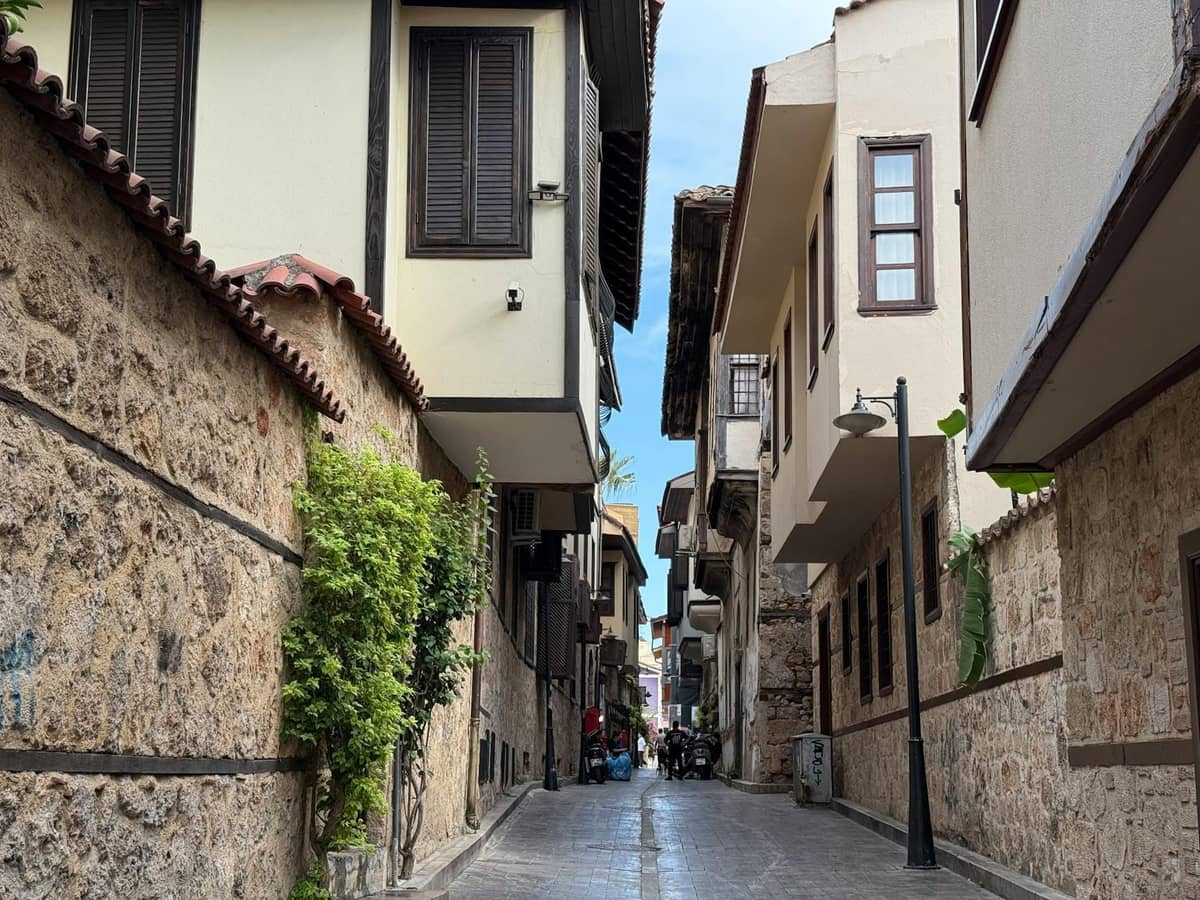
The single best budget decision in Antalya is spending a morning wandering Kaleiçi, the old walled quarter near the harbor. Entry is free, the Roman-era street layout is intact, and the architecture spans Byzantine, Seljuk, and Ottoman periods. It costs nothing to walk through Hadrian's Gate, photograph the Yivli Minaret, or sit in Karaalioglu Park overlooking the cliffs. Budget an easy two to three hours here.
Public beaches are free. Konyaaltı Beach stretches several kilometers and has free access along most of its length — though you'll pay for a sun lounger at private beach clubs. Bring your own towel and you need not spend a cent. Lara Beach is further east and more associated with resort hotels, but sections remain publicly accessible.
The Lower Düden Waterfalls drop directly into the sea from coastal cliffs and are accessible with a short walk from a bus stop. Entry to the park is free or very low cost. The Upper Düden Waterfalls require a slightly longer trip but remain inexpensive. These are genuine highlights, not compromises.
💡 Local tip
Some Turkish state museums have free admission on specific days or for visitors under a certain age. Check current policies at the ticket office before paying. The rules change periodically and are not always well-publicized online.
Getting Around Without Spending Excessively
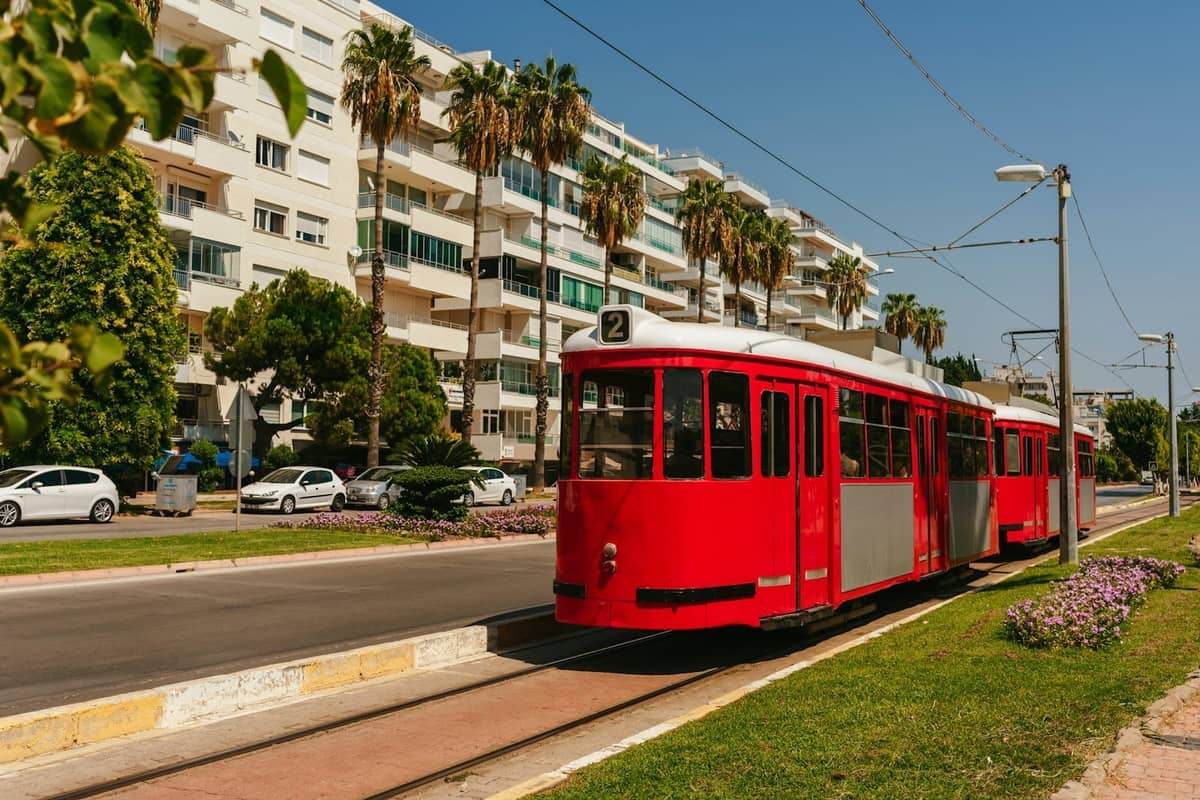
Antalya's public transport network covers the main tourist corridors well enough that you rarely need a taxi for getting between beaches, Kaleiçi, and the city center. The key is loading an AntalyaKart, the city's contactless transit card, as soon as you arrive. rides cost around 55 TRY (approximately €1.50) per journey on trams and buses. the Nostalgic Tram costs around 60 TRY (approximately €1.60) and accepts card payment.
Antalya Airport (AYT) is the arrival point for most international visitors. Public bus options connect the airport to the city center for a fraction of taxi prices. Shared transfers and shuttles offer a middle ground. Taxis are the most convenient but also the most expensive option, particularly if you're arriving late with luggage. Whatever you choose, agree on the fare or ensure the meter is running before departure.
✨ Pro tip
For day trips to ruins like Perge, Aspendos, or Side, consider a shared group tour rather than renting a car or taking a private taxi. Group tours from Antalya to these sites typically run €65-89 including transport, lunch, and entry fees — often cheaper than the combined cost of solo logistics, and you gain a guide who knows the history.
The Museum Pass: Worth It or Not?
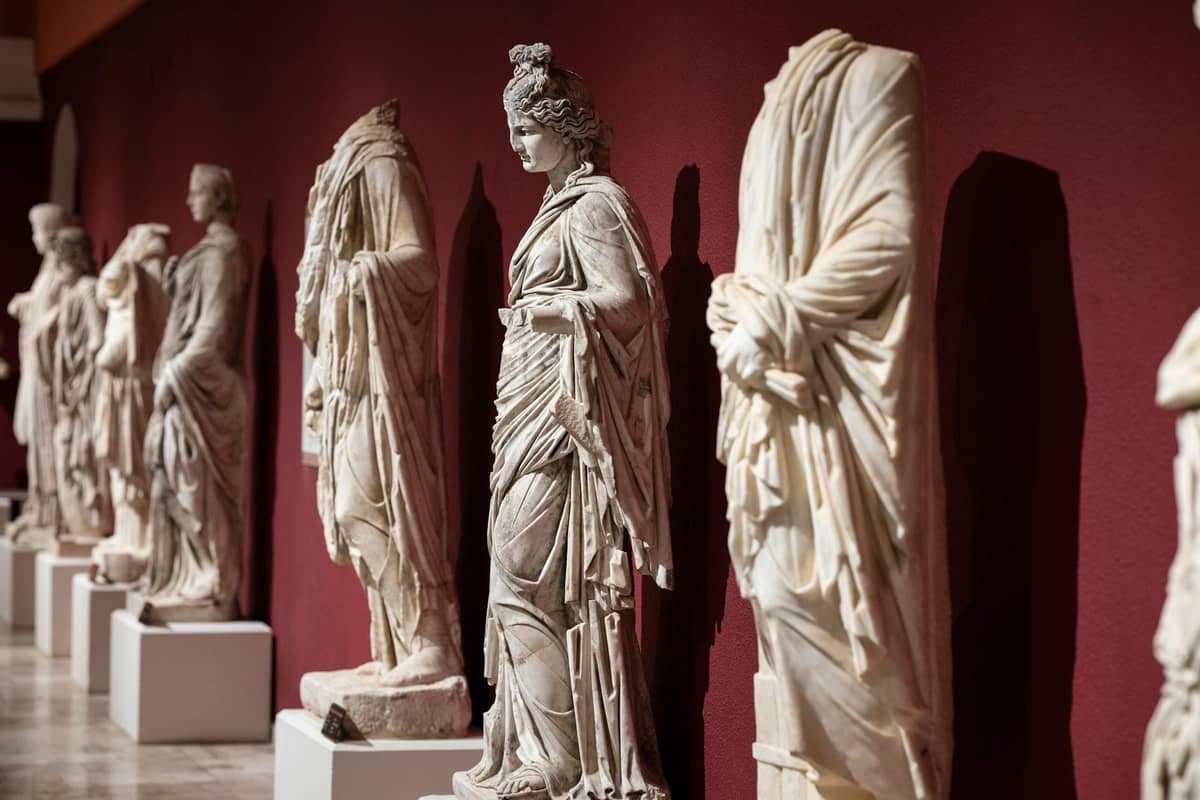
The Museum Pass covers 300+ sites nationwide for around €37 with a 7-day validity. On paper that sounds steep. In practice, if you plan to visit Antalya Museum (around €6), Perge (around €6), Aspendos (around €6), and Side (around €6), you've already spent €60 on just four sites. Add Termessos or Phaselis and the pass pays for itself.
For a 7-day trip that includes serious sightseeing, the pass is usually the right call. For a 3-day visit where you're mainly doing beaches and Kaleiçi, it's harder to justify. Check our guide to ancient ruins near Antalya to map out which sites are worth prioritizing before deciding.
When to Go: Timing Your Trip to Save the Most Money
Antalya's peak tourist season runs from June through August, when temperatures hit 35-40°C and accommodation rates spike. Prices for the same hostel bed or guesthouse room can be 30-40% lower in April, May, September, or October. Temperatures during those shoulder months sit comfortably between 20-28°C, the sea is warm enough for swimming, and the sites are noticeably less crowded.
Winter (November to March) brings the cheapest accommodation rates of all and is genuinely pleasant by northern European standards, but several beach-focused businesses close or reduce hours, and some of the region's outdoor experiences are weather-dependent. If you're primarily interested in ruins and the old town, winter works fine. If you want beach time, it does not.
- April-May: Best overall balance of good weather, low prices, and manageable crowds. Book accommodation a few weeks in advance.
- June-August: Peak season. Prices are highest, attractions are at capacity, and heat is intense. Only consider if flexibility on dates isn't possible.
- September-October: Second best window. The sea is warmest in September. Prices begin to drop from late September onward.
- November-March: Lowest prices but limited beach activities. Better for cultural sightseeing and city exploration than for outdoor adventures.
Budget Eating: Where to Spend and Where to Skip
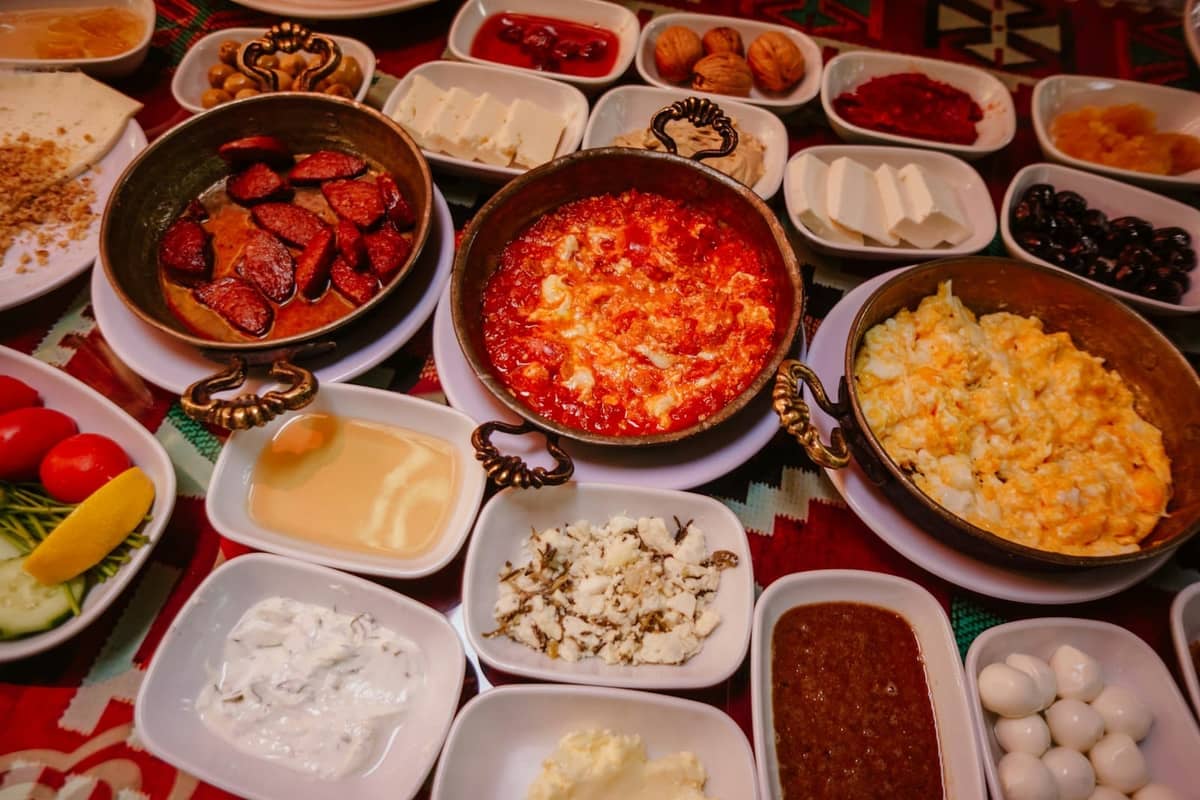
Eating cheaply in Antalya is straightforward if you follow one rule: avoid restaurants with picture menus facing the street in the heart of Kaleiçi. These are priced for tourists who don't know better. A bowl of soup and a bread roll at a tourist-facing cafe can cost what a full three-course lunch costs at a lokanta two streets away.
Lokantas are traditional Turkish lunch restaurants that serve ready-made hot dishes by weight or portion. They are common in the Antalya city center away from the historic quarter and offer filling meals for €4-8. Breakfast is similarly cheap if you shop at a bakery or market rather than ordering hotel breakfast. The Old Bazaar in Kaleiçi is also worth visiting for snacks, dried fruits, nuts, and Turkish sweets at reasonable prices if you're not buying from the first stall you see.
For a deeper look at where to eat well without spending excessively, the where to eat in Antalya guide covers specific neighborhoods and restaurant types in detail. And if you want to know what dishes to actually order, what to eat in Antalya breaks down the local specialties worth trying.
FAQ
Is Antalya cheap for tourists?
Relative to most Western European beach destinations, yes. A budget traveler spending consciously can manage on €35-50 per day. The Turkish Lira exchange rate typically works in favor of visitors paying in euros, dollars, or pounds. Prices in tourist-heavy zones like central Kaleiçi are noticeably higher than in local neighborhoods, so your choices on where to eat and stay matter a lot.
What is the cheapest way to get from Antalya Airport to the city center?
The public bus is the cheapest option, costing a fraction of taxi fares when paid with an AntalyaKart. Shared shuttle transfers are a reasonable middle ground. Taxis are the most expensive option and should be used only when the extra convenience justifies the cost. Verify current bus routes and schedules on arrival, as service frequency can vary.
Are there free things to do in Antalya?
Quite a few. Kaleiçi Old Town, Hadrian's Gate, Karaalioglu Park, the Yivli Minaret exterior, public sections of Konyaaltı and Lara beaches, and the Lower Düden Waterfalls park are all free or nearly free. A full and genuinely interesting day in Antalya can cost well under €5 if you plan around these options.
Is the Museum Pass worth buying in Antalya?
If you plan to visit 6 or more archaeological sites during a 7-day trip, the pass at around €90 pays for itself and saves you queuing for tickets at each location. For shorter trips or beach-focused itineraries where you'll visit only one or two ruins, individual tickets are more economical.
What is the best time of year to visit Antalya on a budget?
April-May and September-October. Accommodation rates are 30-40% lower than peak summer prices, temperatures are comfortable for both sightseeing and swimming, and attractions are less crowded. Avoid July and August if keeping costs down is a priority.