What to Eat in Antalya: A Practical Turkish Food Guide
Antalya has a distinct food culture that goes well beyond kebabs and baklava. This guide covers the city's signature dishes, where locals actually eat, what things cost, and which spots to skip. Whether you have one meal or two weeks, eat like you know what you're doing.
Plan and book this trip
Tools from our partner Travelpayouts help you compare flights and hotels. If you book through them, we may earn a commission at no extra cost to you.
Flights
Hotels map
TL;DR
- Piyaz (bean salad with tahini and egg) is Antalya's most iconic dish — order it at Piyazcı Sami or Piyazcı Ahmet, not at waterfront tourist restaurants.
- The old town Kaleiçi has atmosphere but inflated prices — most serious eating happens in the surrounding city neighborhoods. See our where to eat in Antalya guide for neighborhood breakdowns.
- Breakfast in Antalya is a cultural event. Budget around 150-250 TRY per person for a proper Turkish spread at a non-resort lokanta.
- Vegetarians have more options than you'd expect: hibeş, piyaz, Toros salad, and tahini-pumpkin dessert are all meat-free.
- Fall is the best season for pumpkin desserts; summer brings the freshest herbs and fish. Check the best time to visit Antalya if you're planning around food seasons.
Why Antalya's Food Culture Is Different
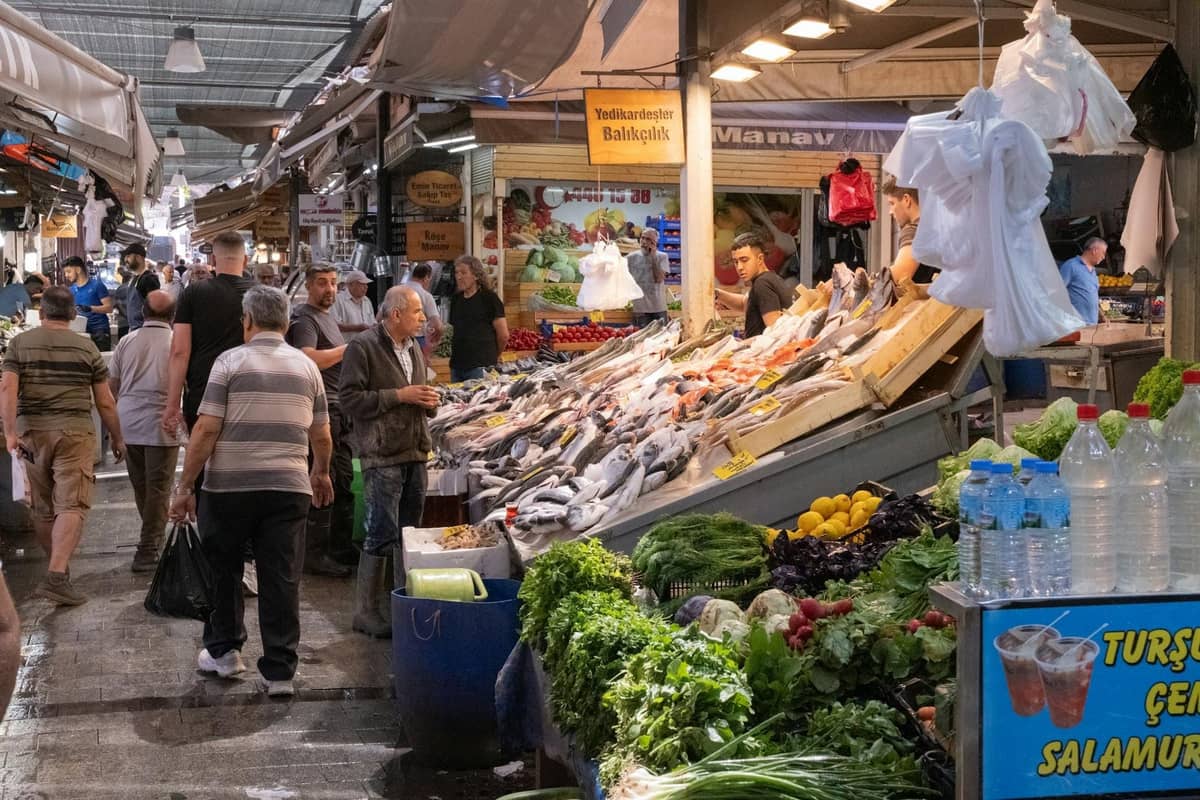
Most visitors arrive expecting generic Turkish food: kebabs, mezze, baklava. Antalya delivers all of that, but it also has a regional food identity shaped by the Taurus Mountains, the Mediterranean coast, and the nomadic Yörük heritage. The dishes here use ingredients and techniques you won't find in Istanbul or Ankara, and some of them, like piyaz and hibeş, are specific enough that locals use them as a point of civic pride.
The city's food culture also reflects its geography. Antalya Province spans from the sea to high mountain plateaus, which means the cuisine draws on both coastal abundance, fresh fish, citrus, herbs, and inland Anatolian staples like dried legumes, lamb, and flatbreads cooked in outdoor ovens. Eating well here means understanding that context, not just ordering off a picture menu.
⚠️ What to skip
The restaurants lining the old harbor in Kaleiçi cater almost exclusively to tourists. Prices are 2-3x higher than comparable local spots, and the food quality rarely justifies it. The view is nice; the piyaz is not. Walk five minutes inland and you'll eat better for half the price.
The Dishes You Need to Try
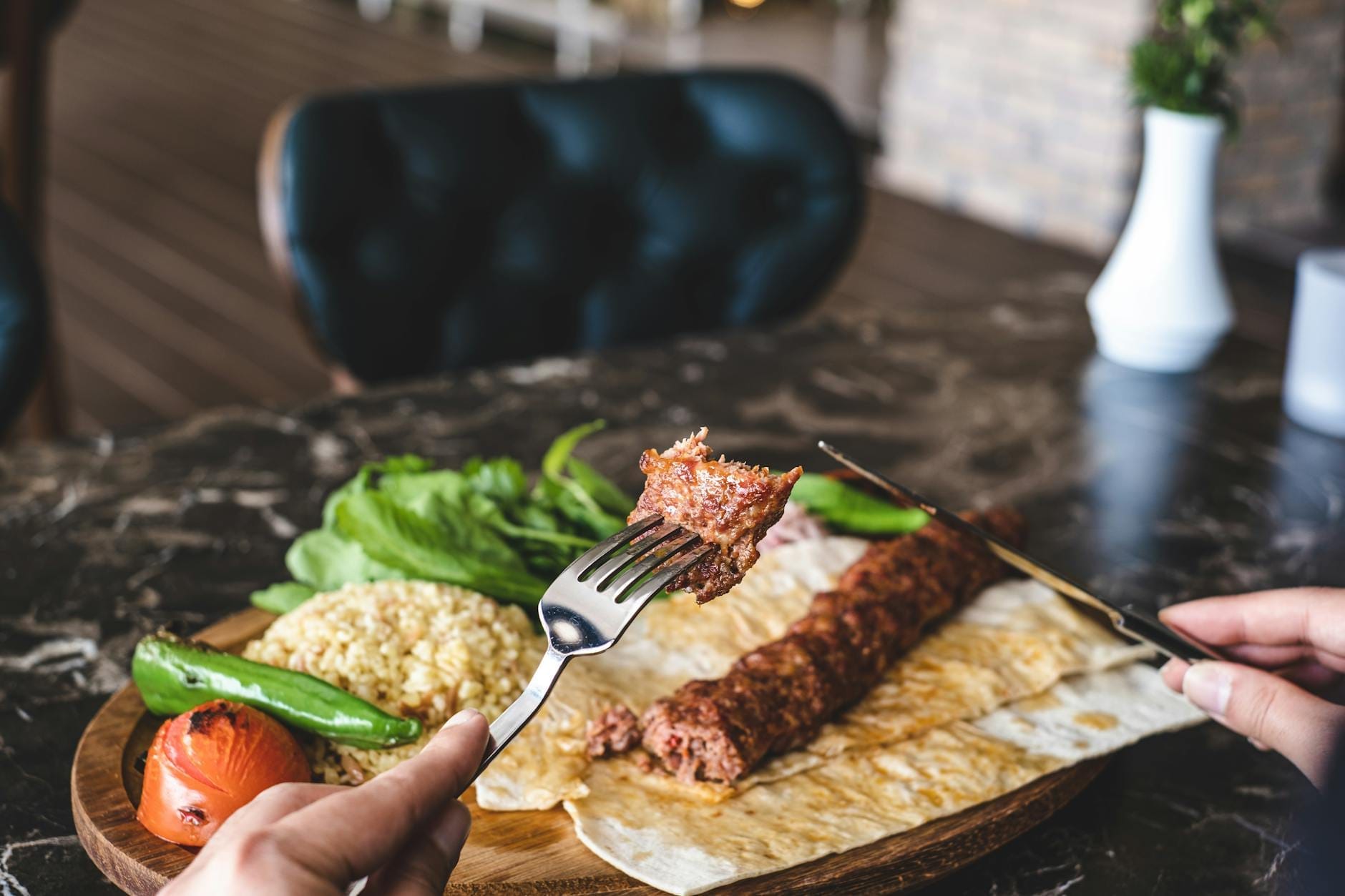
Piyaz is the dish that defines Antalya's table. It's a bean salad, but calling it that undersells it: white beans dressed with tahini, onions, hard-boiled eggs, parsley, and a sharp vinegar-olive oil dressing. The tahini version is specific to Antalya — elsewhere in Turkey piyaz is made without it. It's almost always served alongside şiş köfte, grilled skewers of ground lamb or beef seasoned with spices, and the combination is one of the best value meals in the city. Expect to pay around 150-250 TRY for the full plate.
Hibeş is less well-known outside the region but equally worth seeking out. It's a thick sesame paste dip made with tahini, garlic, cumin, and lemon, closer in texture to a dense hummus than a sauce. It's served with bread and functions as both a starter and a vegetarian main. The garlic content is not subtle.
- Piyaz White bean salad with tahini, egg, onion, and vinegar dressing. Antalya's signature dish. Always order it with köfte.
- Hibeş Sesame-garlic-cumin dip served with flatbread. Strongly flavored, meat-free, and hard to find outside the region.
- Kulaklı Çorbası A traditional soup with minced meat and folded dough pieces in a spiced broth. 7 Mehmet restaurant is the most recognized spot for this dish.
- Tahini-Cevizli Kabak Tatlısı Baked pumpkin dessert topped with tahini and crushed walnuts. Best in fall when local pumpkins are harvested.
- Toros Salad Roasted eggplant and peppers with fresh herbs and olive oil. Named after the Taurus Mountains. Often more interesting than a standard çoban salatası.
- Leğen Kömbesi Yörük flatbread baked in a traditional round pan. Dense, slightly chewy, best eaten warm with cheese or olives.
- Phrygian Stuffed Peppers Peppers filled with a rice and herb mixture. Regional variation on a national dish, lighter and more herb-forward than the Istanbul version.
ℹ️ Good to know
Şiş köfte in Antalya is usually lamb-dominant, not pure beef. If you have dietary restrictions, ask before ordering. Most staff at local lokantas speak enough English to clarify.
Breakfast, Street Food, and Quick Eats
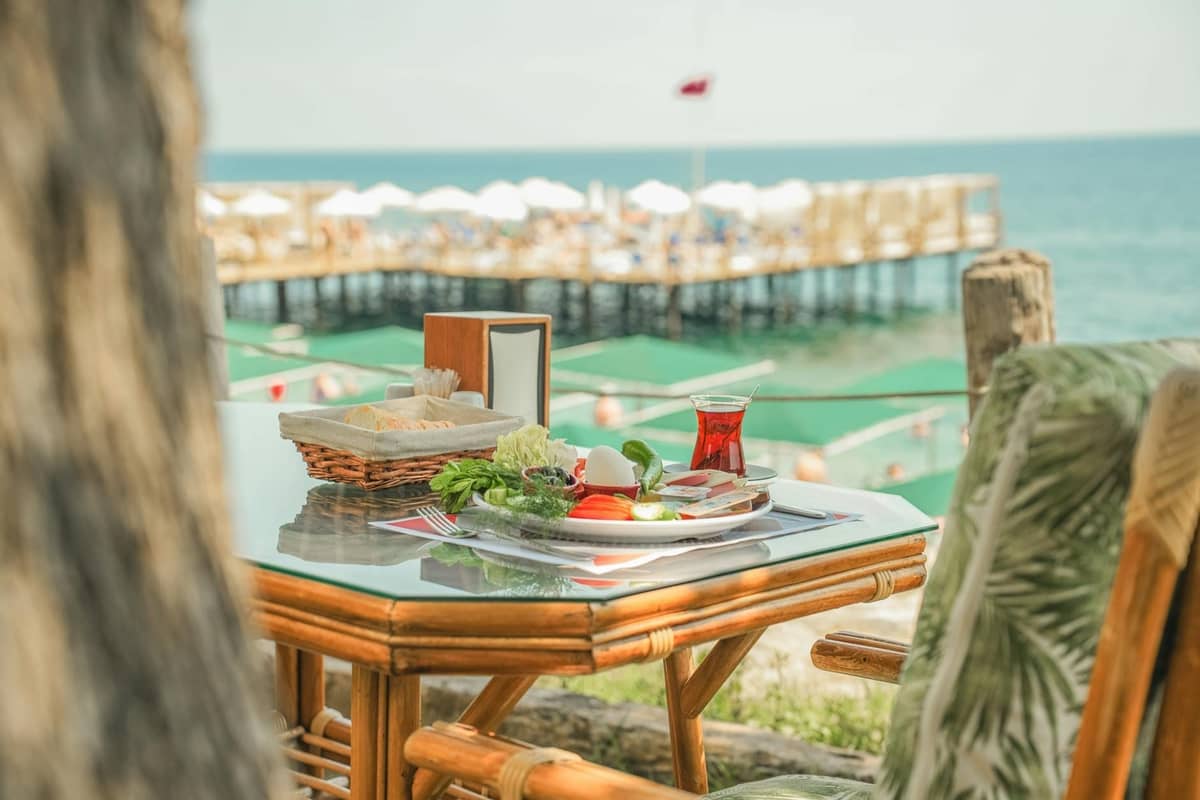
Turkish breakfast is a serious meal, and Antalya is no exception. A full kahvaltı spread includes olives, white cheese, tomatoes, cucumbers, eggs (fried or boiled), honey, clotted cream, and several types of bread or börek. At a proper lokanta, this costs 150-250 TRY per person. At resort hotels, it's often padded with low-quality items and costs significantly more. If you can, eat breakfast outside the hotel at least once.
For faster mornings, simit is the city's default street food: a sesame-crusted bread ring sold from carts and bakeries throughout the day. Cankaya Simitcisi and Tarihi Ankara Simit Fırını are two well-regarded spots where two simits cost around 20-30 TRY. Pair with a glass of çay (black tea) for a breakfast that costs less than a dollar. For börek, the layered pastry filled with cheese, spinach, or meat, look for small storefronts near the Kaleiçi neighborhood. Börekçi Tevfik is known locally for its serpme (scattered-style) börek.
Fish sandwiches (balık ekmek) are a fast and cheap option near the harbor. Citir Balik is a commonly cited spot for fried fish sandwiches. The fish is usually fresh, the bread is crusty, and it's eaten standing up. This is not a sit-down experience.
Where Locals Eat: Specific Restaurant Recommendations
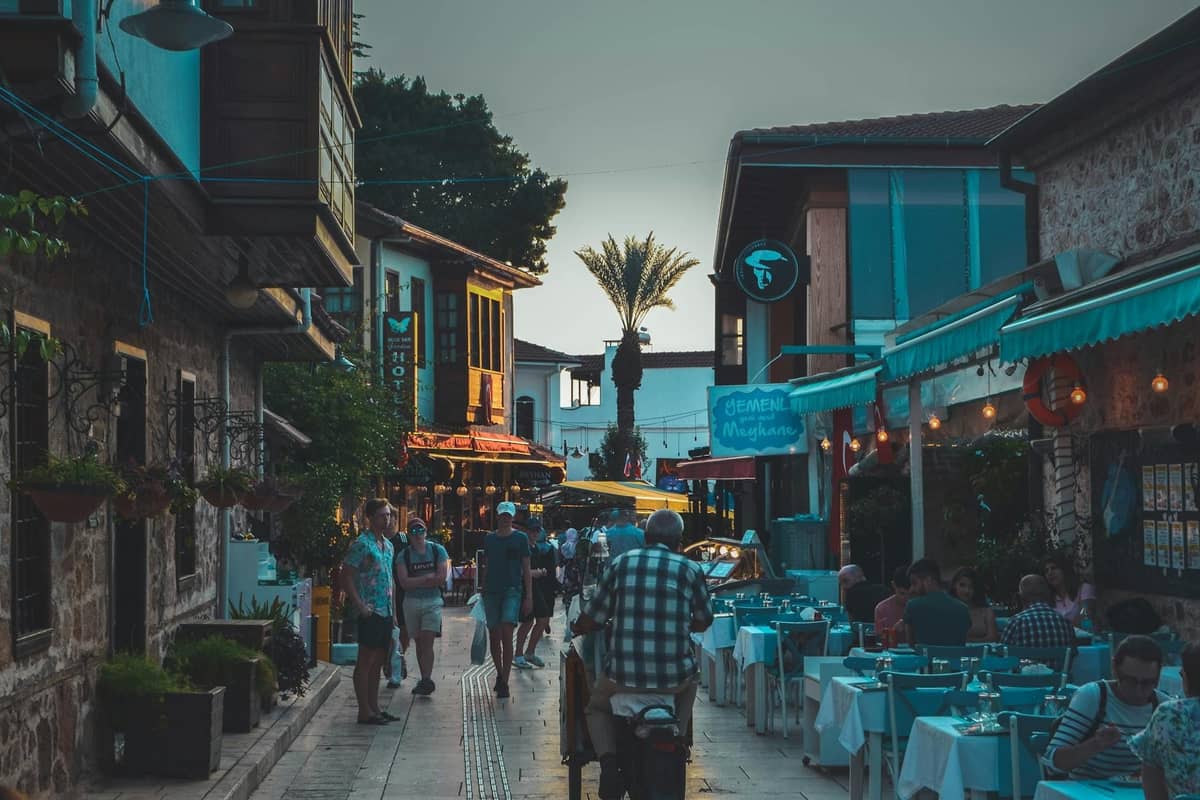
The following recommendations are based on local reputation and are the kinds of places where you'll see Antalya residents eating, not just tourists checking off a list. Note that prices and hours change, particularly after currency fluctuations, so treat price ranges as approximate.
- Piyazcı Sami / Piyazcı Ahmet The most dedicated piyaz specialists in the city. Basic dining rooms, no atmosphere to speak of, outstanding bean salad. Order piyaz and köfte, nothing else.
- Sirali Kebap Popular for köfte and piyaz together. Slightly higher prices than average but considered worth it by regulars. Expect queues at lunch.
- 7 Mehmet An institution for traditional Antalya cooking. Best known for kulaklı çorbası (traditional soup) and regional dishes. More polished than a standard lokanta, with prices to match.
- Can Can Pide Yemek Salonu Reliable, inexpensive pide (Turkish flatbread pizza) and kebap. The kind of place where local families eat on weeknights.
- Şişçi Ramadan / Şişçi İbo Focused on şiş kebap done correctly. Small, fast, no frills. The grilled meat here is consistently good.
- Topçu Kebap A long-established kebap house respected for consistency. Good option if you want a full meal without hunting for a specialist.
- Arap Nazmi Known for meatballs and kadayıf (shredded wheat pastry in syrup). A good spot to combine a main meal with a traditional dessert without switching restaurants.
✨ Pro tip
Lokanta-style restaurants (no-frills lunch spots with pre-cooked dishes displayed at the counter) offer the best value in Antalya. Point at what you want, pay at the end. A full lunch with soup, main, and bread rarely exceeds 150-200 TRY at a lokanta. These places often close by 3pm, so don't plan dinner there.
Eating for Specific Needs: Vegetarians, Budget Travelers, and Families
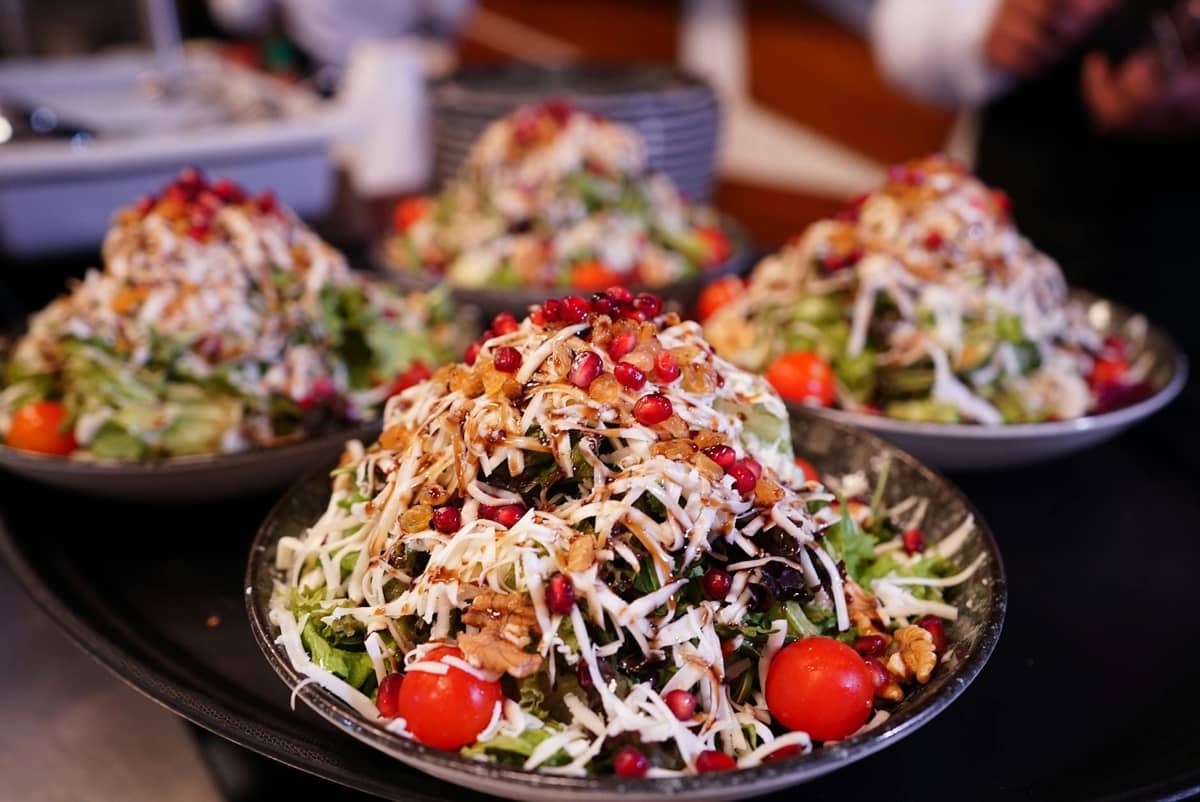
Vegetarians often hear that Turkey is a difficult destination, and it's true that much of the menu assumes meat. But Antalya has a stronger vegetarian spread than most Turkish cities, largely because of its regional specialties. Hibeş, piyaz (ask for it without egg if needed), Toros salad, and leğen kömbesi are all naturally meat-free. Desserts like tahini-pumpkin and kadayıf are also vegetarian. The issue is less availability and more translation: menus in local restaurants rarely flag dishes clearly, so asking directly is necessary.
Budget travelers eat very well in Antalya. A simit for breakfast costs almost nothing; a lokanta lunch runs 150-200 TRY; a piyaz-and-köfte dinner at a specialist runs 200-300 TRY per person. Street food and markets keep costs low. For a full breakdown of stretching your money, the Antalya on a budget guide covers accommodation and activities alongside food costs.
Families with children will find that Turkish food culture is naturally child-friendly. Pide is universally loved, köfte is accessible, and most lokantas welcome kids without any fuss. Portions are generous. The one thing to note is that spice levels vary: some köfte preparations and soups use red pepper paste that can surprise younger palates. When in doubt, ask for 'acısız' (without spice).
Drinks, Desserts, and the Sweet Side of Antalya
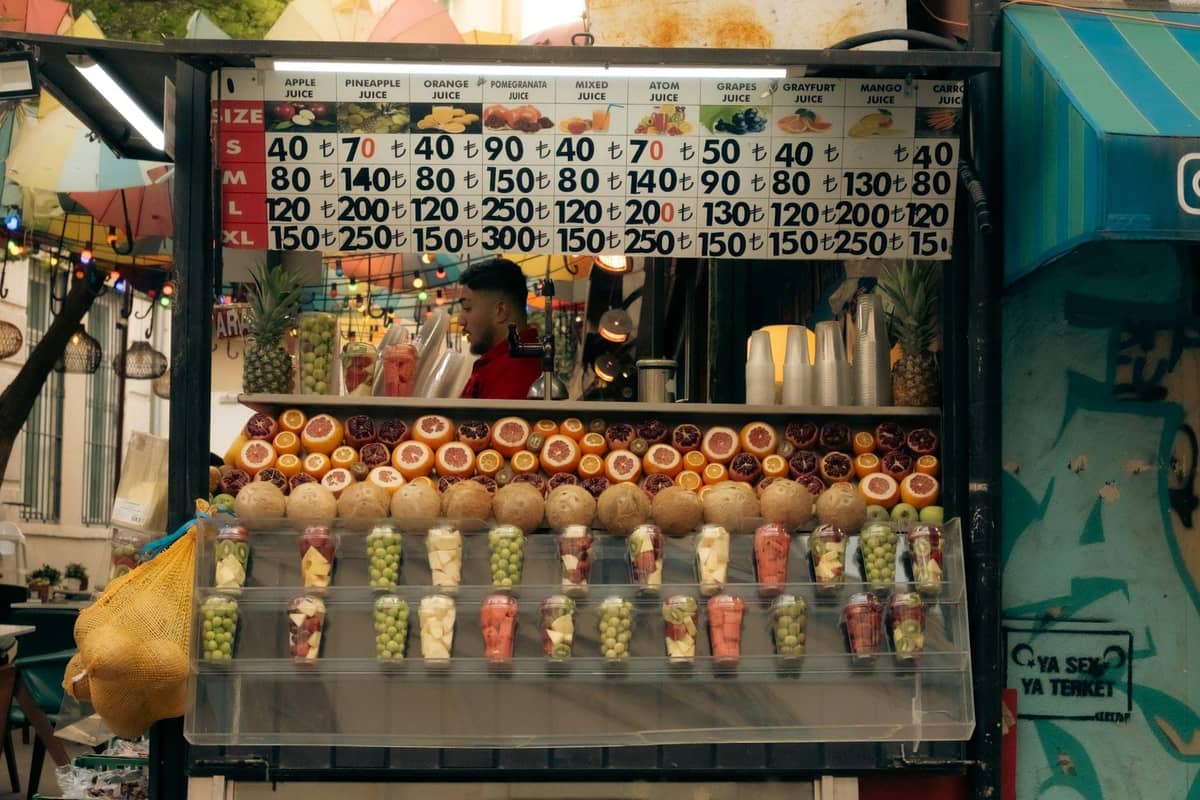
Çay (black tea served in small tulip-shaped glasses) is the default drink throughout the day and it's usually free or near-free in traditional settings. Coffee culture exists but is more cafe-oriented. Freshly squeezed orange juice is widely available in Antalya thanks to the citrus groves in the surrounding province, and it's significantly better than anything bottled.
For dessert, Antalya's best options are regional: tahini-cevizli kabak tatlısı in fall, kadayıf year-round, and sutlaç (rice pudding) at simple dessert shops. Baklava exists here but it's not the city's specialty — if that's your priority, a shop sourcing from Gaziantep will serve you better. For a broader sense of how food fits into the city's culture, the things to do in Antalya guide includes food markets and culinary experiences alongside attractions.
Ayran (cold yogurt drink, slightly salty) is the traditional pairing with kebab and köfte. It works better with rich, spiced meat than most people expect before trying it. If you're visiting in summer, it's also genuinely refreshing in the heat. Şalgam suyu (fermented turnip juice, very sour and purple) is an acquired taste but worth trying once.
Practical Tips: Ordering, Tipping, and Avoiding Bad Meals
Tipping around 5-10% is the norm at sit-down restaurants in tourist areas. At lokantas and street food spots, it's not expected but is appreciated. Cash is preferred at smaller establishments; card payments are accepted at larger restaurants. For context on getting around to different eating neighborhoods, the getting around Antalya guide covers transport between the old town, Konyaaltı, and Lara areas.
Drinking tap water is not recommended in Antalya. Bottled water is cheap and available everywhere; budget 5-10 TRY per bottle. Most restaurants bring bottled water automatically, which gets added to your bill, so decline if you have your own. Alcohol is available at licensed restaurants and off-licenses but is taxed heavily in Turkey, making it comparatively expensive. A beer at a restaurant in a tourist area can cost as much as a full meal at a lokanta.
💡 Local tip
If a restaurant near a major attraction has a laminated photo menu in four languages and a staff member standing outside trying to bring you in, keep walking. These spots exist to extract tourist money, not to feed you well. The best local restaurants in Antalya have menus written in Turkish only, or a small handwritten sign outside.
Food and sightseeing overlap well in Antalya. The area around the Old Bazaar in Kaleiçi has spice sellers, dried fruit vendors, and small eateries where you can graze while exploring. The bazaar itself is worth a visit for picking up local tahini, dried herbs, and regional nuts to take home.
FAQ
What is the most famous food in Antalya?
Piyaz is Antalya's most distinctive dish. It's a white bean salad made with tahini, onion, hard-boiled egg, and vinegar dressing. The tahini version is unique to the region. It's almost always served alongside şiş köfte (grilled ground meat skewers) and the combination is considered the city's signature meal.
Is Antalya good for vegetarians?
Better than most Turkish cities. Hibeş (sesame-garlic dip), piyaz (ask without egg), Toros salad, leğen kömbesi (flatbread), and pumpkin dessert with tahini are all meat-free regional options. The challenge is that local menus don't always label dishes clearly, so you'll need to ask directly. Avoid the all-inclusive resort buffets if you want actual variety.
How much does food cost in Antalya?
Street food like simit costs 15-30 TRY. A lokanta lunch with soup and main is 150-200 TRY. A sit-down dinner at a specialist kebab or piyaz restaurant runs 200-350 TRY per person. Tourist restaurants near the harbor can charge 2-3x those prices for comparable or lower quality. Prices are in Turkish Lira and fluctuate with exchange rates, so treat these as approximate guides.
Where should I eat in Antalya besides the tourist area?
The restaurants around the central market area and away from the harbor offer the best local eating. Piyazcı Sami, Şişçi Ramadan, Can Can Pide Yemek Salonu, and Topçu Kebap are all well-regarded by locals. 7 Mehmet is a step up in both price and polish if you want a more formal dinner of traditional Antalya dishes.
When is the best time to eat certain Antalya dishes?
Tahini-cevizli kabak tatlısı (pumpkin dessert) is best in autumn when local pumpkins are in season, roughly October to November. Fresh fish is available year-round but the quality and variety peaks in spring and autumn. Summer brings the best fresh herbs, tomatoes, and citrus. Most savory dishes are available year-round with little seasonal variation.