Shopping in Antalya: Markets, Bazaars & What to Buy
Antalya rewards shoppers who know where to look. This guide covers the best markets and bazaars, the most worthwhile things to buy, honest price expectations, and the practical details that help you shop smarter across one of Turkey's most visited coastal cities.
Plan and book this trip
Tools from our partner Travelpayouts help you compare flights and hotels. If you book through them, we may earn a commission at no extra cost to you.
Flights
Hotels map
TL;DR
- The Old Bazaar near Kaleiçi is Antalya's most historic market, over 500 years old, best visited on weekday mornings before the tour groups arrive.
- Spices, Turkish delight, ceramics, and hand-painted nazar amulets offer genuine value in covered bazaars; prices range from around $2 for spice bags to $20+ for quality ceramics.
- Weekly markets in Manavgat (Mondays and Thursdays) and seasonal produce stalls give a more authentic, local shopping experience than Kaleiçi's tourist-facing boutiques.
- Bargaining is expected in bazaars and is not considered rude. Starting at 50-60% of the asking price is a reasonable opener.
- Avoid changing money at kiosks inside the bazaar; exchange rates near Kalekapısı vary significantly, so compare at least two rates before committing.
The Old Bazaar (Kaleiçi): What to Expect
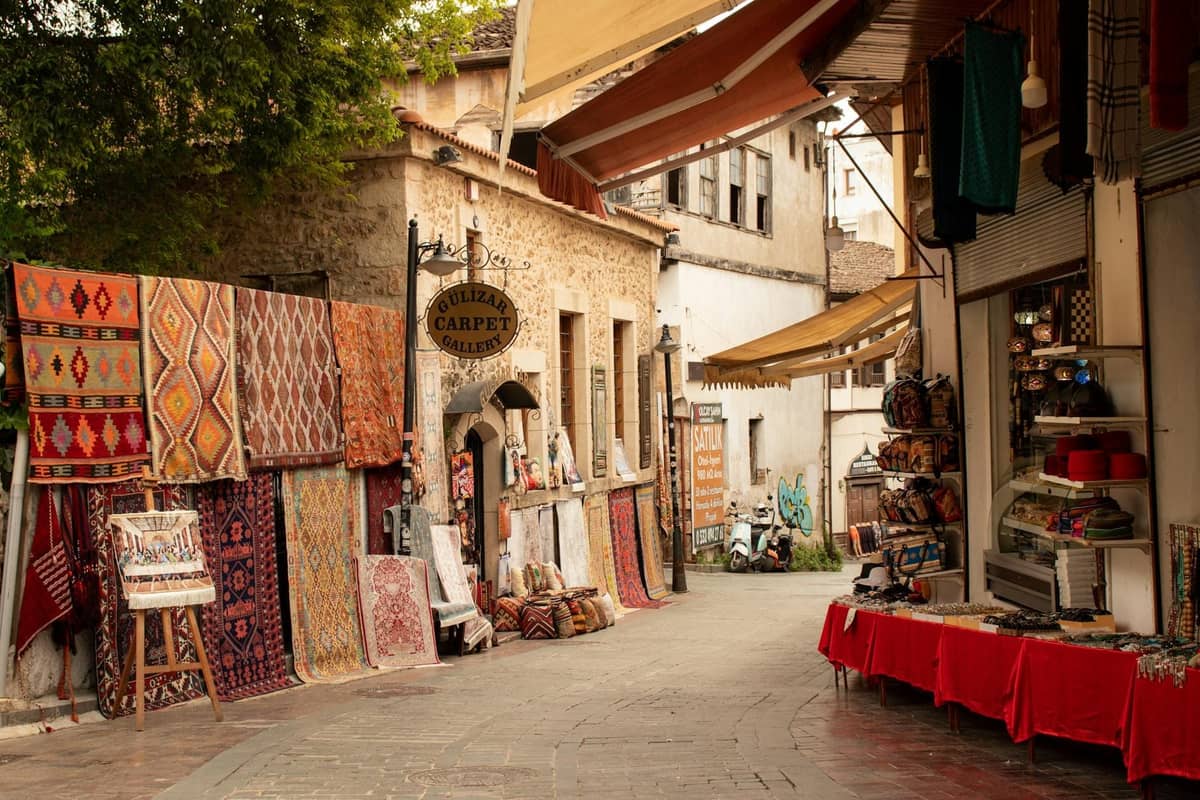
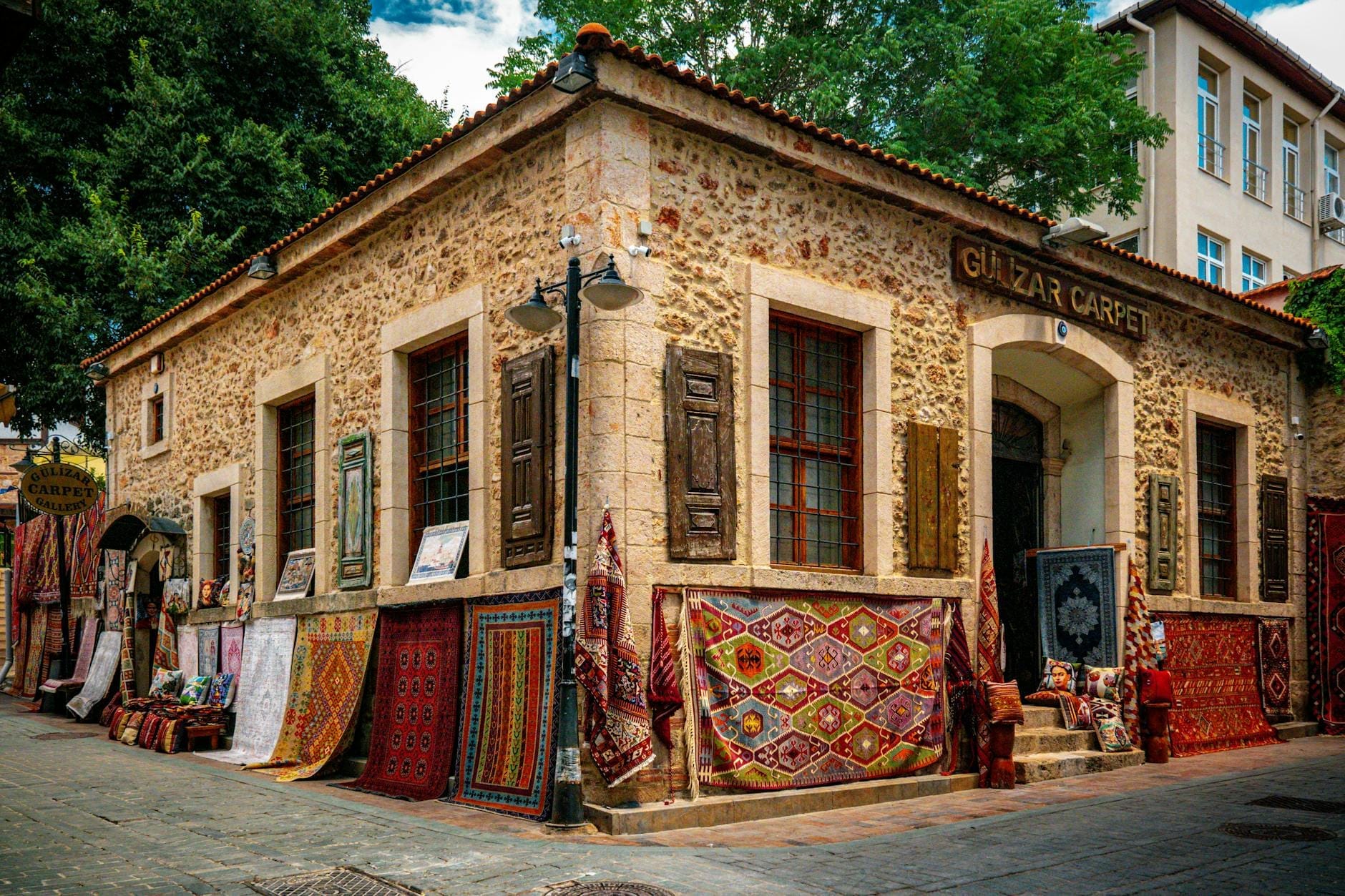
The Old Bazaar, known locally as the Kapalı Çarşı or sometimes referred to as Dönerciler Çarşısı, sits in the heart of Kaleiçi, Antalya's Roman-walled old quarter. The market has operated in this area for over 500 years and concentrates around Kalekapısı Square and Kazım Özalp Caddesi. It is compact by Turkish standards, nothing like Istanbul's Grand Bazaar in scale or chaos, which is actually an advantage. You can walk it end to end in under 30 minutes without stopping.
The product mix skews toward what tourists want: spices, Turkish delight, leather bags, silver jewelry, ceramics, hand-knotted carpets, and nazar (evil eye) amulets in every conceivable size. Quality varies significantly stall to stall. The vendors selling to resort bus groups tend to inflate prices sharply. The smaller shops tucked into the side alleys, away from the main pedestrian artery, often stock better quality goods at more honest prices.
💡 Local tip
Arrive before 10 AM on weekdays. Crowd levels are noticeably lower, vendors are more willing to negotiate, and the produce stalls are freshest. By midday in summer, the bazaar fills with cruise and resort day-trippers, and prices drift upward accordingly.
The pedestrian lanes of Kaleiçi itself extend the shopping experience into a wider area of boutiques selling accessories, handmade textiles, antiques, and locally-themed art. These shops are atmospheric and worth browsing, but prices run higher than the bazaar stalls. If you're after genuine antiques rather than reproductions, the Old Bazaar in Kaleiçi has a handful of serious dealers, but you'll need to know what you're looking at. Reproduction Ottoman-era pieces are far more common than authentic antiques.
Weekly Markets: Where Locals Actually Shop
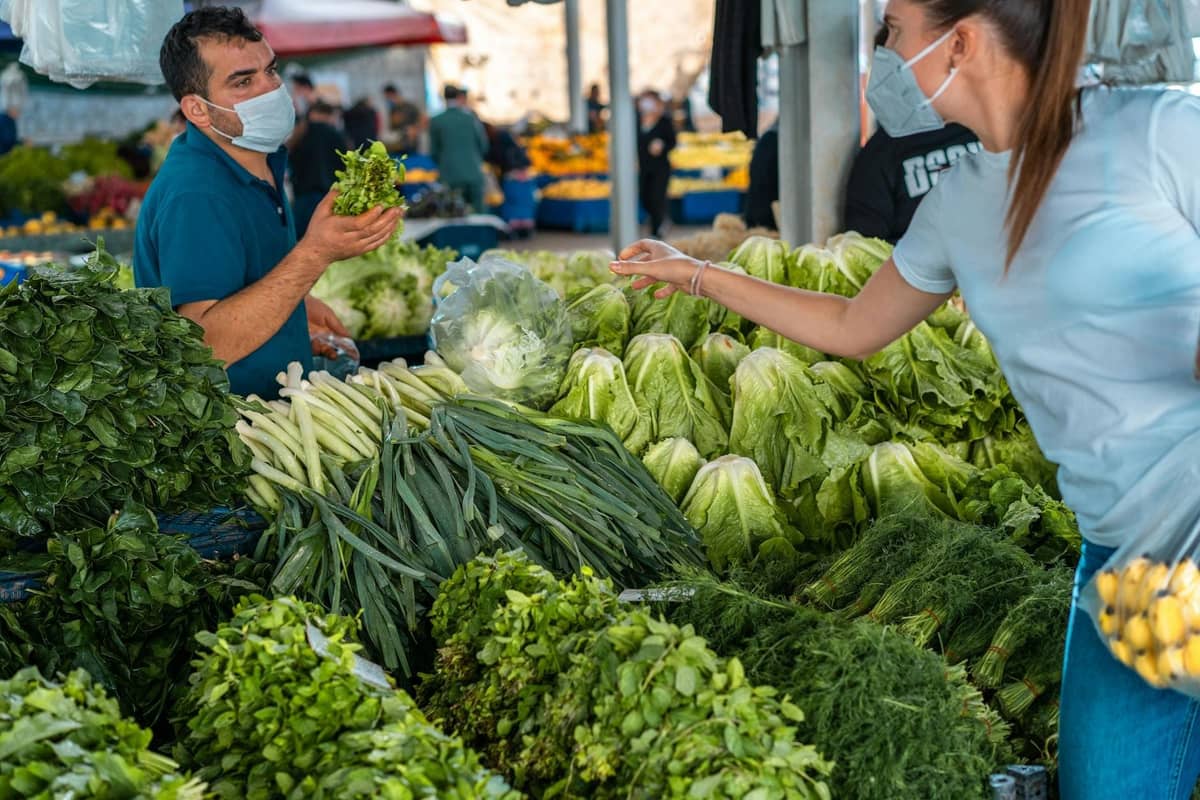
The weekly bazaar circuit around Antalya Province is where you find produce, spices, and textiles at genuinely local prices. These are not curated tourist markets; they are working neighborhood markets that happen to welcome visitors.
- Manavgat Monday Market (Aşağı Pazarcı Neighbourhood) One of the larger weekly markets in the province. Strong on fresh produce, citrus, dried fruits, olives, and cheap textiles. Roughly 60-70 km east of Antalya city center, so it pairs well with a day trip to the Manavgat area.
- Manavgat Thursday Market (Aşağı Hisar) Smaller than Monday's market but more concentrated on handicrafts, spices, and household goods. Good for comparing spice prices against city bazaar stalls.
- Toros Women's Market (Cumhuriyet Square, Manavgat) Runs Thursdays from around 11 AM to 6 PM. Focused on handmade jewelry, embroidered textiles, and local food products made by women's cooperatives. Prices are fair and the quality is consistently higher than souvenir-shop equivalents.
- Neighborhood Markets in Antalya City Various districts host rotating weekly pazars (open-air markets). The Konyaaltı and Lara districts both have weekly markets that serve local residents, selling seasonal produce, cheese, olives, and dry goods at prices well below tourist-area shops.
ℹ️ Good to know
Weekly pazar schedules can shift around public holidays and Ramadan. If you're planning a specific trip around a market day, confirm locally or at your accommodation the day before.
What to Buy: A Practical Breakdown
Not everything sold in Antalya's markets is worth carrying home. Here's an honest assessment of what represents genuine value, what's overpriced, and what to skip entirely.
- Spices: Strong buy Sumac, pul biber (Turkish chili flakes), dried mint, cumin, and saffron are all significantly cheaper than European or North American supermarkets. Expect to pay around $2-5 per bag for common spices, $6-10 for quality saffron. Avoid pre-packaged 'tourist gift sets' as the markup is steep and freshness questionable.
- Turkish Delight (Lokum): Worth it with caveats Quality lokum uses real fruit, nuts, and rose water. The soft, fresh variety sold in bulk from trays beats the boxed versions aimed at tourists. A 250g portion of good lokum costs around $3-6 in a reputable confectionery shop. The pre-wrapped boxes near bazaar entrances are usually inferior product at premium prices.
- Ceramics and Tile Work: Variable quality Hand-painted ceramics from the Iznik and Kütahya traditions are genuinely beautiful. The problem is distinguishing hand-painted from transfer-printed. Flip the piece and look for slight irregularities in the pattern. A quality hand-painted bowl runs $15-40; a transfer-printed copy might be $5-10.
- Leather Goods: Proceed carefully Turkey produces good leather, but tourist-area shops sell a wide range from genuine quality down to pressed leather that won't last a season. Stick to established leather shops rather than bazaar stalls for bags and jackets.
- Carpets and Kilims: Not an impulse purchase A genuine hand-knotted carpet is a significant investment and requires research. Reputable dealers will show you the knotting, explain the wool or silk content, and provide a certificate of authenticity. Anyone rushing you into a decision is a red flag. If you're serious about carpets, read up before you arrive.
- Nazar Amulets and Small Souvenirs: Good value Glass evil-eye beads, small ceramic tiles, and similar small souvenirs are affordable and pack well. Prices start at around $1-2 for a simple nazar bead. Buying a small quantity to bundle for gifts makes practical sense.
- Fresh Produce and Olive Oil: Excellent value Antalya Province produces citrus, pomegranates, strawberries, and olives. At weekly markets, fresh produce is cheap and exceptional quality, especially November through March for citrus. Cold-pressed olive oil sold in bulk at markets is far better value than branded imports at home.
⚠️ What to skip
Fake designer goods are common in bazaar areas. Purchasing counterfeit branded items (bags, watches, sunglasses) is technically illegal in Turkey and can result in confiscation at customs on your return home. The 'Gucci' bag for $30 is not a deal.
Bargaining: How It Actually Works in Antalya
Bargaining is standard practice in bazaars and expected by vendors. It is not rude, and refusing to negotiate is sometimes interpreted as disinterest. That said, Antalya's markets are more tourist-oriented than a traditional Turkish bazaar, which means some vendors quote prices that are already close to realistic, while others start at two or three times the actual selling price.
A practical approach: show genuine interest, ask for the price, express mild surprise, and suggest 50-60% of the asking price. From there, expect to settle somewhere in the 65-80% range. If the vendor immediately drops to your first counter-offer, you probably started too high. For small items under $5, extended negotiation is more effort than it's worth; for carpets or leather jackets, the spread can be $50-100 so it pays to be patient.
A few practical notes on payment: many stalls accept euros and US dollars alongside Turkish Lira (TRY), but the exchange rate they use will not be in your favor. Paying in lira after withdrawing from an ATM almost always works out better. For context on managing costs in Antalya, a wider breakdown of daily budgets and where to save money is worth reading before you arrive.
Shopping by Season: Timing Matters
Antalya's shopping scene shifts considerably across the calendar. Peak summer (July and August) brings the largest crowds to bazaars, the highest prices in tourist-facing shops, and the least willingness to negotiate among vendors who have all the business they need. If shopping is a priority, spring (April to June) and autumn (September to November) offer a better experience on almost every metric.
Seasonality also affects what's available in markets. Citrus season runs from roughly November through March, when Antalya's famous oranges and lemons flood the weekly bazaars at very low prices. Summer brings tomatoes, peppers, figs, and stone fruits. The best time to visit Antalya depends heavily on your priorities; for shopping, shoulder season wins. Winter is quieter still, and while some stalls reduce hours, the vendors who remain open are far more motivated to make a sale.
One underrated timing note: the Golden Orange Film Festival in October draws a culturally engaged crowd and some vendors around Kaleiçi sell festival-related artwork and limited prints. These make for more interesting souvenirs than generic tourist trinkets, and the supply is genuinely limited by the event calendar.
Navigating Between Shopping Areas
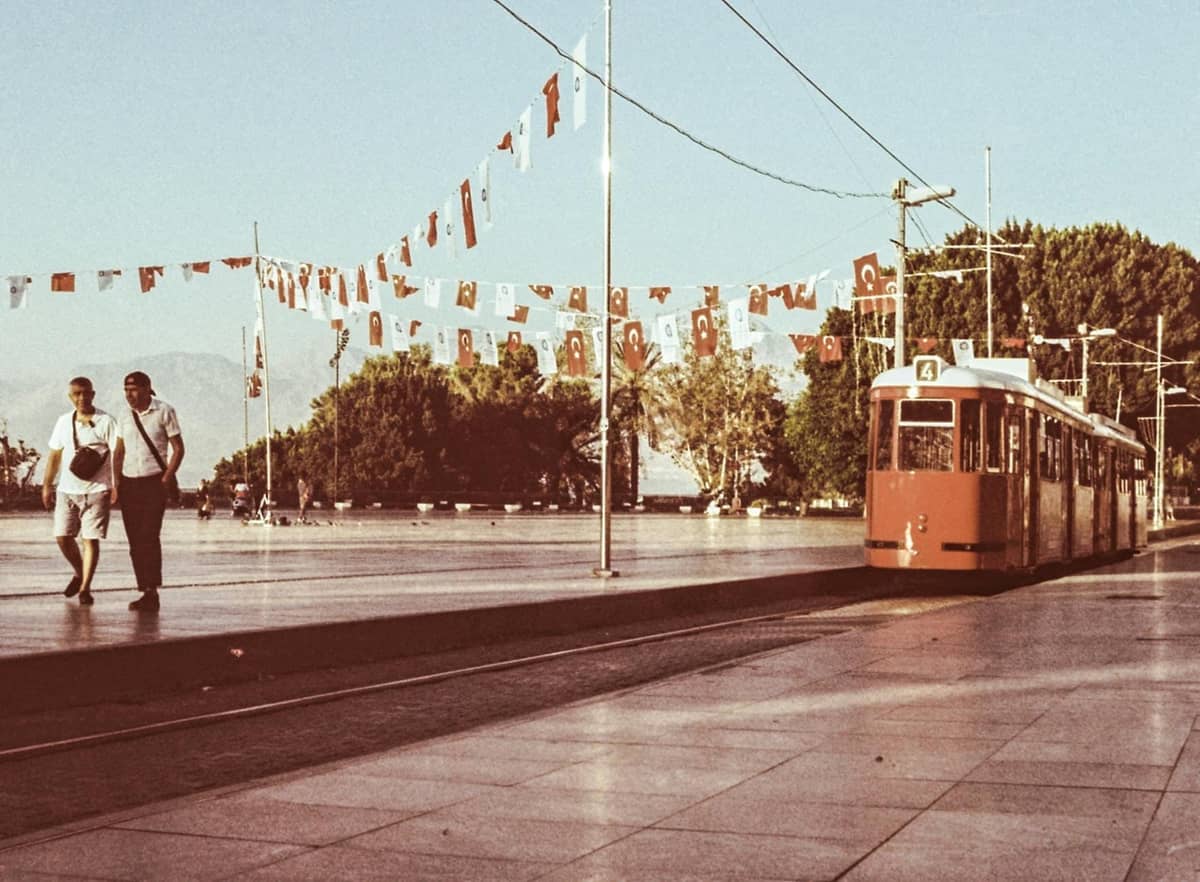
Antalya's main shopping areas are spread across the city. The Old Bazaar and Kaleiçi boutiques are concentrated in the old town, walkable from the Hadrian's Gate area. The Nostalgic Tram line connects Republic (Cumhuriyet) Square to Kaleiçi and continues toward Konyaaltı, making it a useful connection if you want to combine a morning at the bazaar with an afternoon at the beach.
For the Manavgat weekly markets, you'll need to travel roughly 60-70 km east. This is a reasonable day trip by bus or organized transfer, and it pairs naturally with a stop at the Düden Waterfalls or the ancient site at Side. Going specifically for the market alone is only worth it if you're a serious produce or textile buyer; otherwise, combine it with sightseeing.
✨ Pro tip
Currency exchange kiosks cluster around Kalekapısı Square at the bazaar entrance. Rates vary by 5-10% between kiosks sometimes. Take 60 seconds to check two or three before exchanging any significant amount. Better still, withdraw Turkish Lira from an ATM before entering the bazaar area, where competition keeps rates more honest.
FAQ
Is bargaining expected in Antalya's markets and bazaars?
Yes, in the Old Bazaar and weekly street markets, bargaining is standard practice. Fixed prices are more common in established retail shops and boutiques. Starting at 50-60% of the asking price and settling around 70-75% is a typical range. Don't feel pressured to buy if you can't reach a price you're happy with.
What's the best market to visit in Antalya for authentic local products?
The weekly neighborhood pazars in Manavgat (Mondays and Thursdays) and the Toros Women's Market (Thursdays, Cumhuriyet Square, Manavgat) offer the most authentic experience with produce, handmade goods, and spices at local prices. The Old Bazaar in Kaleiçi is more convenient but more tourist-oriented.
What are the best souvenirs to buy in Antalya?
The best value souvenirs are spices (sumac, pul biber, dried herbs), quality lokum (Turkish delight) bought in bulk from dedicated confectionery shops, hand-painted ceramics (check for authenticity), and glass nazar amulets. Fresh or dried citrus products travel well and represent a regional specialty.
Are there shopping malls in Antalya?
Yes, Antalya has several large malls including TerraCity and MarkAntalya, which carry Turkish and international retail brands. These are practical for everyday items, electronics, or if you prefer fixed prices, but they are not the reason most visitors shop in Antalya.
Is it safe to buy carpets or antiques in Antalya's bazaars?
Genuine antiques require expertise to authenticate, and reproduction pieces vastly outnumber originals in tourist markets. For carpets, reputable specialist shops that provide written certificates are safer than bazaar stalls. Export of genuine antiquities from Turkey is legally restricted regardless, so any seller offering 'ancient' artifacts for export should be treated with significant skepticism.