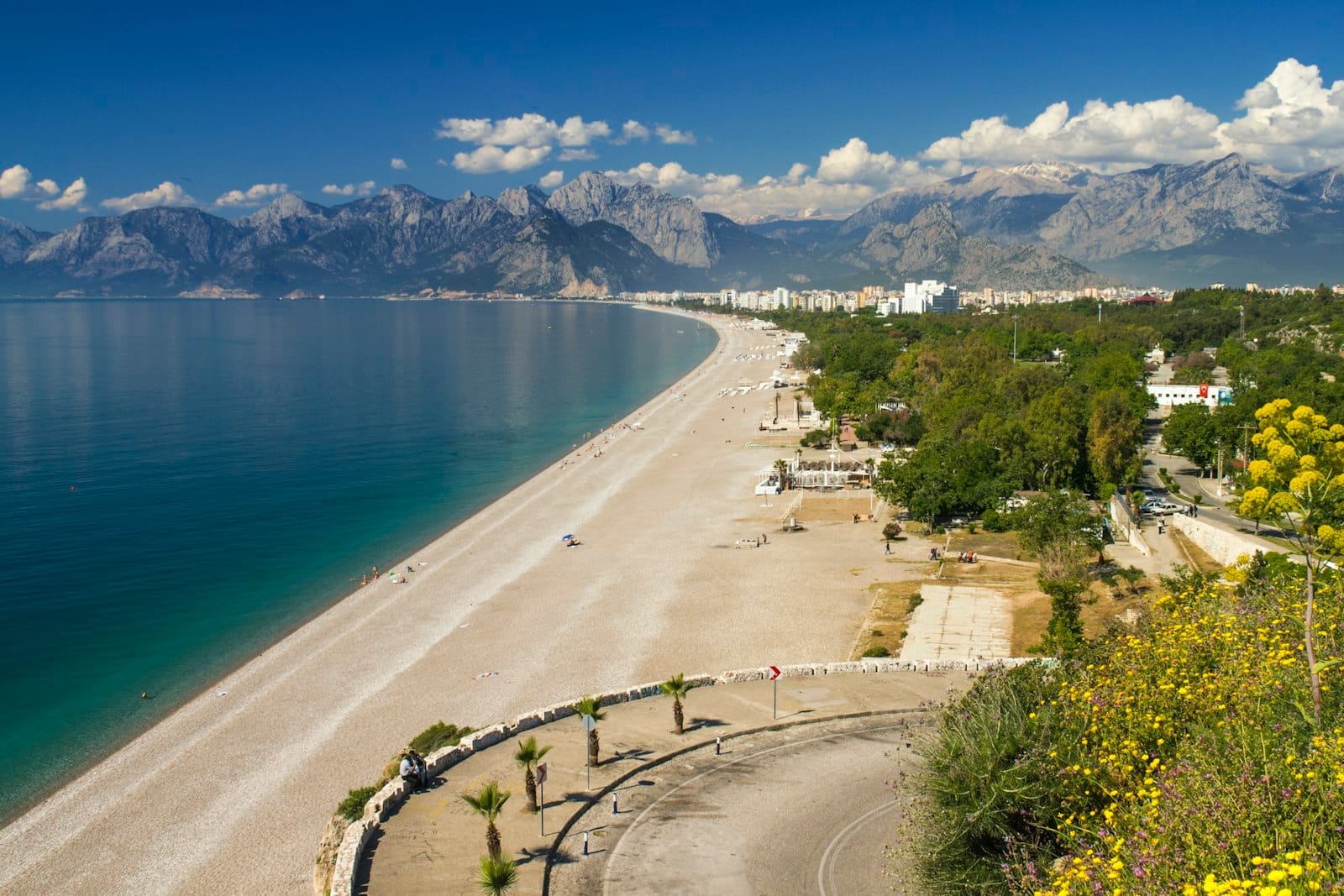
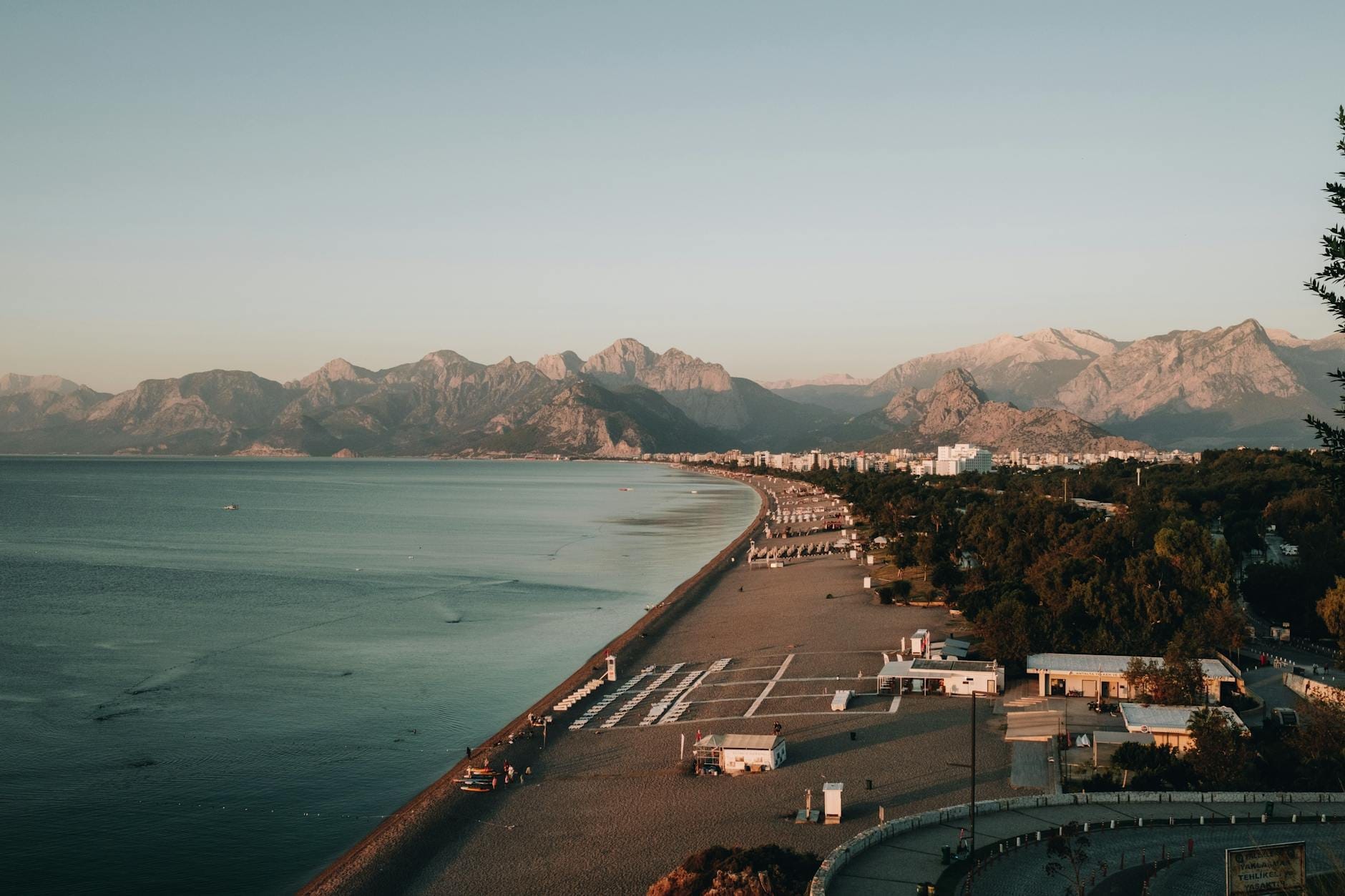
Konyaaltı stretches west of Antalya's city center along a dramatic stretch of Blue Flag beach backed by the Beydağları mountains. It combines seaside resort life with genuine residential neighborhoods, making it one of the most livable and visitor-friendly parts of the city.
Konyaaltı is Antalya's western coastal district: a long arc of shingle-and-sand beach framed by mountain peaks, with a promenade that draws both Turkish families and international visitors without feeling like it exists only for tourists. It offers a slower, more grounded version of the Antalya beach experience than the resort strips to the east.
Orientation
Konyaaltı sits directly west of Antalya's city center, beginning where the coastal cliffs that frame Kaleiçi give way to a wide bay. The district is large — covering around 42 square kilometers when you include its northern hinterland — but for visitors, the relevant geography is a coastal strip running roughly 13 kilometers from the city's western edge toward the Kemer road and the Beydağları foothills.
To the east, Konyaaltı borders Muratpaşa, the central urban district that contains Kaleiçi (the old town) and the main commercial spine of Antalya. To the north, the land rises toward Döşemealtı and eventually into the mountains, where the ancient ruins of Termessos sit above the treeline. The Antalya-Kemer highway forms a rough western boundary, and the Mediterranean defines the entire southern edge.
Konyaaltı became a separate district of Antalya Metropolitan Municipality in 1993, before which it was administratively part of greater Antalya. That relatively recent designation reflects how fast the area has grown: what was once scrubland and small settlements on the city's western fringe is now a dense residential and resort zone. The Boğaçayı river, which cuts through the district before emptying into the sea, provides a useful internal landmark. If you are staying near the beach promenade, you are in the heart of Konyaaltı. If you want a broader sense of where this fits in the city, the Antalya city center overview puts it in context.
Character & Atmosphere
Konyaaltı has a dual personality that you notice within the first hour of walking around. Along the beachfront promenade, things are self-consciously resort-oriented: beach clubs, sunbed rentals, ice cream kiosks, and the kind of low-level commerce that follows any popular stretch of coastline. Move two or three blocks inland and the character shifts noticeably into an ordinary Turkish residential neighborhood — apartment blocks, corner bakeries, local tea gardens, and streets where the main language is definitely Turkish rather than English or Russian.
Mornings on the promenade are genuinely pleasant. Before 9am, joggers and cyclists have the dedicated paths largely to themselves, the sea reflects a pale Mediterranean light, and the mountains behind the city are sharp against the sky. Tea sellers set up early, and the beach itself is quiet enough that you can hear waves against the shingle. By mid-morning the sunbeds start filling, and by early afternoon in summer the promenade can feel crowded — though it is long enough that you can always walk further west to find space.
Evenings bring a different crowd. Turkish families arrive in force after 6pm, particularly on weekends, treating the promenade as a place to walk, eat corn on the cob from beach vendors, and let children run around near the water. The area around Aktur Park and the sections closer to the aquarium tend to have the most foot traffic. Further west toward Sarısu, the atmosphere is noticeably quieter and the beach more accessible. This is not a neighborhood with a serious nightlife scene — for that, visitors need to head back east toward the city center or Kaleiçi.
💡 Local tip
The western end of Konyaaltı beach near Sarısu Recreation Area tends to be less crowded than the sections nearest the aquarium and city center. If you are visiting in July or August, arriving before 9am secures a better spot on the shingle.
What to See & Do
The obvious draw is Konyaaltı Beach itself: a long Blue Flag shoreline often described as roughly 13 kilometers when the wider waterfront is included with a dedicated pedestrian and cycling promenade running its full length. The beach is mostly coarse shingle and small stones rather than fine sand, which surprises some visitors arriving from Lara or Side. Bring water shoes or sandals for comfortable entry into the water. The sea here is clear and drops off fairly quickly, making it better for swimmers than families with very young children who need shallow gradual entry.
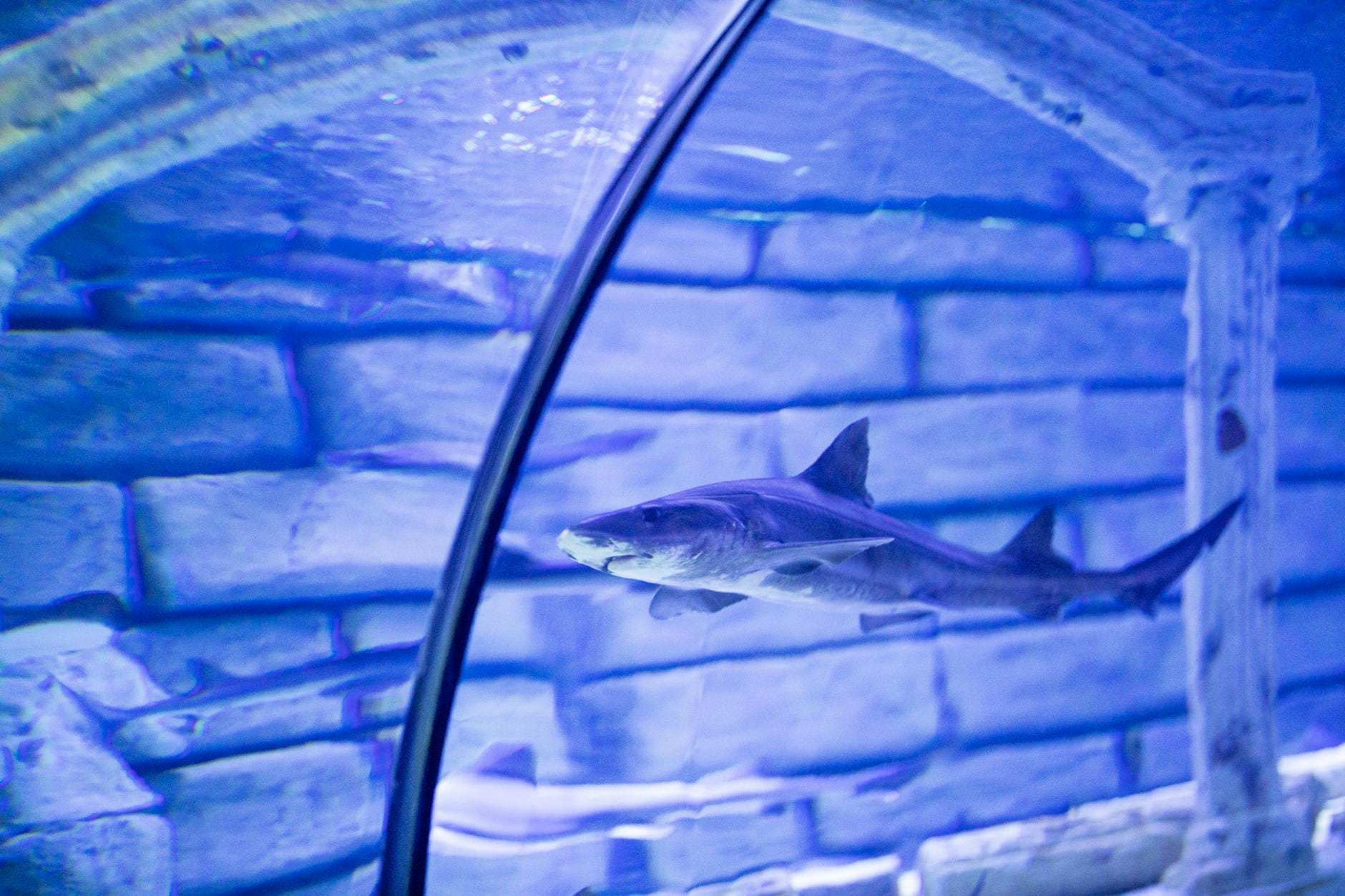
At the eastern end of the promenade, the Antalya Aquarium is a major regional aquarium and worth knowing about if you are traveling with children or visiting during a rare stretch of bad weather. It includes tunnel tanks, a snow world section, and a 3D cinema. It is undeniably touristy and priced accordingly, but the scale is impressive and it fills a half-day easily.
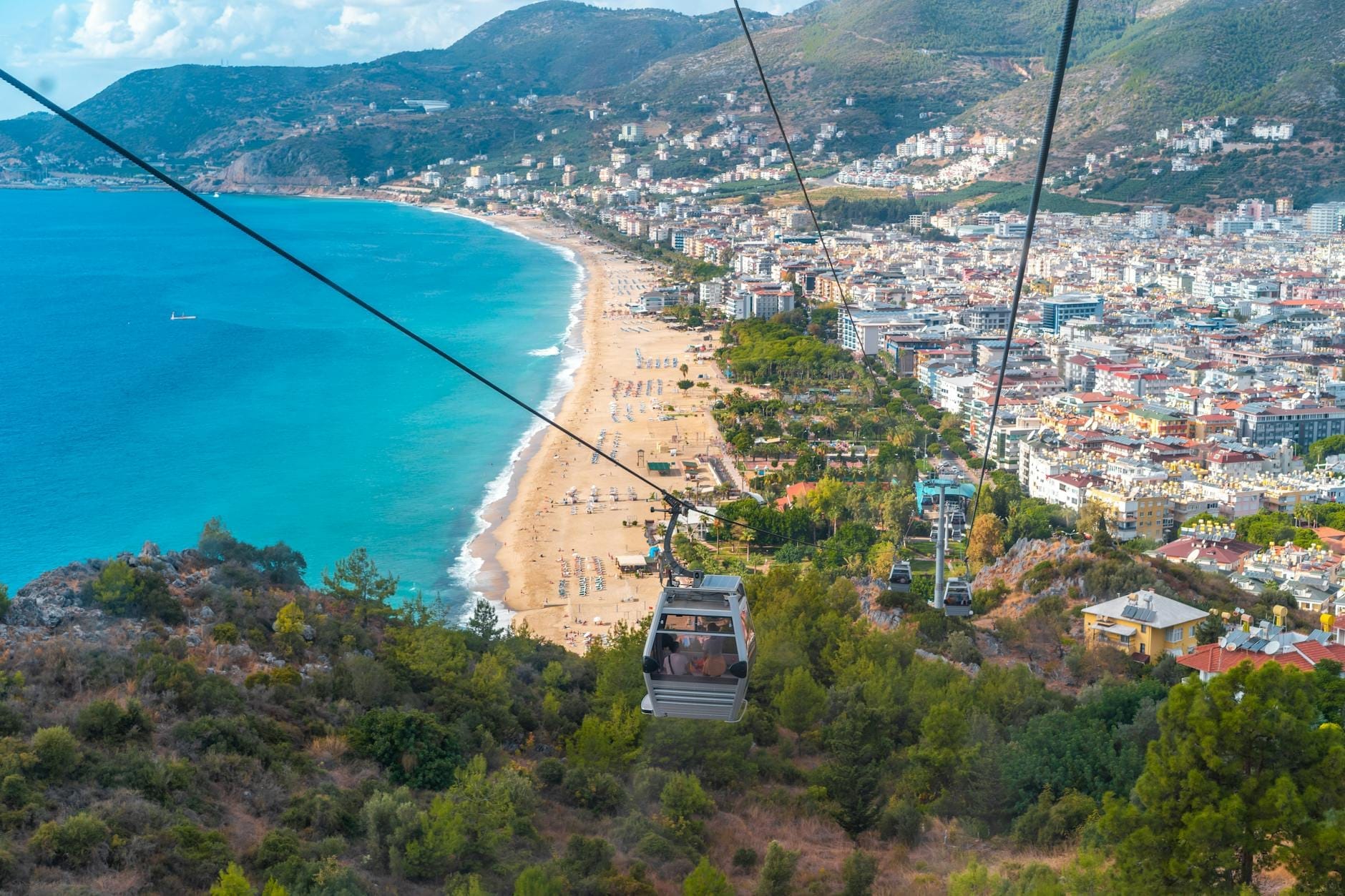
One of Konyaaltı's most underused attractions is the Tünektepe Cable Car, which departs from the Sarısu side of the district and rises to a plateau with panoramic views over the bay, the city, and the Taurus mountains. The line is currently closed, so treat it as a reopening-dependent option rather than a guaranteed activity. When operating, the ride takes about 10 minutes and the views from the top are among the best in the region.
For archaeology, Konyaaltı's most significant asset is actually just outside the district's northern boundary: the ancient city of Termessos, one of the best-preserved Pisidian cities in Turkey, sits in the mountains above Antalya at around 1,000 meters elevation. Alexander the Great did not take it and retains a remarkable theatre, agora, and necropolis set within a national park. It is reachable by road from Konyaaltı in under an hour. More information is in the guide to Termessos ancient city.
Konyaaltı Beach promenade: long Blue Flag waterfront with dedicated cycling and pedestrian paths
Antalya Aquarium: large family attraction, best booked online in advance in peak season
Tünektepe Cable Car: panoramic bay and mountain views when operating; verify reopening before planning around it
Aktur Park: amusement park and green space near the promenade, popular with families
Sarısu Recreation Area: quieter western end of the beach with picnic facilities
Termessos: ancient Pisidian city in the mountains north of the district, reachable as a half-day excursion
ℹ️ Good to know
Konyaaltı is also the departure point for many boat tours that run along the coastline toward Phaselis and Kemer. These typically leave from Antalya Marina, just east of the district boundary at the edge of Kaleiçi.
Eating & Drinking
The eating and drinking scene in Konyaaltı is split clearly between the beach strip and the residential areas behind it. Along the promenade, the options tend toward tourist-friendly menus: grilled fish, pide, köfte, and international dishes served at inflated prices in exchange for sea views and sunbed proximity. These restaurants are not bad, but they are not where locals eat when they want a proper meal.
Move a few blocks inland and the prices drop noticeably. The residential streets behind the beach have neighborhood restaurants (lokanta) serving set lunch menus of soup, meat stew, salad, and bread for a fraction of the promenade prices. These are typically open for lunch only or close by early evening. Turkish breakfast spots (kahvaltı salonu) do a proper spread of olives, cheese, eggs, tomatoes, and freshly baked bread — far better value than hotel breakfasts and far more atmospheric. Tea gardens (çay bahçesi) are scattered throughout the neighborhood and function as the local social infrastructure: you can sit for an hour with a glass of tea for almost no money.
For a broader picture of what to eat across Antalya, the Antalya food guide covers regional specialties including şiş köfte, piyaz (a white bean salad unique to the city), and the freshwater fish from the Boğaçayı river that appears on some local menus. Piyaz in particular is worth seeking out: it is made with tahini rather than the vinegar dressing used elsewhere in Turkey, giving it a distinctive creaminess.
There are a few craft beer bars and wine-focused restaurants that have opened near the aquarium end of the promenade in recent years, catering to European visitors. These tend to be pleasant enough for an evening drink but do not represent a serious nightlife destination. For bars and clubs, Kaleiçi is a 20-minute walk or short taxi ride east.
⚠️ What to skip
Restaurants directly on the beach promenade often add service charges or seat charges (for sunbeds and tables with sea view access) that are not always clearly marked on the menu. Ask before ordering if you are watching your budget, or walk a block inland where prices are more transparent.
Getting There & Around
Konyaaltı is accessible from the city center by regular city buses, which run frequently along the coastal road. The journey from the central Muratpaşa district to the beach takes roughly 15 to 20 minutes by bus depending on traffic. Taxis are widely available and the fare from Kaleiçi or the main city center should not be significant — agree on the metered rate before you set off, or confirm the driver is using the meter.
From Antalya Airport (AYT), Konyaaltı is west of the city, meaning airport transfers go in the opposite direction from the resort areas of Lara and Belek. Transfer times from the airport depend on traffic but typically run 30 to 45 minutes. The guide to getting around Antalya covers all public transport options including the AntRay tram, which connects the city center to the airport and may require a connecting bus to reach the Konyaaltı waterfront depending on your specific hotel location.
Once you are in Konyaaltı, the promenade is best navigated on foot or by bicycle. Bike rentals are available along the waterfront at several points, and the dedicated cycling path runs the full length of the beach. If the Tünektepe Cable Car has reopened, you will need to take a taxi or local bus to reach the lower station near Sarısu, above the western end of the beach. Walking to Termessos requires a vehicle; local tour operators in the district can arrange transfers and guided visits.
Kaleiçi and the old town are walkable from the eastern end of Konyaaltı Beach. The walk takes around 25 to 35 minutes along the coastal path, passing the marina area. This is one of the more pleasant walks in the city, particularly in the early morning or late afternoon when the light is good and the traffic noise fades near the water's edge.
Where to Stay
Konyaaltı has a wide range of accommodation, from large resort hotels near the aquarium end of the beach to smaller apartment hotels and pansiyons in the residential streets behind the promenade. For visitors who want a classic beach-and-pool holiday with easy access to the city, the area between the aquarium and Aktur Park offers the densest concentration of mid-range and upmarket hotels. For a quieter stay with easier beach access and lower prices, the western end of the district toward Sarısu is worth considering. The complete Antalya accommodation guide covers how Konyaaltı compares to other neighborhoods for different types of traveler.
Konyaaltı is not the right base for visitors whose primary interest is history and archaeology. The old town character of Kaleiçi is a 20-minute journey away, and the daily back-and-forth adds up. Travelers who want to split their time evenly between beach days and cultural exploration might find the city center more convenient as a base. But for those whose priority is the sea, easy access to the mountains, and a neighborhood that feels like a real part of Antalya rather than a purpose-built resort zone, Konyaaltı makes a lot of sense.
Families with children are particularly well-served here, given the proximity of the aquarium, Aktur Park, and the flat, safe promenade. For a broader look at family-focused options across the region, the guide to Antalya with kids includes beach and activity recommendations relevant to the Konyaaltı area.
Good to Know Before You Go
Konyaaltı Beach has public sections accessible free of charge along its entire length, which is not always obvious given the number of beach clubs that set up sunbeds and umbrellas close to the water. You are not required to pay to access the beach itself, only if you want to use private club facilities. This is worth knowing if you are traveling on a budget.
The Mediterranean summer here is genuinely hot, with temperatures regularly exceeding 35°C in July and August. The sea is warm enough for comfortable swimming from May through October. If heat is a concern, the best time to visit Antalya guide explains why many experienced visitors prefer May to June or September to October for the combination of good swimming weather and manageable temperatures on shore. The Beydağları mountains to the north mean that hiking and nature activities are cooler and more accessible during these shoulder months.
Tap water in Konyaaltı, as in most of Antalya, is not recommended for drinking. Bottled water is cheap and widely available. For general safety advice and tips on avoiding common tourist pitfalls in the city, the Antalya safety guide covers the main things to be aware of. Konyaaltı has no particular safety issues compared to the wider city: the beach promenade is well-lit and busy until late in summer, and the residential streets behind are low-key and unremarkable.
TL;DR
Konyaaltı is Antalya's western beach district: 13 km of Blue Flag shingle coastline with a dedicated promenade, backed by the Beydağları mountains.
Best suited to visitors who want a genuine beach base with real city infrastructure nearby, rather than a self-contained resort bubble.
Key draws include Konyaaltı Beach, the Antalya Aquarium, easy access to Termessos ancient city, and the Tünektepe viewpoint if the cable car has reopened.
Eating and drinking is much better value (and more authentic) one or two blocks inland from the promenade than on the beach strip itself.
Not ideal for visitors focused primarily on history and architecture — Kaleiçi is 20-30 minutes away, which adds friction for multi-day cultural exploration. Those visitors may prefer to stay in or near the old town.
Three days is enough time to cover Antalya's best layers: Roman gates and Ottoman lanes in Kaleiçi, world-class ruins at Aspendos and Perge, pebble beaches, dramatic waterfalls, and west-coast viewpoints over the bay. This itinerary is built around smart sequencing so you spend less time backtracking and more time actually seeing things.
Antalya sits at the heart of ancient Pamphylia, surrounded by some of the Mediterranean world's most remarkable ruins. This guide covers the best Roman theaters, Greek temples, mountain citadels, and archaeological sites within reach of the city.
Antalya has hundreds of properties marketed as all-inclusive, from basic meal-plan hotels to full ultra all-inclusive resorts on Lara Beach. This guide cuts through the marketing to explain what you actually get, which resorts deliver value, and when going all-inclusive makes sense in Antalya.
The Aspendos International Opera and Ballet Festival is one of the world's most extraordinary performance settings: grand opera and classical ballet staged inside a 2,000-year-old Roman theatre near Antalya. This guide explains when the festival usually runs, how to verify the current schedule, how to get tickets, and how to handle transport on performance nights.
Antalya's coastline stretches from urban pebble beaches backed by the Taurus Mountains to remote sandy coves tucked between ancient ruins. This guide covers the best beaches in and around Antalya, with honest notes on what each one actually offers.
Everything you need to navigate Antalya city with confidence. From the Roman walls of Kaleiçi to the tram lines connecting the coast, this guide covers neighborhoods, transport, seasonal planning, and the practical details most travel sites skip.
Antalya is far more than a beach resort. This guide breaks down the most rewarding romantic experiences for couples, from Kaleiçi's Roman-era streets and boat tours on turquoise bays to waterfall hikes, ancient theatre evenings, and canyon adventures. Practical, specific, and honest about what actually delivers.
Belek, Turkey's golf capital, packs more than 15 championship courses into a compact stretch of Mediterranean coastline 30km east of Antalya city. This guide covers the standout courses, realistic costs, the best time to book, and what the brochures don't tell you.
Summer in Antalya means scorching heat, packed beaches, crystal-clear sea, and some of the best value sun holidays on the Mediterranean. This guide covers the weather reality, the best things to do in June, July, and August, how to handle the crowds, and what most visitors get wrong about a summer trip.
Antalya's after-dark scene spans ancient-walled cocktail bars in Kaleiçi, open-air mega-clubs at the marina, foam parties in Kemer, and sophisticated shisha lounges. This guide covers the best venues by district, what to expect in each season, dress codes, realistic drink prices, and smarter alternatives to the obvious tourist traps.
Kaleiçi is Antalya's Roman-era old town, packed with 2,000 years of layered history inside ancient walls. This self-guided walking tour covers the essential stops, the best route order, what to skip, and how to time your visit to avoid the worst of the crowds.
Antalya has a reputation as a luxury resort destination, but the reality is far more accessible. This guide breaks down exactly what budget travel looks like in Antalya, from hostel options and free attractions to transport hacks and the best time of year to keep costs down.
Antalya is one of Turkey's most-visited cities, and for good reason. But like any major tourist destination, it has its share of scams and petty pitfalls. This guide breaks down exactly what to watch for, where the real risks are, and how to travel confidently without being caught off guard.
The journey from Antalya to Cappadocia is one of Turkey's great cross-country trips, covering around 540-586 kilometers through Central Anatolia. This guide breaks down every transport option, what guided tours actually include, and how to make the most of the route whether you have two days or five.
Antalya sits at the edge of the Taurus Mountains, and the rivers rushing down from those peaks create some of the Mediterranean coast's most dramatic waterfalls. This guide covers the Upper and Lower Düden falls, the forested Kurşunlu nature park, and the best natural sites to pair them with for a full day outdoors.
Antalya is one of Turkey's most family-friendly destinations, with options ranging from massive water theme parks to free coastal waterfalls and Roman ruins. This guide covers the best things to do in Antalya with kids, broken down by age group, season, and budget — with honest assessments of what delivers and what disappoints.
Antalya delivers sun almost year-round, but timing your visit correctly makes a significant difference. This guide breaks down every season by temperature, crowds, cost, and what you can actually do — so you arrive at the right moment for your priorities.
A boat trip along the Turquoise Coast is one of the best things you can do in Antalya. This guide breaks down every tour type, realistic pricing, departure logistics, and honest advice on what's worth your money and what isn't.
Antalya sits at the center of one of Turkey's richest regions for day-tripping. Within two hours in any direction you'll find world-class Roman ruins, national parks, underground cave systems, and ancient seaside towns. This guide covers the best excursions, organized by type, with practical advice on timing and how long each takes.
Antalya Airport (AYT) is one of Europe's busiest summer gateways. This guide covers which airlines fly there, how the terminals work, how to get into the city, and how to avoid the most common arrival headaches.
Antalya rewards travelers who explore on foot. From a perfectly preserved Roman triumphal gate to clifftop parks overlooking the Mediterranean, the city's best experiences are largely free. This guide covers the top no-cost attractions across the old town, coastline, and beyond.
Antalya Airport (AYT) handles millions of arrivals each year, and getting from the terminal to your hotel shouldn't eat into your first day. This guide covers every realistic transport option — public buses, private transfers, trams, taxis — with honest cost comparisons and seasonal tips.
Antalya draws over 10 million tourists a year, but is it actually worth your time and money? This guide cuts through the resort-brochure hype to give you a clear-eyed look at what the city delivers, what it oversells, and who it suits best.
Köprülü Canyon is Antalya's top rafting destination, offering a 14 km run through a gorge up to 400 metres deep on the Köprüçay River. This guide covers everything from pricing and booking to what to pack, when to go, and how to avoid common mistakes.
Antalya rewards shoppers who know where to look. This guide covers the best markets and bazaars, the most worthwhile things to buy, honest price expectations, and the practical details that help you shop smarter across one of Turkey's most visited coastal cities.
Antalya packs ancient ruins, dramatic waterfalls, world-class beaches, and serious adventure into one destination on Turkey's Mediterranean coast. This guide cuts through the noise to show you exactly what's worth your time, what to skip, and how to plan it all without overpaying.
Antalya has a distinct food culture that goes well beyond kebabs and baklava. This guide covers the city's signature dishes, where locals actually eat, what things cost, and which spots to skip. Whether you have one meal or two weeks, eat like you know what you're doing.
Antalya's food scene runs deeper than the all-inclusive buffet. This guide breaks down the best neighborhoods to eat in, specific restaurants worth your time, what dishes to order, and which spots to skip — so you eat well every meal.
Choosing where to stay in Antalya shapes your entire trip. This guide breaks down the four main areas, their real trade-offs, current price ranges, and exactly who each neighborhood suits best.