One Week in Ibiza: The Perfect 7-Day Itinerary
Seven days is the ideal amount of time to experience Ibiza beyond the clubs. This itinerary covers the UNESCO-listed old town, the island's best beaches across multiple coasts, hippy markets, San Antonio sunsets, and a day trip to Formentera, with practical guidance on what to skip and when to go.
Plan and book this trip
Tools from our partner Travelpayouts help you compare flights and hotels. If you book through them, we may earn a commission at no extra cost to you.
Flights
Hotels map
TL;DR
- Seven days is enough to cover Ibiza's main coasts, cultural highlights, and at least one night out without feeling rushed.
- Rent a car or scooter from day two onward. Public buses exist but are slow for reaching remote beaches. See our getting around Ibiza guide for full transport options.
- The clubbing season runs roughly May to late September. Outside those months, many beach clubs and superclubs are closed or on reduced schedules.
- Ibiza is not only a party destination. The north of the island, the Dalt Vila old town, hippy markets, and the island's hiking trails deserve equal time.
- Budget at least €25-40 per person for the Formentera ferry in high season, and book club tickets in advance if nightlife is a priority.
Before You Go: Practical Basics
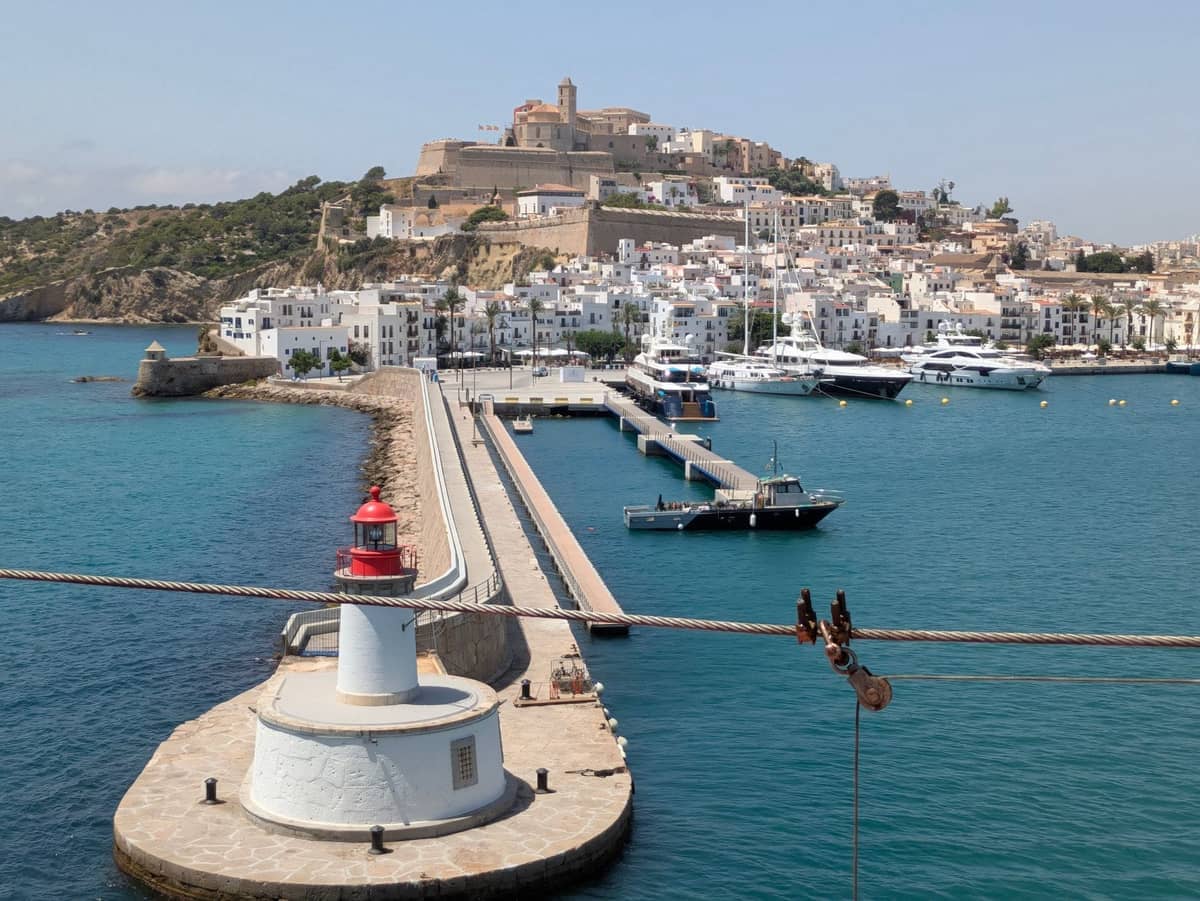
Ibiza is a Spanish island in the Balearic Islands, located in the western Mediterranean roughly 150 km southwest of Mallorca and about 90-150 km from the Valencia coast. Its main urban centre is Ibiza Town, also known by its Catalan name Eivissa. The island covers around 571 square kilometres, which is compact enough to drive coast to coast in under an hour. Currency is the Euro. The timezone is Central European Time (UTC+1), switching to UTC+2 during summer daylight saving.
Ibiza Airport (IATA: IBZ) sits about 7 km southwest of Ibiza Town, with a taxi ride into the centre taking roughly 10-15 minutes. Public buses also connect the airport to Ibiza Town and the main resort areas, making them a budget-friendly arrival option. Once on the island, renting a car or scooter is the most practical choice for a week-long stay. The bus network covers the main routes between towns, but schedules are infrequent and many beaches require a car to reach comfortably. Verify current bus timetables and taxi fares through official sources before travel, as these change seasonally.
💡 Local tip
Book your hire car before arriving, especially for June through August. Supply drops fast and prices can double if you leave it until the airport desk. Scooters are fine for solo travellers exploring the north, but a small car is more practical if you plan to carry beach gear or travel with a partner.
Day 1-2: Ibiza Town and Dalt Vila
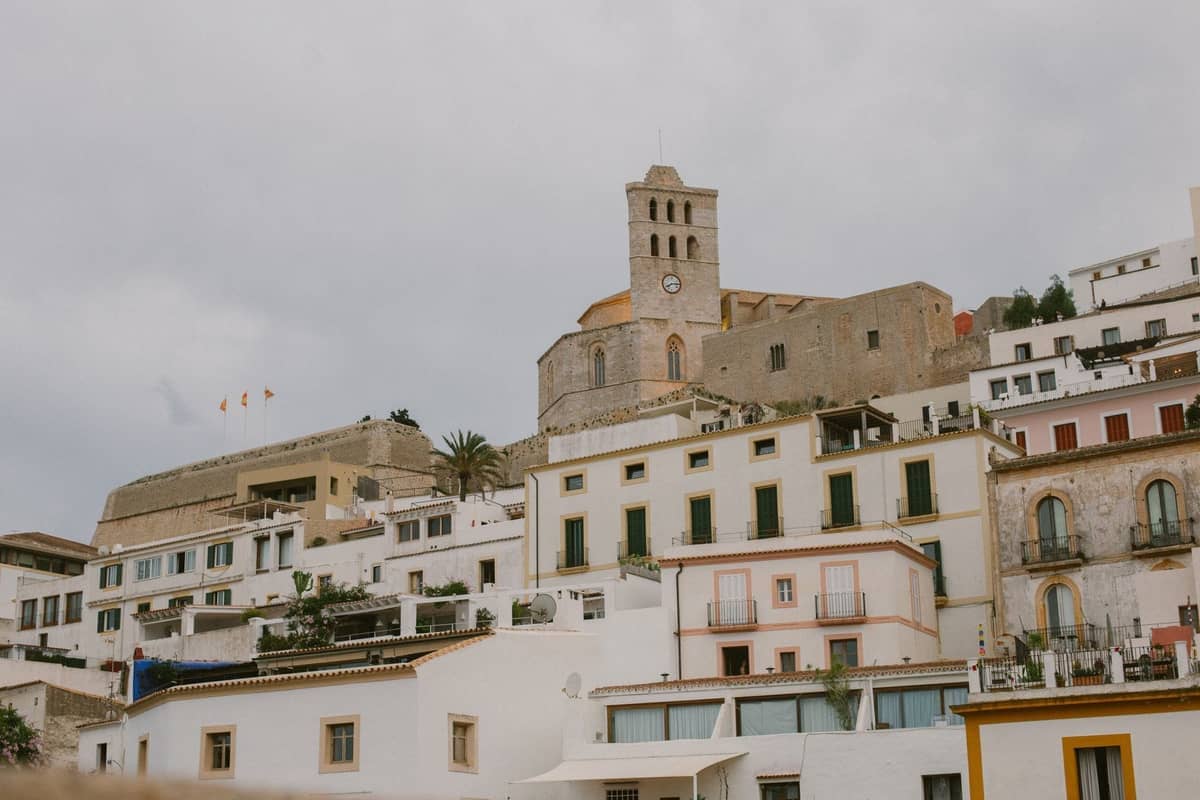
Start in Ibiza Town and give it at least two days. Most visitors rush through the old town in a morning and miss what makes it special. Dalt Vila, the fortified hilltop quarter designated a UNESCO World Heritage Site in 1999, rewards slow exploration. Enter through the Portal de ses Taules, the monumental Renaissance gateway framed by two Roman statues. From there, follow the cobbled streets uphill to the Ibiza Cathedral and its adjacent viewpoint, which gives one of the best panoramas of the harbour and the Formentera channel.
Allocate a couple of hours to the Puig des Molins necropolis, the Phoenician-Punic burial site just outside Dalt Vila. It is one of the best-preserved ancient necropolises in the Mediterranean and is included in Ibiza's UNESCO World Heritage designation. Entry is affordable and the on-site museum provides strong context for the island's 2,700-year history. The Ibiza Museum of Contemporary Art inside the old town walls is worth an hour if you want a contrast between ancient and modern.
Spend your first evening in the Marina district below Dalt Vila. The port area fills with people from around 9pm. Restaurants here are decent though not the island's cheapest. For the second evening, consider heading to Pacha, the most storied club in Ibiza, located a five-minute walk from the port. It is not the most cutting-edge club on the island anymore, but it is the most iconic, and it has been operating since 1973. Ticket prices vary widely by night and headliner. Check the official Pacha website for current schedules and pre-book to avoid the door premium.
Day 3: Southern Beaches and Ses Salines
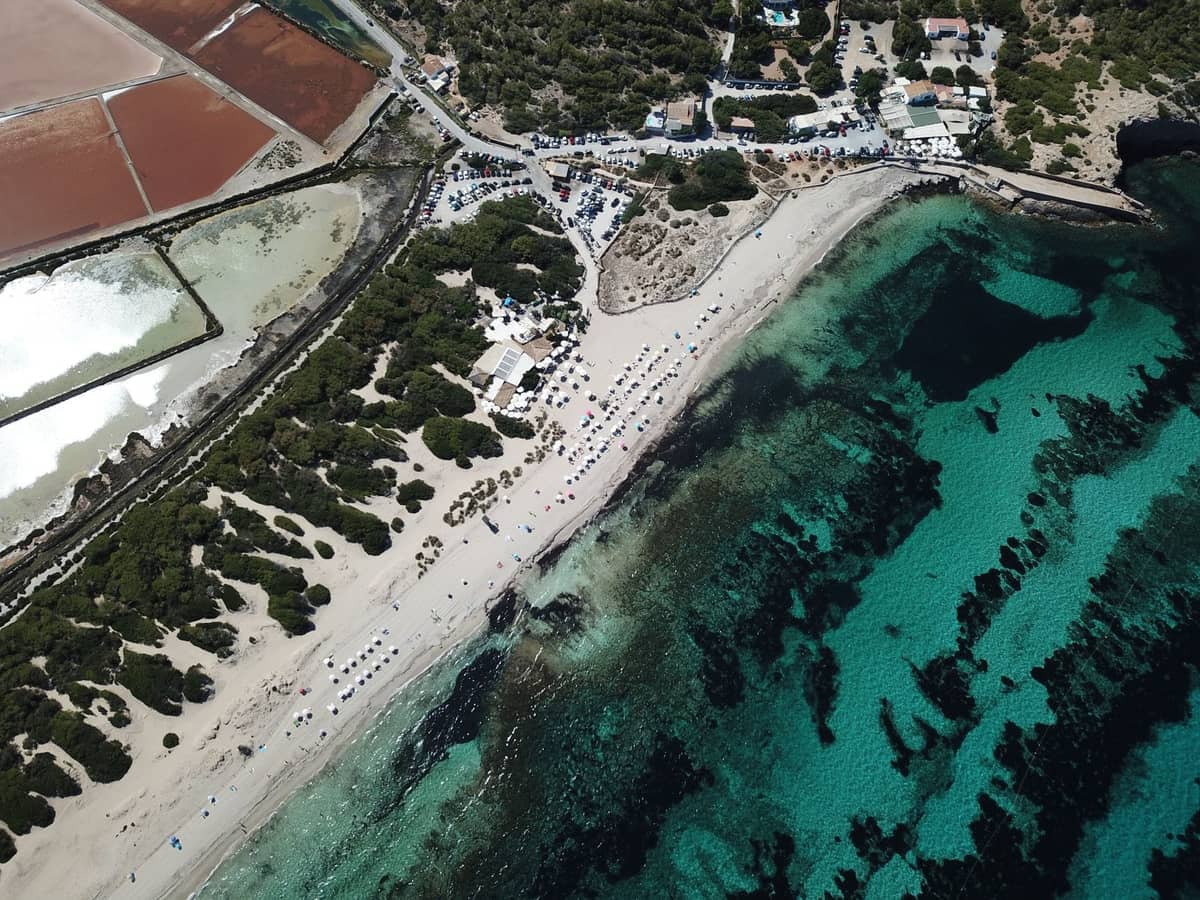
The south of Ibiza holds some of its most famous beaches and the ecologically significant Ses Salines Natural Park, a protected area of salt flats, dunes, and Posidonia seagrass meadows that form part of Ibiza's UNESCO World Heritage listing. The park borders two of the island's most popular stretches of sand: Ses Salines beach and Es Cavallet.
Ses Salines beach has a long, straight stretch of pale sand with clear shallow water and a cluster of beach clubs and restaurants behind the dunes. It gets crowded from late morning in peak season. Arrive before 11am to find space. Es Cavallet is directly adjacent, slightly quieter at the far end, and has a more local feel. Both beaches are about 15 km from Ibiza Town and require a car or taxi to reach comfortably.
⚠️ What to skip
Parking at Ses Salines fills quickly from mid-morning in July and August. The access road becomes a bottleneck and you can lose an hour sitting in traffic. Either arrive early, take a taxi, or combine with a morning activity in Ibiza Town and aim for the beach after 4pm when some visitors are leaving.
- Ses Salines Beach Long, pale sand, beach club scene, popular with a style-conscious crowd. Best in the morning before it fills up.
- Es Cavallet Beach Adjacent to Ses Salines, quieter toward the southern end, traditionally clothing-optional in parts. More relaxed atmosphere.
- Playa d'en Bossa Ibiza's longest beach, lined with hotels and bars. Convenient for families and those staying nearby, but the strip itself feels more like a resort promenade than a natural beach.
Day 4: West Coast Coves and the Sunset Strip
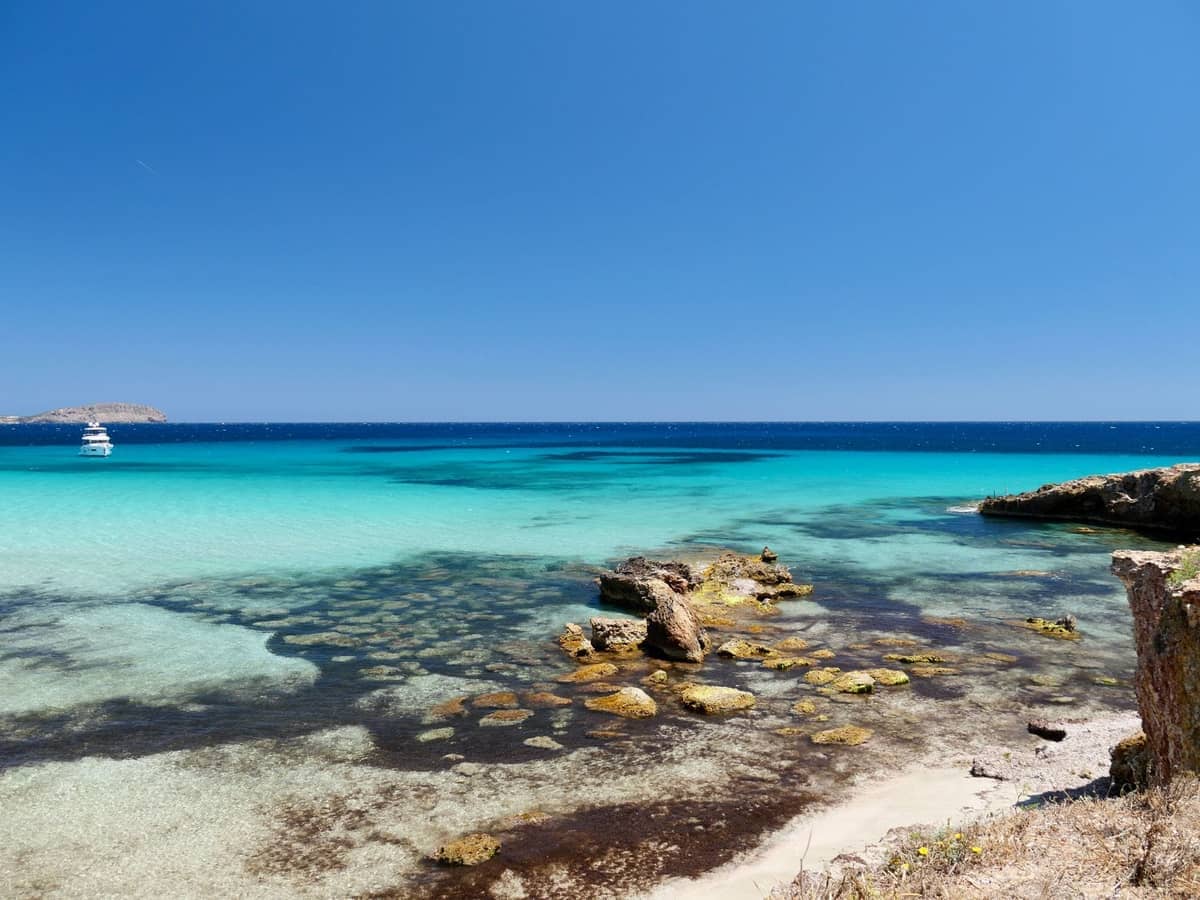
The western coast between Sant Josep and Sant Antoni holds the most photogenic beaches on the island. Cala Comte (also spelled Cala d'en Comte) is consistently rated the island's best all-round beach for its shallow turquoise water, rocky outcrops, and views toward the small offshore islets. It does get busy, particularly on summer weekends, and parking is limited.
A short drive south brings you to Cala d'Hort, a crescent-shaped bay with a direct view of Es Vedrà, the 382-metre volcanic rock rising dramatically from the sea. The beach itself is pebbly rather than soft sand, but the setting is hard to beat. Cala Bassa to the north offers a more sheltered option with calmer water, popular with families.
In the evening, head to Sant Antoni de Portmany for sunset. The Sunset Strip along the western edge of the bay, home to Café del Mar and Savannah among others, is legitimately one of the better places in the Mediterranean to watch the sun go down. The music, the silhouettes of the sailboats, and the light quality over the sea make it worth the somewhat commercial setting around it. Arrive 30-45 minutes before sunset to secure a seat.
Day 5: North Ibiza and the Hippy Markets
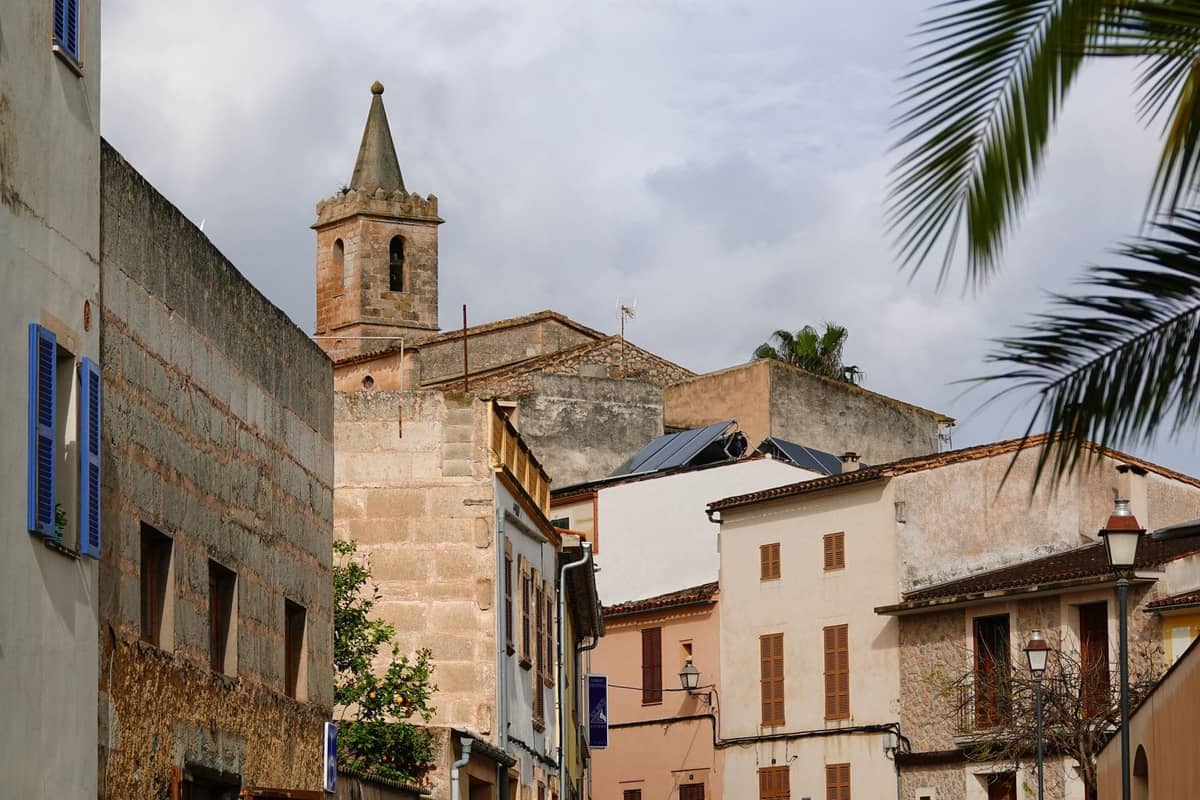
The north of Ibiza operates at a different pace. Pine-covered hills, narrow roads, and small white villages replace the beach clubs and resort strips of the south. Northern Ibiza rewards those willing to slow down and explore. The village of Sant Joan de Labritja has a whitewashed church square worth stopping at, and the Sunday market there draws locals as much as tourists.
Two markets define the north. Las Dalias in Sant Carles de Peralta runs on Saturdays and is the most authentic of Ibiza's hippy markets, with craft stalls, handmade jewellery, and a strong local following. In peak season there are additional night markets on Monday and Tuesday evenings. Entry is free. Punta Arabí near Es Canar is larger and runs on Wednesdays, with over 400 stalls making it one of the biggest markets in the Balearic Islands. It is more tourist-facing than Las Dalias but worth the visit if you are on the island on a Wednesday.
For a beach in the north, Cala Benirrás is the standout choice. A sheltered bay framed by pine trees and a distinctive flat-topped rock formation offshore, it attracts a bohemian crowd and was long famous for a Sunday drum circle at sunset — the official ritual has been banned/discontinued, and any informal sessions are occasional and not guaranteed. Come for the cove and sunset light. The road down is narrow and parking is limited, so arrive early or be prepared to walk from the upper car park.
✨ Pro tip
If your visit falls on a Saturday, combine Las Dalias market in the morning with Cala Benirrás beach in the afternoon. Both are within 15 minutes of each other by car. Add the Sant Joan Sunday market the following day and you have a solid two-day north Ibiza itinerary without backtracking.
Day 6: Day Trip to Formentera
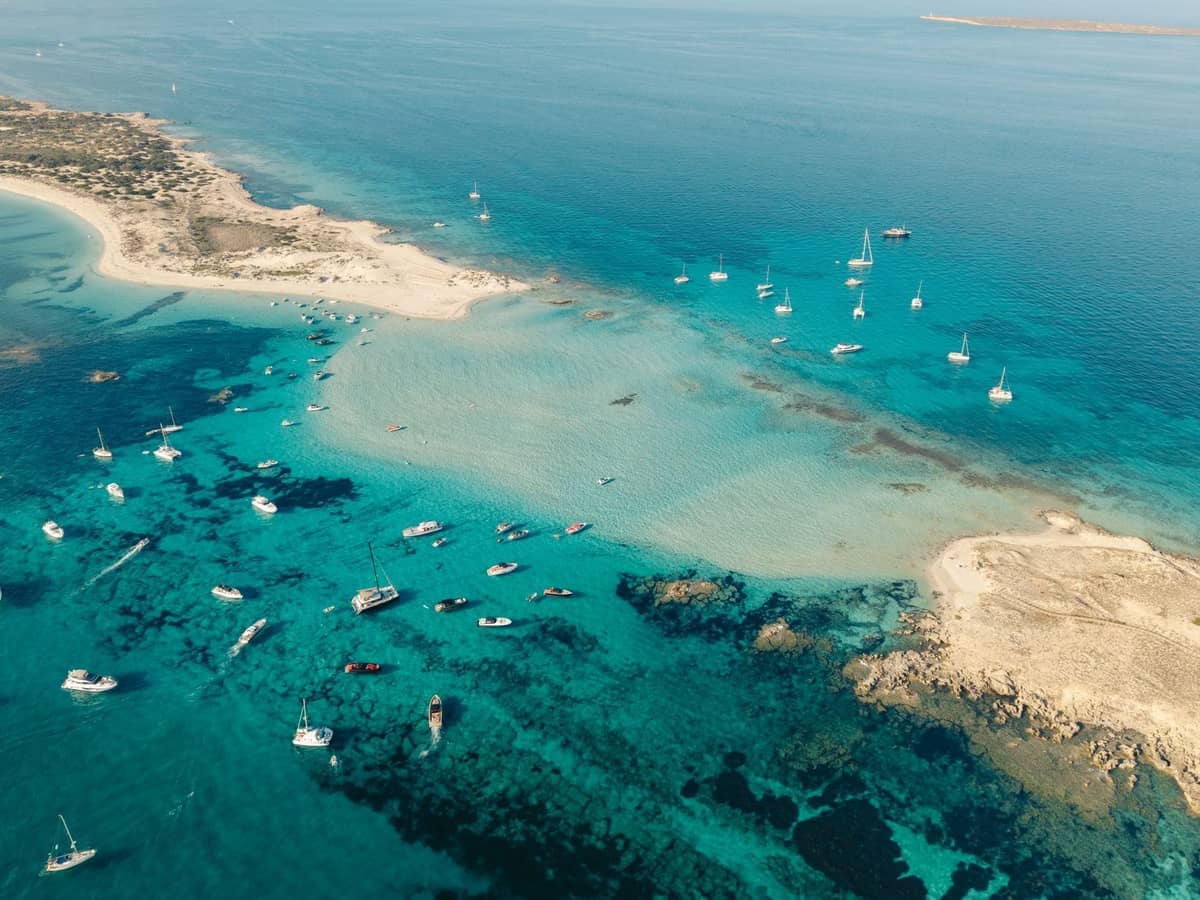
A day trip to Formentera is one of the most worthwhile things you can do from Ibiza. The smaller island 20 km to the south has some of the clearest water in the Mediterranean, with visibility that regularly exceeds 20 metres thanks to the protected Posidonia seagrass. Ferries depart from Ibiza Town's port throughout the day, with main operators including Balearia and Trasmapi. The crossing takes around 30-40 minutes each way.
High season fares typically start around €25-40 per adult each way, though prices vary by operator, time of day, and how far in advance you book. Pre-book online to avoid queuing at the port in July and August. Once on Formentera, renting a bicycle or scooter at the La Savina port is the best way to reach the beaches. Ses Illetes, a narrow spit of white sand accessible from the northern tip, is the beach most people come for. Bring snorkelling gear if you have it.
Day 7: Hiking, Villages, and a Final Sunset

Use your last day to explore parts of Ibiza that most visitors skip entirely. The island has a network of walking trails that pass through farmland, pine forest, and coastal cliffs. Ibiza's hiking routes range from easy coastal walks to the ascent of Sa Talaia, the island's highest point at around 475 metres. The summit trail from Sant Josep takes about 2-3 hours return and gives 360-degree views across the island to Formentera and, on clear days, toward Mallorca.
The inland village of Santa Gertrudis de Fruitera makes an excellent lunch stop. Small, quiet, and with a church square ringed by independent restaurants and bars, it represents a more local side of Ibiza that the resort areas obscure. The village is known for good food and a relaxed atmosphere popular with long-term residents.
For your final evening, return to Dalt Vila at dusk. The walls and bastions are lit after dark and the restaurants inside the old town are quieter than those in the Marina. It is a more reflective way to end a week than another night in a club, though if the nightlife is still calling, check the current schedules for DC10 or Amnesia, both of which host some of the island's most respected club nights.
ℹ️ Good to know
Ibiza's official languages are Spanish (Castilian) and Catalan. The local Catalan variety spoken on the island is called Eivissenc. In tourist areas, English and other European languages are widely understood, but a few words of Spanish will always be appreciated. Emergency services can be reached on 112.
- Book accommodation and club tickets at least 4-6 weeks ahead for July and August. The island is small and quality options sell out fast.
- A week in Ibiza in September costs noticeably less than in July, with smaller crowds, warm sea temperatures, and most venues still open.
- Tap water is technically safe but mineral content varies. Most visitors and locals prefer bottled water.
- Spanish tipping culture applies: a small tip is appreciated in restaurants but not obligatory. Rounding up the bill is standard practice.
- Type C and Type F plugs are used across Spain. Standard voltage is 230V at 50Hz, in line with EU norms.
FAQ
Is one week enough time to see Ibiza?
Yes. Seven days is sufficient to cover the main coasts, Dalt Vila, one or two hippy markets, a Formentera day trip, and selected nightlife without feeling rushed. You will not see every beach or village, but you will get a genuine cross-section of what the island offers.
What is the best time of year for a one-week trip to Ibiza?
Late May, early June, or September offer the best balance of good weather, open venues, and manageable crowds. July and August are peak season with the full club calendar and ferry schedules, but higher prices and busier beaches. Outside May to September, many clubs and beach clubs are closed or on reduced hours.
Do I need a car to follow this itinerary?
A car is strongly recommended from day two onward. The bus network covers main routes between Ibiza Town, Sant Antoni, and Santa Eulalia, but most beaches and rural areas require private transport. Book your hire car in advance, particularly for summer travel, as availability and prices both tighten quickly.
How much does a week in Ibiza cost?
Costs vary enormously. Budget travellers staying in hostels and using public transport can manage on €80-100 per day. Mid-range travellers with a hotel, hire car, and occasional restaurant dinners should budget €150-250 per day. Add club entry fees (typically €30-80+ per night depending on the venue and headliner) and Formentera ferry costs on top of that.
Is Ibiza suitable for non-clubbers?
Yes. The clubbing reputation is real, but it represents one segment of the island. The northern coast, rural villages, UNESCO heritage sites, hiking trails, and family beaches are all a genuine alternative. Many visitors spend a full week in Ibiza without setting foot in a club and consider it one of the best trips they have taken.