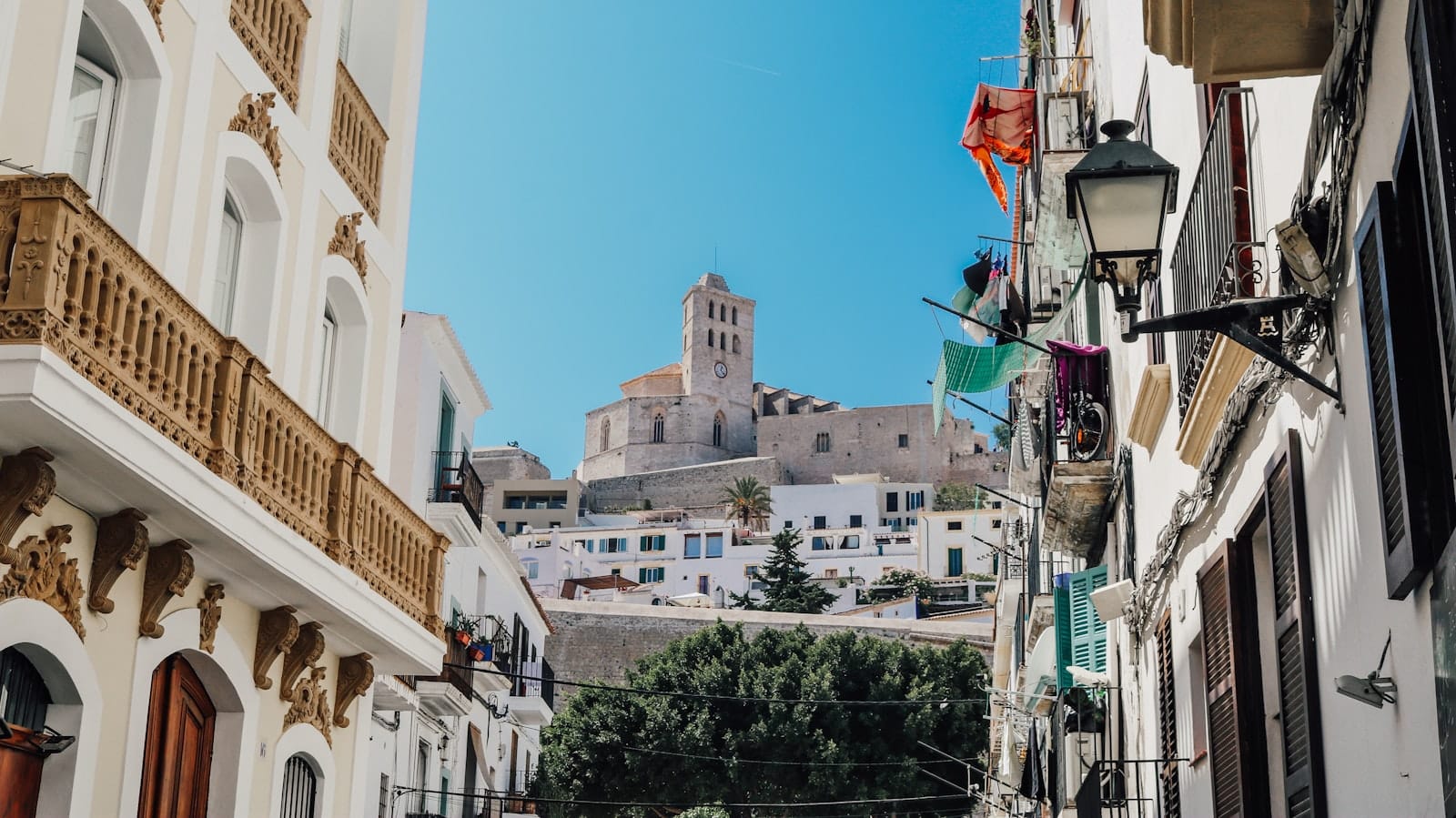
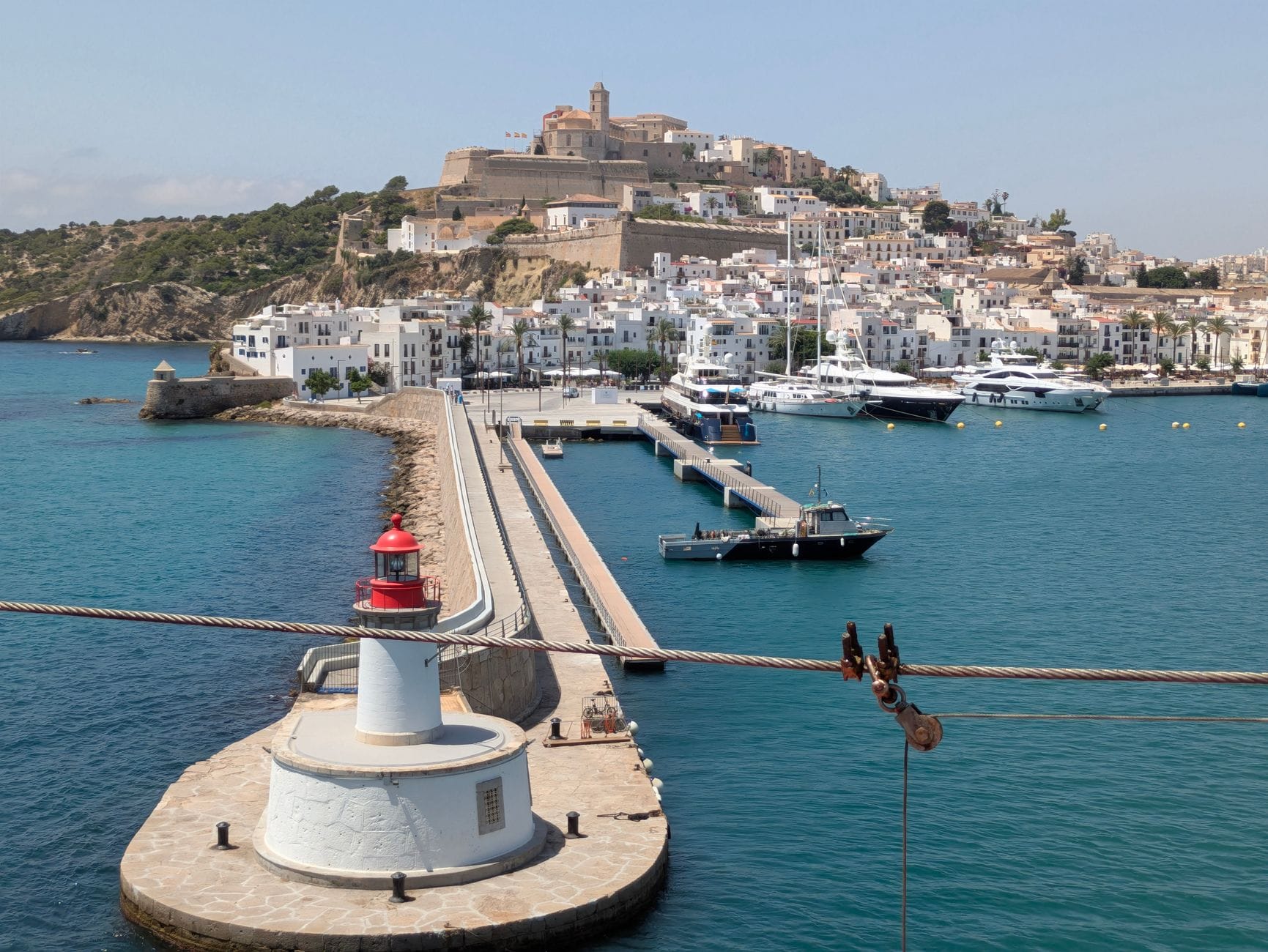
Dalt Vila is the fortified upper quarter of Ibiza Town, a UNESCO World Heritage Site since 1999 whose Renaissance walls enclose steep cobbled lanes, a hilltop cathedral, and some of the island's most compelling history. It sits above the harbour and the modern town, visible from almost anywhere in Ibiza, and rewards anyone willing to walk uphill.
Dalt Vila is the walled, hilltop old town at the heart of Ibiza Town (Eivissa), a place where Phoenician foundations, medieval lanes, and Renaissance fortifications stack on top of one another like geological layers. It is quieter than the island's beaches and clubs, more serious in its ambitions, and genuinely unlike anything else on Ibiza.
Orientation
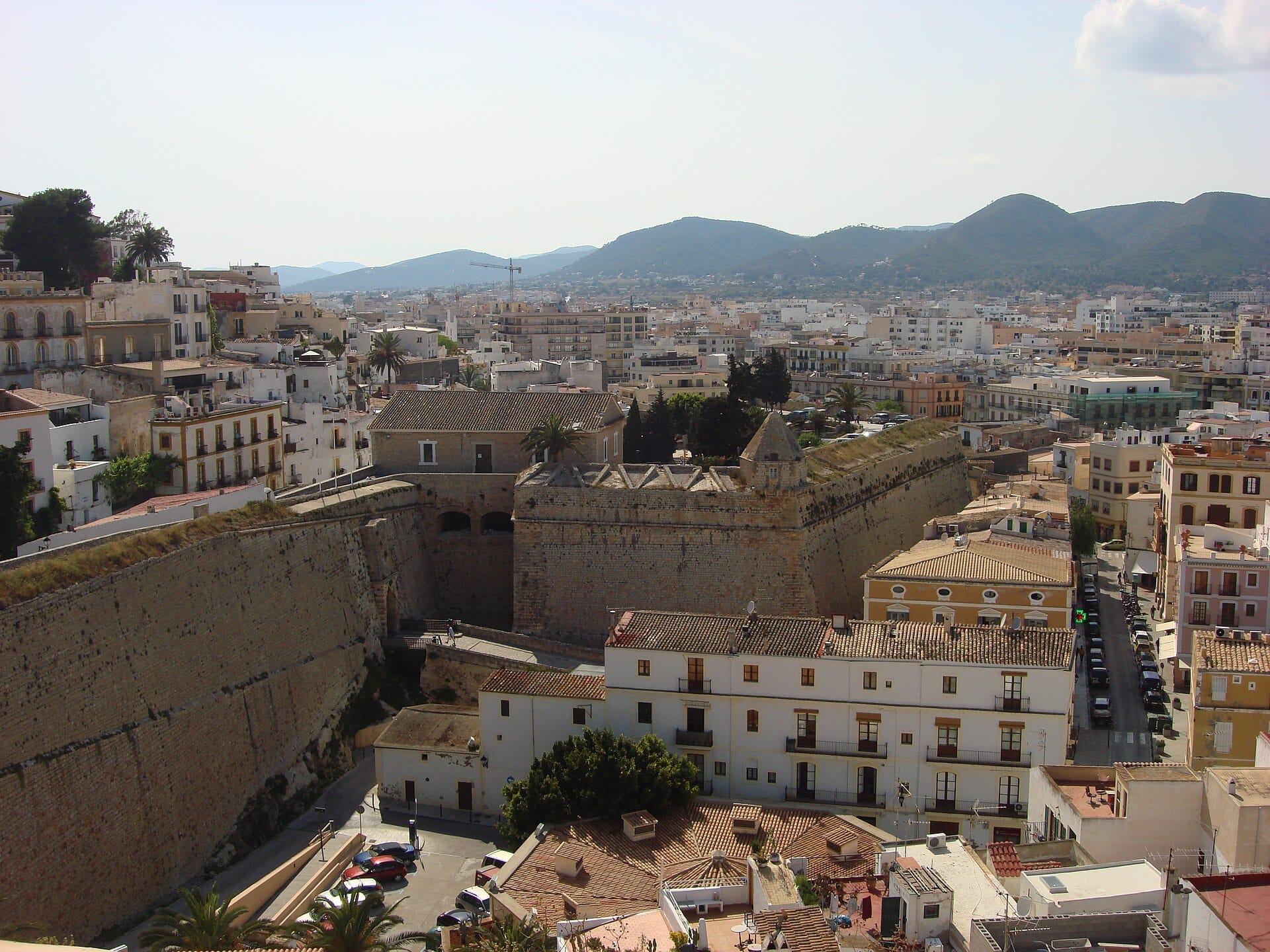
Dalt Vila sits at the centre of Ibiza Town, rising steeply above the harbour and the Sa Penya and La Marina districts that border it at sea level. The name means 'Upper Town' in Catalan, and the elevation is the first thing you notice: the walled acropolis climbs from roughly harbour level to around 75 metres above sea level at its highest point, where the cathedral stands. The walls themselves are Renaissance-era fortifications, built in the 16th century under orders from Philip II of Spain, and they form an irregular heptagonal perimeter reinforced by seven bastions. If you look at Ibiza Town from the water or from a nearby beach, Dalt Vila is the compact, crowned hill that dominates the skyline.
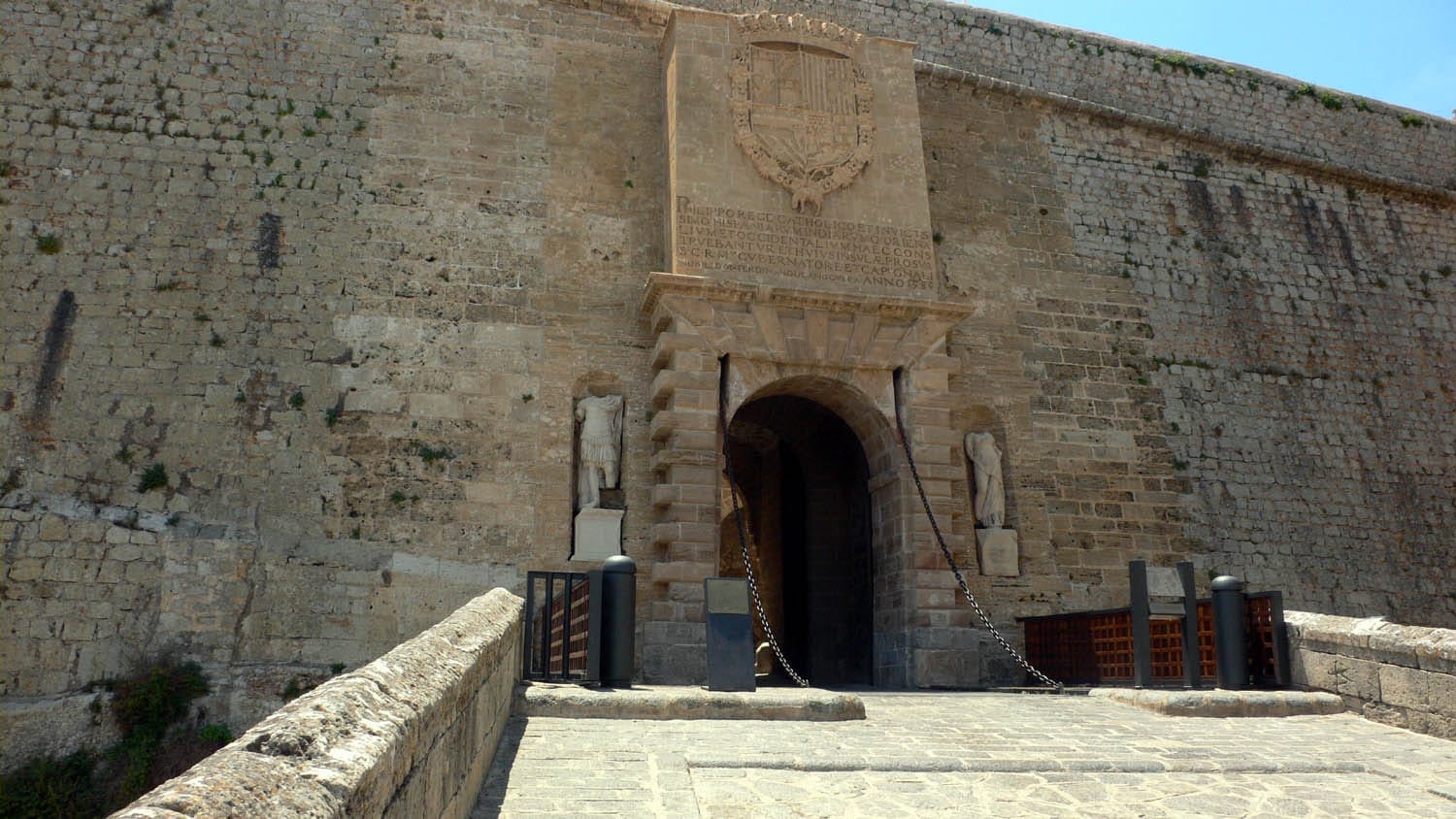
The main entrance is the Portal de Ses Taules, a ceremonial stone gateway at the base of the walls reached from La Marina, the lower harbour district, via a stone drawbridge and a ramp flanked by Roman statues. This is the historic primary gate and still the most dramatic entry point. A secondary entrance, the Portal Nou, allows access from the western side. Inside, streets climb sharply in all directions from the main square, Plaza de Vila, with lanes narrowing and steepening as you approach the cathedral at the summit.
Dalt Vila is functionally a small self-contained zone within the wider Ibiza Town municipality. La Marina, the lower old town district along the port, is the natural neighbour to the north and east, full of restaurants, boutiques, and the ferry terminal. To the west and south, the modern residential neighbourhoods of Ibiza Town spread across flat ground. Dalt Vila's walls mark its boundary precisely: once you pass through a gate, you are inside. Everything within those walls belongs to the historic quarter.
ℹ️ Good to know
Dalt Vila was inscribed as a UNESCO World Heritage Site in 1999, recognised for both its cultural heritage (the Phoenician-Punic archaeological legacy and Renaissance fortifications) and the natural values of the surrounding Ses Salines natural park and Posidonia seagrass meadows.
Character and Atmosphere
Dalt Vila operates at a different tempo from the rest of Ibiza. In the morning, before the tour groups arrive and while the clubs are still sleeping off the previous night, the old town is almost contemplative. The light is low and golden, angling through the stone archways and casting long shadows across the cobblestones. Cats occupy the steps. A few residents walk dogs or carry groceries uphill. The cathedral square at the top is usually empty before nine, and from the walls you can watch the fishing boats still moving in the harbour below.
By midday in summer, the main route through Portal de Ses Taules fills with visitors working their way up toward the cathedral. The Plaza de Vila, roughly a third of the way up, becomes a stopping point: people rest at the café terraces, consult maps, and decide whether to continue climbing. The upper streets remain quieter even then, partly because the gradient discourages casual wandering and partly because there are fewer obvious commercial draws above the main square. The further you climb, the older the silence.
In the evenings, particularly in summer, Dalt Vila transforms again. The restaurants around Plaza de Vila fill slowly from about eight o'clock onward, and the warm stone of the walls holds the day's heat long after sunset. The views from the Baluarte de Santa Lucía bastion and from the cathedral esplanade become genuinely spectacular at dusk, looking out over the harbour lights and across to Formentera on clear evenings. This is one of the few places on Ibiza where the evening has an atmosphere that has nothing to do with nightlife.
It is worth being honest about one limitation: Dalt Vila is steep, cobbled, and entirely without vehicular access for most visitors. The lanes inside the walls were not designed for luggage or mobility aids, and even fit, unencumbered walkers feel the gradient by the time they reach the top. In the peak summer months, the heat inside the walls can be intense in the early afternoon, with little shade on the upper streets. Those who prefer flat, easy walking may find the neighbourhood physically demanding.
What to See and Do
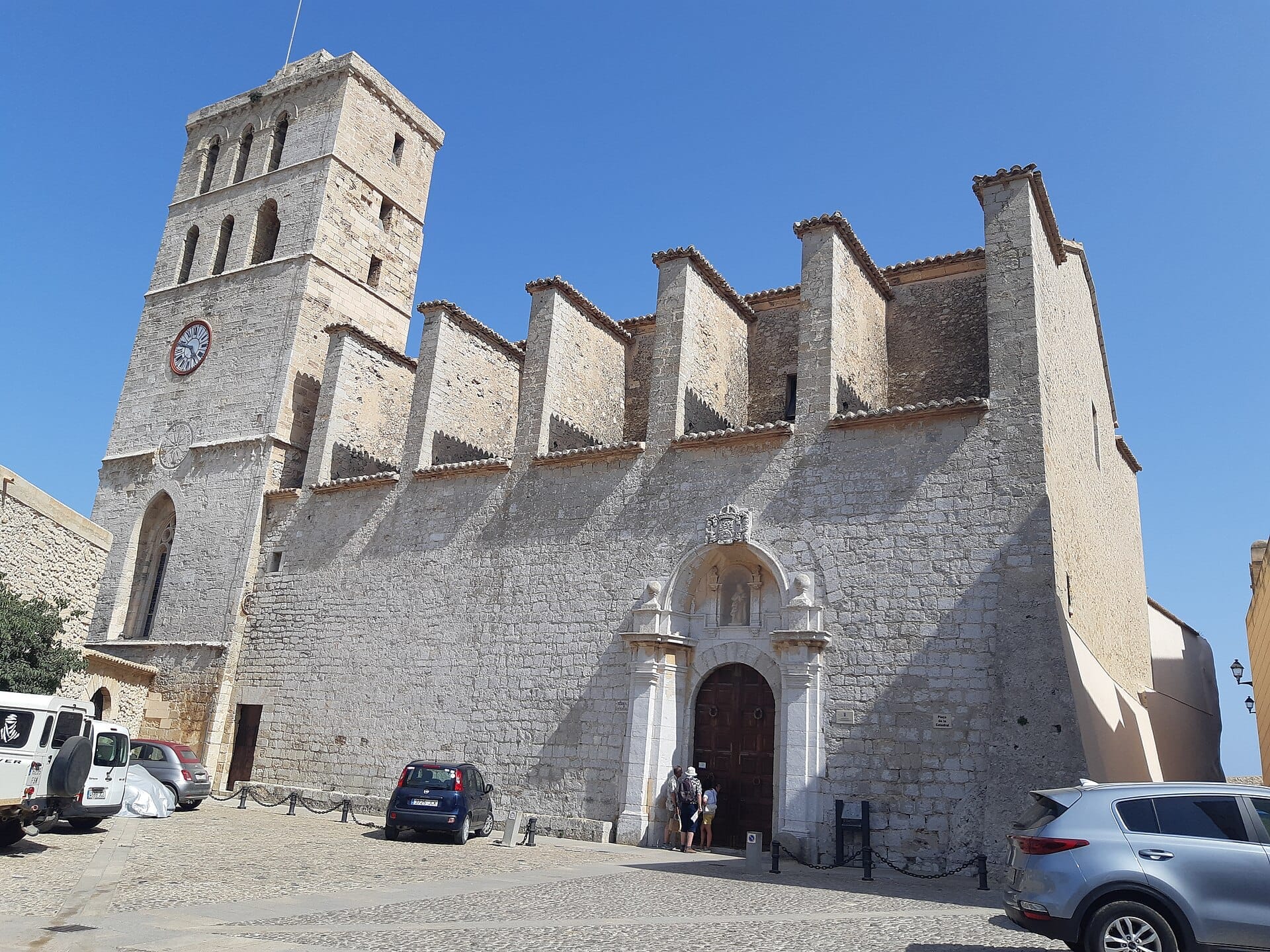
The most important monument inside Dalt Vila is the Ibiza Cathedral, which sits at the highest point of the walled town and has occupied that position, in various forms, since the 14th century. The current Gothic structure was substantially altered in the Baroque period, and the interior holds a small museum of ecclesiastical art and historical artefacts. But the real reason to make the climb is the terrace outside the cathedral, where the panoramic view takes in the harbour, the marina, the island of Formentera, and on clear days the coast of the Spanish mainland.
The Renaissance walls and bastions are themselves a primary attraction. Walking the perimeter of the fortifications, particularly along the outer walls where they are accessible, gives you a sequence of different views and a direct sense of the engineering that went into the 16th-century defensive system. The Baluarte de Santa Lucía, one of the seven bastions, is among the best-preserved and offers particularly clear views south toward Ses Salines.
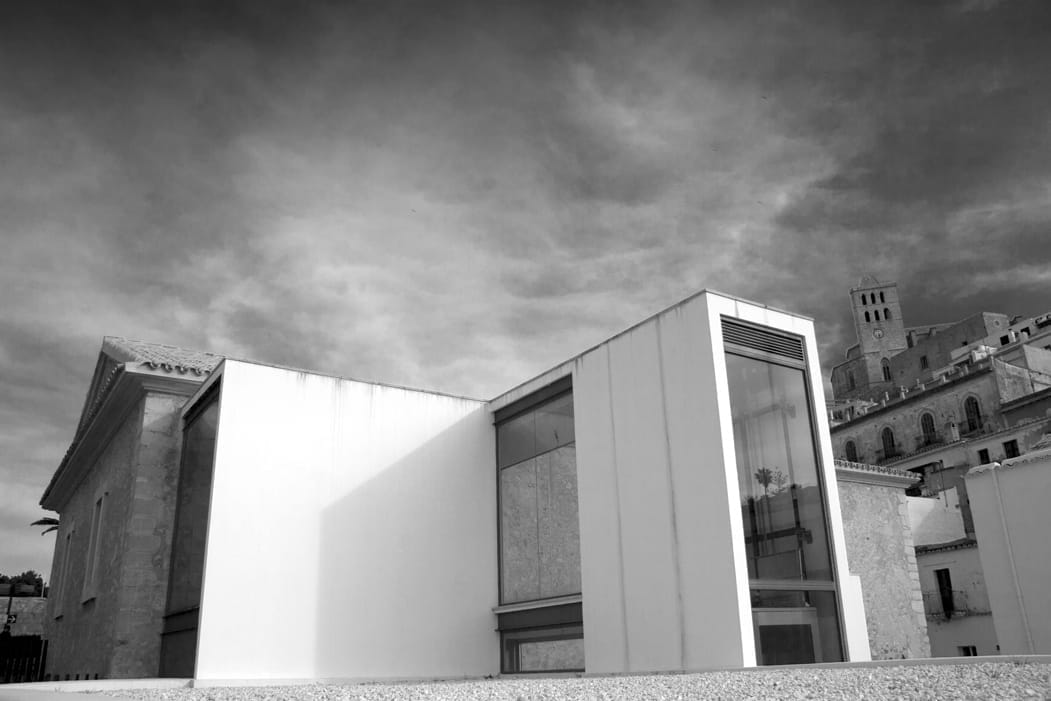
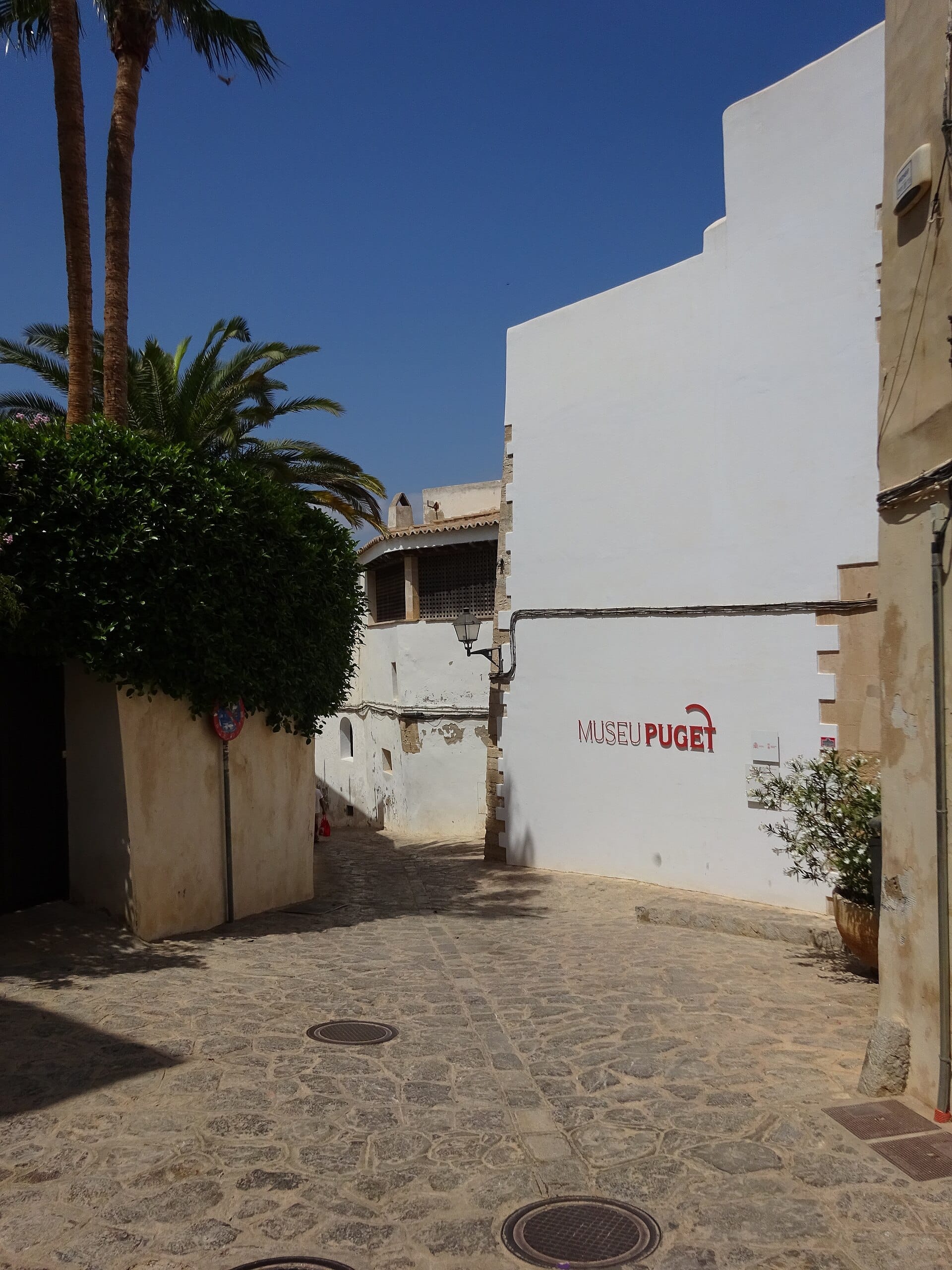
The Ibiza Museum of Contemporary Art occupies an 18th-century building on the main route up through the old town. It holds a permanent collection focused on artists connected to Ibiza, particularly those who settled here during the mid-20th century when the island became a destination for European avant-garde figures. The collection is modest in scale but genuinely interesting for understanding the island's cultural history beyond the obvious party reputation.
Just below the walls, and closely connected to the UNESCO heritage designation, is the Puig des Molins Necropolis, one of the most significant Phoenician and Punic burial sites in the Mediterranean. The site has been excavated since the 19th century and contains thousands of tombs carved into the rock, along with a museum displaying the finds. It is not inside Dalt Vila proper but sits directly adjacent to the walls and is a natural complement to any visit to the old town.
Portal de Ses Taules: the monumental main gateway into Dalt Vila, with a stone drawbridge and Roman statues flanking the entrance
Ibiza Cathedral: Gothic-Baroque church at the summit, with a terrace giving the best panoramic view in Ibiza Town
Dalt Vila walls and bastions: walk sections of the Renaissance fortifications for views over the harbour and surrounding sea
Ibiza Museum of Contemporary Art: small but well-curated collection in an 18th-century building on the main uphill route
Plaza de Vila: the main square inside the walls, good for a rest and a coffee midway through the climb
Puig des Molins Necropolis: immediately adjacent to the walls, one of the finest Phoenician-Punic archaeological sites in the western Mediterranean
💡 Local tip
For the best experience, enter through Portal de Ses Taules in the early morning (before 9am in summer) or in the late afternoon after 5pm. The middle of the day brings the most visitors and the most heat, and the walls offer limited shade on the upper streets.
Eating and Drinking
Dining in Dalt Vila is concentrated around Plaza de Vila and the streets immediately above Portal de Ses Taules. The restaurants here tend toward Spanish Mediterranean cooking: fresh fish, rice dishes, grilled meat, and seasonal vegetables, often served on terrace tables with views of the illuminated walls. Prices sit noticeably above the restaurants in La Marina below, reflecting both the setting and the tourist premium that comes with a UNESCO-designated address. This is a place for a considered dinner rather than a quick lunch.
The café terraces on Plaza de Vila serve coffee, cold drinks, and light snacks throughout the day. These are genuinely useful stopping points for people making the climb, and the terrace seating gives a good view down through the gate toward the harbour. A few small bars operate in the upper reaches of the old town, catering to a mix of residents and visitors who prefer the relative quiet of the hilltop to the louder options below.
One honest note: the food options within the walls are limited in number and close early by clubbing standards. If you are looking for a wide range of cuisines, casual street food, or eating past midnight, the La Marina and Sa Penya districts at harbour level offer far more variety and lower prices. Dalt Vila is best treated as a destination for one or two meals during a stay, rather than a neighbourhood to eat in every night.
Getting There and Around
Dalt Vila is a 10 to 15 minute walk from most of the central Ibiza Town accommodation along the harbour promenade and through La Marina district. There is no metro or rail system on Ibiza; the island's public transport is entirely by bus. Regular bus services connect Ibiza Town with Sant Antoni de Portmany, Santa Eulària des Riu, the airport, and other main settlements. The bus stops are at the lower town level, not inside the walls, so any journey into Dalt Vila itself ends on foot.
Ibiza Airport (IATA: IBZ) is approximately 7 kilometres southwest of Ibiza Town, with taxis taking around 10 to 15 minutes to reach the town centre. From the airport, buses also serve Ibiza Town at lower cost. Car rental is available at the airport, but driving into Dalt Vila is not practical: the streets inside the walls are extremely narrow and steep, and parking around the base of the old town is limited and often full in summer.
Within Dalt Vila, all movement is on foot. The main uphill route from Portal de Ses Taules to the cathedral is clearly defined: through the gate, across the drawbridge, up through the archway, and then a series of rising lanes that curve toward the summit. It takes a reasonably fit person about 15 minutes to walk from the gate to the cathedral terrace without stopping. The secondary entrance at Portal Nou connects to the western side of the town below and offers an alternative route that is slightly less steep in its lower section.
⚠️ What to skip
The cobbled streets inside Dalt Vila are steep and uneven. They are not suitable for pushchairs, wheelchairs, or wheeled luggage. Wear shoes with grip, particularly if visiting in the evening when the stones can be slippery from condensation or light rain.
Where to Stay
There are a small number of boutique hotels and apartments within the walls of Dalt Vila itself, and staying inside the old town is a distinct experience: waking to near-silence, stepping out into stone lanes, and having the cathedral and the views to yourself before the day visitors arrive. These properties tend to be expensive, carry the physical caveats of the steep access, and require guests to carry luggage uphill from the nearest vehicle drop-off point. For those whose priority is the historic atmosphere of Ibiza Town, they represent the best possible position. For a broader guide to where to base yourself, the Ibiza accommodation guide covers all the main areas of the island.
For most visitors, staying in La Marina or the area around the Ibiza Town port gives easy walking access to Dalt Vila without the logistical complications of the steep streets. This also puts you closer to the ferry connections for Formentera day trips, the port restaurants, and the wider range of eating and nightlife options. Families with young children or anyone with mobility considerations would find a lower-town base much more practical.
Those who want to use Dalt Vila as a cultural base for exploring the wider island should note that day trips to the north, to the west-coast beaches, and even to Formentera are all easily managed from Ibiza Town, with the ferry terminal a short walk from the base of the old town walls. The first-timer guide to Ibiza has more on how to structure time across the island.
Dalt Vila in Context: History and Significance
The hill that Dalt Vila occupies has been settled continuously since at least the 8th century BCE, when Phoenician traders established a presence on Ibiza. The Punic culture that followed left its most tangible mark in the Puig des Molins necropolis. Roman, Byzantine, Moorish, and Aragonese periods each added layers, but what visitors see today is shaped most visibly by the 16th century, when the Spanish Crown invested heavily in modernising the island's defences against Ottoman and Barbary Coast threats. The Renaissance fortification system, with its angular bastions designed to deflect artillery fire, replaced the medieval walls and survives almost intact.
The UNESCO inscription in 1999 recognised this layered history alongside the natural environment of the surrounding marine area. Ibiza's designation covers four separate elements: Dalt Vila itself, the Sa Caleta Phoenician settlement on the southwest coast, the Puig des Molins necropolis, and the Ses Salines natural park with its Posidonia seagrass meadows. Understanding this helps explain why the old town is treated with the level of conservation seriousness it is: it is not just a pretty historic quarter but a site of documented Mediterranean-wide archaeological significance. For more on Ibiza's most historically significant sites, the dedicated Dalt Vila guide goes into greater depth on the archaeology and architecture.
TL;DR
Dalt Vila is Ibiza Town's UNESCO World Heritage walled old town, built on a hill above the harbour with Renaissance-era fortifications, a hilltop cathedral, and Phoenician archaeological heritage beneath its cobbled streets.
Best experienced in the early morning or late afternoon: the middle of summer days brings heat, crowds, and limited shade on the upper streets.
Essential stops include Portal de Ses Taules, the cathedral terrace, the Museum of Contemporary Art, the Baluarte de Santa Lucía bastion, and the adjacent Puig des Molins necropolis.
All access is on foot via steep, uneven cobblestones: not suitable for pushchairs, wheelchairs, or wheeled luggage, and physically demanding in summer heat.
This neighbourhood suits travellers who want history, architecture, and genuine atmosphere rather than beach clubs or party venues. It is the part of Ibiza that has nothing to prove and rewards patience.
Ibiza's 210 kilometres of coastline hide many beaches, from party-ready stretches to remote pine-fringed coves. This guide covers the island's finest, organised by character so you can find exactly the beach you're looking for.
Ibiza rewards visitors differently depending on when you arrive. This guide breaks down every season on the island: weather, crowd levels, pricing, nightlife timing, and the months most travelers overlook. Whether you're chasing peak-season energy or a quieter Mediterranean escape, the timing matters more than most guides admit.
Formentera is just a short ferry ride (around 20 km) from Ibiza, but it feels like a different world. This guide covers everything for a day trip: how to get the ferry, what it costs, where to go on the island, and what most visitors get wrong.
Ibiza is small enough to cross in under an hour, but getting around efficiently depends entirely on when you visit and where you're headed. This guide covers every transport option on the island, from the airport bus to the Disco Bus, with real price ranges and practical guidance on what's worth it.
Dalt Vila is the fortified hilltop heart of Ibiza Town, inscribed as a UNESCO World Heritage Site in 1999 for its Renaissance walls, layered history, and cultural depth. This guide covers every major sight, the best walking route, seasonal advice, and the practical details you need to make the most of your visit.
Ibiza is more than its nightlife reputation. This guide covers the essentials for first-time visitors: the best time to arrive, how to get around the island, where to base yourself, what things actually cost, and how to see the side of Ibiza that most tourists miss entirely.
Ibiza is far more than its superclubs and famous shorelines. This guide uncovers the island's quieter, deeper side: fortified hilltop towns, dramatic coastal hikes, authentic village markets, and unspoiled nature that most visitors fly straight past.
Ibiza has over 140 marked trails threading through pine forests, clifftop coastlines, and protected natural parks. This guide covers the best hikes on the island, from the summit of Sa Talaia to the dramatic Es Vedrà coastal trail, with practical tips for every level.
Ibiza's hippy markets are a living legacy of the island's counterculture roots, offering handmade jewellery, bohemian clothing, artisan crafts, and a social atmosphere unlike anything else on the island. This guide covers every major market, from the iconic Las Dalias to the vast Punta Arabí, plus smaller village markets, flea markets, and the best complementary experiences to build your market day around.
September and October mark one of the most interesting transitions on the Balearic island of Ibiza. The club season reaches its emotional finale, crowds thin out, prices drop, and the island starts to breathe again. This guide covers everything from closing party logistics to the best beaches and day trips once the last DJ plays out.
Seven days is the ideal amount of time to experience Ibiza beyond the clubs. This itinerary covers the UNESCO-listed old town, the island's best beaches across multiple coasts, hippy markets, San Antonio sunsets, and a day trip to Formentera, with practical guidance on what to skip and when to go.
Ibiza nightlife runs on its own logic: doors open at midnight, headliners play at 4am, and a single night out can cost €200 before you know it. This guide breaks down every layer of the scene, from superclub pricing and weekly residencies to boat parties, budget bars, and how to get around safely after dark.
Ibiza has a reputation for luxury excess, but the island is genuinely doable on a tight budget. This guide breaks down real costs, the best free activities, transport options, and the timing tricks that can cut your bill by a third.
Ibiza's west-facing coastline turns extraordinary at dusk. Whether you want a front-row bar stool at San Antonio's legendary Sunset Strip or a quiet clifftop above Es Vedrà with no one else around, this guide covers the island's finest sunset experiences across beach coves, hilltop viewpoints, and atmospheric gathering spots.
Ibiza is one of Europe's most misunderstood destinations. Yes, it has world-famous nightlife. But this 572 km² Spanish island in the Balearic archipelago also holds a UNESCO World Heritage Site, dozens of pristine coves, ancient Phoenician ruins, and a thriving market culture. This guide covers all of it — with clear guidance on what's worth your time and what isn't.
Ibiza accommodation spans budget dorm beds at €25 per night to clifftop villas at €5,000 per night. This guide breaks down every major area, what it actually costs, and who each zone suits best — so you book the right place the first time.