Ibiza on a Budget: How to Visit Without Overspending
Ibiza has a reputation for luxury excess, but the island is genuinely doable on a tight budget. This guide breaks down real costs, the best free activities, transport options, and the timing tricks that can cut your bill by a third.
Plan and book this trip
Tools from our partner Travelpayouts help you compare flights and hotels. If you book through them, we may earn a commission at no extra cost to you.
Flights
Hotels map
TL;DR
- Shoestring travellers can get by on about €60–80 per day using hostels, supermarkets, public buses, and free beaches.
- Visiting in May, June, or September rather than late July and August typically cuts accommodation costs by 30–40%.
- All public beaches, including Cala Comte and Las Salinas, are free to access — sunbeds and parasols are optional extras.
- Base yourself in San Antonio for the best combination of affordable accommodation and easy Disco Bus connections to clubs.
- Ibiza is pricier than mainland Spain, but the 'only for millionaires' narrative is outdated — planning makes a real difference.
What Does Ibiza Actually Cost Per Day?
Ibiza is an expensive island by Spanish standards, but it is not the financial black hole some travel writers make it out to be. The gap between a budget trip and a luxury trip here is enormous, and it is almost entirely determined by three things: when you go, where you sleep, and how many club nights you do.
- Shoestring (€60–80/day) Hostel dorm bed (€30–45/night in shoulder season), supermarket breakfasts and dinners, menú del día lunches around €10–12, public buses, free beaches and hiking. No club nights.
- Budget traveller (€100–150/day) Budget private room or Airbnb shared apartment, one or two restaurant meals per day, occasional beach bar drink, one or two club nights per week. Getting around by bus and Disco Bus.
- Mid-range (€150–250/day) Mid-tier hotel or apartment, eating out most meals, two to three club nights per week with pre-bought tickets, day trip to Formentera, occasional taxi.
Club entry is the biggest single budget variable. Entry to major venues ranges from around €30 to over €80 per person, and drinks inside can run €15–25 each. A single big night out can cost more than three days of everything else combined. That context matters when planning.
ℹ️ Good to know
Currency: Spain uses the Euro (EUR). Ibiza operates on Central European Time (CET, UTC+1), switching to Central European Summer Time (CEST, UTC+2) in summer. Emergency number across Spain is 112.
The Smartest Way to Time Your Trip
Timing is the single highest-leverage budget decision you can make. Ibiza's official party season typically runs from early May through late September, with the peak of crowds and prices hitting in late July and August. If cutting costs matters more than saying you went in peak summer, September and October are worth serious consideration.
- May and early June Warm but not yet scorching (mid-20s °C), beaches starting to fill up but not packed, accommodation 30–40% cheaper than August. Most clubs open from mid-May. Good balance of atmosphere and value.
- Late July and August Peak season. Ibiza airport (IBZ) handles its highest traffic. Hotel prices spike, beaches are at their most crowded, and everything from taxis to cocktails costs more. Not the budget choice.
- September Still reliably hot and sunny (Ibiza's Mediterranean climate means temperatures stay above 25°C well into September). Clubs run closing parties, which can be iconic nights. Prices begin dropping noticeably.
- October The last closing parties finish in early October, then the island quiets sharply. Accommodation deals are genuinely good. Sea temperature is still warm enough for swimming. Not for nightlife, but excellent for hiking, beaches, and culture.
✨ Pro tip
Book accommodation three to four months before a summer trip and you can save 20–30% versus last-minute rates. In July and August, last-minute budget rooms are essentially non-existent in popular areas.
Free and Low-Cost Activities Worth Your Time
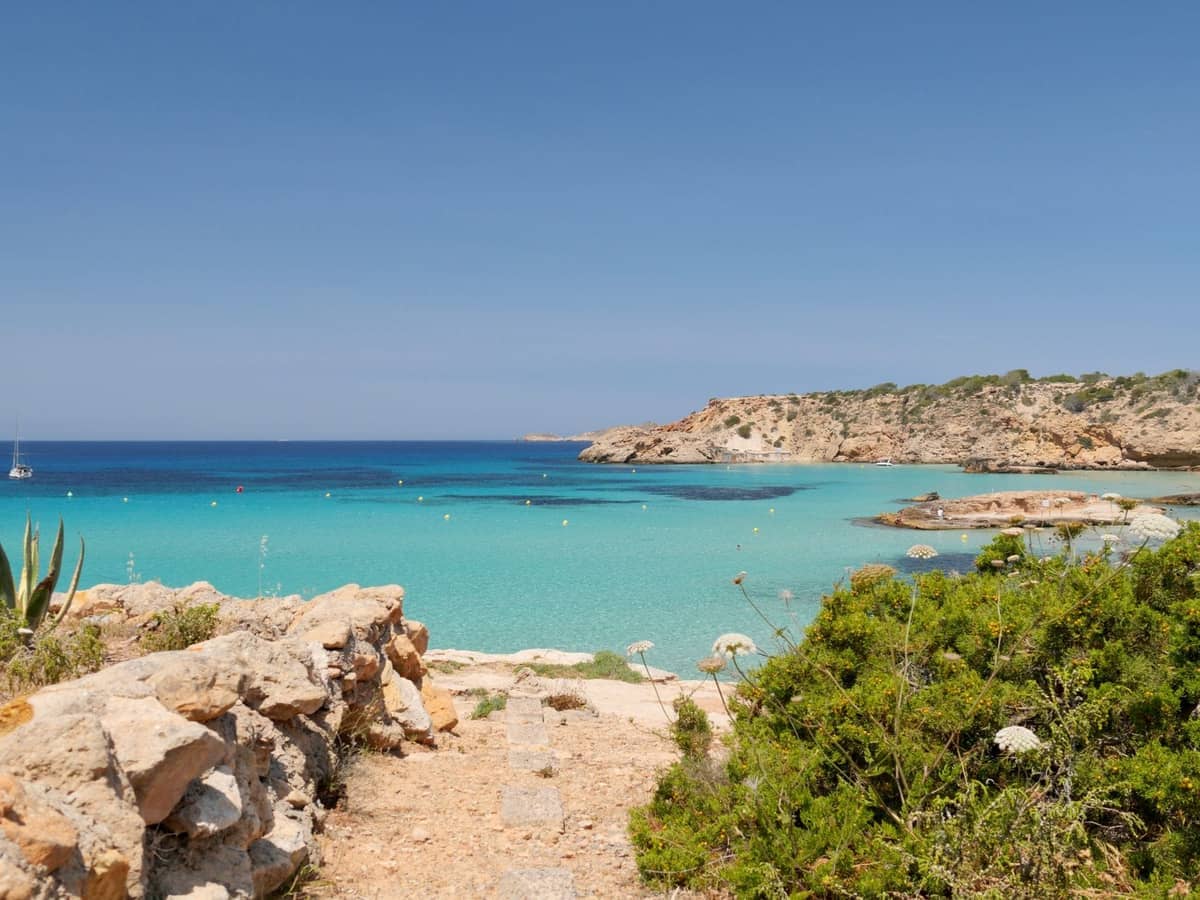
The good news: Ibiza's best things are either free or very cheap. Many public beaches on the island are free to access under Spanish beach law. Sunbed and parasol rentals are optional add-ons, typically €10–20 each per day, and skipping them costs you nothing except a bit of shade.
The northwest coast has some of the island's most photogenic coves. Cala Salada and Benirràs Beach are both reachable by public bus or a short taxi ride, and both are free. Benirràs remains a free sunset stop; the official Sunday drum circle has been discontinued, though informal sessions may occasionally appear and are not guaranteed.
For sunsets, the island's iconic sunset spots include the Café del Mar strip in San Antonio. Walking along the waterfront to watch the sunset is free. Sitting at a bar drinking is not — it is a choice, not a requirement.
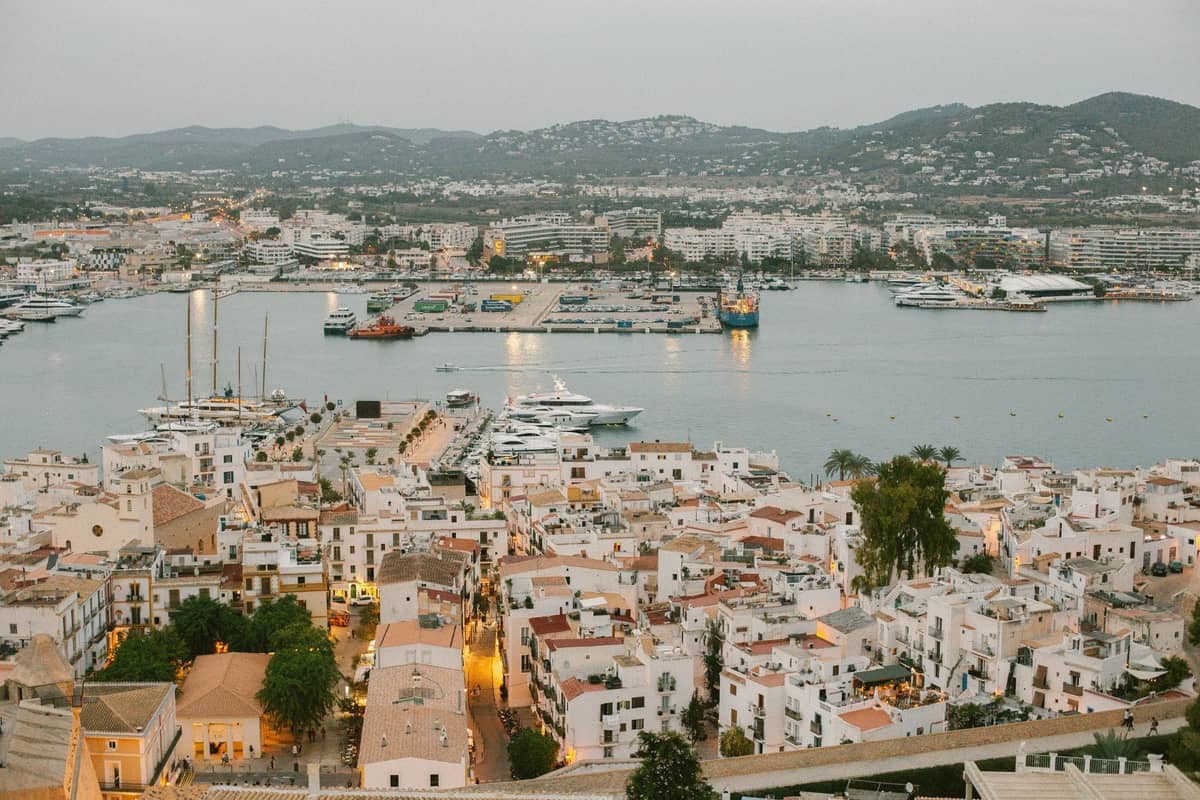
- Walk the walls of Dalt Vila, Ibiza Town's UNESCO-listed old city — free to explore on foot in many areas
- Hike the Es Vedrà coastal trail for dramatic cliff views with no entry fee
- Visit the Necròpolis del Puig des Molins, one of the most significant Phoenician-Punic cemeteries in the Mediterranean, with a small museum entry fee
- Explore the Ses Salines Natural Park on foot or by bike — the protected landscape around the salt flats has free-access areas
- Browse the Las Dalias hippy market in Sant Carles on Saturday mornings — entry is free, buying things is optional
- Swim at Ses Salines and Las Salinas beaches, which consistently rank among the island's most beautiful and are fully public
Hiking is one of Ibiza's most underrated budget activities. Trails range from easy coastal walks to the ascent of Sa Talaia, the island's highest point at 475 metres, which rewards with panoramic views across the Balearics on clear days. Our Ibiza hiking guide covers the best routes in detail.
Getting Around Without Blowing the Budget
Ibiza does not have a metro or train network. Public transport means buses, and the bus network is better than most visitors expect. Ibiza Town, San Antonio, and Santa Eulalia are all well-connected, and many beach routes run in summer. Day tickets and multi-ride options can offer good value if you plan to move around.
The Disco Bus network deserves special mention. These late-night routes run between the main club zones, including Playa d'en Bossa, San Antonio, and Ibiza Town, and are significantly cheaper than taxis. A taxi from Playa d'en Bossa to San Antonio can cost noticeably more late at night; the Disco Bus covers the same journey for a fraction of that. For a budget clubber, the Disco Bus is non-negotiable.
⚠️ What to skip
Taxis from Ibiza Airport (IBZ) to Ibiza Town take around 10–15 minutes and are the fastest option, but late-night and peak-season surcharges can push fares noticeably higher. Public buses run from the airport to Ibiza Town and other points on the island and are considerably cheaper — check the current schedule from the official Consell d'Eivissa transport site before you travel, as timetables change seasonally.
Renting a car makes sense if you have three or more people and want flexibility to reach remote beaches without taxi costs adding up. In July and August, road traffic and parking near popular beaches can be frustrating and parking fees apply at some spots. In May, June, September, and October, driving is a more relaxed experience. Scooter rental is another option popular with locals and budget travellers, but verify your travel insurance covers it before booking.
Where to Eat and Drink on a Budget

Food costs in Ibiza span an absurd range. A breakfast of coffee and a pastry at a local bakery costs about €3–5. The same breakfast at a beach club or hotel terrace costs €15–25. The food is rarely three or four times better — you are paying for the setting.
The menú del día is the budget traveller's best friend across all of Spain, and Ibiza is no exception. Most Spanish-oriented restaurants away from the main tourist drags offer a set lunch menu — typically a starter, main course, dessert or coffee, and often bread and a glass of wine or water — The menú del día is the budget traveller's best friend across all of Spain, and Ibiza is no exception. Most Spanish-oriented restaurants away from the main tourist drags offer a set lunch menu — typically a starter, main, dessert or coffee, and often bread and a glass of wine or water — for around €10–14. It is almost always the best-value meal on the island and a genuine taste of how locals eat.
- Buy breakfast supplies (fruit, bread, yoghurt) from a supermarket — Mercadona is the main chain and has multiple island locations
- Eat your main meal at lunch using the menú del día: target restaurants in residential neighbourhoods rather than beachfront tourist rows
- Beach snacks like bocadillos (filled rolls) from local bars cost €4–7 and are filling enough to skip an expensive beach-club meal
- Self-catering for dinner a few nights per week using supermarket produce can bring overall food spend to €25–35 per day
- In Ibiza Town, the streets around the port and Dalt Vila's lower section have a mix of tourist and local-oriented places — walk one or two streets back from the waterfront for better prices
Drinks at clubs and beach clubs are expensive, full stop. Cocktails often run €15–25, beers about €8–12. If you plan to drink, pre-loading at a supermarket or apartment before going out is a practical reality for budget travellers, not a shameful workaround.
How to Do Ibiza's Nightlife Without Going Broke
Ibiza's club scene is world-class, and if that is why you are here, trying to avoid it entirely is the wrong approach. The key is being strategic. Buy tickets in advance through official channels or reputable ticket platforms, where presale prices are typically lower than door prices. Plan for one to three major nights rather than going out every night — that is how you get the full experience without a huge credit card bill. Check our Ibiza nightlife guide for a full breakdown of venues, locations, and what to expect.
Basing yourself in San Antonio is a practical budget move. It has the widest range of affordable accommodation, is served well by the Disco Bus network, and sits right on the Sunset Strip — free entertainment every evening. Staying here versus a resort area closer to the main clubs can save €70–100 in taxi costs per trip.
💡 Local tip
Several venues run free or low-cost daytime and early evening events, particularly in June and September. Pool parties and pre-club sessions at major venues sometimes have free entry in shoulder season for early arrivals. Check venue social channels for the current season's schedules — these offers disappear quickly.
Where to Stay: Budget Accommodation Options
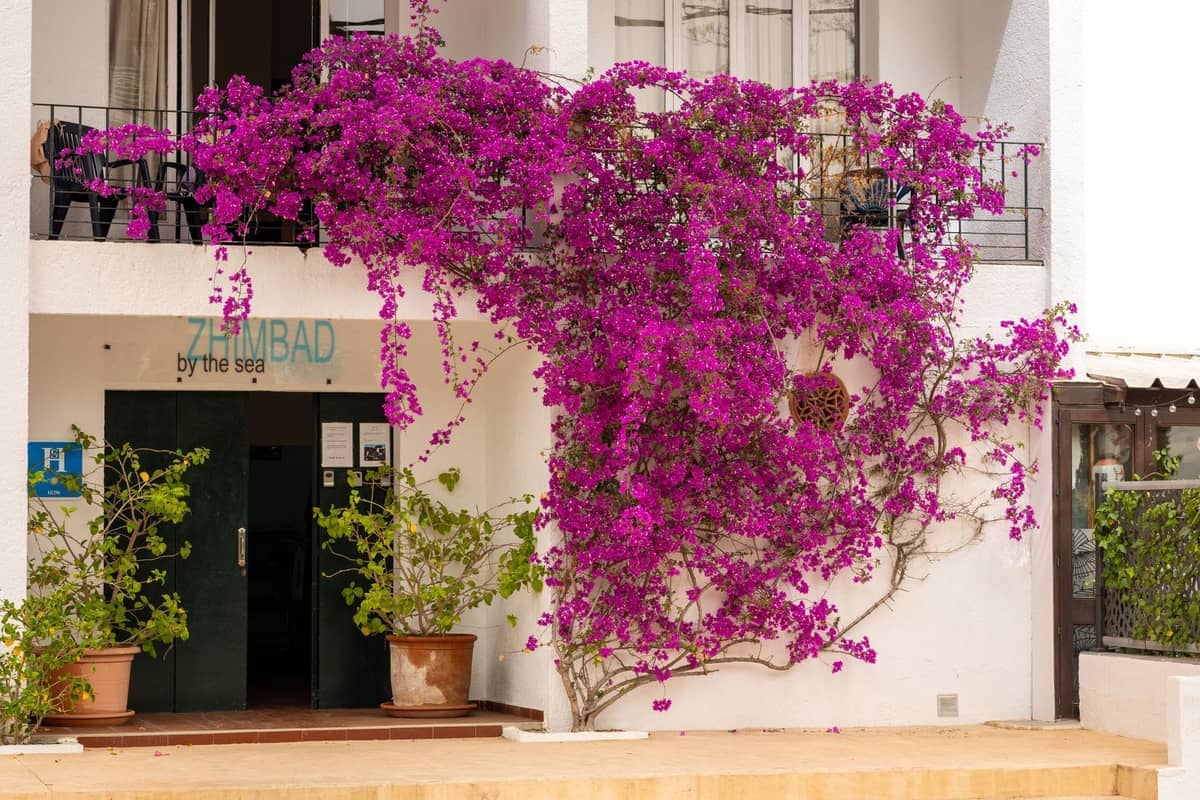
Hostels exist on Ibiza, particularly in Ibiza Town and San Antonio, with dorm beds starting around €30–45 per night in shoulder season and climbing significantly in August. For a budget private room, shared apartments via booking platforms are often more economical than hotels in the same category. Where to stay in Ibiza covers the full range of options and neighbourhoods.
Staying outside the main resort strips — in smaller villages or inland areas — can bring costs down further, though you will be more dependent on a hire car or bus timetables. Santa Eulalia on the east coast tends to be quieter and slightly more affordable than San Antonio while still offering beach access and transport connections.
FAQ
Is Ibiza worth visiting on a budget?
Yes, provided you set realistic expectations. You will not be at beach clubs every afternoon or clubbing every night, but you can have an excellent trip: great beaches, excellent food, hiking, cultural sights, and a few proper nights out. The island's natural landscape and coastline cost nothing to enjoy.
What is the cheapest time of year to visit Ibiza?
October offers some of the lowest prices, though many clubs close by mid-October and the island is noticeably quieter. For a balance of good weather, open venues, and reasonable prices, May and September are the strongest choices for budget-conscious travellers.
How much spending money do I need per day in Ibiza?
On a shoestring, about €60–80 per day covers a hostel dorm, self-catered meals, and public transport with no club nights. A more comfortable budget that includes eating out and one or two club nights per week sits closer to €120–160 per day averaged across a week.
Is it easy to get around Ibiza without a car?
In summer, yes. Public buses connect the main towns and most popular beaches, and day tickets can offer good value. The Disco Bus covers late-night routes between club areas cheaply. In October and outside high season, bus frequency drops and some routes stop running, making a hire car more useful.
Are there free things to do in Ibiza besides the beach?
Plenty. Plenty. Walking the Dalt Vila walls, watching the sunset from the San Antonio waterfront, exploring the Ses Salines Natural Park, attending the Las Dalias Saturday market, and hiking Sa Talaia are all free or low-cost. The Phoenician necropolis at Puig des Molins charges a small museum entry fee and is one of the island's most important archaeological sites.