Where to Stay in Ibiza: The Complete Area-by-Area Guide
Ibiza accommodation spans budget dorm beds at €25 per night to clifftop villas at €5,000 per night. This guide breaks down every major area, what it actually costs, and who each zone suits best — so you book the right place the first time.
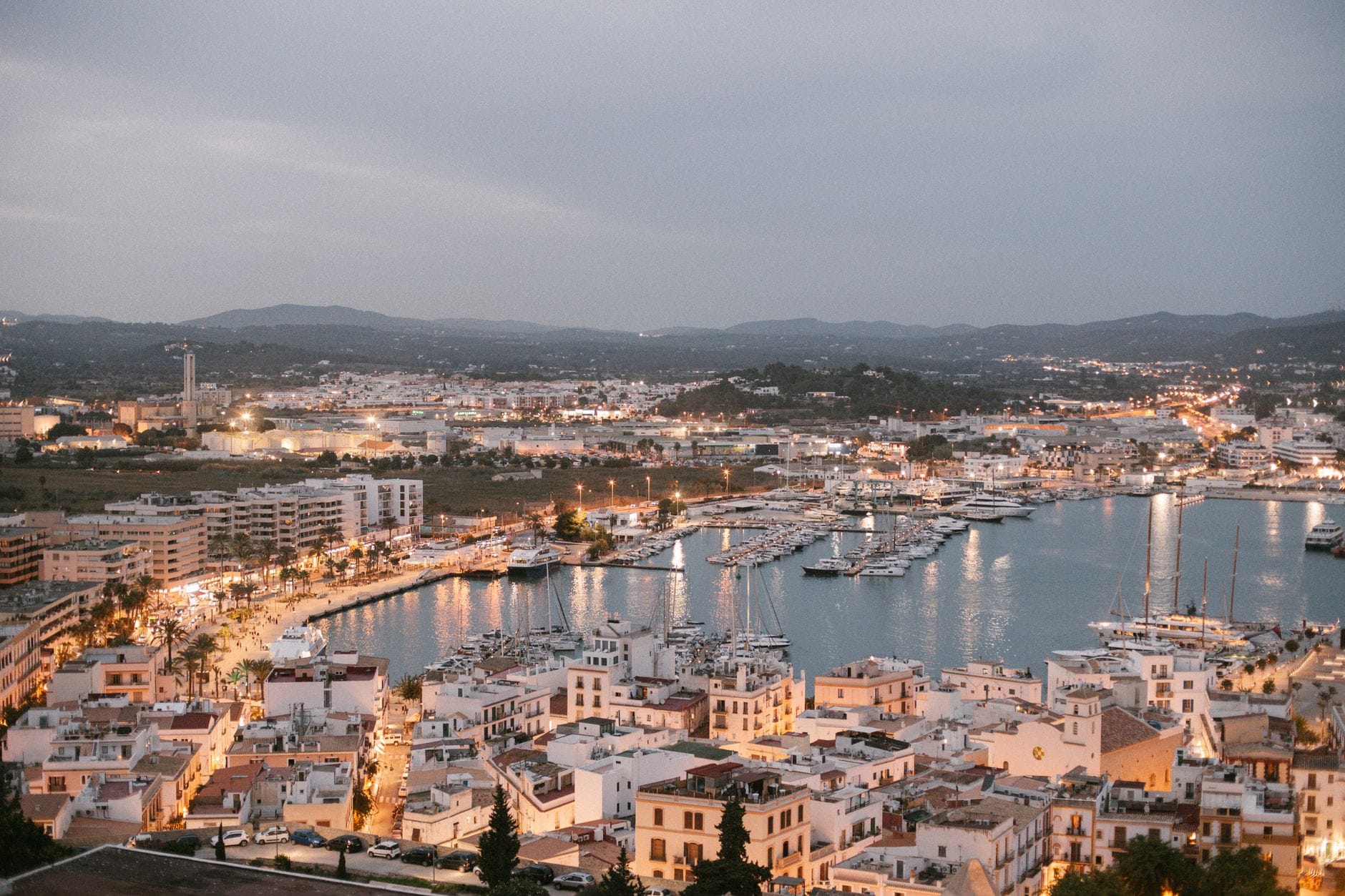
Plan and book this trip
Tools from our partner Travelpayouts help you compare flights and hotels. If you book through them, we may earn a commission at no extra cost to you.
Flights
Hotels map
TL;DR
- Ibiza hotels range from around €80/night for a three-star double to €350-600+ for a four or five-star beach resort in peak summer.
- The island divides into distinct zones: Ibiza Town for culture and nightlife, San Antonio for the party crowd, Santa Eulalia for families, and the north for a quieter, more rural experience.
- Peak season (June-August) pushes prices 40-60% higher than shoulder season — if flexibility allows, September and October are a strong value window.
- Hostels and budget apartments do exist, starting around €25-35 per night in shared rooms — Ibiza is not exclusively ultra-luxury.
- Where you sleep shapes your entire trip. Read the area breakdowns below before booking, or check our first-timer's guide to Ibiza if you are planning from scratch.
Understanding Ibiza's Accommodation Landscape
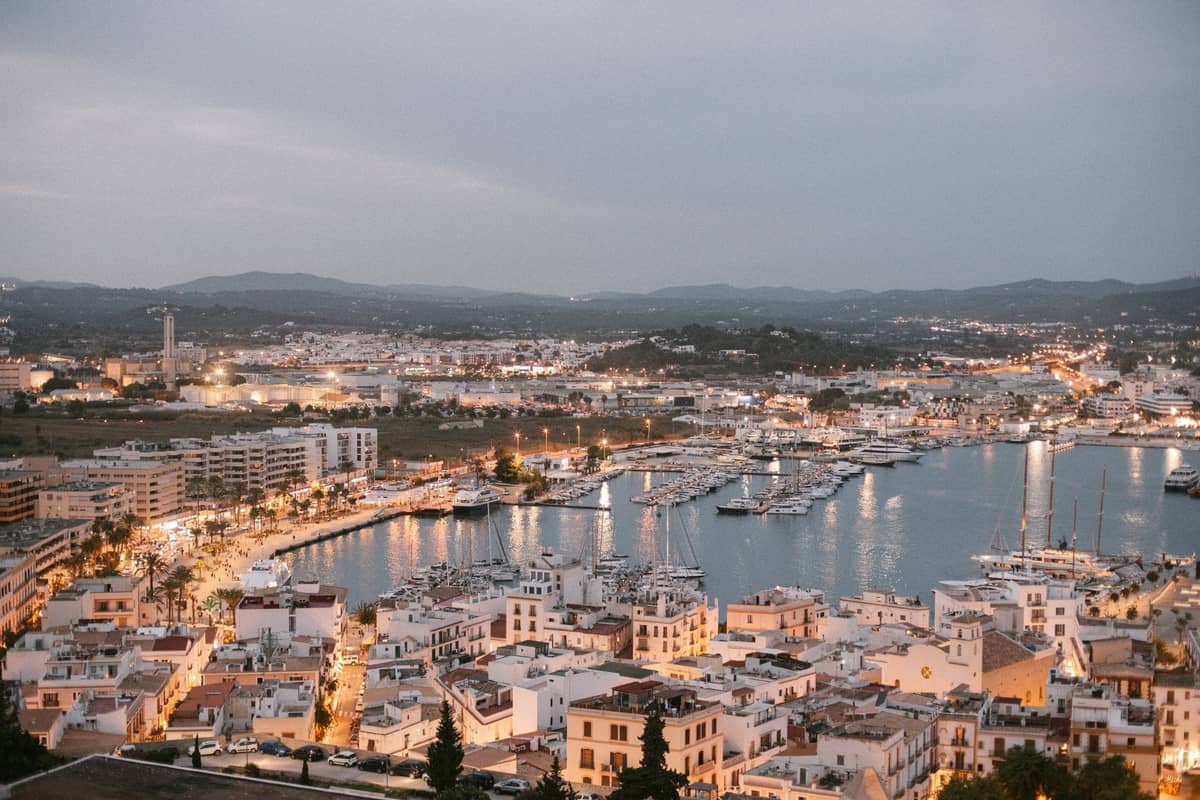
Ibiza is a Spanish island of about 571 square kilometres in the Balearic Islands, with a permanent population of roughly 150,000 that swells dramatically during the summer tourism season. That seasonal pressure is the single biggest factor in how Ibiza hotels are priced. The island airport (IATA: IBZ) sits about 7 km southwest of Ibiza Town and handles millions of passengers annually, which is when accommodation prices spike and availability tightens fast. that swells dramatically during the summer tourism season. That seasonal pressure is the single biggest factor in how Ibiza hotels are priced. The island airport (IATA: IBZ) sits about 7 km southwest of Ibiza Town and receives millions of visitors between May and October, which is when accommodation prices spike and availability tightens fast.
The good news: Ibiza's accommodation market is more varied than its reputation suggests. Yes, you can spend €2,000 a night on a villa in Es Cubells. You can also find a clean hostel dorm for €30. The key is matching your area to your priorities — nightlife access, beach quality, family atmosphere, or peace and quiet — because location dictates almost everything about your stay. Price differences between zones can be dramatic even for identical room types.
ℹ️ Good to know
Official languages on Ibiza are Spanish (Castilian) and Catalan. The local Catalan variety is called Eivissenc. You will see place names in both: 'Ibiza Town' and 'Eivissa' refer to the same city; 'Sant Antoni de Portmany' is the official name for what most visitors call San Antonio. English is widely spoken in tourist areas.
Ibiza Town (Eivissa): Best for Culture, Dining, and Nightlife Access
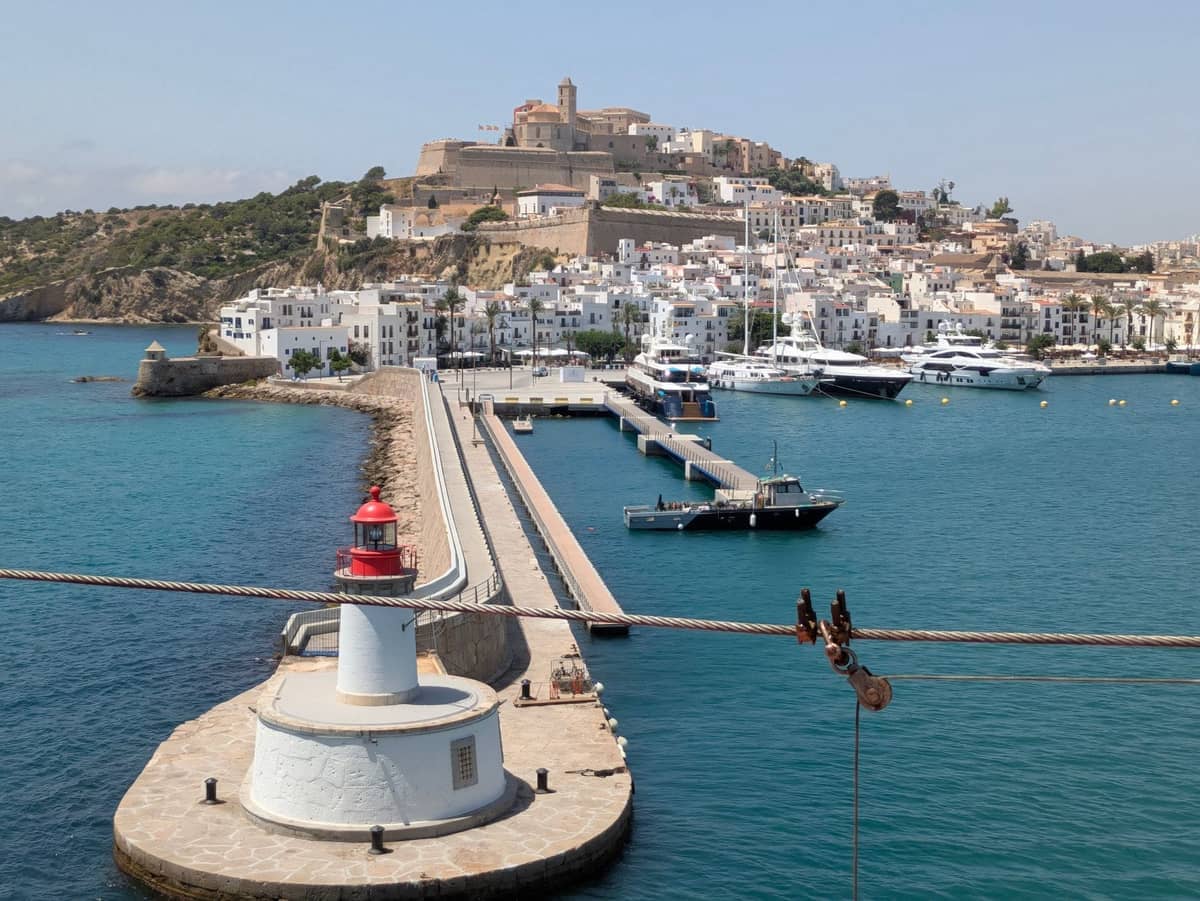
Ibiza Town is the island's main urban centre and the most sophisticated base for a first visit. The port area, marina, and the UNESCO-listed fortified old town Dalt Vila sit within walking distance of each other. Boutique hotels here lean towards design-led and heritage properties rather than the pool-and-sunlounger resort format. The Montesol Experimental Ibiza, on the main boulevard, is one of the most storied addresses on the island. Rooms in central Ibiza Town hotels typically run €120-200 per night in shoulder season and €200-350+ in peak July and August.
The neighbourhood around the port and La Marina is compact and walkable, with good restaurant density and easy access to ferries for a day trip to Formentera. Staying here puts you close to Pacha, one of the world's most iconic clubs, without being stuck in the middle of the party zone. It is a practical base that works across different travel styles — couples, solo travellers, and those doing a mix of beach days and cultural sightseeing.
💡 Local tip
If you want Dalt Vila access without the noise, look for hotels on the quieter streets above the port rather than directly on the waterfront. The harbour views are beautiful but the marina strip gets loud well into the early hours during summer.
Playa d'en Bossa: Best for Beach Clubs and the Party Scene
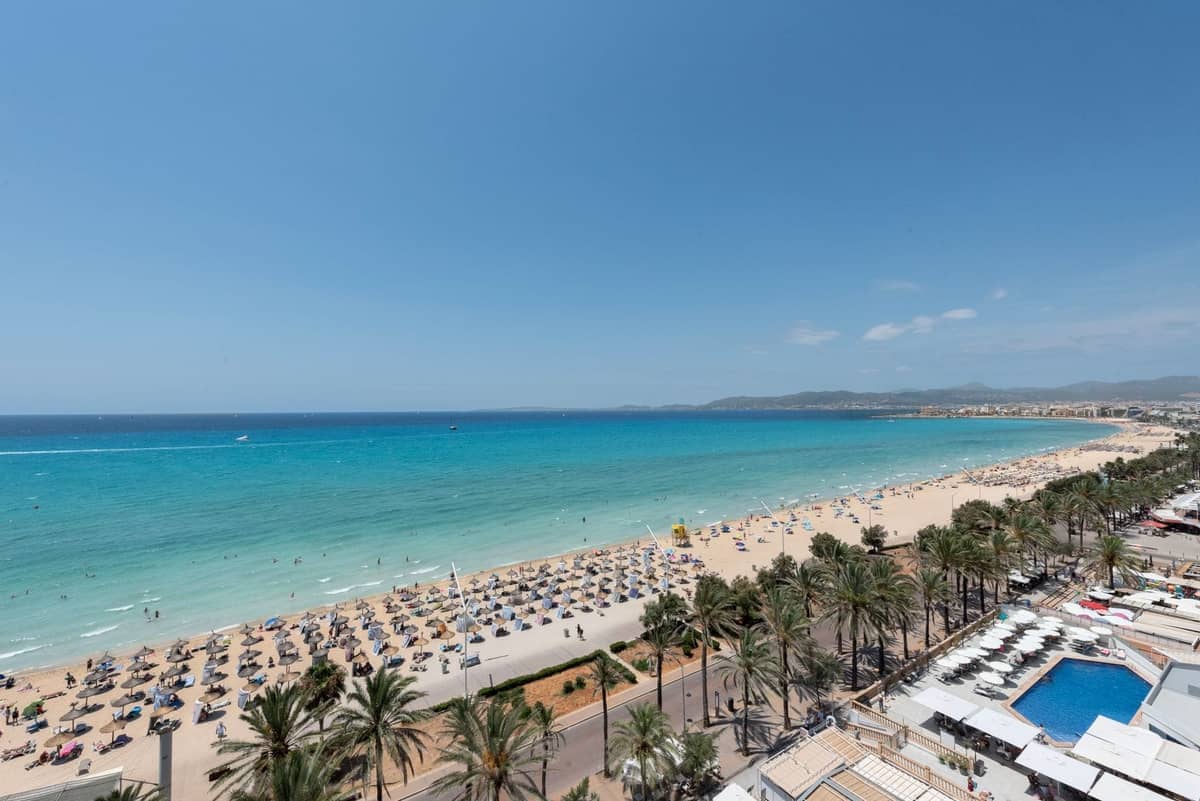
Playa d'en Bossa is Ibiza's longest beach, stretching roughly 3 km south of Ibiza Town. It is the island's most concentrated strip of hotels, beach clubs, and nightlife, with Ushuaïa Ibiza and Hï Ibiza — two of the island's flagship clubs — sitting right on the sand. If you want to minimise transfers and maximise time at the beach-club circuit, this is the logical base. Check the full for what to expect. Check the full Playa d'en Bossa area guide for what to expect.
Hotels here range from four-star beach resorts at €200-350 per night in peak season to more affordable three-star options at €120-180. The Torre del Mar and several Hard Rock-affiliated properties anchor the upper end of the market. The trade-off is that this area is full-on during summer — it is loud, crowded, and purpose-built for the beach party experience. It is not the right choice if you want quiet evenings or a sense of local Ibiza life.
San Antonio (Sant Antoni de Portmany): Best for Sunset Bars and Budget Stays
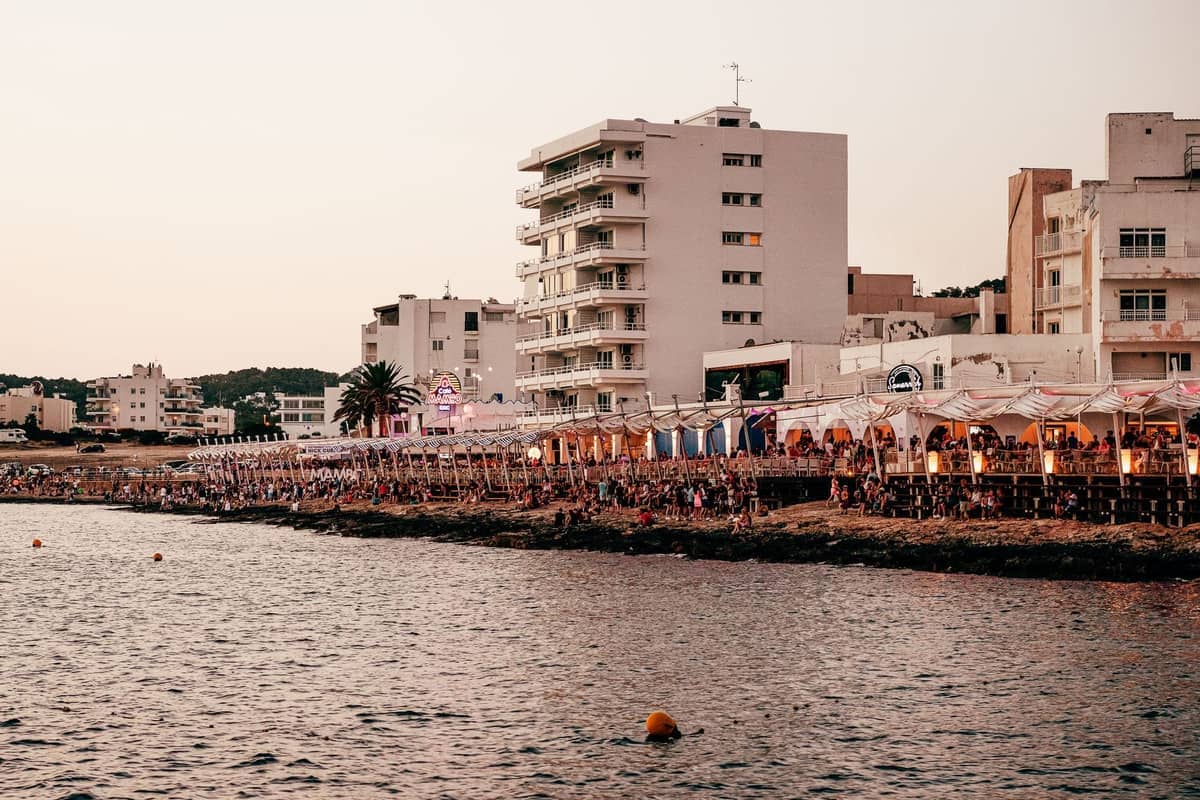
San Antonio sits on the island's western coast and has long been the traditional budget destination for younger British visitors. The reputation for cheap drinks and package holidays is not entirely unearned, but the area has genuine appeal beyond that. The Sunset Strip delivers some of the best sundowner bars on the island, and the bay views during golden hour are genuinely spectacular.
Three-star hotels in San Antonio typically cost €90-150 per night in peak season, making it one of the more affordable bases. Hostel beds and budget apartments are more available here than in Ibiza Town. The main clubs Eden and Es Paradis are within or close to the town centre, so the nightlife convenience is real. However, the atmosphere in the centre of San Antonio is decidedly package-holiday in summer — if that is not your scene, the quieter San Antonio Bay to the north has more family-oriented resort hotels.
- Town centre Budget-friendly hotels and hostels, best for nightlife access to Eden and Es Paradis, very lively in summer.
- San Antonio Bay (north) Calmer family resorts, better beach strips, slightly removed from the main party noise.
- Cala de Bou and surrounds Smaller apartments and villas, good for self-catering on a tighter budget.
Santa Eulalia (Santa Eulària des Riu): Best for Families and a Relaxed Pace
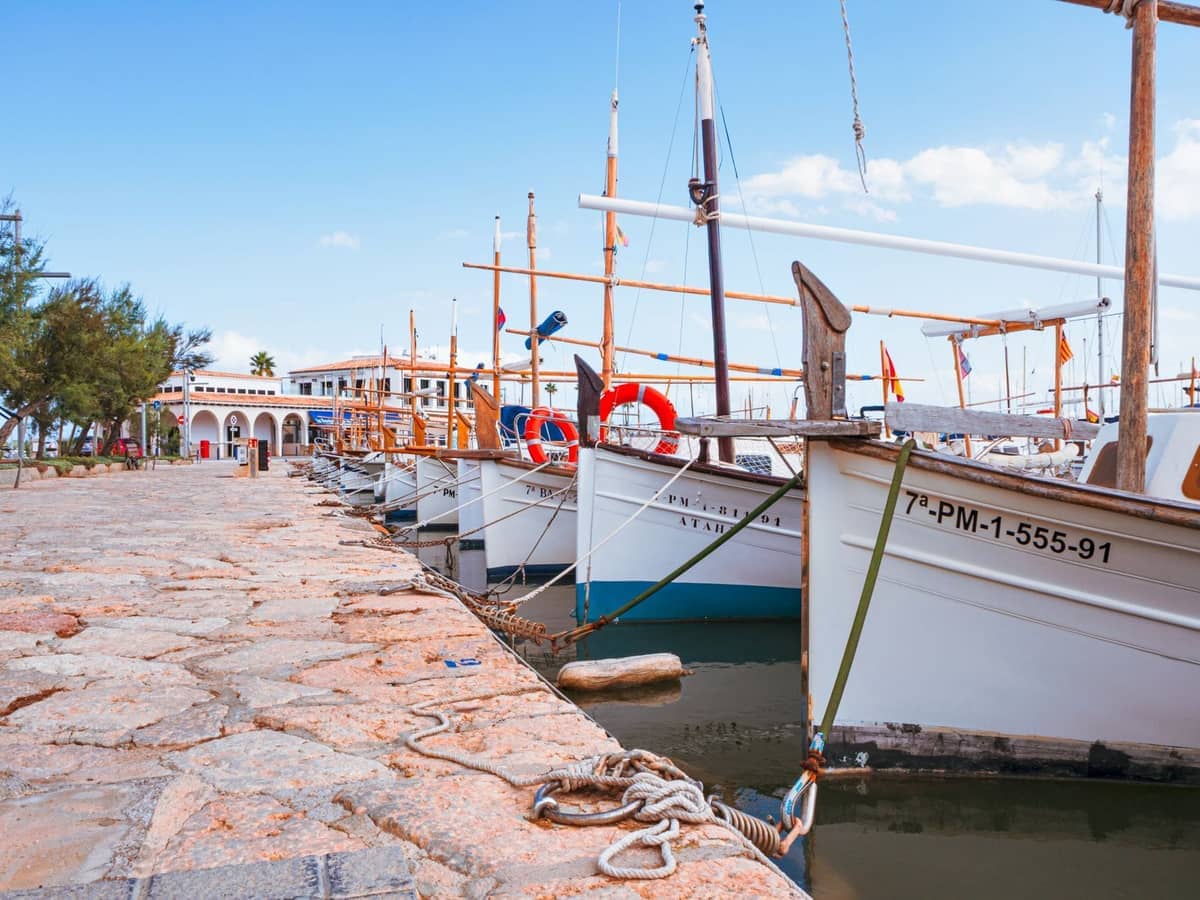
Santa Eulalia is one of Ibiza's larger settlements, on the eastern coast about 15 km northeast of Ibiza Town. It has a functioning local high street, a pleasant seafront promenade, and a marina, giving it a more year-round, lived-in feel than the resort strips elsewhere. For families, couples, or anyone who wants a proper holiday rather than a non-stop party, Santa Eulalia is the most sensible base on the island.
Studios and one-bedroom apartments in the area start around €60-100 per night in shoulder season, rising to €100-180 in July and August. Four-star resort hotels sit in the €180-300 range at peak. The beaches nearby — including Cala Llonga and Es Canar — are calm and clear. The area also gives reasonable access to the hippy markets at Las Dalias and Punta Arabi, which run weekly through summer.
North Ibiza and Rural Stays: Best for Quiet, Nature, and Authenticity
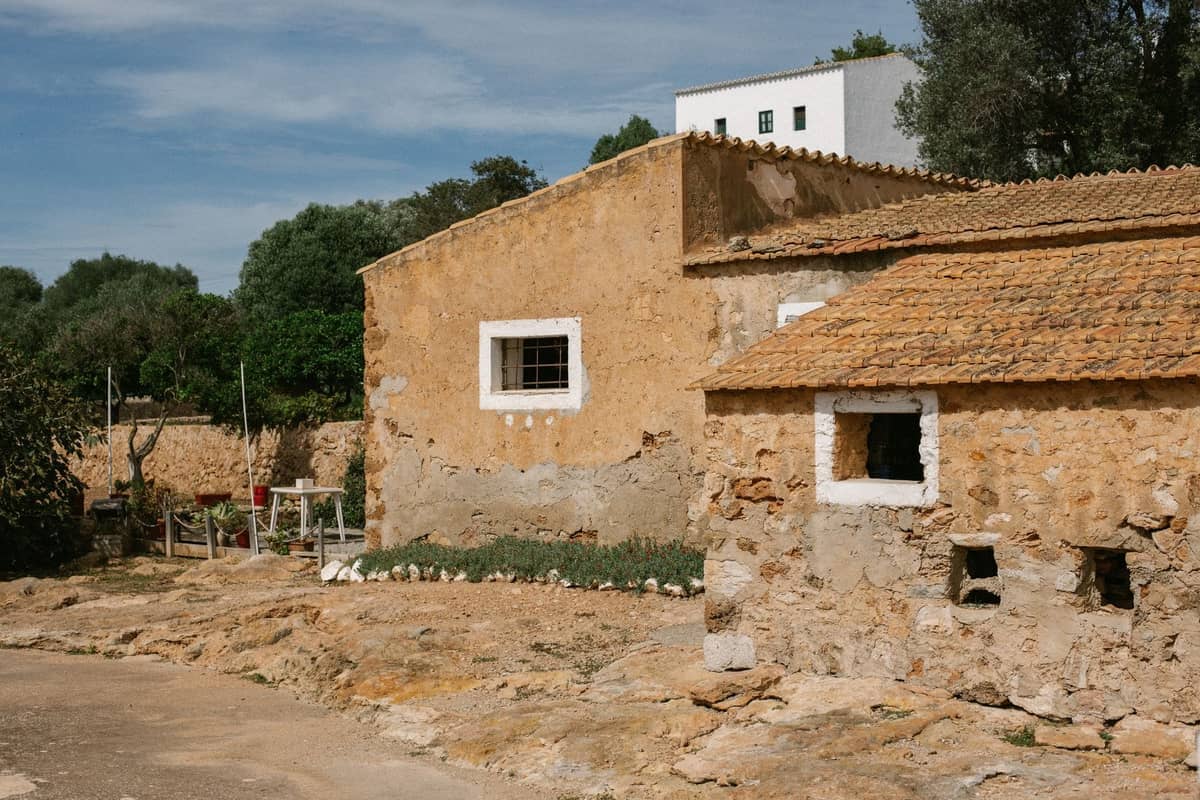
The north of the island, centred around Sant Joan de Labritja, is where Ibiza looks most like itself before the clubs arrived. White-painted villages, almond groves, and rocky coves define the landscape. Accommodation here leans towards small boutique hotels, agriturismos (rural guesthouses), and private villa rentals. Prices can be surprisingly reasonable for what you get — a private pool villa in the north often costs less than a standard hotel room in Playa d'en Bossa. For more on what to do up here, the covers the best beaches and villages. White-painted villages, almond groves, and rocky coves define the landscape. Accommodation here leans towards small boutique hotels, agriturismos (rural guesthouses), and private villa rentals. Prices can be surprisingly reasonable for what you get — a private pool villa in the north often costs less than a standard hotel room in Playa d'en Bossa. For more on what to do up here, the north Ibiza guide covers the best beaches and villages.
The trade-off is logistics. You will need a hire car — public buses serve the north but infrequently, and getting to Ibiza Town or the main clubs takes 30-45 minutes. That is a genuine inconvenience if clubbing is central to your trip, but irrelevant if you are there for hiking, beaches like Benirras and Portinatx, and the Sunday market at Sant Joan. The north also tends to stay calmer right through August, which is rare on this island.
⚠️ What to skip
Rural fincas and small boutique hotels in the north often have minimum-stay requirements (typically 3-7 nights) during peak season, and many close entirely between November and March. Always check directly with the property before assuming availability.
Ibiza Hotels: Price Tiers and What to Expect
The price spread across Ibiza accommodation is wider than almost any other European island destination. Understanding the tiers helps calibrate expectations and avoid surprises.
- Budget (hostels and dorms): €25-45/night Shared rooms in hostels, mostly in Ibiza Town and San Antonio. Clean and functional. Limited options island-wide — book well ahead for summer.
- Budget apartments: €50-110/night Studios and one-beds in Santa Eulalia, quieter San Antonio zones, and inland villages. Shoulder season offers the best value.
- Three-star hotels: €80-180/night Average around $90/night based on Booking.com data for the island. Consistent quality but often lacks beach access or a pool.
- Four-star beach resorts: €200-350/night Average around $145/night at four-star level. Pool, beach proximity, on-site dining. Main clusters in Playa d'en Bossa and San Antonio Bay.
- Five-star and luxury: €350-600+/night Average around $223/night at five-star level. Includes high-end spa resorts, design hotels, and some branded properties. Prices exceed this significantly in peak weeks.
- Private villas: €400-5,000+/night Starts around €400-800 for a modest 4-6 person villa in shoulder season. Top properties in Es Cubells or Cala Jondal with sea views and full staff can reach €2,000-5,000+ in July and August.
When to Book and How Season Affects Your Choice
Ibiza's tourism season runs from roughly early May to late October, with the clubbing and beach-club calendar concentrated between June and September. Peak demand in July and August pushes hotel prices 40-60% above shoulder-season rates for the same rooms. For the best balance of weather, price, and crowd levels, late May, early June, and September are the windows most experienced Ibiza visitors target.
High-season average hotel prices across the island can be very high on major booking platforms, especially once luxury and villa inventory are included. That figure is skewed by upscale properties, but it signals how far prices stretch at the top end. For most travellers, booking three to six months ahead for a July or August stay is not excessive. Popular Playa d'en Bossa properties and boutique hotels in Ibiza Town sell out quickly. The north and Santa Eulalia give you more last-minute flexibility.
If budget is a genuine constraint, read the Ibiza on a budget guide before you book. Choosing Santa Eulalia over Playa d'en Bossa, or travelling in early June instead of late July, can cut accommodation costs in half for comparable room quality.
✨ Pro tip
Many Ibiza hotels quote prices without breakfast and with non-refundable conditions during peak season. Always check cancellation terms before paying. Refundable rates exist but cost 10-20% more — worth it if your travel dates might shift.
Practical Logistics for Choosing Your Base
Ibiza Airport (IBZ) is about 7 km from Ibiza Town, roughly 10-15 minutes by taxi. Public buses connect the airport to Ibiza Town and other destinations on limited routes, with fares significantly lower than taxis. Car hire is available at the airport and is the most practical option if you plan to explore beaches across the island or stay in the north. The island has no metro or rail system — buses cover the main routes between Ibiza Town, San Antonio, and Santa Eulalia, but frequency drops sharply outside peak season and after midnight.
If you are staying in Playa d'en Bossa or Ibiza Town and primarily want beaches along the southern coast — like Las Salinas or Cala Jondal — a hire car or regular taxi is the most practical approach. If you are clubbing heavily, factor in that late-night taxis from major venues are expensive and in short supply at 5am in August. Some nightlife-focused travellers deliberately book hotels within walking distance of specific clubs to avoid this.
FAQ
Where should I stay in Ibiza for nightlife?
Playa d'en Bossa is the closest base to the island's biggest clubs (Ushuaia, Hi Ibiza) and is within a short taxi ride of Pacha in Ibiza Town. San Antonio is better for the Sunset Strip bar scene and clubs like Eden and Es Paradis. Ibiza Town gives the most balanced access to multiple venues without being in the loudest zone.
Is Ibiza expensive to stay in?
It depends heavily on season and area. Budget hostel dorms start around €25-35 per night in shoulder season and €35-45 in peak summer. Three-star hotels average around €80-120 per night outside peak months. Four and five-star beach resorts cost €200-600+ in July and August. Staying in Santa Eulalia or the north, or travelling in May, June, or September, cuts costs significantly.
What is the best area in Ibiza for families?
Santa Eulalia (Santa Eulària des Riu) is the most consistent answer. It has calm beaches, a relaxed pace, good restaurant choice, and more apartment and resort options suited to families. San Antonio Bay (north of the town centre) is a secondary option. Both areas avoid the heavier nightlife noise of Playa d'en Bossa and central San Antonio.
How far in advance should I book a hotel in Ibiza?
For July and August stays, particularly in Playa d'en Bossa, Ibiza Town, or popular boutique hotels, three to six months ahead is realistic. Shoulder season (May, June, September) gives you more flexibility, but desirable properties at any price point still fill up. The north and rural fincas often operate on smaller availability pools, so book earlier than you might expect.
Are there budget hotels or hostels in Ibiza?
Yes, though options are more limited than on larger mainland cities. Hostels in Ibiza Town and San Antonio offer dorm beds from €25-45 per night. Budget apartments, particularly in Santa Eulalia and inland villages, start around €50-70 per night for a studio in shoulder season. The key is booking early — budget inventory sells out faster proportionally than mid-range rooms during peak summer.