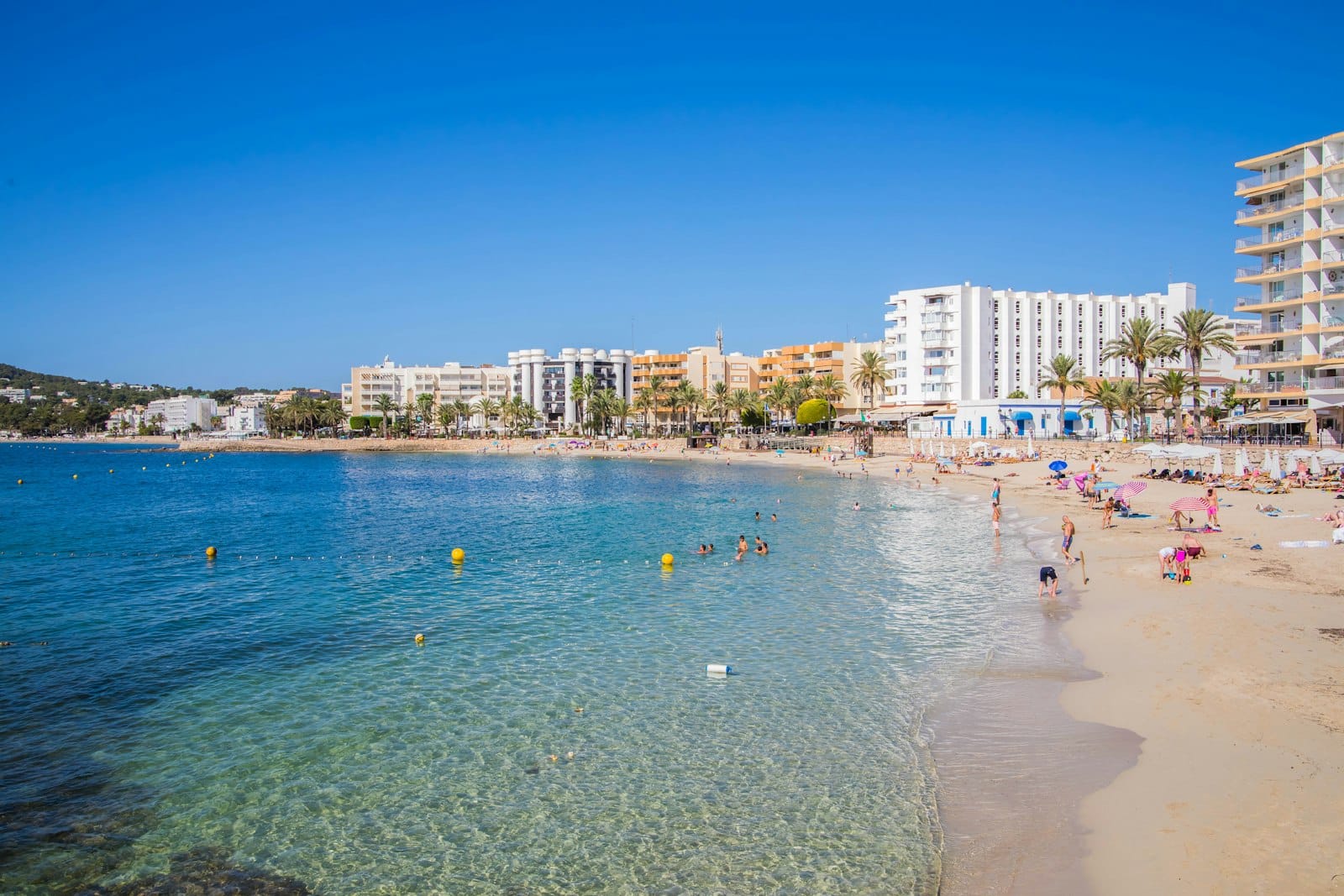
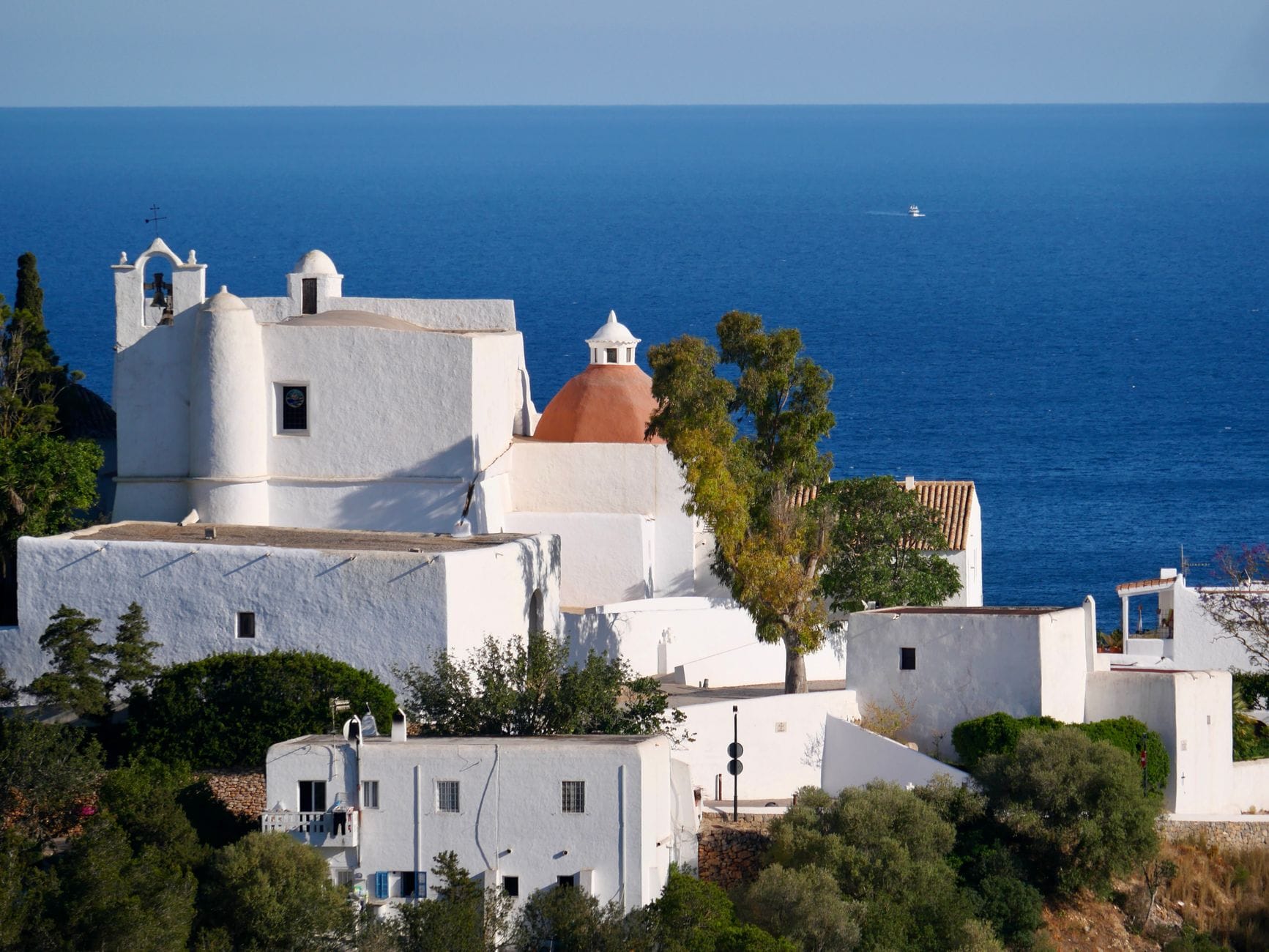
Santa Eulalia del Río (officially Santa Eulària des Riu) is Ibiza's third-largest town and its most genuinely residential coastal settlement. With a palm-lined promenade, the island's only river, a hilltop fortified church, and a marina full of sailing yachts, it offers a very different pace from Ibiza Town's nightlife scene or San Antonio's party strip.
Santa Eulalia del Río sits on Ibiza's eastern coast as the island's most liveable, least frantic town: a place of whitewashed streets, a working marina, and a long sandy beach where families and long-stay visitors outnumber clubbers by a significant margin. It's the Ibiza that existed before the superclubs arrived, and it has held on to that character with some determination.
Orientation
Santa Eulària des Riu sits roughly 15 kilometres northeast of Ibiza Town, on the eastern coast of the island. The municipality is the second most populous on Ibiza, with around 40,500 inhabitants according to recent INE figures, and the town itself is compact and easy to read on foot. The central spine is the Paseo de s'Alamera, a shaded rambla that runs from the fountain in front of the town hall at Plaça d'Espanya down to the seafront promenade. Almost everything worth doing is within a fifteen-minute walk of this axis.
The town is bounded to the west by the hill of Puig de Missa, where the old fortified church watches over the bay. To the east, the mouth of the Santa Eulalia river, the only river in the entire Balearic Islands, marks the edge of the main beach zone. The marina occupies the southern end of the promenade, where the seafront curves around into the bay. Carrer de Sant Jaume is the principal shopping street, running parallel to and just inland from the waterfront, with Plaça d'Espanya and the town hall sitting at its northern end.
Santa Eulalia connects comfortably to the rest of Ibiza. Ibiza Town is about 20 minutes by road to the southwest, and the bus service between the two is frequent enough to make day trips easy. The municipality also takes in a wide sweep of the northeastern coast, giving it access to some of the island's quieter beaches and countryside. If you want a base that keeps the whole island within reach without depositing you inside the noise, Santa Eulalia makes a strong case.
Character and Atmosphere
Early mornings in Santa Eulalia feel like a different island. The promenade belongs to joggers, dog walkers, and older residents taking their constitutional before the heat builds. The terraces along the seafront are setting out chairs, the smell of coffee drifts from the cafés around Plaça d'Espanya, and the marina is already busy with sailors preparing for the day. The light at this hour is particularly good: soft and flat, falling across the white facades and the still water of the bay.
By midday the beach fills steadily but never reaches the crushing density of Playa d'en Bossa or the more commercialised resort zones. Sun loungers are available, but there is still room to spread a towel on the sand. The town centre quiets during the peak heat of the afternoon, with many shops closing for a few hours in the traditional Spanish fashion. This is the moment to climb Puig de Missa while the streets below are empty, or to sit in the shade of the rambla with something cold.
Evenings are genuinely pleasant here in a way that not every part of Ibiza manages. The paseo culture is alive: families walk the promenade, the marina restaurants fill with a mix of locals and visitors, and the atmosphere stays convivial without becoming rowdy. There are bars, and some stay open late, but Santa Eulalia does not have a club scene in the way San Antonio or Ibiza Town do. If you need absolute silence by midnight, a few of the waterfront bars will disappoint you slightly. If you want a lively but coherent evening that ends at a reasonable hour, this is one of the best places on the island for it.
ℹ️ Good to know
Santa Eulalia is the most family-oriented of Ibiza's main towns. The beach is calm and sheltered, the streets are flat and easy to navigate with children, and the general atmosphere is relaxed throughout the day and evening.
What to See and Do
The single most important landmark in Santa Eulalia is the Puig de Missa, the fortified church complex that crowns the low hill to the west of the town centre. Built in the 16th century, it follows the pattern of Ibiza's characteristic hillside churches: thick defensive walls, a bright whitewashed exterior, and a position chosen for visibility across the surrounding landscape rather than for ease of access. The interior contains a baroque high altar and decorative elements brought from Segovia, which gives it an unexpectedly formal quality inside. The walk up takes around ten minutes from the town centre, and the views from the top over the bay and the marina justify the climb even if the church itself is closed.
The Santa Eulalia river deserves a mention even if it sounds underwhelming: a small river in a dry Mediterranean climate is still something of a curiosity, and it gives the town's eastern edge a slightly different character, with reedy banks and a quiet footpath that follows the water inland. The municipal tourism office publishes a river route map for those who want to explore further. It is not a dramatic landscape experience, but it is genuinely pleasant and almost always uncrowded.
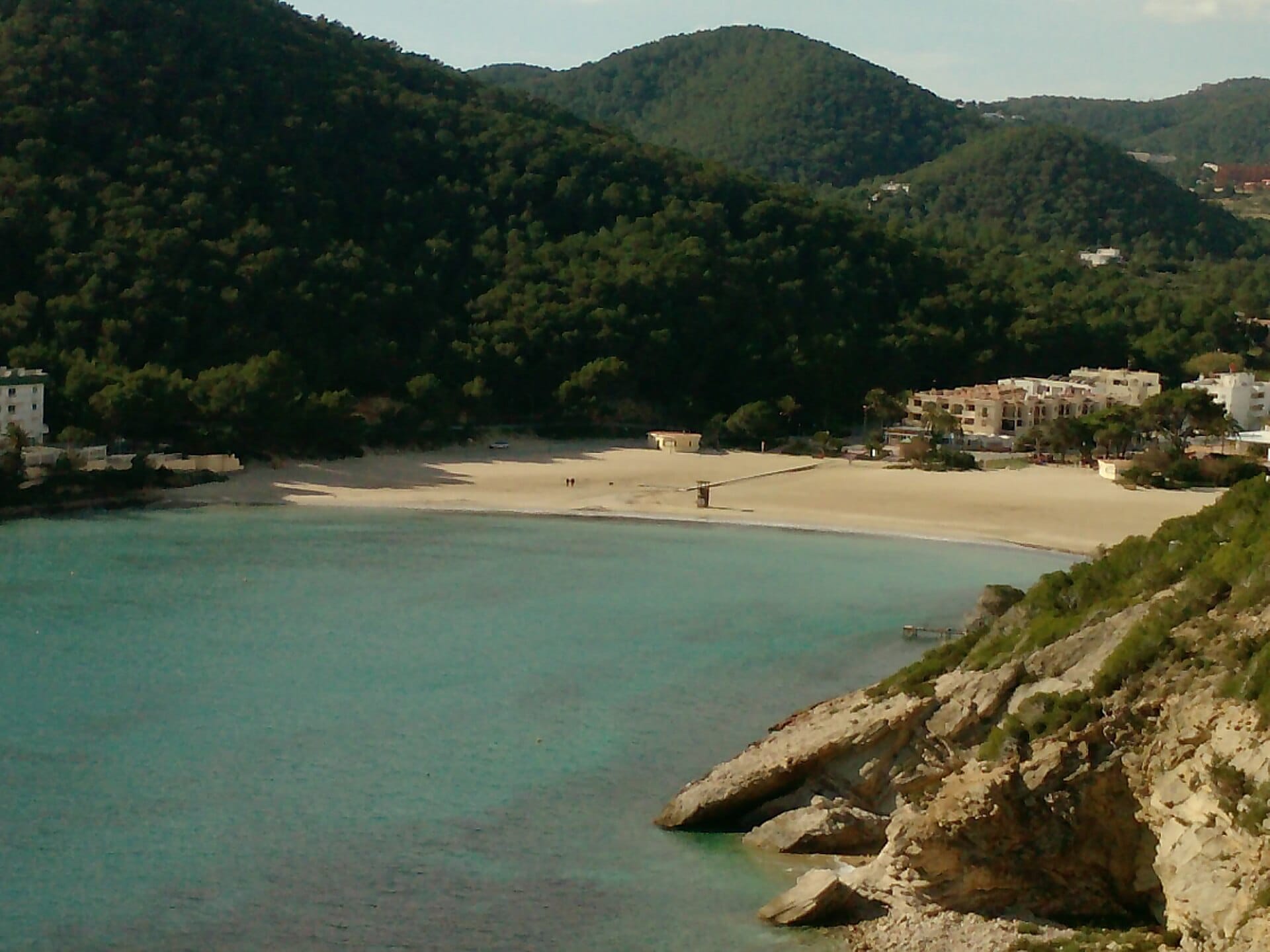
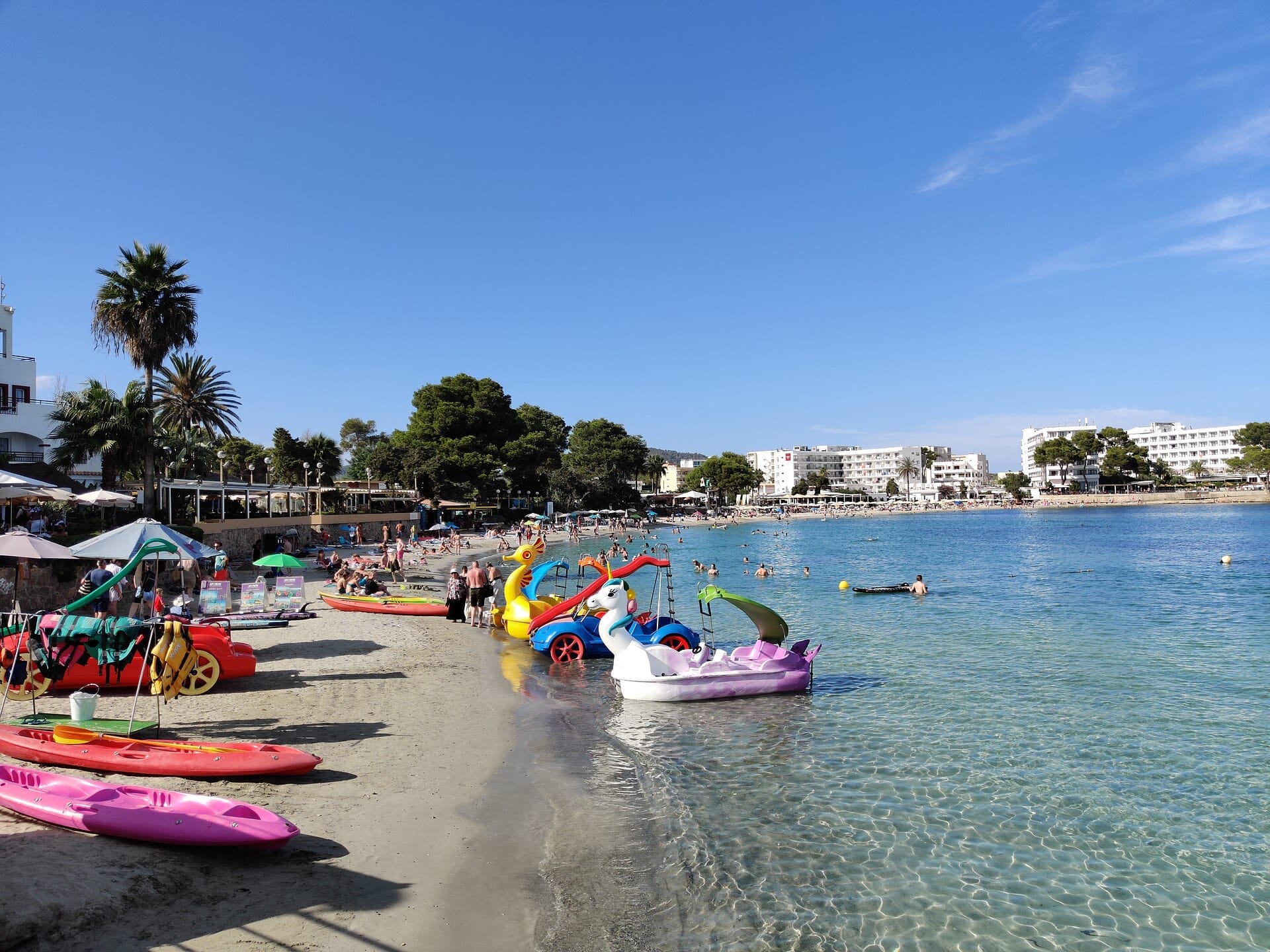
The town beach is long, sandy, and calm, backed by the palm-lined promenade. It is a good beach for swimming and for children. For more dramatic scenery, the surrounding coastline offers excellent options: Cala Llonga is a short drive south, a sheltered cove that tends to attract a quieter crowd. The broader municipality includes access to Es Canar beach to the north, which is also the site of one of Ibiza's most established alternative markets.
On Wednesdays, the Hippy Market Punta Arabi at Es Canar runs as one of the island's largest and longest-running open-air markets, selling clothing, jewellery, crafts, and food. It draws a large crowd and has operated since the 1970s, making it a genuine piece of Ibiza cultural history rather than a recent tourist invention. Allow a morning for it.
Climb Puig de Missa for views over the bay, especially in the late afternoon light
Walk the seafront promenade from the marina to the river mouth
Visit the Hippy Market Punta Arabi at Es Canar on Wednesdays
Explore the Santa Eulalia river path east of the town centre
Day-trip along the coast to Cala Llonga or Es Canar beach
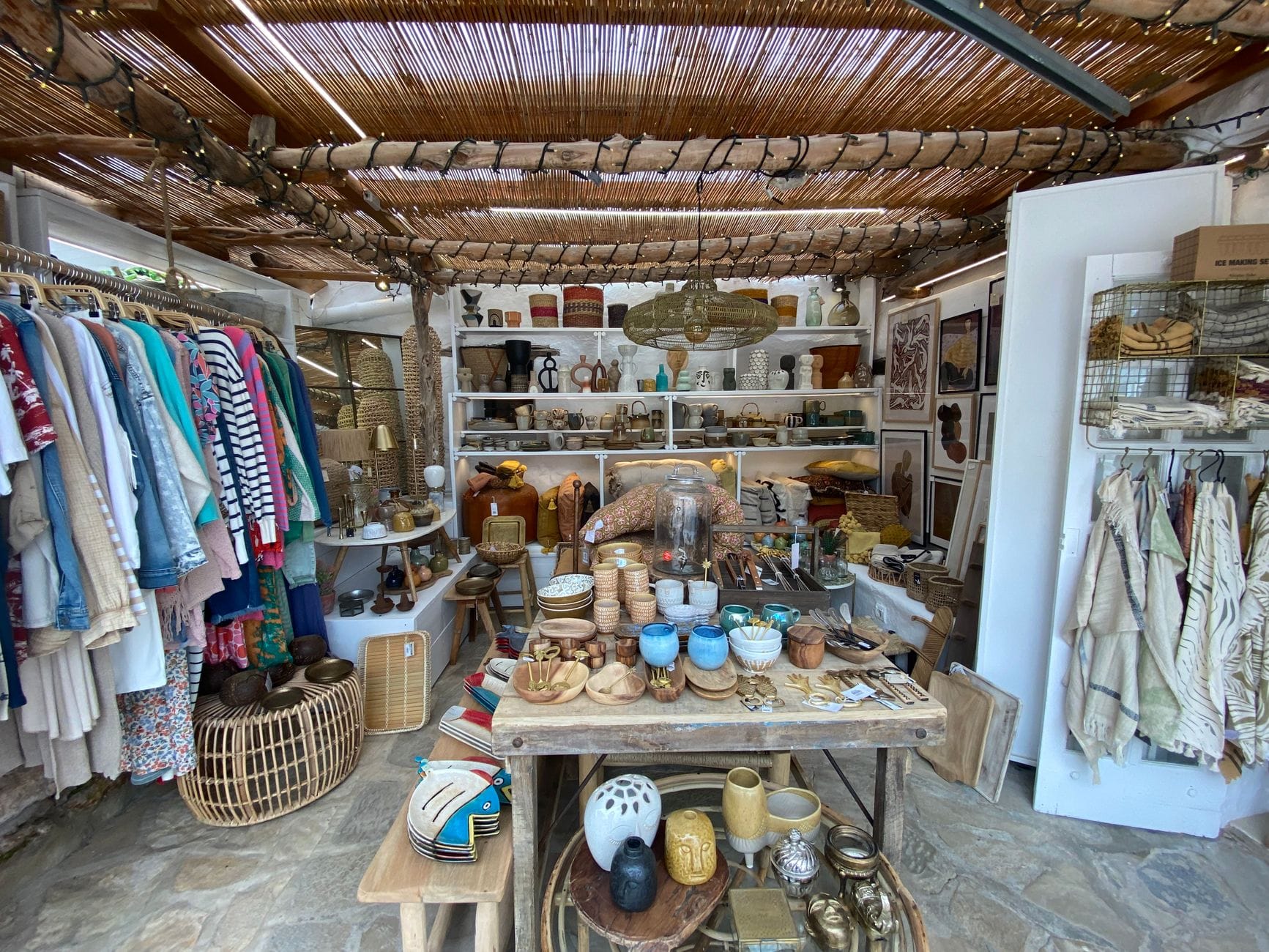
Browse the independent boutiques along Carrer de Sant Jaume
💡 Local tip
The Hippy Market Punta Arabi at Es Canar runs every Wednesday from around 10am until 6pm. Buses run from Santa Eulalia to Es Canar, so a car is not essential. Arrive before noon to beat the peak crowds.
Eating and Drinking
Santa Eulalia has a genuinely good food scene for a town of its size, mixing Spanish and Ibizan cooking with the international range you would expect from a well-visited Mediterranean resort. The marina area concentrates a number of restaurants with waterfront terraces, where the cooking tends toward fish, seafood pasta, and grilled meat. Prices here are higher than in the town centre but are generally fair by Ibiza standards, and the setting justifies a degree of premium.
The streets running back from the promenade, particularly around Carrer de Sant Jaume and the blocks between the rambla and the sea, hold a mix of tapas bars, café-restaurants, and local places that open for lunch and again for dinner. These tend to be better value and less tourist-facing than the waterfront options. The morning coffee culture around Plaça d'Espanya is worth engaging with: the cafés here are genuinely local, serving breakfast to residents before the visitors are up.
For drinking, the marina area has bar terraces that stay active into the late evening. The town has no superclubs and no dedicated nightlife strip, but there are cocktail bars and late-opening venues scattered through the centre that provide a relaxed evening out. The general noise level drops significantly after midnight, which is either a feature or a drawback depending on your expectations.
Getting There and Around
The most practical approach to Santa Eulalia from Ibiza Town is by bus. The bus station in Santa Eulalia is described as very central, making it straightforward to arrive and orient yourself immediately. Regular services connect the town to Ibiza Town throughout the day, with the journey taking around 25-30 minutes. The same network connects Santa Eulalia northward to Es Canar and other coastal settlements. For full route details and current timetables, check the official Ibiza transport authority website before travelling. You can also read the general guide to getting around Ibiza for an overview of island-wide transport options.
Taxis are available in the town and can be booked for excursions across the island. Many visitors to Santa Eulalia rent a car or moped for the duration of their stay, which makes exploring the surrounding coastline and inland villages significantly easier. The town has both free and paid car parks, and most accommodation in the area offers on-site parking. Street parking exists but is metered in the central areas. Note that there is no metro or rail system anywhere on Ibiza.
From Ibiza Airport (IBZ), Santa Eulalia is around 25-30 minutes by road. There is no direct airport bus to Santa Eulalia; the standard approach is to take a bus or taxi to Ibiza Town first and connect from there, or to take a taxi directly. Car rental at the airport is straightforward and makes sense if you are basing yourself in Santa Eulalia rather than Ibiza Town. The airport sits approximately 7 kilometres southwest of Ibiza Town, which itself is around 15 kilometres from Santa Eulalia.
⚠️ What to skip
Bus timetables in Ibiza operate on a seasonal basis and reduce significantly in winter. If you are visiting outside the June to September peak, verify current schedules directly with the transport operator before relying on bus connections.
Where to Stay
Santa Eulalia is one of the better-considered bases on Ibiza for visitors who want beach access, a real town to explore, and reasonable connections to the rest of the island without being inside the noise of Playa d'en Bossa or San Antonio. The town accommodates a range of budgets, from apartment rentals in the residential streets to mid-range hotels along the seafront promenade. A few larger resort hotels occupy the edges of the bay.
For the best access to the beach and promenade, look for accommodation between the rambla and the seafront. The streets just back from the waterfront offer quieter options that are still within easy walking distance of everything. The marina end of town suits those who want to be close to the restaurant action in the evenings. Families tend to be well-served across the town, and the general noise level means that early starts are possible.
It is worth noting that Santa Eulalia is not the right base if your primary goal is clubbing. The major venues, including Pacha Ibiza and others in Ibiza Town, are around 20-25 minutes by taxi. This is manageable for occasional nights out but becomes expensive if you are going repeatedly. For a comprehensive view of where different types of travellers should base themselves, the where to stay in Ibiza guide breaks down the options across the island.
Day Trips and the Wider Municipality
The municipality of Santa Eulària des Riu extends well beyond the town, covering a substantial portion of eastern Ibiza including the inland village of Santa Gertrudis, which sits in the central plain of the island and has developed a reputation for galleries, independent restaurants, and a relaxed bohemian character that attracts a year-round residential crowd.
Formentera is a realistic day trip from Santa Eulalia, but regular ferries leave from Ibiza Town's Maritime Station rather than Santa Eulalia's port. Seasonal coastal boats sometimes run from east-coast towns — check current schedules locally — otherwise plan a short transfer into Ibiza Town for the crossing (around 30–35 minutes on a fast ferry). The day trip to Formentera from Ibiza guide covers logistics in detail.
Heading north from Santa Eulalia, the road climbs into the hills toward the municipality of Sant Joan de Labritja and the quieter northern coast, which has its own beaches and the San Juan Sunday market. This part of the island moves at the slowest pace of all and rewards those with their own transport.
What to Expect: Who Santa Eulalia is For
Santa Eulalia is the part of Ibiza that locals and long-stay visitors tend to choose when they want to live on the island rather than just pass through it. It has genuine town infrastructure: a real market, a town hall, residential streets, schools. That fabric gives it a texture that the more purpose-built resort zones lack. Walking through the side streets on a Tuesday morning, you encounter the working rhythms of a Mediterranean town, not a theme park version of one.
The drawbacks are real but predictable. If you came to Ibiza for the clubs, Santa Eulalia will frustrate you. The evening scene is pleasant but modest, and the taxi fares back from Ibiza Town's nightlife add up quickly over a week. The beach, while good, lacks the drama of the west-coast coves or the wide commercial infrastructure of Playa d'en Bossa. And in the absolute peak of August, the town does fill up and prices rise accordingly.
For families, couples, and anyone visiting Ibiza in May, September, or October, it is one of the most sensible choices on the island. The shoulder season here is genuinely good: the weather holds, the crowds thin, the restaurants have space, and the promenade in the evening light is one of the better ways to spend an hour in the Balearics.
TL;DR
Santa Eulalia is Ibiza's most liveable coastal town: residential, walkable, and calm by island standards, with a real urban fabric that the resort zones lack.
Best suited to families, couples, and travellers seeking a quieter base with good beach access and easy connections to the rest of the island.
Key draws include the hilltop Puig de Missa church, the only river in the Balearic Islands, a long sandy promenade beach, and the Wednesday Hippy Market at Es Canar.
Not the right base if nightclubbing is the primary goal: the town itself has no major club scene, and taxi costs to Ibiza Town's venues add up over a full week.
Particularly strong in the shoulder season (May, September, October), when the weather is good, crowds are manageable, and the town's residential character comes through most clearly.
Ibiza's 210 kilometres of coastline hide many beaches, from party-ready stretches to remote pine-fringed coves. This guide covers the island's finest, organised by character so you can find exactly the beach you're looking for.
Ibiza rewards visitors differently depending on when you arrive. This guide breaks down every season on the island: weather, crowd levels, pricing, nightlife timing, and the months most travelers overlook. Whether you're chasing peak-season energy or a quieter Mediterranean escape, the timing matters more than most guides admit.
Formentera is just a short ferry ride (around 20 km) from Ibiza, but it feels like a different world. This guide covers everything for a day trip: how to get the ferry, what it costs, where to go on the island, and what most visitors get wrong.
Ibiza is small enough to cross in under an hour, but getting around efficiently depends entirely on when you visit and where you're headed. This guide covers every transport option on the island, from the airport bus to the Disco Bus, with real price ranges and practical guidance on what's worth it.
Dalt Vila is the fortified hilltop heart of Ibiza Town, inscribed as a UNESCO World Heritage Site in 1999 for its Renaissance walls, layered history, and cultural depth. This guide covers every major sight, the best walking route, seasonal advice, and the practical details you need to make the most of your visit.
Ibiza is more than its nightlife reputation. This guide covers the essentials for first-time visitors: the best time to arrive, how to get around the island, where to base yourself, what things actually cost, and how to see the side of Ibiza that most tourists miss entirely.
Ibiza is far more than its superclubs and famous shorelines. This guide uncovers the island's quieter, deeper side: fortified hilltop towns, dramatic coastal hikes, authentic village markets, and unspoiled nature that most visitors fly straight past.
Ibiza has over 140 marked trails threading through pine forests, clifftop coastlines, and protected natural parks. This guide covers the best hikes on the island, from the summit of Sa Talaia to the dramatic Es Vedrà coastal trail, with practical tips for every level.
Ibiza's hippy markets are a living legacy of the island's counterculture roots, offering handmade jewellery, bohemian clothing, artisan crafts, and a social atmosphere unlike anything else on the island. This guide covers every major market, from the iconic Las Dalias to the vast Punta Arabí, plus smaller village markets, flea markets, and the best complementary experiences to build your market day around.
September and October mark one of the most interesting transitions on the Balearic island of Ibiza. The club season reaches its emotional finale, crowds thin out, prices drop, and the island starts to breathe again. This guide covers everything from closing party logistics to the best beaches and day trips once the last DJ plays out.
Seven days is the ideal amount of time to experience Ibiza beyond the clubs. This itinerary covers the UNESCO-listed old town, the island's best beaches across multiple coasts, hippy markets, San Antonio sunsets, and a day trip to Formentera, with practical guidance on what to skip and when to go.
Ibiza nightlife runs on its own logic: doors open at midnight, headliners play at 4am, and a single night out can cost €200 before you know it. This guide breaks down every layer of the scene, from superclub pricing and weekly residencies to boat parties, budget bars, and how to get around safely after dark.
Ibiza has a reputation for luxury excess, but the island is genuinely doable on a tight budget. This guide breaks down real costs, the best free activities, transport options, and the timing tricks that can cut your bill by a third.
Ibiza's west-facing coastline turns extraordinary at dusk. Whether you want a front-row bar stool at San Antonio's legendary Sunset Strip or a quiet clifftop above Es Vedrà with no one else around, this guide covers the island's finest sunset experiences across beach coves, hilltop viewpoints, and atmospheric gathering spots.
Ibiza is one of Europe's most misunderstood destinations. Yes, it has world-famous nightlife. But this 572 km² Spanish island in the Balearic archipelago also holds a UNESCO World Heritage Site, dozens of pristine coves, ancient Phoenician ruins, and a thriving market culture. This guide covers all of it — with clear guidance on what's worth your time and what isn't.
Ibiza accommodation spans budget dorm beds at €25 per night to clifftop villas at €5,000 per night. This guide breaks down every major area, what it actually costs, and who each zone suits best — so you book the right place the first time.