Ibiza Town, known in Catalan as Eivissa, is the capital of the island and its most layered destination. From the UNESCO-listed ramparts of Dalt Vila to the marina's designer terraces and the deep-house pulse of the port district after dark, it contains more in a few square kilometres than most cities manage across an entire sprawl.
Ibiza Town is the island's beating heart: a place where a 2,600-year-old Phoenician acropolis looks down over a port lined with superyachts, and where the same cobblestone lane might lead you past a Baroque cathedral in the morning and a queue for one of the world's most celebrated nightclubs by midnight. It is the only place on the island where history, high culture, and hedonism genuinely coexist on the same street.
Orientation
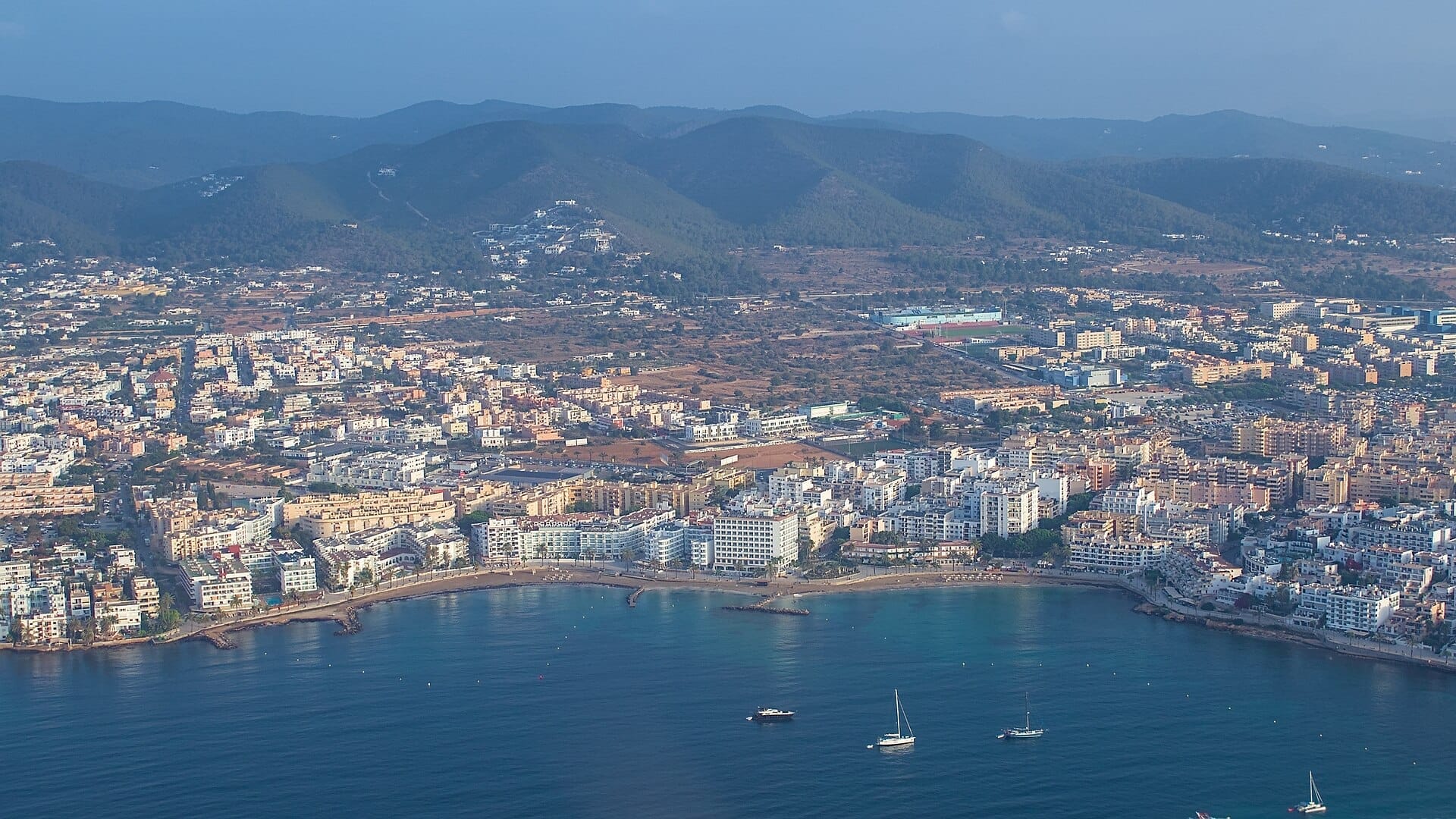
Ibiza Town sits on the southeast coast of the island, roughly 7 kilometres northeast of the airport. It is the island's administrative, commercial, and cultural capital, home to a little over 50,000 permanent residents, and the point through which most visitors pass at some stage. The town is compact enough to walk across in under twenty minutes, but dense enough to reward several days of exploration.
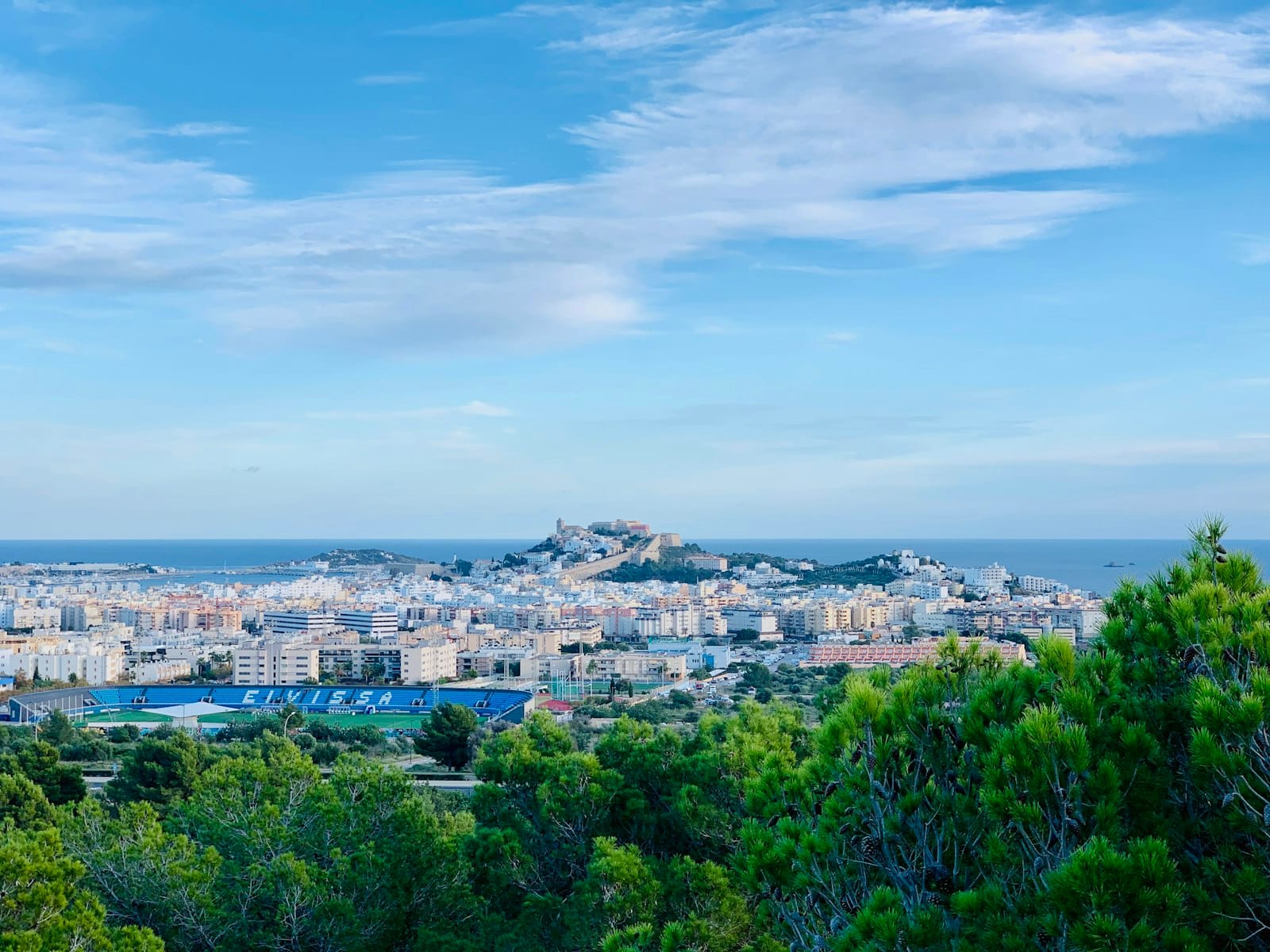
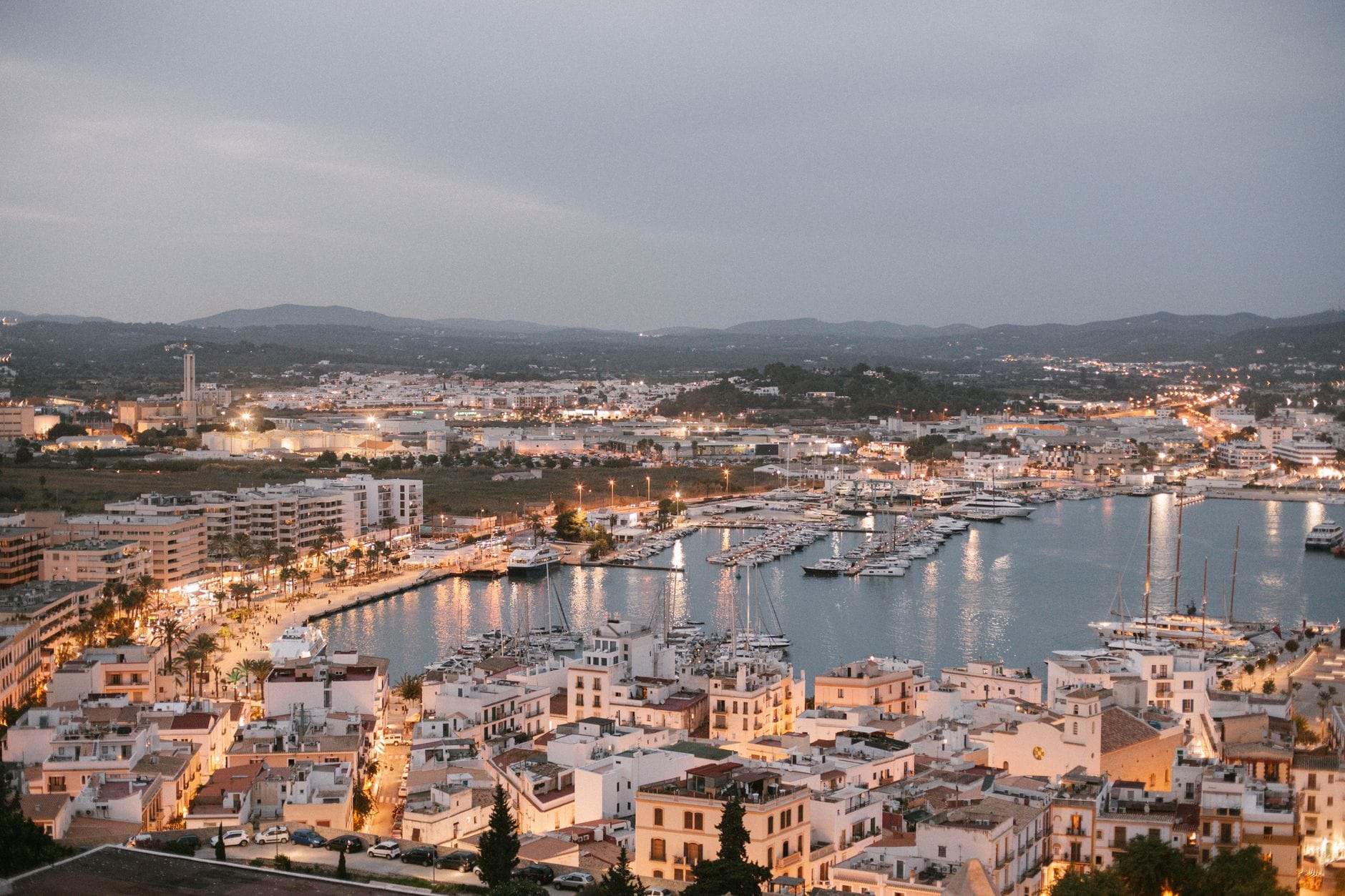
The urban area divides naturally into two distinct zones. Dalt Vila, the walled old town, rises steeply on a hill above the harbour. Its fortified walls, built in the 16th century on even older foundations, make it visible from most of the surrounding coast. Below the walls, spreading outward toward the waterfront and inland, is the Eixample, the 19th and 20th century extension of the city, where most of the hotels, commercial streets, and residential life are concentrated. The port and marina occupy the eastern edge of town, forming a long curved seafront that connects the working ferry terminal in the south to the restaurant and bar strip in the north.
The main road axes through the lower town include Avenida de España, which runs roughly parallel to the waterfront, and Carrer de Castella and Carrer d'Aragó, which cut inland through the Eixample. To the west of Dalt Vila lies the Puig des Molins area, site of an extraordinary Punic necropolis. To the south, the neighbourhood of Figueretes blends into the town before giving way to Platja d'en Bossa further along the coast. Getting your bearings is straightforward once you locate the cathedral tower at the top of Dalt Vila: everything else on the map organizes itself around that landmark.
Character & Atmosphere
Few places on the island shift character as dramatically across the day as Ibiza Town. In the early morning, before the sun clears the ramparts of Dalt Vila, the lower town belongs almost entirely to locals. Bar owners stack chairs onto terraces, delivery vans nose through narrow streets, and the fish market near the port does its business in the cool, pre-tourist quiet. The light at this hour is soft and flat, falling across the pale limestone walls and the still water of the marina.
By mid-morning the old town comes alive. The lanes inside Dalt Vila, many of them too steep and narrow for cars, fill with the sound of footsteps on uneven stone and the occasional clinking of restaurant staff setting up for lunch. Cats appear on windowsills. The views from the upper bastions, looking out across the sea toward Formentera, are best absorbed at this hour, before the midday heat makes the climb feel laborious. In the lower town, the commercial streets around Avenida de España are fully operational by 10am: pharmacies, supermarkets, banks, and the kind of everyday businesses that remind you this is a functioning city, not just a resort.
Afternoons are slow in the Spanish tradition. The port terraces fill with people taking long lunches, and the streets of the Eixample quiet down noticeably between 2pm and 5pm. Late afternoon is when the town begins to reassemble itself for the evening. The marina fills up as boats return, the smell of grilling fish drifts up from the waterfront restaurants, and the first groups of the night's crowd start to gather on the terrace bars near the port.
After dark, Ibiza Town is unlike anywhere else. The port area and the streets immediately around the old town walls see the highest concentration of nightlife on the island outside Platja d'en Bossa. The transition from dinner to late-night happens gradually, then all at once: by midnight the marina is packed, the music from open-fronted bars bleeds into the street, and the queue outside Pacha, the legendary club located across the bay in the Marina Botafoch/Talamanca area, often stretches along the street outside its entrance. This is not a neighbourhood for light sleepers in the immediate harbour area.
⚠️ What to skip
Hotels and apartments immediately adjacent to the port and marina can be noisy until 4am or later, particularly from June through September. If you need a quiet night's sleep, choose accommodation in the upper part of the Eixample, away from the waterfront, or inside Dalt Vila itself, where the thick walls and uphill location muffle the noise considerably.
What to See & Do
The single most important thing to do in Ibiza Town is spend proper time in Dalt Vila, the UNESCO World Heritage-listed walled city. The entrance through the Portal de ses Taules, a Renaissance gateway flanked by Roman busts, sets the tone immediately. Inside, the streets wind uphill through layers of medieval and early modern architecture, opening periodically onto viewpoints that look out across the harbour and the open Mediterranean. The climb to the top, where the cathedral and the castle walls are located, takes about fifteen minutes at a gentle pace from the gate.
At the summit, the Cathedral of Santa Maria d'Eivissa, also accessible via the Ibiza Cathedral attraction page, is worth entering for its 14th-century Catalan Gothic nave and the small museum inside. The views from the cathedral terrace on a clear day extend to Formentera and, on exceptional days, to the Spanish mainland. Just below the cathedral, the Dalt Vila walls and bastions can be walked almost in their entirety, offering a changing sequence of views as you circle the hill.
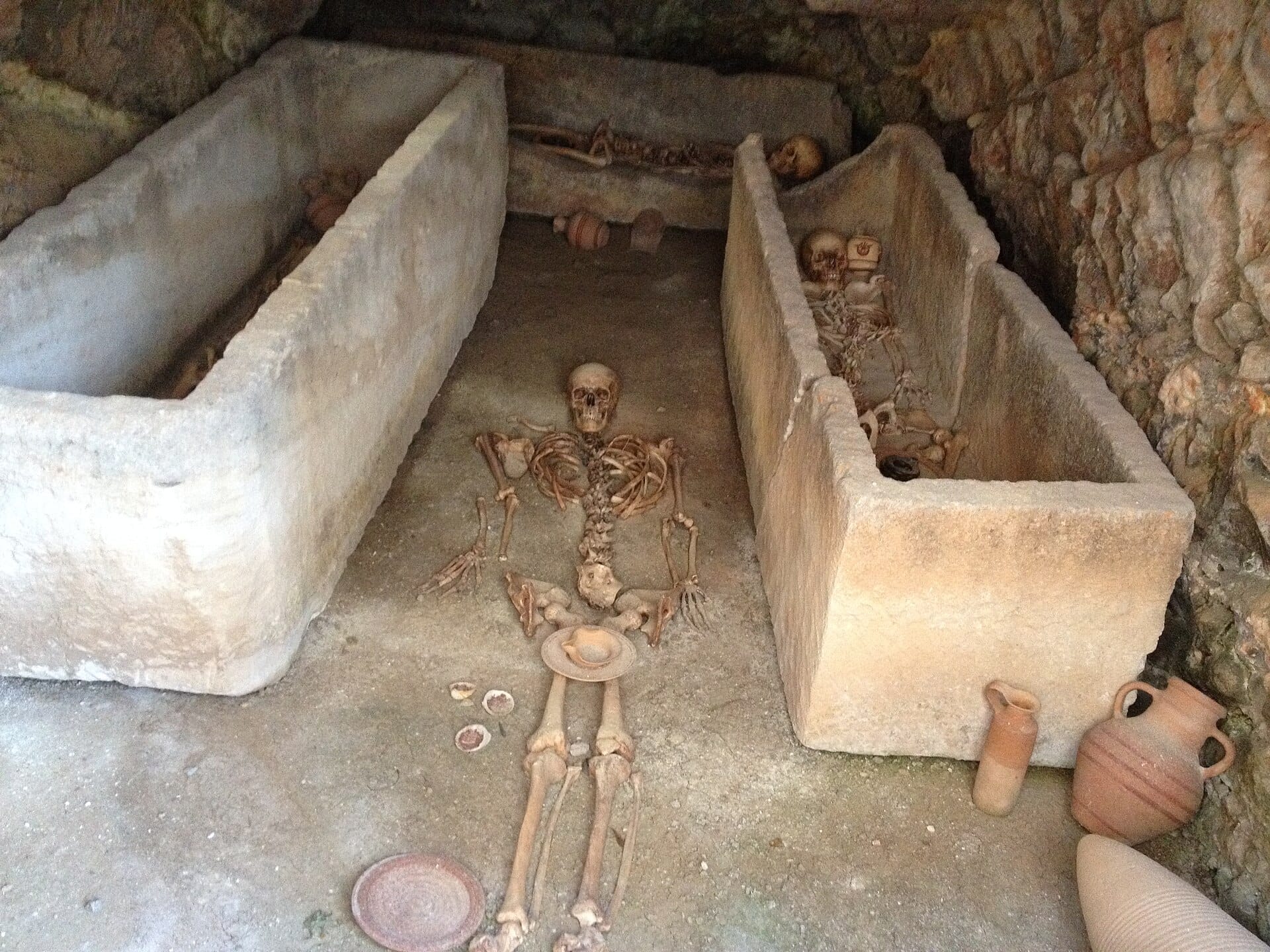
Down in the lower town, the Necropolis of Puig des Molins is one of the most significant Phoenician-Punic archaeological sites in the western Mediterranean and is also part of Ibiza's UNESCO designation. The associated museum contains an impressive collection of finds, including clay figurines, jewellery, and funerary objects that span more than a thousand years of pre-Roman history. The site sits just west of the old town walls, a short walk from the Eixample.
For contemporary art, the Ibiza Museum of Contemporary Art occupies a striking building inside Dalt Vila and holds a collection that reflects the island's long history of attracting artists and creatives. The port itself, centred on the Ibiza port, is worth a slow walk at any time of day: the ferry terminal connects to Formentera and other Balearic islands, and the working port atmosphere offers a counterpoint to the luxury marina immediately to the north.
Walk the full circuit of the Dalt Vila ramparts, ideally in the late afternoon when the light is warmest
Visit the Necropolis of Puig des Molins and its museum, which has daily opening hours that vary by season
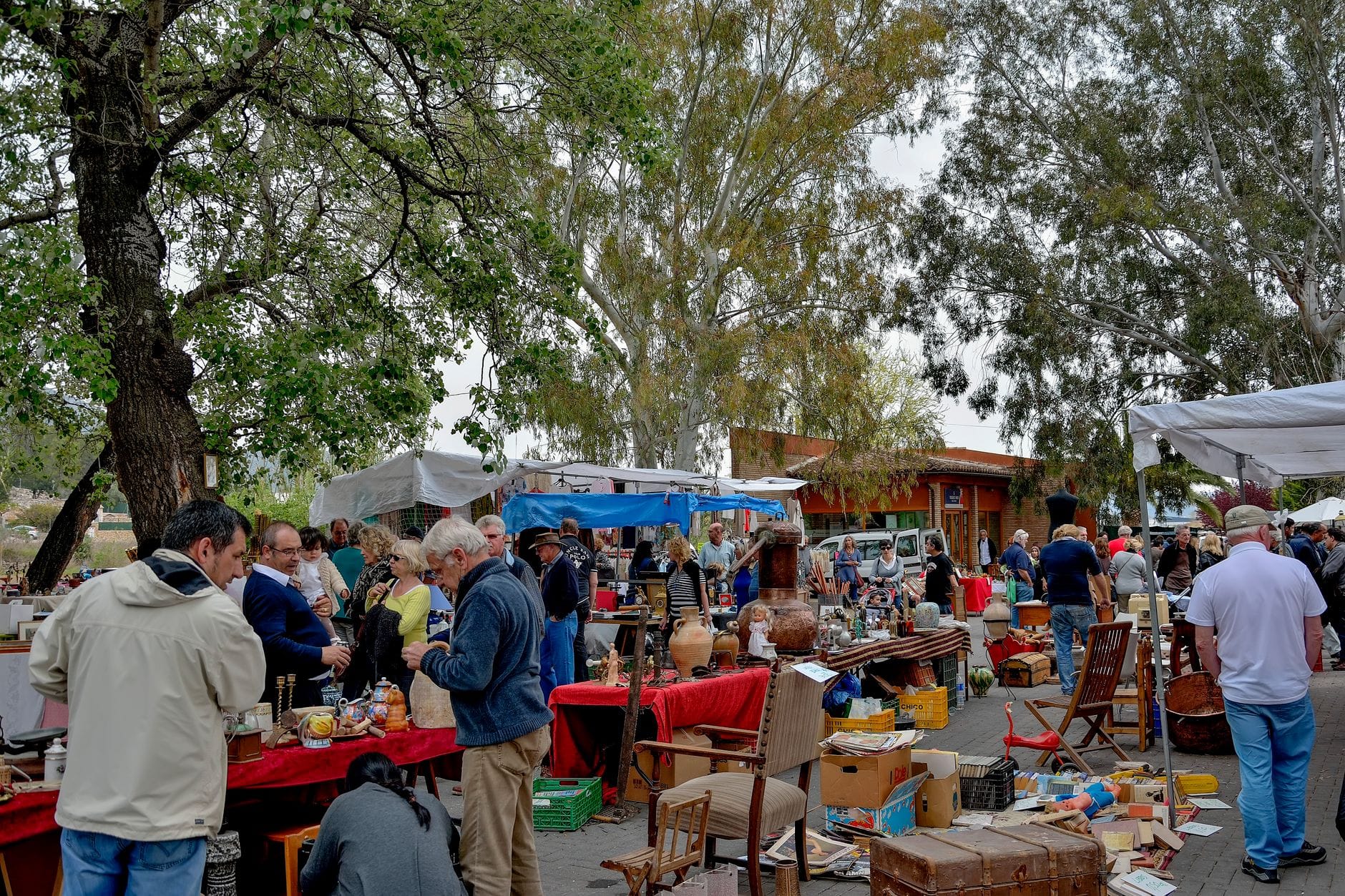
Browse the Sant Jordi flea market, held on Saturday mornings at the hipódromo south of town, for vintage finds and local produce
Take the ferry from the port to Formentera for a day trip, one of the most rewarding short excursions from the island
Watch the sunset from the upper bastions of Dalt Vila before heading down for dinner
💡 Local tip
The Sant Jordi Saturday flea market, held at the old racetrack on the road toward the airport, is one of the best on the island for vintage clothing, ceramics, and secondhand curiosities. It runs through the summer season and attracts a genuine mix of locals and visitors. Arrive before 11am for the best selection.
Eating & Drinking
Ibiza Town has the most varied and serious food scene on the island. The port and marina area is predictably expensive and tourist-facing: seafood restaurants with outdoor terraces, international wine lists, and prices that reflect the superyacht crowd mooring nearby. The food at some of these spots is genuinely good, but you are partly paying for the view and the address.
The more interesting eating happens in the streets of the Eixample, away from the waterfront. The blocks between Avenida de España and the old town walls contain a mix of tapas bars, family-run restaurants serving Ibizan and broader Spanish cuisine, and a handful of spots that cater more to the local lunch crowd than the tourist dinner rush. Ibizan cooking draws on the island's history: sofrit pagès (a slow-cooked meat and potato stew), bullit de peix (fish and rice cooked in layers), and greixonera (a bread pudding dessert) all appear on menus that are paying proper attention to local tradition.
Inside Dalt Vila, the restaurant options are concentrated around the lower streets near the Portal de ses Taules and the squares further up toward the cathedral. Prices here are generally high, reflecting the limited space and the scenery. A terrace dinner inside the old walls, with the lit-up ramparts above you and the harbour visible below, is a reasonable splurge for a special occasion.
For drinks, the geography is simple. The marina terraces are for watching the scene over a glass of something cold in the early evening. The bars in the streets immediately behind the port fill from around 10pm onward. Pacha, across the bay in the Marina Botafoch/Talamanca area, is the grande dame of Ibiza clubbing: it has operated in various forms since the 1970s and remains one of the most famous clubs in the world. Its terrace bar is sometimes accessible without a full club ticket, though prices reflect its reputation. The port district is also where you will find the smaller, more atmospheric bars that work as pre-club stops before the major venues open in earnest after midnight.
ℹ️ Good to know
Ibiza Town's nightlife is concentrated around the port, but the major clubs (Pacha, Ushuaïa, DC10) are spread across the island and each draws its own crowd. Check the current season lineup before committing to a night out, as resident DJs and event nights rotate throughout the summer. Club tickets bought in advance are almost always cheaper than door prices.
Getting There & Around
Ibiza Airport (IATA: IBZ) is located approximately 7 kilometres south of Ibiza Town, making it one of the closer airport-to-city relationships on any major Balearic island. A taxi from arrivals to the town centre takes 10 to 15 minutes in normal traffic, though summer evening arrivals can add time. The bus is a cheaper alternative and connects the airport to Ibiza Town, with seasonal routes that may also serve the Platja d’en Bossa strip; check current schedules and fares through the official Balearic Islands public transport authority before travelling, as timetables vary by season. For a full overview of island-wide transport options, the getting around Ibiza guide covers everything from buses to ferries.
Within Ibiza Town itself, walking is the primary and usually the best way to get around. The distance from the port to the top of Dalt Vila is about 800 metres on foot, though the uphill gradient means it takes longer than the distance suggests. The Eixample is flat and easy to navigate on foot. Taxis are readily available at the port and at the main taxi rank on Avenida de España, and they are the practical option for returning from clubs in the early hours when other options are limited.
Ibiza has no metro or urban rail network. The island's intercity bus services connect Ibiza Town to Sant Antoni de Portmany, Santa Eulària des Riu, and other settlements, with buses departing from stops near the port and from the main Avenida de España corridor. If you plan to explore beaches and villages across the island, renting a car from the airport is the most flexible option, though parking in Ibiza Town itself can be difficult in peak season. Motorbike and scooter rental is a popular alternative for getting around the island without the parking headache.
Where to Stay
Ibiza Town offers the widest range of accommodation on the island, from small boutique hotels inside the walls of Dalt Vila to larger four and five-star properties along the marina. Where you stay within the town matters considerably, and the Ibiza accommodation guide is worth consulting before booking to understand how the different zones of the island compare.
Inside Dalt Vila, the handful of hotels occupy historic buildings within the walls, offering a genuinely atmospheric base. The tradeoff is that access is on foot via steep streets, and bringing large luggage up to your room can be an adventure. The reward is waking up inside a living medieval city, with the sound of church bells rather than club music.
Along the marina and port, hotels range from midrange options on the back streets to more expensive addresses directly on the waterfront. These are convenient for the nightlife circuit but noisy in high season. For the best balance of convenience, quiet, and access to the whole town, the upper Eixample streets, slightly inland from the port and below the old town walls, offer the most liveable base for travellers who want to explore the island by day and have the option of walking home from dinner at night.
Ibiza Town is the right base for travellers who want to experience the island's full range: history, culture, beaches reachable by bus or taxi, nightlife within walking distance, and ferry connections to Formentera. Travellers focused purely on beach holidays may find the beaches immediately adjacent to the town (Talamanca to the north, Figueretes to the south) adequate but not the best on the island. For dedicated beach time, consider whether a base closer to Las Salinas or the northern coves would serve you better.
💡 Local tip
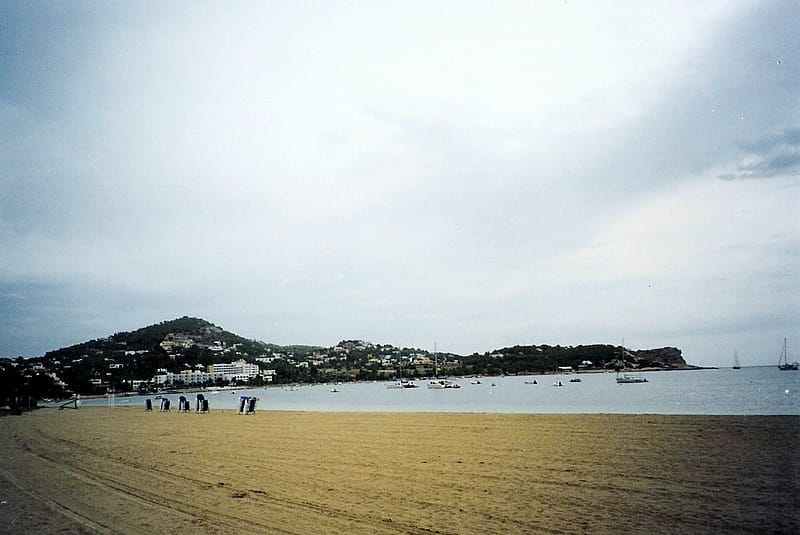
Talamanca beach, a short walk or taxi ride north of the port, is one of the most underrated beaches near Ibiza Town: calmer than the major resort beaches, with a mix of beach bars and local families, and a clear view back across the bay to Dalt Vila. It is a good option for a morning swim before the town gets busy.
Practical Information
Ibiza Town operates on Spanish time, which means lunch runs from roughly 2pm to 4pm, dinner rarely starts before 9pm, and the town does not really wind down until the early hours in summer. Shops in the Eixample typically open from around 10am, close for a midday break, and reopen from 5pm until 8pm or 9pm. Tourist-facing businesses around the marina often skip the midday closure.
The official languages of the Balearic Islands are Spanish (Castilian) and Catalan, with the local Catalan variety called Eivissenc. In practice, most people working in the tourist economy speak English and often German, Italian, or French as well. Street and place names appear in both Spanish and Catalan on official signage, which can cause some confusion: Eivissa and Ibiza refer to the same city, and you will see both used interchangeably.
The currency is the Euro (EUR). Emergency services can be reached on the pan-European number 112. For planning purposes, the island's main tourist season runs from approximately May to late September, with the absolute peak in July and August. If you are considering visiting outside the summer window, the Ibiza in September and October guide explains what stays open, what closes, and why the shoulder season has its own distinct appeal.
Summary
TL;DR
Ibiza Town is the island's capital and most historically significant neighbourhood, built around the UNESCO-listed walled city of Dalt Vila and a busy working port.
It suits travellers who want more than a beach holiday: the old town, the archaeology, the contemporary art scene, and the ferry connections to Formentera all reward curiosity.
The nightlife around the marina and port is genuinely world-class, with a dense bar scene on the waterfront and Pacha across the bay in Marina Botafoch/Talamanca, but the noise level near the harbour is real and should factor into accommodation decisions.
Getting around without a car is feasible within the town itself, and buses and taxis connect to most parts of the island, though exploring remote beaches and villages is easier with your own transport.
Not ideal for: travellers prioritising pure beach time (the nearby beaches are pleasant but not the island's best), those needing absolute quiet in summer, or budget travellers who find the marina-area prices eye-watering.
Ibiza's 210 kilometres of coastline hide many beaches, from party-ready stretches to remote pine-fringed coves. This guide covers the island's finest, organised by character so you can find exactly the beach you're looking for.
Ibiza rewards visitors differently depending on when you arrive. This guide breaks down every season on the island: weather, crowd levels, pricing, nightlife timing, and the months most travelers overlook. Whether you're chasing peak-season energy or a quieter Mediterranean escape, the timing matters more than most guides admit.
Formentera is just a short ferry ride (around 20 km) from Ibiza, but it feels like a different world. This guide covers everything for a day trip: how to get the ferry, what it costs, where to go on the island, and what most visitors get wrong.
Ibiza is small enough to cross in under an hour, but getting around efficiently depends entirely on when you visit and where you're headed. This guide covers every transport option on the island, from the airport bus to the Disco Bus, with real price ranges and practical guidance on what's worth it.
Dalt Vila is the fortified hilltop heart of Ibiza Town, inscribed as a UNESCO World Heritage Site in 1999 for its Renaissance walls, layered history, and cultural depth. This guide covers every major sight, the best walking route, seasonal advice, and the practical details you need to make the most of your visit.
Ibiza is more than its nightlife reputation. This guide covers the essentials for first-time visitors: the best time to arrive, how to get around the island, where to base yourself, what things actually cost, and how to see the side of Ibiza that most tourists miss entirely.
Ibiza is far more than its superclubs and famous shorelines. This guide uncovers the island's quieter, deeper side: fortified hilltop towns, dramatic coastal hikes, authentic village markets, and unspoiled nature that most visitors fly straight past.
Ibiza has over 140 marked trails threading through pine forests, clifftop coastlines, and protected natural parks. This guide covers the best hikes on the island, from the summit of Sa Talaia to the dramatic Es Vedrà coastal trail, with practical tips for every level.
Ibiza's hippy markets are a living legacy of the island's counterculture roots, offering handmade jewellery, bohemian clothing, artisan crafts, and a social atmosphere unlike anything else on the island. This guide covers every major market, from the iconic Las Dalias to the vast Punta Arabí, plus smaller village markets, flea markets, and the best complementary experiences to build your market day around.
September and October mark one of the most interesting transitions on the Balearic island of Ibiza. The club season reaches its emotional finale, crowds thin out, prices drop, and the island starts to breathe again. This guide covers everything from closing party logistics to the best beaches and day trips once the last DJ plays out.
Seven days is the ideal amount of time to experience Ibiza beyond the clubs. This itinerary covers the UNESCO-listed old town, the island's best beaches across multiple coasts, hippy markets, San Antonio sunsets, and a day trip to Formentera, with practical guidance on what to skip and when to go.
Ibiza nightlife runs on its own logic: doors open at midnight, headliners play at 4am, and a single night out can cost €200 before you know it. This guide breaks down every layer of the scene, from superclub pricing and weekly residencies to boat parties, budget bars, and how to get around safely after dark.
Ibiza has a reputation for luxury excess, but the island is genuinely doable on a tight budget. This guide breaks down real costs, the best free activities, transport options, and the timing tricks that can cut your bill by a third.
Ibiza's west-facing coastline turns extraordinary at dusk. Whether you want a front-row bar stool at San Antonio's legendary Sunset Strip or a quiet clifftop above Es Vedrà with no one else around, this guide covers the island's finest sunset experiences across beach coves, hilltop viewpoints, and atmospheric gathering spots.
Ibiza is one of Europe's most misunderstood destinations. Yes, it has world-famous nightlife. But this 572 km² Spanish island in the Balearic archipelago also holds a UNESCO World Heritage Site, dozens of pristine coves, ancient Phoenician ruins, and a thriving market culture. This guide covers all of it — with clear guidance on what's worth your time and what isn't.
Ibiza accommodation spans budget dorm beds at €25 per night to clifftop villas at €5,000 per night. This guide breaks down every major area, what it actually costs, and who each zone suits best — so you book the right place the first time.