Ibiza Port & Marina Botafoch: The Island's Waterfront Heart
Stretching along the north side of the Port of Ibiza, the marina known as Botafoc Ibiza offers a flat, walkable promenade lined with restaurants, boutiques, and some of the best views of Dalt Vila's UNESCO-listed walls. Whether you arrive by sea or on foot, this is where the island introduces itself.
Quick Facts
- Location
- Passeig Joan Carles I, 07800 Ibiza (Eivissa), Balearic Islands, Spain
- Getting There
- 15–20 min walk along the waterfront from Ibiza Town centre; local buses and taxis stop near the marina entrance
- Time Needed
- 1–2 hours for a leisurely promenade stroll; longer if dining or watching the sunset
- Cost
- Free to walk the promenade; restaurant and bar prices vary (mid-to-high range)
- Best for
- Sunset views over Dalt Vila, watching superyachts, pre-dinner aperitivos, photography
- Official website
- www.botafocibiza.com/en
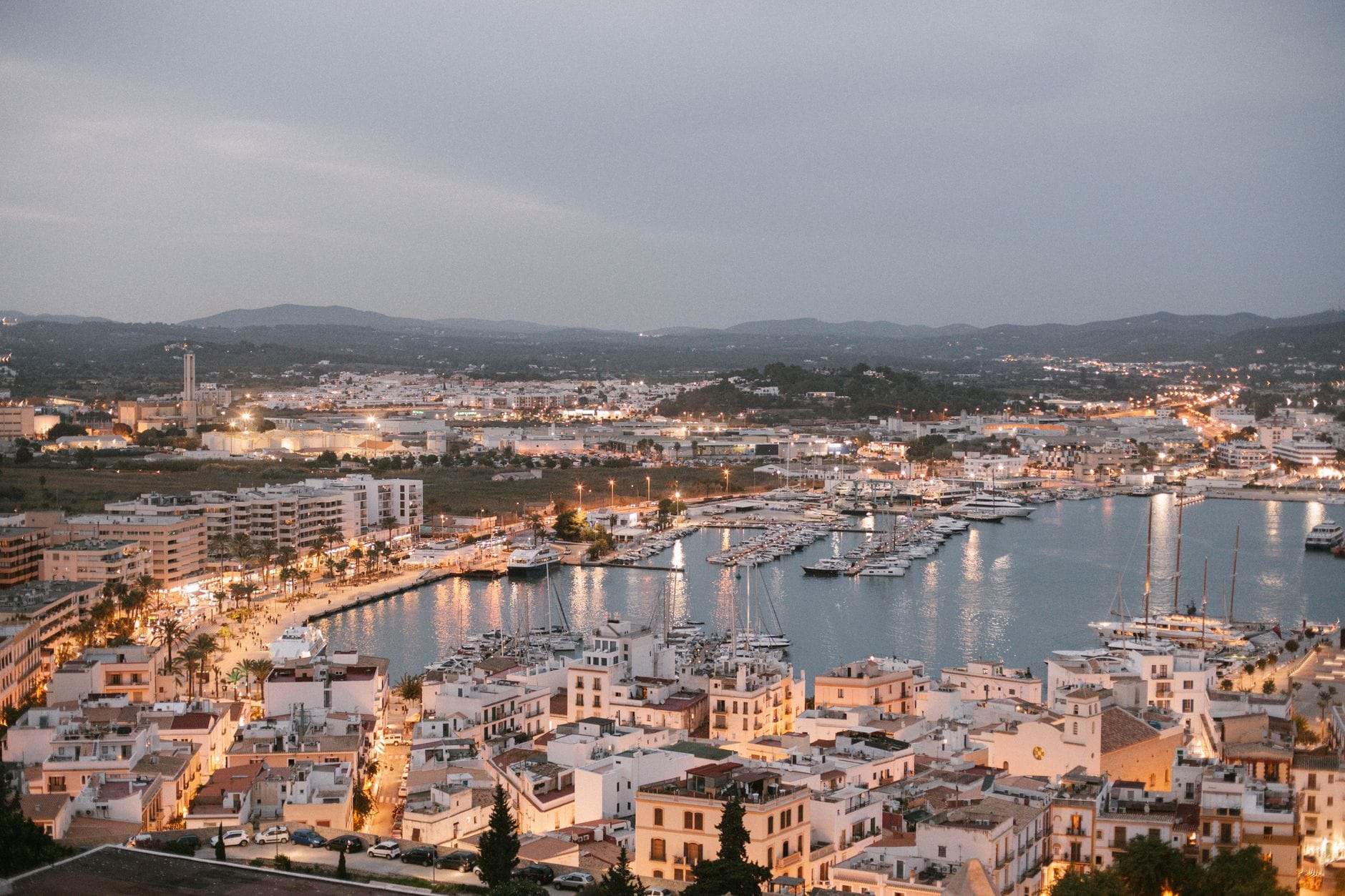
What Is the Port of Ibiza and Marina Botafoch?
The Port of Ibiza (Puerto de Ibiza) is the island's main working harbour, handling everything from commercial ferries to private yachts. On its northern flank sits Botafoc Ibiza, the purpose-built marina formerly and still widely known as Marina Botafoch. It now holds 428 berths accommodating vessels from 6 to 30 metres in length. For visitors arriving by sea, this is where Ibiza officially begins. For those staying in Ibiza Town, it is an easy 15–20 minute walk around the bay.
The marina promenade is free to walk at any hour. No ticket, no queue. What you get is a long, flat, tree-lined path with the glassy port on one side and a row of restaurants, bars, and boutiques on the other, all facing one of the most recognisable silhouettes in the Mediterranean: the ramparts of Dalt Vila rising above the old town across the water.
💡 Local tip
The promenade walk from Ibiza Town's main harbour area around the bay to Marina Botafoch takes roughly 15–20 minutes on flat ground. Wear comfortable shoes and bring sun protection during the day — there is limited shade along the waterfront path.
The View Across the Bay: Why This Side of the Port Matters
Standing on the marina promenade and looking back across the harbour, you face the full western elevation of Dalt Vila's walls and bastions, glowing amber in the late afternoon light. The Renaissance-era fortifications, built in the 16th century under Holy Roman Emperor Charles V, rise in terraced layers above the waterfront. From Ibiza Town itself you are inside those walls, which means you lose this long-distance perspective entirely. The marina side of the port is where the composition makes sense.
As the sun drops toward the west in the hours before dinner, the limestone walls of the old town shift through gold and ochre. The reflection plays across the harbour water, broken occasionally by the wake of a water taxi or a tender returning to one of the superyachts at anchor. Photographers should position themselves along the central section of the promenade, roughly level with the marina office, for the clearest sightlines to the cathedral tower above Dalt Vila.
Tickets & tours
Hand-picked options from our booking partner. Prices are indicative; availability and final rates are confirmed when you complete your booking.
Sunset boat tour with tapas, open bar and water sports in Ibiza
From 70 €Instant confirmationFree cancellationIbiza to Formentera boat trip with open bar and water sports
From 69 €Instant confirmationFree cancellationEscape Tour self-guided, interactive city challenge in Ibiza
From 30 €Instant confirmationPrivate Sunset Cruise on a Maritime Classic in Ibiza
From 750 €Instant confirmationFree cancellation
How the Marina Changes Through the Day
Morning
Before 10:00, the promenade is quiet enough to hear the ropes creaking against the cleats and the soft slap of water on fibreglass. Delivery vans stock the restaurants, crew members sluice down the decks of charter yachts, and the whole place smells of salt water and fresh bread from the cafés opening their kitchens. This is the most honest version of the marina: functional, unhurried, photogenic without trying to be.
Afternoon
From midday onward, the restaurants fill and the promenade becomes a social corridor. Visitors walk one end to the other and back, comparing views. The boutiques along the strip lean toward high-end nautical and fashion retail, consistent with a marina that regularly hosts large private yachts. Summer afternoons can be genuinely hot with little shade on the open promenade, so the covered restaurant terraces become a practical refuge as much as a dining destination.
Sunset and Evening
This is when Marina Botafoch earns its reputation. As the sun angles low over the island, the Dalt Vila silhouette across the water turns theatrical. Tables on the waterfront terraces fill quickly from about 19:00 onward. Unlike the famous Sunset Strip in San Antonio on the western coast, the marina does not face the sun directly at sunset, so you are watching the light on the old town rather than the sun drop into the sea. The effect is subtler and arguably more interesting: warm, diffuse light flooding across centuries-old stonework while the harbour water darkens below.
After dark, the bars and restaurants along the strip stay lively well into the night. For visitors heading to the club district, this stretch of the marina is a natural first stop: smart enough for dinner, relaxed enough that you are not yet committed to a long night out.
ℹ️ Good to know
Visiting yachts should call on VHF channel 09 before arrival. Night security patrols operate throughout the marina.
The Promenade: What to Expect as You Walk
The promenade itself is flat and wide, paved in pale stone with palm and pine plantings at intervals. Benches face the water at regular points. The walking surface is smooth throughout, making it accessible for prams, wheelchairs, and anyone who prefers level ground. The official marina website does not detail specific wheelchair-adapted facilities, but the terrain presents no obvious obstacles along the main waterfront path.
On the landward side, restaurants and cafés with open terraces alternate with boutiques selling clothing, jewellery, and boat gear. The shopping here is not budget-oriented. Prices in the restaurants reflect the marina postcode: this is one of the higher-end strips on the island, and a waterfront table at dinner should be treated as a considered spend rather than a casual bite.
For visitors who want to understand the full port area in context, combining a marina walk with a visit to the Castle of Ibiza and the old town above gives a complete picture of how the harbour has anchored life here for over two thousand years. The Phoenicians established a settlement on this island; the Romans expanded it; the Moors fortified it; the Spanish Crown rebuilt the walls. Looking across from the marina, all those layers are visible in a single glance.
Getting There and Getting Around
The marina sits on the north side of the port, reached on foot by following the waterfront promenade from the central harbour area of Ibiza Town. The walk is pleasant and straightforward, passing the commercial port before opening onto the marina strip. Local buses and taxis serve the area, with stops near the marina entrance. No metro or rail network exists on the island: bus and taxi are the standard public options.
Ibiza Airport (IATA: IBZ) is approximately 7 km southwest of Ibiza Town, with a typical taxi transfer taking 10–15 minutes. For full transport options on the island, the guide to getting around Ibiza covers buses, taxis, and car hire in detail.
⚠️ What to skip
Summer evenings bring heavy restaurant traffic along the marina strip. If you plan to dine on a waterfront terrace during July or August, reserving a table in advance is strongly advisable. Walk-ins at peak hours are frequently turned away at the more popular spots.
Limitations: What the Marina Does and Does Not Offer
The Port of Ibiza and Marina Botafoch reward visitors who treat them as a transitional experience rather than a destination in themselves. The promenade is beautiful, the views across to Dalt Vila are genuinely impressive, and the evening atmosphere has a slow, confident energy. But if you arrive expecting dramatic cliff scenery, secluded coves, or the frenetic spectacle of a major nightlife venue, you will be looking in the wrong place.
The marina also sits at the functional end of the island's personality: this is a working port district, and the industrial port infrastructure is visible at the southern end of the waterfront walk. It is not a landscaped park. For travellers whose primary interest is natural scenery, the island's coves and the landscapes around Es Vedrà will be more rewarding. For those who want a walk that combines history, sea air, upscale dining, and one of the best angles on Ibiza Town's famous skyline, the marina delivers reliably.
Visitors with limited mobility will find this one of the most accessible waterfront areas on the island, given the flat terrain and broad paths. Families with young children can walk the length of the promenade without negotiating steps or uneven surfaces, though the restaurants and boutiques along the strip are firmly aimed at an adult market.
Insider Tips
- For the sharpest photographs of Dalt Vila's walls reflected in the harbour water, arrive in the 30 minutes before sunset when the angle of light is lowest and the old town stonework glows most intensely. A position roughly in the middle of the promenade gives the best framing.
- The stretch of water between the marina and the old town is a working harbour, not just a scenic backdrop. Watch the afternoon ferry arrivals from the promenade for a live demonstration of how much maritime traffic the port handles daily.
- Restaurant prices on the marina terrace are at the higher end of Ibiza Town's range. If you want the view without the bill, buy a drink at one of the bar terraces rather than committing to a full meal, or pick up provisions from Ibiza Town and eat on one of the promenade benches facing the water.
- The walk from Ibiza Town's central harbour area to the far end of the marina promenade is longer than it looks on a map — allow a full 20 minutes each way at a relaxed pace, more if you stop to look at boats.
- In July and August, the whole strip operates at full summer intensity. If you prefer the marina at its quietest and most atmospheric, a September or October morning visit captures the same views with a fraction of the foot traffic.
Who Is Ibiza Port & Marina Botafoch For?
- Travellers arriving or departing by yacht or charter boat who want to orient themselves to the island from the water
- Photography enthusiasts seeking the classic long-distance view of Dalt Vila's Renaissance fortifications
- Couples looking for a pre-dinner sunset walk with high-quality restaurant options at the end of it
- Visitors with limited mobility who want accessible, flat waterfront walking in a scenic setting
- Anyone spending a few days in Ibiza Town who wants to understand the scale and history of the port district
Nearby Attractions
Other things to see while in Ibiza Town (Eivissa):
- Figueretas Beach
Platja de ses Figueretes is a free, accessible urban beach in the Figueretas suburb of Ibiza Town, roughly 15 minutes on foot from the old town. With calm, shallow water, summer ferry connections, and a promenade lined with cafes and restaurants, it serves families, budget travellers, and anyone who wants a beach day without leaving the city.
- Necropolis del Puig des Molins
Hidden on a small hill just 500 metres from Ibiza Town's old walls, the Necropolis del Puig des Molins is one of the most significant Phoenician and Punic burial sites in the world. Spanning nearly 5 hectares with around 3,000 tombs cut into the rock, this UNESCO World Heritage site offers a rare encounter with 2,700 years of history beneath the surface of a sun-bleached hillside.
- Pacha Ibiza
Open since 1973, Pacha Ibiza is the island's most enduring nightlife institution. Located in Ibiza Town on Avenida 8 d'Agost, it draws serious clubbers with world-class DJ bookings, multiple rooms, and a distinct glamour that has outlasted every trend in electronic music. This guide covers what to expect inside, how the experience shifts across the night, and whether it deserves a place in your itinerary.
- Sant Jordi Flea Market (Rastro)
Every Saturday morning, the old Sant Jordi racecourse transforms into Ibiza's most authentic flea market. Free to enter and open year-round, the Mercadillo de Sant Jordi draws a mix of locals, expats, and sharp-eyed visitors hunting for vintage clothing, antiques, handmade goods, and the kind of random objects that make flea markets worth the early alarm. It is one of the few market experiences on the island that feels genuinely rooted in local life rather than designed for tourism.