Things to Do in Ibiza: Beyond the Clubs, Into the Real Island
Ibiza is one of Europe's most misunderstood destinations. Yes, it has world-famous nightlife. But this 572 km² Spanish island in the Balearic archipelago also holds a UNESCO World Heritage Site, dozens of pristine coves, ancient Phoenician ruins, and a thriving market culture. This guide covers all of it — with clear guidance on what's worth your time and what isn't.
Plan and book this trip
Tools from our partner Travelpayouts help you compare flights and hotels. If you book through them, we may earn a commission at no extra cost to you.
Flights
Hotels map
TL;DR
- Ibiza is a Spanish Balearic island with a Mediterranean climate — hot and dry June through September, mild and quiet in winter.
- Dalt Vila, the fortified old town of Ibiza Town, is a UNESCO World Heritage Site and worth at least half a day — see the full Dalt Vila guide for details.
- The clubbing season runs roughly May to early October — outside those dates, many venues and even some restaurants are closed.
- Shoulder season (May or September) offers the best balance: warm weather, open beaches, and lower prices — read when to visit Ibiza for a month-by-month breakdown.
- The island is far more than nightlife — beaches, hiking, markets, boat trips, and archaeological sites all compete for your attention.
Explore the UNESCO Old Town: Dalt Vila and Ibiza Town
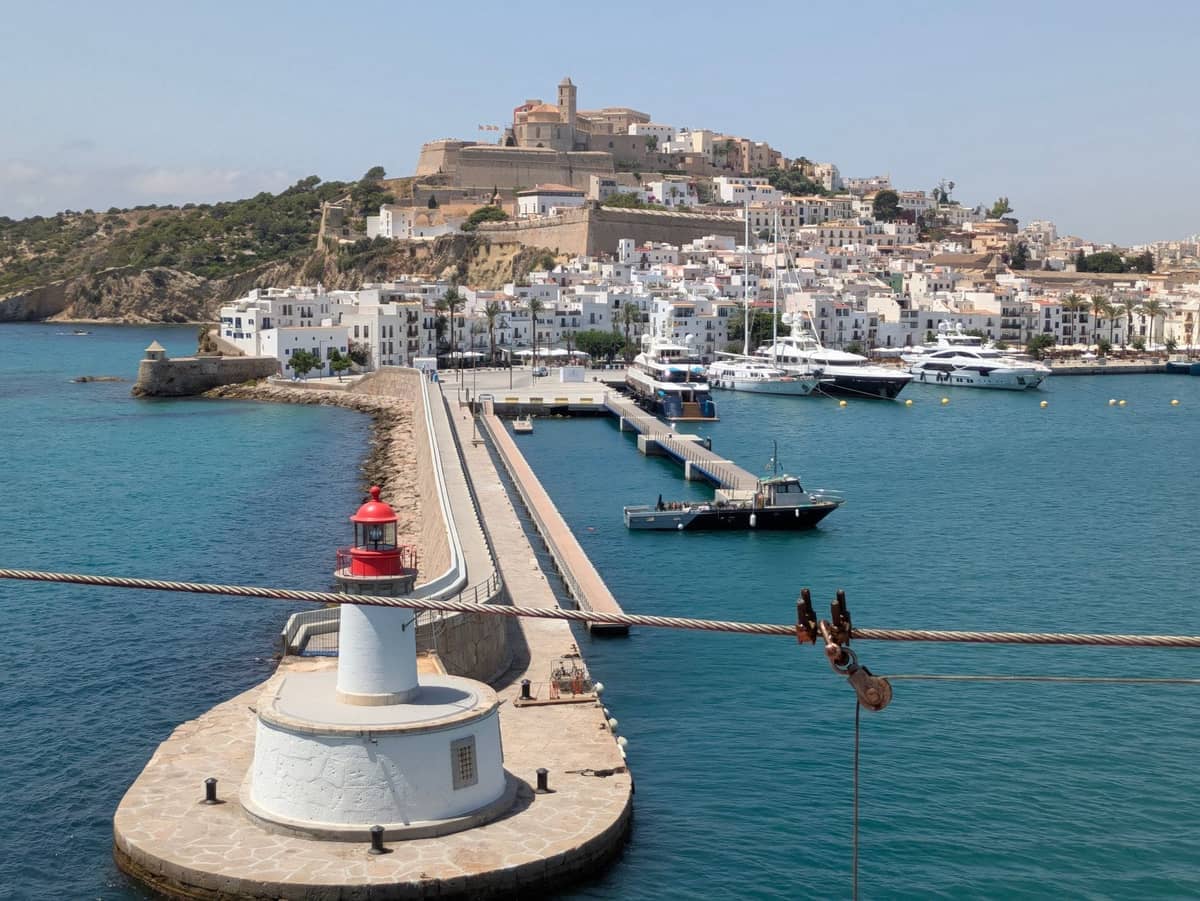
The single most underrated thing to do in Ibiza Spain is simply walk through Dalt Vila, the Renaissance-fortified hilltop that rises above Ibiza's harbour. It was designated a UNESCO World Heritage Site in 1999, recognised for its exceptional blend of Phoenician, Roman, Moorish, and Spanish colonial history compressed into one compact acropolis.
Enter through the Portal de ses TaulesPortal de ses Taules, the main Renaissance gateway flanked by Roman statues, and follow the cobbled lanes uphill toward the cathedral. The views over the port from the upper ramparts are genuinely spectacular at any time of day, though golden-hour light around 6–7pm in summer is particularly good. Crowds thin considerably after 8pm, making an evening stroll through the old town one of the more atmospheric free experiences on the island.
- Ibiza Cathedral (Catedral de Santa Maria) Gothic church built over a Moorish mosque; free to enter, positioned at the highest point of Dalt Vila with panoramic harbour views.
- Necropolis of Puig des Molins One of the best-preserved Phoenician-Punic necropolises in the Mediterranean, with over 3,000 tombs. The attached museum provides essential context.
- Dalt Vila Walls and Bastions 16th-century military fortifications you can walk along; the full circuit takes about 45 minutes at a relaxed pace.
- Ibiza Museum of Contemporary Art (MACE) Small but well-curated modern art collection inside a converted 18th-century granary. Free on Sundays.
💡 Local tip
The Necropolis of Puig des Molins is often skipped by first-timers who head straight to the beach — that's a mistake. The hypogea (underground burial chambers) are genuinely eerie and historically fascinating. Allow at least 90 minutes and go in the morning before tour groups arrive.
Beaches Worth Choosing: The Best Coves and Coastline
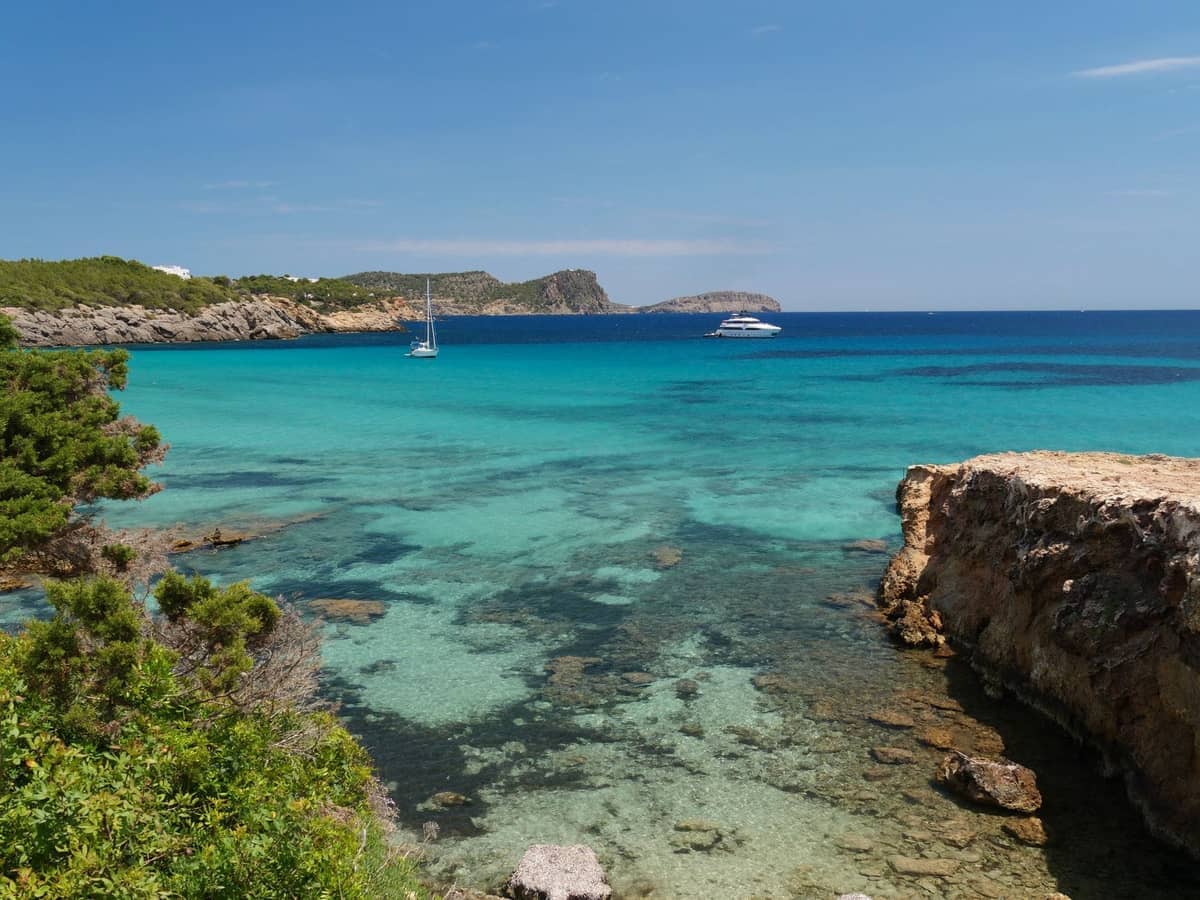
Ibiza has more than 50 named beaches, ranging from long sandy strips to narrow rocky coves. Knowing which one suits your style saves a lot of wasted driving. For a full breakdown, the best beaches in Ibiza guide ranks them by crowd level, facilities, and access difficulty.
The west coast coves are the most photogenic. Cala Comte (also written Cala Conta) offers multiple small bays with extraordinarily clear turquoise water, views across to the islet of Illa des Bosc, and a reliable beach bar. It gets packed by 11am in July and August — arrive before 9:30am or after 5pm. Cala Bassa, a few kilometres north, is slightly more sheltered and has a beach club with sunbeds; expect to pay around 15–20 EUR for a sunbed rental in peak season.
In the south, Las Salinas beach sits adjacent to the Ses Salines Natural Park — a protected area of salt flats and Posidonia seagrass meadows that forms part of Ibiza's UNESCO designation. It draws a fashion-conscious crowd and has some of the island's best beach restaurants. Es Cavallet, immediately to the south of Las Salinas, is Ibiza's main nudist beach and tends to attract a more low-key, mixed crowd.
⚠️ What to skip
Playa d'en Bossa is the longest beach on the island but also the most commercial — it runs parallel to a strip of hotels and beach clubs with pounding music from midday onwards. It's fine if you want that atmosphere, but don't go expecting a quiet day by the sea. Families and anyone after calm water are better served at Talamanca or Cala Llonga.
Nightlife: What's Actually Worth Knowing
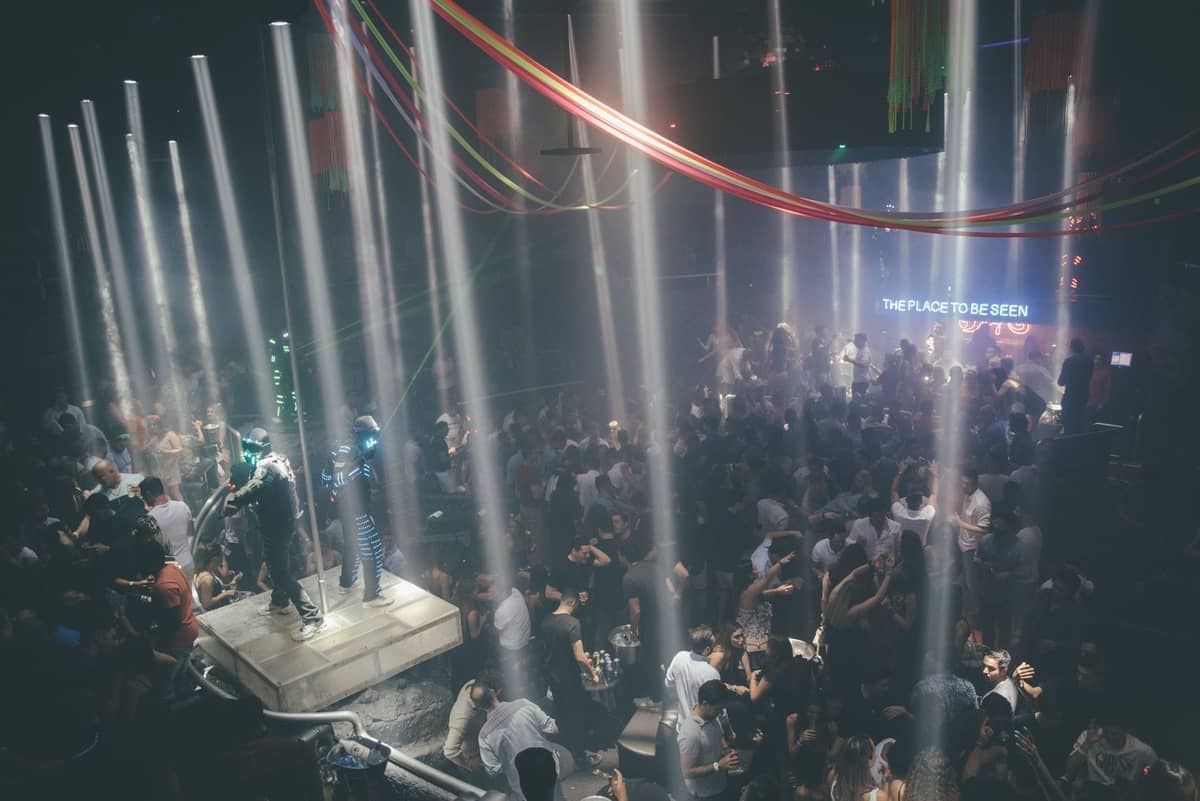
Ibiza's electronic music scene is legitimately world-class. The island hosts some of the longest-running club nights in Europe, with resident DJs and touring acts that don't play smaller markets. The clubbing season concentrates between late May and late September, with opening and closing parties at major venues being ticketed events in their own right.
The main venues are spread across two main areas. Pacha Ibiza sits right in Ibiza Town near the port and is the island's oldest operating club, opening in 1973. It runs across multiple rooms with different music styles. On the other end of the island, near San Antonio, Privilege Ibiza was long cited as one of the world's largest clubs by capacity. Amnesia — known for its open-air terrace and foam parties — sits roughly midway between the two towns on the main road.
- Book tickets in advance Door prices are significantly higher than pre-sale tickets. During peak July–August weeks, some nights sell out. Check Ibiza Spotlight or venue websites directly.
- Clubs open late Most clubs don't fill up until 2–3am. Ibiza works on Spanish hours — dinner at 10pm, pre-drinks midnight, club entry around 1–2am.
- Sunset Strip, San Antonio For a free (or low-cost) alternative to clubs, the Sunset Strip bars along San Antonio's western waterfront host live DJs from around 6pm. No entrance fee, drinks priced normally.
- Check the season calendar Clubs post their closing party dates in August for September. If your trip falls in early October, verify specific nights are still running before travelling.
Day Trips and Boat Excursions
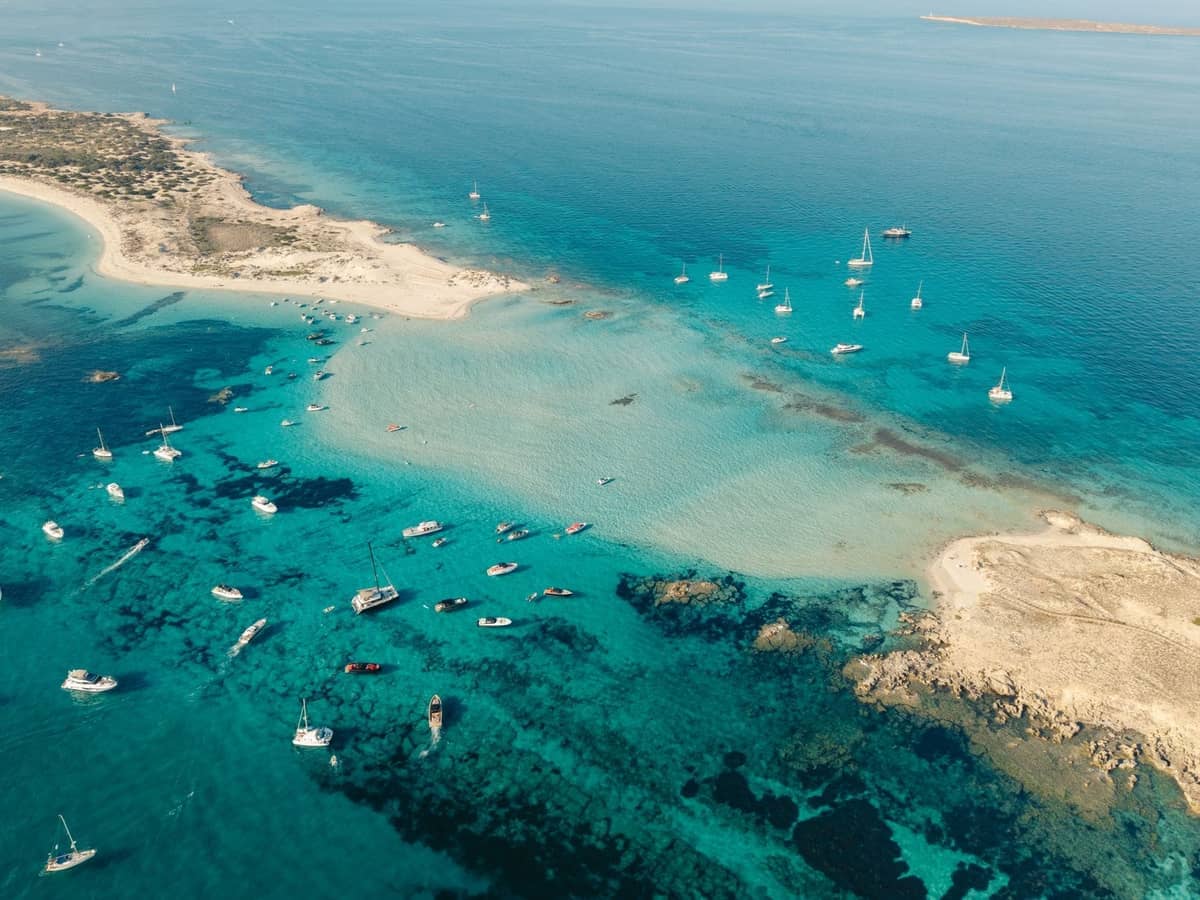
The single best day trip from Ibiza is the ferry crossing to Formentera, the smaller island directly south. In high season, fast ferries depart from Ibiza Town's port approximately every 15–30 minutes, with the crossing taking around 30 minutes to La Savina. The island has some of the flattest, most transparent water in the Mediterranean. Bring a bike or rent one on arrival — Formentera is only about 20 km long and is best explored on two wheels. The Formentera day trip guide covers ferry options, costs, and what to do once you arrive.
For exploring Ibiza's coastline by water, boat trips depart from San Antonio, Ibiza Town, and Santa Eulària. A standard 3-hour all-inclusive excursion runs around 70–80 USD per person from major booking platforms, covering multiple coves with snorkelling stops. Self-drive motorboat hire from spots like Cala Comte gives more flexibility — reported costs are around 250 EUR for four hours for a small vessel accommodating up to six people, though prices vary by operator and season. Book ahead in July and August.
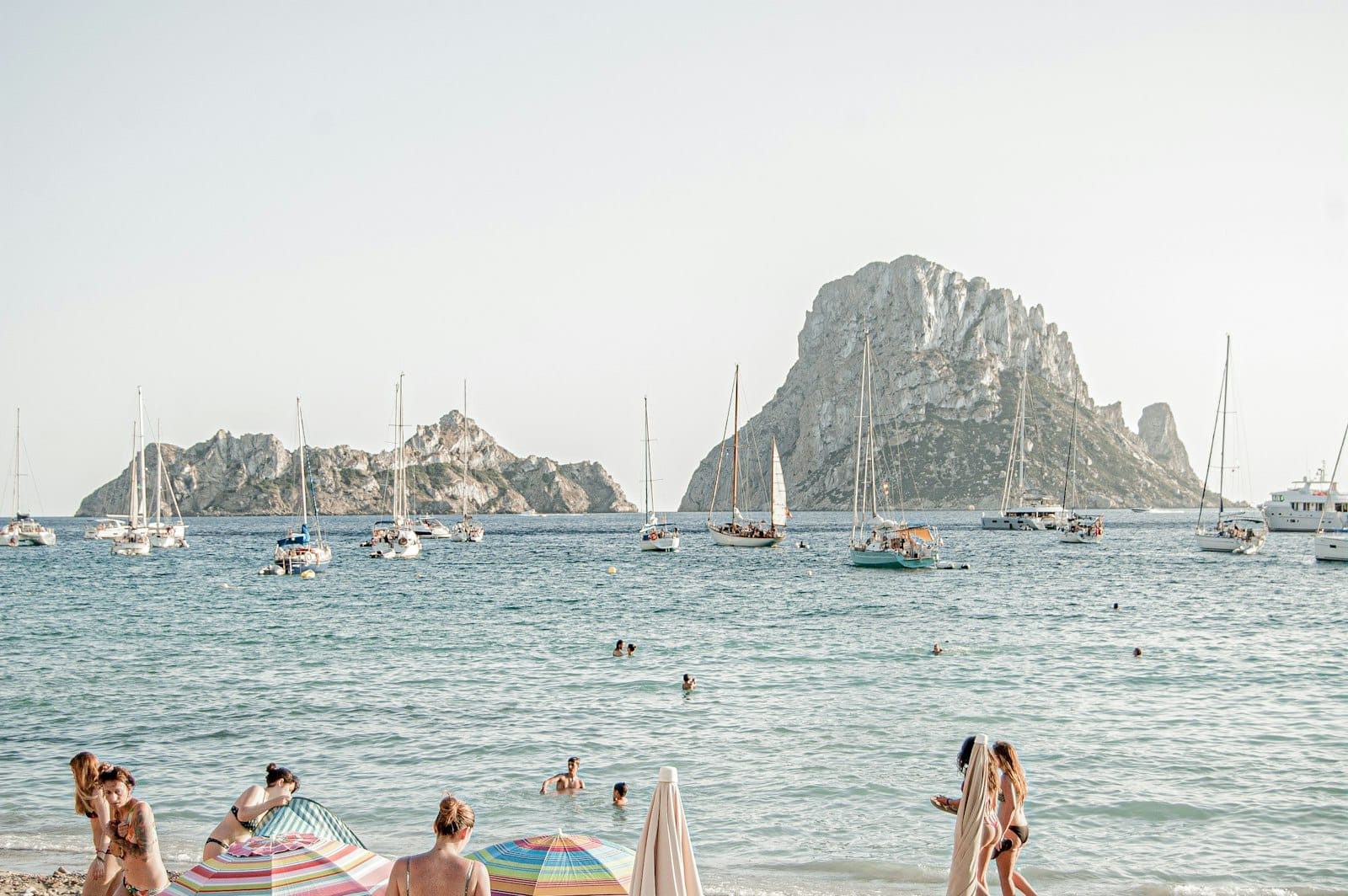
Es Vedrà, the dramatic uninhabited limestone stack off the southwest coast, is best seen from the water or from the Mirador des Vedrà lookout point on land. It's one of the most photographed spots in the Balearics. The coastal trail around the area makes for a solid two-to-three hour hike with sea views throughout.
Markets, Villages, and the Other Side of Ibiza
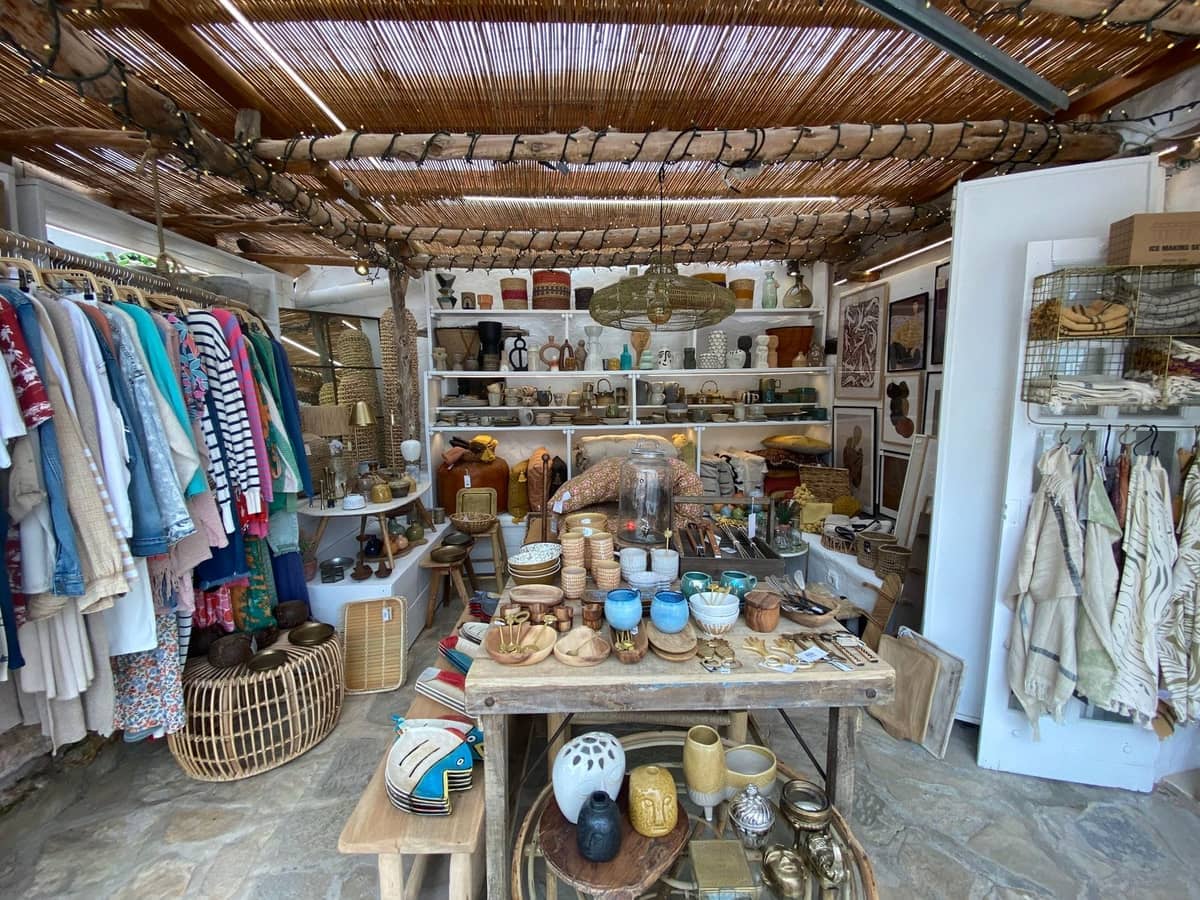
The island's market culture dates back decades and still draws a genuinely eclectic mix of travellers, artisans, and locals. The Las Dalias hippy market in Sant Carles de Peralta runs on Saturdays and Sundays (hours vary by season — check the Las Dalias website before visiting). It's less touristy than it sounds: stalls sell handmade jewellery, leather goods, spices, and clothing alongside the usual souvenir fare. The night market version in summer runs on Monday and Tuesday evenings and has a particularly good atmosphere.
The Sant Jordi flea market (Mercadillo de Sant Jordi) takes place every Saturday from around 8am to 3pm near the Sant Jordi racetrack south of Ibiza Town. This is where locals buy and sell second-hand goods, clothes, and bric-a-brac — it's low on tourist polish and high on authenticity. The village of Santa Gertrudis in the island's interior is worth a detour for its whitewashed church square, small independent restaurants, and galleries. It's also significantly cooler in temperature than the coast on hot afternoons.
✨ Pro tip
If you're visiting in summer and want to skip the car, intercity buses connect Ibiza Town with Sant Antoni, Santa Eulària, and key beach stops for under 4 EUR return. Frequency increases significantly in peak season. For anywhere off the main routes — especially rural villages and western coves — you'll need your own transport.
Hiking, Nature, and the Ibiza Most Visitors Skip
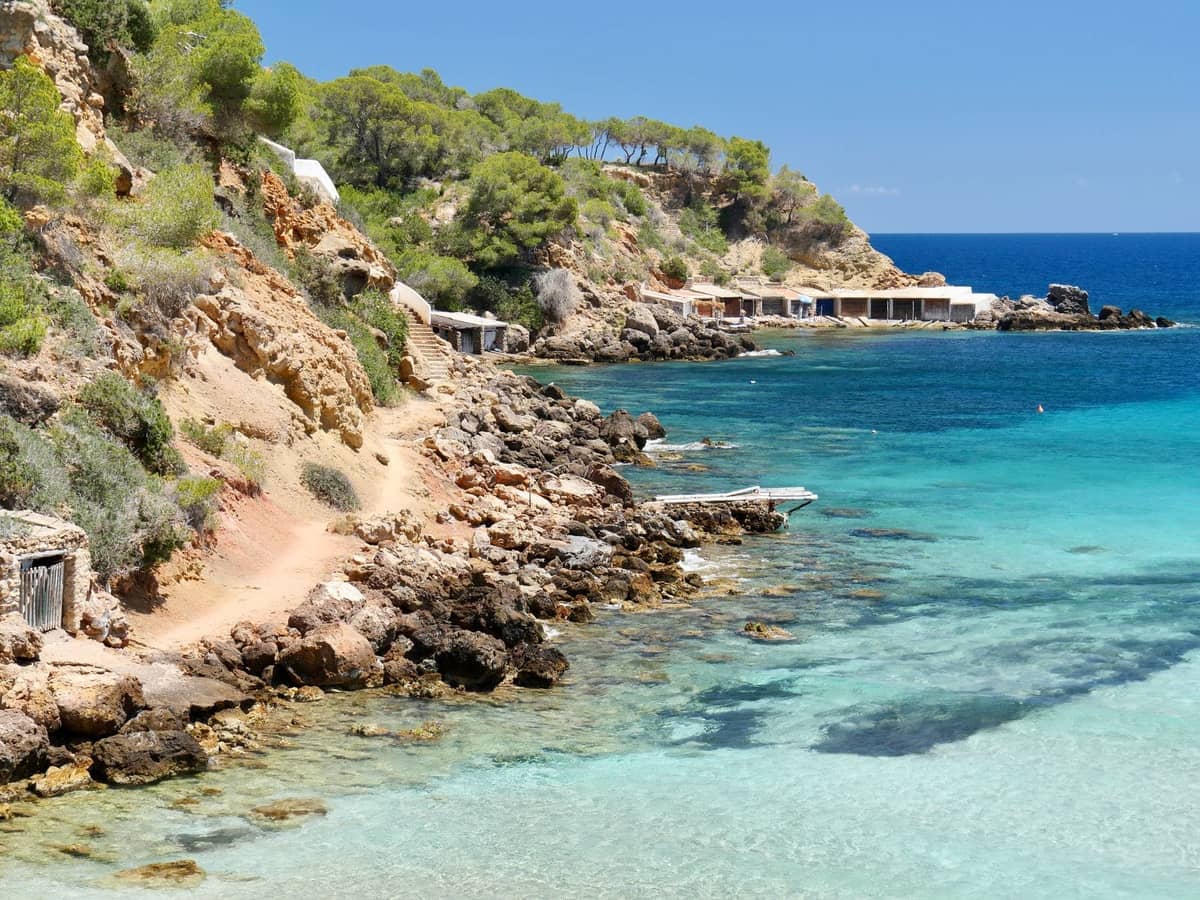
Ibiza has a network of marked hiking trails covering everything from coastal cliffs to pine forest interiors. The highest point, Sa Talaia (475 m), is reachable on foot from Sant Josep in around 1.5 to 2 hours return and offers a full panorama of the island on clear days. The Ibiza hiking guide covers the best routes by difficulty and season. Avoid hiking Sa Talaia in peak summer midday heat — early morning starts are essential in July and August.
The north of the island, particularly around Sant Joan de Labritja (San Juan), is the least developed and most rural part of Ibiza. The Cova de Can Marcà, a sea cave near Port de Sant Miquel, is one of the island's more unusual commercial attractions: a 100,000-year-old cave system with guided tours (around 30–45 minutes) and decent underground formations. It's worth combining with a visit to the north Ibiza coast for a full day away from the main tourist circuits.
The Ses Salines Natural Park in the south is one of the most important wetland ecosystems in the western Mediterranean, protected under both Spanish and EU law. It's a genuine birdwatching destination — flamingos are regularly spotted — and the salt flat landscapes look completely unlike anything else on the island. Walking or cycling through in the early morning before the beach crowds arrive is genuinely rewarding.
FAQ
What are the best things to do in Ibiza for non-clubbers?
Plenty. Dalt Vila and the Necropolis of Puig des Molins cover the UNESCO heritage angle. The southwest coast coves (Cala Comte, Cala Bassa, Cala d'Hort) are world-class beaches. A day trip to Formentera, hiking Sa Talaia, exploring the Las Dalias market, and the Ses Salines Natural Park all have nothing to do with nightlife. The island's interior villages — Santa Gertrudis, Sant Joan — offer excellent food and a quiet, rural atmosphere.
When is the best time to visit Ibiza?
May and September offer the best overall balance: sea temperatures are warm enough to swim, crowds are significantly smaller than July–August, accommodation prices drop, and most attractions and restaurants are still open. June to August is peak season — beaches and clubs are at full capacity, prices are highest, and you'll need to book everything well in advance. Winter (November to March) is very quiet; many venues close entirely, but the mild weather suits those after a peaceful retreat.
How do I get around Ibiza without a car?
Public buses connect the main towns (Ibiza Town, Sant Antoni, Santa Eulària) and reach some major beaches in high season for under 4 EUR return. Taxis are widely available but prices increase with surcharges in summer. For beaches off the main routes — especially western coves and rural villages — a hire car or scooter is effectively necessary. Ibiza does not have a metro or rail system.
Is Ibiza expensive?
It can be, particularly in July and August. Club entry can range from 30 EUR to well over 100 EUR for headline nights. Sunbed hire at popular beaches runs 15–20 EUR per day. However, the public beaches are free, the bus network is cheap, local supermarkets and village restaurants are reasonably priced, and the free Sunset Strip bars in San Antonio offer a zero-entry nightlife experience. Travelling in shoulder season reduces costs across almost every category.
Can I visit Ibiza with children or as a family?
Yes. Despite its reputation, Ibiza has genuinely good family options: calm northern beaches like Portinatx, the Cova de Can Marcà cave tour, the Dalt Vila old town, boat trips, and the natural park. Sant Eulària on the east coast has a calmer, more family-oriented atmosphere compared to Sant Antoni. The key is timing — the island is noisier and more crowded from June to August; early June or September are better for families.