Best Time to Visit Ibiza: A Month-by-Month Guide for Every Type of Traveler
Ibiza rewards visitors differently depending on when you arrive. This guide breaks down every season on the island: weather, crowd levels, pricing, nightlife timing, and the months most travelers overlook. Whether you're chasing peak-season energy or a quieter Mediterranean escape, the timing matters more than most guides admit.
Plan and book this trip
Tools from our partner Travelpayouts help you compare flights and hotels. If you book through them, we may earn a commission at no extra cost to you.
Flights
Hotels map
TL;DR
- The best time to visit Ibiza for beach weather and nightlife is June and September, when conditions are excellent but crowds and prices are lower than July–August.
- Peak season runs July–August: temperatures hit 30–35°C, clubs operate at full capacity, and accommodation costs are at their highest.
- The party season officially spans late April/May to late September/early October, with major venues closing after their closing parties in October.
- Spring and autumn are ideal for hiking, culture, and the island's weekly markets without the summer crowds.
- Winter (November–February) is quiet, mild by European standards, and genuinely good if you want to explore Ibiza Town and the countryside at your own pace.
Ibiza's Climate at a Glance
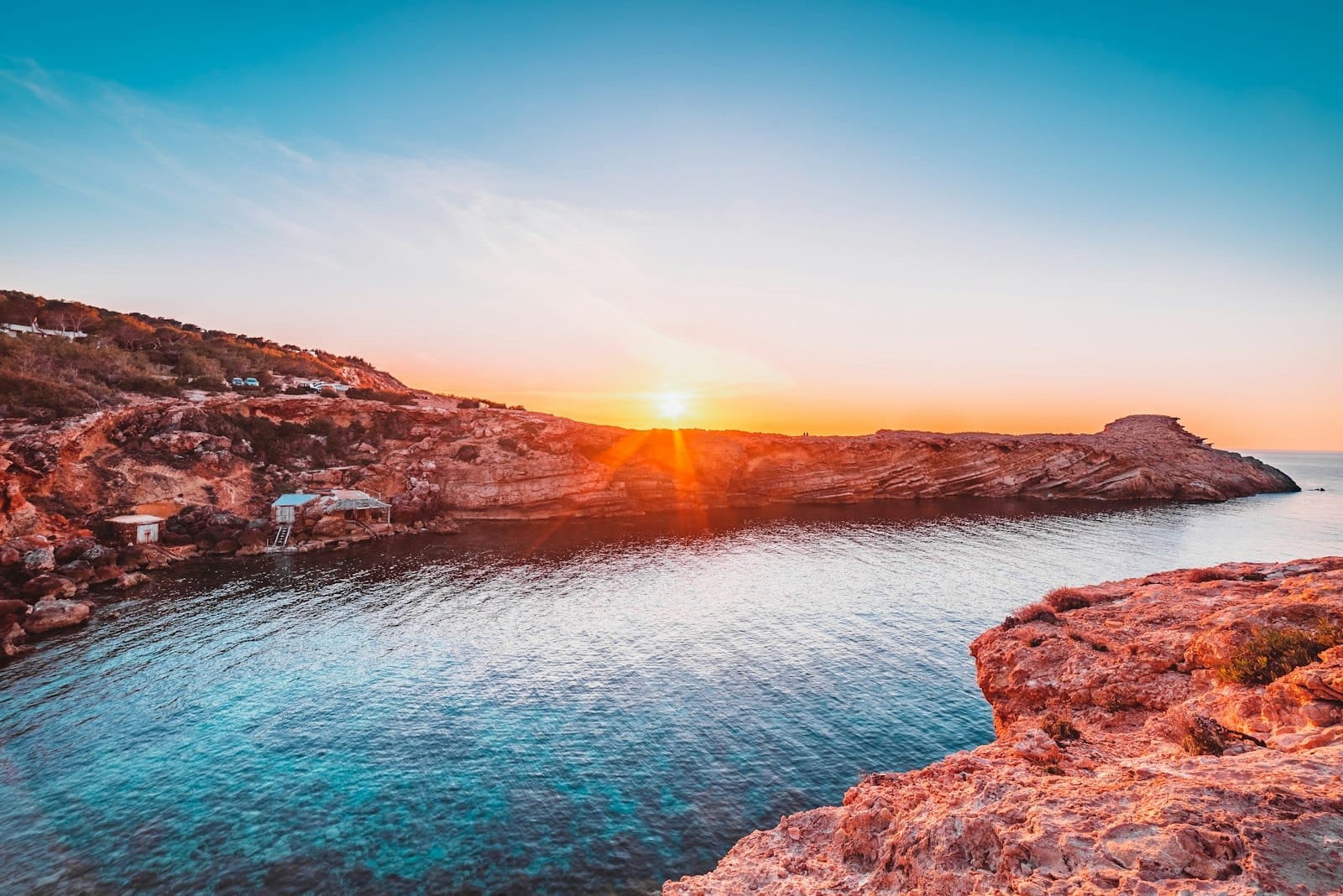
Ibiza sits in the western Mediterranean at roughly 38.9°N, about 150 km southwest of Mallorca. It has a classic Mediterranean climate: hot, dry summers and mild, wetter winters. The island claims over 300 sunny days per year, and that figure holds up in practice. Rainfall is concentrated in autumn and winter, and summer months are almost entirely dry. Snow is essentially unknown.
Spring daytime temperatures run from around 15°C in March to the low 20s°C by May. Summer peaks at around 28–31°C through June and July, with July–August heatwaves regularly pushing to 32–35°C. The sea reaches around 25–27°C by late July, staying warm well into September. Autumn cools gradually: September averages around 25°C, October drops to the high teens, and November settles into 15–17°C territory. Winter daytime highs sit around 14–17°C, rarely dipping below 8°C at night.
ℹ️ Good to know
Ibiza operates on Central European Time (CET, UTC+1) in winter and Central European Summer Time (CEST, UTC+2) from the last Sunday in March to the last Sunday in October. Sunsets in July happen around 21:20–21:30 local time, which is part of why the island's famous evening rituals start so late.
Season by Season: What to Expect Each Month
The single biggest mistake travelers make is treating Ibiza as a one-season destination. The island shifts character significantly across the calendar year. Here is what each period actually delivers.
- March–April (Early Spring) Quiet, green, and genuinely peaceful. Daytime temperatures range from 15–20°C. Most clubs and beach clubs are closed, but Ibiza Town, the markets, and the countryside are accessible and unhurried. Good for hiking Sa Talaia (the island's highest peak at 475 m) and cycling coastal routes. Accommodation is inexpensive and widely available.
- May–June (Shoulder / Season Opening) The island wakes up. Most hotels open in early May, beach clubs begin service, and the first club nights launch from mid-May onward. Temperatures climb toward 22–26°C by June. Crowds are manageable, restaurant reservations are easy, and prices are meaningfully lower than July–August. Many experienced visitors rate June as the single best month to visit.
- July–August (Peak Season) Maximum energy, maximum cost, maximum crowds. Every major venue operates nightly. Sea temperatures are at their warmest. Beaches fill by mid-morning. Hotel and villa rates hit their ceiling, and last-minute availability is scarce. The experience is genuinely spectacular if you plan ahead and budget accordingly, but it can feel relentless if you are not prepared for the pace.
- September–October (Shoulder / Closing Season) September is arguably the most underrated month on the island. Temperatures stay around 22–25°C, the sea remains warm, and the post-August crowd drop-off is noticeable. Clubs hold their closing parties in late September and throughout October, which are often among the biggest events of the year. Early October still offers warm days, active tourism infrastructure, and a more relaxed atmosphere.
- November–February (Winter) The quietest period by far. Many seasonal restaurants, hotels, and all the major clubs are closed. Temperatures are mild by northern European standards (12–15°C by day), making it workable for cultural exploration, wellness stays, and long walks. Ibiza Town, Dalt Vila, and the inland villages are genuinely pleasant without any summer pressure.
The Party Season: Exact Timing and What It Means for Your Trip

The nightlife calendar is the single biggest driver of Ibiza's tourism seasonality. The season officially opens in late April or early May, depending on which venues launch first. It closes in mid-October with the final closing parties at the major clubs. For a full breakdown of what each venue offers and when, the Ibiza nightlife guide covers the club landscape in detail.
The peak clubbing period is July and August, when venues like Ushuaïa Ibiza, Hï Ibiza, Pacha, and DC10 all run full weekly programs. Ticket prices for headline nights range from around €30 to over €100 depending on the event and artist. Queue times at popular clubs can exceed an hour even with pre-purchased tickets.
⚠️ What to skip
Club opening and closing dates shift each year based on artist bookings and licensing. Always verify the current season calendar directly with venues before booking flights around specific events. A club that ran on Tuesdays last year may move to Thursdays or not operate at all in a given season.
If nightlife is your primary reason for visiting but July–August feels too intense or expensive, June is the practical alternative. The full lineup is operating, the island has not yet hit maximum capacity, and prices across accommodation and restaurants are noticeably lower. September offers a similar advantage at the other end of the season, with the added draw of closing party events, which carry a particular atmosphere that regulars specifically travel for.
Prices, Crowds, and Booking: The Practical Calendar
Ibiza operates on a steep seasonal pricing curve. Understanding it helps you make smarter decisions about timing. July and August villa and hotel rates are the highest of the year by a significant margin. The same property can cost two to three times more per night in August than it does in May. Flight prices follow the same curve: direct seasonal routes from northern European cities operate roughly April through October, and off-season travel often requires a connection via Barcelona, Palma, or Madrid.
- May and early June: best combination of operating venues, open beaches, and affordable accommodation. Book 4–6 weeks ahead.
- July–August: book everything 3–6 months ahead. This applies to restaurants, clubs, beach clubs, and airport transfers, not just accommodation.
- September: book 4–8 weeks ahead. The shoulder season means more flexibility, but popular rentals still fill quickly.
- October–April: last-minute availability is generally fine, but verify which hotels and services are actually open before committing.
✨ Pro tip
If you are flying into Ibiza Airport (IBZ), the airport is around 7 km southwest of Ibiza Town, with taxis taking approximately 15–20 minutes. Public buses connect the airport to Ibiza Town and other resort areas at lower cost. In peak season, taxi queues at the airport can be long — consider pre-booking a transfer or using the bus if you are arriving with luggage late at night.
Best Time to Visit Ibiza for Beaches, Hiking, and Culture
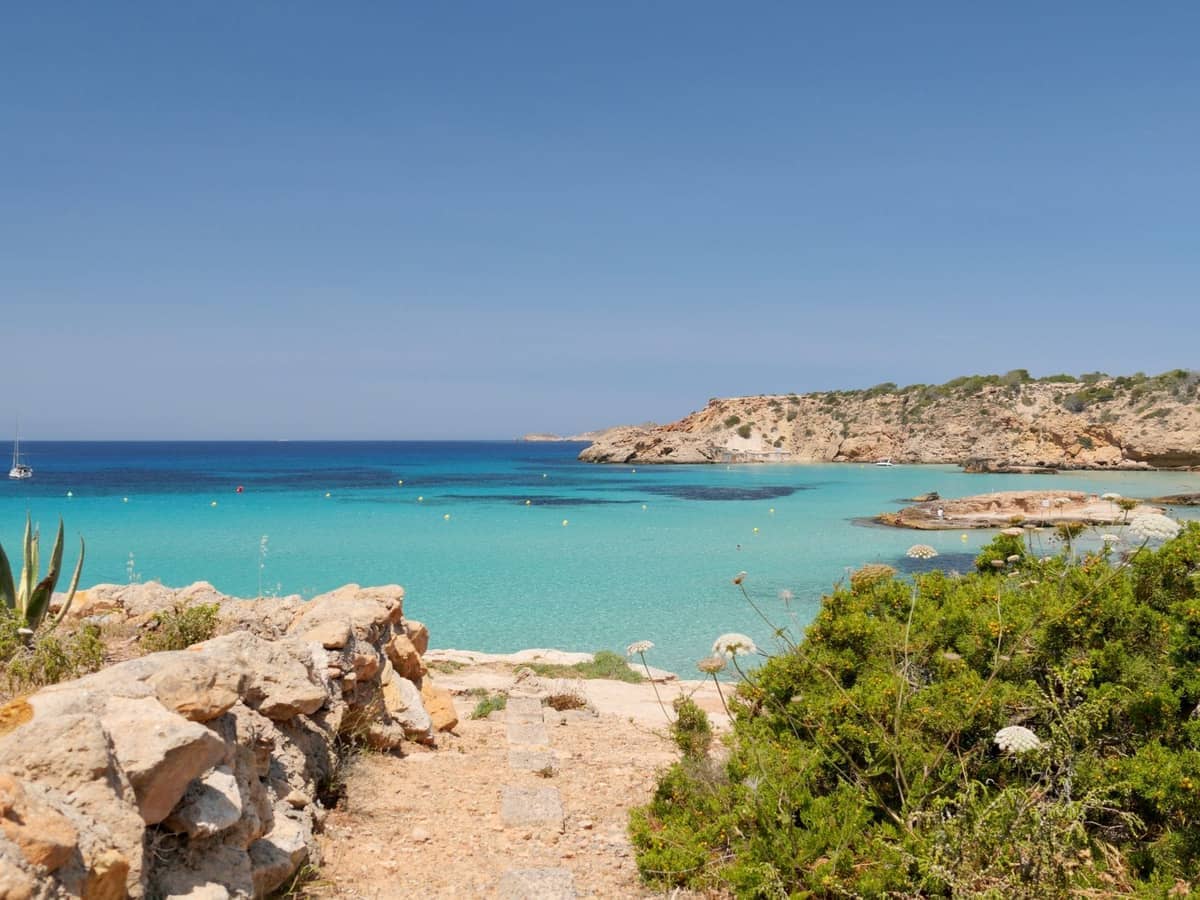
Ibiza's reputation as a nightlife destination obscures how much the island offers outside the clubs. The beaches range from developed resort strips to remote rocky coves, and the best approach to each changes with the season. The most scenic spots on the west coast, like Cala Comte and Cala Bassa, are genuinely stunning in summer but crowded from late June through August. Visiting these beaches in late May or September gives you the same turquoise water with a fraction of the people.
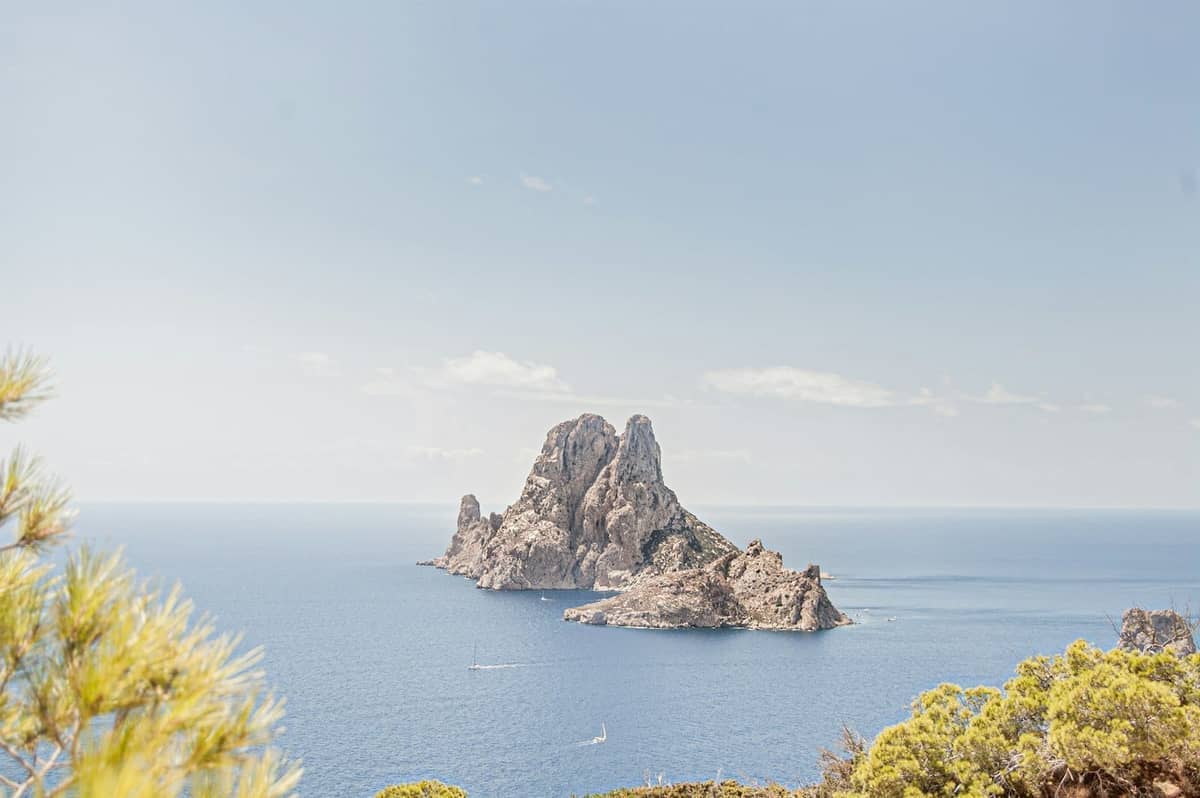
For hiking, spring (April–May) and autumn (October–November) are the practical windows. Summer heat makes anything beyond a gentle coastal walk uncomfortable by mid-morning. The island's hiking trails include routes up Sa Talaia and along the dramatic coastline near Es Vedrà. Both are best done early in the day even in spring.
Cultural visits to Dalt Vila and the UNESCO-listed historic centre of Ibiza Town are comfortable year-round, but summer afternoons inside the walled city are hot. Winter and spring mornings are genuinely pleasant for exploring the narrow streets, the cathedral, and the archaeological museum at Puig des Molins, a Phoenician-Punic necropolis and part of the island's 1999 UNESCO World Heritage designation.
💡 Local tip
The weekly markets at Las Dalias and Punta Arabi run from spring through autumn, with reduced schedules in winter. If the hippy market scene is on your list, May through October gives you the full program. The Sant Jordi flea market near the airport runs year-round on Saturdays and is worth a visit regardless of season.
When NOT to Visit Ibiza
The second half of August is the hardest version of Ibiza. Every beach, road, restaurant, and taxi queue is at maximum capacity. Prices are at their peak. The energy is undeniable, but the logistics are genuinely frustrating for anyone who has not planned thoroughly. If you are not specifically committed to peak-season nightlife or have family obligations to that period, avoiding the last two weeks of August and first week of September makes the experience significantly more manageable.
January and February are the genuinely quiet months, and while the mild weather is real (rarely below 10°C at night), a significant portion of the island's hospitality infrastructure is closed. If you are visiting primarily for the full range of Ibiza experiences, winter limits your options considerably. It works well for a slow, exploratory trip focused on walking, local food, and getting a sense of the island without its seasonal persona. It does not work if you want beach clubs, clubs, or the majority of the island's restaurants.
FAQ
What is the best time to visit Ibiza for good weather and fewer crowds?
June and September offer the best balance. Both months have warm, dry weather (typical daytime highs around 23–28°C in June, 23–27°C in September), the sea is swimmable, and clubs and beach facilities are operating. Crowds and accommodation prices are noticeably lower than July–August. September has the added draw of closing-season events at the major clubs.
When does the Ibiza party season start and end?
The season typically opens in late April or early May and closes in mid-October. The exact dates shift each year based on club calendars. July and August are peak months when all major venues run full weekly programs. Always verify current-year opening dates directly with individual venues before booking.
Is Ibiza worth visiting in October?
Yes, particularly early October. Temperatures remain warm (daytime highs around the low‑ to mid‑20s°C), the sea is still swimmable, and the island is significantly quieter than summer. Many of the biggest club closing parties happen in late September and October, drawing large crowds for specific events. By late October, much of the seasonal infrastructure has wound down.
What is Ibiza like in winter?
Quiet and genuinely mild by northern European standards, with daytime highs around 12–15°C. Most clubs, beach clubs, and seasonal restaurants are closed. Ibiza Town, Dalt Vila, the markets (some operate year-round), and the countryside are accessible. It suits travelers looking for a peaceful Mediterranean break rather than the summer experience.
When are flights and accommodation cheapest in Ibiza?
Prices are lowest from November through April, with March and April representing a useful sweet spot: costs are low, the weather is improving, and the island starts activating for the new season by late April. June and September offer the best value within the active summer season, typically costing 30–50% less than peak July–August rates for comparable properties.