Sant Josep de sa Talaia, known in Spanish as San José, is Ibiza's largest municipality by area, covering the entire southwest of the island. From its quiet whitewashed village centre at the foot of Sa Talaia to world-class beaches like Cala Tarida and views of the dramatic Es Vedrà islet, it offers a completely different side of Ibiza from the clubs and crowds.
Sant Josep de sa Talaia is the largest municipality on Ibiza and the one that contains the island's most spectacular natural scenery: its highest mountain, its most photogenic sea rock, and a string of southwest-facing coves that rank among the best beaches in the Balearics. The village itself, 16 kilometres inland from Ibiza Town, is calm, traditionally Ibizan, and almost entirely free of the tourist infrastructure that defines the coastline a few kilometres away.
Orientation
Sant Josep de sa Talaia is both a village and the municipality that governs Ibiza's entire southwestern quadrant. The municipality stretches from the edge of Playa d'en Bossa in the east, where it borders Ibiza Town, across to the southern flank of San Antonio Bay in the northwest. This makes it, by land area, the largest of Ibiza's five municipal divisions, and it contains more coastal variety than any other single administrative unit on the island.
The village of Sant Josep sits roughly in the geographical centre of this territory, 16 kilometres west of Ibiza Town along the main road that connects the island's capital with Sant Antoni de Portmany. The village is positioned in the foothills of Sa Talaia, the island's highest point at 475 metres, which gives the municipality its full Catalan name. The terrain rises sharply to the north of the village and opens into flat agricultural land and pine-covered slopes toward the coast.
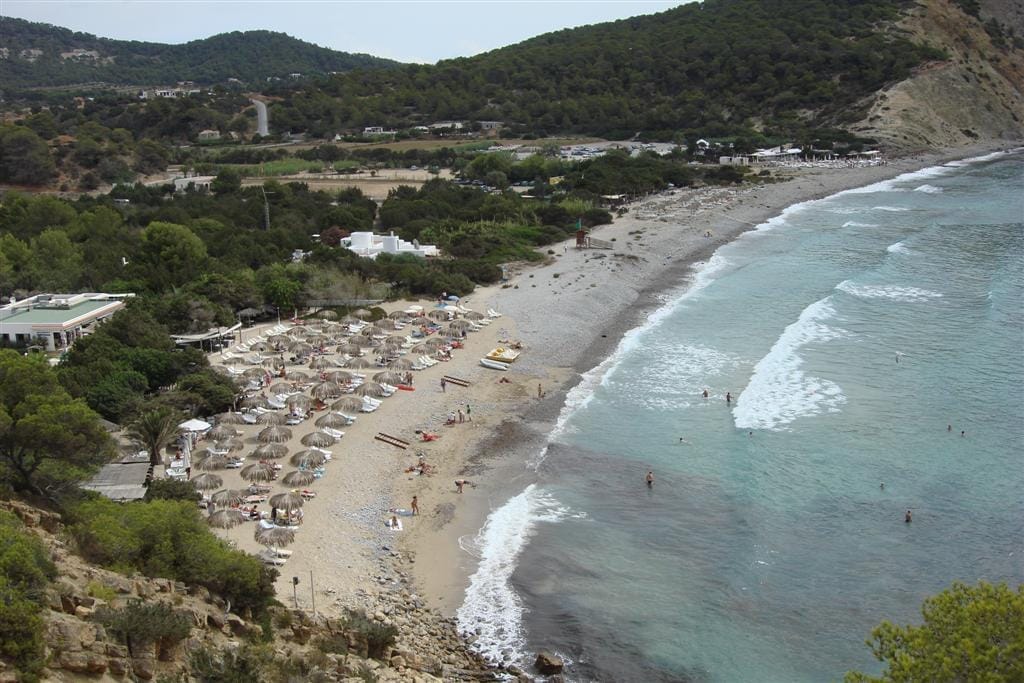
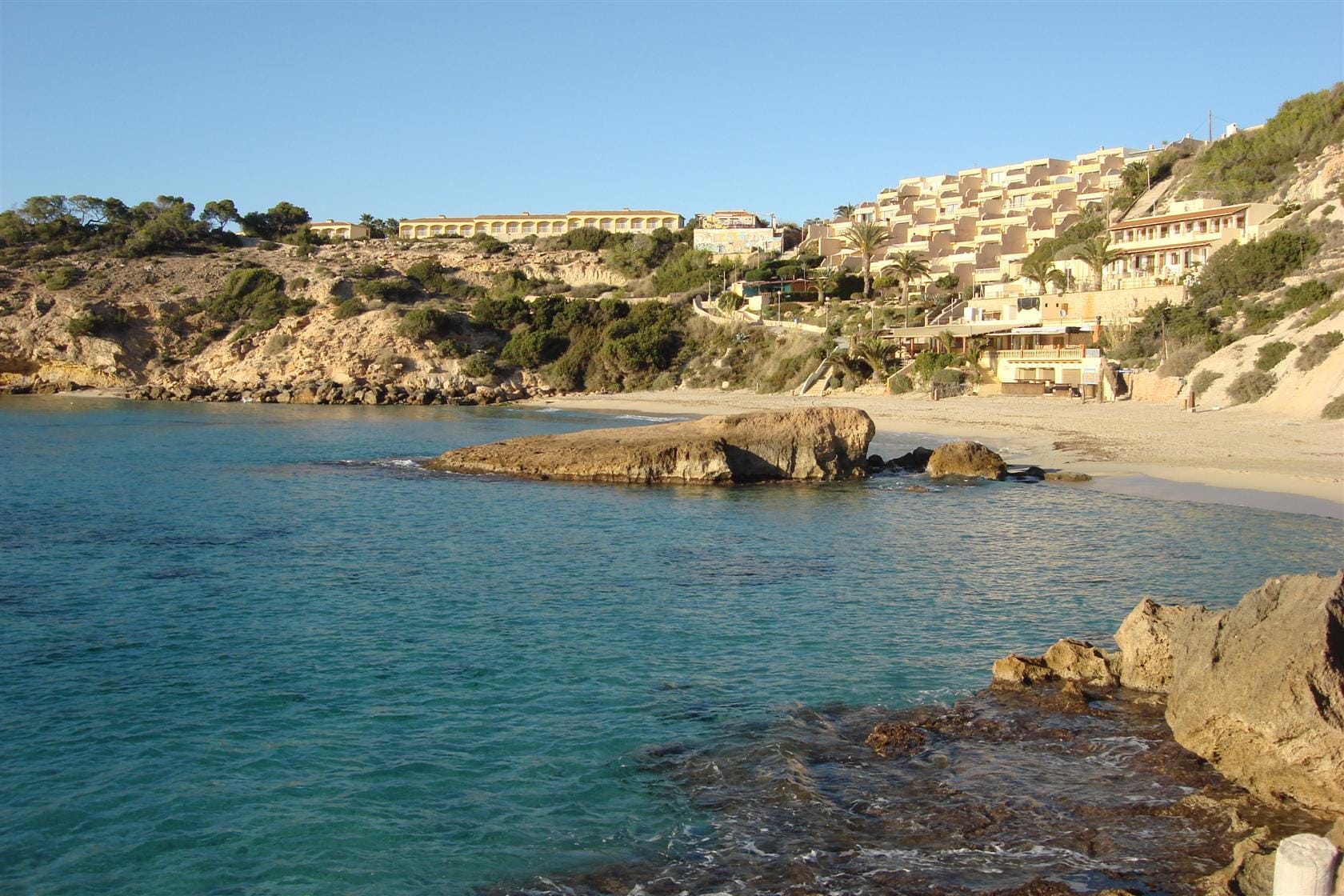
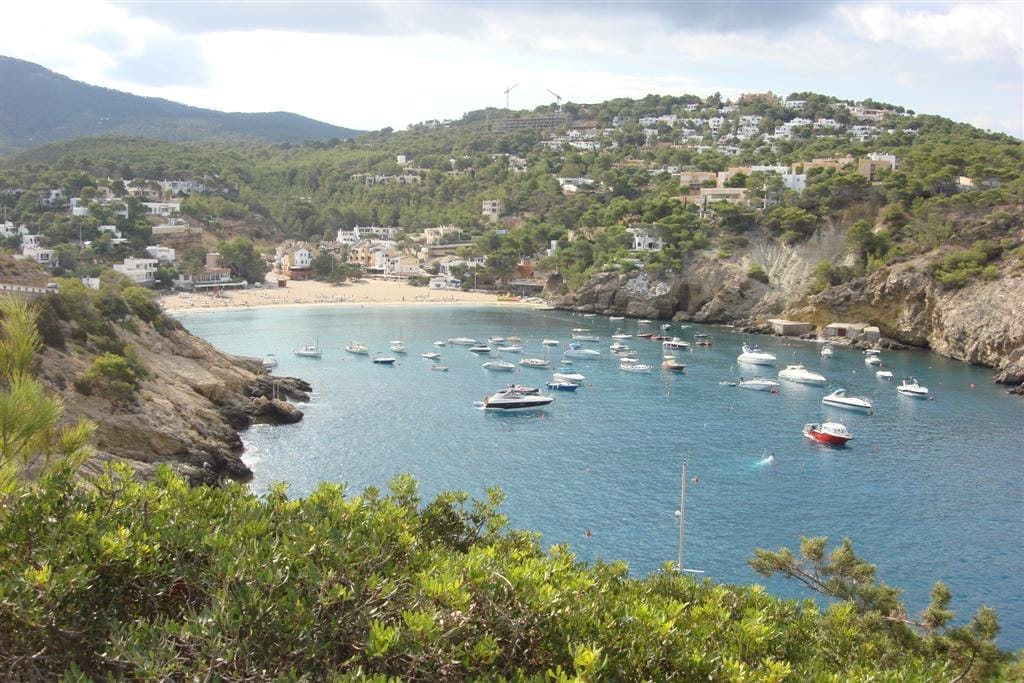
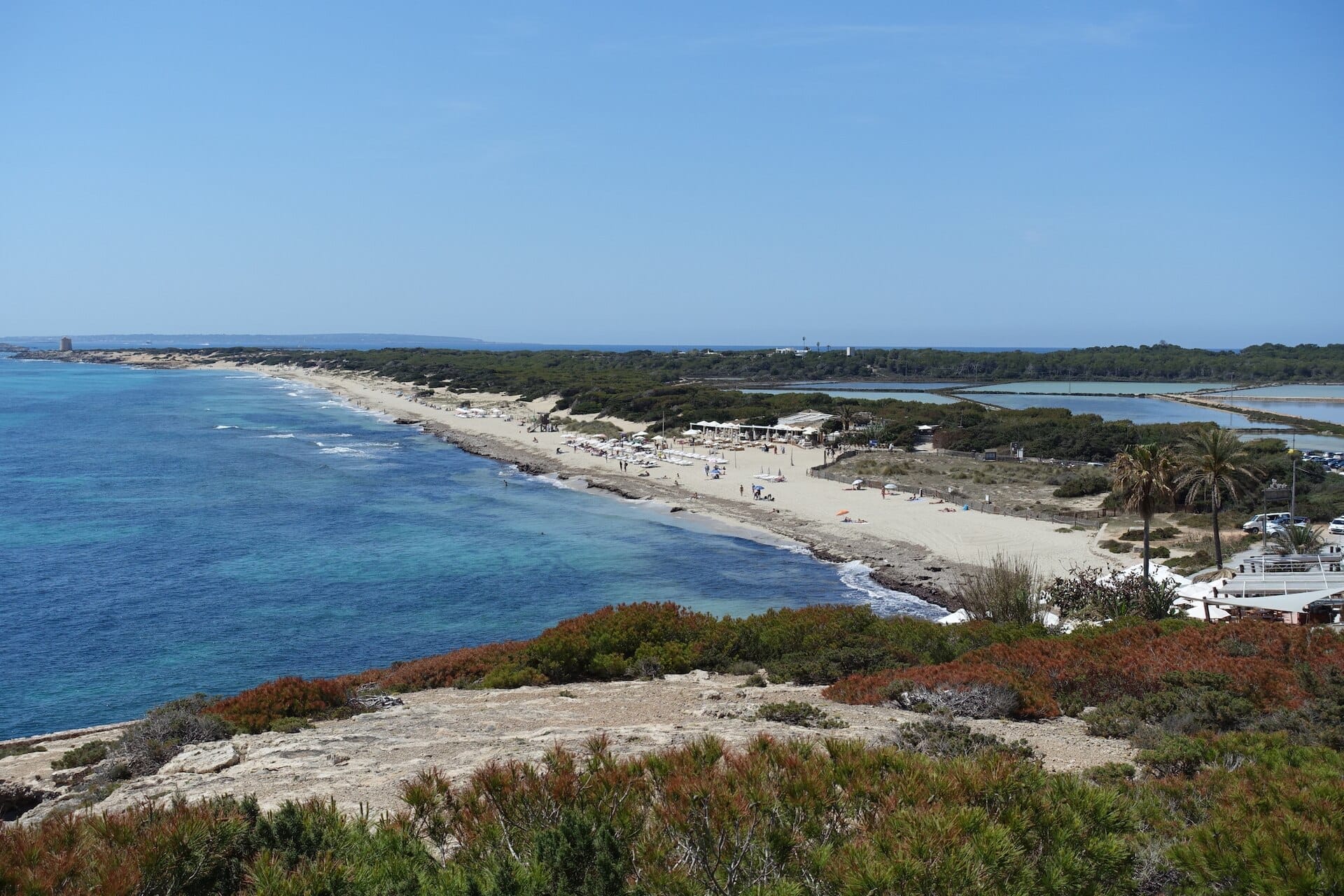
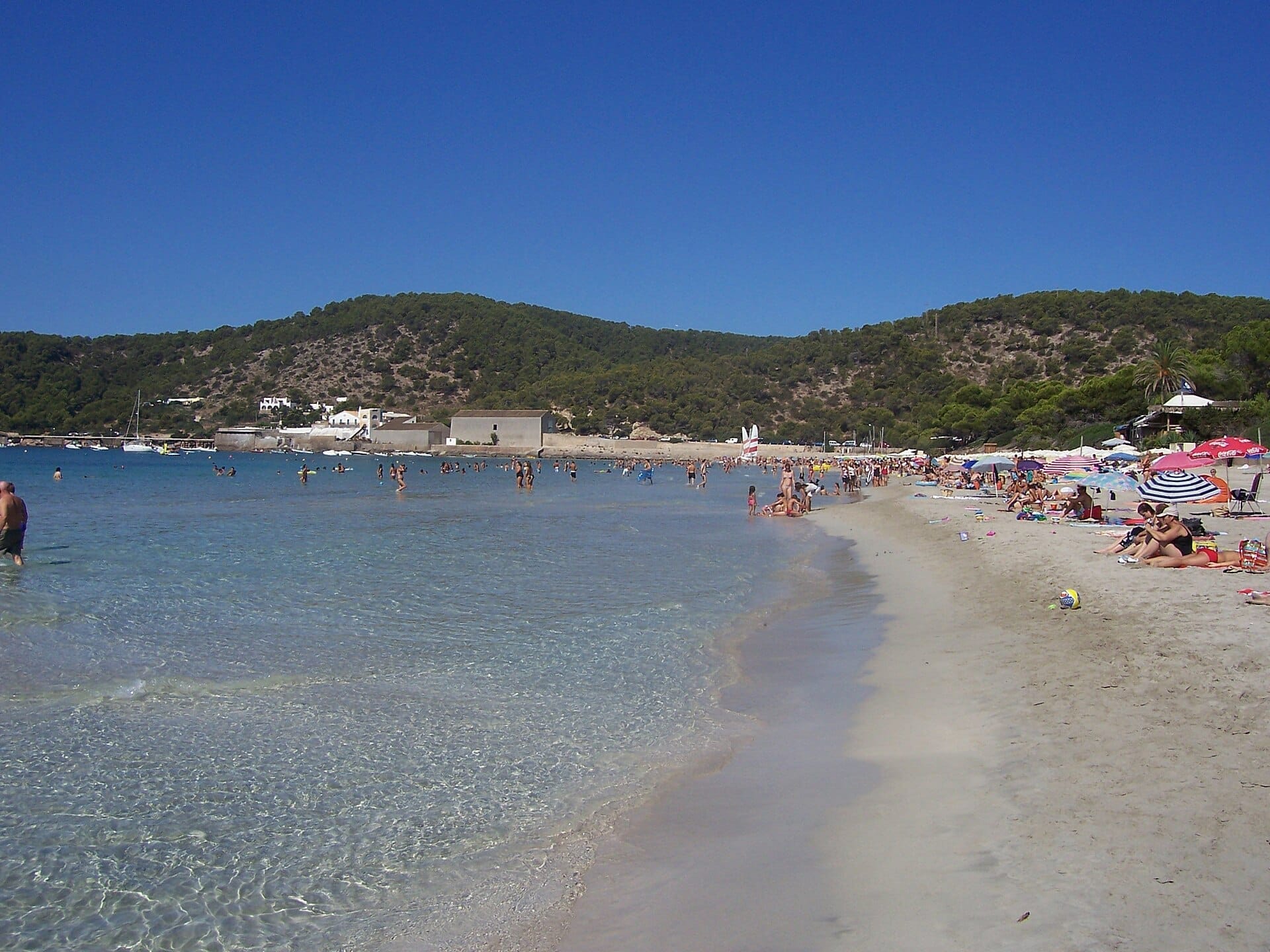
To the south, the municipal coastline takes in some of Ibiza's most celebrated coves, including Cala Tarida, Cala Vadella, Cala d'Hort, and the broad sands of Cala Jondal. These are not walking distance from the village, but they are all within 15 to 20 minutes by car, and understanding that the village and the coastline belong to the same municipality helps explain why Sant Josep is so popular as a base for visitors who want beach access without coastal-resort noise.
ℹ️ Good to know
Sant Josep de sa Talaia is the Catalan form of the name; you will see it used on road signs and official documents. San José is the Spanish equivalent. Both refer to the same place. Locals and most tourism sources use both interchangeably.
Character and Atmosphere
The village of Sant Josep moves at a pace that feels deliberately separate from the island's coastal energy. In the morning, the main street around the parish church is quiet: a few locals collecting bread, the scent of coffee from the café terraces, the sound of swallows above the whitewashed facades. The architecture is classic Ibizan vernacular, low-slung cubic buildings painted white, with the fortified church rising squarely above everything else. There is nothing performative about it.
By midday in summer, visitors begin arriving, mostly day-trippers pausing on the road between Ibiza Town and San Antonio, or people staying at rural villas nearby who want to pick up supplies or have lunch. The main street acquires a gentle tourist energy without ever feeling overwhelmed. The restaurants fill up, the ice cream shops do good business, and the small craft and clothing boutiques open their shutters. But the ratio of visitors to permanent residents never tips in the direction that makes a village feel like a theme park.
Afternoons in the heat of July and August are slow everywhere in Sant Josep. The streets empty as people retreat to their villas or head to the coast. Late afternoon brings walkers returning from Sa Talaia, dusty and satisfied, stopping at the bar on the church square. The light turns golden over the mountain behind the village and the church bell marks the hour. By evening, the restaurants fill again, and the village takes on a pleasant, low-key sociability. There are no superclubs here, no closing-time chaos. The last drink is typically before midnight.
Outside the summer months, Sant Josep is a working Ibizan municipality. In September and October, when the tourist season winds down, the village reverts to its year-round character: school runs, market days, the town hall managing local affairs. The surrounding countryside, with its almond trees, fig orchards, and dry-stone walls, has a quiet Mediterranean beauty that is largely invisible to summer visitors rushing to the beach.
What to See and Do
The parish church of Sant Josep is the defining landmark of the village and one of the most photographed examples of Ibizan ecclesiastical architecture on the island. Completed in 1731, it was built in the fortified style common to Ibiza's rural churches, with thick defensive walls and a simple, almost severe facade. Inside, the altarpiece dedicated to Saint Joseph is the main artistic feature. The church square in front of it is the natural gathering point for the village, where benches sit under mature trees and the café tables spill out across the cobbles.
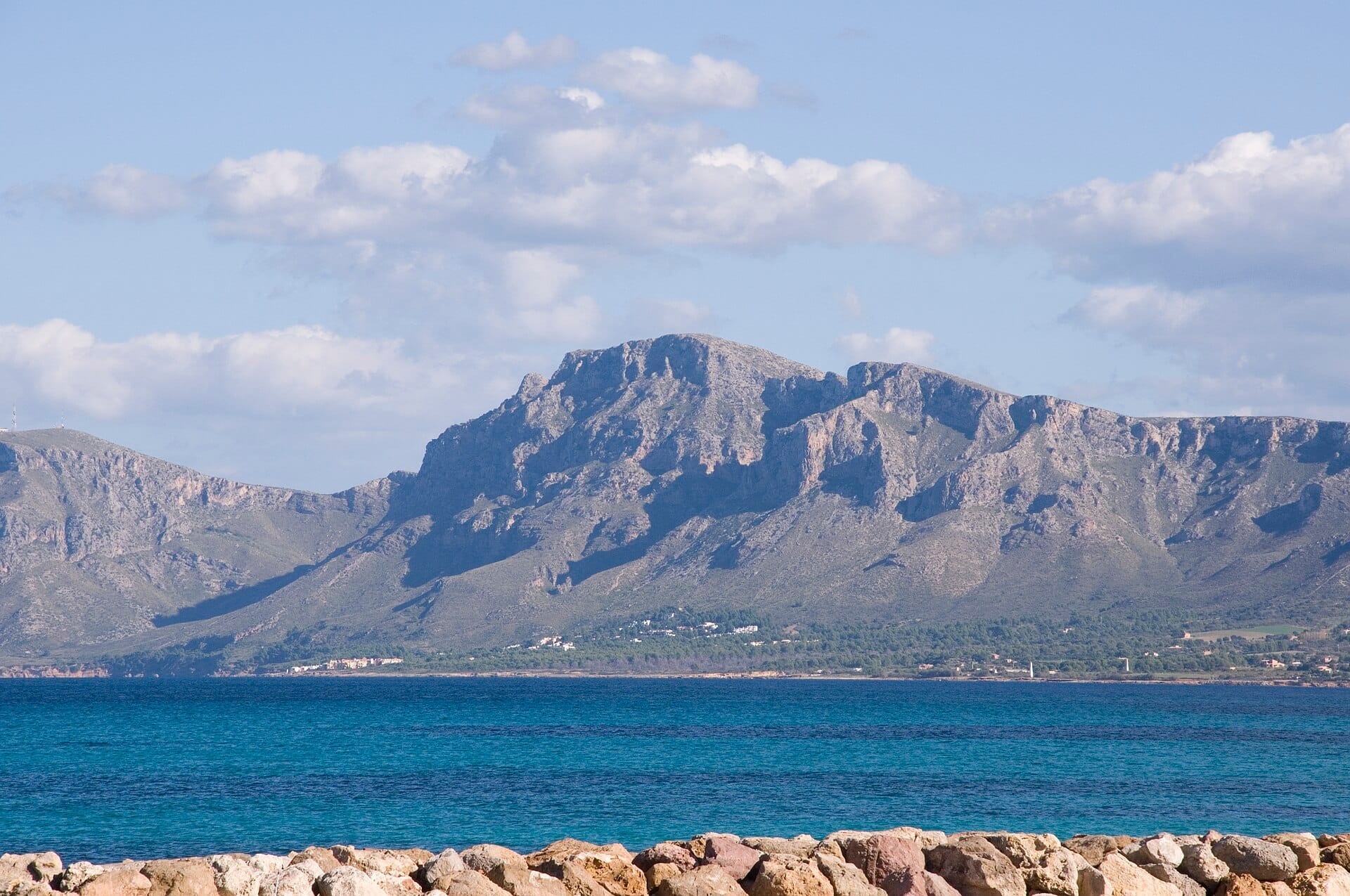
The single best physical activity in Sant Josep municipality is the ascent of Sa Talaia, Ibiza's highest peak at 475 metres. The hiking route begins from the village itself, starting along Sa Talaia street near the church square. The trail is graded low to average difficulty and takes most walkers around two hours return. The summit rewards with a 360-degree panorama across the whole island, the sea, and on clear days, the outline of Mallorca to the northeast and the Spanish mainland to the northwest. The municipality's own guidance recommends proper footwear, sun protection, and sufficient water.
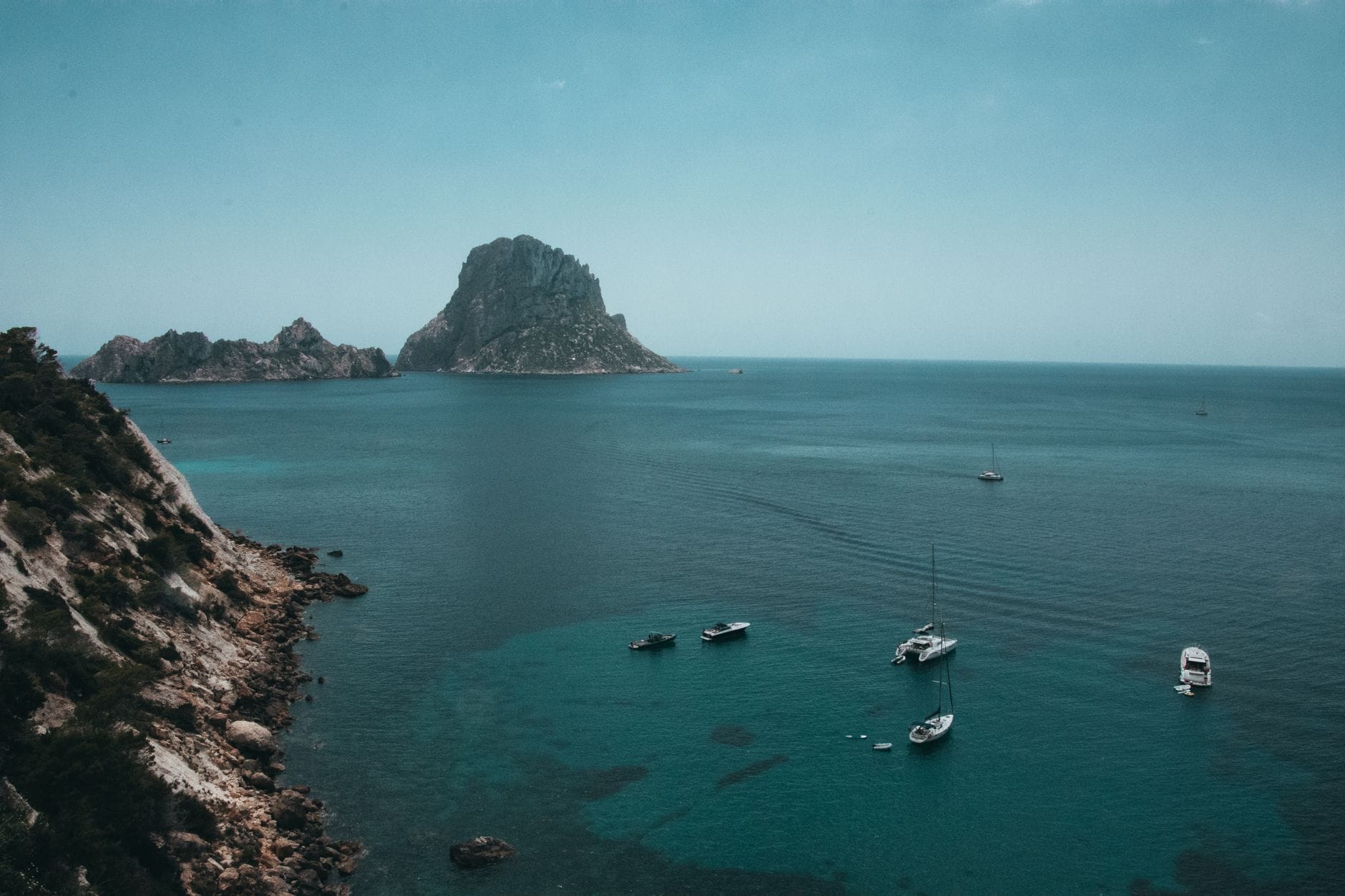
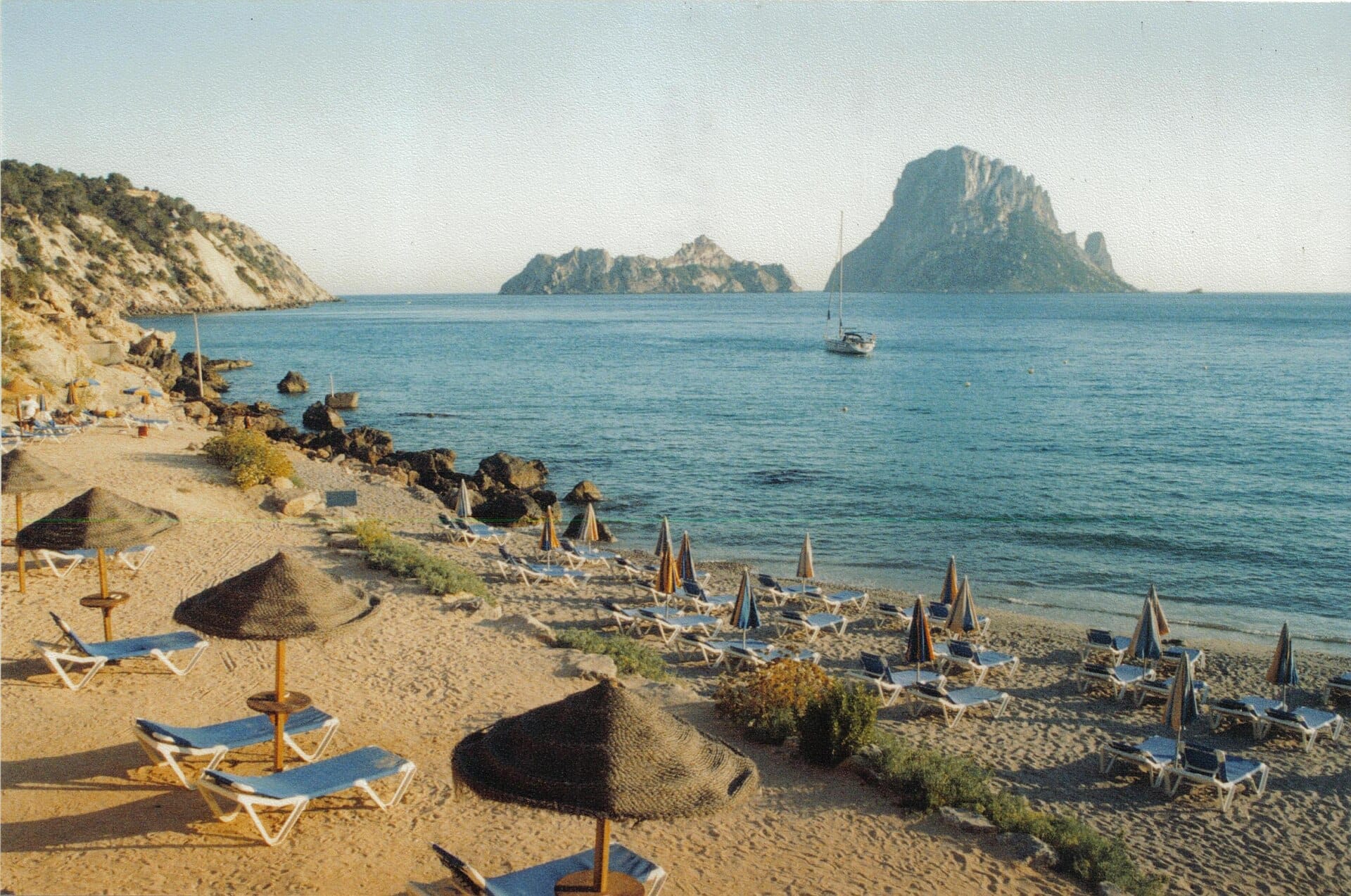
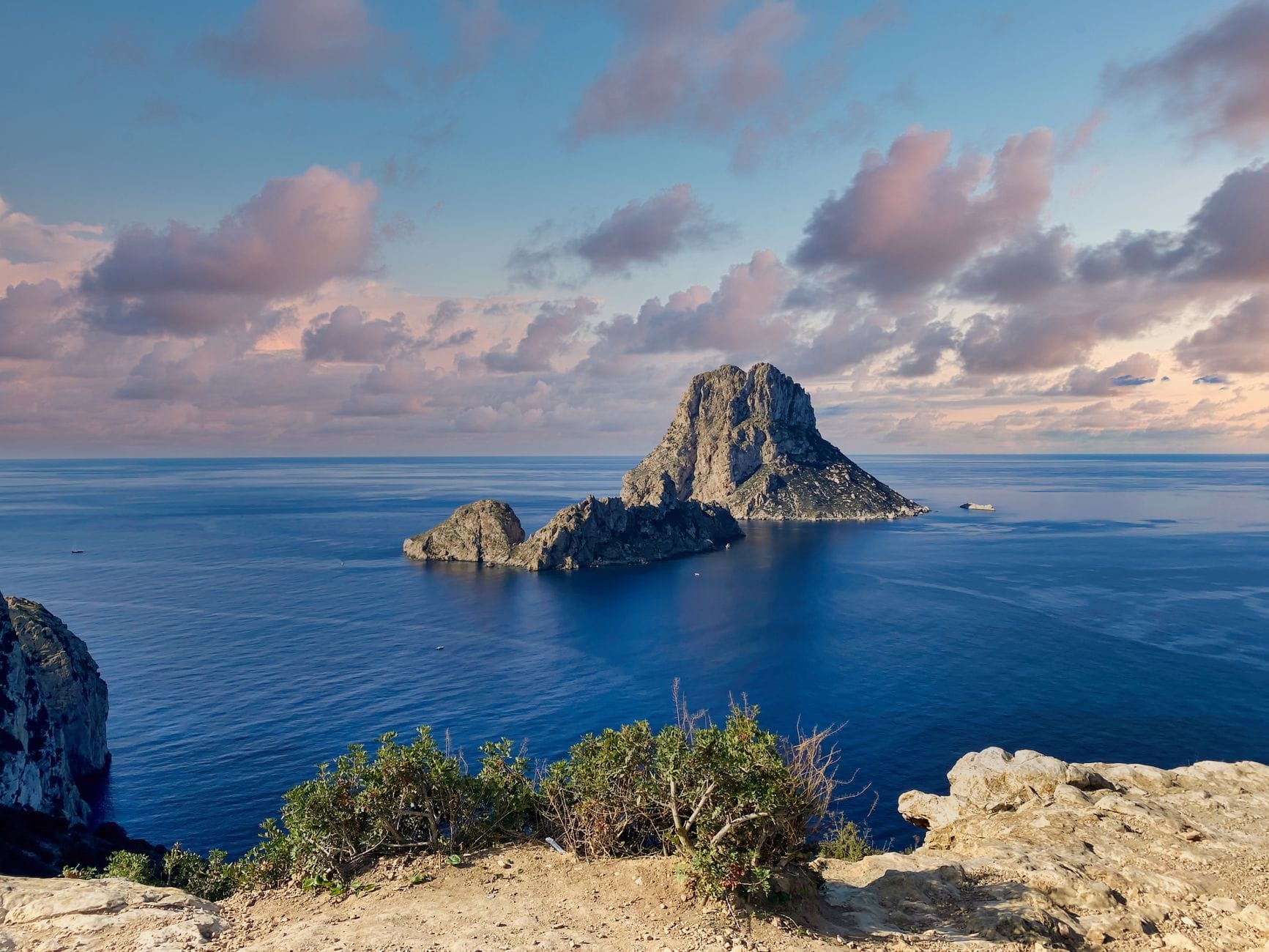
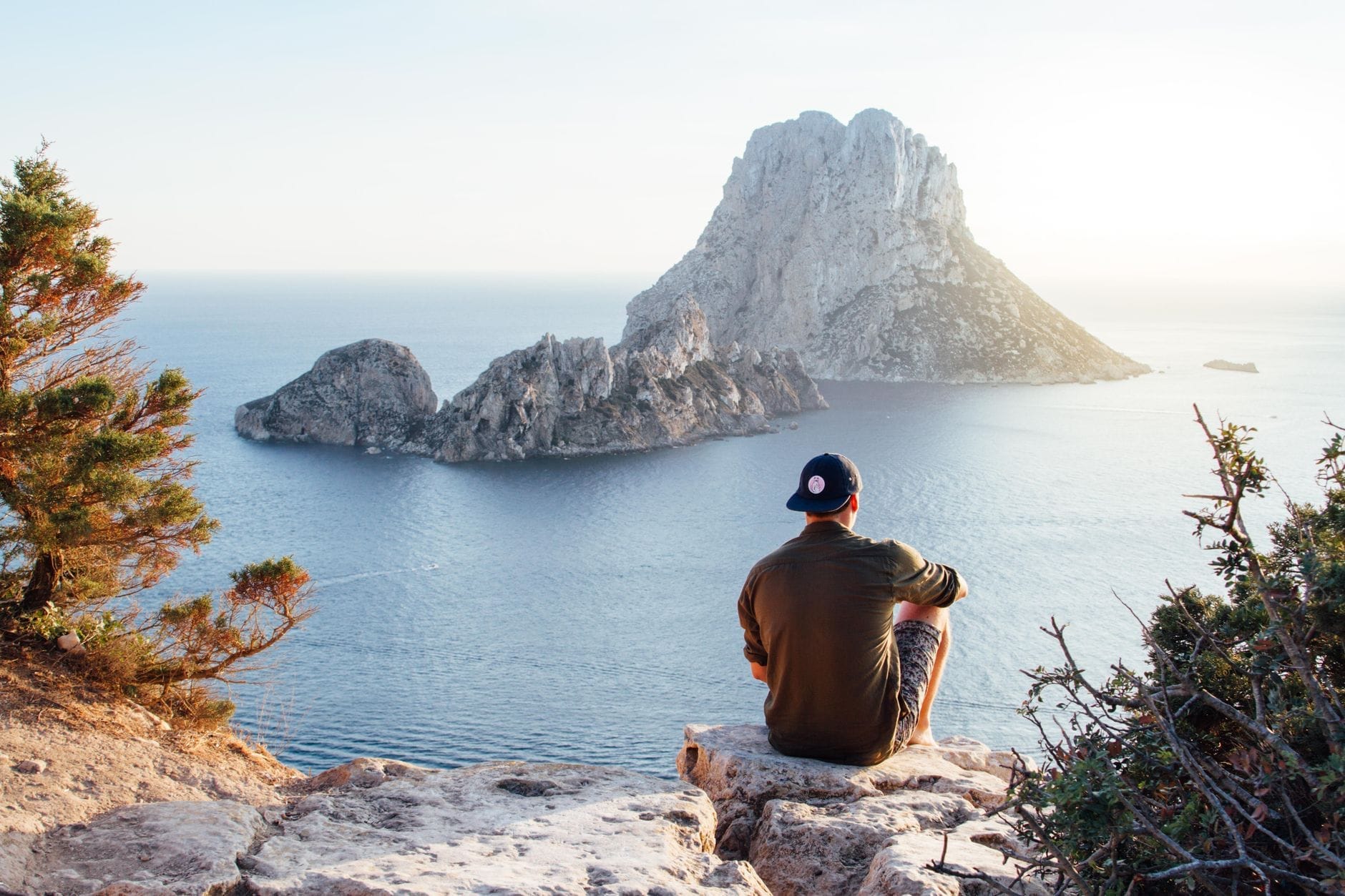
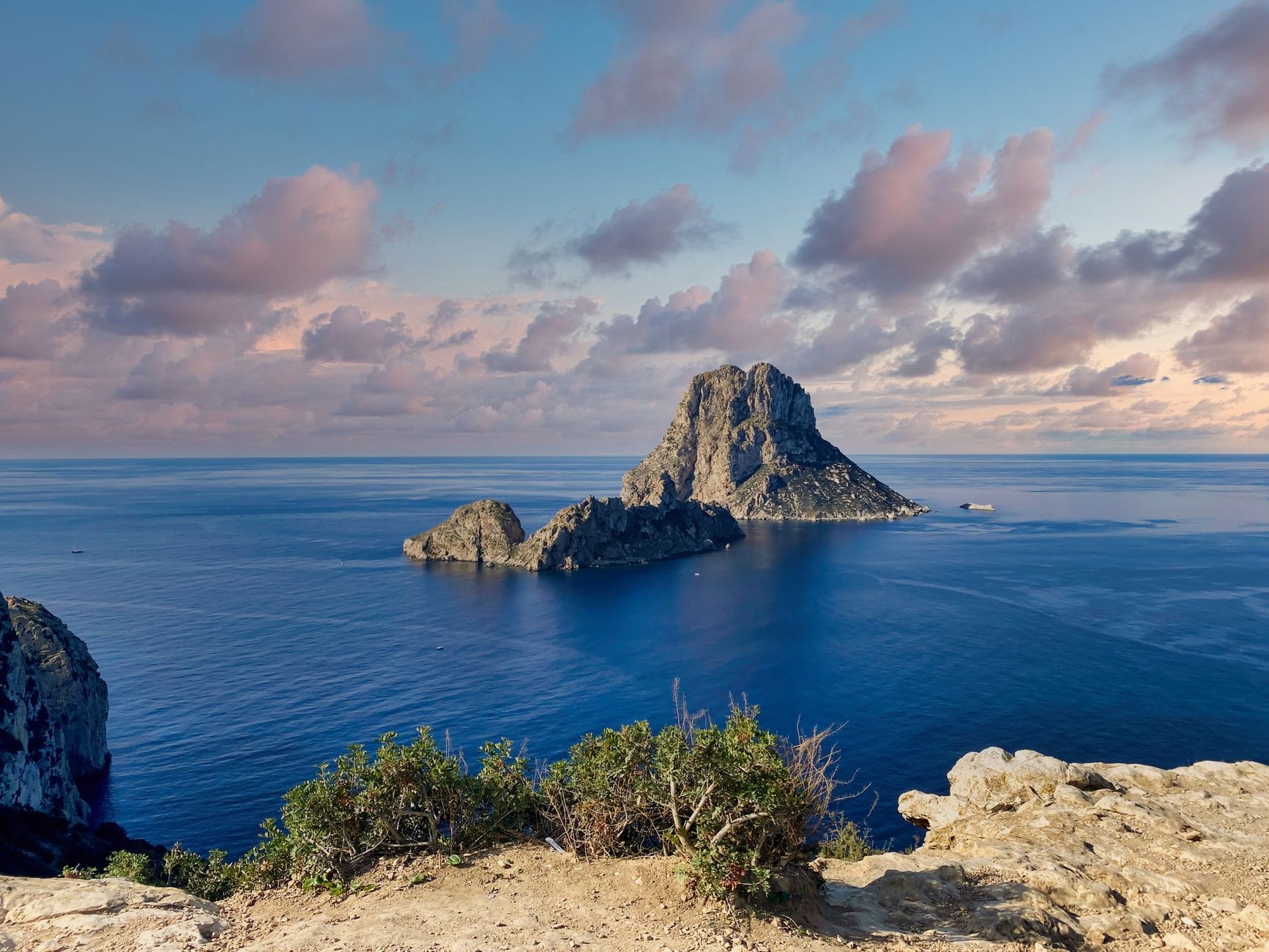
The municipality's other landmark of international recognition is visible from several of its southern coves: Es Vedrà, the dramatic limestone islet rising 382 metres from the sea off the southwestern coast. The best views are from Cala d'Hort beach, where the rock dominates the entire seascape. For a more elevated perspective, the Mirador des Vedrà lookout point, reached by a short walk from a roadside parking area, provides one of the most striking viewpoints on the island.
Back in the village, the Can Jeroni cultural centre, located near Sa Talaia street, hosts a rotating programme of contemporary art exhibitions covering painting, sculpture, and photography. It is small, free to enter, and worth checking if you are in the village for more than a morning. The quality of the work shown tends to reflect the island's established community of international artists who have made Ibiza their permanent home.
Ascent of Sa Talaia from the village church square: approximately 2 hours return, low-average difficulty
Parish church of Sant Josep (1731): fortified architecture, notable altarpiece
Can Jeroni cultural centre: rotating art exhibitions, free entry
Es Vedrà views from Cala d'Hort beach
Mirador des Vedrà lookout above the southwest coast
Cala Tarida, Cala Vadella, Cala d'Hort, Cala Jondal: accessible by car, 15-20 minutes from the village
💡 Local tip
The Sa Talaia hike is best done early morning in summer: temperatures at the summit can be significantly cooler than the coast, but the exposed upper section has no shade. Starting by 8am avoids the worst of the midday heat and gives you the summit in clearer light before sea haze builds.
Eating and Drinking
The food scene in Sant Josep village is built around a core of established restaurants clustered along the main street and the church square. The style is predominantly Spanish and Ibizan, with grilled fish, sobrassada, local cheeses, and rice dishes featuring heavily. Standards are generally high: the village attracts a clientele of villa-staying visitors and year-round residents who have enough culinary options elsewhere to be selective.
Price ranges in the village sit in the mid-range bracket. You can eat a full lunch with wine for around 25 to 40 euros per person at most of the sit-down restaurants. There are also simpler bar options on the church square where a bocadillo and coffee costs a few euros. The village is not the place to look for the high-end beach club dining experience: for that, you need to head to Cala Jondal or Cala d'Hort. What the village does offer is genuinely local atmosphere and cooking that does not adjust itself for tourist expectations.
Coffee culture is strong in the village. The morning café stop is a well-established ritual, and the terrace tables on the church square are among the more pleasant places to have breakfast on the island: a proper Spanish breakfast of tostadas with tomato and olive oil, strong coffee, and a view of the fortified church. In the evenings, the bars around the square serve as the social hub of the village, with a mixed crowd of locals and visitors.
The beaches within the municipality have their own dining scenes. Cala Jondal has beach club restaurants with international-standard food and prices to match. Cala d'Hort has a handful of restaurants with unobstructed Es Vedrà views, where grilled fish is the speciality and sunsets draw a dedicated crowd. Cala Vadella has a more family-oriented set of restaurants along the beach. None of these require the village as a starting point, but they form part of the broader Sant Josep gastronomic picture.
Getting There and Around
Sant Josep village sits directly on the main road connecting Ibiza Town and Sant Antoni de Portmany, which is the busiest transit corridor on the island. Regular bus services run along this route, with stops in or near the village. Journey time from Ibiza Town is around 20 to 25 minutes by bus. From Sant Antoni, it is a similar distance in the other direction. Ibiza does not have a metro or rail network: all public transport on the island is by bus.
By car or taxi, Sant Josep village is approximately 15 minutes from Ibiza Town and a similar time from Sant Antoni. The airport at Ibiza, with IATA code IBZ, is located around 7 kilometres southwest of Ibiza Town: from the airport to Sant Josep village takes around 20 minutes by road. Taxis are available at the airport. For bus connections from the airport, routes serve Ibiza Town, from where you can connect to Sant Josep. For full details on getting around Ibiza by bus, taxi, and car, including current timetables, check the official transport authority website before travel, as schedules change seasonally.
Within the municipality, a car or scooter is essentially necessary if you want to reach the beaches. The coves are scattered along a long stretch of coastline connected by narrow, winding roads through pine forest. Public bus routes reach some beaches in summer, but coverage is limited and schedules do not always match beach hours. Most visitors based in Sant Josep or the surrounding rural area rent a car for the duration of their stay.
⚠️ What to skip
Parking at the most popular beaches within the Sant Josep municipality, particularly Cala Tarida and Cala d'Hort, becomes extremely limited in July and August. Arriving before 10am significantly improves your chances of finding a space. Some beaches operate paid parking zones during peak season: check before you go.
Where to Stay
Sant Josep municipality is one of Ibiza's most popular areas for villa rentals, and the surrounding countryside has a dense concentration of private holiday homes. This is the dominant accommodation model here: a converted farmhouse or modern villa with a pool, within 15 minutes of the beach and 20 minutes of Ibiza Town. For guidance on how this fits into the broader island accommodation picture, the where to stay in Ibiza guide covers the full range of options across all areas.
The village itself has a small number of hotels and rural accommodation options. Staying in the village rather than a coastal resort gives you easy access to the hiking routes, the local market rhythm, and a quieter nighttime environment. It suits couples and families who want to explore the whole island rather than be based at a single beach or party strip.
The coastline within the municipality, particularly around Cala Tarida and Cala Vadella, has hotel and apartment complexes that are more oriented toward beach holidaymakers. These locations are convenient for the water but more isolated from the village's services. They work well for families with younger children who want a resort-style setup without the intensity of Playa d'en Bossa or Sant Antoni.
Be honest with yourself about whether you need a car if you stay here. Without one, your options for exploring the municipality's beaches and the Sa Talaia hike are limited. The bus route runs through the village on the main road, but it does not reach most of the coves. If you plan to be car-free, the village is manageable for day-to-day life, but you will miss much of what makes the municipality distinctive.
What to Expect: Is Sant Josep Right for You?
Sant Josep municipality is not a compact neighborhood you can walk across in an afternoon. It is a large, spread-out territory that requires transport to navigate and rewards visitors who have some flexibility in how they spend their time. The village at its centre is genuinely pleasant but not spectacular on its own: its value comes from being a quiet base from which to reach the surrounding natural landscape.
If you are coming to Ibiza primarily for clubs and nightlife, Sant Josep village is not your base. The relevant infrastructure is in Ibiza Town, Playa d'en Bossa, and Sant Antoni. The Ibiza nightlife guide covers those areas in detail. Equally, if you want to walk out of your hotel door onto a beach, you need a coastal location within the municipality rather than the village itself.
Where Sant Josep excels is for visitors who want the most dramatic natural scenery on the island: the summit of Sa Talaia, the Es Vedrà coastline, and beaches like Cala d'Hort that combine exceptional swimming with a landscape unlike anything else in the Balearics. For that kind of trip, particularly if you are visiting in September or October when the crowds thin, the municipality is arguably the best base on the island.
TL;DR
Sant Josep de sa Talaia is Ibiza's largest municipality, covering the entire southwest of the island from Playa d'en Bossa to San Antonio Bay.
The village is traditional, calm, and centred on a fortified 1731 church: a genuine Ibizan settlement rather than a tourist resort.
The municipality contains Ibiza's highest point (Sa Talaia, 475m), the Es Vedrà islet, and a string of acclaimed beaches including Cala Tarida, Cala d'Hort, and Cala Jondal.
A car or scooter is essential for exploring the coastline: public transport serves the village on the main road but does not reliably reach the beaches.
Best suited to couples, families, and nature-focused travellers who want the island's best scenery without the noise of the coastal resorts. Not suited to nightlife-first visitors.
Top Attractions in San José (Sant Josep de sa Talaia)
Ibiza's 210 kilometres of coastline hide many beaches, from party-ready stretches to remote pine-fringed coves. This guide covers the island's finest, organised by character so you can find exactly the beach you're looking for.
Ibiza rewards visitors differently depending on when you arrive. This guide breaks down every season on the island: weather, crowd levels, pricing, nightlife timing, and the months most travelers overlook. Whether you're chasing peak-season energy or a quieter Mediterranean escape, the timing matters more than most guides admit.
Formentera is just a short ferry ride (around 20 km) from Ibiza, but it feels like a different world. This guide covers everything for a day trip: how to get the ferry, what it costs, where to go on the island, and what most visitors get wrong.
Ibiza is small enough to cross in under an hour, but getting around efficiently depends entirely on when you visit and where you're headed. This guide covers every transport option on the island, from the airport bus to the Disco Bus, with real price ranges and practical guidance on what's worth it.
Dalt Vila is the fortified hilltop heart of Ibiza Town, inscribed as a UNESCO World Heritage Site in 1999 for its Renaissance walls, layered history, and cultural depth. This guide covers every major sight, the best walking route, seasonal advice, and the practical details you need to make the most of your visit.
Ibiza is more than its nightlife reputation. This guide covers the essentials for first-time visitors: the best time to arrive, how to get around the island, where to base yourself, what things actually cost, and how to see the side of Ibiza that most tourists miss entirely.
Ibiza is far more than its superclubs and famous shorelines. This guide uncovers the island's quieter, deeper side: fortified hilltop towns, dramatic coastal hikes, authentic village markets, and unspoiled nature that most visitors fly straight past.
Ibiza has over 140 marked trails threading through pine forests, clifftop coastlines, and protected natural parks. This guide covers the best hikes on the island, from the summit of Sa Talaia to the dramatic Es Vedrà coastal trail, with practical tips for every level.
Ibiza's hippy markets are a living legacy of the island's counterculture roots, offering handmade jewellery, bohemian clothing, artisan crafts, and a social atmosphere unlike anything else on the island. This guide covers every major market, from the iconic Las Dalias to the vast Punta Arabí, plus smaller village markets, flea markets, and the best complementary experiences to build your market day around.
September and October mark one of the most interesting transitions on the Balearic island of Ibiza. The club season reaches its emotional finale, crowds thin out, prices drop, and the island starts to breathe again. This guide covers everything from closing party logistics to the best beaches and day trips once the last DJ plays out.
Seven days is the ideal amount of time to experience Ibiza beyond the clubs. This itinerary covers the UNESCO-listed old town, the island's best beaches across multiple coasts, hippy markets, San Antonio sunsets, and a day trip to Formentera, with practical guidance on what to skip and when to go.
Ibiza nightlife runs on its own logic: doors open at midnight, headliners play at 4am, and a single night out can cost €200 before you know it. This guide breaks down every layer of the scene, from superclub pricing and weekly residencies to boat parties, budget bars, and how to get around safely after dark.
Ibiza has a reputation for luxury excess, but the island is genuinely doable on a tight budget. This guide breaks down real costs, the best free activities, transport options, and the timing tricks that can cut your bill by a third.
Ibiza's west-facing coastline turns extraordinary at dusk. Whether you want a front-row bar stool at San Antonio's legendary Sunset Strip or a quiet clifftop above Es Vedrà with no one else around, this guide covers the island's finest sunset experiences across beach coves, hilltop viewpoints, and atmospheric gathering spots.
Ibiza is one of Europe's most misunderstood destinations. Yes, it has world-famous nightlife. But this 572 km² Spanish island in the Balearic archipelago also holds a UNESCO World Heritage Site, dozens of pristine coves, ancient Phoenician ruins, and a thriving market culture. This guide covers all of it — with clear guidance on what's worth your time and what isn't.
Ibiza accommodation spans budget dorm beds at €25 per night to clifftop villas at €5,000 per night. This guide breaks down every major area, what it actually costs, and who each zone suits best — so you book the right place the first time.