Hidden Gems in Dubai: Beyond the Tourist Trail
Dubai's headline attractions are world-famous for a reason, but the city rewards those who look beyond them. From a flamingo sanctuary minutes from the skyline to a heritage museum in a restored creek-side district, these are the experiences that show a different side of Dubai.
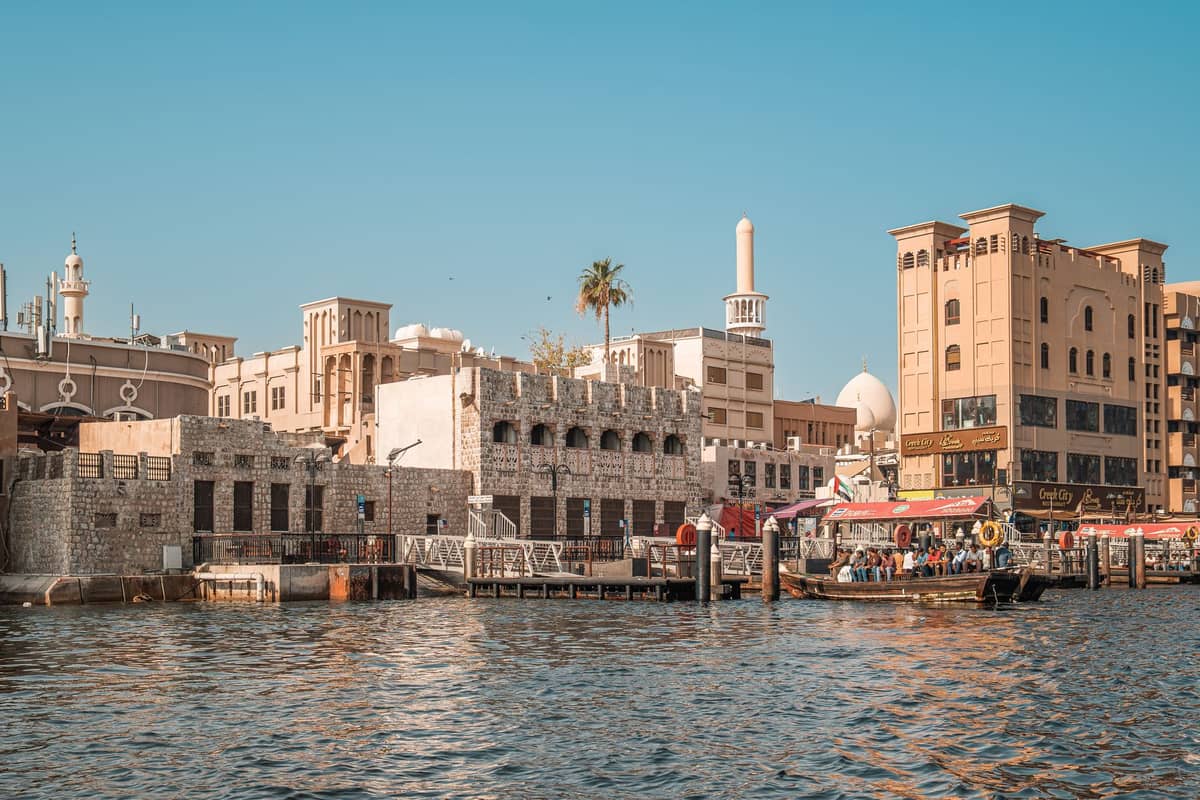
Most visitors to Dubai tick off the Burj Khalifa, the Dubai Mall, and a desert safari, and leave convinced they have seen the city. They haven't. The Dubai that residents love is quieter, stranger, and more layered: an industrial arts district that rivals any in the world, a wetland reserve where flamingos wade in the shadow of skyscrapers, and an entire heritage quarter of wind-tower houses that predate the modern city by centuries. This guide skips the queues and the hype. For context on the broader city, our main Dubai guide covers the full picture, while our Old Dubai guide goes deep on the creek-side neighbourhoods that anchor several entries below.
💡 Local tip
Most of these spots are best visited November to March, when temperatures are comfortable for walking and outdoor exploration. Summer heat can exceed 40°C and makes outdoor sites genuinely difficult.
Old Dubai: Heritage Spots Most Tourists Walk Past
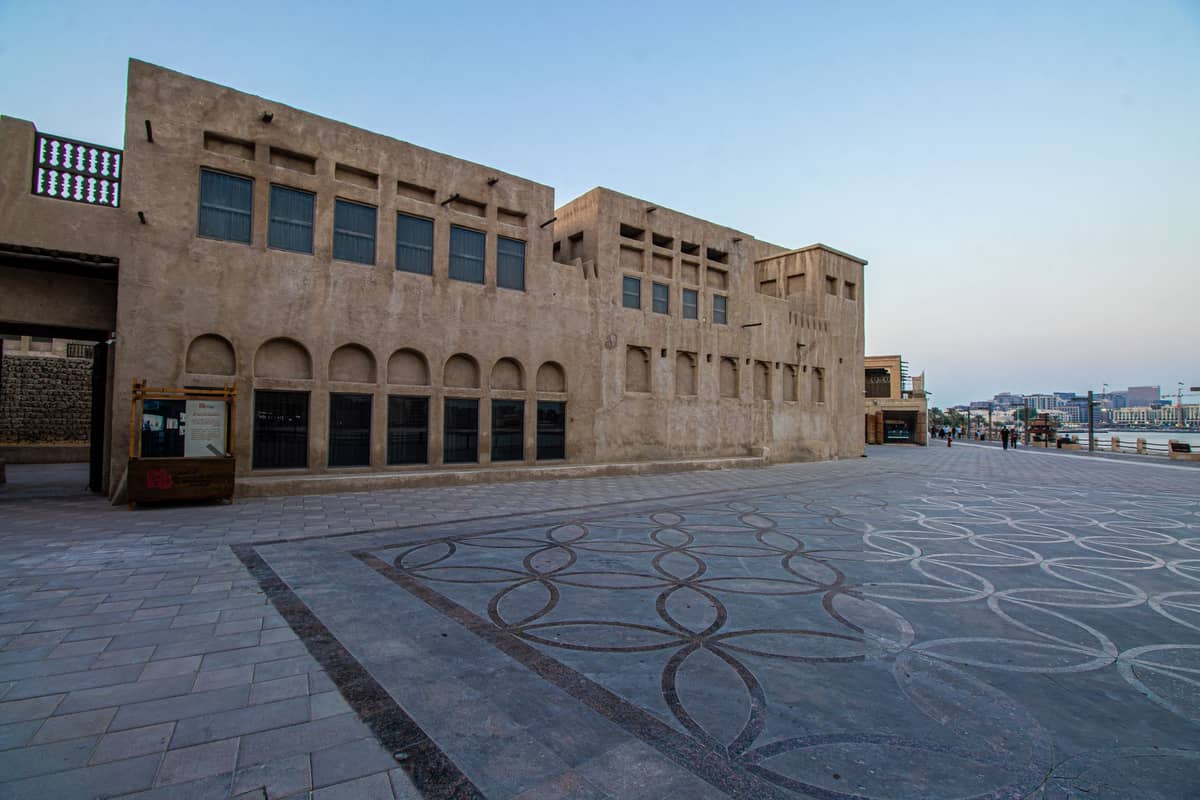
The area around Al Fahidi and Bur Dubai contains more genuine history per square metre than anywhere else in the emirate. The problem is that most visitors only scratch the surface, stopping at the Dubai Museum before moving on. The real rewards are in the surrounding lanes, the restored Shindagha waterfront, and the small specialist museums that rarely appear on standard itineraries.

1. Discover Contemporary Middle Eastern Art in a Wind-Tower Courtyard
XVA is both a gallery and a boutique hotel inside a restored Al Fahidi courtyard building. The shows focus on Middle Eastern and South Asian artists and rotate regularly. The shaded courtyard café alone is worth the detour on a warm afternoon.
Explore1. Discover Contemporary Middle Eastern Art in a Wind-Tower Courtyard
XVA is both a gallery and a boutique hotel inside a restored Al Fahidi courtyard building. The shows focus on Middle Eastern and South Asian artists and rotate regularly. The shaded courtyard café alone is worth the detour on a warm afternoon.
Explore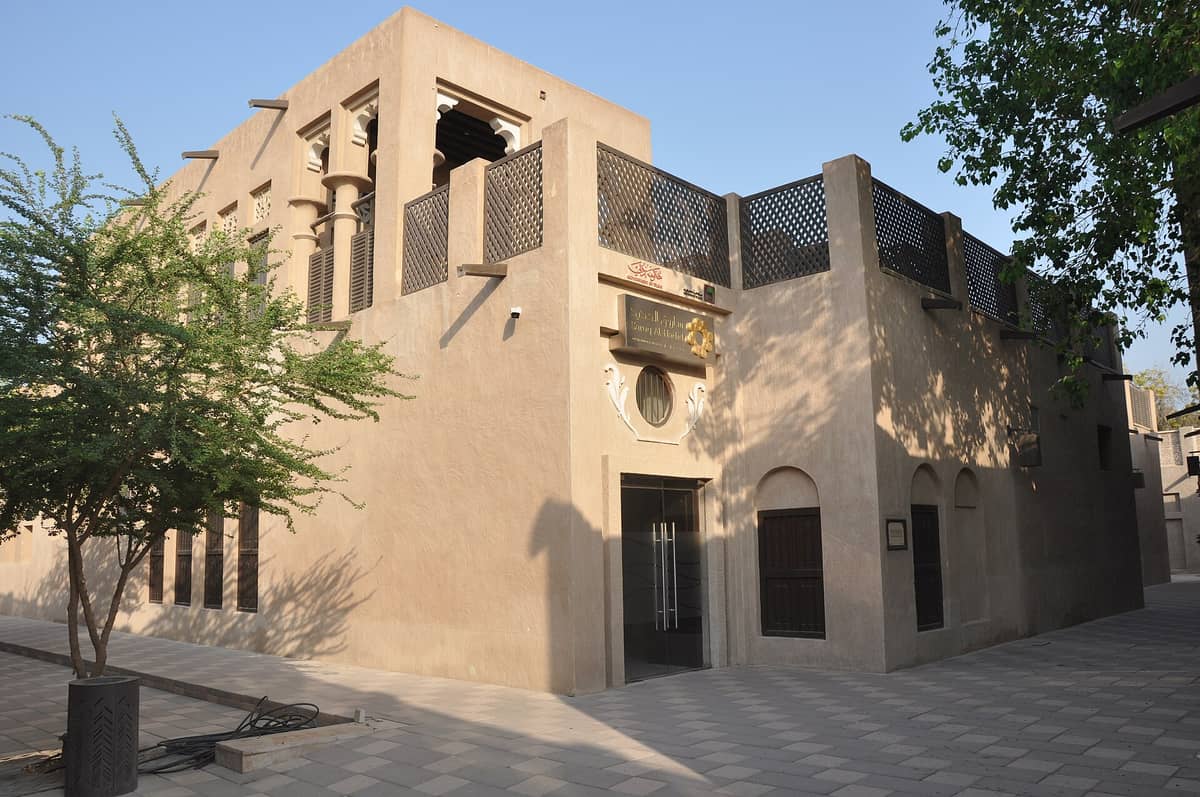
2. Uncover a 3,000-Year-Old Civilisation Nobody Talks About
Found by chance during a falcon hunt, the Saruq Al-Hadid site revealed an Iron Age settlement in the Dubai desert. This small Shindagha museum displays the swords, jewellery, and tools excavated there, with interactive displays explaining what was found and how.
Explore2. Uncover a 3,000-Year-Old Civilisation Nobody Talks About
Found by chance during a falcon hunt, the Saruq Al-Hadid site revealed an Iron Age settlement in the Dubai desert. This small Shindagha museum displays the swords, jewellery, and tools excavated there, with interactive displays explaining what was found and how.
Explore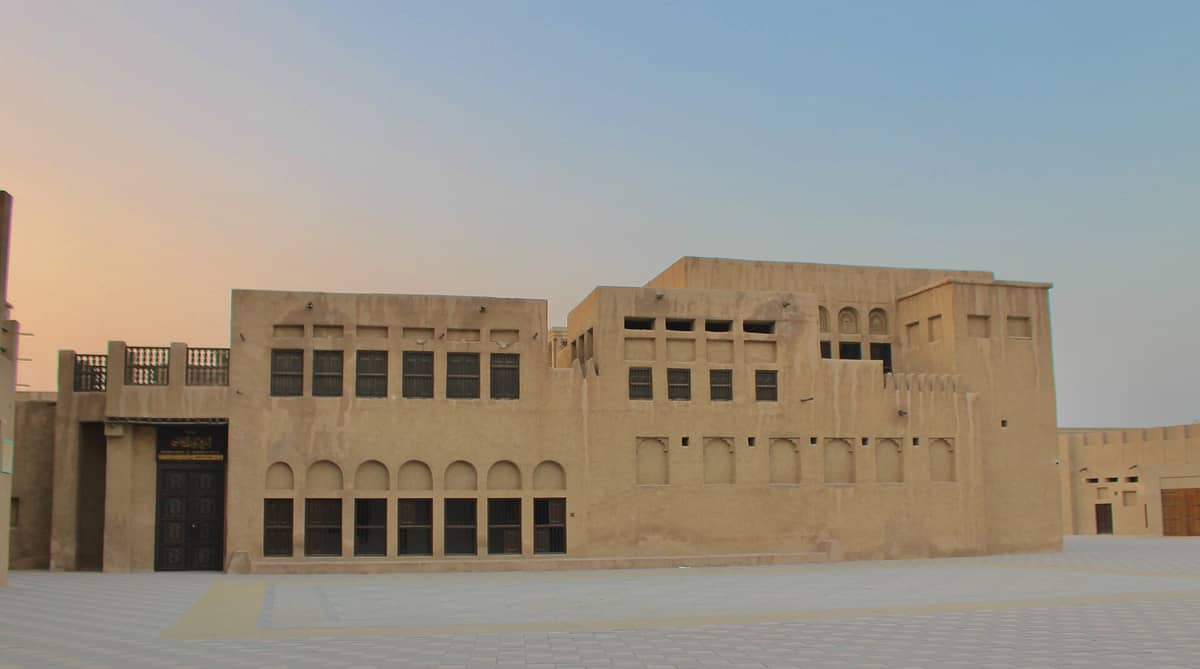
3. Step Inside the Ruling Family's Former Residence
This beautifully restored coral-and-gypsum mansion on the Creek was home to Dubai's rulers until the 1950s. Today it houses a remarkable archive of historical photographs showing Dubai before oil, when the Creek was the city's entire economy.
Explore3. Step Inside the Ruling Family's Former Residence
This beautifully restored coral-and-gypsum mansion on the Creek was home to Dubai's rulers until the 1950s. Today it houses a remarkable archive of historical photographs showing Dubai before oil, when the Creek was the city's entire economy.
Explore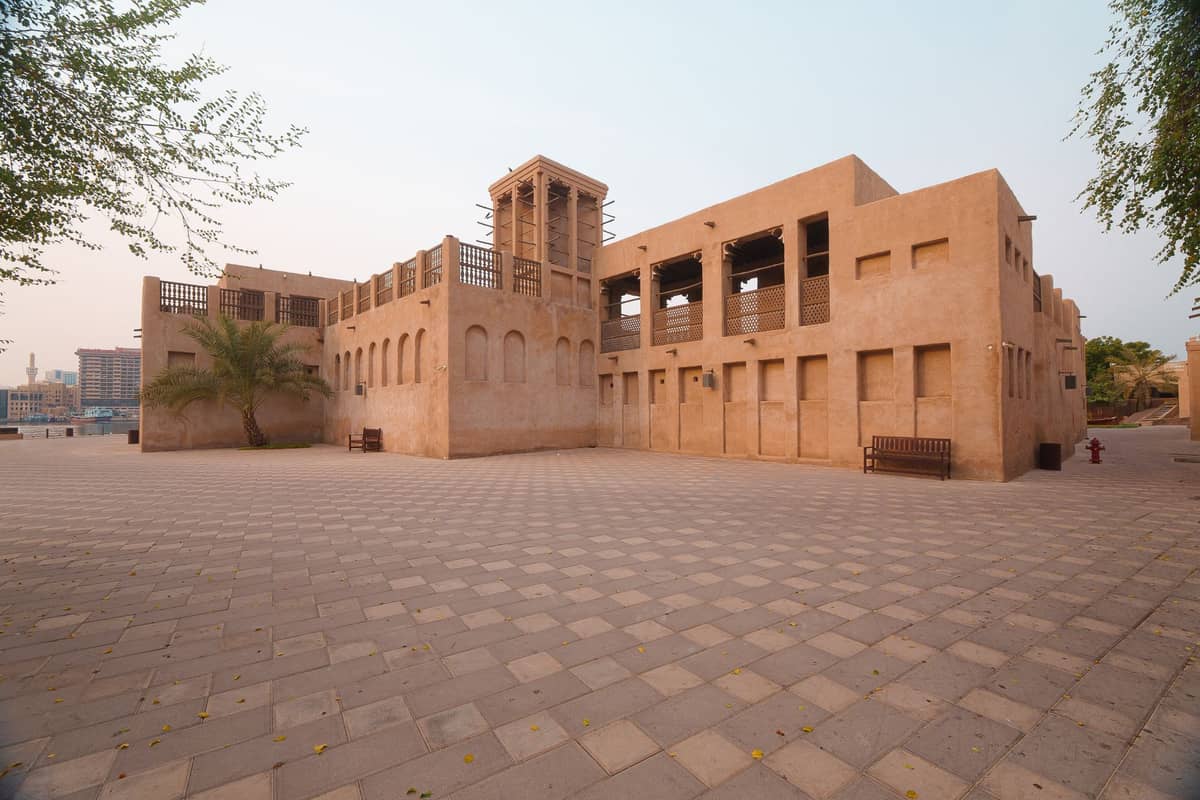
4. Walk the Restored Waterfront Village at the Mouth of the Creek
Al Shindagha clusters three serious museums inside traditional courtyard buildings at the Creek's mouth. Allow two to three hours to move between them properly. The waterfront setting, with wooden dhows passing outside, makes the history feel immediate rather than staged.
Explore4. Walk the Restored Waterfront Village at the Mouth of the Creek
Al Shindagha clusters three serious museums inside traditional courtyard buildings at the Creek's mouth. Allow two to three hours to move between them properly. The waterfront setting, with wooden dhows passing outside, makes the history feel immediate rather than staged.
Explore
5. Stroll a Waterfront Promenade That Blends Old and New Dubai
Al Seef runs along the Bur Dubai Creek bank with restored heritage buildings on one end and contemporary design on the other. It's walkable, uncrowded compared to Downtown, and the Creek views at dusk with abras crossing are among the most atmospheric in the city.
Explore5. Stroll a Waterfront Promenade That Blends Old and New Dubai
Al Seef runs along the Bur Dubai Creek bank with restored heritage buildings on one end and contemporary design on the other. It's walkable, uncrowded compared to Downtown, and the Creek views at dusk with abras crossing are among the most atmospheric in the city.
Explore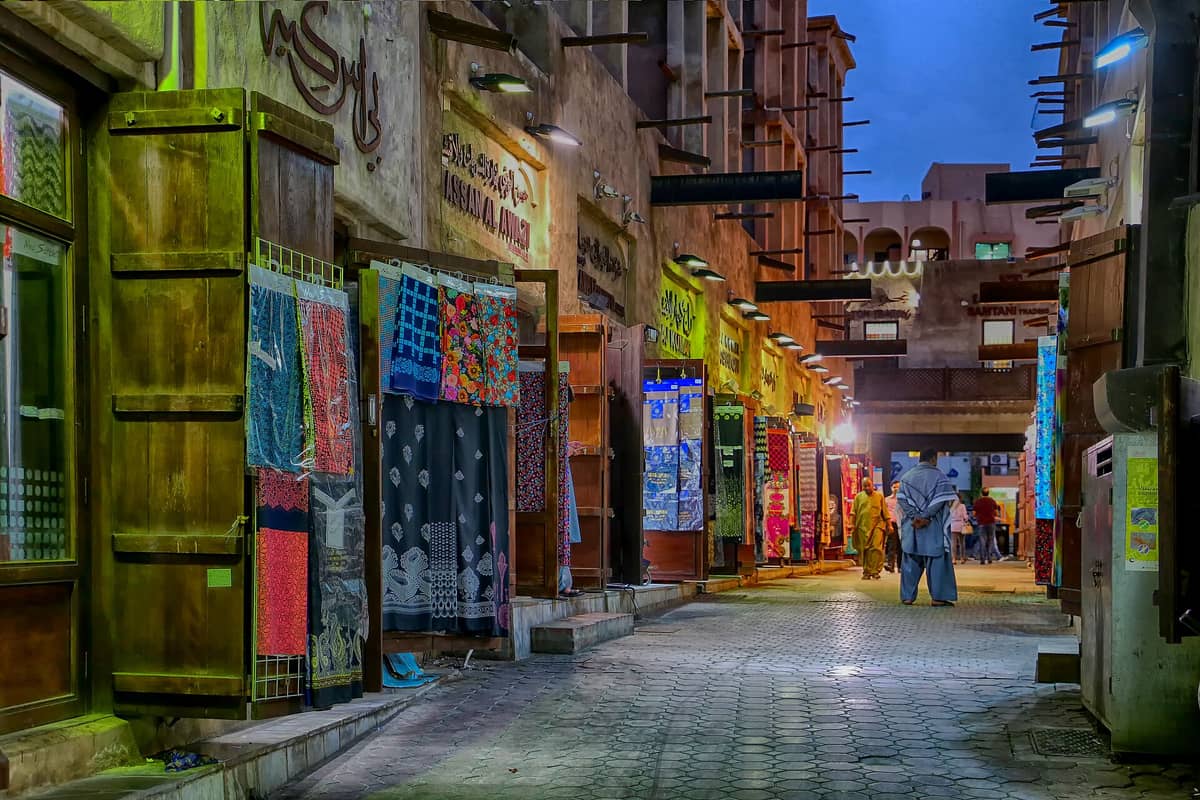
6. Browse Silk and Brocade in Bur Dubai's Fabric Market
Hundreds of shops sell textiles from India, China, and the Arab world at prices well below retail. It lacks the tourist polish of the Gold Souk but that's the point. Bring measurements if you want fabrics tailored; tailors operate nearby and turnaround is fast.
Explore6. Browse Silk and Brocade in Bur Dubai's Fabric Market
Hundreds of shops sell textiles from India, China, and the Arab world at prices well below retail. It lacks the tourist polish of the Gold Souk but that's the point. Bring measurements if you want fabrics tailored; tailors operate nearby and turnaround is fast.
ExploreNature Escapes You Didn't Expect This Close to the City
Dubai's natural landscapes are consistently underestimated. The emirate contains a protected desert reserve, a flamingo wetland, and a network of man-made desert lakes that attract serious birdwatchers. None requires more than an hour's drive from Downtown Dubai, and several are free to visit. For more outdoor ideas, the outdoor adventures guide covers hiking, kayaking, and desert activities in more detail.
7. Watch Flamingos Wade Against a Backdrop of Skyscrapers
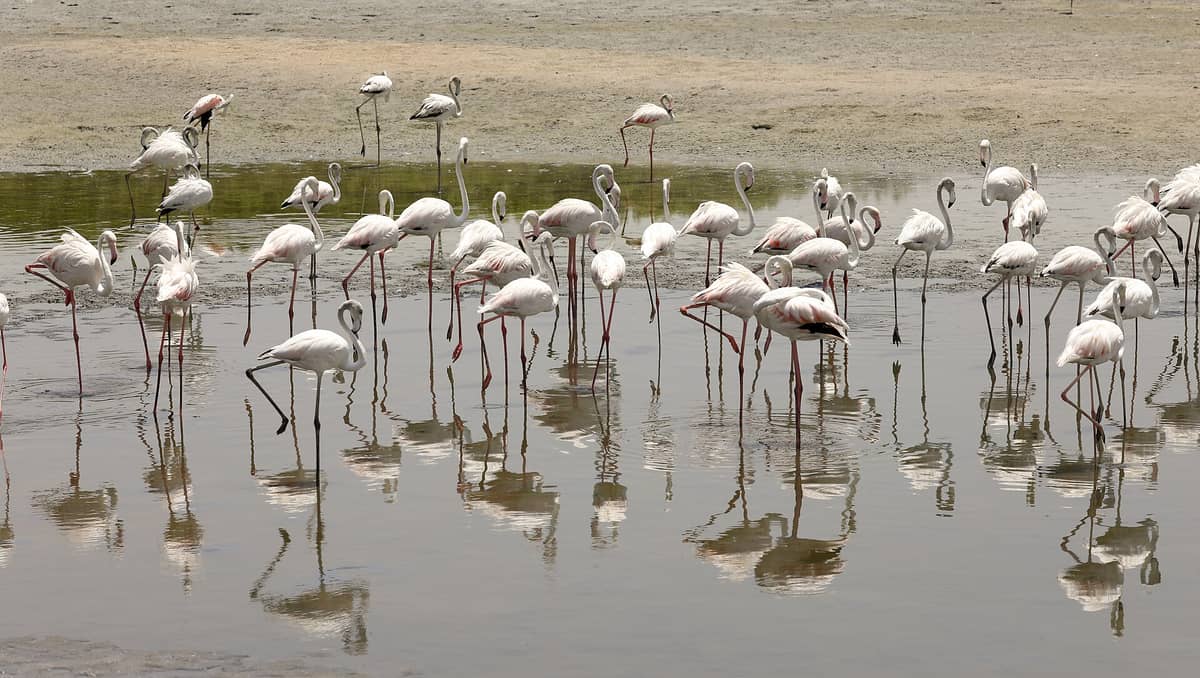
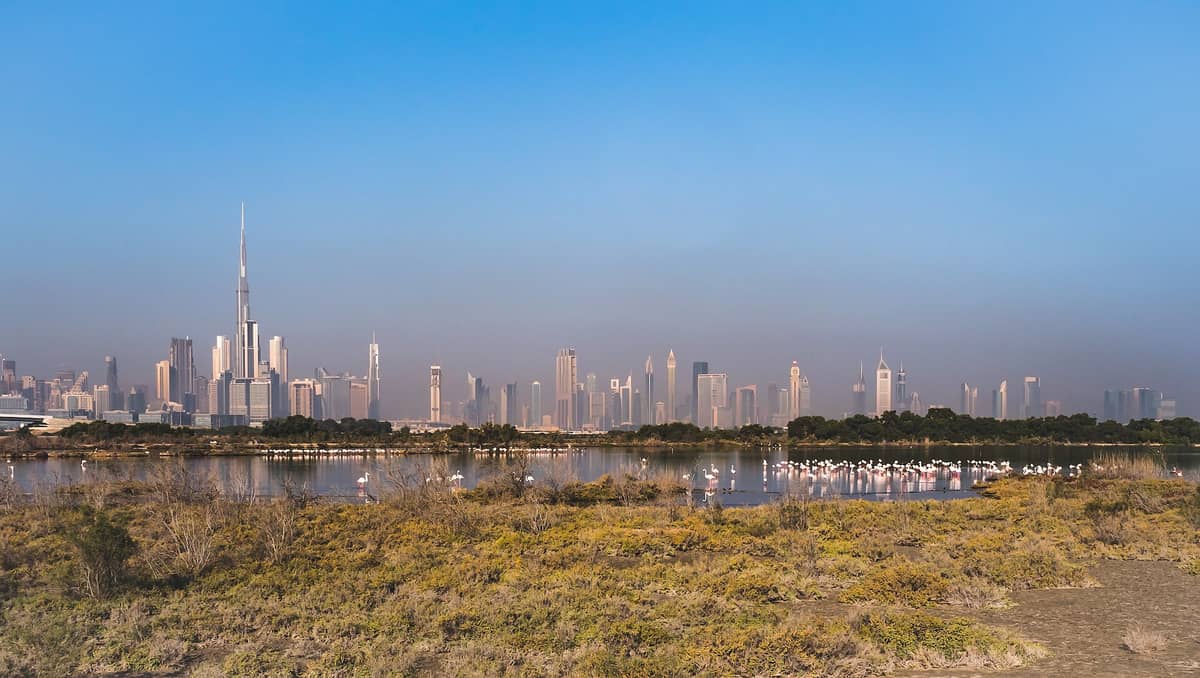
Over 450 wildlife species use this protected Creek wetland, and the flamingos are the headline act. Entry is free, hides are provided, and the contrast of pink birds against the Downtown skyline is genuinely surreal. Best visited early morning with binoculars.
Explore7. Watch Flamingos Wade Against a Backdrop of Skyscrapers
Over 450 wildlife species use this protected Creek wetland, and the flamingos are the headline act. Entry is free, hides are provided, and the contrast of pink birds against the Downtown skyline is genuinely surreal. Best visited early morning with binoculars.
Explore
8. Camp, Cycle, and Stargaze at These Unlikely Desert Lakes
A series of man-made lakes in the southern desert attract migratory birds and offer some of the best stargazing near Dubai. Access is free, open 24 hours, and camping is permitted. Bring all supplies as there are no facilities on site.
Explore8. Camp, Cycle, and Stargaze at These Unlikely Desert Lakes
A series of man-made lakes in the southern desert attract migratory birds and offer some of the best stargazing near Dubai. Access is free, open 24 hours, and camping is permitted. Bring all supplies as there are no facilities on site.
Explore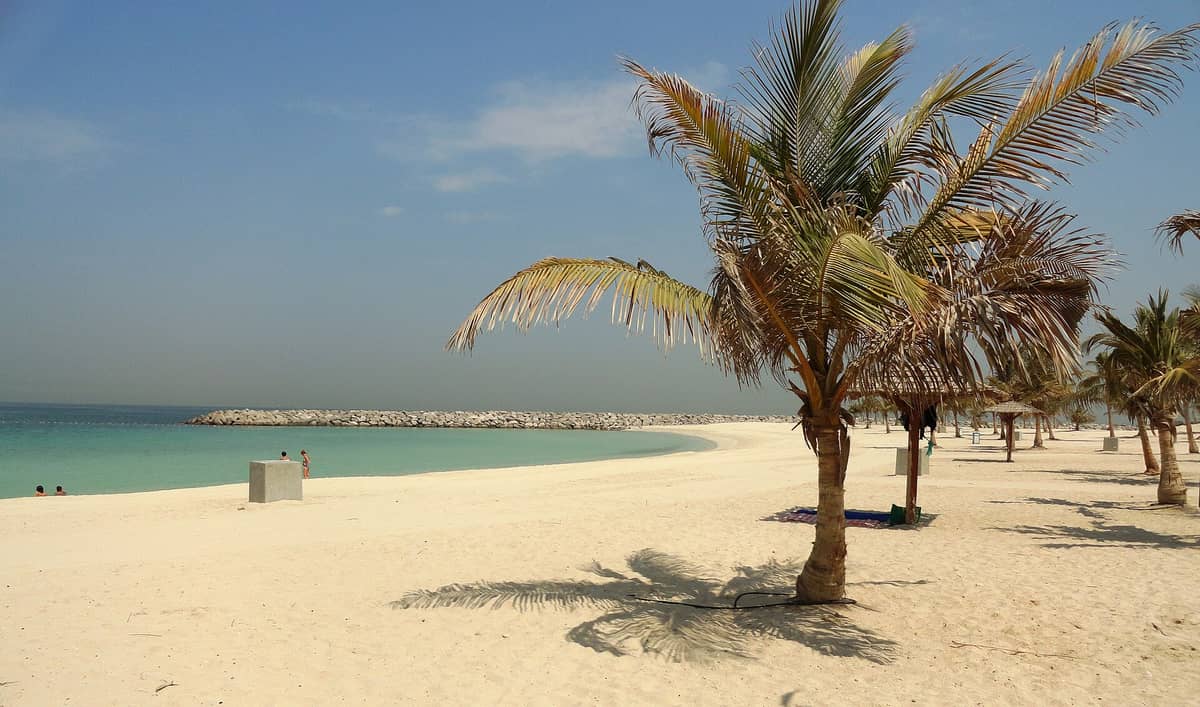
9. Find a Real Beach Without the Crowds or Beach Club Prices
Five separate beaches, shaded picnic areas, chalets, and pools for a small entry fee. Al Mamzar sits in northern Dubai far from the tourist trail, which means it stays genuinely uncrowded. The water is calm and shallow, making it ideal for families.
Explore9. Find a Real Beach Without the Crowds or Beach Club Prices
Five separate beaches, shaded picnic areas, chalets, and pools for a small entry fee. Al Mamzar sits in northern Dubai far from the tourist trail, which means it stays genuinely uncrowded. The water is calm and shallow, making it ideal for families.
Explore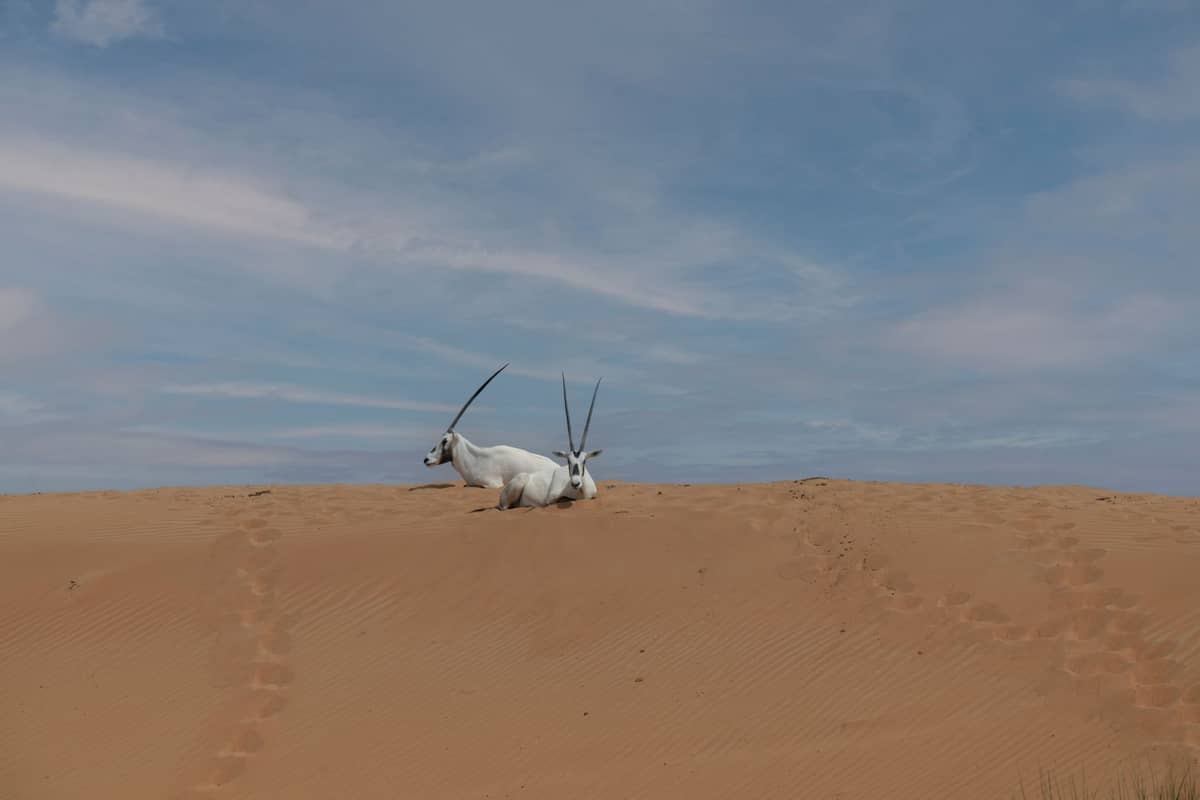
10. See Arabian Oryx Roaming a Protected Desert Reserve
This 225-square-kilometre reserve shelters Arabian oryx and sand gazelles in carefully managed habitat. Access is limited to guided experiences through accredited lodges, which keeps visitor numbers low and sightings genuinely meaningful rather than staged.
Explore10. See Arabian Oryx Roaming a Protected Desert Reserve
This 225-square-kilometre reserve shelters Arabian oryx and sand gazelles in carefully managed habitat. Access is limited to guided experiences through accredited lodges, which keeps visitor numbers low and sightings genuinely meaningful rather than staged.
ExploreArts, Culture, and Creative Districts
Dubai has quietly built one of the most credible contemporary arts scenes in the region, concentrated in a handful of districts that most tourists never reach. Alserkal Avenue in Al Quoz and the city's best museums offer serious cultural depth for those willing to venture beyond the standard itinerary.
11. Explore Dubai's Thriving Contemporary Arts District in a Former Industrial Zone
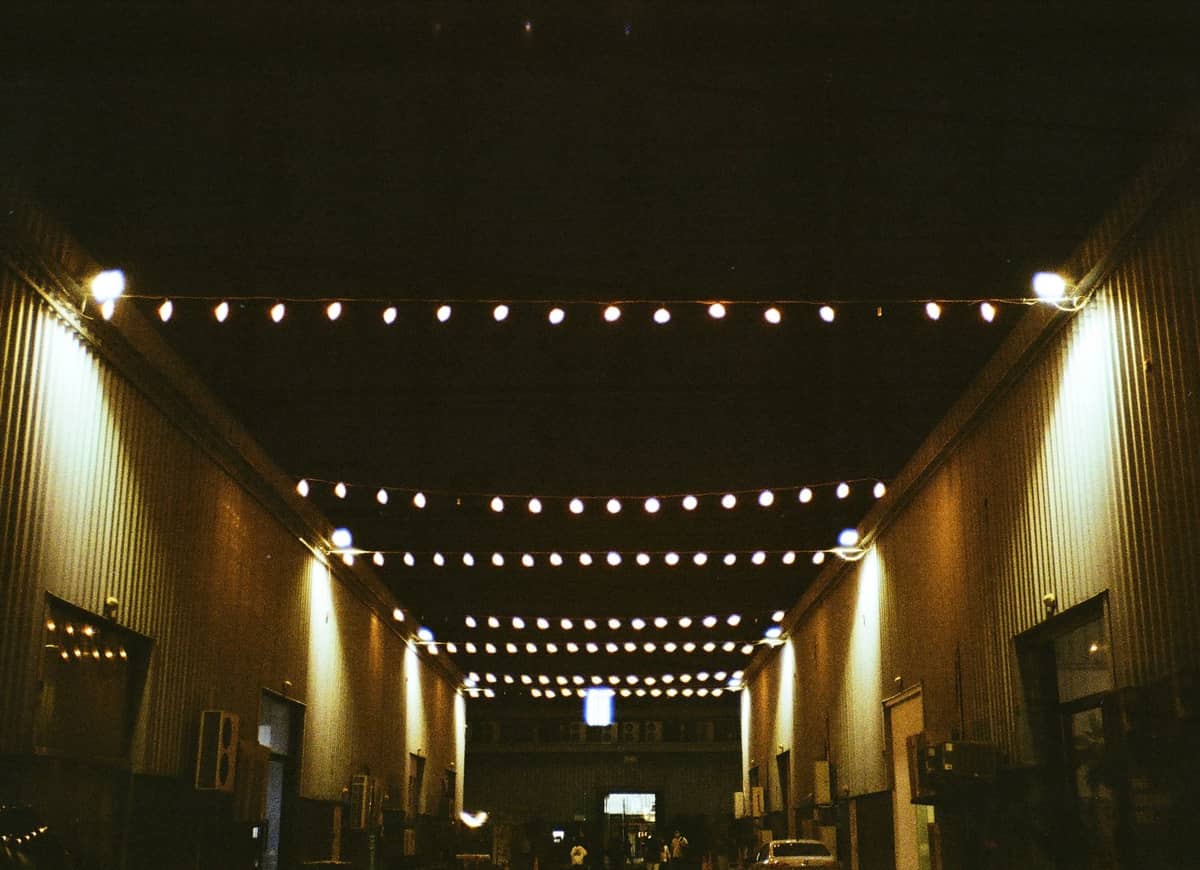
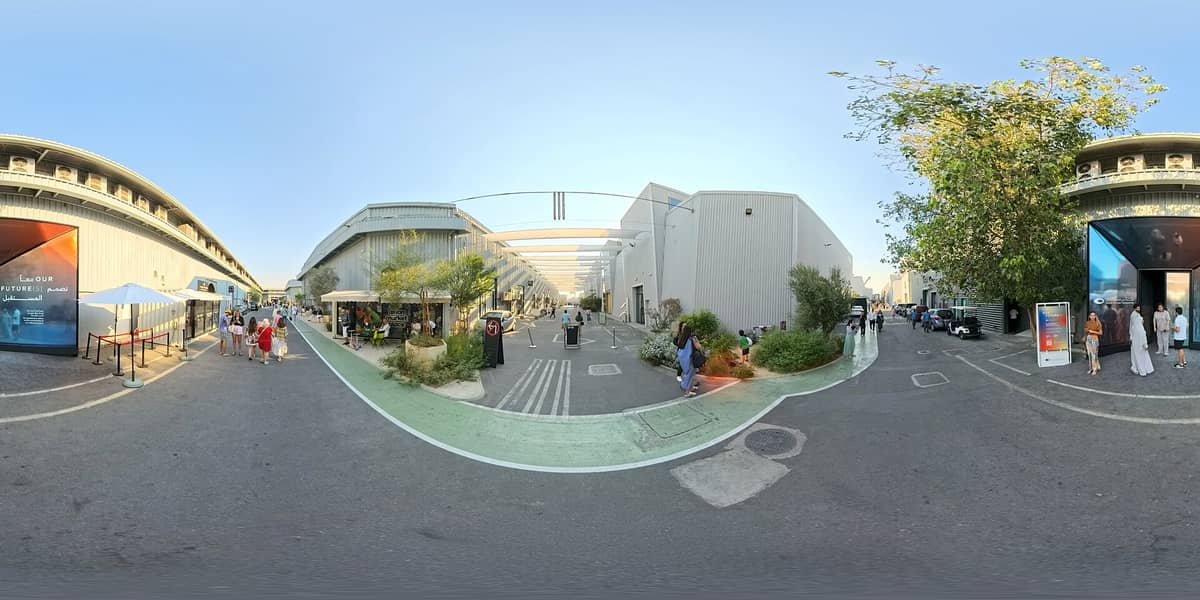
Over 70 galleries, studios, independent cinemas, and creative businesses occupy converted warehouses in Al Quoz. Entry to the district and most galleries is free. Saturday to Thursday, 10:00 to 19:00 is the typical window, though individual venues vary.
Explore11. Explore Dubai's Thriving Contemporary Arts District in a Former Industrial Zone
Over 70 galleries, studios, independent cinemas, and creative businesses occupy converted warehouses in Al Quoz. Entry to the district and most galleries is free. Saturday to Thursday, 10:00 to 19:00 is the typical window, though individual venues vary.
Explore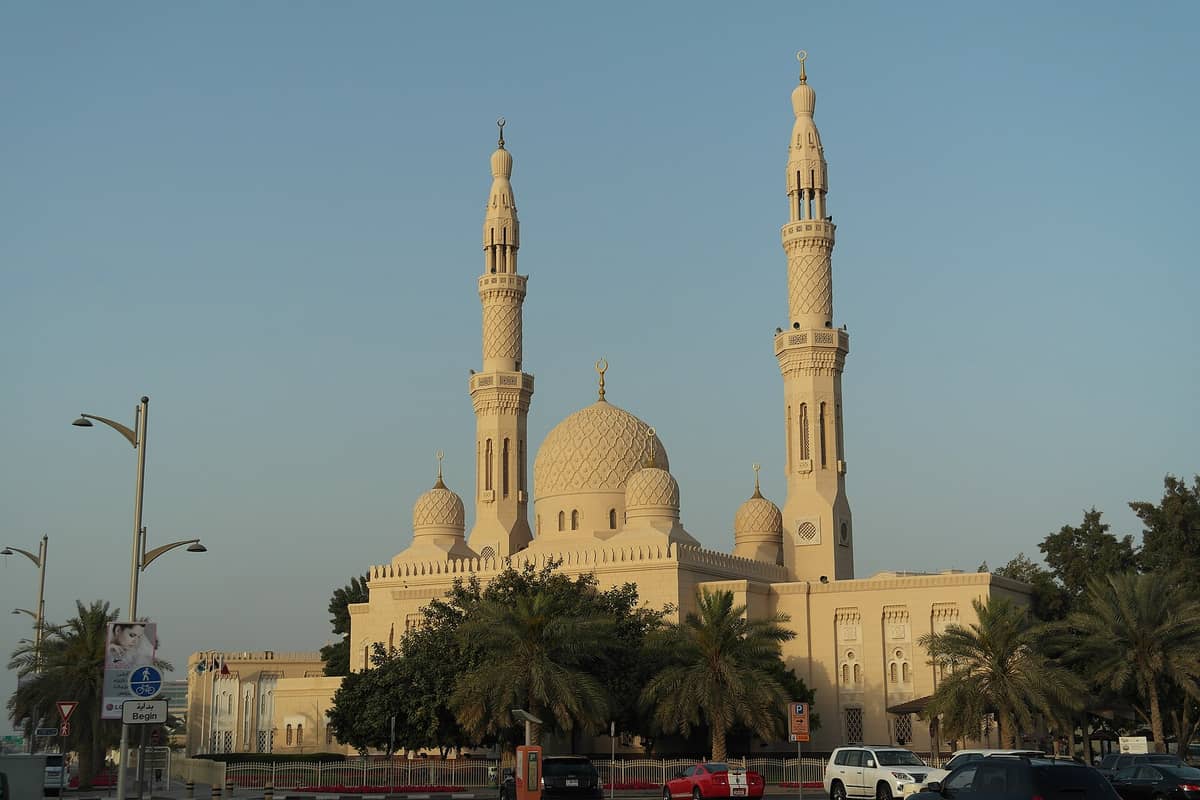
12. Join a Guided Tour of One of Dubai's Most Beautiful Mosques
One of the few mosques in the UAE open to non-Muslim visitors, Jumeirah Mosque runs daily guided tours at 10:00 and 14:00, except Fridays. No booking needed. Traditional attire is available to borrow on site, and the cultural insight is genuine and unhurried.
Explore12. Join a Guided Tour of One of Dubai's Most Beautiful Mosques
One of the few mosques in the UAE open to non-Muslim visitors, Jumeirah Mosque runs daily guided tours at 10:00 and 14:00, except Fridays. No booking needed. Traditional attire is available to borrow on site, and the cultural insight is genuine and unhurried.
Explore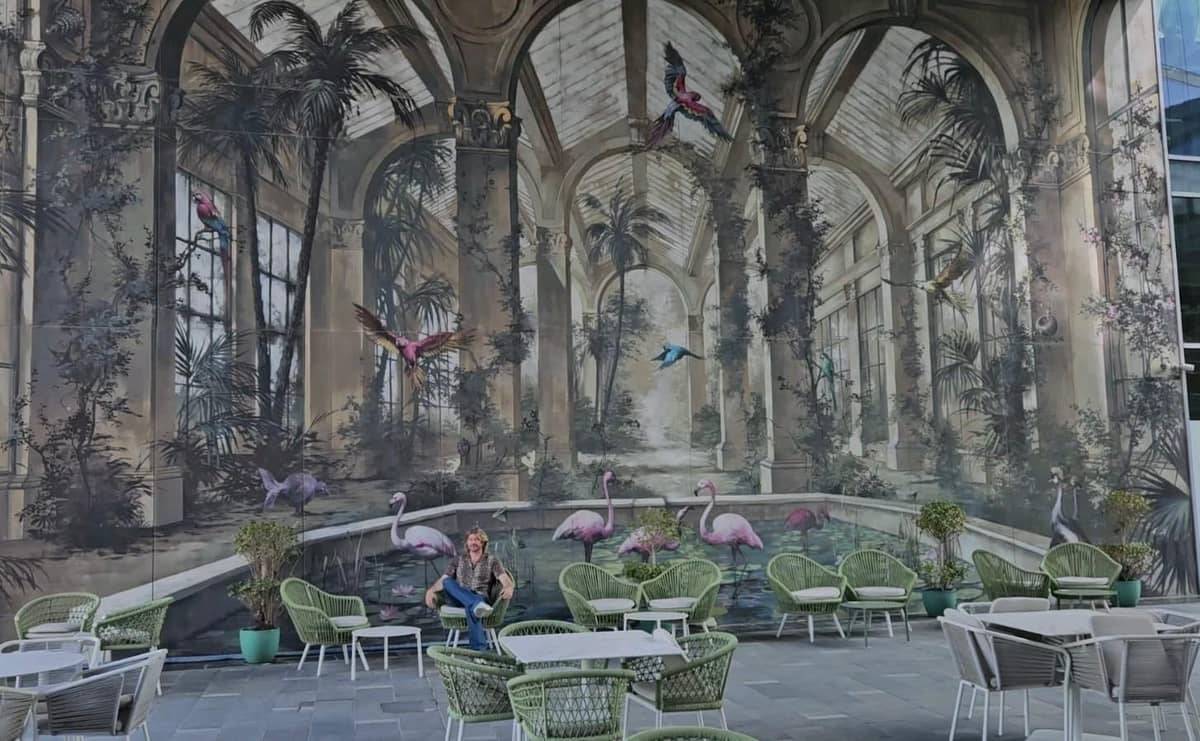
13. Wander Through Dubai's Most Design-Forward Neighbourhood
D3 houses fashion houses, architecture firms, and concept stores alongside some of the city's most interesting cafés. It's walkable, photogenic, and noticeably quieter than Downtown. The architecture alone makes it worth the taxi ride from central Dubai.
Explore13. Wander Through Dubai's Most Design-Forward Neighbourhood
D3 houses fashion houses, architecture firms, and concept stores alongside some of the city's most interesting cafés. It's walkable, photogenic, and noticeably quieter than Downtown. The architecture alone makes it worth the taxi ride from central Dubai.
Explore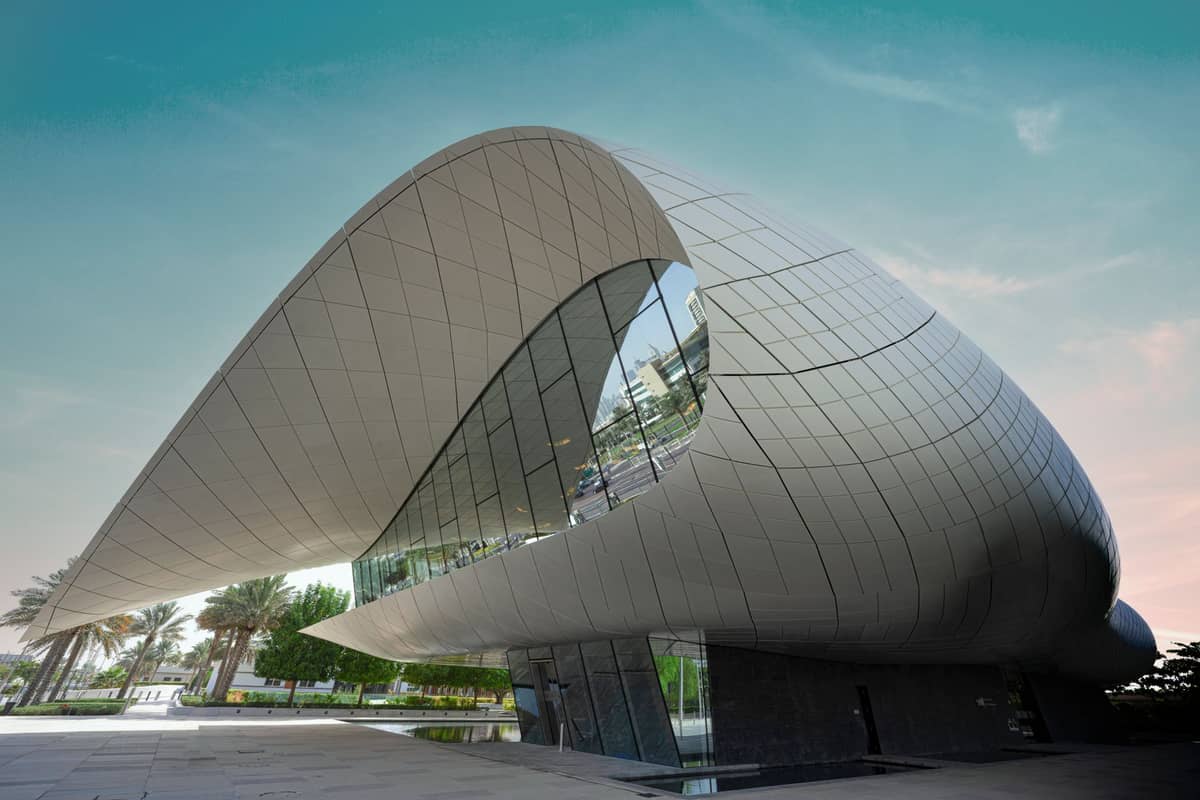
14. Learn How the UAE Was Founded at This Underrated Modern Museum
Built on the exact site where the UAE's 1971 union document was signed, the Etihad Museum tells the country's founding story through personal accounts and archival material. It's consistently overlooked by visitors despite being one of Dubai's most thoughtfully designed museums.
Explore14. Learn How the UAE Was Founded at This Underrated Modern Museum
Built on the exact site where the UAE's 1971 union document was signed, the Etihad Museum tells the country's founding story through personal accounts and archival material. It's consistently overlooked by visitors despite being one of Dubai's most thoughtfully designed museums.
Explore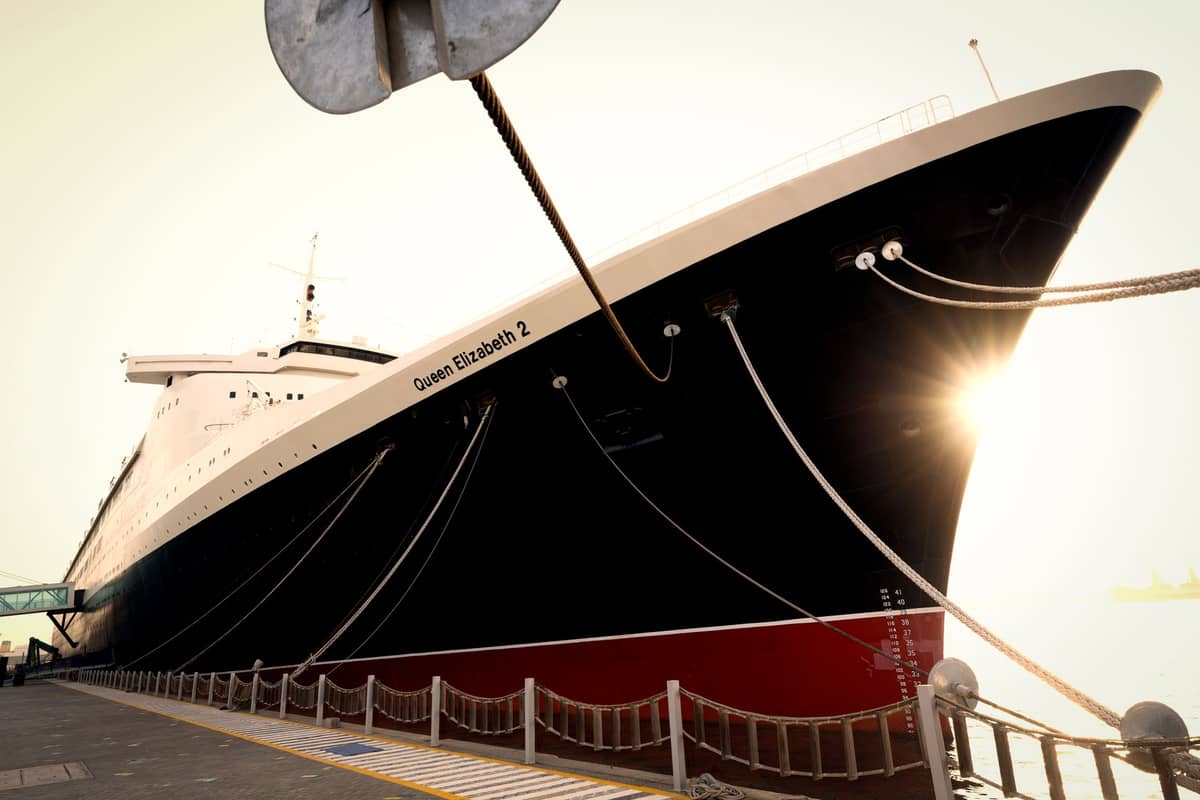
15. Tour the Historic Ocean Liner Now Permanently Moored in Dubai
The QE2 has been berthed at Mina Rashid since 2018. Guided tours take you through the ship's heritage spaces, and the vessel now operates as a floating hotel and restaurant destination. It's an oddity that rewards curious visitors who happen upon it.
Explore15. Tour the Historic Ocean Liner Now Permanently Moored in Dubai
The QE2 has been berthed at Mina Rashid since 2018. Guided tours take you through the ship's heritage spaces, and the vessel now operates as a floating hotel and restaurant destination. It's an oddity that rewards curious visitors who happen upon it.
ExploreSouks and Markets Beyond the Gold Souk
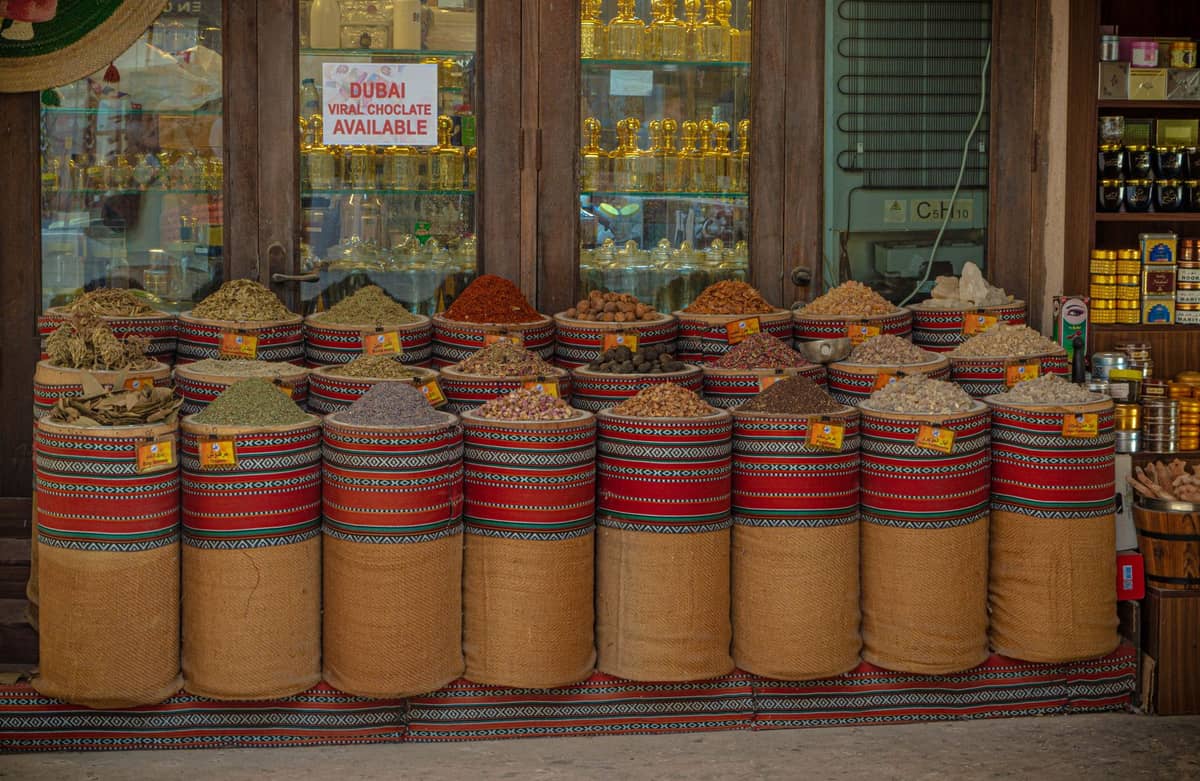
The Gold Souk gets all the attention in Deira, but the surrounding streets contain markets that are just as atmospheric and far less photographed. These are working commercial souks where Dubai residents actually shop, and browsing them without an agenda is one of the city's most rewarding free activities.
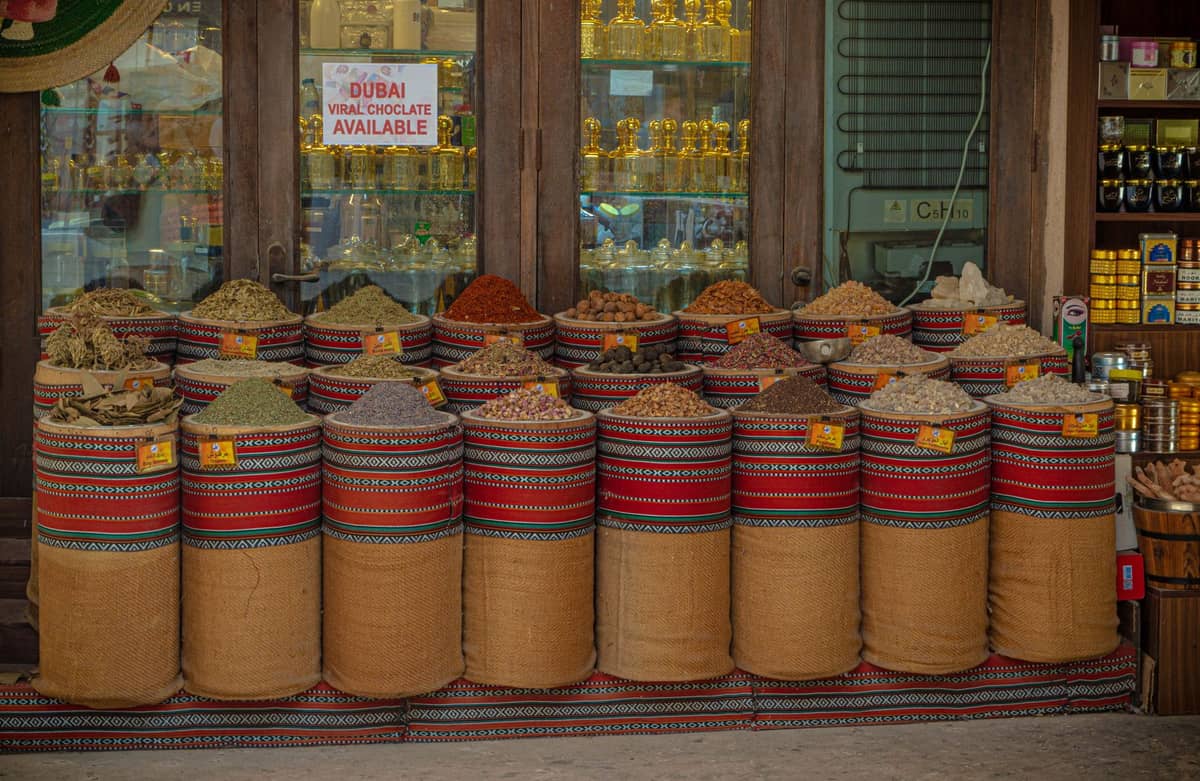
16. Follow the Scent of Frankincense and Saffron Through Deira's Spice Lanes
Open sacks of saffron, dried limes, frankincense, and rose petals line narrow lanes just a short walk from the Gold Souk. Prices are low, the atmosphere is authentic, and unlike the Gold Souk, you can usually browse without persistent attention from vendors.
Explore16. Follow the Scent of Frankincense and Saffron Through Deira's Spice Lanes
Open sacks of saffron, dried limes, frankincense, and rose petals line narrow lanes just a short walk from the Gold Souk. Prices are low, the atmosphere is authentic, and unlike the Gold Souk, you can usually browse without persistent attention from vendors.
Explore
17. Commission a Bespoke Oud Blend in Deira's Perfume Quarter
Arabic attars and oud oils are a Gulf tradition, and Deira's Perfume Souk is the best place to explore them. Many shops offer bespoke blending, letting you combine base notes into a personal fragrance. Budget 30 to 60 minutes for a proper experience.
Explore17. Commission a Bespoke Oud Blend in Deira's Perfume Quarter
Arabic attars and oud oils are a Gulf tradition, and Deira's Perfume Souk is the best place to explore them. Many shops offer bespoke blending, letting you combine base notes into a personal fragrance. Budget 30 to 60 minutes for a proper experience.
Explore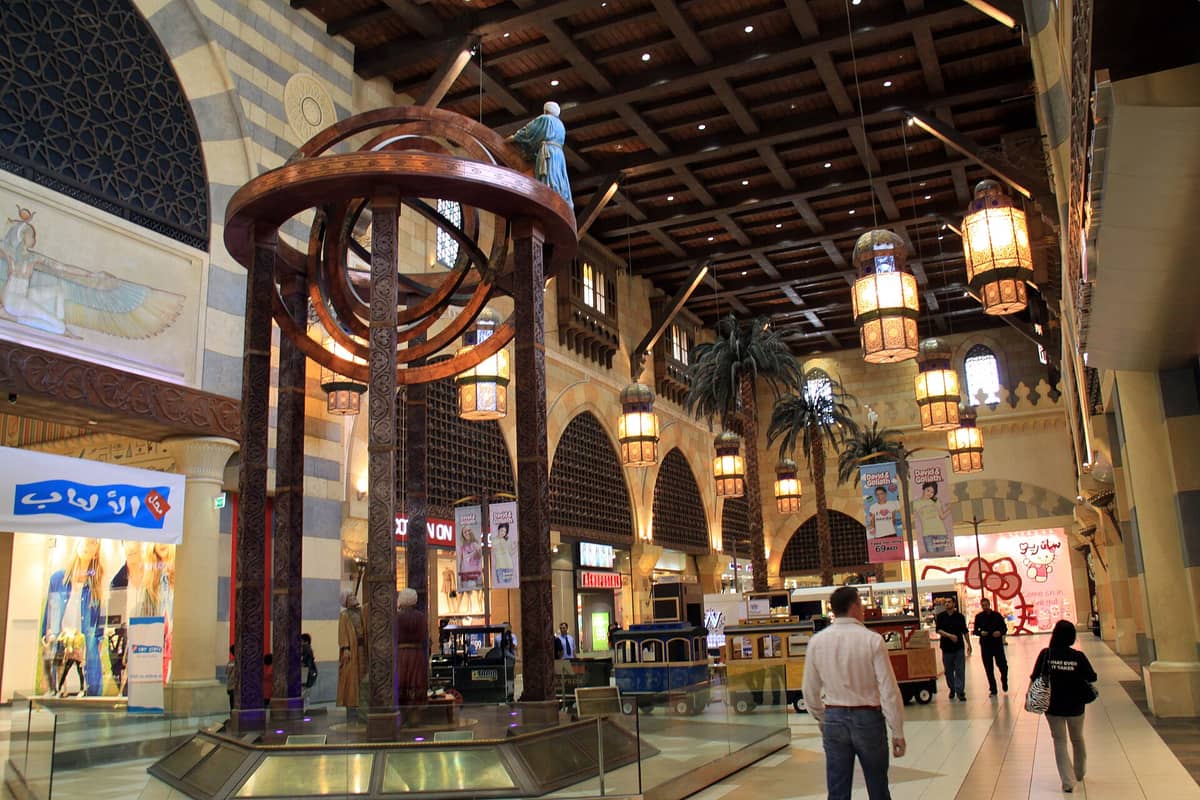
18. Visit the World's Most Elaborately Themed Shopping Mall
Six courts, each representing a country visited by the 14th-century explorer Ibn Battuta, with architectural detailing that is genuinely impressive. The Andalusia and China courts are the most spectacular. It functions as a real mall, which keeps admission free.
Explore18. Visit the World's Most Elaborately Themed Shopping Mall
Six courts, each representing a country visited by the 14th-century explorer Ibn Battuta, with architectural detailing that is genuinely impressive. The Andalusia and China courts are the most spectacular. It functions as a real mall, which keeps admission free.
ExploreViewpoints and Walks the Crowds Miss
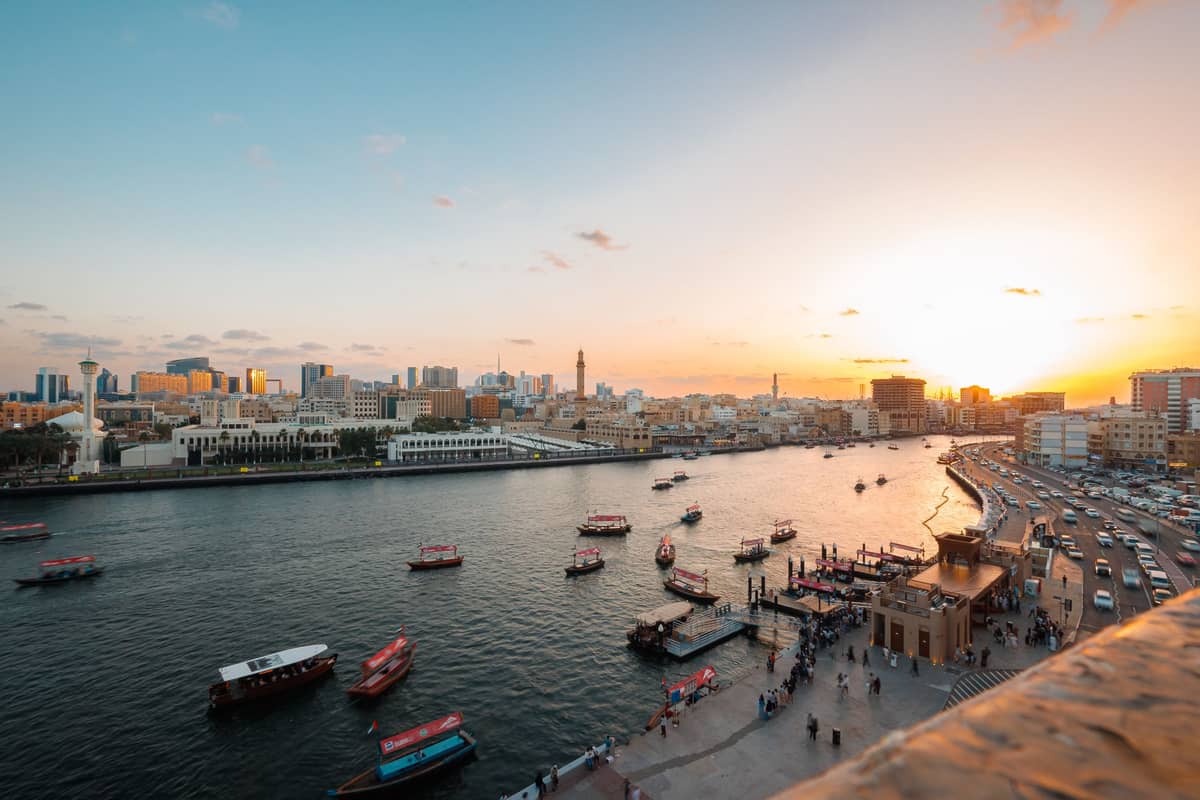
Dubai's skyline is legitimately one of the world's most dramatic, but the best views don't always come with the biggest queues or the highest prices. Several of the spots below offer perspectives that rival or exceed the famous observation decks, and some cost nothing at all. For a full breakdown, the best views in Dubai guide is worth reading alongside this one.
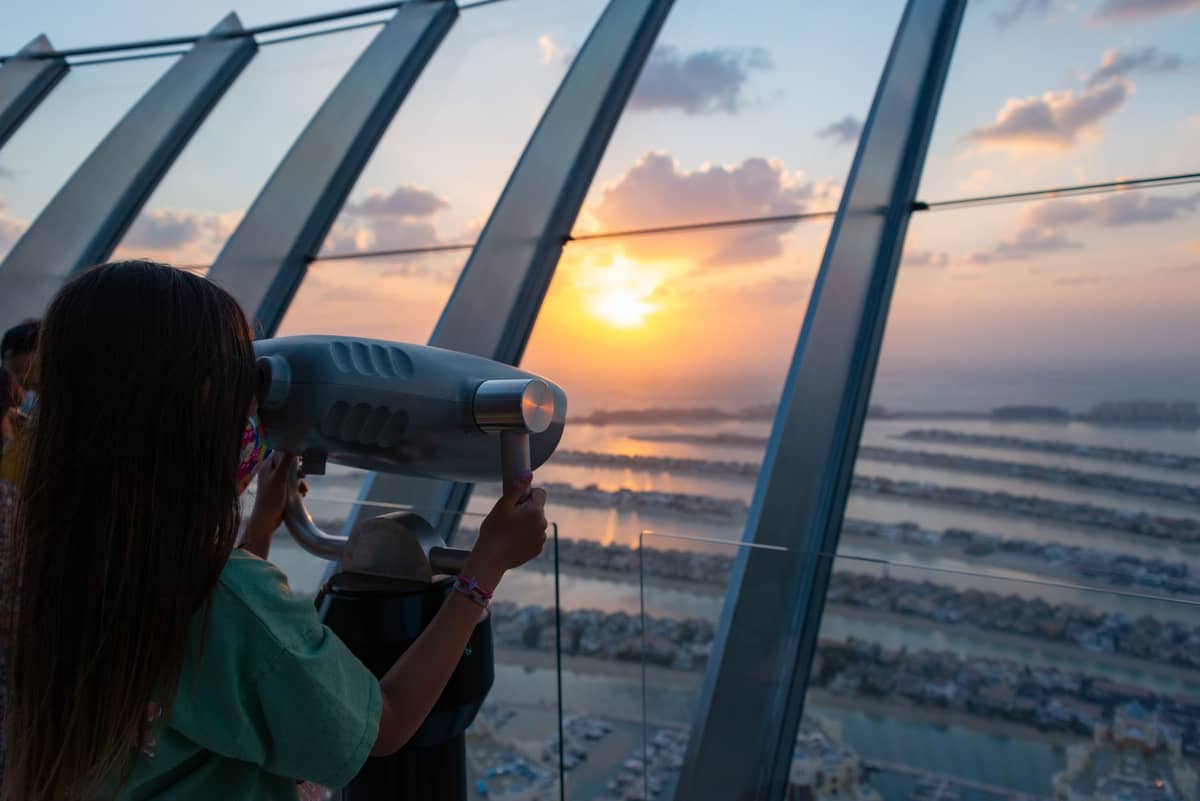
19. See the Entire Palm Jumeirah from the Only Aerial Viewpoint on the Island
The 52nd floor of The Palm Tower is the only spot where you can see the complete Palm Jumeirah frond layout from above. The views extend across the Gulf and back to the Marina skyline. It's far less crowded than the Burj Khalifa decks at a fraction of the wait.
Explore19. See the Entire Palm Jumeirah from the Only Aerial Viewpoint on the Island
The 52nd floor of The Palm Tower is the only spot where you can see the complete Palm Jumeirah frond layout from above. The views extend across the Gulf and back to the Marina skyline. It's far less crowded than the Burj Khalifa decks at a fraction of the wait.
Explore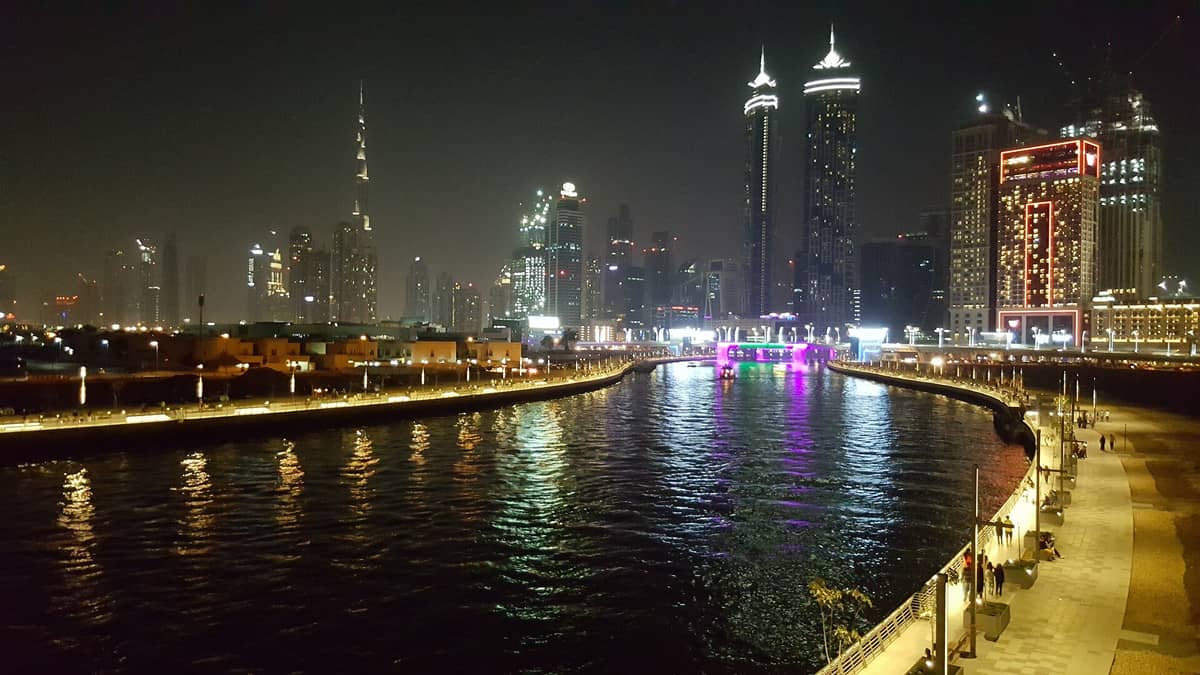
20. Walk the Illuminated Bridges of the Dubai Water Canal at Dusk
The 3.2-kilometre canal boardwalk from Business Bay to the Gulf is one of Dubai's most pleasant evening walks, and almost entirely free. The illuminated bridges and waterside dining options make it particularly good after sunset when the heat drops.
Explore20. Walk the Illuminated Bridges of the Dubai Water Canal at Dusk
The 3.2-kilometre canal boardwalk from Business Bay to the Gulf is one of Dubai's most pleasant evening walks, and almost entirely free. The illuminated bridges and waterside dining options make it particularly good after sunset when the heat drops.
Explore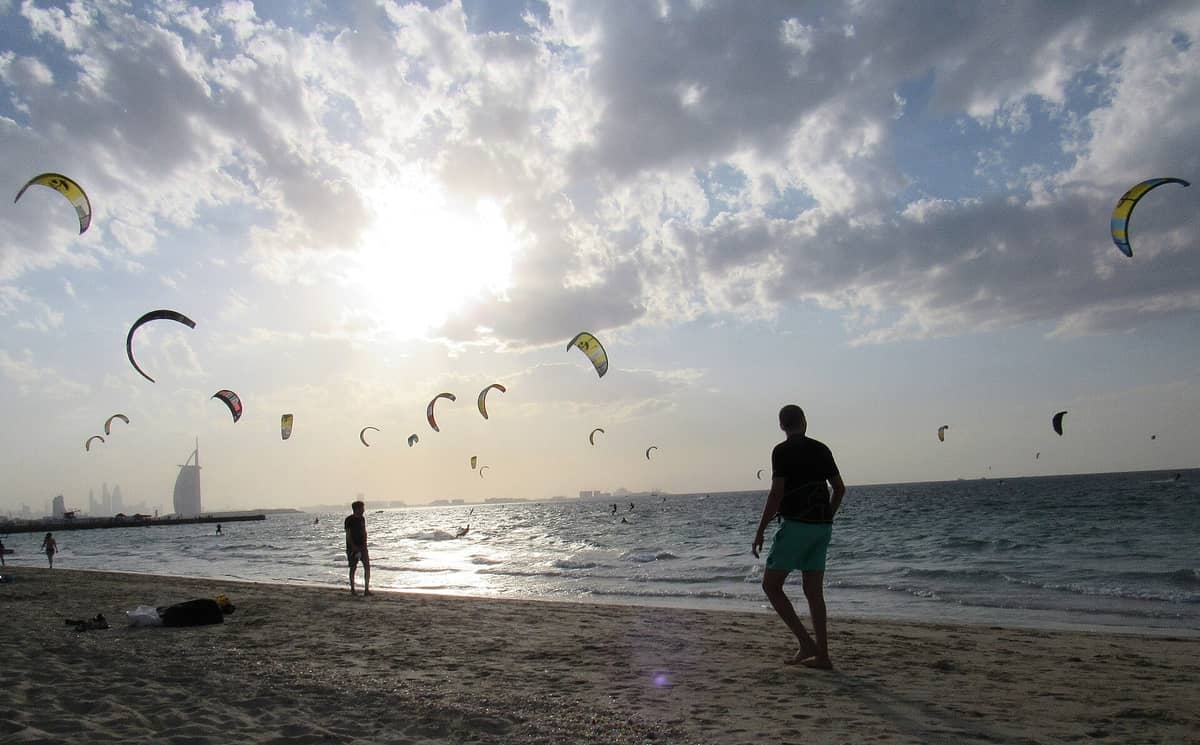
21. Spend the Morning at a Locals' Beach With a Perfect Burj Al Arab View
Kite Beach in Umm Suqeim has food trucks, beach volleyball, kite surfing, and one of the best Burj Al Arab sightlines in the city, all for free. It attracts a mostly resident crowd and has a noticeably different energy from the JBR tourist strip.
Explore21. Spend the Morning at a Locals' Beach With a Perfect Burj Al Arab View
Kite Beach in Umm Suqeim has food trucks, beach volleyball, kite surfing, and one of the best Burj Al Arab sightlines in the city, all for free. It attracts a mostly resident crowd and has a noticeably different energy from the JBR tourist strip.
Explore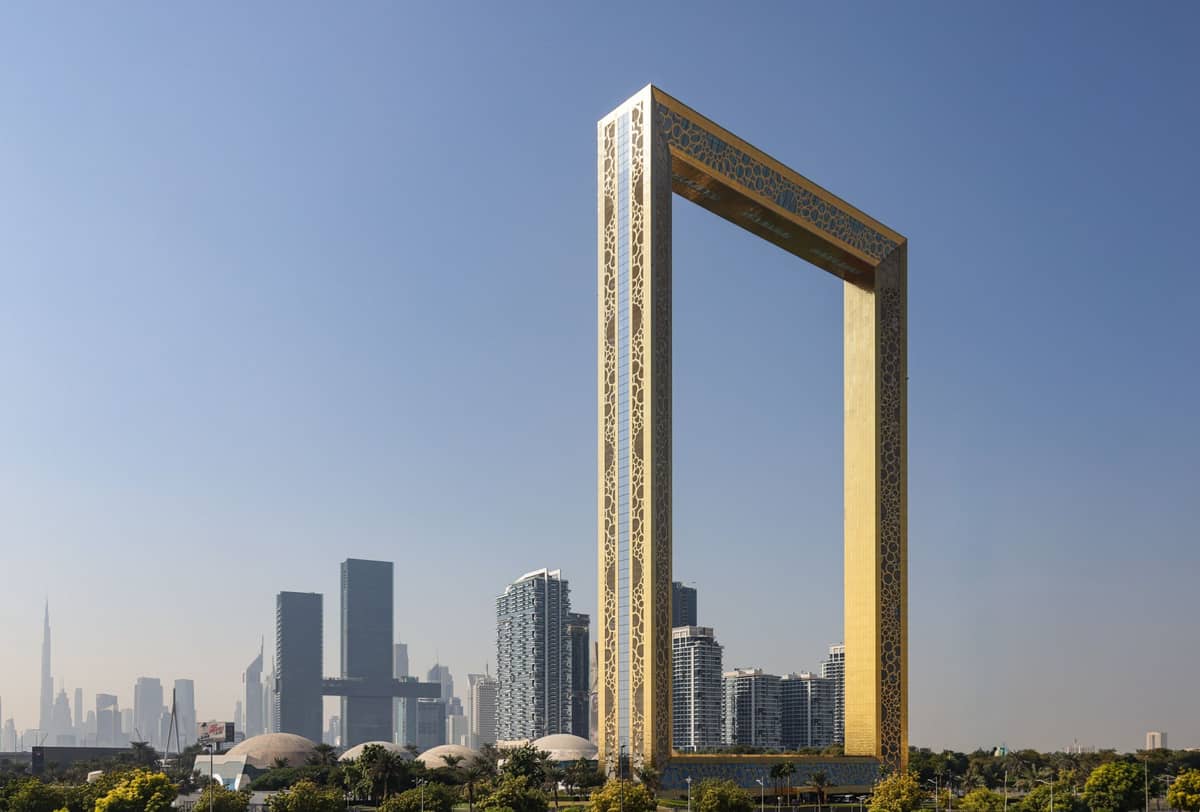
22. Cross a Glass Floor 150 Metres Above the City at Dubai Frame
The Frame's sky bridge spans two towers with old Dubai on one side and the modern skyline on the other. The glass floor is genuinely nerve-inducing. It's consistently less crowded than the Burj Khalifa observation decks and the symbolic concept is cleverly executed.
Explore22. Cross a Glass Floor 150 Metres Above the City at Dubai Frame
The Frame's sky bridge spans two towers with old Dubai on one side and the modern skyline on the other. The glass floor is genuinely nerve-inducing. It's consistently less crowded than the Burj Khalifa observation decks and the symbolic concept is cleverly executed.
ExploreFAQ
What are the best free hidden gems in Dubai?
Ras Al Khor Wildlife Sanctuary, Al Qudra Lakes, Alserkal Avenue's galleries, the Spice Souk in Deira, and the Dubai Water Canal boardwalk are all free to visit. Al Mamzar Beach Park charges a small entry fee but offers far better value than most beach clubs.
Are these hidden gems accessible without a car?
Al Fahidi, Al Seef, and Deira's souks are easily reached by metro and abra. Ras Al Khor, Alserkal Avenue, and Dubai Design District are best reached by taxi or Careem. Al Qudra Lakes and the Dubai Desert Conservation Reserve require a car or organised tour.
When is the best time to visit Dubai's outdoor hidden gems?
November to March is the window for comfortable outdoor exploration, with milder daytime temperatures. Ras Al Khor is best visited early morning year-round. Al Qudra Lakes are popular for camping and stargazing throughout the cooler months.
Is Alserkal Avenue worth visiting if you're not an art expert?
Yes. The gallery district is free to enter and browse, and the mix of spaces includes independent cafés, a cinema, design studios, and concept stores alongside the galleries. It gives a genuine sense of Dubai's creative resident community that most tourist experiences don't.
Can non-Muslims visit Jumeirah Mosque?
Yes. Jumeirah Mosque runs guided tours for non-Muslim visitors daily at 10:00 and 14:00, except Fridays. No advance booking is required. Modest dress is mandatory and traditional attire can be borrowed at the entrance.