Saruq Al-Hadid Archaeological Museum: Dubai's Window into the Iron Age
Tucked inside the Al Shindagha Heritage District along Dubai Creek, the Saruq Al-Hadid Archaeological Museum tells the story of a desert site discovered by chance in 2002, now recognized as one of the most significant Iron Age finds in the Arabian Peninsula. Thousands of artifacts, immersive multimedia displays, and a narrative spanning nearly 3,000 years make this one of Dubai's most intellectually rewarding cultural stops.
Quick Facts
- Location
- Al Shindagha Heritage District, Bur Dubai, near Dubai Creek
- Getting There
- Al Ghubaiba station, Dubai Metro Green Line, then a short walk or taxi
- Time Needed
- 1.5 to 2.5 hours
- Cost
- Adults AED 50 / Children (5–24) AED 20 / Under 5 free / Groups (5+) AED 40 per person (Al Shindagha Museum complex ticket)
- Best for
- History enthusiasts, families with older children, architecture lovers, culturally curious travelers
- Official website
- http://www.saruqalhadid.ae
A Discovery Born from a Helicopter Flight
In 2002, Sheikh Mohammed bin Rashid Al Maktoum was flying over the Rub al-Khali, the vast Empty Quarter desert south of Dubai, when he spotted unusual formations on the sand below. What followed was one of the most surprising archaeological discoveries in the region's modern history. The site, later named Saruq Al-Hadid, meaning "iron road" in Arabic, turned out to be a dense deposit of metalwork, ceramics, and ritual objects that accumulated over a period spanning from the late 3rd millennium BC through approximately 300 AD. That is nearly 3,000 years of human activity at a single desert location, preserved beneath the shifting sands.
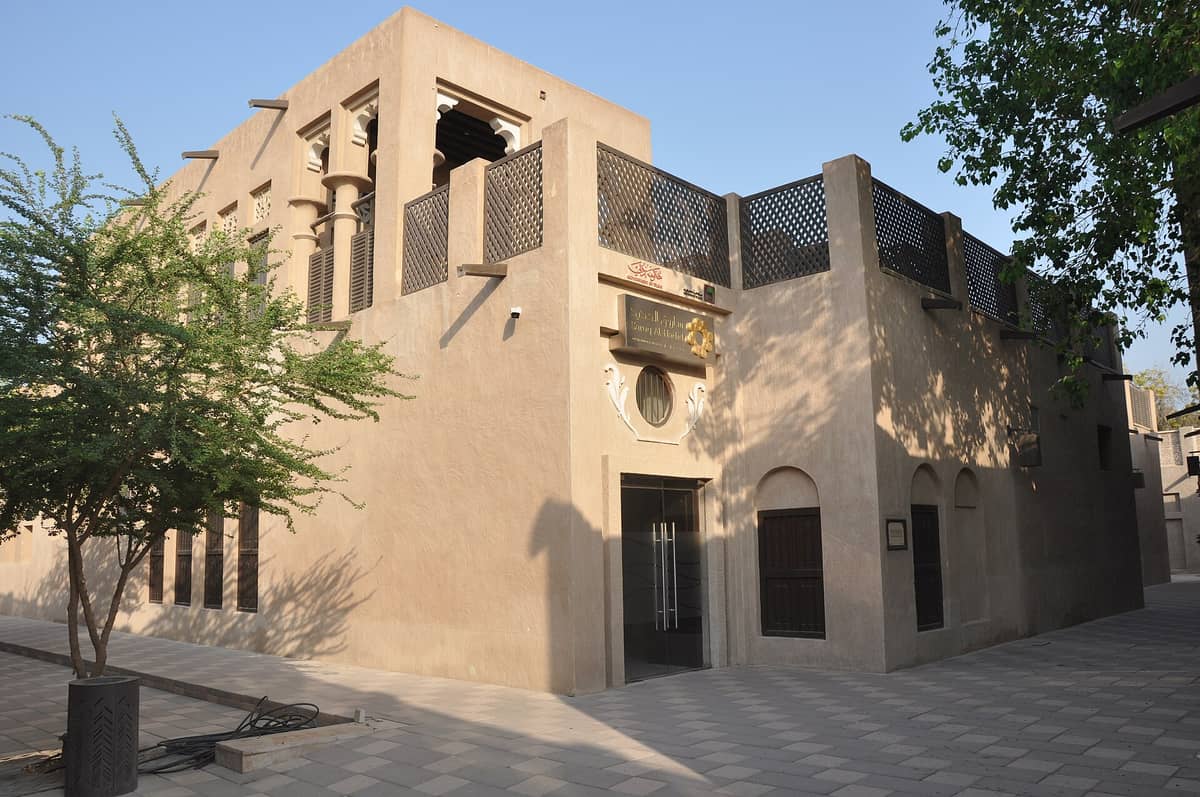
The Saruq Al-Hadid Archaeological Museum opened to the public in 2016 within the Al Shindagha Heritage District to bring this discovery to a public audience. It occupies a restored traditional building in the heritage quarter near Dubai Creek, a setting that reinforces the connection between Dubai's ancient past and its living heritage. The museum is now managed under Dubai Culture and is part of the broader Al Shindagha Museum complex, which covers multiple aspects of old Dubai's history and architecture.
ℹ️ Good to know
Opening hours vary by day. The museum is generally open Sunday through Wednesday 08:00–20:00, and Thursday–Saturday 08:00–14:00. Verify hours directly before visiting, as schedules can change during public holidays and Ramadan.
What the Collection Actually Shows You
The centerpiece of the museum is its metalwork. Excavations at the desert site have uncovered thousands of bronze and iron objects, including weapons, tools, decorative pieces, and evidence of smelting activity. The concentration of iron slag and partially worked metal at Saruq Al-Hadid suggests it functioned not just as a settlement but as a specialized production center, possibly serving trade networks across the broader Arabian Peninsula. Holding a bronze sword replica near the display cases gives you a sense of the craftsmanship involved.
Beyond the metalwork, the collection includes carved softstone vessels, serpentine figurines, and imported ceramics that point to long-distance trade connections reaching into Mesopotamia and the Indus Valley. These objects complicate the idea that ancient Arabia was isolated or peripheral. The evidence here suggests active participation in regional exchange networks that stretched thousands of kilometers.
The museum does not present objects in isolation. Contextual panels, timelines, and multimedia installations explain the excavation process, the layering of the archaeological deposits, and what each artifact category tells scholars about daily life, ritual practice, and economic activity in Iron Age Arabia. The presentation is aimed at a general audience rather than specialists, which keeps it accessible without sacrificing depth.
The Building and Setting Within Al Shindagha
The museum sits inside the Al Shindagha Heritage District, a peninsula at the mouth of Dubai Creek that was once home to the ruling Al Maktoum family and the city's most prominent merchants. The district's coral-block and gypsum buildings have been carefully restored over the past decade, creating a rare stretch of pre-oil Dubai architecture that stands in deliberate contrast to the glass towers visible across the water.
Walking through Al Shindagha before or after your museum visit adds considerable texture to the experience. The Shindagha Heritage District contains several other restored museums and cultural spaces, including the Sheikh Saeed Al Maktoum House, all within easy walking distance. The air carries a faint brine smell from the creek, and in the cooler months you can hear the creak of wooden abra boats ferrying passengers across to Deira. It is the kind of setting that makes the museum's ancient timeline feel grounded rather than abstract.
The museum interiors are air-conditioned, which matters significantly if you are visiting between May and September, when outdoor temperatures in Dubai regularly exceed 40°C. The cool, controlled environment also protects the artifacts and keeps the multimedia displays functioning properly. The lighting inside is deliberately dim in the display areas, designed to create atmosphere around the cases while keeping the spotlit objects sharp and readable.
💡 Local tip
Visit on a weekday morning between 09:00 and 11:00 for the quietest experience. School groups tend to arrive mid-morning on weekdays during term time, so arriving early or after noon helps you move through the galleries at your own pace.
How the Experience Changes by Time of Day
Morning visits benefit from soft, slanted light entering the courtyard areas of the heritage district, which makes outdoor photography of the surrounding architecture particularly rewarding before you step inside. The museum itself is consistent regardless of the hour, but the approach through Al Shindagha's lanes feels calmer before tourist foot traffic picks up around midday.
Late afternoon on cooler months, roughly November through March, is an excellent time to combine the museum with a walk along the Dubai Creek waterfront. The light drops low and warm over the creek, the abra crossings become more frequent as the evening trade picks up, and the surrounding heritage buildings take on a different quality entirely. Combining the museum with the wider waterfront area turns a single attraction into a half-day cultural itinerary.
If you are trying to connect several heritage sites in one day, the Al Fahidi Fort and the Al Fahidi historical neighbourhood are accessible from Al Shindagha on foot, though the walk takes around 15 minutes along the creek. The Old Dubai guide covers the full routing and helps you sequence these stops efficiently.
Practical Details: Getting There and What to Expect
The museum's address is within the Al Shindagha Heritage District, Bur Dubai, near the mouth of Dubai Creek. The official locator code is 778Q+PVV, Al Fahidi, Dubai, which works in Google Maps. On-street parking is limited in the heritage district, so arriving by metro or taxi is more reliable.
By metro, take the Green Line to Al Ghubaiba station, then either walk approximately 10 to 15 minutes through the heritage area or take a short taxi ride. Taxis are easy to flag in Bur Dubai, and ride-hailing through Careem or Uber is straightforward from anywhere in the city. From Downtown Dubai, a taxi typically takes 15 to 20 minutes outside peak traffic hours.
Admission is integrated into the Al Shindagha Museum ticketing system. Adults pay AED 50, children aged 5 to 24 pay AED 20, children under 5 enter free, and groups of five or more qualify for a reduced rate of AED 40 per person; these prices are in UAE dirhams and were verified in July 2026, but confirm current pricing before visiting as museum fees can be updated.
⚠️ What to skip
Visitors with mobility requirements should confirm access details directly with the museum before visiting. The heritage district's traditional architecture means some areas involve uneven surfaces or steps, and wheelchair-accessible routing is not fully documented in publicly available information.
Who Will Get the Most From This Museum
This museum rewards visitors who come with at least some curiosity about pre-Islamic Arabian history. The content is rich enough that people with an existing interest in archaeology or regional history will find plenty to engage with, while the multimedia approach means complete newcomers can follow the narrative without prior knowledge. Children old enough to engage with historical storytelling, roughly eight years and above, tend to respond well to the interactive elements and the drama of the discovery story.
Travelers whose entire Dubai itinerary is built around contemporary architecture and nightlife may find this stop less compelling than the city's iconic modern landmarks. For them, the Museum of the Future or the views from Burj Khalifa might be better matched to their interests. But for anyone who wants to understand the depth beneath Dubai's modern surface, or who arrives thinking the emirate has no history worth exploring, the Saruq Al-Hadid museum is a direct challenge to that assumption.
The museum is also a good option on days when Dubai's heat makes outdoor activity impractical. The fully air-conditioned interior, the relative quiet compared to the city's more famous attractions, and the genuine intellectual weight of the collection make it a worthwhile retreat from both the heat and the crowds.
If you are planning a broader cultural day in the older parts of the city, the Gold Souk and the Spice Souk in nearby Deira are a short abra ride across the creek and complete a well-rounded day in historic Dubai.
Insider Tips
- Pick up the museum's free printed guide at the entrance desk. It includes a site map of the Saruq Al-Hadid desert excavation zone with photographs, which helps visualize what the landscape actually looks like and gives context that the interior displays alone cannot convey.
- The Al Shindagha Museum complex covers multiple heritage buildings in the same district. If you buy a combined ticket for several sites, the cost per attraction drops considerably compared to visiting each individually. Ask at the ticketing desk about current combination options.
- Photography is generally permitted in the museum galleries without flash. The dim lighting near artifact cases means you will need to stabilize your phone against the display glass or use a slower shutter to get sharp images without disturbing other visitors.
- Allow time to walk the Al Shindagha waterfront promenade after your visit. The stretch facing Dubai Creek offers some of the clearest views of the old Deira skyline and the creek traffic, and it is much less photographed than the views from the Deira side.
- If visiting during Ramadan, opening hours will shift and the atmosphere in the surrounding heritage district changes considerably, with evening activity replacing daytime visits. Check Dubai Culture's official channels for adjusted timings during this period.
Who Is Saruq Al-Hadid Archaeological Museum For?
- History and archaeology enthusiasts who want substance beyond Dubai's modern spectacle
- Families with children aged 8 and older looking for an educational but genuinely engaging cultural stop
- Travelers doing a heritage day in Old Dubai combining the creek, Al Fahidi, and the Shindagha district
- Visitors seeking a quiet, air-conditioned alternative during the extreme heat of summer months
- Anyone who wants to challenge the common assumption that Dubai has no meaningful pre-modern history