Old Dubai: A Complete Guide to the Historic Creek District
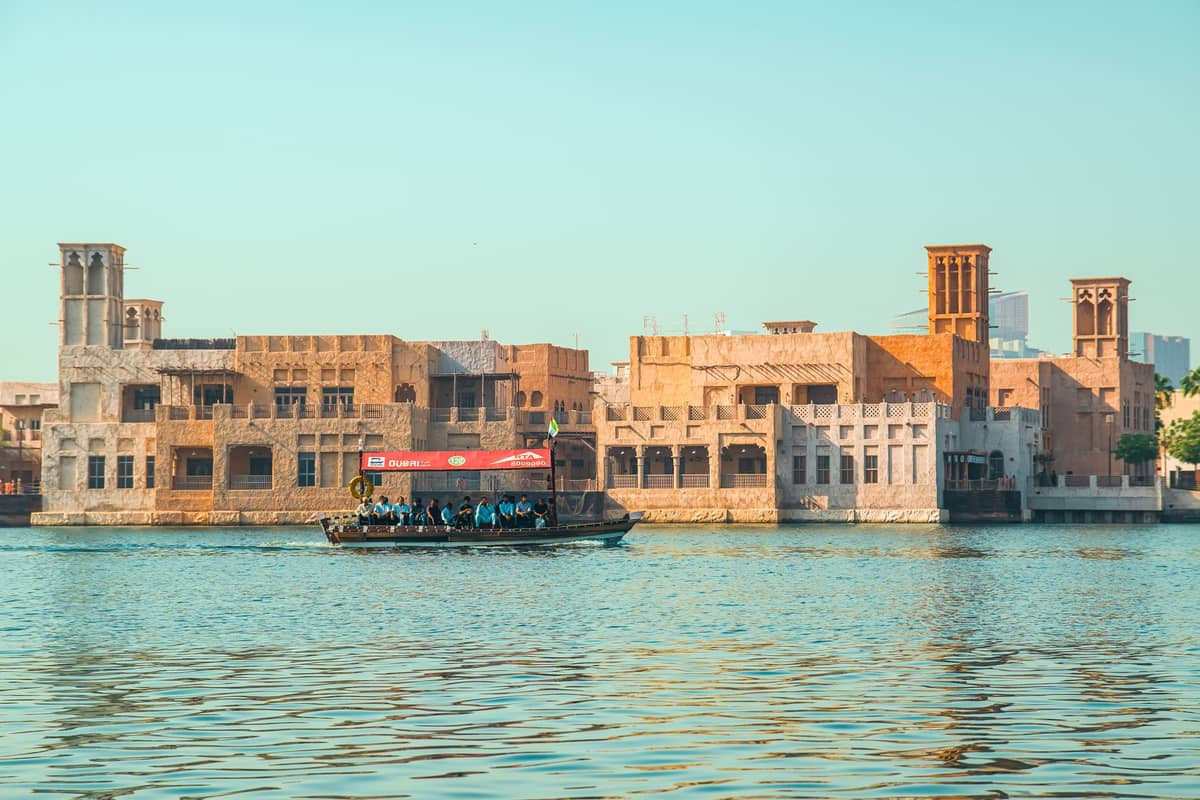
Old Dubai spans both banks of Dubai Creek, taking in the wind-tower lanes of Al Fahidi, the sensory overload of the gold and spice souks, and a one-dirham abra ride that connects two worlds. This guide covers every key site, practical logistics, and the insider details that make the difference between a rushed visit and a genuinely rewarding one.
TL;DR
- Old Dubai covers two districts: Bur Dubai (Al Fahidi, textile souk, Shindagha museums) on the south bank and Deira (gold souk, spice souk) on the north bank of Dubai Creek.
- The abra crossing between the two costs AED 1 per person, runs 24/7, and requires cash — nol cards are not accepted on heritage wooden boats.
- Plan at least half a day; a full day lets you explore Al Fahidi Historical Neighbourhood, the souks, and the Shindagha heritage zone without rushing.
- Visit October to March for walkable temperatures; summer mornings before 9am or evenings after 6pm are the only realistic windows in June–September.
- Check the best time to visit Dubai before booking, as seasonal crowds and heat affect Old Dubai significantly more than air-conditioned modern attractions.
What Is Old Dubai and Where Exactly Is It?
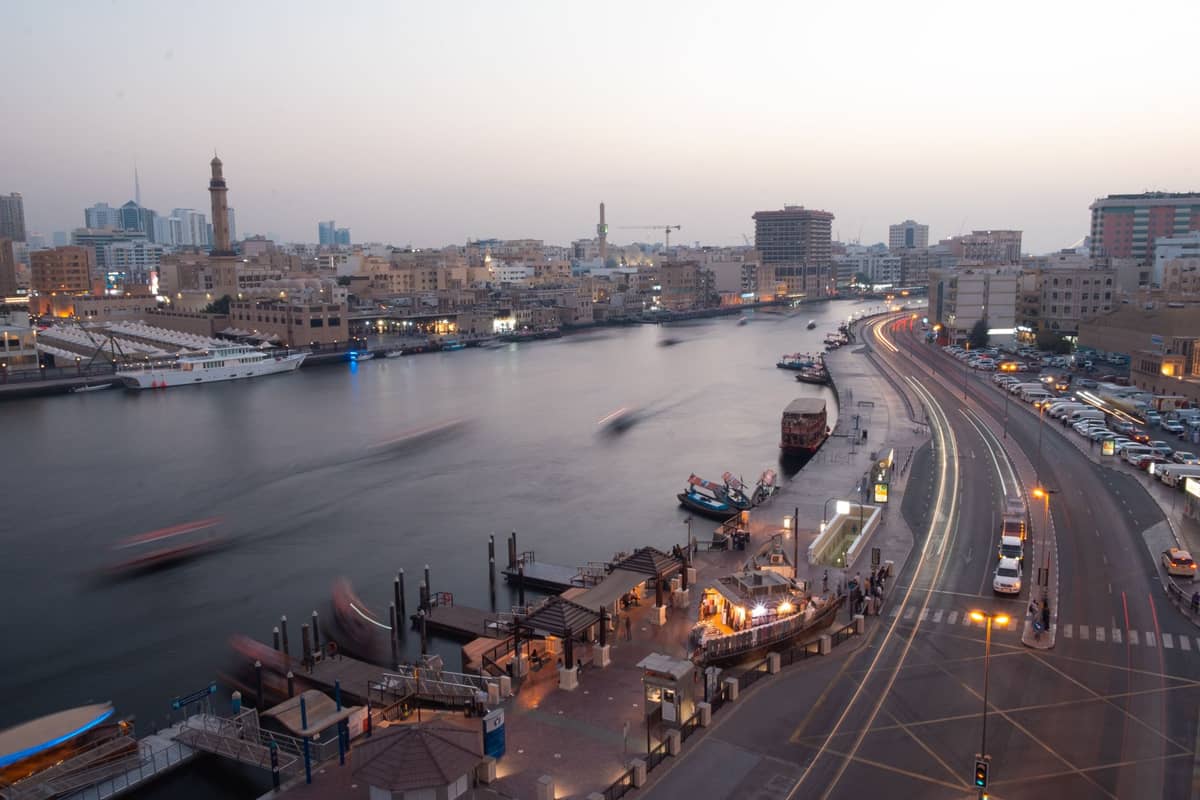
Old Dubai is not a single attraction or a neatly fenced heritage precinct. It is a living urban area spread across two historic districts on opposite banks of Dubai Creek: Bur Dubai to the south and Deira to the north. These two neighbourhoods formed the commercial and residential heart of the city long before the skyscrapers of Downtown or the artificial islands of the Palm existed.
Bur Dubai is where you find the Al Fahidi Historical Neighbourhood (also known historically as Bastakiya), the Shindagha heritage zone, the textile souk, and the original seat of Dubai's ruling family. Deira, across the water, is the trading powerhouse: the gold souk, the spice souk, the perfume souk, and a warren of streets that still feel closer to a 19th-century Gulf trading port than a 21st-century megacity. Together, they form what most residents and visitors mean when they say 'Old Dubai.'
ℹ️ Good to know
Dubai Creek (locally called 'Khor Dubai') is a natural saltwater inlet roughly 14 km long. It was the geographic reason Dubai existed as a trading settlement at all, providing a sheltered harbour for dhow traffic from across the Indian Ocean and Arabian Gulf.
Al Fahidi Historical Neighbourhood: The Lanes Worth Getting Lost In
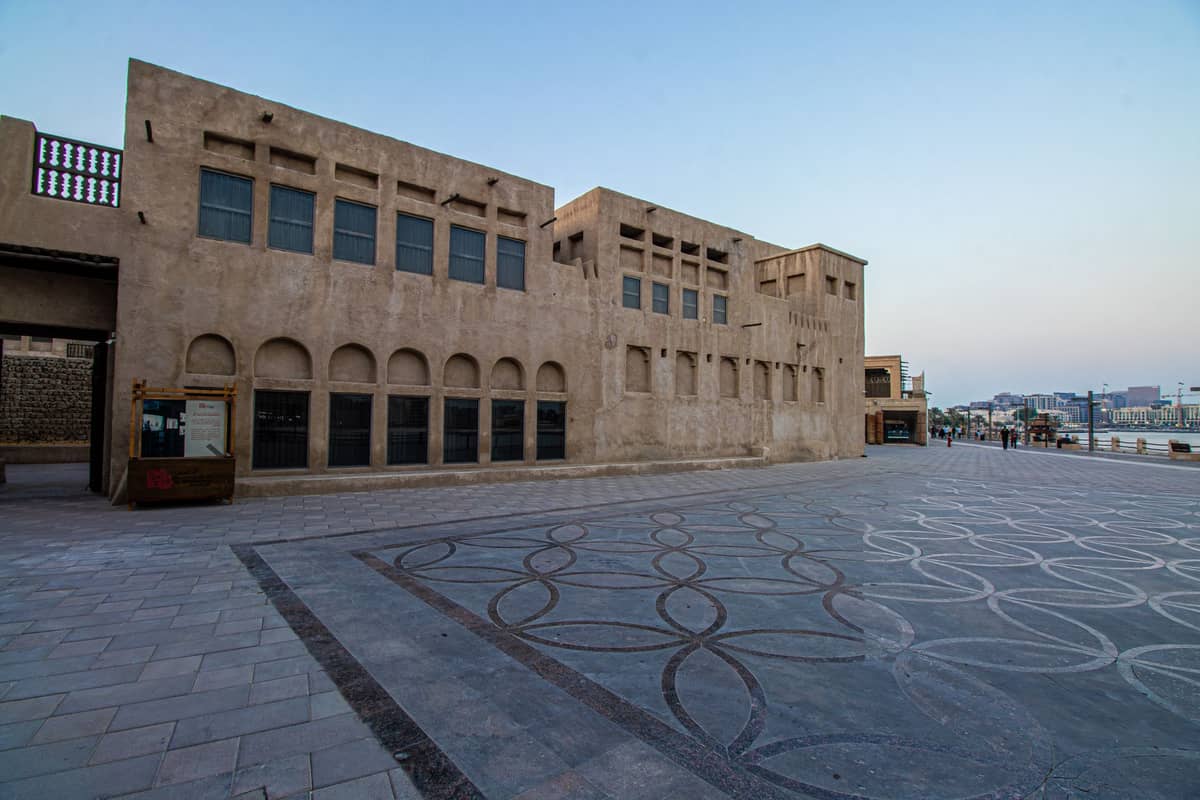
The Al Fahidi area is the best-preserved cluster of traditional Gulf architecture in Dubai, and one of the few places in the emirate where you can understand what the city looked like before oil changed everything. The neighbourhood is characterised by tall wind towers (barjeel), which functioned as passive air conditioning by catching prevailing breezes and directing cooler air down into rooms below. The buildings are made from coral stone and gypsum, a construction method typical of the region before imported materials became standard.
The neighbourhood operates daily from 07:00 to 20:00 and entry to the lanes is free. Within it you will find the Sheikh Mohammed Centre for Cultural Understanding, several small private galleries, and the XVA Gallery and Hotel, which occupies a restored courtyard building and doubles as one of the more atmospheric places in Dubai to have a coffee. The lanes are narrow, partly shaded, and genuinely pleasant to wander — but they are small. Most visitors cover the whole area in 90 minutes to two hours.
- Dubai Museum (Al Fahidi Fort) The city's oldest building, dating to around 1787, now houses exhibits on traditional Emirati life, the Creek's trading history, and Dubai's transformation. The fort remains closed for rehabilitation as of September 2026; confirm reopening on Dubai Culture channels before planning a visit.
- Sheikh Mohammed Centre for Cultural Understanding Runs 'Open Doors, Open Minds' cultural breakfasts and Arabic coffee sessions where you can ask local Emiratis direct questions about culture, religion, and daily life. Book ahead online — sessions fill up, especially in peak season.
- XVA Gallery A contemporary art gallery inside a restored heritage house, with a shaded courtyard café. One of the most pleasant spots in Old Dubai for a break between sightseeing.
- Al Seef Promenade A recently developed waterfront strip immediately adjacent to Al Fahidi, blending reconstructed heritage architecture with modern cafés and restaurants along the Creek edge. Good for an evening stroll.
💡 Local tip
Visit Al Fahidi on a weekday morning, ideally before 10am, to have the lanes largely to yourself. By midday on weekends, tour groups arrive in force and the narrow streets feel congested. The neighbourhood is also significantly more atmospheric in the soft morning light than in harsh midday sun.
The Abra: One Dirham, Two Worlds
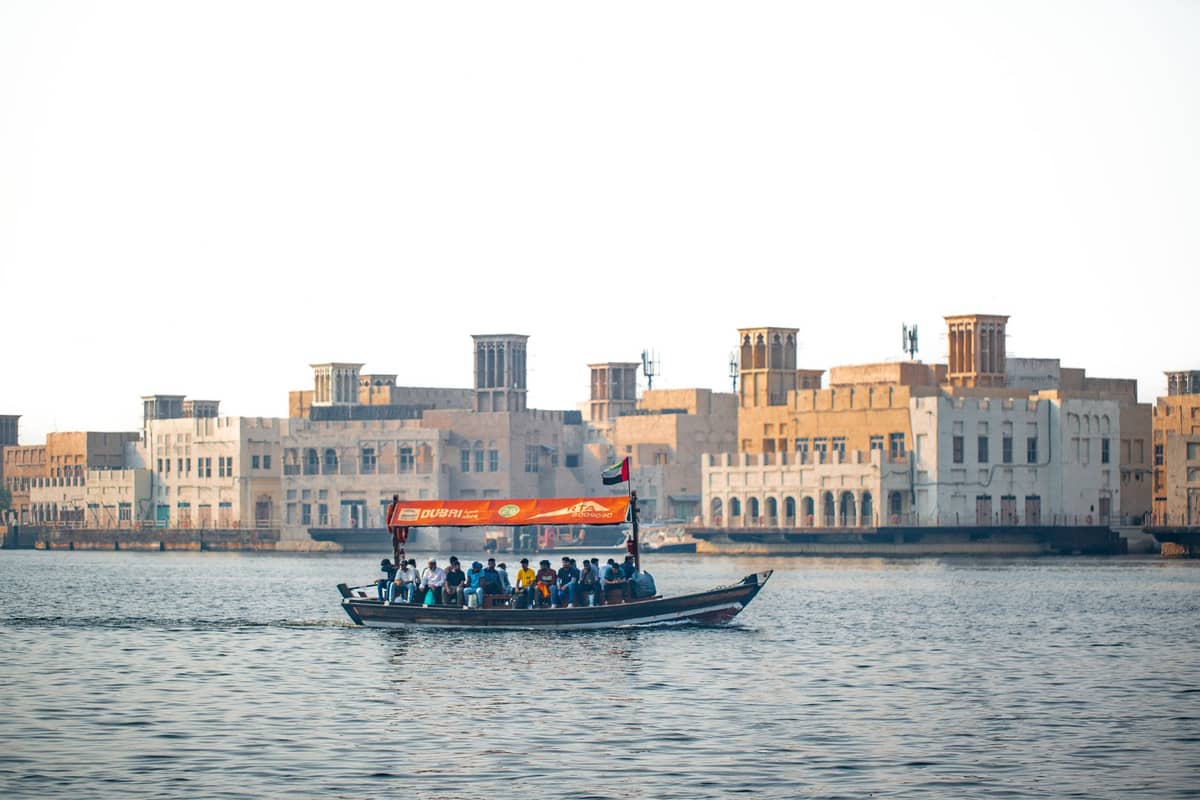
The wooden abra crossing between Bur Dubai and Deira is the most authentic travel experience in Dubai, and at AED 1 per person it is also one of the cheapest. These flat-bottomed motorboats have carried commuters, traders, and schoolchildren across the Creek for generations, and they still do: the boats are functional public transport, not a tourist showcase, even if visitors now make up a significant proportion of passengers.
The main heritage crossing runs between Bur Dubai Abra Station and Deira Old Souq Abra Station (route CR1). Pay AED 1 in cash directly to the boatman — nol cards are not accepted on these wooden boats. The crossing takes around five minutes and currently runs from early morning until around midnight every day, which still gives plenty of flexibility for late crossings. There is also a second crossing between Bur Dubai (near the textile souk) and the Spice Souk side in Deira. Both are equally cheap and equally atmospheric.
For those who want more time on the water, private abra charters are available from around AED 120 per hour, letting you cruise along the Creek at your own pace. If you visit during summer, the air-conditioned abras on selected commuter routes (AED 2 per person) offer the same scenic crossing with the addition of relief from the humidity. They run the same short Creek routes but with enclosed, cooled cabins.
⚠️ What to skip
Bring small cash for the abra. The boatmen do not carry change for large notes, and there are no card readers. AED 1 coins or a small note will make the transaction smooth. ATMs are available near both abra stations if needed.
Deira: Gold, Spices, and the Art of the Souk
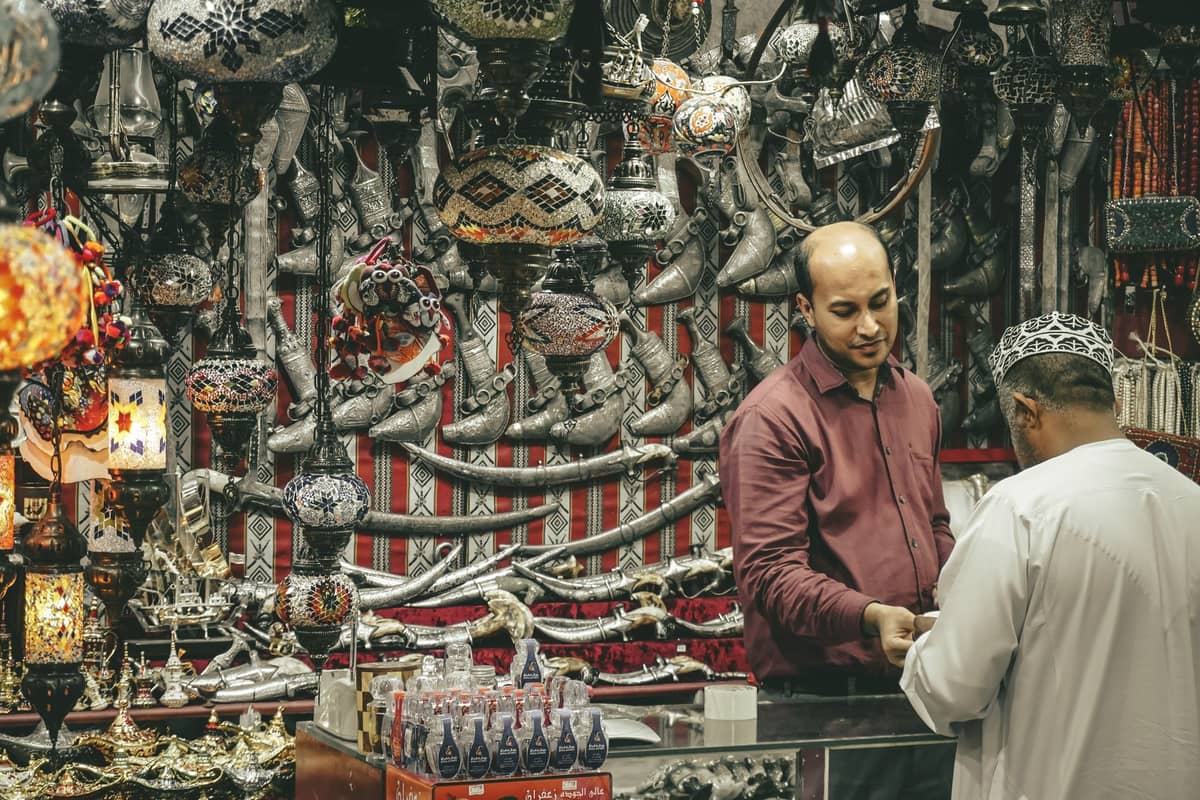
Deira's souks are grouped close together and best explored on foot in a single circuit. The Gold Souk is the largest in the world by some measures, with over 300 shops selling everything from simple gold chains to elaborate bridal sets encrusted with diamonds. Gold is sold by weight according to the daily international spot price, with a separate charge for craftsmanship, which means there is genuine room to negotiate on the making charge — but not on the metal price itself. If you are considering a significant purchase, do some homework on daily gold prices before you go.
A ten-minute walk from the Gold Souk brings you to the Spice Souk, where sacks of saffron, dried limes, frankincense, cardamom, and rose petals spill onto the narrow covered lanes. The smells alone are worth the trip. Prices here are generally reasonable, though the first quote to tourists is rarely the final price — be comfortable walking away if the number seems high. Nearby, the Perfume Souk sells traditional Arabic attars (pure oil-based perfumes) alongside international brands, and is worth a browse even if you are not buying.
- Souk hours vary by shop, but most open from around 09:30–13:00 and then reopen from 16:00–22:00. Friday openings are usually later in the day after prayers, so expect a quieter or largely closed period before mid-afternoon. Plan accordingly.
- The Gold Souk is covered by a wooden latticed roof that provides shade but not air conditioning. Summer visits should be kept short or timed for early morning.
- Bargaining is expected in the Spice and Textile Souks; the Gold Souk is more fixed on metal price but flexible on making charges.
- Deira's souks are busiest Thursday and Friday evenings, when the area takes on a genuine market atmosphere with street food vendors and crowds.
Shindagha and the Museum District
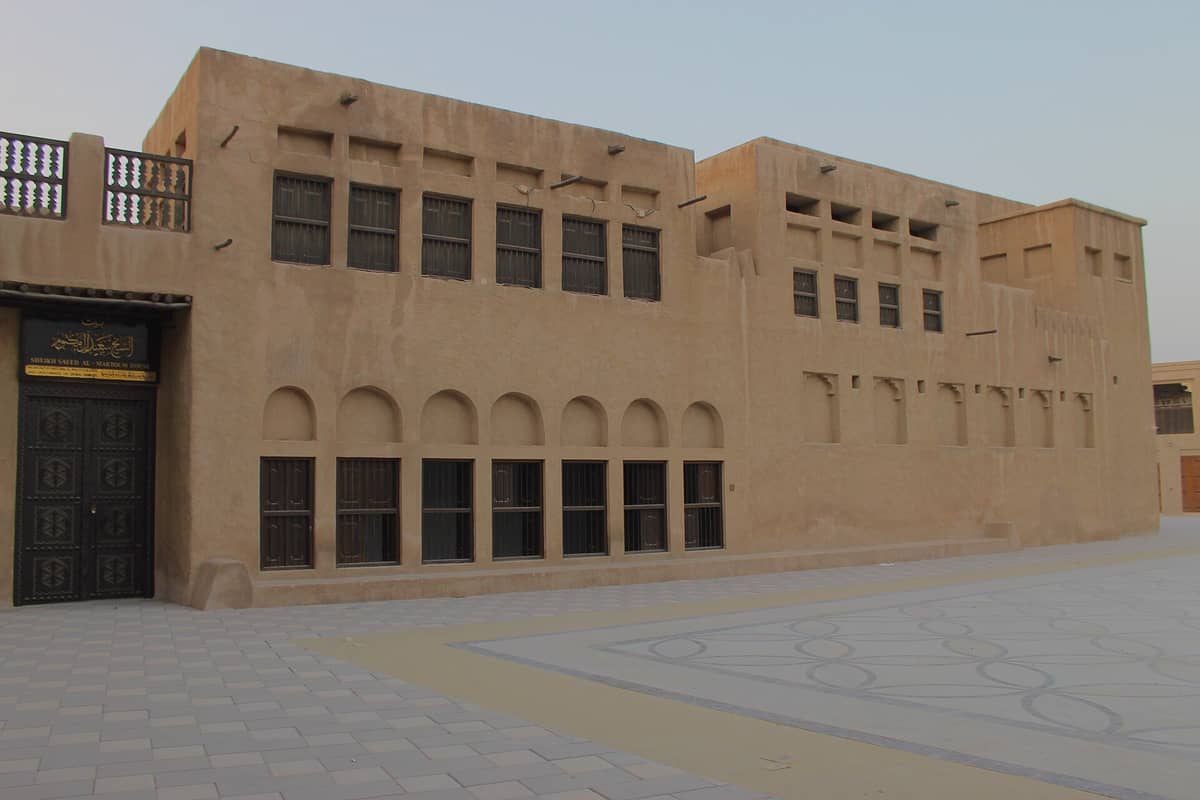
At the mouth of Dubai Creek where it meets the Gulf, the Shindagha Heritage District is one of the most ambitious heritage restoration projects Dubai has undertaken. The area contains the Sheikh Saeed Al Maktoum House (the former residence of Dubai's ruling family), the Al Shindagha Museum, and the Etihad Museum, which tells the story of the UAE's formation in 1971 through an architecturally striking building designed to resemble the rolled manuscript of the Union Declaration.
Museum hours in this area are typically around 10:00–20:00, with last ticket sales or entry usually at 19:00; they can vary seasonally and some facilities may have extended evening hours. Confirm current hours with Dubai Culture before visiting, particularly if you are planning to combine multiple museums in a single day. The Etihad Museum is worth at least an hour; the Sheikh Saeed Al Maktoum House is smaller but has a strong collection of historic photographs that give real context to how radically the city has changed in a single lifetime.
✨ Pro tip
The Shindagha area is a 15–20 minute walk from the Al Fahidi neighbourhood along the Creek waterfront, and the path itself — past working dhow yards where massive wooden cargo vessels are still built and repaired by hand — is one of the best free sights in Old Dubai. Do not skip it by taking a taxi between the two.
Planning Your Visit: Practical Logistics
Old Dubai is best reached by Dubai Metro to BurJuman station (Red or Green Line), from where Al Fahidi is a 10-15 minute walk. For Deira, Union station puts you close to the souks. Taxis and Careem/Uber drop-offs are straightforward, though traffic near the souks can be slow in the evenings. Full transport options from Dubai International Airport (DXB, around 15 km from the Creek area) are covered in the getting around Dubai guide.
Old Dubai is the most budget-friendly part of the city for eating. The streets around the textile souk and Deira souks are lined with South Asian and Arabic restaurants where a full meal costs AED 20-40 per person. For a more curated experience, the Al Seef waterfront has a range of cafés and restaurants with Creek views at mid-range prices. If you want to understand the food culture more broadly before visiting, the Dubai food guide covers Old Dubai's eating scene alongside the rest of the city.
Dress modestly in Old Dubai: covered shoulders and knees for both men and women are respectful and, in some heritage sites and mosques, required. The Jumeirah Mosque (a short taxi ride away in Jumeirah) offers guided public tours for non-Muslims, which is the best structured introduction to Islamic architecture and practice available in Dubai. In Old Dubai itself, the souks and streets are public and relaxed, but visible beach or gym wear would be out of place.
- Best season: October to March, with November and February the sweet spots for comfortable walking temperatures (around 24-28°C).
- Summer strategy: arrive at Al Fahidi by 8am, finish by 10:30am, then retreat to air conditioning and return to Deira at 7pm when temperatures drop.
- Half-day itinerary: Al Fahidi lanes and Dubai Museum (2 hrs), abra crossing (5 mins), Deira spice and gold souks (1.5 hrs).
- Full-day itinerary: Add a Shindagha walk in the morning (and the Etihad Museum in Jumeirah if you have extra time), then return for an evening souk circuit with dinner in Deira.
- Photography: The morning light in Al Fahidi's lanes is exceptional between 7-9am. The Gold Souk interior photos are allowed but ask before pointing a camera at specific traders.
FAQ
How much does the abra ride across Dubai Creek cost?
The heritage wooden abra crossing on route CR1 between Bur Dubai and Deira Old Souq costs AED 1 per person, paid in cash to the boatman. Nol cards are not accepted. Air-conditioned modern abras on selected Creek and canal commuter routes cost around AED 2. Private charter abras start from around AED 120 per hour.
How long should I spend in Old Dubai?
A rushed visit covering Al Fahidi and the main souks takes around 3-4 hours. A full day lets you properly explore Al Fahidi, the Shindagha museum district, both banks of the Creek, and the gold, spice, and textile souks without feeling pressed. Evening returns to the souks are worth it if you have a second day.
Is Old Dubai safe for tourists?
Old Dubai is very safe by any international standard. The souk areas and Creek waterfront are busy with locals and visitors at all hours. Standard precautions apply — keep an eye on your belongings in crowded souk lanes — but the area does not have a pickpocket problem comparable to tourist markets in many other cities.
What is the best time of day to visit Al Fahidi Historical Neighbourhood?
Early morning, between 7am and 10am, is ideal. The light is beautiful for photography, the lanes are quiet before tour groups arrive, and the temperature is manageable even in shoulder seasons. Avoid midday in any season as the lack of shade between the historic buildings and the surrounding open areas makes it uncomfortable.
Can you bargain in the Dubai souks?
Yes, in the Spice Souk, Textile Souk, and Perfume Souk, negotiating is expected and sellers price accordingly. The Gold Souk is different: gold is sold at the international spot price, which is fixed, but you can negotiate the 'making charge' (labour cost) on jewellery. Electronics and branded goods in Dubai generally do not involve bargaining.