What to Eat in Dubai: Emirati Food & Must-Try Dishes
Dubai's food scene goes far beyond hotel buffets and international chains. This guide breaks down the essential Emirati dishes, where to find them, what they cost, and how to eat like someone who actually knows the city.
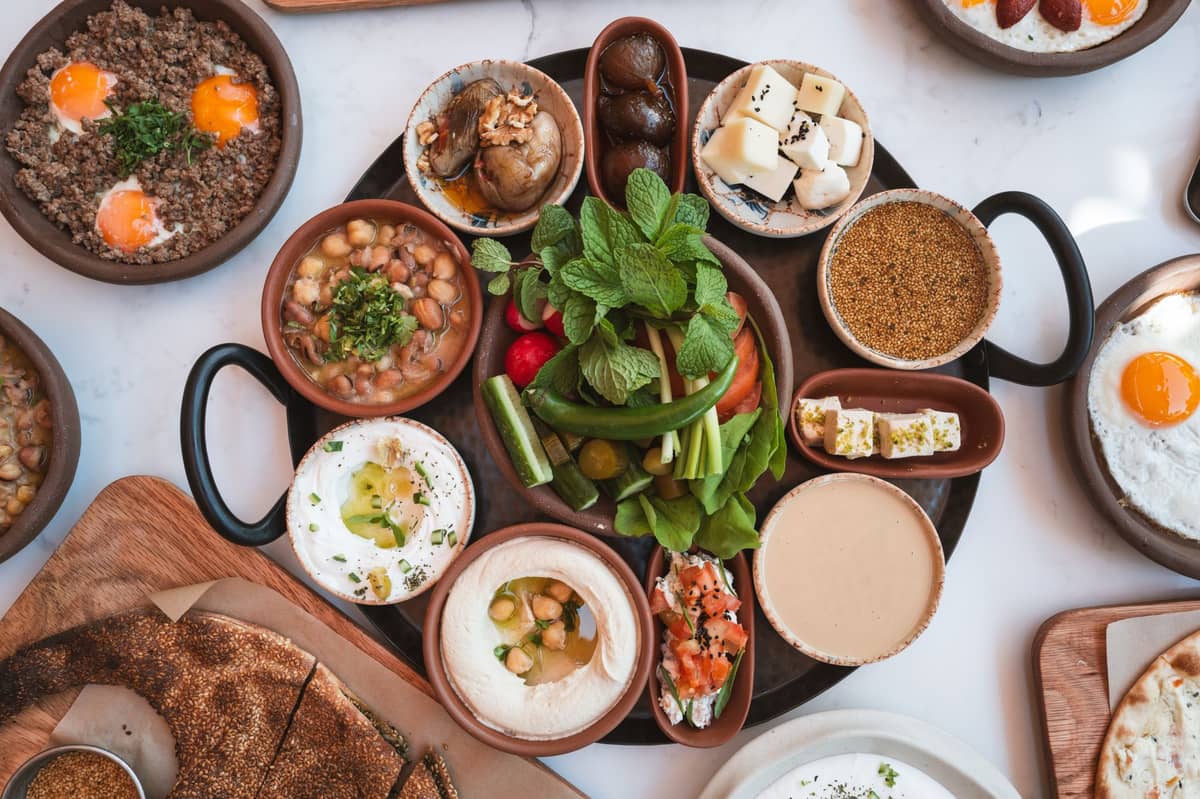
TL;DR
- Emirati cuisine is distinct from generic Middle Eastern food, shaped by Bedouin, coastal, and trading-port influences. Think spiced rice dishes, slow-cooked wheat porridge, and date-syrup dumplings.
- The national dish is machboos: spiced rice with lamb or chicken, dried limes, and aromatic spices. Most Emirati restaurants price it between AED 65 and 78.
- Dedicated Emirati restaurants exist across the city, from Al Fahidi to Dubai Festival City. You do not need a desert safari to eat traditional food.
- Ramadan dramatically changes what is available and when. Harees, thareed, and luqaimat appear on many iftar menus across the city.
- Budget around AED 80 to 120 per person for a full sit-down Emirati meal. See the Dubai on a budget guide for strategies on eating well without overspending.
What Makes Emirati Food Different
A persistent misconception is that Emirati food is just another variant of Levantine mezze. It is not. The cuisine developed from three distinct traditions: Bedouin desert cooking (reliant on dates, dried meat, and wheat), a coastal fishing culture (fresh and dried seafood, particularly along Dubai Creek), and centuries of Indian Ocean trade that brought turmeric, saffron, cardamom, and dried limes into everyday cooking. The result is something genuinely its own.
You will not find hummus and tabbouleh on an authentic Emirati menu. What you will find are slow-cooked one-pot dishes, bread made from simple doughs cooked on open flames, rice scented with loomi (dried black lime), and sweets built around dates and saffron. The flavours lean warm and aromatic rather than sharp or acidic.
ℹ️ Good to know
Emirati cuisine is halal by default. Pork is absent, and alcohol is never served in traditional Emirati restaurants, though it is available at licensed venues across the city. If you are looking for wine with dinner, stick to hotel restaurants or international venues instead.
The Essential Emirati Dishes to Know
These are the dishes worth seeking out. Some are everyday staples, others are seasonal or celebratory, but all of them represent something genuine about Emirati food culture.
- Machboos (or Kabsa) The closest thing to a national dish. Spiced rice cooked with lamb or chicken, dried limes (loomi), onions, tomatoes, and a blend of warm spices. The meat sits on top of the rice, which absorbs all the cooking liquid. Lamb machboos is richer; chicken machboos is lighter. Expect to pay around AED 65 to 78 at a dedicated Emirati restaurant.
- Harees A slow-cooked porridge of wheat and meat, usually lamb, cooked until it breaks down into a smooth, thick consistency. It sounds plain but the flavour is deep and satisfying. This is comfort food, and it is especially prevalent during Ramadan and Eid. Typically priced around AED 45.
- Thareed Often described as the Emirati version of a bread stew. Lamb or chicken is cooked in a spiced broth and poured over thin, flatbread-like pieces called rigag, which soak up the sauce. Regarded by some as one of the Prophet Muhammad's favourite foods, it has genuine cultural significance.
- Balaleet The most distinctive Emirati breakfast dish. Sweet saffron vermicelli topped with a thin savoury omelette. The sweet-savoury combination surprises most visitors, but it works. At Arabian Tea House in Al Fahidi, balaleet is around AED 30 to 36. Order it for breakfast or brunch, not dinner.
- Luqaimat Small fried dough balls drizzled with date syrup and sometimes sesame seeds. Light, crisp on the outside, soft inside. They are sold from street stalls and appear on almost every Emirati restaurant dessert menu. Around AED 28 for a portion of 12. Do not skip these.
- Rgag (Rigag) Paper-thin crispy flatbread cooked on a circular iron griddle. It can be eaten plain, with honey and cream cheese, or used as the base in thareed. A traditional Emirati breakfast will often include rgag alongside eggs, honey, and cream.
- Chebab Emirati pancakes flavoured with saffron, cardamom, and dried rose water. Slightly sweet, served for breakfast with cheese and date syrup. Part of a full Emirati breakfast plate, which costs around AED 85 at heritage cafés.
- Khameer A soft, slightly sweet bread made with yeast and sometimes flavoured with saffron or turmeric. Served for breakfast with cheese, jam, or honey. Less dramatic than machboos but an honest daily staple worth trying.
💡 Local tip
Order balaleet and chebab for breakfast rather than dinner. Most Emirati restaurants in Dubai serve breakfast from around 7am and some stop serving breakfast items by midday. Arrive early at heritage cafés like Arabian Tea House, particularly on weekends, as tables fill quickly after 9am.
Where to Eat Emirati Food in Dubai
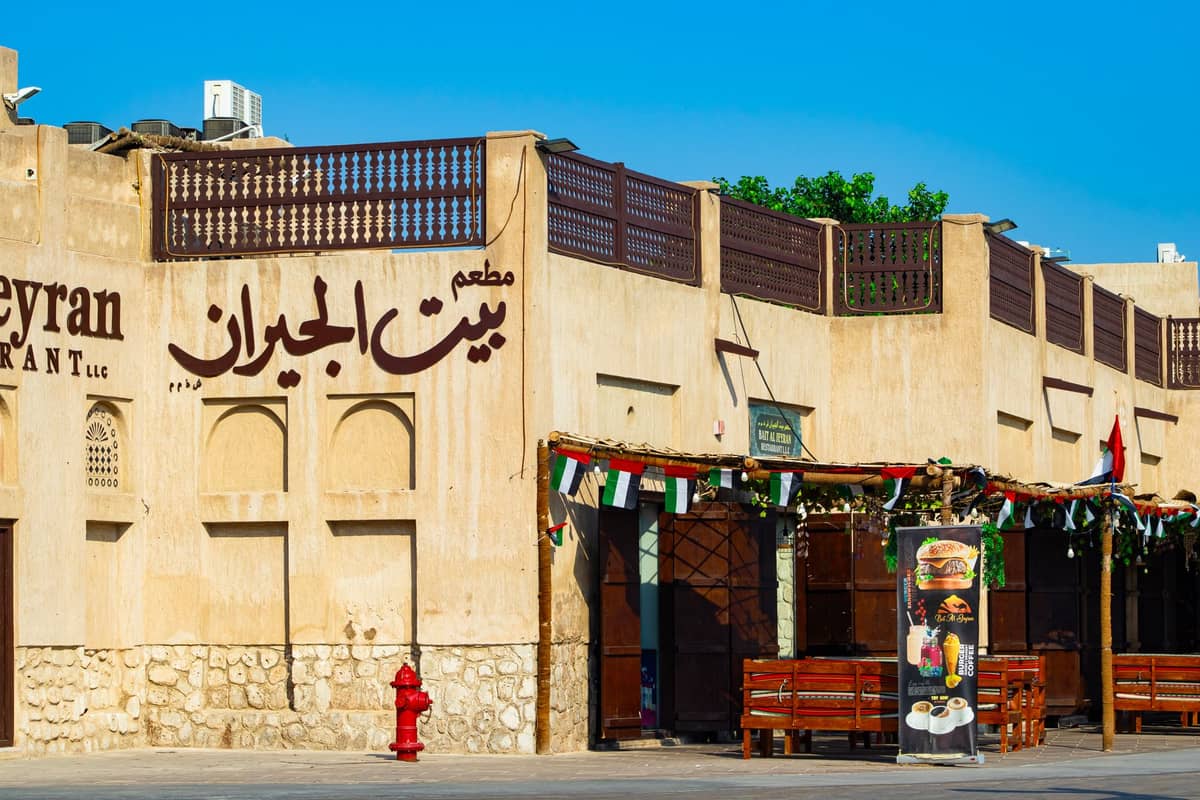
The idea that you need a desert safari to eat traditional Emirati food is simply wrong. Several dedicated restaurants across the city serve authentic Emirati cuisine for all three meals. The most established is Al Fanar Restaurant, with branches at Dubai Festival City and elsewhere. Their chicken machboos costs around AED 65 and the prawn machboos around AED 78. It is reliable, the setting recreates a 1960s UAE townhouse, and the menu covers all the classics. For something less polished but arguably more atmospheric, Al Fahidi is the neighbourhood to explore.
Arabian Tea House in the Al Fahidi Historical Neighbourhood is the most-visited option for Emirati breakfast. It sits in a renovated courtyard building and serves balaleet, rgag, khameer, and fresh juices at reasonable prices. The courtyard fills up fast on weekend mornings. The Al Fahidi Fort and the surrounding heritage district make this a logical combination: walk the old neighbourhood, then stop for breakfast. Come before 9am on Fridays and Saturdays to avoid queuing.
For a more upscale approach, DIFC and Downtown Dubai have modern Emirati-influenced restaurants where chefs reinterpret traditional dishes with contemporary technique. These are not the same experience as sitting in a heritage courtyard, but the food quality is often higher and booking is easier. Expect to pay AED 100 to 160 per person for a full meal at this level.
- Al Fanar Restaurant and Café (Dubai Festival City, Yas Mall, other branches): the most consistent all-rounder for Emirati classics
- Arabian Tea House (Al Fahidi): best for breakfast and morning visitors to the heritage district
- Sheikh Mohammed Centre for Cultural Understanding (SMCCU, Jumeirah Mosque): cultural meals with guided context, book in advance
- Logma (various locations including Boxpark): modern Emirati fast-casual with wraps, juices, and updated versions of classics
- Local House Restaurant (Al Fahidi): good for lunch and dinner, traditional setting, popular with tour groups so book ahead
⚠️ What to skip
Desert safari dinners do serve machboos and grilled meats, but these are usually large-scale buffet operations designed for groups of tourists. The food is rarely bad, but it is not the same as eating at a dedicated Emirati restaurant. If authentic flavour is your priority, eat in the city and treat the safari as the experience it is: dunes, not dining.
Eating in Dubai During Ramadan
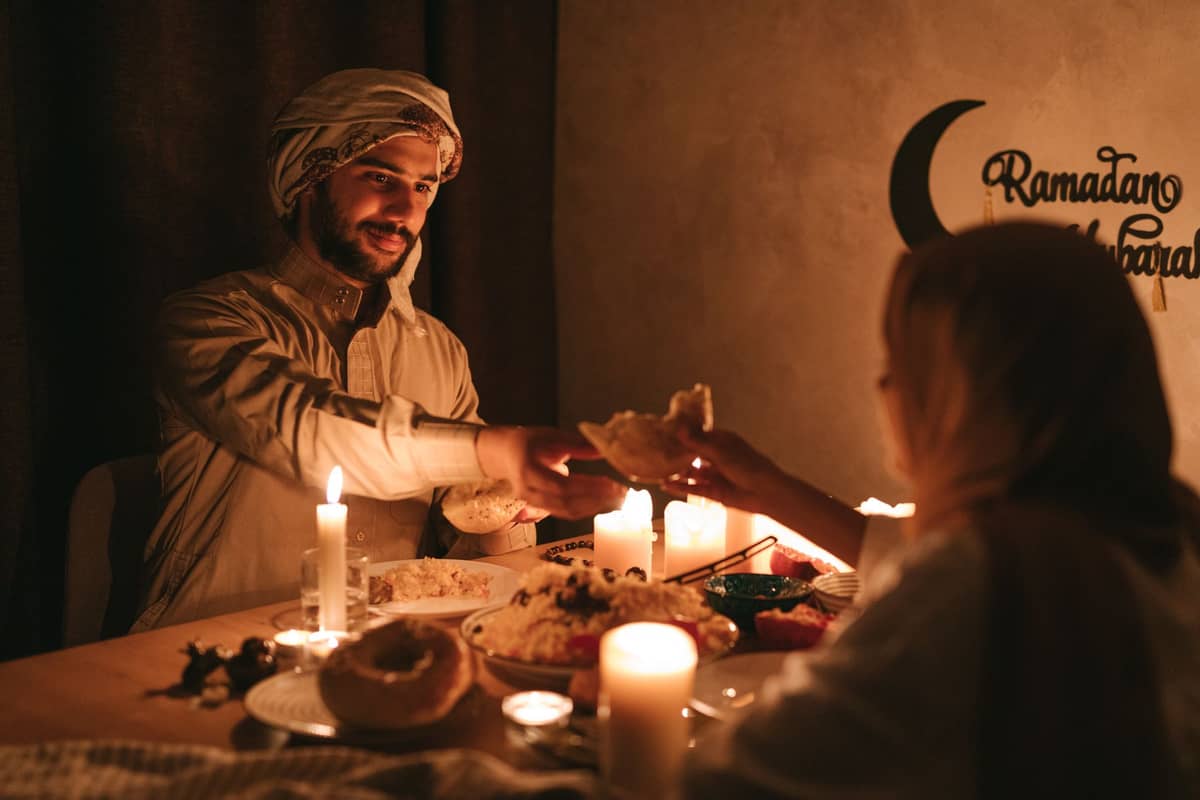
Ramadan changes Dubai's food culture significantly. During daylight hours, eating, drinking, and smoking in public is restricted for everyone, including non-Muslims. Most restaurants close during the day or operate behind screens, and some stop service entirely until iftar (the evening meal that breaks the fast). The Ramadan in Dubai guide covers the full picture, but here is the food-specific version.
Iftar is when the city comes alive. Hotels, traditional restaurants, and pop-up tent venues across Dubai run elaborate iftar buffets from around sunset. Harees, thareed, and luqaimat are on almost every traditional iftar spread. Hotels often charge roughly AED 190 to 330 per person for an iftar buffet, with cheaper set menus also available at some venues. Heritage restaurants like Al Fanar run special Ramadan menus. Suhoor, the pre-dawn meal, keeps restaurants open very late into the night, sometimes until 3am or 4am.
Outside Ramadan, Emirati food is available year-round without restriction. The best time to visit Dubai for outdoor dining and market food is November through March, when temperatures are comfortable enough to sit outside in the evening. Dubai’s major food festivals often fall in February, but exact dates vary every year; check current-year dates before planning around any specific event as the schedule shifts annually.
Drinks, Sweets, and Snacks Worth Knowing
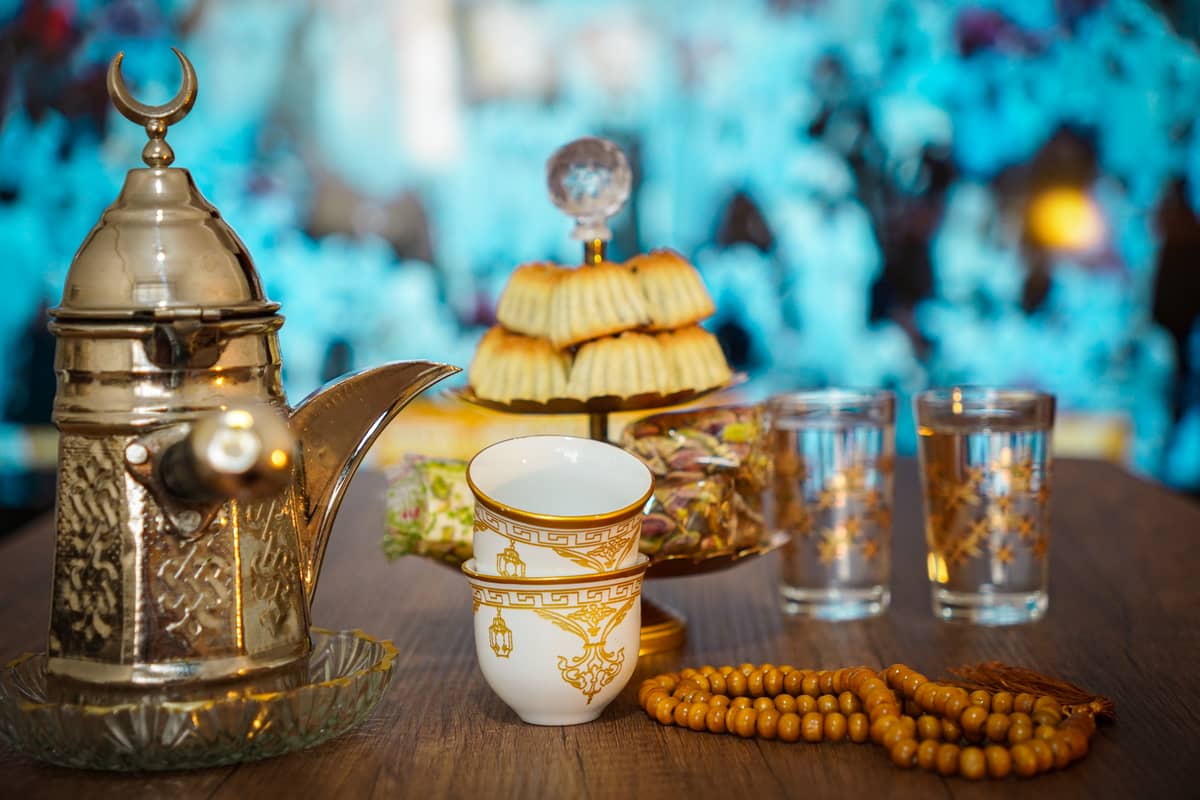
Arabic coffee, known as gahwa, is served at the start of most traditional Emirati meals and at every cultural occasion. It is lightly roasted, flavoured with cardamom and sometimes saffron or rosewater, and served in small handleless cups called finjan. It is deliberately unsweetened. Dates are served alongside it, which is not merely decorative: the sweetness of the date balances the bitterness of the coffee. Refusing gahwa is mildly impolite in a traditional setting; accepting and drinking one small cup is the right move.
For sweets beyond luqaimat, look for khabeesa (a sweet made from flour, saffron, and sugar), date-filled cookies called maamoul around Eid, and om ali, an Egyptian bread pudding that appears on many Emirati menus due to the regional culinary overlap. Fresh camel milk is sold at a handful of specialist cafés and some market stalls at Global Village during its season (typically October to April). It is worth trying once: thinner than cow milk, slightly salty, with a faintly sweet finish.
Practical Tips Before You Eat
Dubai's food scene extends well beyond Emirati cuisine. The city has one of the most diverse restaurant landscapes in the world, with South Asian, Levantine, East African, East Asian, and European food all widely available at every price point. If you want to explore beyond Emirati dishes, the things to do in Dubai guide covers eating alongside the rest of the city's major experiences.
A few practical notes on eating in Dubai: tipping is not mandatory but roughly 10% is standard at sit-down restaurants if service is not already included in the bill. Many restaurants, particularly in malls and hotels, add a 10% service charge automatically, so check before you tip twice. Payment by card is universally accepted. Prices are listed in UAE dirhams (AED); the exchange rate to USD is fixed at about 3.6725 AED per dollar.
Dress modestly when visiting heritage restaurants in older neighbourhoods like Al Fahidi. Covered shoulders and knees are the respectful baseline, and you will see signs to this effect near the Jumeirah Mosque and other cultural sites nearby. At hotel restaurants and upscale venues, standard smart-casual dress is fine. The broader rules on what to wear are laid out in the Dubai outfits guide.
FAQ
What is the most famous Emirati food?
Machboos is the most recognised Emirati dish: spiced rice cooked with lamb or chicken, dried limes, and aromatic spices. It is widely regarded as the national dish of the UAE and appears on the menu at every dedicated Emirati restaurant in Dubai.
Where can I eat traditional Emirati food in Dubai?
Al Fanar Restaurant (Dubai Festival City) is the most well-known option. Arabian Tea House in Al Fahidi is the best choice for breakfast. The Sheikh Mohammed Centre for Cultural Understanding in Jumeirah offers guided cultural meals with context. For something more casual and modern, Logma has branches across the city.
Is Emirati food spicy?
Emirati food is aromatic and warmly spiced rather than hot. Dishes use cardamom, turmeric, saffron, cumin, coriander, and dried lime, but chilli heat is not a defining feature. Most dishes are accessible to people who are sensitive to spice.
How much does it cost to eat at an Emirati restaurant in Dubai?
A main dish like machboos costs around AED 65 to 78. A full Emirati breakfast plate with rgag, balaleet, chebab, honey, and cream is around AED 85. Budget roughly AED 80 to 120 per person for a full sit-down meal including a soft drink, or less if you order selectively.
Can you eat Emirati food during Ramadan in Dubai?
Yes. Ramadan is actually one of the best times to try traditional Emirati dishes. Harees, thareed, and luqaimat feature prominently on iftar menus at heritage restaurants and hotel buffets. Eating in public during daylight hours is restricted, but after sunset the city's food options expand significantly.