Dubai on a Budget: How to Visit Without Overspending
Dubai has a reputation for excess, but the city is far more accessible than most people expect. This guide breaks down exactly how to keep costs low — from navigating public transport with a Nol card to filling your days with genuinely great free experiences.
TL;DR
- A Silver Nol card (AED 25 to buy, includes AED 19 credit) gives you access to the metro, tram, buses, and some marine routes — the single most important budget tool in Dubai.
- Free attractions are plentiful: the Dubai Fountain shows, public beaches like Kite Beach, and the entire Al Fahidi heritage district cost nothing to enjoy.
- Shoulder months — late October and April — offer the best balance of tolerable weather and lower hotel prices.
- Budget travelers should avoid taxi and ride-hailing for daily transport; metro fares run AED 3-7.50 per trip, versus AED 50-90 for a taxi across town.
- For a full overview of what to do once you arrive, see our complete Dubai things-to-do guide.
The Real Cost of Visiting Dubai
Dubai does not have to be expensive. The city's reputation for luxury is real, but it coexists with an extensive public transport system, dozens of free attractions, and a restaurant scene that ranges from AED 10 shawarmas to AED 500 tasting menus. The currency is the UAE dirham (AED) — approximately 3.67 AED to 1 USD, though you should verify current exchange rates before traveling.
The biggest costs to manage are accommodation, transport, and ticketed attractions. Food can be kept very affordable if you eat where the city's large South Asian expatriate community eats: diner-style restaurants in Deira and Bur Dubai serve full meals for AED 15-35. The expensive mistakes most tourists make are taking taxis everywhere, booking hotels in Downtown or Dubai Marina without comparing alternatives, and paying full price for attractions that offer early-booking discounts or combo deals.
ℹ️ Good to know
Dubai's currency is the UAE dirham (AED), pegged at 3.67 AED to 1 USD. All prices in this guide are in AED. Verify transport fares with the RTA before travel, as they are updated periodically.
Getting Around Cheaply: Master the Nol Card
The single most effective budget move in Dubai is buying a Silver Nol card as soon as you land. It costs AED 25 total, of which AED 19 is usable travel credit. You can reload it at any metro station and use it across the metro, tram, most RTA buses, and some marine transit routes including the Dubai Ferry.
- Metro single trip AED 3 for 1 zone, AED 5 for 2 zones, AED 7.50 for 3+ zones — covers the vast majority of tourist destinations.
- 7-day unlimited pass AED 50 (1 zone), AED 80 (2 zones), or AED 110 (all zones) — worth it if you plan more than 3-4 metro trips per day for a week.
- Day pass Around AED 20 for unlimited metro and bus use on a single day — ideal for intensive sightseeing days.
- RTA Bus from airport Routes like X22 and C13 connect Dubai International Airport (DXB) to the city for AED 3-8, taking 40-60 minutes depending on traffic.
- Abra (water taxi) Traditional wooden boats cross Dubai Creek between Deira and Bur Dubai for around AED 1-2 per person — one of the best-value experiences in the city.
A typical sightseeing day using the metro and bus costs well under AED 30 per person in transport. Compare that to a single taxi ride from Dubai Marina to Downtown, which can easily cost AED 50-70 depending on traffic. For a family of four, the math is significant. Careem and Uber are convenient but should be reserved for late-night trips or routes the metro does not cover well, not as a daily habit.
💡 Local tip
Get to Dubai International Airport (DXB, Red Line) by metro rather than taxi. The fare is roughly AED 5-7.50 depending on your destination, and the journey takes about 20-30 minutes including waiting time to central stations like BurJuman or Union. Airport taxis have a AED 25 flagfall surcharge and typically cost AED 50-90 to central Dubai.
Free and Low-Cost Attractions Worth Your Time
The misconception that Dubai has nothing free to offer is simply wrong. Between waterfront promenades, heritage districts, wildlife sanctuaries, and nightly fountain shows, a traveler who plans ahead can fill two to three days without spending anything on entry fees. The full list of free activities in Dubai is longer than most people expect.
- Dubai Fountain Shows run every 30 minutes from around 18:00 to 23:00 daily. Watch from the Dubai Mall waterfront boardwalk for free — no ticket required.
- Al Fahidi Historical District Dubai's oldest surviving neighborhood has free outdoor access. Wind-tower architecture, narrow lanes, and the nearby XVA Gallery make for a genuinely rewarding half-day.
- Kite Beach and JBR Beach Both are public, free to access, and well-maintained with showers and facilities. Kite Beach also has free fitness equipment and a running track.
- Ras Al Khor Wildlife Sanctuary Free entry to the viewing platforms where you can watch flamingos in an urban wetland — one of Dubai's more surprising experiences.
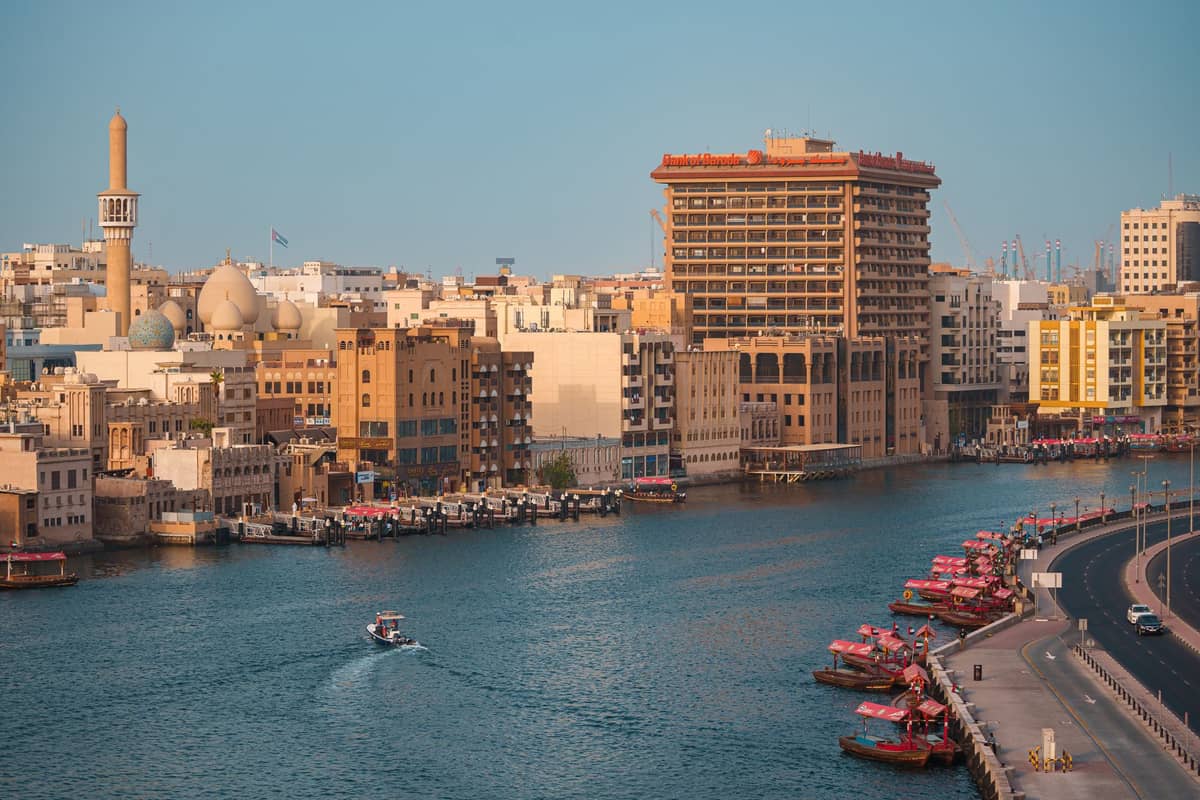
- Dubai Creek by abra The AED 1-2 creek crossing is both practical transport and a genuine glimpse into how the city functioned before the skyscrapers arrived.
- Marina Walk and The Walk at JBR Both promenades are free to walk. The marina is especially good in the evening when the lighting and water reflections are at their best.
For families, the Ras Al Khor Wildlife Sanctuary and the Dubai Creek waterfront area around Al Seef offer genuinely engaging outings at very low cost. Al Seef has a heritage promenade, waterfront cafes, and a re-created old souk feel without a single ticket barrier.
When to Visit for the Best Budget Value
Timing matters more in Dubai than in most cities because the climate swings between highly pleasant and genuinely uncomfortable within the same year. The best months to visit Dubai from a comfort perspective are November through March, when daytime highs sit between 24 and 31°C and outdoor walking is enjoyable. However, this is also peak season, when hotel prices are at their highest.
The sweet spot for budget travelers is late October and early April. Temperatures have either just dropped or are still tolerable (roughly 30-34°C), crowds are thinner than peak season, and hotels are noticeably cheaper. November is excellent all-around but expect higher prices as the tourist season fully kicks in. Avoid June through September if you care about outdoor experiences — temperatures regularly exceed 40°C, and spending the day outdoors is simply not practical.
During Ramadan, typically falling in spring based on the Islamic lunar calendar, many restaurants close during daylight hours and entertainment is reduced. Prices can drop significantly, and the city has a distinct atmosphere that some travelers find fascinating. It is not the easiest time to visit as a food-focused tourist, but it is one of the cheaper ones.
⚠️ What to skip
The Dubai Shopping Festival (usually January-February) and New Year's Eve both draw large crowds and spike hotel prices significantly. If budget is your priority, these are the periods to avoid — or book accommodation several months in advance to lock in lower rates.
Eating Well Without Overspending

Dubai's food scene is genuinely diverse, and the cheapest options are often the best. The neighborhoods of Deira and Bur Dubai are where the city's large South Asian and Middle Eastern expat communities eat, and the restaurants here serve full meals for AED 15-35. A shawarma from a street-side counter costs AED 7-12 and is genuinely good.
Grocery shopping at Carrefour, Lulu Hypermarket, or Spinneys gives you access to cheap fresh produce, bread, cheese, and prepared foods. If you are staying in a serviced apartment or hotel with a kitchenette, even a few self-catered breakfasts per week add up to meaningful savings. Dubai Mall food court and Ibn Battuta Mall both have budget-friendly counters alongside premium restaurants — the food courts in particular are often overlooked by tourists who assume everything in a mall is expensive.
- Shawarma and falafel wraps: AED 7-15 at countless independent counters across Deira and Bur Dubai
- Full South Asian set meal (rice, curry, bread): AED 15-35 at restaurants around Al Rigga and Karama
- Food court meals at major malls: AED 25-50 for a full meal
- Coffee at a local cafe versus a hotel or branded chain: AED 8-12 vs AED 25-40
- Bottled water (1.5L) from a supermarket: AED 1-2 — buy in bulk rather than paying AED 8-15 at tourist spots
Paid Attractions: When to Splurge, When to Skip

Not every paid attraction in Dubai is worth it. The Burj Khalifa observation deck (At the Top, levels 124-125) costs around AED 149-189 if booked in advance online, significantly less than the AED 300-400 walk-up price. Book at least a few days ahead. The Dubai Frame offers views of both old and new Dubai for around AED 50, making it better value per dirham than Burj Khalifa for view-seekers on a budget.
The Dubai Aquarium inside Dubai Mall has a free viewing panel visible from the mall floor — a perfectly decent experience if you do not want to pay for the full ticket. Similarly, the desert safari is worth budgeting for as a once-per-trip experience, but prices vary widely — shared group safaris booked through reputable operators run AED 150-250 per person, while private tours can cost several times more. Avoid tour desks in hotel lobbies, which typically charge a significant markup.
The Museum of the Future is visually spectacular but at AED 149 per person, it is a premium experience primarily about the design and immersive installations rather than traditional exhibits. Worth it if that appeals to you; easy to skip if your budget is tight. Global Village, open seasonally from roughly October to April, costs around AED 25-30 entry and offers hours of food, entertainment, and cultural pavilions for minimal spend — one of the best-value paid experiences in the city.
FAQ
Is Dubai actually affordable for budget travelers?
Yes, more than its reputation suggests. If you use public transport (metro and bus with a Silver Nol card), stick to beaches and heritage areas for sightseeing, and eat at local restaurants in Deira or Bur Dubai, a daily budget of AED 150-250 per person excluding accommodation is realistic. The expensive version of Dubai is real but entirely optional.
What is the cheapest way to get from Dubai airport to the city?
The Dubai Metro Red Line connects both Terminal 1 and Terminal 3 at Dubai International Airport (DXB) to central stations like BurJuman and Union for around AED 5-7.50 per person, taking about 20-30 minutes including waiting time. RTA buses are slightly cheaper (AED 3-8) but take 40-60 minutes. Taxis cost AED 50-90 to Downtown depending on traffic and a mandatory AED 25 airport surcharge.
What are the best free things to do in Dubai?
Dubai Fountain shows (free from the boardwalk, running 18:00-23:00 daily), Al Fahidi Historical District, Kite Beach, JBR Beach, Ras Al Khor Wildlife Sanctuary, the Marina Walk, and the creek crossing by abra (AED 1-2) are all worth visiting. A well-planned day focused on free attractions can cost under AED 50 per person including transport.
When is the cheapest time to visit Dubai?
Summer (June-September) has the lowest hotel prices, but temperatures exceed 40°C and outdoor activities are impractical. The best budget-friendly option with decent weather is late October or early April — the shoulder seasons when prices dip and outdoor sightseeing is still feasible. Avoid New Year's Eve and the Dubai Shopping Festival period if budget is a priority.
Is a Nol card worth buying for a short visit?
Yes, almost certainly. The Silver Nol card costs AED 25 (including AED 19 in credit) and reduces every metro journey to AED 3-7.50 versus roughly AED 50-90 by taxi. If you take even two or three metro trips during a weekend visit, you will recover the card cost. For stays of a week or more, the 7-day unlimited pass (AED 50-110 depending on zones) is worth calculating against your expected travel pattern.