Best Things to Do in Dubai: The Definitive 2026 Guide
Dubai rewards visitors who know where to look. This guide cuts through the hype to cover the best things to do in Dubai across every budget and interest, with real prices, seasonal advice, and honest takes on what's worth your time.
TL;DR
- Visit November to March for outdoor activities. Daytime highs of 24–31°C make beaches, desert safaris, and walking tours actually enjoyable. Summer is brutal outdoors but fine for indoor attractions.
- The Burj Khalifa observation deck starts from AED 149, the Museum of the Future from around AED 149–169. Book both online in advance to avoid same-day price hikes.
- Several of Dubai's best beaches, including Kite Beach and Marina Beach, are completely free. You don't need a hotel pool or a beach club to enjoy the Gulf. See our Dubai beaches guide for the full breakdown.
- The Dubai Metro (Red Line) gets you to Downtown, the airport, and Dubai Marina cheaply. A Silver Nol card costs AED 25 including credit, and fares run AED 3–7.50 per trip.
- Dubai has a serious historic side in Deira and Bur Dubai that most package tourists miss entirely. The Gold Souk, Spice Souk, and Al Fahidi district are free and far more atmospheric than any mall.
Iconic Landmarks Worth the Hype
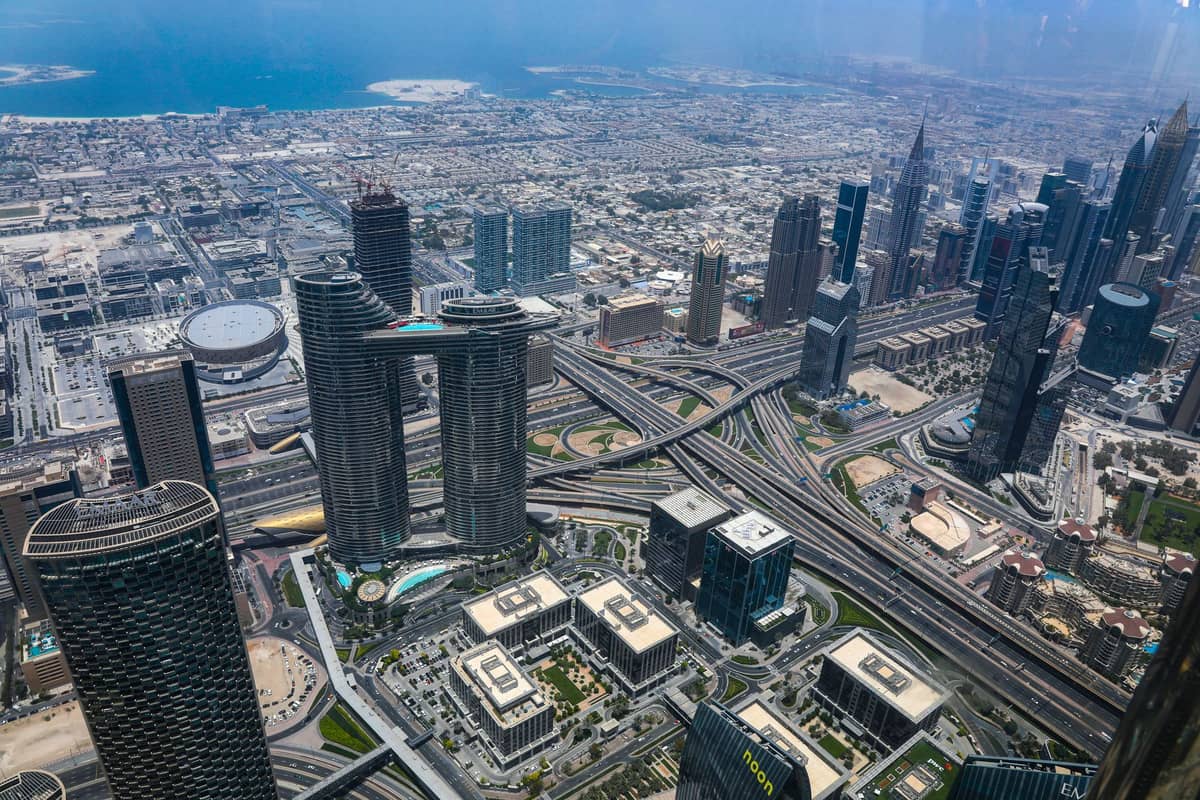
The Burj Khalifa is the obvious starting point, and for once the obvious choice is justified. At 828 metres, it remains the tallest building on earth, and the view from the "At The Top" observation decks at Levels 124 and 125 is genuinely unlike anything else in the region. Standard advance tickets start from around AED 149–169. Book early, especially for the 30-minute window around sunset, which sells out days in advance. If you're going at midday in July, consider skipping it. The haze and heat shimmer reduce visibility significantly, and the experience is better suited to the golden hours.
The Museum of the Future on Sheikh Zayed Road is one of the most architecturally striking buildings in the world and the interior matches it. Opened in 2022, it's less a traditional museum and more an immersive experience exploring climate, space, and technology futures. Standard adult tickets run AED 149–169, and it opens daily from around 10:00 to 21:00, with last admission typically by 19:00. Children under 3 usually enter free, and people of determination and one caregiver receive complimentary access. Book through the official museumofthefuture.ae site for the most accurate availability.
Just below the Burj Khalifa, the Dubai Fountain runs free shows every evening from around 18:00, with performances every 30 minutes. It's set on the Burj Lake and choreographed to Arabic, Hindi, and Western music. This is one of the genuinely free things to do in Dubai that delivers at any budget level. Combine it with a walk around Dubai Mall, the largest shopping mall in Dubai by total area, which also contains a full-scale aquarium, an Olympic-size ice rink, and a dinosaur skeleton in the atrium.
✨ Pro tip
At the Dubai Fountain, the boardwalk gets extremely crowded on Friday and Saturday evenings. Arrive 20 minutes early and position yourself on the southern end of the promenade near the Souk Al Bahar bridge for an unobstructed view without the elbow-to-elbow crowd.
Old Dubai: The City Before the Skyscrapers
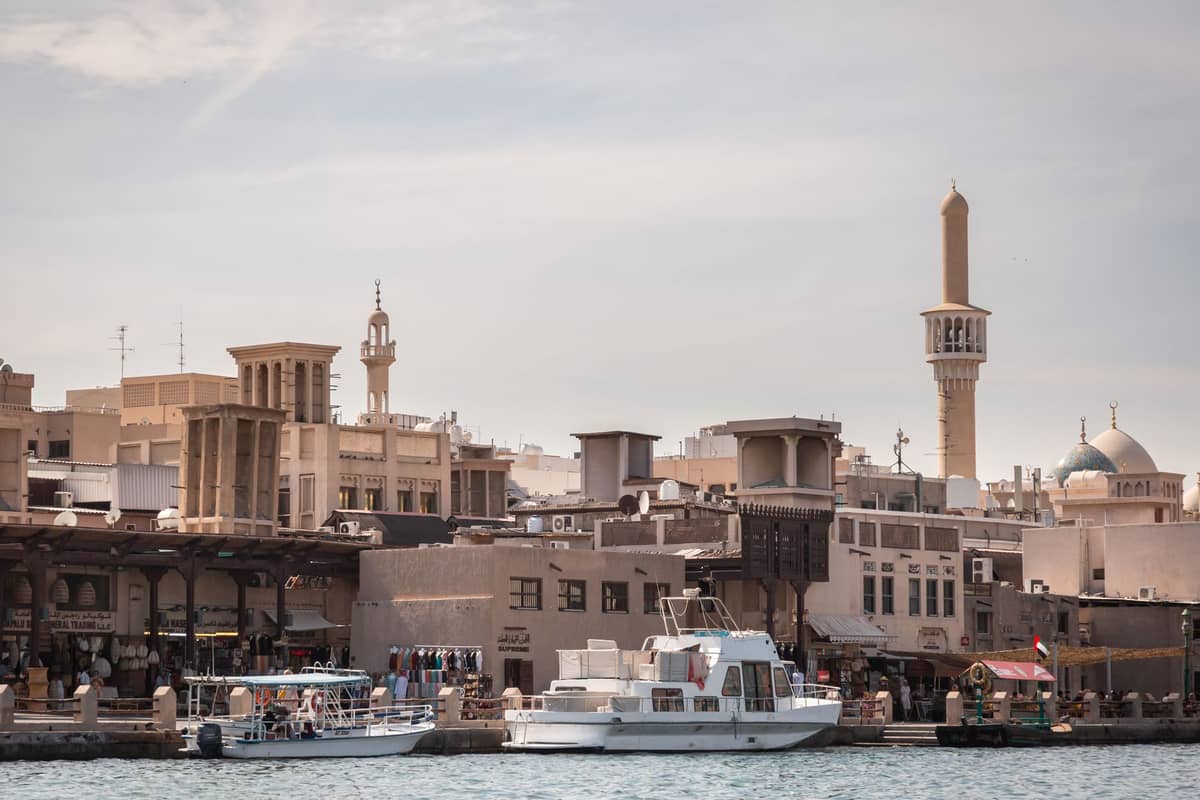
Most itineraries front-load the new Dubai and treat the historic areas as an afterthought. That's a mistake. The Deira and Bur Dubai districts on either side of Dubai Creek preserve the city's pre-oil identity, and wandering through them is one of the best free things to do in Dubai, especially in the cooler months.
The Gold Souk in Deira is the largest gold market in the world by display weight, with over 300 retailers lining covered alleyways. You're not obligated to buy anything, and simply walking through costs nothing. Nearby, the Spice Souk sells saffron, frankincense, cardamom, and dried limes in open sacks. A short walk brings you to the Textile Souk in Bur Dubai, which has bolts of silk, embroidery, and fabric from India and Iran at prices a fraction of what you'd pay anywhere in Europe.
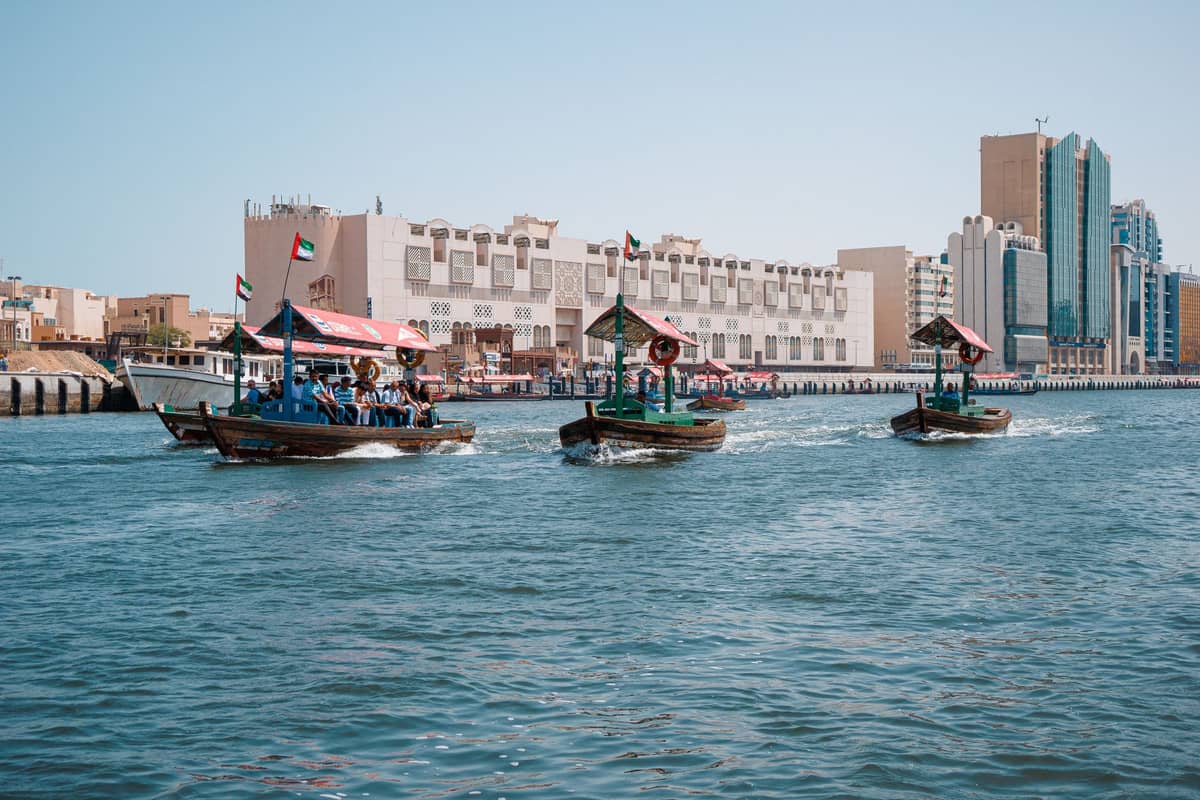
Cross Dubai Creek on an abra, a traditional wooden water taxi that still runs for around AED 1–2 per crossing. It's one of the cheapest and most atmospheric journeys in the city. On the Bur Dubai side, the Al Fahidi Historical Neighbourhood contains wind-tower architecture dating to the early 20th century, as well as the Al Fahidi Fort (now the Dubai Museum), and the XVA Gallery, one of the city's most thoughtfully curated contemporary art spaces. Al Fahidi Fort remains closed for rehabilitation as of September 2026; confirm reopening before planning it into an itinerary. The surrounding lanes and galleries stay open.
💡 Local tip
The souks and abra docks are most comfortable to visit between 08:00 and 10:00 in winter, before the crowds and heat build up. Most souk shops close for a few hours in the early afternoon, particularly on Fridays, so plan accordingly.
Beaches, Waterparks, and the Waterfront
Contrary to what many visitors assume, you don't need to pay a resort day pass to access the Gulf. Kite Beach in Jumeirah is free, well-maintained, and backed by food trucks, volleyball nets, and a long paved cycling path. It's consistently one of the most popular beaches among Dubai residents, which is usually a reliable indicator of quality. Jumeirah Beach itself spans several kilometres of public coastline. Marina Beach near JBR is accessible 24 hours a day. For families, Al Mamzar Beach Park charges around AED 5 entry and offers shaded lawns, barbecue areas, and calmer water.
If you're visiting with children, the waterparks are worth serious consideration. Aquaventure Waterpark at Atlantis on the Palm has one of the best slide collections in the region, plus a private beach and access to The Lost Chambers Aquarium. Wild Wadi Waterpark near Jumeirah Beach Hotel is smaller but well-run and popular with younger children. Both are hot-weather venues, best avoided in the peak summer months unless you want to queue in 43°C heat.
- Kite Beach Free public beach in Jumeirah with food trucks, volleyball courts, and a cycling track. Best for residents' vibe without a resort price tag.
- The Walk at JBR Dubai Marina's waterfront promenade with beach access, outdoor restaurants, and regular street entertainment. Busy on weekends.
- Palm West Beach Quieter stretch on the Palm Jumeirah with views of the Marina skyline. Good at sunrise.
- Al Mamzar Beach Park Spacious park-beach in the north of Dubai, less crowded than Jumeirah beaches, with several pools and grass areas. Entry around AED 5 per person.
- Aquaventure Waterpark Full-day waterpark at Atlantis the Palm. Best value in cooler months (November to March) when queues are shorter.
Desert, Wildlife, and Outdoor Adventures
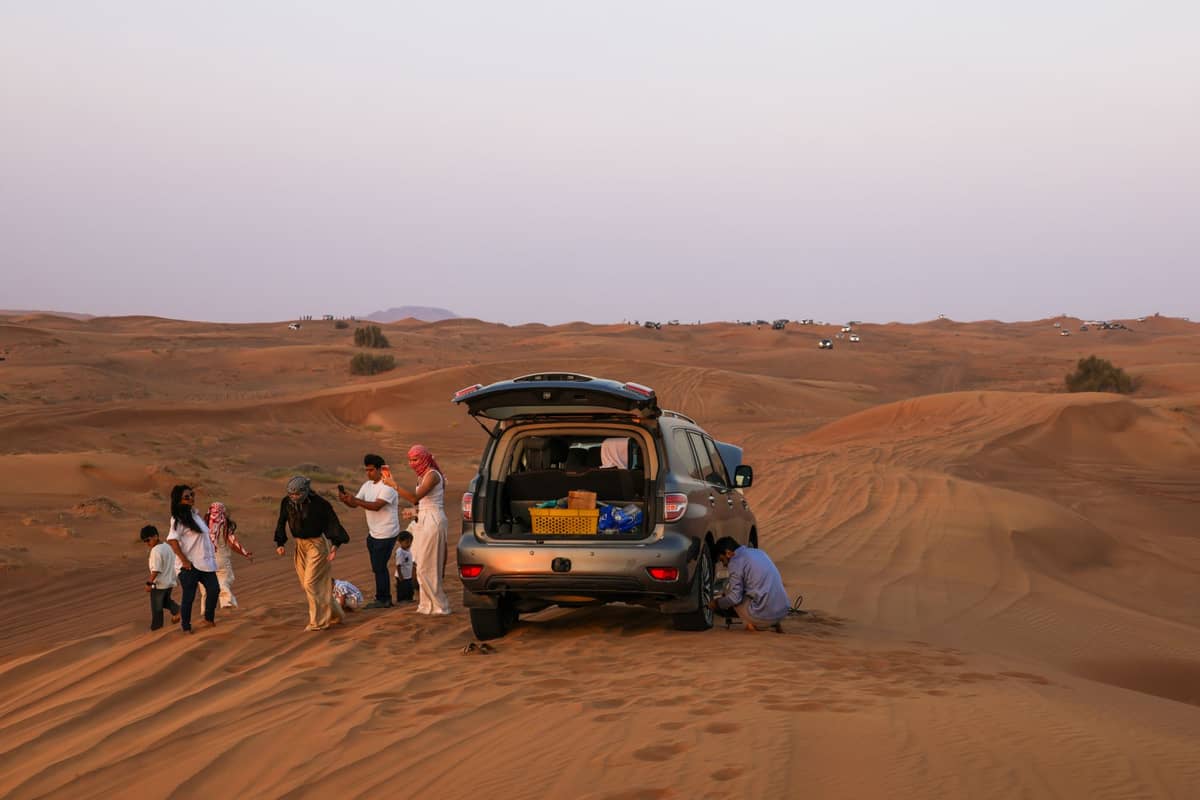
A desert safari is one of the defining Dubai experiences, and the classic evening format, dune bashing in a 4WD, camel riding, a barbecue dinner, and traditional performances under the stars, still delivers. Mid-range shared evening safaris with reputable operators typically run AED 150–300 per adult, including transfers from central Dubai. The quality varies significantly between operators, so book through established platforms and check recent reviews before committing. The complete desert safari guide covers how to choose an operator and what the different tour types include.
For something quieter and completely free, the Al Qudra Lakes about 40km from the city centre are a network of man-made lakes in the desert that attract migratory birds and local wildlife. Early morning visits in winter months reward patient visitors with flamingos, herons, and an extraordinary sense of space. Getting there requires a car or taxi, but the experience costs nothing. The Ras Al Khor Wildlife Sanctuary inside Dubai city is a flamingo reserve at the end of Dubai Creek, free to visit from the hides with prior registration, and genuinely surprising given its location surrounded by urban development.
⚠️ What to skip
Desert safaris in summer (June to September) are not the experience the brochures sell. Temperatures regularly exceed 45°C in the dunes during afternoon hours, and evening dune bashing in 38°C humidity is unpleasant regardless of how the tour is marketed. Stick to October through April for outdoor desert activities.
Free and Low-Cost Things to Do in Dubai
Dubai has a reputation as an expensive destination, and in some areas it earns it. But the assumption that you need a large budget to have a good time is genuinely incorrect. Some of the city's best experiences cost nothing or close to it.
- Dubai Fountain show (free, nightly from 18:00 on the Burj Lake)
- Al Fahidi Historical Neighbourhood walking tour (free, self-guided)
- Abra crossing on Dubai Creek (AED 1–2 per person)
- Gold Souk and Spice Souk browsing (free entry)
- Kite Beach, Marina Beach, and Jumeirah Beach public access (free)
- Ras Al Khor Wildlife Sanctuary flamingo hides (free)
- Al Qudra Lakes cycling and bird-watching (free, car needed to get there)
- Dubai Frame exterior and surrounding Zabeel Park views (park entry around AED 5)
- Miracle Garden in season (November to April, entry around AED 55 for adults)
- Alserkal Avenue contemporary art galleries in Al Quoz (free gallery entry)
The Dubai on a budget guide goes deeper on how to structure a full trip without spending at the luxury tier. The metro system makes a meaningful difference here: a Nol card with AED 25 credit covers most journeys between Downtown, Deira, Dubai Marina, and the airport, reducing the temptation to rely on taxis for every trip.
Planning Your Visit: Practical Logistics
Dubai sits on Gulf Standard Time (GST, UTC+4) and does not observe daylight saving time, which makes scheduling straightforward but means early sunsets in winter (around 17:30 in December). The currency is the UAE dirham (AED), and card payments are widely accepted. ATMs are reliable and everywhere. Arabic is the official language, but English is genuinely universal in tourist areas, transport, and most restaurants. You will not need a phrase book.
Getting between attractions is easiest on the Dubai Metro Red Line, which connects Dubai International Airport (DXB), Deira, Downtown (Burj Khalifa/Dubai Mall station), and Dubai Marina. Fares currently run AED 3 for one zone, AED 5 for two zones, and AED 7.50 for three or more zones with a Silver Nol card. For areas not on the metro, Careem and Uber both operate reliably in Dubai. Taxis from DXB to Downtown typically cost AED 50–90 depending on traffic. Full airport-to-city options are covered in the getting around Dubai guide.
On dress code and local customs: modest dress is the practical standard in public spaces, souks, and government buildings. At beach clubs, resorts, and many restaurants, Western clothing is completely fine. Swimwear stays at the beach or pool. For more detail on what's appropriate where, the what to wear in Dubai guide covers it clearly. Tipping is not mandatory but common: around 10% in restaurants and rounding up taxi fares is the norm. Electricity runs at 230V with Type G (British three-pin) sockets.
The single most important planning decision is timing. November to March gives you comfortable temperatures (24–31°C in the day, genuinely cool evenings) and the full menu of outdoor activities. June through September is when indoor Dubai takes over: malls, observation decks, and air-conditioned aquariums are still excellent, and hotel prices drop noticeably. If budget is a priority but you want outdoor access too, October and April sit in the middle: warm rather than brutal, with lower prices than peak season. The full breakdown is in the best time to visit Dubai guide.
FAQ
What are the best free things to do in Dubai?
Dubai has more free experiences than its reputation suggests. The Dubai Fountain show runs nightly at no charge from around 18:00 on the Burj Lake. Public beaches including Kite Beach, Marina Beach, and Jumeirah Beach are free to access. The Al Fahidi Historical Neighbourhood and its wind-tower lanes cost nothing to explore. Ras Al Khor Wildlife Sanctuary has free flamingo hides. The Gold Souk and Spice Souk in Deira are free to browse. An abra creek crossing costs AED 1–2. Alserkal Avenue's art galleries in Al Quoz have free entry. Most of these are best enjoyed between November and March.
What are the best things to do in Dubai with kids?
Dubai is well set up for families. The top paid options include Aquaventure Waterpark at Atlantis (full waterpark plus private beach), the Dubai Aquarium and Underwater Zoo inside Dubai Mall, IMG Worlds of Adventure (one of the largest indoor theme parks globally), Green Planet Dubai (a tropical biodome), and Ski Dubai at Mall of the Emirates. For lower-cost options: Dubai Safari Park, Zabeel Park, and Miracle Garden (in season) work well. The Dubai Frame at around AED 50 for adults and around AED 20 for children is a good short-attention-span activity. Children under a certain age get free entry at most major attractions, so always check the official ticket page before buying.
How many days do you need in Dubai?
Three to four days covers the main landmarks comfortably: a day each for Downtown and the Burj Khalifa area, Old Dubai (Deira and Bur Dubai), the Palm and Marina area, and a desert safari. Five to seven days lets you add day trips, beach days, deeper neighbourhood exploration, and experiences like Global Village (in season) or Expo City Dubai. If you only have two days, prioritise the Burj Khalifa, Dubai Fountain, Old Dubai Creek walk, and one evening in the Marina. Our three-day itinerary guide gives a detailed day-by-day plan.
Is Dubai worth visiting in summer?
It depends entirely on what you want from the trip. If your agenda is outdoor exploration, desert safaris, beach days, and walking around historic neighbourhoods, summer (June to September) is genuinely uncomfortable, with daytime temperatures regularly above 43°C. If you're drawn by world-class indoor attractions, malls, observation decks, museums, and indoor waterparks, summer is perfectly viable, and hotel rates are typically much lower. Families with children who are mainly interested in indoor activities often find summer represents good value.
Do I need a visa to visit Dubai?
Dubai follows UAE federal visa policy. Nationals of Gulf Cooperation Council (GCC) countries enter freely. Citizens of many Western European countries, the UK, USA, Canada, Australia, and others typically receive a visa on arrival or visa-free entry for 30 to 90 days, depending on passport. However, the specific list and conditions change regularly. Always verify your eligibility directly with the UAE General Directorate of Residency and Foreigners Affairs or your airline before travel, as rules can vary by passport type and prior travel history.