Dubai Desert Safari: Everything You Need to Know
A Dubai desert safari is one of the most iconic experiences in the UAE, but the details matter. This guide covers timing, pricing, what is actually included, how to choose an operator, and what to watch out for before you book.
TL;DR
- Evening desert safaris run roughly 6-6.5 hours door-to-door, with hotel pickup between 2:30-4:30 pm (varies by season) and drop-off around 9:00-10:30 pm.
- Shared group packages start around AED 125-250 per person for a reputable operator with BBQ dinner included; avoid suspiciously cheap deals below AED 100.
- The experience covers more than dune bashing: expect camel rides, sandboarding, sunset photography, and live camp entertainment. See our full guide to outdoor adventures in Dubai for how it fits into a wider trip.
- November to February is the best time to go: comfortable temperatures, golden-hour light, and earlier sunsets that make the timing easier.
- Verify your operator holds a valid Dubai Tourism license and read recent reviews before booking through any aggregator or hotel desk.
What a Dubai Desert Safari Actually Involves
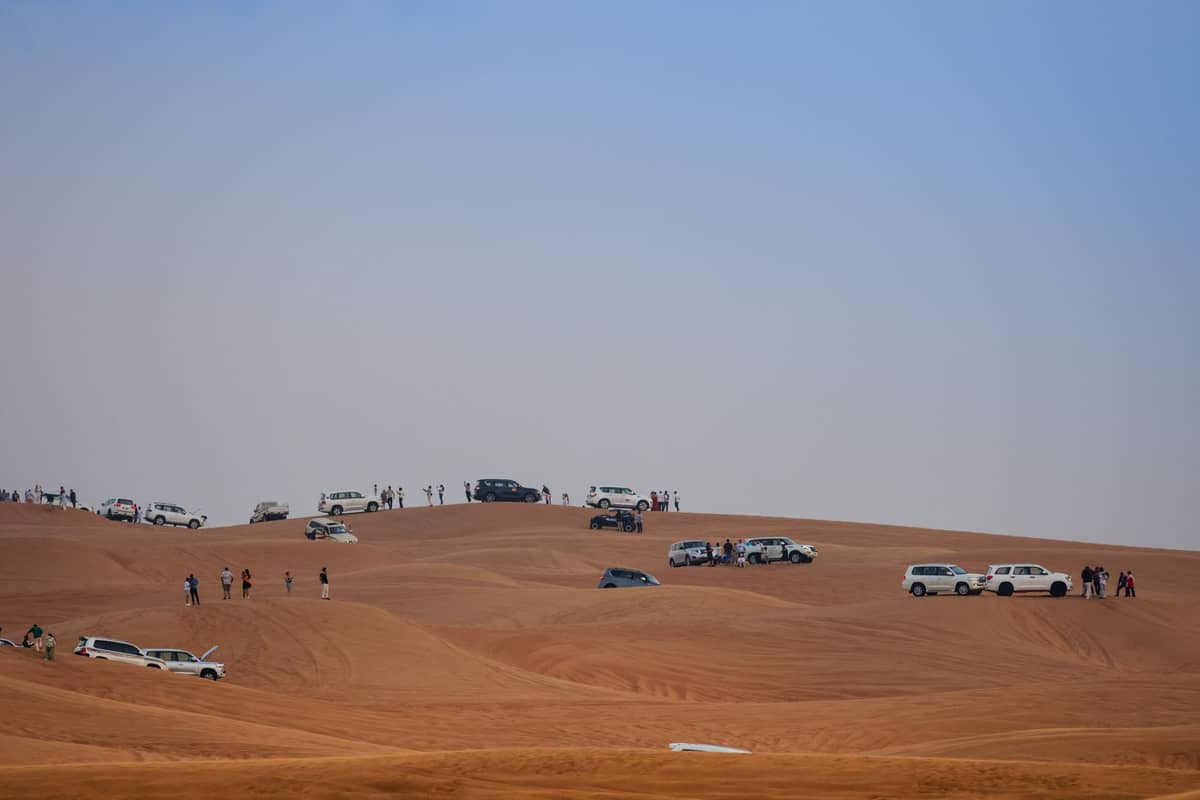
The phrase 'desert safari' covers a broad range of experiences, from budget group tours packed into a shared 4x4 to private overnight camps under the stars. The standard evening package, which is what most first-time visitors book, follows a fairly consistent formula: hotel pickup by a 4x4 convoy, a 45-60 minute drive to the dunes (usually in the Al Lahbab area, southeast of the city), dune bashing for around 45-60 minutes, a stop for sunset photos and camel rides, then dinner and entertainment at a Bedouin-style camp before the return drive.
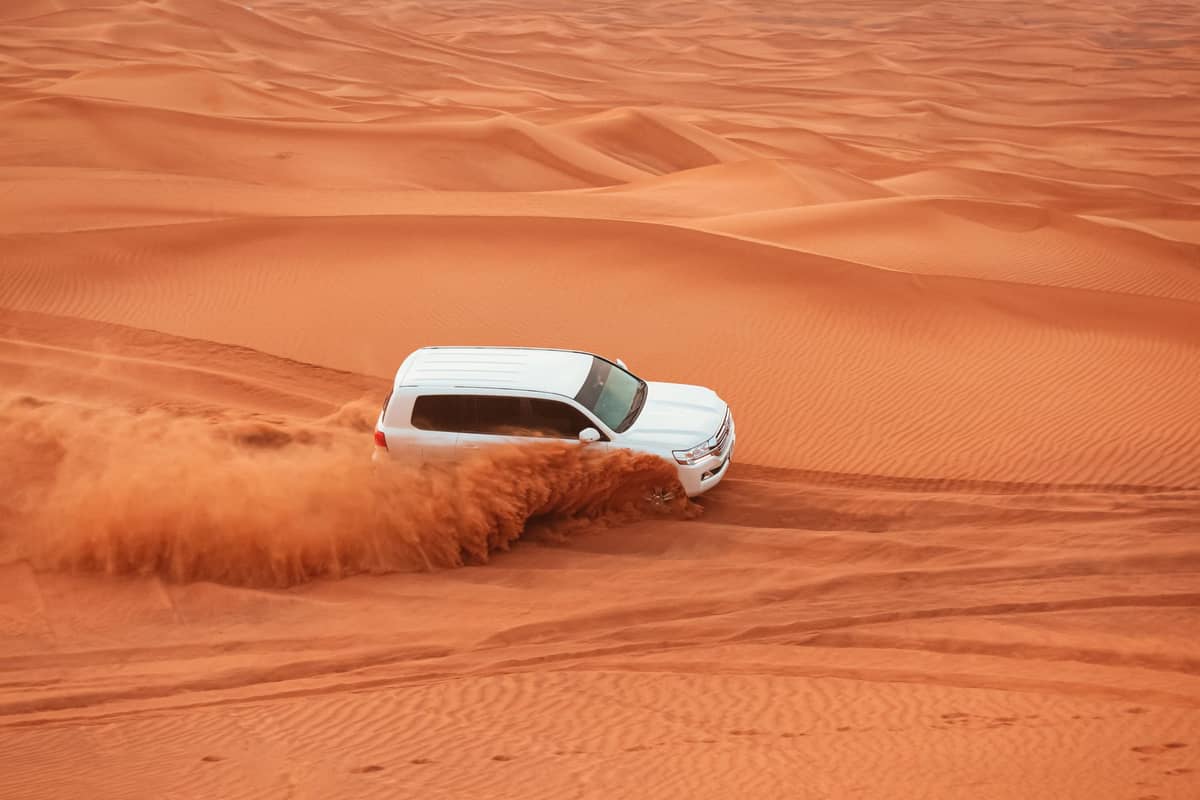
The dune bashing itself involves a licensed driver taking a Toyota Land Cruiser or similar vehicle up and over steep sand dunes at varying speeds. It is genuinely thrilling for most people and disorienting for some. Tyre pressure is dropped before you enter the dunes, which is a standard safety measure. After the bashing, the pace drops completely. Camp time is relaxed: you sit on cushions around a fire pit, try henna, dress in traditional Emirati clothing for photos, watch a Tanoura (spinning dervish) or belly dance performance, and eat from a BBQ buffet that typically includes grilled meats, salads, bread, and soft drinks. Some packages include Arabic coffee and dates on arrival at the camp.
ℹ️ Good to know
Most standard packages include: dune bashing, sunset stop, camel ride, sandboarding, henna, BBQ buffet dinner, soft drinks, and live performances. Alcohol is usually available as a paid add-on or only in premium/private packages. Confirm what is included before booking.
Types of Desert Safari and How to Choose
The evening safari is the most popular format, but it is not the only one. Morning safaris exist and are better for those sensitive to heat or motion sickness, since the dunes are cooler and crowds are smaller, though you miss the sunset. Overnight safaris let you sleep in a camp under the sky, which sounds romantic but varies enormously in quality between operators. Sunrise safaris are the most peaceful option, requiring a very early pickup (around 4:30-5:00 am) and offering the dunes almost entirely to yourself.
- Evening Safari (most popular) Pickup 2:30-4:30 pm, return 9:00-10:30 pm. Includes sunset, dinner, and entertainment. Best all-round introduction for first-timers. Shared group tours cost around AED 150-300 per person with BBQ.
- Morning Safari Pickup around 8:00-9:00 am, return by noon. Cooler, quieter, no dinner or sunset. Good for families with young children or those prone to motion sickness. Typically cheaper, around AED 80-150 per person.
- Overnight Safari Full evening programme plus a night sleeping in the camp. Breakfast included the following morning. Quality ranges widely. Budget around AED 400-800 per person for a decent experience.
- Sunrise Safari Very early pickup around 4:30-5:00 am. Quiet dunes, golden light, no crowds. Rarely includes a full camp programme. Ideal for photographers or those who want a more authentic feel.
- Private Safari Dedicated vehicle and guide for your group only. Pricing is per vehicle (typically AED 800-2,000+ depending on duration and inclusions). Worth considering for families, couples, or those who dislike group tours.
For most visitors spending three days in Dubai, the standard evening safari hits the right balance of convenience, entertainment, and immersion. If you have more time, consider pairing a morning safari with a visit to Dubai Desert Conservation Reserve, where wildlife drives offer a completely different perspective on the landscape.
Timing, Pickup Windows, and Seasonal Differences
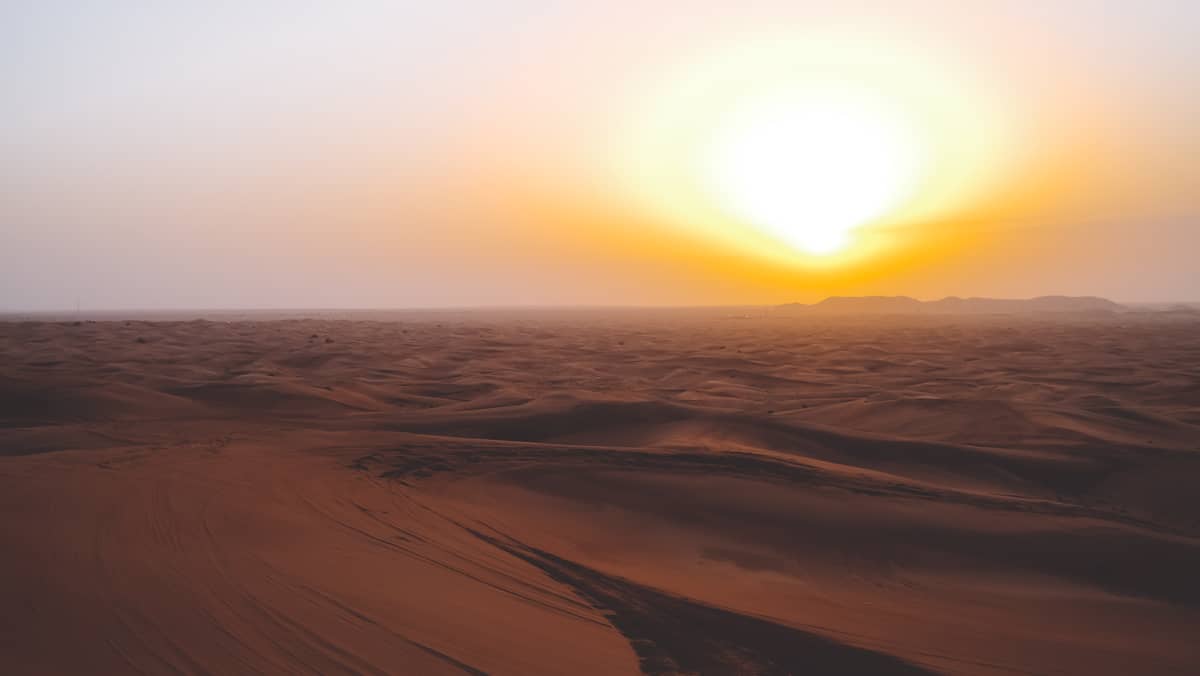
Pickup time is not fixed, and the variation confuses a lot of people. Operators adjust their schedules based on sunset time, which shifts by roughly 1.5 hours between summer and winter in Dubai. In winter (November through February), sunset falls around 5:30-6:15 pm, so pickups typically start between 2:00 and 3:00 pm. In summer (May through September), sunset is closer to 6:40-7:10 pm, so pickups shift to 3:00-4:30 pm. Your hotel location also affects when you are collected, since vehicles work through a pickup route that can span 45-60 minutes across different parts of the city.
💡 Local tip
If you are staying in Dubai Marina or JBR, expect to be one of the last pickups before the desert drive begins. If you are in Deira or Bur Dubai, you may be picked up first and spend time waiting in the 4x4 while other guests are collected. Neither is a problem, but knowing this helps you plan the rest of your day.
Summer safaris are not a bad idea, but they require realistic expectations. Temperatures at pickup time can still exceed 38-40 degrees Celsius, and the camp, while shaded, is genuinely hot until late evening. The dune bashing itself is fine since you are inside an air-conditioned vehicle, but standing on the dunes for photos at sunset can be uncomfortable. November through February gives you pleasant temperatures around 18-28 degrees Celsius at camp, which makes the whole experience far more enjoyable. If you are visiting during Ramadan, check with your operator about whether the BBQ dinner runs, since some camps modify their programmes during the fasting month.
For a broader view of when to plan your trip, the best time to visit Dubai guide covers seasonal trade-offs across the whole city, not just the desert.
Pricing, What You Get, and Where to Book
Pricing for a shared evening safari with BBQ dinner typically falls between AED 125 and AED 300 per person when booked directly with a licensed operator or through a reputable aggregator. You will find prices advertised as low as AED 35-80 on some platforms, and these deals are worth approaching with caution: at that price point, the BBQ dinner is often not included, the vehicle quality may be lower, and the camp experience tends to be more rushed. The sweet spot for a solid experience without paying premium rates is roughly AED 180-250 per person for a shared evening safari.
Add-ons that typically cost extra include quad biking (around AED 100-200 per 30 minutes), dune buggy hire, falconry demonstrations, and private camp seating. Alcohol, where available, is usually charged separately. If a package advertises all of these as included at AED 100 per person, the math does not work out, and something is being cut somewhere.
- Book directly with a licensed operator or via established platforms like Headout, Viator, or GetYourGuide for payment protection and clear cancellation policies.
- Check that your operator has a valid license from Dubai's Department of Economy and Tourism (DET) before booking.
- Read reviews from the past 3-6 months, not overall ratings. Camp quality, vehicle condition, and food standards can change.
- Confirm your exact pickup time and location in writing. Many operators send a confirmation the day before with a revised window.
- Ask specifically what is included in writing: soft drinks vs. alcohol, number of camp activities, duration of dune bashing.
⚠️ What to skip
Hotel concierge desks frequently mark up desert safari prices compared to direct operator rates. It is worth spending 10 minutes comparing prices online before agreeing to book through your hotel. The experience is usually identical or from the same operator.
Practical Logistics: What to Bring and How to Prepare
Dune bashing puts real force on your body. People with back problems, neck injuries, or recent surgeries are generally advised not to participate. Pregnant women should skip the bashing section and can usually request to go directly to the camp, though this varies by operator. Motion sickness is common: if you are prone to it in cars or boats, take medication at least 30-45 minutes before pickup time. Sitting in the front passenger seat, when available, reduces the effect.
Dress in light, breathable layers. The desert is warm during the bashing section and can get noticeably cool after 9:00 pm in winter, so bringing a light jacket for the return journey is useful between November and March. Closed shoes or trainers work better than sandals on the sand. Sunglasses are essential. Leave valuables at your hotel rather than carrying them in the dune buggy or open camp.
- Light, breathable clothing that covers shoulders and knees (respects the cultural context of the camp setting).
- Closed shoes or trainers, not sandals or flip-flops.
- Sunglasses and sunscreen, especially for afternoon pickups.
- A light jacket or layer for the return journey in cooler months.
- A fully charged phone or camera for the dunes and sunset.
- Any motion sickness medication taken well before pickup.
- Cash in AED for add-ons, tips, or any extras at the camp.
On the question of what to wear, Dubai has clear norms around modest dress in public and at traditional-style venues. The camp environment is relaxed, but covering shoulders and avoiding very short clothing is the right approach. The Dubai outfits guide covers the full dress code picture for different settings across the city.
Beyond the Standard Safari: Other Desert Experiences Worth Knowing
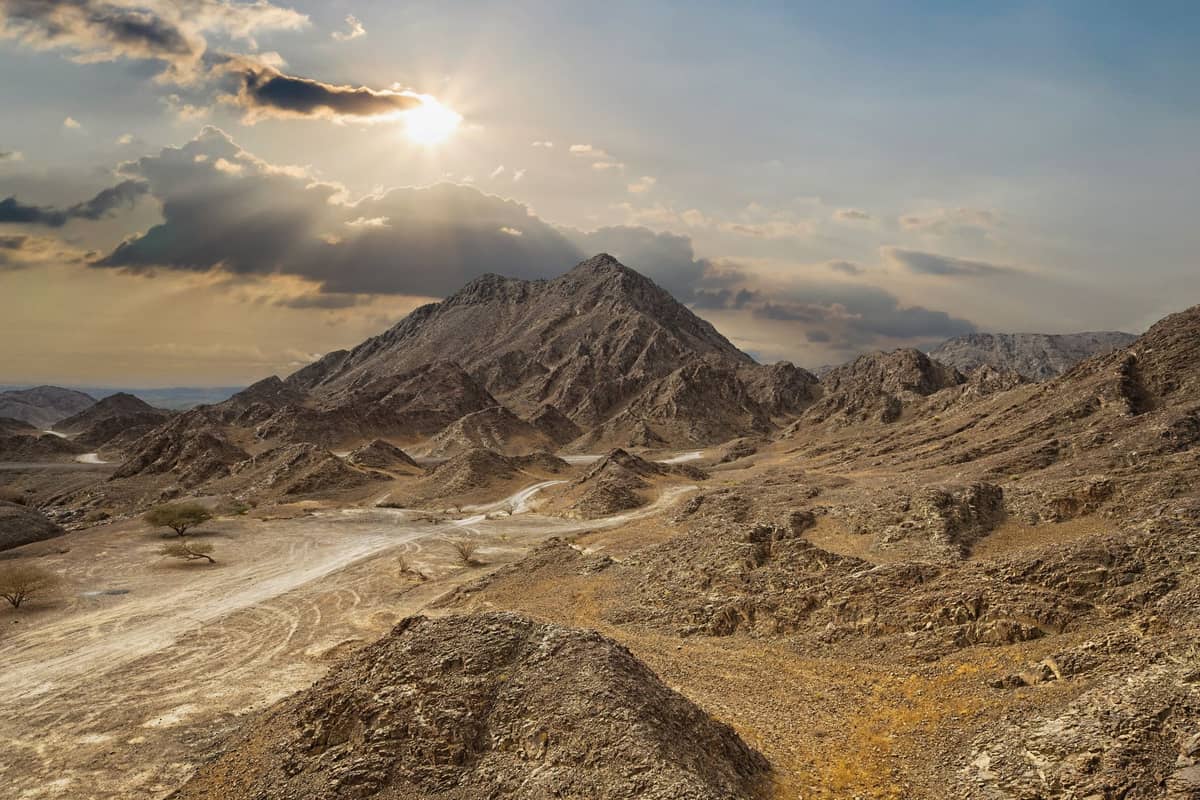
If the group-tour format is not for you, there are alternatives that give a genuine feel for the landscape without the convoy. Al Qudra Lakes sit within the desert and are accessible by bike or car independently, offering a quieter glimpse of dune terrain and birdlife without any organised tour. Hatta, roughly 100 kilometres east of Dubai, offers mountain desert scenery, kayaking on the Hatta Dam, and hiking trails that differ significantly from the flat sand dunes of the evening safari route.
For those interested in understanding the Emirati relationship with the desert landscape, the Dubai Desert Conservation Reserve runs guided eco-tours that include wildlife tracking, Arabian oryx sightings, and falconry demonstrations in a protected environment. These tours are notably smaller, slower-paced, and more educational than standard safaris, and they are a better fit for travellers who want substance over spectacle. Prices are higher, but the experience is considerably more unique.
The desert is just one facet of what makes getting out of the city worthwhile. The day trips from Dubai guide covers Hatta, Abu Dhabi, and other routes if you want to extend your exploration beyond the sand dunes.
FAQ
Is a Dubai desert safari worth it?
For most first-time visitors, yes. It combines a genuinely thrilling activity (dune bashing) with a cultural experience (Bedouin-style camp, local food, traditional performances) in a single evening. The value drops if you book a very cheap package that cuts corners on food quality or camp experience. Book a mid-range package with a licensed operator and the evening is reliably impressive.
What time does a desert safari start and end?
Hotel pickup for evening safaris typically runs between 2:30 and 4:30 pm, depending on your hotel location, the operator, and the time of year. Sunset timing drives the schedule: winter pickups start earlier (around 2:00-3:00 pm) and summer pickups run later (3:00-4:30 pm). Drop-off at your hotel is usually between 9:00 and 10:30 pm.
How much does a desert safari in Dubai cost?
Shared evening safaris with BBQ dinner from a reputable operator cost roughly AED 125-300 per person. Budget options exist from AED 80-100 but often exclude dinner or include fewer activities. Private tours start around AED 750-1,000 per vehicle. Add-ons like quad bikes or dune buggies are usually charged separately at the camp.
Is dune bashing safe?
With a licensed driver and a properly maintained vehicle, dune bashing has a strong safety record. The driver deflates the tyres before entering the dunes, which is standard practice and significantly improves handling. It is not suitable for people with back problems, neck injuries, or who are pregnant. If you are prone to motion sickness, take medication before the pickup and request a front seat where possible.
What is the best time of year to do a desert safari in Dubai?
November through February offers the most comfortable experience: pleasant temperatures at the camp (around 18-26 degrees Celsius in the evening), beautiful golden-hour light, and sunset timing that works well with the tour schedule. Summer safaris are possible but the heat at the camp is significant until late evening. If you visit between June and September, opt for an operator that starts the dune bashing later in the afternoon when temperatures have dropped slightly.