3 Days in Dubai: The Perfect Itinerary
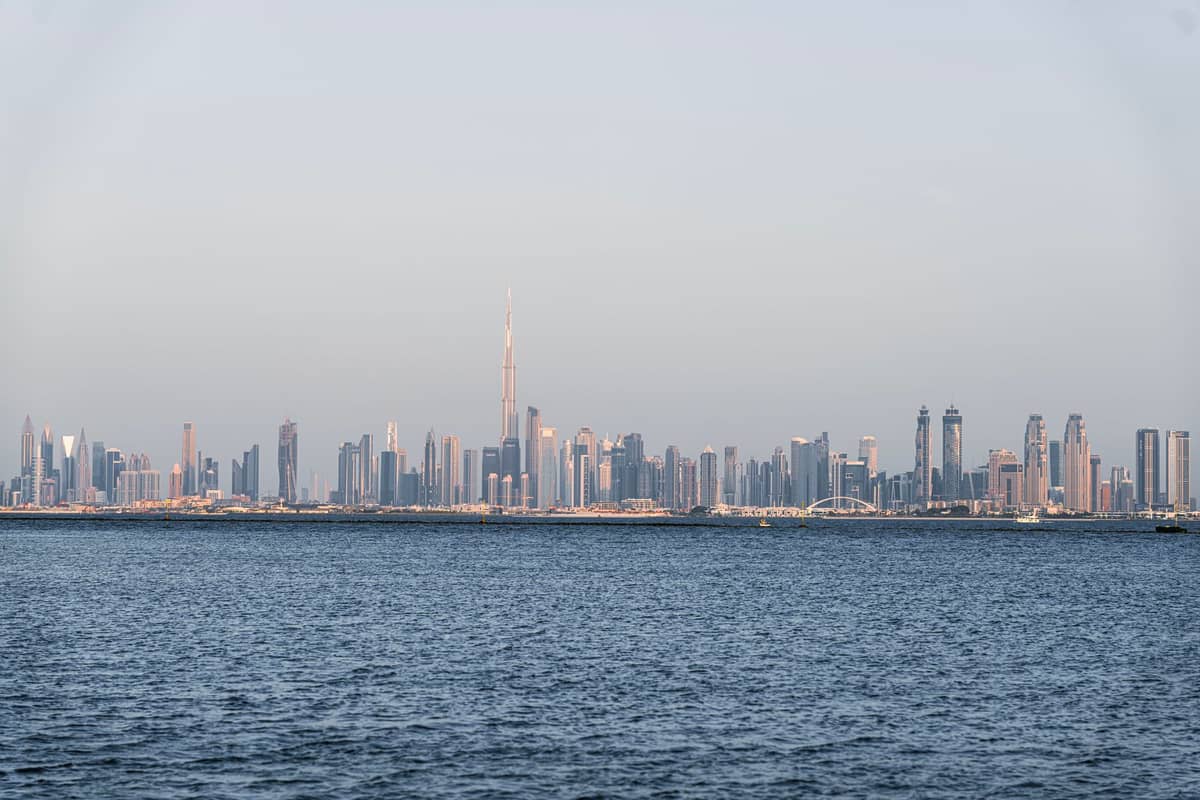
Three days is enough to experience Dubai's two identities: the historic Creek districts where the city began, and the glossy modern skyline that replaced the desert. This guide lays out a practical, day-by-day dubai itinerary with transport details, ticketing advice, and honest takes on what deserves your limited time.
TL;DR
- Day 1: Old Dubai — Al Fahidi, the Creek, gold and spice souks, a dhow cruise at sunset.
- Day 2: Modern Dubai — Burj Khalifa, Dubai Mall, the Dubai Fountain, and Business Bay waterfront.
- Day 3: Beach and Marina — JBR, Dubai Marina, Palm Jumeirah, and a rooftop sundowner.
- November to March is the ideal window for this itinerary. Summer (June–September) pushes daytime highs above 40°C, making outdoor sections brutal. See the best time to visit Dubai for a full seasonal breakdown.
- Get a Nol Silver card on arrival at DXB — the metro covers most of these routes for under AED 8 per trip, far cheaper than a taxi for every journey.
Before You Arrive: Transport and Logistics
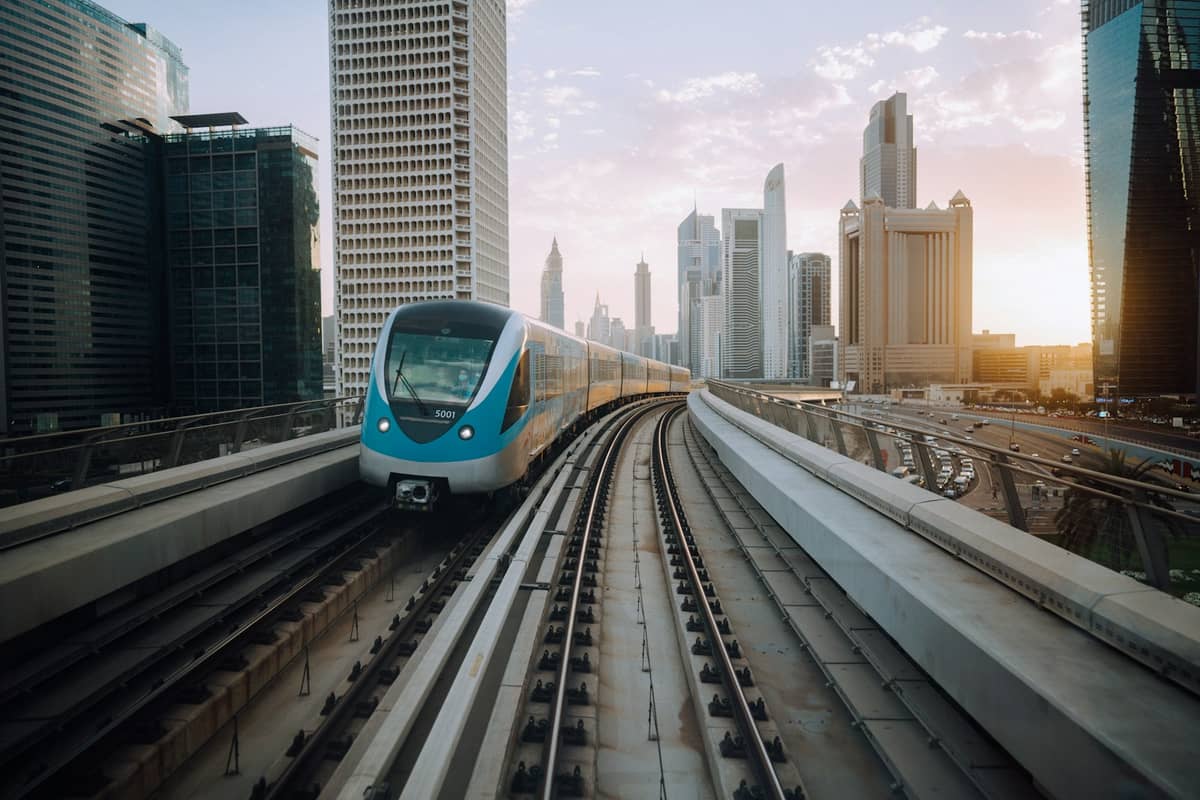
Dubai International Airport (IATA: DXB) sits about 14 km from the city centre. The Dubai Metro Red Line connects Terminals 1 and 3 directly to Downtown and Deira in around 25–35 minutes, costing roughly AED 5–7.50 depending on your destination zone. That makes it the obvious choice for most travellers. RTA taxis from the airport run approximately AED 50–90 to central Dubai, with a AED 25 airport surcharge applied at the start of the meter. Ride-hailing via Careem or Uber typically lands in the AED 50–100 range, subject to surge pricing. For context on all your options, the getting around Dubai guide covers metro routes, trams, and taxis in full.
Pick up a Nol Silver card from any metro station vending machine. Standard fares are AED 3 for one zone, AED 5 for two zones, and AED 7.50 for three or more zones. The card works on metro, bus, tram, and the Dubai Ferry. Over three days of sightseeing, it will save you a meaningful amount versus paying cash for taxis on every short hop. The metro runs most days from early morning until around 01:00, with slightly shorter hours on Sunday. Note that hours shift during Ramadan and major public holidays, so check the RTA's official site before your trip if timing is close.
💡 Local tip
Book Burj Khalifa tickets at least 48–72 hours in advance, especially for the At The Top Sky (Level 148) experience. Walk-up tickets are significantly more expensive when available at all. The official Burj Khalifa site has the clearest pricing — third-party resellers often mark up aggressively.
Day 1: Old Dubai — The Creek, Souks, and Heritage Districts
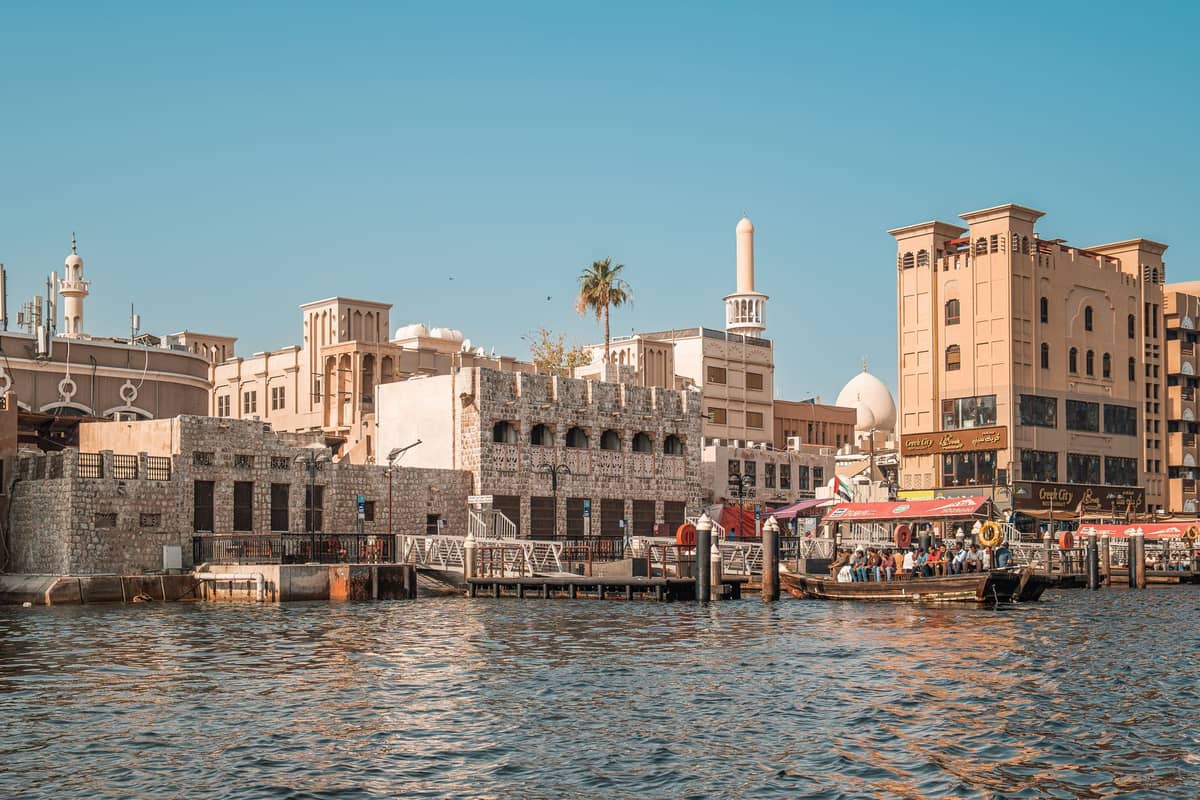
Start where Dubai started. The area around Deira and Bur Dubai on either side of Dubai Creek is the city's original commercial core, and it remains one of the most interesting places in the emirate precisely because it hasn't been rebuilt into something unrecognisable. The Creek itself is a natural saltwater inlet with a natural length of around 14 km, and crossing it by abra (traditional wooden ferry) for AED 1 is one of the great cheap experiences in Dubai.
Begin the morning in the Gold Souk in Deira, ideally before 10:00 when it's quieter. The covered arcade houses hundreds of jewellery shops with window displays stacked floor to ceiling. You are not obligated to buy — browsing is perfectly acceptable and the sheer density of gold on display is genuinely spectacular. From there, walk five minutes south to the Spice Souk and the adjacent Perfume Souk. The spice market is smaller than many visitors expect, but the fragrance of dried roses, saffron, and frankincense is worth the detour.
Cross the Creek by abra to Bur Dubai side and spend the afternoon in the Al Fahidi Fort area. The Al Fahidi Historical Neighbourhood is a preserved cluster of wind-tower architecture dating from the late 19th and early 20th centuries. Al Fahidi Fort (Dubai Museum) remains closed for rehabilitation as of September 2026; confirm reopening before visiting. The surrounding lanes still hold several small art galleries. The lanes are narrow, shaded, and genuinely atmospheric. Nearby, the Shindagha Heritage District and the Sheikh Saeed Al Maktoum House provide more historical context if you have time.
End the day with a Dubai Creek dhow cruise. Evening dinner cruises typically depart around 20:30 and include a buffet dinner of Middle Eastern and international dishes. Prices generally range from about AED 70–150 per person depending on the operator and meal quality. The Creek dhow cruise is more intimate and historically relevant than the Marina version — though both are enjoyable.
Day 2: Downtown Dubai — Skyline Icons and the World's Tallest Building
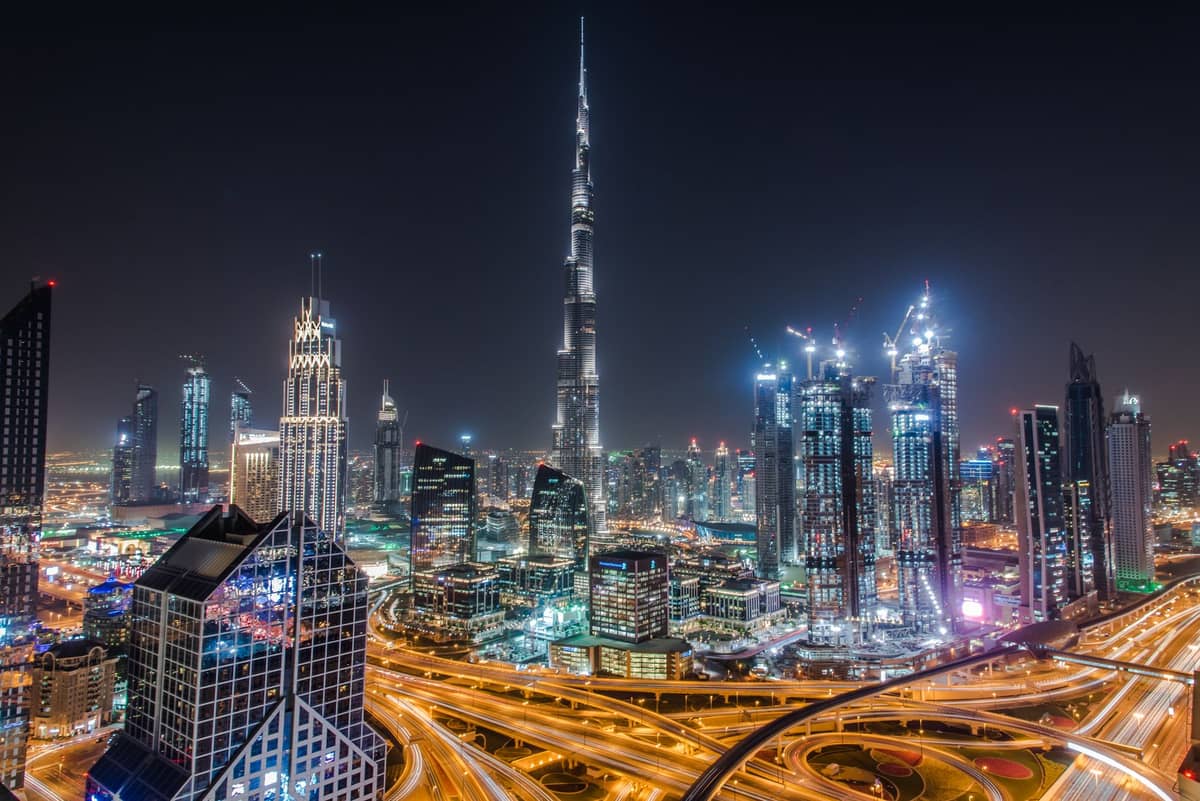
The Downtown Dubai district is where the city's modern image is concentrated. The Burj Khalifa stands 828 metres tall and remains the world's tallest building. The At The Top experience (Levels 124 and 125) gives you the full panorama of the city, desert, and Gulf. Level 148 (At The Top Sky) is notably quieter and more dramatic but costs more — around AED 300–500 depending on time and demand. Go in the late afternoon, around 16:00–17:00, so you catch both the daylight view and the illuminated city after dark.
Below the tower, the Dubai Mall is the world's largest by total area and contains, among many other things, the Dubai Aquarium and Underwater Zoo (entry from AED 75 for the tunnel walk-through), an Olympic-size ice rink, and well over 1,000 shops. The mall is not essential for shopping — it is, however, necessary to pass through to access the Burj Khalifa and fountain viewing areas. Plan for it to absorb more time than you expect.
The Dubai Fountain performs every 30 minutes after dark from around 18:00, visible from the lakeside promenade at no cost. It is choreographed to Arabic and international music and shoots water jets up to 150 metres. The free outdoor viewing is perfectly good. Paid abra rides on the fountain lake exist and are pleasant but not necessary. After the fountain, the Dubai Opera is a five-minute walk if you have an evening performance booked.
⚠️ What to skip
The Dubai Mall gets extremely crowded on Friday and Saturday evenings, especially around the fountain and aquarium. If your Day 2 falls on a weekend, arrive at the Burj Khalifa earlier in the afternoon — by 15:00 at the latest — to avoid the worst crowds at the observation deck and get better ticket availability.
Day 3: Beach, Marina, and Palm Jumeirah
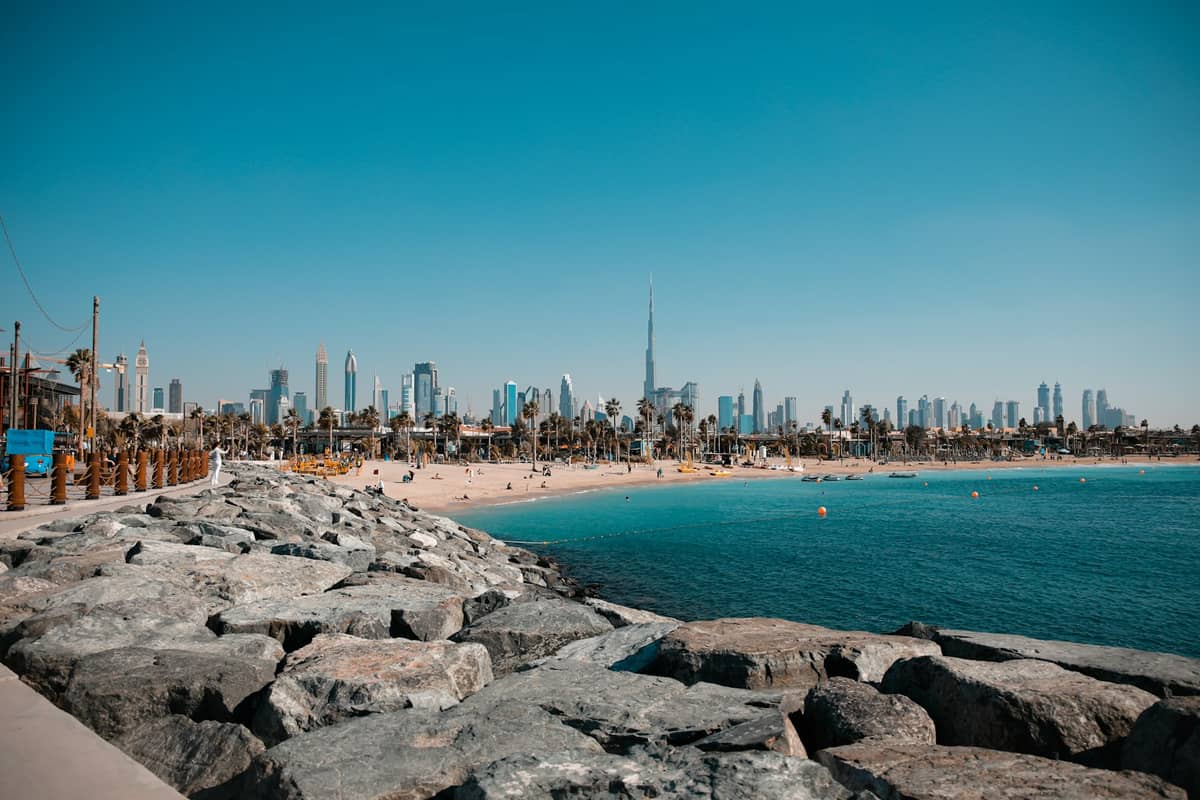
Dubai's beach and waterfront scene is worth a full day. Start at Kite Beach in the morning — it's one of the most relaxed stretches of public beachfront in the city, with a good running track, food trucks, and a consistently clean shoreline. Arrive before 10:00 from October to April; after that, the heat builds quickly. From Kite Beach, the Jumeirah Beach public stretch extends north toward the distinctive sail-shaped Burj Al Arab, which is worth photographing from the outside even if you're not staying or dining there.
In the afternoon, head to Dubai Marina via the metro (Red Line to DMCC station, then a short walk). The Marina Walk is a 7 km promenade encircling the artificial canal marina. It's lined with cafes, restaurants, and yacht berths. Adjacent to the marina, The Walk at JBR (Jumeirah Beach Residence) offers direct access to the beachfront at JBR, beach clubs, and casual dining. If you want a structured beach club day rather than the public beach, several options here charge AED 150–350 in entry or minimum spend.
Round off with a visit to Palm Jumeirah. Take the Palm Monorail from the mainland (around AED 15 one way) or the Dubai Metro to Nakheel Mall. The The View at the Palm observation deck on the 52nd floor of The Palm Tower gives you a bird's-eye perspective of the palm-shaped island and the full Dubai coastline. Tickets run approximately AED 100–160. The sunset timing here is excellent from October to March. For a final sundowner, the rooftop bars around Dubai Marina or Palm Jumeirah are some of the city's best vantage points — the Dubai rooftop bars guide has specific recommendations.
What to Skip and What's Overrated
On a three-day schedule, you cannot do everything and attempting to will result in a surface-level experience everywhere. Here's an honest filter.
- Dubai Frame A 150-metre picture frame structure with views from the top. Photogenic from the outside, but the interior experience is thin for the AED 50 entry. Worth considering if you've already done the Burj Khalifa and want a different angle, otherwise it's not a priority on three days.
- Global Village (October–April only) A massive seasonal outdoor fair with country pavilions, street food, and entertainment. It's genuinely fun and different from anything else in Dubai, but it requires a half-day and works best as an evening outing. Only available in its operational season.
- Desert Safari An evening desert safari with dune bashing, camel rides, and a camp dinner is one of Dubai's most popular activities and rightly so — but it replaces your entire Day 3 evening and requires booking a group or private tour (AED 150–400+). For three days, it competes directly with the Marina and Palm day. If the desert is a priority, swap it in on Day 3 instead.
- Miracle Garden A flower garden with elaborate sculptures open October to May. Visually impressive in photos, but the experience on the ground is brief and the location (far southwest Dubai) requires significant travel time. Hard to justify on a short trip unless you have a specific interest.
- Ibn Battuta Mall or Dragon Mart Both are interesting for residents, but not competitive with the rest of this itinerary for short-stay visitors. Dubai Mall, Souk Madinat Jumeirah, and the traditional souks are more rewarding for the time invested.
Practical Tips for Three Days in Dubai
- Currency: UAE dirham (AED). Cards are accepted almost everywhere, but carry some cash for abra crossings, market stalls, and small souks. ATMs at the airport and metro stations are reliable.
- Dress code: casual Western clothing is fine in malls, beaches, and tourist areas. Cover shoulders and knees when visiting mosques (Jumeirah Mosque offers guided tours specifically for non-Muslims) and traditional markets. Hotel pools and beach clubs follow resort norms.
- Alcohol: available in licensed hotel bars, restaurants, and specialist liquor stores; regular supermarkets do not sell alcohol. You cannot buy alcohol at supermarkets without a permit, and drinking in public spaces is illegal. Behave sensibly and there are no practical restrictions on tourists drinking at licensed venues.
- Tipping: 10–15% in restaurants is appreciated but not mandatory. Round up taxi fares if you're satisfied. Hotel staff who assist with luggage typically receive AED 5–10.
- Electricity: Type G sockets (British three-pin), 230V/50Hz. UK plugs work directly. US, EU, and Australian travellers need an adapter.
- Connectivity: Etisalat (now e&) and du both offer tourist SIM cards at the airport from around AED 45–100 with data packages. Most hotels and malls have free Wi-Fi, but a local SIM is more reliable for maps and ride-hailing.
✨ Pro tip
If you're visiting between November and March, block out mornings for outdoor activities and souks, then retreat indoors during the 13:00–16:00 peak heat window. After 17:00 the temperature drops to something genuinely comfortable, and Dubai's outdoor spaces — the creek promenade, fountain plaza, Marina Walk — are at their best in the evening light. In summer, this schedule becomes even more important, with the heat window extending from roughly 10:00–19:00.
For travellers with more time, Dubai has considerably more depth than three days can cover. The Dubai hidden gems guide covers spots well off the main tourist circuit, and the day trips from Dubai guide outlines worthwhile excursions to Hatta, Abu Dhabi, and the northern emirates if you can extend your stay.
FAQ
Is 3 days enough to see Dubai?
Three days covers the main highlights comfortably if you're focused: the historic Creek and souks, the Downtown skyline, and the Marina and Palm. You won't exhaust the city — Dubai has enough to fill a week — but you'll leave with a genuine sense of both its historical and modern character. The itinerary above is deliberately selective rather than trying to squeeze in everything.
What is the best area to stay in for a 3-day Dubai itinerary?
Downtown Dubai is the most central choice and puts you walking distance from the Burj Khalifa, Dubai Fountain, and Dubai Mall, with easy metro access to both Old Dubai and the Marina. Dubai Marina is better if beach and nightlife are your priority. Deira is cheaper and closer to the souks and Creek but requires more travel time to reach the modern attractions.
How much money do I need for 3 days in Dubai?
Budget travellers can manage on AED 300–500 per day excluding accommodation, covering metro transport, street food and casual restaurants, and entry to a couple of key attractions. Mid-range travellers spending on hotel dining, Burj Khalifa tickets, and one beach club day should budget AED 700–1,200 per day. Dubai can be done cheaply or expensively — the infrastructure for both exists. See the Dubai on a budget guide for a detailed cost breakdown.
Do I need to book Dubai attractions in advance?
Burj Khalifa tickets should be booked at least 48–72 hours ahead — walk-up prices are substantially higher and availability on peak dates (weekends, public holidays) runs out. Desert safaris benefit from advance booking too, especially for private tours. Most other attractions, including the Dubai Aquarium, Global Village, and Dubai Frame, can generally be purchased on arrival, though booking ahead is still recommended during peak season (December–January).
Is Dubai safe for solo travellers and tourists?
Dubai ranks consistently as one of the safest cities in the region for tourists. Petty crime rates are low, public transport is safe at any hour, and solo travellers of any gender report few issues. The main practical concerns are heat-related during summer months, and awareness of local laws around public behaviour, photography of government buildings and people without consent, and alcohol consumption in non-licensed areas. The Dubai rules for tourists guide covers the legal specifics in plain language.