Sheikh Saeed Al Maktoum House: Dubai's Most Honest Window Into the Past
Built in 1896 and once home to Dubai's longest-serving ruler, Sheikh Saeed Al Maktoum House is a beautifully restored heritage house in Al Shindagha, Bur Dubai. For a nominal entry fee, visitors walk through the rooms where modern Dubai was shaped, surrounded by rare archival photographs, old maps, and original coins that tell the city's pre-oil story.
Quick Facts
- Location
- Al Shindagha, Bur Dubai, Dubai, UAE
- Getting There
- Al Ghubaiba Metro Station (Green Line); Al Ghubaiba bus and ferry stops nearby
- Time Needed
- 45 minutes to 1.5 hours
- Cost
- Included with Al Shindagha Museum tickets: AED 50 adults / AED 20 students aged 5–24 / free under 5 (verify before visiting)
- Best for
- History lovers, architecture enthusiasts, budget travelers, first-time Dubai visitors
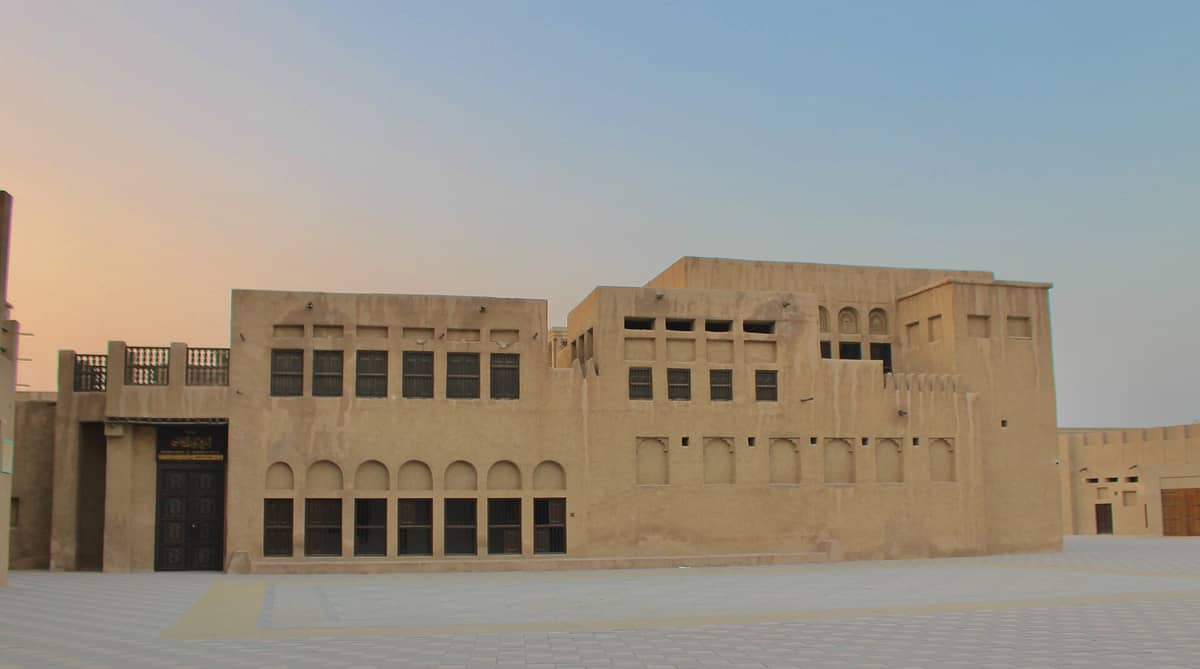
What Sheikh Saeed Al Maktoum House Actually Is
Sheikh Saeed Al Maktoum House is one of the few places in Dubai where you can stand in a room and genuinely feel the weight of time. Built in 1896 at the mouth of Dubai Creek, this coral-and-gypsum palace served as the residence of Sheikh Saeed Al Maktoum, who ruled Dubai from 1912 to 1958. He oversaw the emirate through the pearl-diving era, the Great Depression, the Second World War, and the early oil surveys, all from this building. It is not a recreation or a themed heritage experience. It is the actual house.
Today it functions as a museum dedicated to Dubai's pre-skyscraper history. The collection centers on historical photographs, maps, documents, and coins from the late 19th and early 20th centuries.
💡 Local tip
General hours are Saturday to Thursday 8:00 AM to 8:30 PM and Friday 3:00 PM to 9:30 PM; confirm with the venue or Visit Dubai before planning your visit.
The Architecture: Reading the Building Itself
The house is built in traditional Arabian Gulf architecture, using coral stone cut from the seabed and gypsum plaster as mortar and finish. The walls are thick enough to absorb heat, and the rooms are arranged around an inner courtyard that channels air movement through the structure. Four wind towers, called barjeels in Arabic, rise above the roofline. These are not decorative: before electric cooling, wind towers funneled prevailing breezes down into the rooms below, functioning as passive air conditioning. Running your hand along the plaster walls, you notice a slightly grainy, chalky texture that has nothing in common with the polished marble surfaces that dominate modern Dubai.
The building was restored in 1986, which means the structure has been reinforced and the interiors maintained, but the spatial logic of the original remains. Rooms open onto each other through low arched doorways. Wooden lattice screens, called mashrabiyya, filter light into the galleries in shifting geometric patterns depending on the time of day. In the late afternoon, when the sun is lower and angled toward the creek side of the building, the light through those screens is worth having a camera ready for.
For a broader look at traditional Gulf architecture in this part of Dubai, the Shindagha Heritage District surrounds the house and includes several restored buildings from the same era, making this area one of the most coherent heritage precincts in the city.
Inside the Collection: What You Will Actually See
The ground floor focuses on coins and currency, with an extensive display tracing the monetary systems used in the Gulf before the UAE dirham was introduced in 1973. Indian rupees, Maria Theresa thalers, and Gulf rupees all appear here, reflecting Dubai's long trading connections with South Asia and East Africa. These are small objects, but they carry a lot of historical density: the specific coins that changed hands in the creek-side souks of the early 20th century.
The upper floors hold the photographic archive, which is the real draw. Large-format prints show Dubai Creek in the pearl-diving era, the first motor vehicles on unpaved tracks, British political residents visiting the ruling family, and aerial surveys that document how the city looked before any modern infrastructure existed. There are also personal documents belonging to Sheikh Saeed, including correspondence and official papers, presented under glass. The displays are not lavishly produced by the standards of Dubai's newer museums, but they are clear and informative, with English labeling throughout.
If you are interested in complementing the photographic history with artifacts from Dubai's deeper archaeological past, the Saruq Al Hadid Museum in Bur Dubai presents Iron Age material excavated from the desert and offers a very different but equally substantive historical perspective.
When to Visit and What to Expect by Time of Day
The house sits along the waterfront at Al Shindagha, facing Dubai Creek. In the morning, between roughly 9:00 AM and 11:00 AM, the light off the water is clear and the surrounding area is relatively quiet. You can walk from the museum toward the creek edge and look across to Deira with very little crowd pressure. This is the most comfortable time to visit, particularly between November and March when morning temperatures are genuinely pleasant.
Midday visits from June through September are difficult to recommend for anyone who plans to walk between the nearby heritage buildings: temperatures regularly exceed 40 degrees Celsius and the air is humid. The museum interior is air-conditioned, but the walk from the metro station or parking area is exposed. In summer, if you visit at all, aim for the late afternoon opening on a Friday, or come in the evening on a weekday when the temperature has dropped and the creek-side atmosphere is considerably more pleasant.
Visitor numbers here are modest compared to the city's major commercial attractions, which means you rarely have to compete for space in front of display cases. School groups occasionally visit on weekday mornings, which can briefly fill the smaller rooms. If you want the quietest possible experience, a Tuesday or Wednesday morning in the winter months is close to ideal.
ℹ️ Good to know
The museum is well within walking distance of the Al Fahidi Historical Neighbourhood and the Textile and Spice Souks in Deira (reachable by abra across the creek). Plan a half-day that combines all three for a coherent picture of old Dubai.
Getting Here: Transit, Walking, and the Abra Option
The Dubai Metro Green Line to Al Ghubaiba station is a practical route, followed by a short walk toward the waterfront. The station is served by buses as well, and Al Ghubaiba is also a hub for abras: the traditional wooden water taxis that cross Dubai Creek to Deira. Arriving by abra from Deira is not the most direct route, but it gives you a view of the Al Shindagha area from the water that adds genuine context to what you are about to see inside the museum.
Parking is available in the area if you are driving, though the Dubai Creek waterfront can get congested on weekends. Public transport or ride-hailing (Uber or Careem) is the more predictable option for most visitors.
The museum is accessible on foot and, according to visitor guidance, reachable via metro, bus, and ferry. If you have mobility concerns, confirm the internal layout with the venue directly, as the building's historic structure includes stairs between floors.
Honest Assessment: Strengths and Limitations
Sheikh Saeed Al Maktoum House does some things exceptionally well and a few things only adequately. The photographic archive is genuinely rare and well-curated. Admission is via the Al Shindagha Museum ticket (AED 50 for adults at official desks), which also covers the surrounding heritage houses.
The limitations are worth knowing. The displays, while informative, are not presented with the production values of newer Dubai institutions like the Museum of the Future or even the Etihad Museum nearby. The labeling is functional rather than immersive. There is no multimedia component, no interactive layer, and no guided tour included in the standard entry. Visitors who prefer high-production museum experiences will find it modest. Those who are comfortable reading text panels and letting the architecture speak will find it quietly compelling.
For a more produced and narrative-driven take on UAE history, the Etihad Museum nearby covers the formation of the UAE federation with significant investment in display design. The two museums make a logical pairing if you have a full morning.
⚠️ What to skip
This attraction is not well-suited to visitors looking for entertainment or activity-based experiences. Children under around 10 are unlikely to engage with the displays for more than a few minutes. Families with young children might prefer to pair this with the nearby creek-side walks and abra rides rather than spending extended time inside.
Photography and What to Wear
Photography is generally permitted inside the museum for personal use, though you should verify restrictions for any individual display cases containing fragile documents. The best interior shots are in the upper gallery rooms where the mashrabiyya screens create patterned light on the white plaster walls. Early morning light filtering through the eastern-facing windows is particularly clean. For exterior shots, the building's facade photographs well from the waterfront side, especially with the creek and older buildings as background.
Dress modestly when visiting, as this is a heritage and cultural site. Shoulders and knees should be covered, which aligns with general guidelines across Dubai's cultural sites. For more on appropriate attire across different parts of the city, the Dubai outfits guide covers what works across different contexts.
Insider Tips
- The upper floors offer some of the least-photographed views of Dubai Creek with no modern obstruction in the foreground. It is worth going up even if you have already seen the collection below.
- Time your visit to coincide with the late afternoon light (around 4:00 PM to 6:00 PM in winter) if you want the best natural light inside the mashrabiyya rooms and on the facade exterior.
- The coin collection on the ground floor is more interesting than it sounds: look for the Maria Theresa thaler displays, which illustrate how a European coin became the dominant trading currency across the Indian Ocean world well into the 20th century.
- Combine this with a short abra ride across to the Spice Souk in Deira afterward: the combination of the historical photographs inside the museum and the sensory experience of the creek as it still functions today makes both experiences more meaningful.
- The Friday hours start at 3:00 PM, which means a Friday visit naturally aligns with a late-afternoon and early-evening walk through the surrounding Shindagha waterfront, when the light and temperature are both favorable and the area is livelier.
Who Is Sheikh Saeed Al Maktoum House For?
- History and heritage travelers who want to understand Dubai before the oil era
- Architecture enthusiasts interested in traditional Gulf wind-tower construction
- Budget-conscious visitors looking for high-value cultural experiences
- Photographers drawn to natural light, texture, and non-commercial subjects
- First-time Dubai visitors trying to orient themselves historically before engaging with the modern city