Visiting Dubai During Ramadan: What to Expect
Dubai stays open during Ramadan, but the city operates on different rules. This guide covers what non-Muslim visitors can and cannot do, where to eat during the day, how alcohol service changes, and why evenings during Ramadan are worth experiencing in their own right.
TL;DR
- Dubai is fully open to tourists during Ramadan, but eating, drinking, and smoking in public during daylight hours, while no longer a criminal offense, is considered disrespectful and can attract complaints or intervention from authorities.
- Hotel restaurants, screened dining areas, and food delivery remain available during the day. From sunset (iftar) onward, the city comes alive.
- Alcohol is not banned during Ramadan, but most licensed venues restrict service to after sunset. Check our guide to Dubai rules for tourists for year-round legal basics.
- Mall hours extend significantly, often until midnight or later. Iftar buffets and Ramadan night markets are genuine cultural highlights worth planning around.
- Ramadan dates shift each year on the Islamic lunar calendar. In 2025, it ran approximately 1–30 March. Verify dates before booking.
What Ramadan Actually Means for Tourists in Dubai
Ramadan is the ninth month of the Islamic lunar calendar, observed by Muslims worldwide as a period of fasting, prayer, and reflection. In Dubai, as part of the United Arab Emirates, Ramadan is a legally recognized period with specific rules that apply to everyone in public, regardless of religion or nationality. Non-Muslims are not required to fast, but public eating, drinking (including water), smoking, and chewing gum during daylight fasting hours, while no longer a criminal offense, is considered disrespectful and may draw complaints or intervention from authorities.
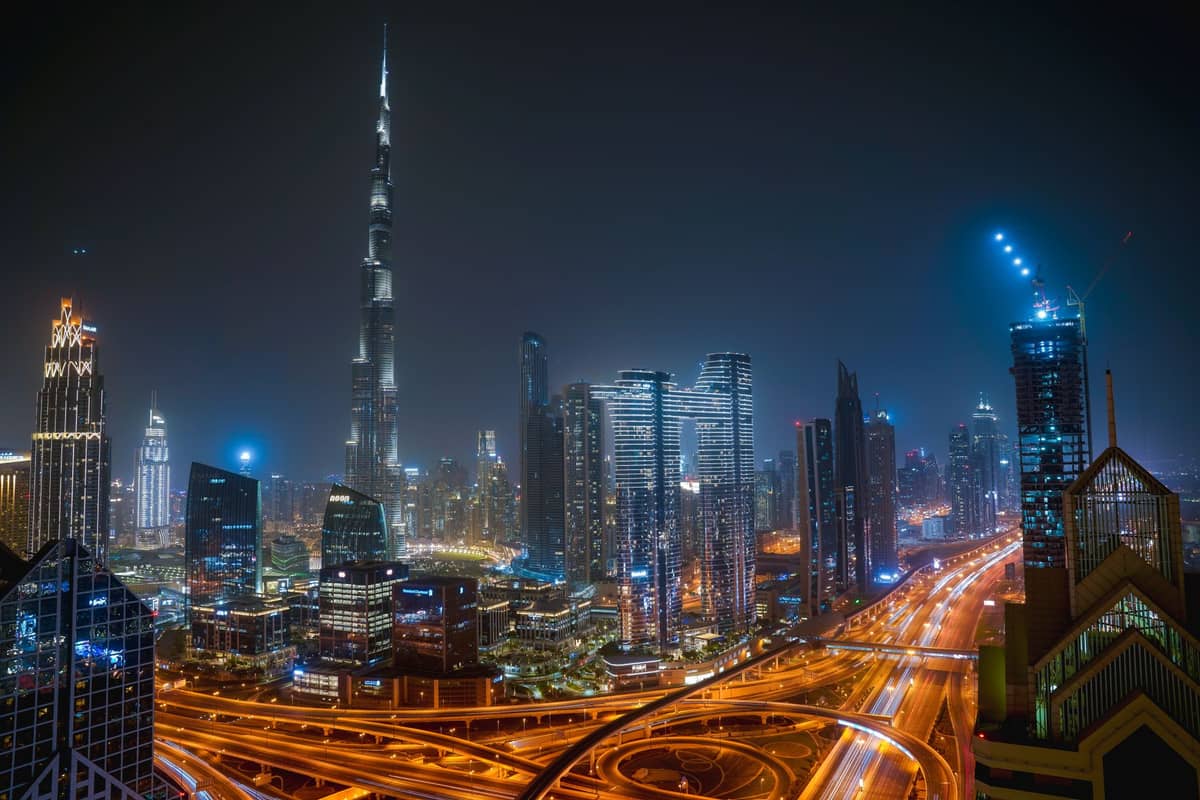
The most persistent misconception is that Dubai shuts down during Ramadan. It does not. What changes is the rhythm: daytime is quieter, business hours shift later, and the real energy happens after iftar, the fast-breaking meal at sunset. Evenings during Ramadan are some of the most atmospheric in the city, with extended shopping hours, special food markets, and a social energy that is genuinely different from peak tourist season.
⚠️ What to skip
Public consumption of food, drinks, or cigarettes during daylight fasting hours applies to all people in Dubai, including tourists. "Public" includes streets, parks, beaches, shopping mall common areas, and open spaces. While this behavior is now legally permissible, it is still considered disrespectful; eating in a screened restaurant section or your hotel room remains the appropriate option.
Dining During Ramadan: What's Open and When
Daytime dining in Dubai during Ramadan requires some planning. Many standalone restaurants close entirely during the day or offer only delivery and takeaway. Hotel restaurants remain open for guests but typically operate behind screens or partitions to keep food and drink out of public view. If you are staying at a hotel, breakfast and lunch are generally available, though the setup may feel more discreet than usual.
From iftar onward, everything opens fully. Restaurants that were dark or operating at reduced capacity during the day switch into high gear after sunset. Iftar buffets are a central feature of Ramadan dining, available at hotels, dedicated Ramadan tents, and many mid-range restaurants. Buffet prices vary considerably: entry-level options typically start around AED 150 per adult at mid-range venues, while five-star hotel spreads can reach AED 450 or more. Booking ahead for iftar is strongly recommended during the last week of Ramadan, which tends to be the busiest.
- Hotel restaurants Open during the day behind partitions. Reliable for breakfast, lunch, and non-stop iftar service after sunset. Most include an iftar buffet option.
- Mall food courts Many food court outlets operate limited daytime service, often screened off. From iftar, they run at full capacity and stay open until midnight or beyond.
- Delivery apps (Talabat, Deliveroo, Noon Food) Fully operational during the day. Ordering to your hotel room or private accommodation is the most straightforward daytime option.
- Ramadan tents and night markets Temporary dining and entertainment setups that appear at major venues across the city, running exclusively from iftar through suhoor (pre-dawn meal). These are worth seeking out for the atmosphere alone.
- Standalone restaurants Hit or miss during the day. Many are closed entirely or offering delivery only. Check Google Maps or call ahead before making a trip.
💡 Local tip
If you want to experience an authentic iftar, aim for Ramadan tents at heritage locations rather than generic hotel buffets. Areas like Al Seef along Dubai Creek and the Shindagha Heritage District host community iftar settings that are far more culturally interesting than a five-star hotel dining room.
Alcohol During Ramadan: The Real Rules
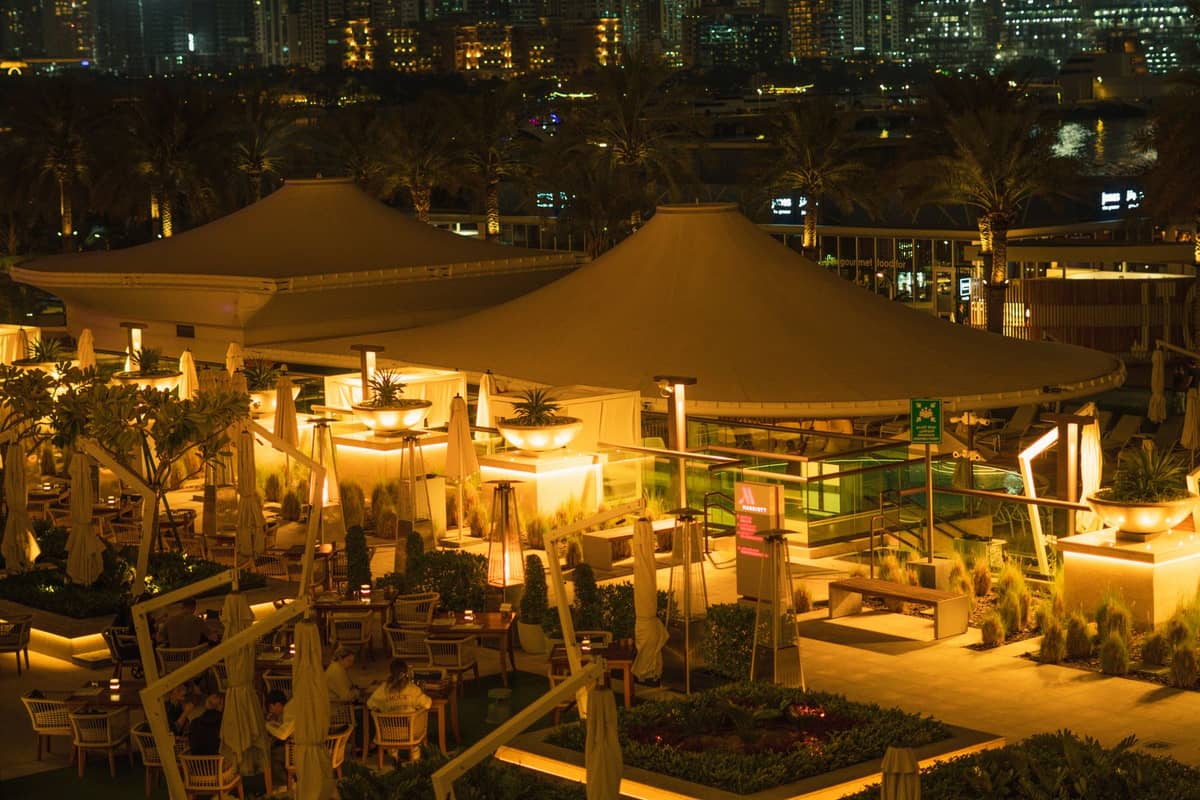
Alcohol is not prohibited during Ramadan in Dubai, but service is noticeably restricted compared to the rest of the year. The practical reality: most licensed venues, including hotel bars and licensed restaurants, shift to serving alcohol only after iftar (sunset). Some establishments serve discreetly during the day behind closed doors or in enclosed sections, while a minority suspend alcohol service for the entire month. There is no single rule applied uniformly; it varies by venue.
The standard rules that apply year-round still apply: alcohol can only be consumed on licensed premises, never in public spaces, on beaches, or in parks. During Ramadan, these rules are more visibly enforced. Purchasing alcohol from bottle shops is also subject to adjusted hours, with some retailers closing during the day entirely. For travelers whose itinerary centers on nightlife, Ramadan is not the ideal timing, but it is far from a dry month.
ℹ️ Good to know
Hotel minibars are typically stocked year-round, and in-room consumption is not restricted. If you want a drink during the day during Ramadan, your hotel room is the appropriate place for it.
Mall Hours, Shopping, and the Extended Night
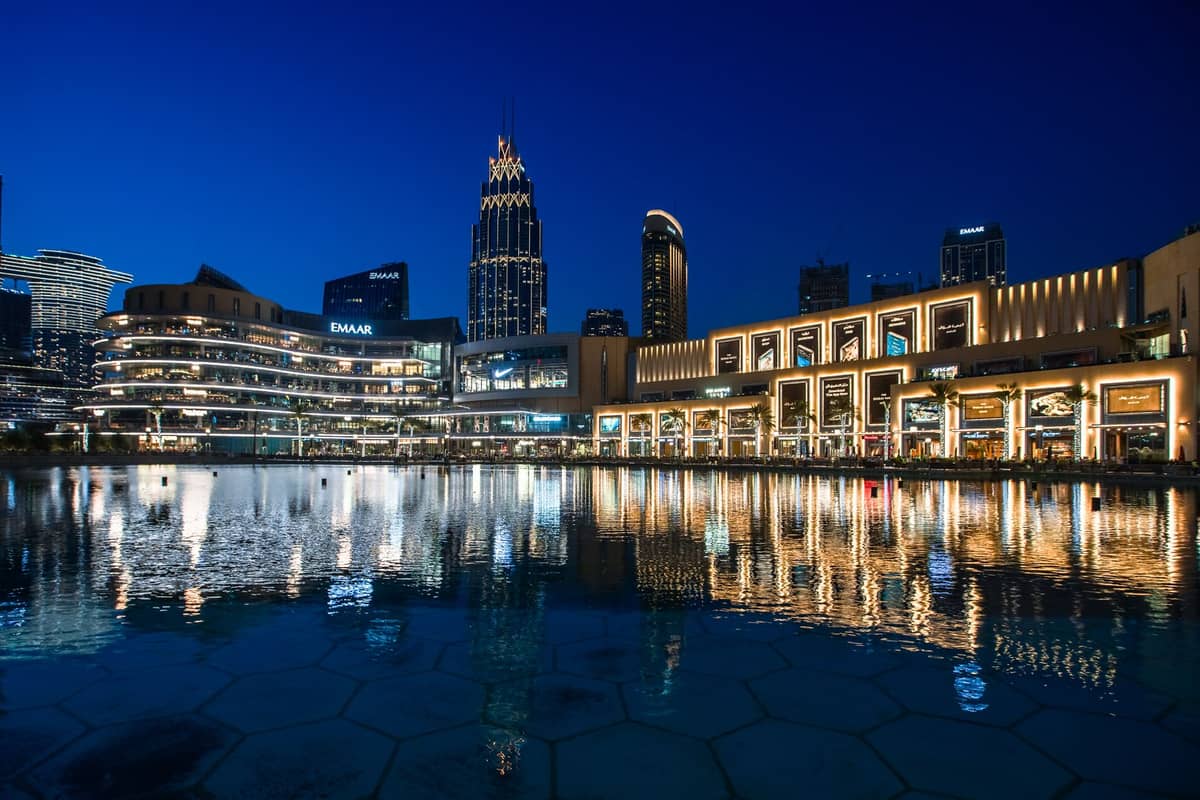
One of the practical upsides of visiting Dubai during Ramadan is extended retail and entertainment hours. Major malls, including Dubai Mall, Mall of the Emirates, City Centre Deira, and Dubai Festival City, typically open around 10:00 and stay open until around 1:00–2:00 AM, depending on the day. Food outlets within malls often operate until 2:00 AM on busy nights. This makes Ramadan evenings ideal for shopping, browsing, and people-watching without the daytime heat.
The Dubai Mall and Mall of the Emirates both extend hours significantly during Ramadan. The Gold Souk in Deira and surrounding areas in Deira are also particularly lively after iftar, with traders keeping shops open well into the night. If gold or spice shopping is on your list, Ramadan evenings are an excellent time to visit.
Hours are published annually by individual operators and can shift based on the day of the week or proximity to Eid Al Fitr, the celebration marking the end of Ramadan. Always check current Ramadan timings directly with the venue or via local news sources like Gulf News or Time Out Dubai, rather than relying on standard listings that may not reflect Ramadan adjustments.
Dress Code, Behavior, and Respecting Local Customs
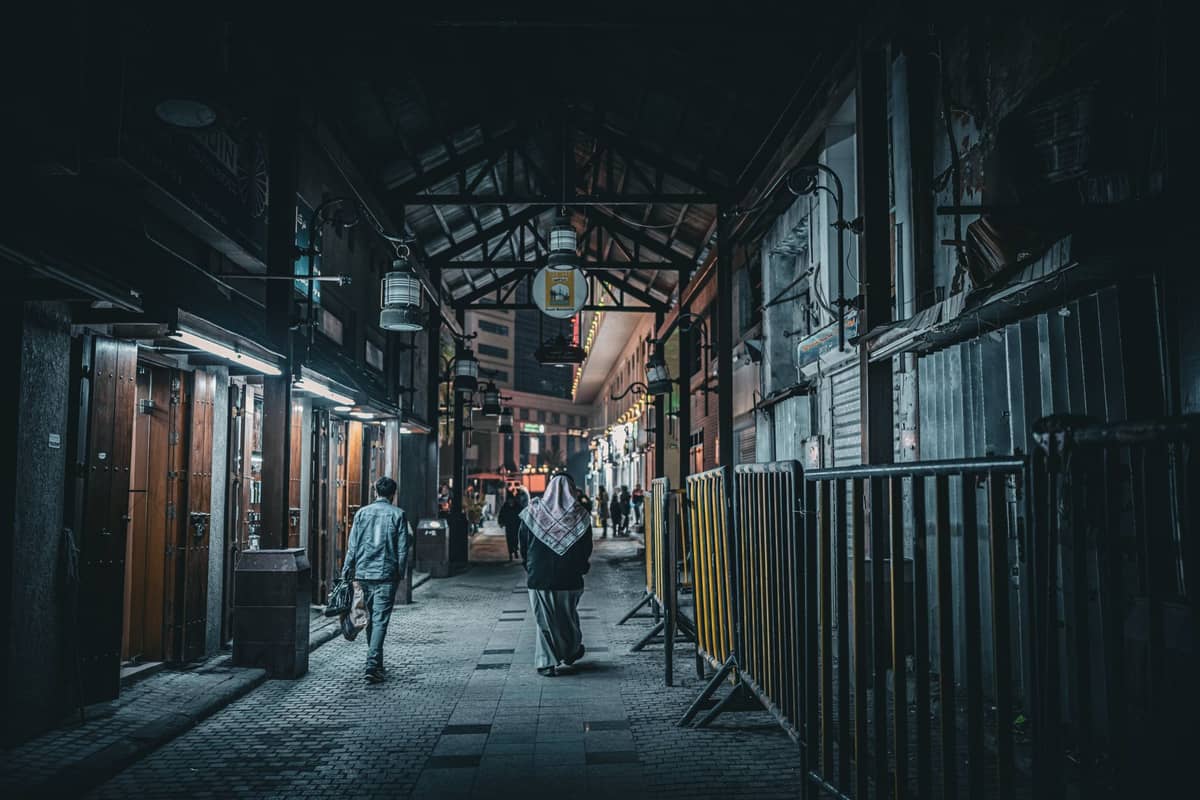
Dubai's modest dress expectations apply year-round, but they are more pronounced during Ramadan. Covering shoulders and knees in public spaces is the practical standard. Swimwear is appropriate on hotel beaches and at pool areas, but not in malls, souks, or streets. Overly revealing clothing in public during Ramadan is more likely to draw attention or be flagged by authorities than at other times of year.
Playing loud music in public and in cars with windows open is restricted during Ramadan. Nightclubs that rely on live music may operate under adjusted rules depending on licensing and the specific Ramadan period. Keep the volume down in shared spaces, and avoid any behavior that could be interpreted as disruptive during this period of religious observance.
- Do not eat, drink, smoke, or chew gum in public during fasting hours, including in your car with the windows down
- Dress modestly in public: shoulders covered, knees covered as a minimum standard
- Avoid playing loud music in public spaces or from vehicles
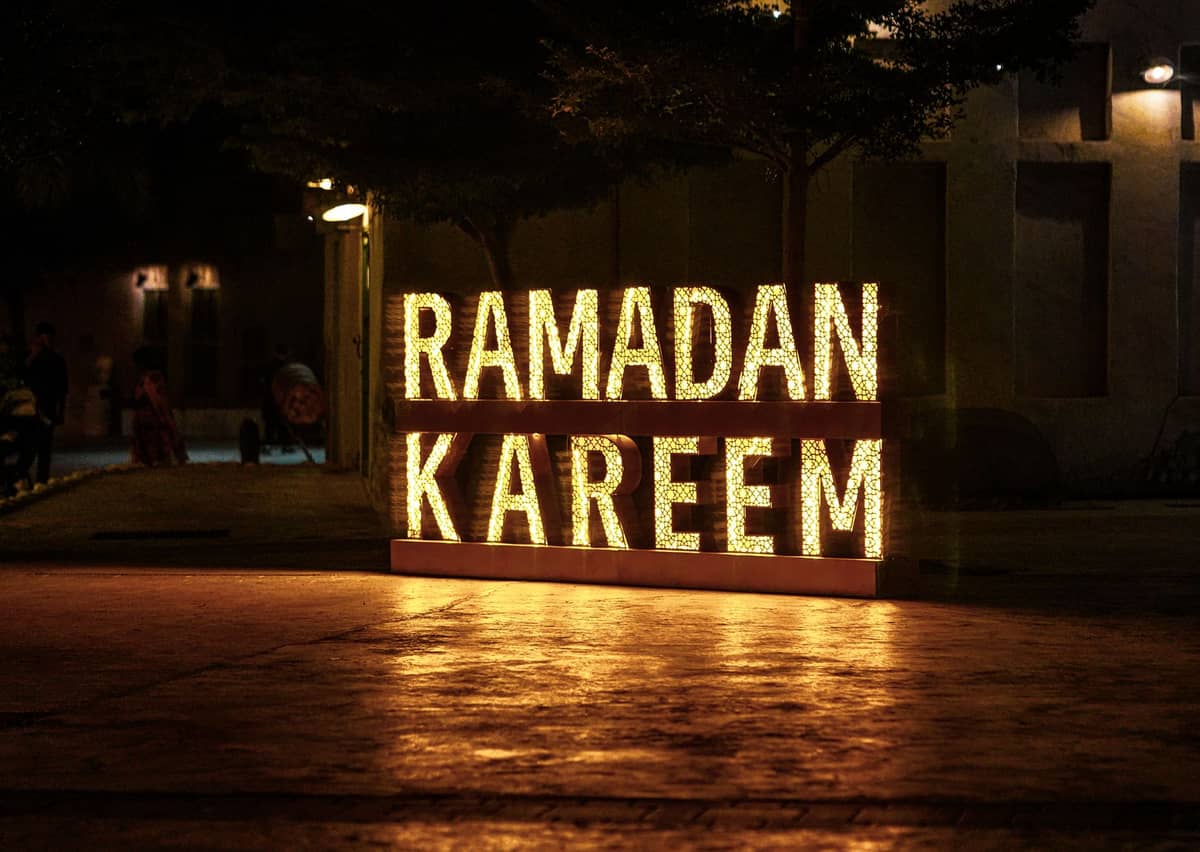
- Greet Muslims with 'Ramadan Kareem' (generous Ramadan) or 'Ramadan Mubarak' (blessed Ramadan) if you want to acknowledge the occasion
- Be patient with slower service during the day: many staff are fasting and working long hours
- Tipping generously at restaurants and for hotel services during Ramadan is appreciated but never obligatory
Is Ramadan a Good Time to Visit Dubai?
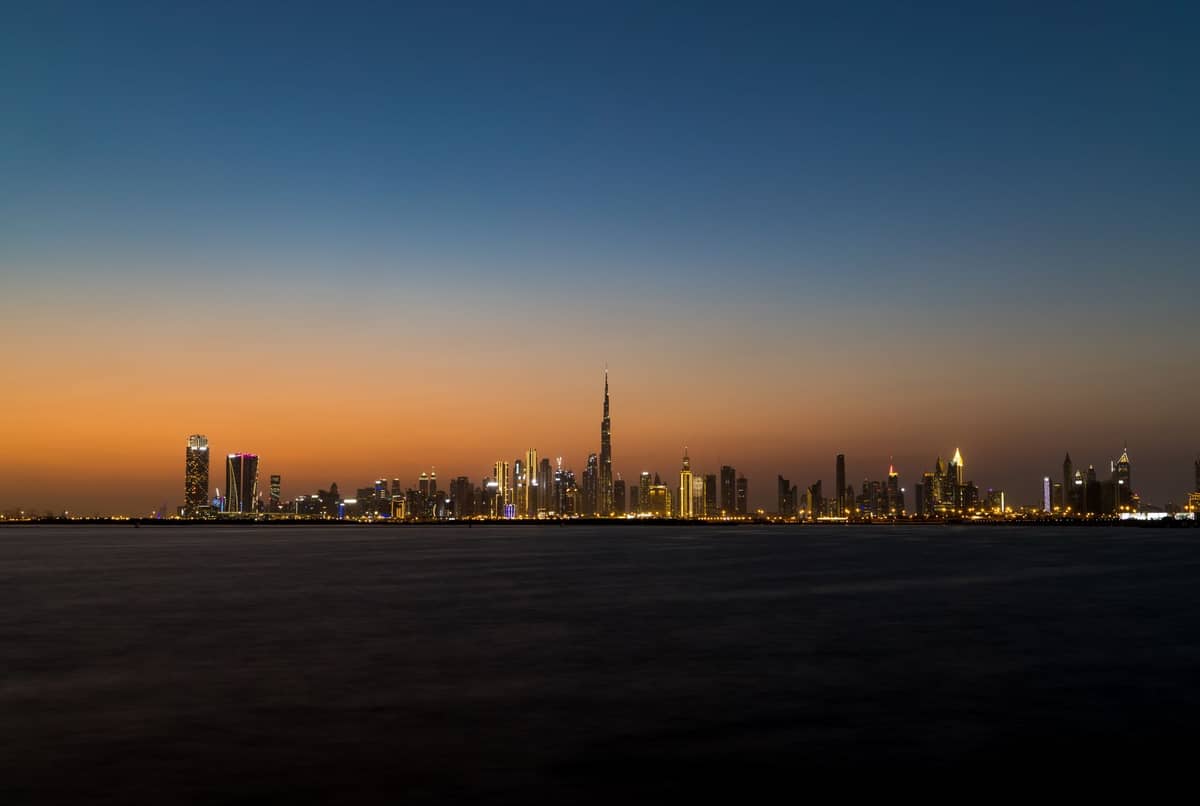
Ramadan falls during different calendar months each year due to the Islamic lunar calendar, shifting approximately 10-11 days earlier annually. When it coincides with Dubai's peak tourist season (November to March), the overlap creates a genuinely interesting travel experience. When it falls in summer months, the combination of fasting heat and extreme temperatures makes it a harder sell. Check the best time to visit Dubai guide for a full breakdown of seasonal considerations.
The honest answer is that Ramadan is not for every type of traveler. If your trip revolves around pool bars, brunches, nightlife, and daytime beach dining, you will find it more restricted than usual. But if you are interested in experiencing Dubai as a city with cultural depth rather than just a luxury destination, Ramadan offers something you will not find at any other time of year: a slower pace during the day, extraordinary iftar spreads, extended evening energy, and a sense of communal occasion that cuts across the city's otherwise relentless commercial hum.
Visitor numbers are typically lower during Ramadan compared to peak season, which means shorter queues at major attractions like the Burj Khalifa and the Dubai Frame. Hotel rates can also be more competitive, though this varies. It is worth noting that some attractions reduce hours or adjust programming during Ramadan, so checking ahead is essential.
✨ Pro tip
Book iftar at a heritage-area restaurant or Ramadan tent at least 2-3 days in advance, especially on weekends and during the final days before Eid Al Fitr. These fill up quickly and the experience is a genuine cultural highlight that most tourists miss entirely by eating at their hotel.
For travelers interested in the cultural and historical dimension of Dubai, Ramadan pairs well with visits to Al Fahidi Fort and the Shindagha Heritage District, both of which take on added resonance during the holy month. The Old Dubai guide covers these areas in detail.
FAQ
Can tourists eat in public during Ramadan in Dubai?
No. Eating, drinking (including water), smoking, and chewing gum in public during daylight fasting hours is strongly discouraged for everyone in Dubai during Ramadan, regardless of religion or nationality, but recent legal reforms mean it is no longer treated as a criminal offense with fines. You can eat and drink privately in hotel rooms, screened restaurant sections, and designated dining areas.
Is alcohol available in Dubai during Ramadan?
Yes, but with restrictions. Alcohol is not banned during Ramadan, but most licensed bars and restaurants shift to serving only after iftar (sunset). Some venues suspend service for the entire month. In-room minibars at hotels are typically unaffected. Public drinking is never permitted in Dubai, and this is more strictly enforced during Ramadan.
When is Ramadan in Dubai in 2025 and 2026?
In 2025, Ramadan in the UAE is expected to run from about 1 to 30 March. In 2026, it is expected to begin around 20 February, though the exact start is confirmed by official moon sighting. Because Ramadan follows the Islamic lunar calendar, dates shift by approximately 10–11 days earlier each year. Always verify current dates with official UAE sources before travel.
Are Dubai attractions open during Ramadan?
Most major attractions remain open during Ramadan, but hours may be adjusted. Some attractions open later in the morning and stay open later into the evening. A minority may reduce programming or close temporarily. Check directly with individual venues before visiting, particularly for outdoor or ticketed attractions.
What should tourists wear during Ramadan in Dubai?
The standard guideline is to cover shoulders and knees in public spaces. This applies year-round in Dubai but is more important during Ramadan. Swimwear is acceptable at hotel pools and beaches but should not be worn while walking through malls, souks, or streets. Avoid anything that would be considered revealing in a public setting.