Dubai Rules for Tourists: Laws, Customs & What Actually Gets You in Trouble
Dubai is one of the world's most visited cities, but it operates under a legal and cultural framework that surprises many Western visitors. This guide covers the rules that matter: alcohol laws, dress codes, public behavior, Ramadan etiquette, and the misconceptions that trip people up most often.
TL;DR
- Dubai follows UAE federal law, which is rooted in Islamic values. Some things legal at home are offenses here.
- Alcohol is legal only in licensed venues (mostly hotels and certain restaurants). Drinking in public or being visibly drunk outside those venues is a criminal offense.
- Dress modestly in public: cover shoulders and knees in malls, markets, and government buildings. Beachwear stays at the beach.
- During Ramadan in Dubai, eating, drinking, and smoking in public during daylight hours is prohibited for everyone, including tourists.
- The rules are consistently enforced. Fines are common, and in serious cases, deportation or jail is a real outcome.
Understanding the Legal Framework: Why Dubai's Rules Are Different
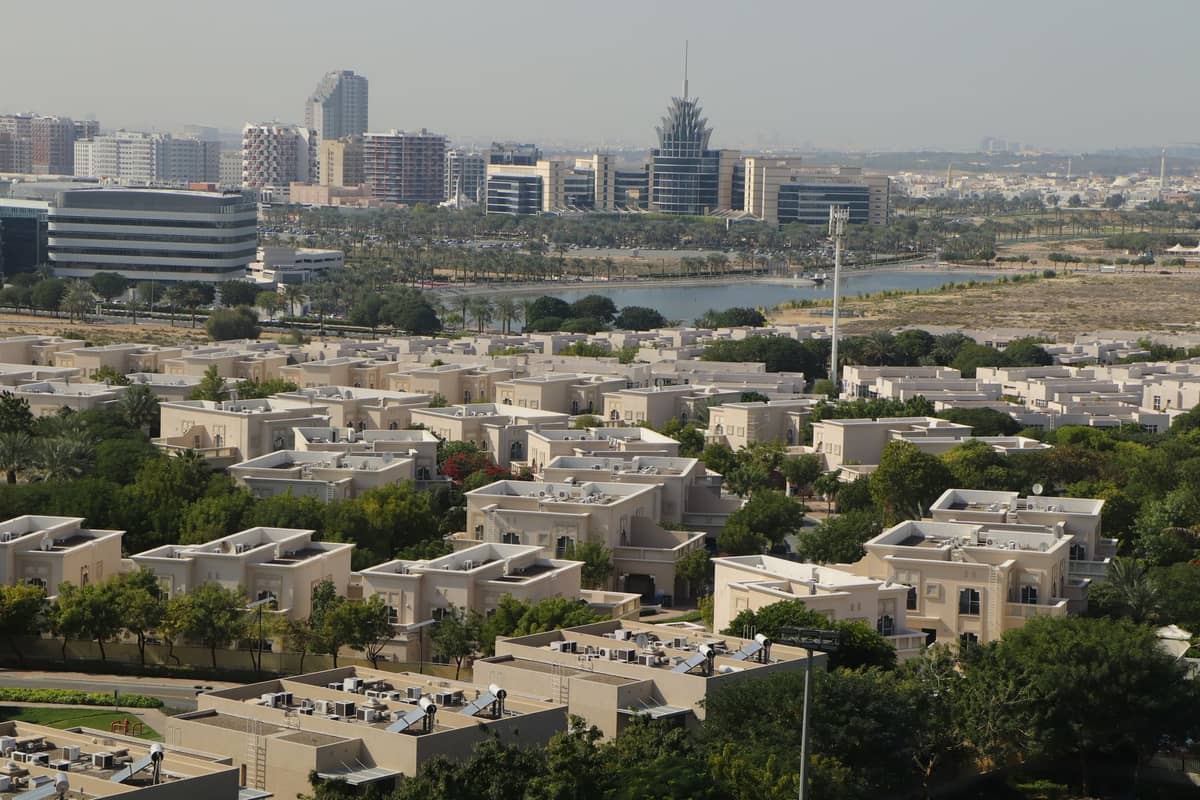
Dubai is not an independent country. It is one of the seven emirates that make up the United Arab Emirates (UAE), and it operates under UAE federal law alongside emirate-level regulations. That distinction matters because many rules visitors encounter are not Dubai-specific quirks but national laws that apply across all seven emirates. The UAE's legal system incorporates Islamic (Sharia) principles alongside civil law, which is why some behaviors considered personal freedoms in Europe or North America are classified as public offenses here.
Dubai is genuinely cosmopolitan. Arabic is the official language, but English works almost everywhere, from metro stations to restaurants to government counters. With a population estimated at over 4.24 million (Dubai Data & Statistics Establishment, 2024), the vast majority of residents are expatriates from South Asia, East Asia, Europe, and beyond. The city is accustomed to tourists from every corner of the world. Most visits pass without incident. But the rules are real, enforced, and not negotiable on the basis of cultural unfamiliarity.
ℹ️ Good to know
The UAE country calling code is +971, with +971 4 for Dubai landlines. Emergency services: dial 999 for police and 998 for ambulance. Keep these saved before you arrive.
Alcohol Laws: What's Permitted and What Isn't
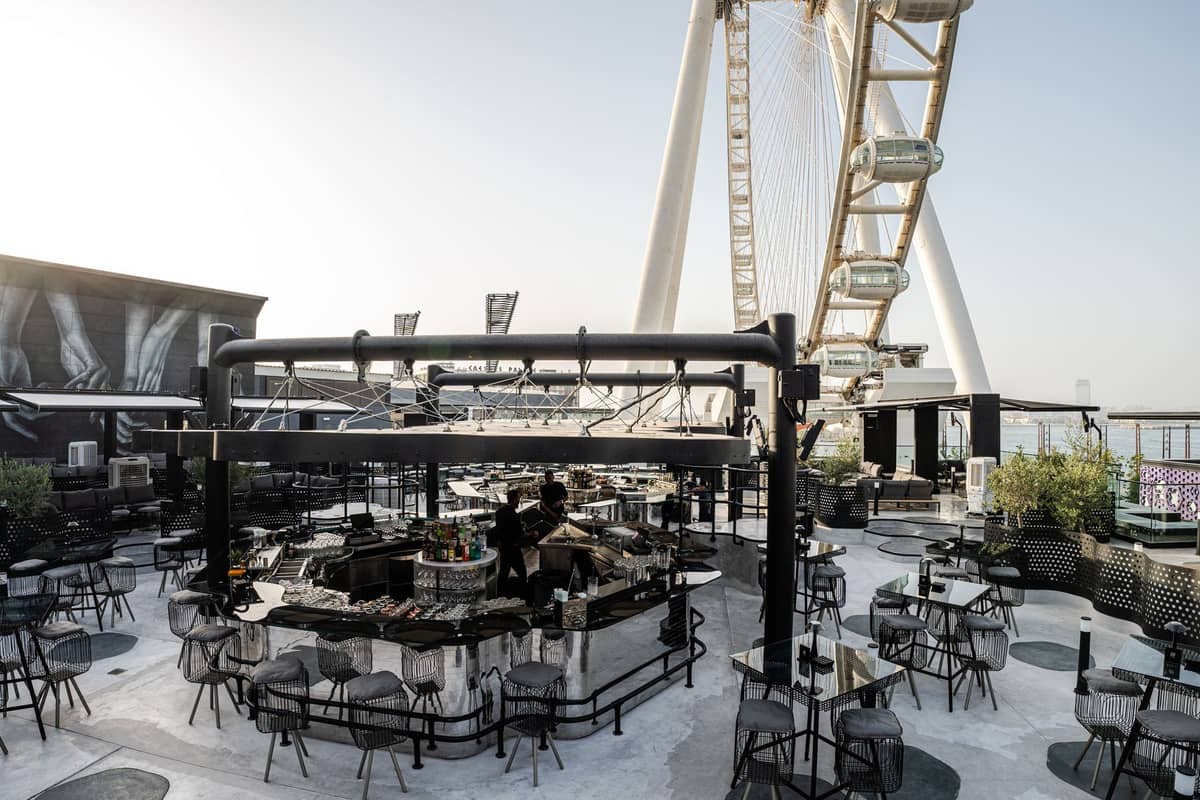
Alcohol is legal in Dubai, but with clear limits. It can only be purchased and consumed in licensed venues, which in practice means hotels, certain standalone restaurants that hold a liquor license, and a limited number of bars and clubs. Many of Dubai's best restaurants and rooftop venues are licensed and freely serve wine, spirits, and beer. You will not struggle to find a drink at a hotel bar or a licensed brunch spot.
Where it becomes a legal issue: consuming alcohol in a public space, a park, on a beach, or on the street. This includes being visibly intoxicated in any public area. Drink-driving is treated with zero tolerance, with the legal blood alcohol limit effectively at zero for driving purposes. Violations can result in heavy fines, detention, and deportation. The same applies to attempting to bring alcohol into the country beyond duty-free limits. Arriving passengers are typically permitted around 4 litres of alcohol, provided they are over 18, Gifts and personal items are subject to Dubai Customs rules, with a duty‑free exemption threshold around AED 3,000 in declared value.
⚠️ What to skip
Do not carry an open bottle of alcohol outside a licensed venue. Even walking between hotel properties with a drink in hand can attract attention from authorities. Keep consumption inside.
Dress Code: The Practical Reality

The short version: cover up when you are not at the beach or pool. This means shoulders and knees covered in malls, souks, markets, government buildings, and general public areas. Swimwear, crop tops, and very short shorts are appropriate at the beach and at pool areas, not in the streets, taxis, or shopping centers.
A common misconception, worth addressing directly: there is no specific law in Dubai that mandates tourists wear particular clothing, and Gulf News has reported that local authorities clarify there are no blanket legal restrictions on women's dress. In practice, however, wearing revealing clothing in non-beach public spaces regularly leads to complaints and can result in a fine or being asked to leave a venue. Hotels and malls like the Dubai Mall and Mall of the Emirates will occasionally redirect visitors who are not dressed appropriately. At religious sites, including the Jumeirah Mosque, full modest dress is non-negotiable regardless of gender.
- Beaches and pools Swimwear is fine. Nudity is not. Topless sunbathing is prohibited.
- Malls and souks Cover shoulders and knees. Lightweight linen or cotton works well in the heat and meets the standard.
- Mosques Full modest dress required. Women typically need to cover hair. Abaya coverings are usually provided at the entrance.
- Restaurants and nightlife Smart casual is standard at upscale venues. Dress codes at clubs are enforced by the venue, not the government.
- Government offices Conservative dress expected. Err on the side of formal.
If you are visiting Jumeirah Mosque or exploring heritage areas like Shindagha Heritage District or the Al Fahidi neighborhood, wear clothing that covers arms and legs as a baseline.
Public Behavior: The Rules That Catch Tourists Off Guard
Several behaviors that are unremarkable in other major cities are classified as public offenses in Dubai. Knowing these in advance is straightforward insurance.
- Public displays of affection Holding hands is generally tolerated for couples, but kissing in public is not. This applies to both opposite-sex and same-sex couples. Same-sex relationships are not recognized under UAE law.
- Swearing and offensive gestures Profanity in public, including in a raised-voice argument, is a fineable offense. Aggressive hand gestures while driving can also result in a fine.
- Taking photos of people without consent Photographing individuals, particularly women, without permission is considered a violation of privacy and can be reported to police. Exercise caution at souks and in residential neighborhoods.
- Eating and drinking in public during Ramadan During the holy month of Ramadan, eating, drinking, or smoking in public between sunrise and sunset is prohibited for everyone, including non-Muslim tourists. Designated areas in some malls exist for this purpose.
- Posting on social media Sharing content online that is deemed offensive, defamatory, or critical of the UAE government or royal family can lead to arrest. This extends to photos and videos taken in public.
✨ Pro tip
If you are involved in a minor road incident or public dispute, avoid any confrontational language or gestures. In Dubai, both parties in a public altercation can be held by police while the incident is investigated, regardless of who started it. Keep calm, be polite, and let the systems work.
Ramadan and Seasonal Considerations

Ramadan shifts the city's rhythm noticeably. Business hours change, restaurants operate reduced daylight hours or screen off their dining areas, and the Dubai Metro adjusts its timetables. If you are planning a trip that overlaps with Ramadan, read our full guide on what to expect during Ramadan in Dubai before you go. The experience can be genuinely special, but unprepared visitors often find it disorienting.
Outside of Ramadan, the biggest practical consideration is heat. From roughly May through September, daytime temperatures regularly exceed 40°C with high humidity. Most of Dubai's attractions are air-conditioned, and locals adapt by shifting activities to the evening. Modest dress during this period does not have to mean suffering: lightweight linen, loose cotton, and breathable fabrics are widely available in Dubai's malls and are what most residents actually wear. The notion that covering up means overheating is a misconception.
For climate context and practical timing, the best time to visit Dubai is November through March, when daytime highs sit between 24 and 31°C. November is the standout month, combining comfortable temperatures with lower crowd levels than December and January.
Getting Around: Metro Rules, Transport Etiquette, and Practical Costs
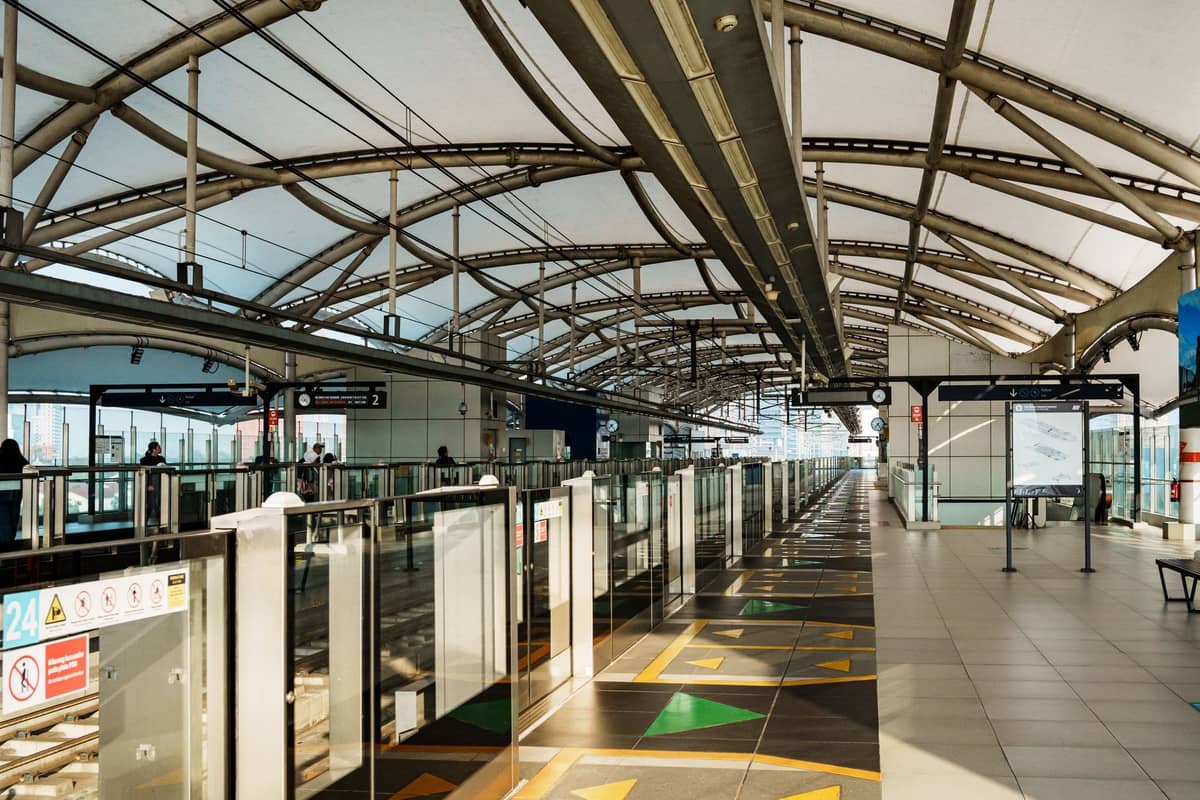
The Dubai Metro has its own code of conduct, and enforcement is stricter than most visitors expect. Eating, drinking, and smoking are prohibited on the Metro and on RTA buses. Priority seating for elderly, disabled, and pregnant passengers must be respected. There are dedicated women-and-children carriages at the front of every train: men who enter these are fined. Gold Class carriages require a Gold ticket.
Metro operating hours are approximately 05:00 to midnight Monday through Thursday and Saturday, with extended service until around 01:00 on Fridays. On Sundays, service typically starts at 08:00. These hours adjust slightly during major events, so check the RTA app or website for current timetables before your trip. Single-trip fares using a Silver nol card are around AED 3 for one zone, AED 5 for two zones, and AED 7.50 for three or more zones. Children under five travel free. Red tickets (single-use) cost slightly more than nol card fares.
For airport transfers from Dubai International Airport (DXB, approximately 15 km from the city centre), the Metro Red Line is the most cost-efficient option at roughly AED 5–7.50 per person on a Silver nol card with 25–35 minutes travel time to central stations. Metered RTA taxis run AED 60-90 to Downtown, and Uber and Careem are both operational with prices typically in the AED 50-100 range depending on demand. Pre-booked private transfers start around AED 150. For a full breakdown of getting in and out of the city, see our guide to getting around Dubai.
Practical Quick Facts for First-Time Visitors
- Currency UAE dirham (AED). Cards are widely accepted, but carry some cash for taxis, small shops, and older souks.
- Electricity 230V / 50Hz. Type G plugs (British three-pin rectangular). Bring an adapter if you are from the US, Europe, or much of Asia.
- Tap water Treated and meets official standards, but most residents and visitors drink bottled water. Both are widely available.
- Time zone Gulf Standard Time (GST), UTC+4. No daylight saving time, so the offset from Europe narrows in summer.
- Tipping Not mandatory, but expected in restaurants (around 10%) and appreciated for hotel staff and taxi drivers. Some bills include a service charge, so check before adding a tip.
- Emergency numbers 999 for police, 998 for ambulance. Country dialing code: +971, with +971 4 for Dubai landlines.
- Visa UAE visa policy varies by nationality. Many nationalities receive visa-on-arrival or visa-free entry, but verify with UAE immigration authorities or your airline before travel, as rules change.
💡 Local tip
Bring a Type G plug adapter. Dubai runs British-style three-pin sockets throughout. Hotels often have universal outlets in bathrooms for shavers, but room sockets are standard UK-spec. It is easier to buy an adapter before you travel than to find a specific one in a hurry after arrival.
If you want to go deeper on exploring the city safely and confidently, our guide on is Dubai safe for tourists covers crime rates, neighborhood considerations, and practical safety advice. For context on what the city is actually like to visit day-to-day, is Dubai worth visiting gives an honest assessment.
FAQ
Can tourists drink alcohol in Dubai?
Yes, but only in licensed venues. This means hotel bars, licensed restaurants, and some clubs. Drinking in public spaces, parks, beaches outside licensed beach clubs, or any unlicensed venue is a criminal offense. Being visibly drunk in public is also an offense, even if you drank in a licensed venue.
What happens if you dress inappropriately in Dubai?
In most public areas, you are likely to receive a warning or be asked to cover up. In more conservative areas or government buildings, it can result in a fine. At religious sites like mosques, you will not be admitted without appropriate dress. The practical advice: cover shoulders and knees in any non-beach public space and you will not have a problem.
Is it illegal to swear or make rude gestures in Dubai?
Yes. Swearing in public and offensive gestures are classified as public indecency offenses under UAE law and can result in fines or detention. This applies to arguments with taxi drivers, disputes in traffic, and social media posts. The threshold is lower than most Western visitors expect.
Are there rules about photography in Dubai?
Photography of landmarks, skylines, and tourist areas is generally fine. Taking photos of people, especially women, without their consent is considered a privacy violation and can be reported to police. Photographing government buildings, military installations, and airports is prohibited. When in doubt, ask before photographing individuals.
Do Dubai rules apply differently during Ramadan?
Yes. During Ramadan, eating, drinking, and smoking in public between sunrise and sunset is prohibited for everyone, including non-Muslim tourists. Many restaurants close during the day or screen off dining areas. Metro hours, business hours, and the pace of the city all shift. Respecting the month is expected and is not difficult with basic awareness.