Is Dubai Worth Visiting? An Honest Assessment
Dubai draws nearly 20 million international visitors a year, but it divides opinion like few destinations on earth. This guide cuts through the hype and the backlash to give you a straight answer — with specific details on costs, seasons, experiences, and who the city actually suits.
TL;DR
- Dubai is worth visiting if you want world-class infrastructure, spectacle, and a genuinely unique urban experience — but it rewards planning more than most cities.
- The best time to visit is November to March, when temperatures stay around 22–30°C. Full seasonal breakdown here.
- Summer (June–August) is brutal outdoors but offers the lowest hotel prices and far smaller crowds — workable if you plan around indoor attractions.
- Dubai is not a budget destination in peak season, but it is far cheaper than its reputation suggests if you time your trip right and avoid the tourist traps.
- The city has genuine cultural depth in Al Fahidi and Deira — it is not all glass towers and brunch buffets.
What Dubai Actually Is (And What It Isn't)
Dubai is the largest city in the United Arab Emirates, governed as the Emirate of Dubai under the UAE's federal structure. Its permanent resident population sits around 4.58 million, but the peak-time population including workers and short-stay visitors reaches over 6.39 million. Arabic is the official language, but English works everywhere a tourist needs to go — in hotels, taxis, malls, restaurants, and on public transport signage. The currency is the UAE dirham (AED), pegged to the US dollar at approximately 3.67 AED per USD.
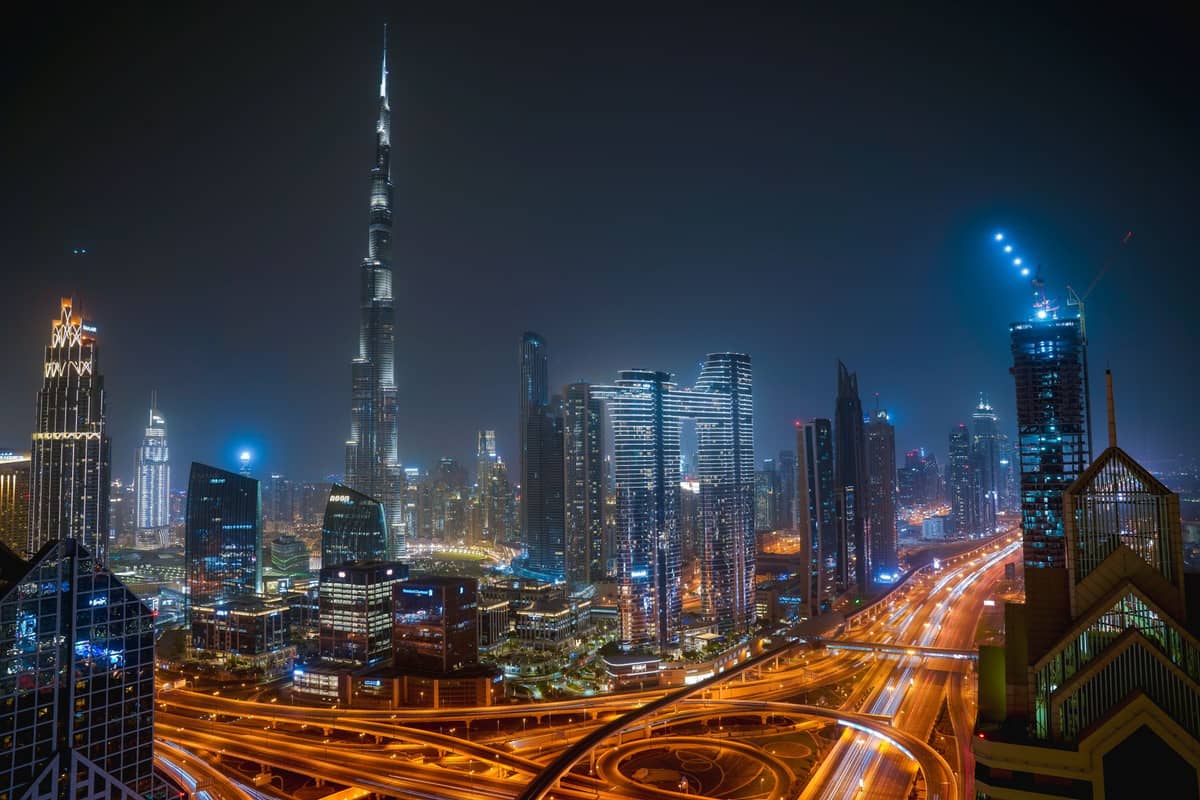
The city that exists today is largely a product of the last 50 years. In the 1970s, Dubai was a modest trading port. Today it holds the world's tallest building, one of the world's busiest airports, and a tourism industry that recorded approximately 19.59 million international overnight visitors in 2025 — a third consecutive record year. That growth is real, and it shows. The infrastructure is exceptional by global standards: the metro is clean and punctual, roads are well-maintained, and the airport (IATA: DXB, around 15 km from the city centre) consistently ranks among the world's best for connectivity.
What Dubai is not: an ancient city with layered millennia of history. What historical fabric does exist is concentrated in specific pockets — particularly the Shindagha Heritage District and the Al Fahidi Fort. If you visit expecting Rome or Istanbul, you will be disappointed. If you visit expecting something genuinely unlike anywhere else on earth, you will not.
The Honest Case For Going
Dubai does several things better than almost any other city in the world, and they are worth naming specifically rather than just calling it 'impressive.'
The scale of its attractions is legitimately extraordinary. The Burj Khalifa at 828 metres is not just a tall building — standing at the base of it recalibrates your spatial sense in a way photographs cannot. The Dubai Fountain, the world's largest choreographed fountain, performs free shows every evening on the Burj Khalifa Lake. The Museum of the Future is one of the most architecturally ambitious buildings on the planet. These are not tourist traps — they are genuinely worth your time.
Dubai also works as a base for the region. Day trips to Abu Dhabi are straightforward (roughly 90 minutes by road), and the emirate of Hatta offers mountain scenery and hiking that most visitors never consider. The airport's connectivity means Dubai functions as a logical stopover between Europe and Asia or Australia, and a two to three night stopover often costs little more than a transit hotel if you book smart.
For families, the offering is unusually strong. IMG Worlds of Adventure, Aquaventure Waterpark, Ski Dubai, and the Dubai Aquarium represent a concentration of child-friendly attractions that is hard to match in a single city. More detail is covered in our guide to Dubai with kids.
✨ Pro tip
The Dubai Fountain show is completely free and runs every evening from around 6pm, with performances every 30 minutes after dark until around 11pm. Watching it from the waterfront promenade costs nothing. Skip the paid 'fountain boat ride' on your first visit — the ground-level view is better.
The Honest Case Against Going
Dubai has real drawbacks, and dismissing them does prospective visitors a disservice. The city is built for cars and malls. Outside of the Marina waterfront, the Bur Dubai creek area, and a handful of pedestrian-friendly zones, walking between attractions is either impractical or unpleasant for much of the year. The urban form is sprawling and disconnected in ways that make spontaneous exploration difficult.
The social rules require awareness. Dubai operates under UAE federal law combined with local regulations. Public displays of affection are discouraged. Alcohol is available in licensed hotels and restaurants but not openly on the street or in unlicensed venues. During Ramadan, eating and drinking in public during daylight hours is restricted. Dress codes in public spaces — particularly around mosques and traditional markets — require modesty. None of this is unmanageable, but it does require more behavioral awareness than a trip to Barcelona or Bangkok.
Some of the most heavily marketed experiences are also overrated. The generic 'desert safari' sold by every hotel concierge typically involves a convoy of SUVs doing dune bashing for 20 minutes, followed by a large tourist camp with belly dancing and a buffet. It is not a genuine desert experience. If that sounds fine to you, it is a reasonable evening out. If you want something more substantive, the Dubai Desert Conservation Reserve offers a categorically different experience and is worth the additional cost.
⚠️ What to skip
Laws around photography are stricter than many visitors expect. Photographing government buildings, military installations, and private individuals without consent can result in serious legal consequences. Always check before pointing a camera at anything official-looking, and ask permission before photographing people in souks or markets.
Costs and Budget Reality
Dubai's reputation as an expensive city is partly accurate and partly a function of when and how you travel. In peak season (December to February), hotel prices at four and five-star properties in Downtown or the Marina can run 800–2,000 AED per night (roughly $220–$545 USD). At the same time, budget hotels in Deira and Bur Dubai offer clean, functional rooms for roughly 250–450 AED per night. The price gap between seasons is significant: the same hotel that charges 1,200 AED in January may charge 350 AED in July.
- Getting around The metro Red Line connects DXB airport to central Dubai in 25–35 minutes for around 6–8 AED. A taxi from the airport to Downtown runs 50–90 AED depending on traffic. Careem and Uber both operate and are reliable. Renting a car makes sense for day trips but adds parking complexity in central areas.
- Eating A meal at a mid-range restaurant costs 60–120 AED per person. The food court in any major mall offers solid meals for 25–50 AED. Shawarma from a street-side counter runs 10–15 AED. Fine dining at a rooftop restaurant starts at 300–500 AED per person including drinks.
- Attractions The Burj Khalifa observation deck (At the Top, 124th floor) costs around 149–249 AED depending on time slot. The Dubai Frame entrance is approximately 50 AED. The Dubai Fountain is free. Many beaches are free — Kite Beach and Jumeirah Beach are both publicly accessible.
- Alcohol A beer at a hotel bar costs 40–70 AED. A glass of wine at a mid-range restaurant runs 55–90 AED. Alcohol is only available in licensed venues — supermarkets and convenience stores do not sell it.
For a genuinely budget-focused approach, our guide to doing Dubai on a budget covers the specific strategies that work — including the free attractions, affordable dining districts, and the best timing for cheap hotels. There are also far more free things to do in Dubai than most travel articles acknowledge.
When to Go: Seasons, Crowds, and Tradeoffs
Dubai's climate is a hot desert (Köppen BWh), which means the seasonal decision is largely about heat tolerance versus cost. There is no bad time to visit in terms of infrastructure or safety — only tradeoffs between weather and price.
- November to March (Peak Season) Daytime highs of 22–30°C, low humidity, outdoor activities are comfortable. This is when outdoor souks, beach days, desert trips, and waterfront dining work well. Hotel occupancy runs around 80–81% across the city. Prices are at their highest, especially December–January when the Dubai Shopping Festival and school holidays coincide. Book accommodation at least 6–8 weeks ahead.
- April to May (Shoulder) Temperatures climb toward 35–40°C by May but remain manageable in April. Crowds thin noticeably after Easter. Good value period with lower hotel rates and fewer queues at major attractions. The sea temperature is warm and beaches remain pleasant through April.
- June to August (Summer) Highs regularly exceed 40°C with humidity that makes outdoor time genuinely unpleasant before 7am or after 8pm. However, this is the cheapest period by a significant margin. Indoor attractions — malls, aquariums, theme parks, spa hotels — are the focus. Dubai Summer Surprises runs city-wide promotions during this period. If your trip is primarily mall-based and you are price-sensitive, summer is a legitimate option.
- September to October (Shoulder) Temperatures begin dropping from September, reaching more bearable levels by late October (around 32–36°C). October is the sweet spot for value: prices are still below peak-season rates but the heat is becoming manageable again. November is often cited as the single best month — comfortable weather, pre-Christmas prices, and the city's outdoor events calendar kicking into gear.
ℹ️ Good to know
If your visit falls during Ramadan (dates shift annually based on the Islamic lunar calendar), the city has a genuinely different atmosphere — quieter during the day, lively after iftar (sunset), with special night markets and events. It requires more planning around food and drink but is not a reason to avoid the trip. See our dedicated guide on Ramadan in Dubai for specifics.
Who Dubai Is Actually For
The most useful framing is not 'is Dubai worth it?' in the abstract, but 'is Dubai worth it for you specifically?' The city rewards certain types of travellers and actively frustrates others.
Dubai works well for: first-time visitors who want a high-impact, well-organized trip with no logistical friction; families who want a concentration of child-friendly activities in a genuinely safe environment; couples on a honeymoon or luxury trip who want world-class hotels, fine dining, and beach clubs; shoppers drawn to the Gold Souk and the massive mall infrastructure; and travellers using Dubai as a stopover on longer journeys.
Dubai works less well for: travellers who primarily want authentic street culture, neighbourhood-level wandering, and organic discovery. The city has more of this than its reputation suggests — Al Fahidi and the Old Dubai creek area are genuinely worth several hours — but it is not the city's strength. Budget backpackers who want to spend under $50 a day including accommodation will find it difficult in peak season. Anyone who needs a landscape-heavy, nature-focused trip will also struggle, though the Hatta mountains and the desert reserves provide partial answers.
For a sense of what a well-structured first visit looks like, our 3 days in Dubai itinerary covers the practical sequencing of the main areas, and the full things to do in Dubai guide goes deeper on individual attractions across every category.
FAQ
Is Dubai worth visiting for just 2–3 days?
Yes, 2–3 days is enough to see the main highlights without feeling rushed — particularly the Burj Khalifa area, the Dubai Creek and Old Town, and one beach or waterfront zone. The city's compact attraction density in Downtown and the Marina means you can cover a lot efficiently. It also works well as a stopover if you are transiting through DXB airport.
Is Dubai safe for solo female travellers?
Dubai consistently ranks among the safest cities in the world for solo travel, including for women. Street harassment is rare and public transport is well-monitored. The main considerations are dress code awareness in more conservative areas (modest clothing recommended in souks and heritage districts) and the general legal framework. Most solo female travellers report feeling very comfortable.
Is Dubai expensive compared to other major cities?
In peak season (December–February), Dubai's five-star hotels and fine dining are expensive by any standard. However, the city has a wide range of mid-range options, and the strong AED-to-dollar peg means international visitors from Europe or North America find the exchange rate straightforward to calculate. Eating local food in Deira or Bur Dubai, using the metro, and visiting free attractions keeps costs comparable to a mid-range European city trip.
Do you need to cover up in Dubai?
At beaches, pool areas, and resort hotels, standard Western swimwear and casual clothing are fine. In public areas — shopping malls, street markets, heritage sites, and particularly inside mosques — modest dress is expected: shoulders and knees covered. The practical rule is: the more traditional the setting, the more conservative your clothing should be. Swimwear in a mall or traditional souk will draw attention and may invite intervention from security.
Is Dubai worth visiting in summer if prices are lower?
It depends on your priorities. Summer in Dubai (June–August) means temperatures regularly above 40°C, which makes outdoor sightseeing genuinely uncomfortable outside of early morning and late evening. However, indoor Dubai — the malls, theme parks, aquariums, spa hotels, and indoor ski slope — is unaffected by the heat. If your trip is primarily indoor-focused and you want significantly lower prices and smaller crowds, summer is a legitimate choice. Outdoor-heavy itineraries should wait for November–March.