Is Dubai Safe? A Practical Safety Guide for Tourists
Dubai ranks among the world's lowest-crime destinations, but 'safe' doesn't mean 'no rules.' This guide covers crime rates, legal traps, health hazards, the U.S. State Department advisory, and specific tips for American and solo travelers.
TL;DR
- Dubai is extremely low-crime by global standards, with a well-funded police force and tourist-police unit dedicated to visitor assistance.
- The U.S. State Department currently lists the UAE at Level 2: "Exercise Increased Caution" due to regional terrorism and armed conflict risk, not street crime.
- Local laws are strict and very different from Western norms; public intoxication, certain medications, and social media posts have led to real arrests. Read the Dubai rules for tourists guide before you go.
- Heat is a genuine physical danger from May through September, with daytime highs regularly above 40°C.
- For most tourists from Europe, North America, Australia, and the Gulf, Dubai is a practical and low-risk destination when you understand and respect the local framework.
The Honest Answer: Safe, But Not the Same as Home
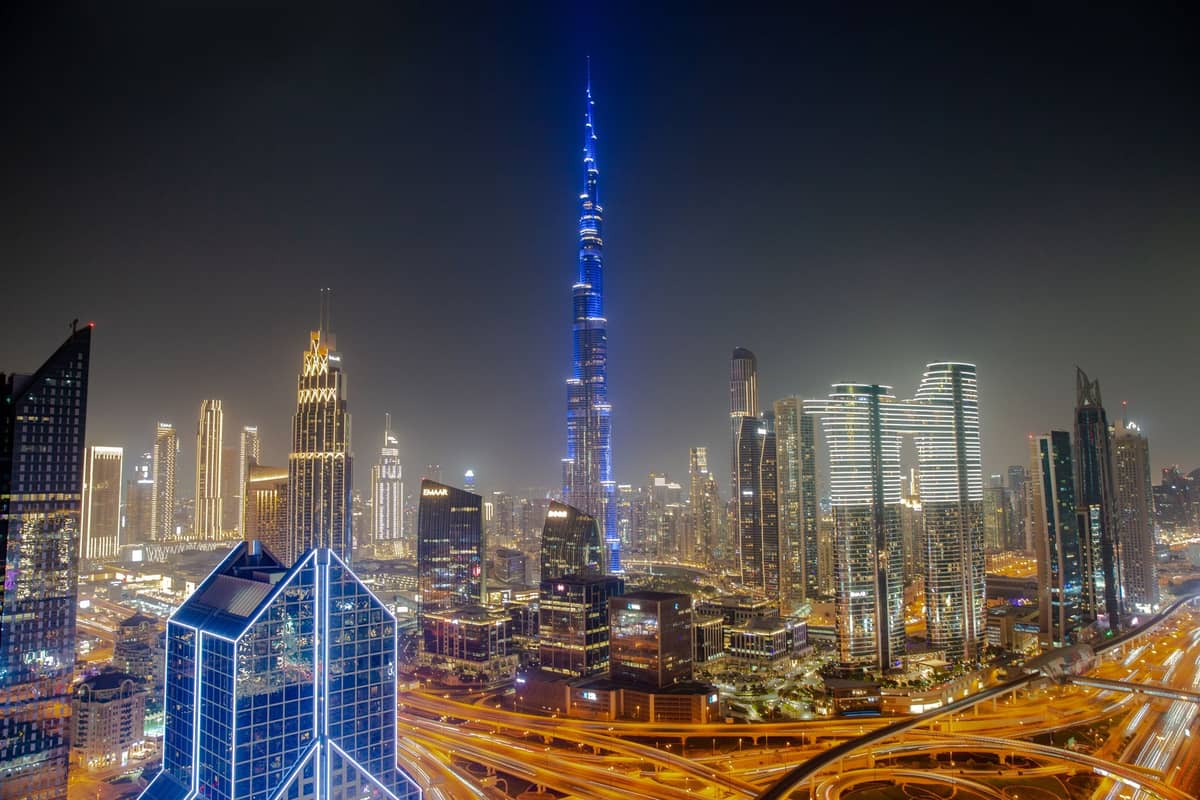
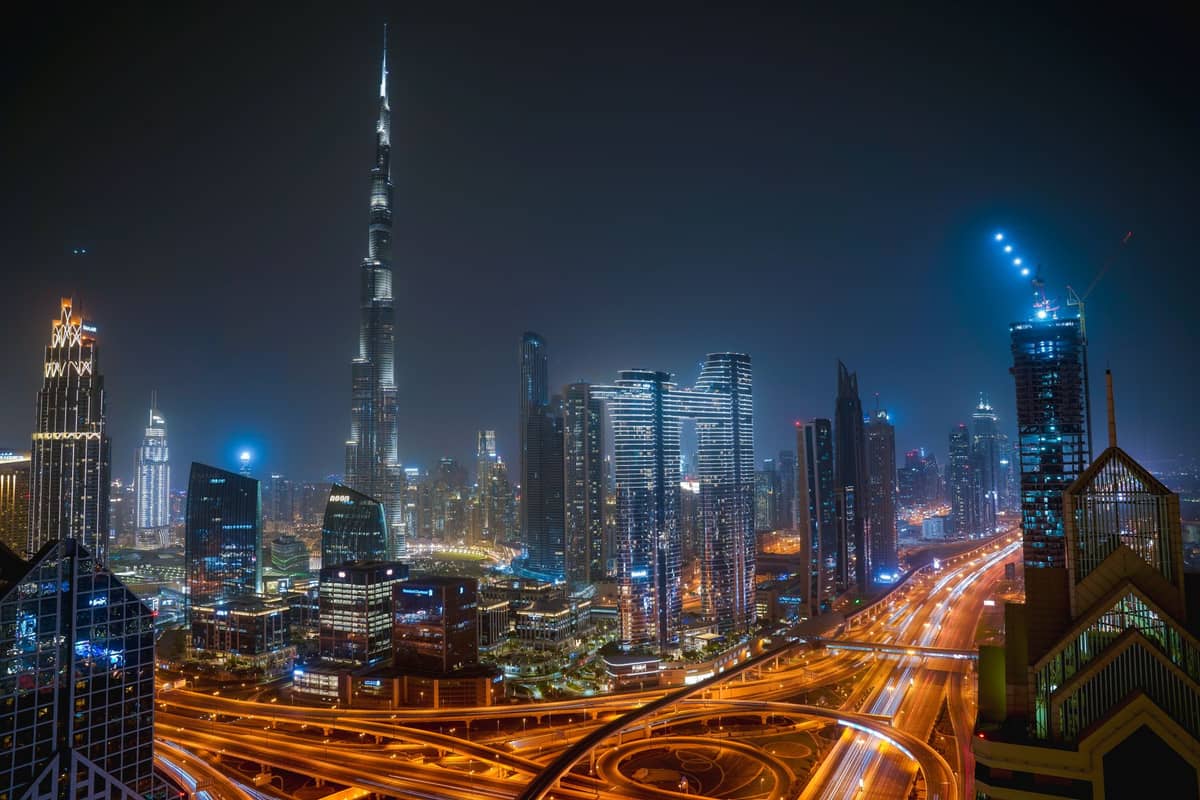
Dubai is safe in the sense that street crime, pickpocketing, and violent incidents directed at tourists are genuinely rare. The Emirate of Dubai operates under UAE federal law with one of the most heavily resourced police forces in the region, and the government has a clear economic incentive to protect its tourism sector, which contributes significantly to the emirate's GDP. Dubai Police runs a dedicated tourist-police unit, reachable through its official channels, and the city is covered by extensive CCTV surveillance.
That said, 'safe from crime' and 'risk-free' are not the same thing. The risks in Dubai are real, they are just different from what most Western visitors expect. They center on legal compliance, extreme summer heat, regional geopolitical tension, and cultural norms that carry legal weight. Understanding those specific risks is what separates a smooth trip from a genuinely difficult situation.
⚠️ What to skip
The U.S. State Department currently rates the UAE as Level 2: 'Exercise Increased Caution.' This is not due to street crime in Dubai but reflects the broader regional risk of armed conflict and terrorism. Check your own government's current travel advisory before departure, as ratings can change.
Legal Risks: The Area Where Tourists Most Often Get Into Trouble
This is the section most guides underplay. Dubai's legal framework is grounded in UAE federal law, which blends civil code with elements of Islamic law. The result is a set of rules that catch Western visitors off-guard not because the rules are hidden, but because they differ sharply from what people assume is acceptable in a cosmopolitan city.
- Alcohol Alcohol is legal in Dubai but only in licensed venues such as hotels, certain restaurants, and licensed clubs. Drinking in public spaces, on beaches, or in unlicensed areas is illegal. Being visibly drunk in public can result in arrest. Never drink and drive; the UAE has zero tolerance.
- Medications Some common prescription and over-the-counter medications are controlled or prohibited in the UAE, including certain codeine-based painkillers and some ADHD medications. Carry a doctor's letter and check the UAE Ministry of Health's list before traveling.
- Public behavior Public displays of affection beyond holding hands can draw police attention. Loud arguments, rude gestures, and swearing in public are all technically illegal. These rules apply to tourists.
- Photography Photographing government buildings, military sites, and people without their consent can lead to detention. This includes police vehicles and checkpoints.
- Social media Posts deemed to insult the UAE, its leadership, Islam, or other residents have resulted in arrests and deportations. This applies to posts made while physically in Dubai, even if the content was directed at an audience elsewhere.
- Dress code Modest dress is expected in public areas, souks, and government buildings. Swimwear is appropriate at the beach and pool, not in malls or on public transport. Religious sites like Jumeirah Mosque require shoulders and knees to be covered.
✨ Pro tip
If you are arrested or detained in Dubai, contact your country's embassy or consulate immediately. The U.S. Embassy in Abu Dhabi and the U.S. Consulate General in Dubai both provide emergency citizen services. Keep the consulate number saved before you travel.
Is Dubai Safe for Americans Specifically?
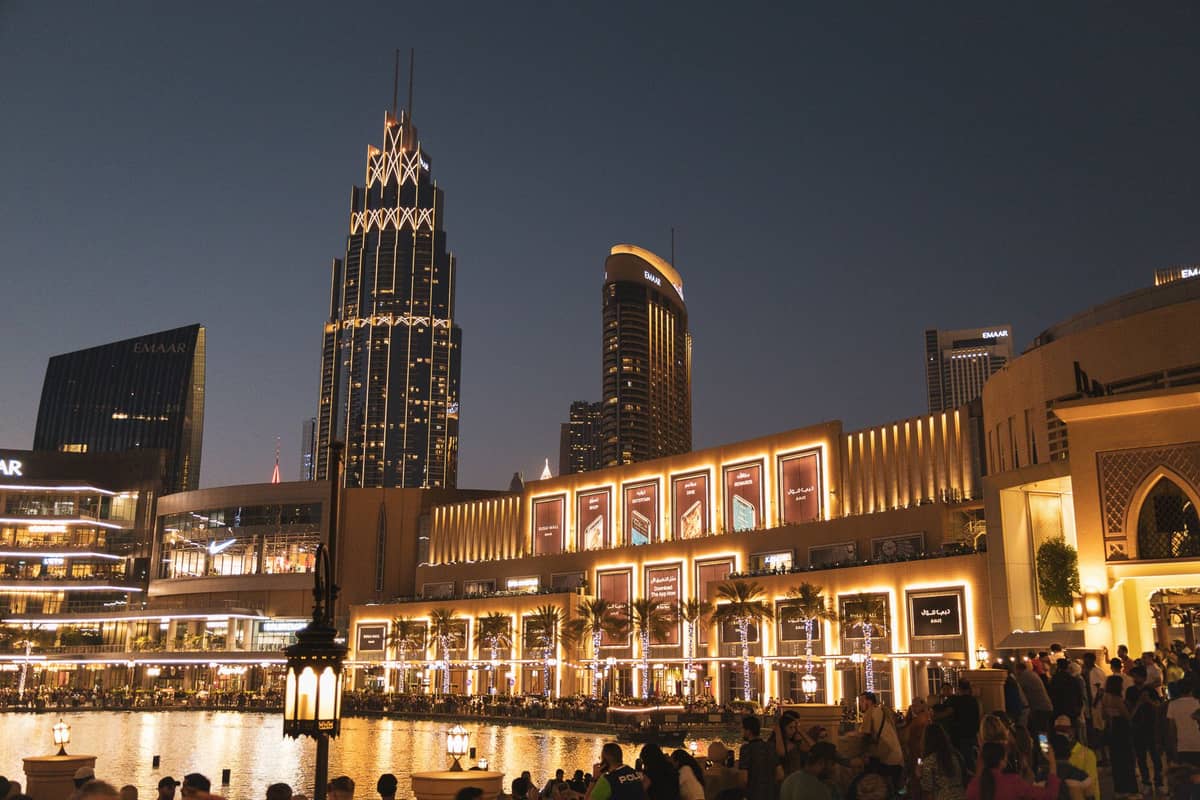
American travelers ask this question frequently, and the answer is nuanced. On a day-to-day, street-level basis, Dubai is very safe for Americans. The city hosts a large American expat community, American-branded hotels, and attractions that cater explicitly to Western tourists. For practical rules Americans should know, the concerns are legal rather than physical.
The U.S. State Department's Level 2 advisory for the UAE is the main thing American travelers reference, and it warrants context. The advisory cites the threat of terrorism and regional armed conflict, not crime targeting Americans in Dubai specifically. Dubai itself has not experienced major terrorist incidents in recent years, but its proximity to regional instability is a real factor that the State Department considers. Travelers should monitor the advisory and register with the Smart Traveler Enrollment Program (STEP) before departure.
One area where Americans specifically should be careful: U.S. laws do not protect you in Dubai. American concepts of free speech, for example, do not apply. Social media criticism that would be entirely legal to post in the United States has led to the detention of foreign nationals in the UAE. This is not theoretical.
Health and Environmental Safety

Dubai has excellent private hospitals and clinics, and medical care is of a high standard, though it is expensive without travel insurance. Travel insurance with medical coverage is not optional in Dubai; it is essential. Emergency services are reached at 999 for police and 998 for ambulance.
The most underestimated risk for tourists is heat. Dubai's climate is classified as hot desert (Köppen BWh), and from May through September, daytime temperatures regularly exceed 40°C with significant humidity near the coast. According to World Meteorological Organization climate data, average daily highs reach 38-41°C between June and August. Spending extended time outdoors in these conditions without hydration and sun protection can cause heat exhaustion within hours. If you are visiting during summer, plan outdoor activities for early morning only, and know that most outdoor attractions shift their hours accordingly. For a full picture of timing, the best time to visit Dubai guide breaks down month-by-month conditions.
- Tap water in Dubai is technically treated to standard, but most residents and visitors use bottled water. Major hotels filter tap water, but buying bottled water for daily use is common practice.
- Sunscreen of SPF 50 or higher is necessary even in winter months; UV index is high year-round.
- Dubai has no malaria risk and no required vaccinations for entry, but standard travel vaccines (hepatitis A, typhoid) are recommended by most travel health clinics.
- Air quality is generally good but can be affected by sandstorms (shamal) primarily in spring and early summer. Check local air quality forecasts if you have respiratory conditions.
- Healthcare facilities are concentrated in central Dubai; if you are staying far from the city center, know the nearest hospital in advance.
Safety for Solo Travelers, Women, and LGBTQ+ Visitors
Solo travel in Dubai is practical and generally comfortable. The metro, taxis, and ride-hailing apps (Careem and Uber both operate here) mean getting around without a group is easy. Dubai's metro has dedicated women-only carriages at the front of each train, which many female solo travelers use. Streets in tourist areas are well-lit and regularly patrolled.
For female travelers, Dubai is significantly safer than many major international cities in terms of harassment. That said, modest dress in public reduces unwanted attention and is legally expected in certain areas. The Dubai dress code guide covers exactly what to wear in different settings, from the beach to the souk.
LGBTQ+ visitors face a different picture. Same-sex relationships are illegal under UAE federal law, and this applies in Dubai regardless of the emirate's international reputation for tolerance. Public displays of affection between same-sex couples can result in arrest. Many LGBTQ+ travelers do visit Dubai without incident by keeping a low profile, but the legal reality is unambiguous and should not be minimized. This is a genuine risk that every LGBTQ+ traveler deserves to assess honestly before deciding to visit.
ℹ️ Good to know
Dubai Police operates a tourist police unit specifically to assist visitors. Contact details are available on the Dubai Police official website (dubaipolice.gov.ae). If you need help and are not in an emergency, the tourist police is a useful first point of contact before escalating to your embassy.
Practical Safety Tips Before and During Your Trip
Beyond the legal and environmental risks, day-to-day safety in Dubai involves straightforward precautions. Scams targeting tourists do exist, particularly around taxi overcharging at unofficial ranks and aggressive commission-based tours in the souk areas. Always use the official RTA taxi rank at the airport or book via Careem or Uber to avoid fare disputes. For getting your bearings on transport from the airport, the guide to getting around Dubai covers every option with current fare ranges.
- Buy travel insurance before you leave home. Medical costs in Dubai without insurance are high, and emergency medical evacuation is extremely expensive.
- Carry a physical copy of your passport and visa; digital copies on your phone are useful but not always accepted by authorities.
- Save emergency numbers: 999 (police), 998 (ambulance), and your country's consulate or embassy number.
- Register with your government's traveler enrollment program (STEP for Americans, FCDO registration for British nationals) so your embassy can reach you in an emergency.
- Check whether any prescription medications you take are on the UAE's prohibited or controlled substances list before packing them.
- Respect Ramadan if your trip overlaps with it: eating, drinking, or smoking in public during daylight hours is illegal for everyone, including tourists.
- Keep behavior on social media measured while in the country. Avoid political commentary about the UAE or its leadership.
- Use ATMs inside malls or hotels rather than standalone street ATMs to minimize card skimming risk, though Dubai's financial crime rate is very low.
If you are visiting with children, Dubai is a genuinely family-friendly destination with strong infrastructure. The main safety consideration for kids is the heat: outdoor parks and water attractions are best visited in the cooler months between November and March. The Dubai with kids guide covers the best age-appropriate options across the city.
FAQ
Is Dubai safe for tourists right now?
Yes, Dubai is safe for tourists in terms of street crime, which is very low. The U.S. State Department's Level 2 advisory for the UAE reflects regional geopolitical risks, not local crime targeting visitors. The main risks for tourists are legal: violating local laws around alcohol, public behavior, social media, and dress can lead to serious consequences.
Is Dubai safe for American tourists?
Americans visit Dubai in large numbers without incident. The State Department's Level 2 'Exercise Increased Caution' advisory is based on regional terrorism and conflict risk, not crime targeting Americans specifically. Americans should be aware that U.S. constitutional protections do not apply in Dubai, particularly around free speech and social media.
Is Dubai safe for solo female travelers?
Dubai is considered safe for solo female travelers. Street harassment is relatively uncommon, the metro has women-only carriages, and the city is well-lit and policed. Modest dress in public is both legally expected and practically reduces unwanted attention. Hotels and transport infrastructure make independent travel straightforward.
What are the biggest safety risks in Dubai for tourists?
The biggest risks are: violating UAE laws (especially around alcohol, public conduct, and social media), extreme heat from May to September, and inadequate travel insurance. Violent crime and pickpocketing targeting tourists are very rare. The legal and environmental risks are where most visitor problems originate.
Is it safe to drink tap water in Dubai?
Dubai's tap water is treated to international standards, but most residents and visitors use bottled water. Major hotels typically filter tap water. Bottled water is inexpensive and widely available. Drinking tap water is unlikely to cause illness, but bottled water is the standard practice.