Alserkal Avenue: Inside Dubai's Most Serious Arts District
Alserkal Avenue transformed a stretch of Al Quoz warehouses into the UAE's most concentrated hub for contemporary art, independent cinema, design, and cultural programming. Entry is free, the galleries are genuinely good, and the experience feels nothing like the rest of Dubai.
Quick Facts
- Location
- 17th St, Al Quoz Industrial Area 1, Dubai, UAE
- Getting There
- Red Line to Onpassive station, then a short taxi ride
- Time Needed
- 2 to 4 hours (longer if an event is on)
- Cost
- Free general entry; some events and screenings charge separately (in AED)
- Best for
- Contemporary art lovers, design enthusiasts, independent travellers seeking local culture
- Official website
- alserkal.online
What Is Alserkal Avenue?
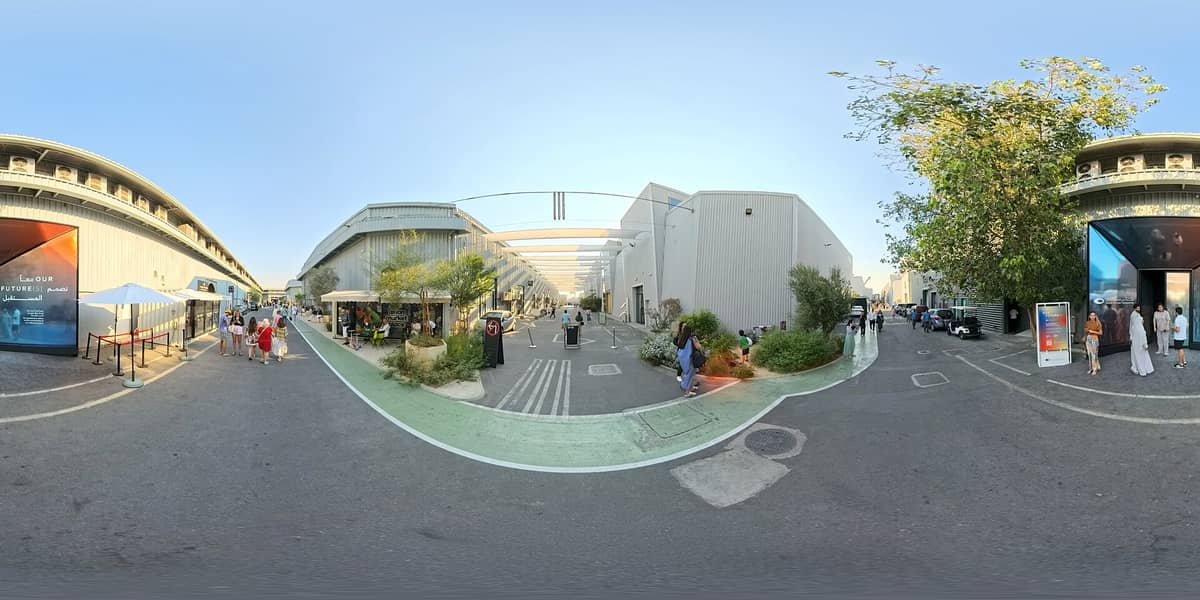
Alserkal Avenue is a curated arts and culture district set inside the working industrial zone of Al Quoz, roughly midway between Downtown Dubai and Dubai Marina along Sheikh Zayed Road. What you find here is not a theme park version of culture. The galleries are serious, the programming is internationally connected, and the tenants, ranging from leading regional art spaces to independent design studios, operate with the kind of curatorial rigour you might expect in Berlin or Hong Kong.
The district grew from a cluster of concrete warehouses into a compound of more than 70 creative businesses. It hosts contemporary art galleries, a dedicated independent cinema, performance venues, architecture and design firms, artisan food producers, and several of Dubai's better independent cafés. The transformation from industrial storage to cultural anchor is one of the more quietly impressive urban stories in the UAE.
💡 Local tip
Check alserkal.online before you visit. The event calendar is updated regularly and includes openings, film screenings, talks, and performances that can significantly change what is worth prioritising on the day.
The Galleries and What to Expect Inside
The gallery roster at Alserkal Avenue includes some of the most prominent contemporary art spaces in the Middle East. Lawrie Shabibi, Carbon 12, Green Art Gallery, and The Third Line are among the names that show work by regional and international artists and participate in major art fairs globally. Walking between them takes minutes, but the shows are worth actual time. These are not decorative spaces aimed at tourists; the programming engages seriously with contemporary themes, and the works on view are often for sale to collectors.
The warehouses themselves are part of the experience. High ceilings, raw concrete floors, and industrial proportions give even modestly scaled exhibitions a different kind of weight. Natural light enters through skylights in some spaces; others are tightly controlled for the work. Temperatures are consistently cool inside, which matters when you are visiting between April and October.
If contemporary art is your primary interest, Alserkal Avenue belongs alongside any visit to the Dubai Design District and warrants serious time. If you are broadly curious and just passing through, it still rewards an hour of wandering without any specific agenda.
Cinema Akil and the Performing Arts Scene
Cinema Akil, located within the district, is the UAE's only independent cinema and functions as a cultural institution in its own right. It screens art-house films, documentaries, and curated programmes that simply do not appear in mainstream Dubai multiplexes. Tickets are purchased per screening and should be booked in advance through their website, particularly for weekend shows or special events, which frequently sell out.
Beyond film, Alserkal Avenue hosts Concrete, a large flexible events and performance space that stages theatre, live music, lectures, and cultural festivals. The programming is eclectic and changes constantly. Checking what is scheduled during your visit is not optional if you want to make the most of the district; it is how the place actually works.
How the Experience Changes by Time of Day
Mornings on weekdays are quiet and genuinely pleasant. The industrial streets that connect the warehouses have a low-key working atmosphere, staff are setting up, and you can move through the galleries with little competition for attention. The light at this hour, particularly in cooler months, makes the open-air sections of the district feel almost Mediterranean in texture.
Late afternoons shift the energy. Creative professionals from nearby studios arrive, gallery openings occasionally happen around 18:00, and the cafés fill up. The air smells of coffee and, if a food producer nearby has their ovens running, warm bread. Weekend evenings, especially around exhibition openings, draw a genuinely mixed crowd of expatriates, locals, visiting collectors, and students from Dubai's art schools. This is when Alserkal Avenue feels most alive and most like itself.
Friday and Saturday are the busiest days. Sunday is largely quiet, as many galleries are closed. If you are visiting specifically for the galleries, Tuesday through Saturday between 10:00 and 18:00 is the reliable window, though always confirm individual venue hours directly, as tenants set their own schedules.
⚠️ What to skip
Between June and September, Dubai's heat makes the short outdoor walks between warehouses uncomfortable. Mornings are more manageable, but midday visits in summer require tolerance for 40°C+ temperatures in the open sections. The interiors are air-conditioned.
Getting There and Getting Around
Alserkal Avenue is not directly walkable from a metro station, which is its main practical friction. The closest Red Line stop is Onpassive; from there, a taxi or ride-hailing app will take you the remaining distance in under ten minutes. Careem and Uber both operate in Dubai and are the most practical options. Telling the driver 'Alserkal Avenue, Al Quoz' is universally understood.
By car, the address is 17th Street, Al Quoz Industrial Area 1, near Sheikh Zayed Road, behind Times Square Mall. Parking within the district is free and generally available on weekdays. On event nights and busy weekends, spaces fill up, so arriving early is sensible.
If you are combining this with other cultural stops, the Dubai Design District is the logical pairing for a design-and-art day. For a broader picture of Dubai's cultural geography, the best museums in Dubai guide provides useful context on where Alserkal Avenue sits within the city's wider cultural offer.
Practical Notes: What to Bring, Wear, and Know
Dress code within Alserkal Avenue is relaxed by Dubai standards. The creative district context means casual, smart, or artistic dress all fit without issue. Modest clothing is generally advisable throughout Dubai in public spaces, but the district does not operate with any specific restrictions beyond standard UAE norms.
Comfortable walking shoes are useful. The compound covers reasonable ground and the surfaces between warehouses include gravel, asphalt, and uneven concrete. Accessibility within the district is broadly good, with wheelchair-accessible routes and designated parking, though some individual gallery spaces may have their own configurations worth confirming in advance.
Alserkal Avenue is free to enter. Galleries charge nothing for viewing. Cafés operate at standard Dubai prices, and events have their own ticketing. If you are planning a broader trip that includes several cultural stops without large expenditure, this fits naturally into a free things to do in Dubai itinerary.
Who Should Reconsider Visiting
If your interest in art is casual and you are primarily looking for photogenic backdrops or Instagram-friendly installations, Alserkal Avenue may feel underwhelming compared to more curated experiences like the Museum of the Future or Aya Universe. The galleries show serious contemporary work that rewards attention rather than quick consumption.
Families with young children can visit, but the content of some exhibitions is aimed at adult audiences and the district does not have play facilities or dedicated family programming on most days. Visitors primarily interested in Dubai's luxury and lifestyle side will find little here that competes with the city's more polished attractions.
For first-time visitors to Dubai who want to cover the major landmarks efficiently, a 3-day Dubai itinerary might position Alserkal Avenue as an optional add-on rather than a core stop, depending on interests. For travellers who are curious about the city beyond the Burj Khalifa and Dubai Mall, it is one of the more honest windows into what Dubai's creative community actually looks like.
Insider Tips
- Exhibition openings are typically held on Thursday evenings and are often open to the public.
- The Alserkal Avenue website lists a full community directory. Browsing it before your visit helps you prioritise which galleries align with your interests rather than wandering without a plan.
- Cinema Akil programmes change weekly. Book tickets online at least a day ahead for weekend screenings; popular films and special programmes sell out faster than most visitors expect.
- Several of the food and beverage spots within the district are independent concepts that do not exist elsewhere in Dubai. Spending time in a café here gives a different perspective on the city's local creative scene compared to chain restaurants in the malls.
- If you are visiting during Art Week Dubai or the period around Art Dubai at Madinat Jumeirah, Alserkal Avenue hosts satellite events and special programming that significantly expands what is on offer.
Who Is Alserkal Avenue For?
- Contemporary art enthusiasts wanting to engage with the UAE's leading gallery scene
- Independent travellers looking for cultural depth beyond Dubai's mainstream attractions
- Design and architecture professionals interested in regional creative practice
- Film lovers seeking art-house and documentary screenings not available in commercial cinemas
- Anyone curious about how a city known for luxury and scale also sustains a serious local arts community