Dubai Design District (d3): The Creative Quarter Worth Exploring
Dubai Design District, known simply as d3, is the emirate's dedicated creative hub, bringing together fashion studios, architecture firms, galleries, and some of the city's most interesting cafés and restaurants. Access to the public spaces and outdoor art is free. What you get out of it depends heavily on timing.
Quick Facts
- Location
- Za'abeel 2, Dubai – near Downtown Dubai and Dubai Creek
- Getting There
- Dubai Mall Metro Station (Burj Khalifa / Dubai Mall area), then RTA bus D03 to Dubai Design District – 01
- Time Needed
- 1.5–3 hours for a leisurely walk; a full half-day during events
- Cost
- Free to enter public areas; food, shopping, and ticketed events priced individually
- Best for
- Design and architecture enthusiasts, creative professionals, café-hoppers, event visitors
- Official website
- dubaidesigndistrict.com
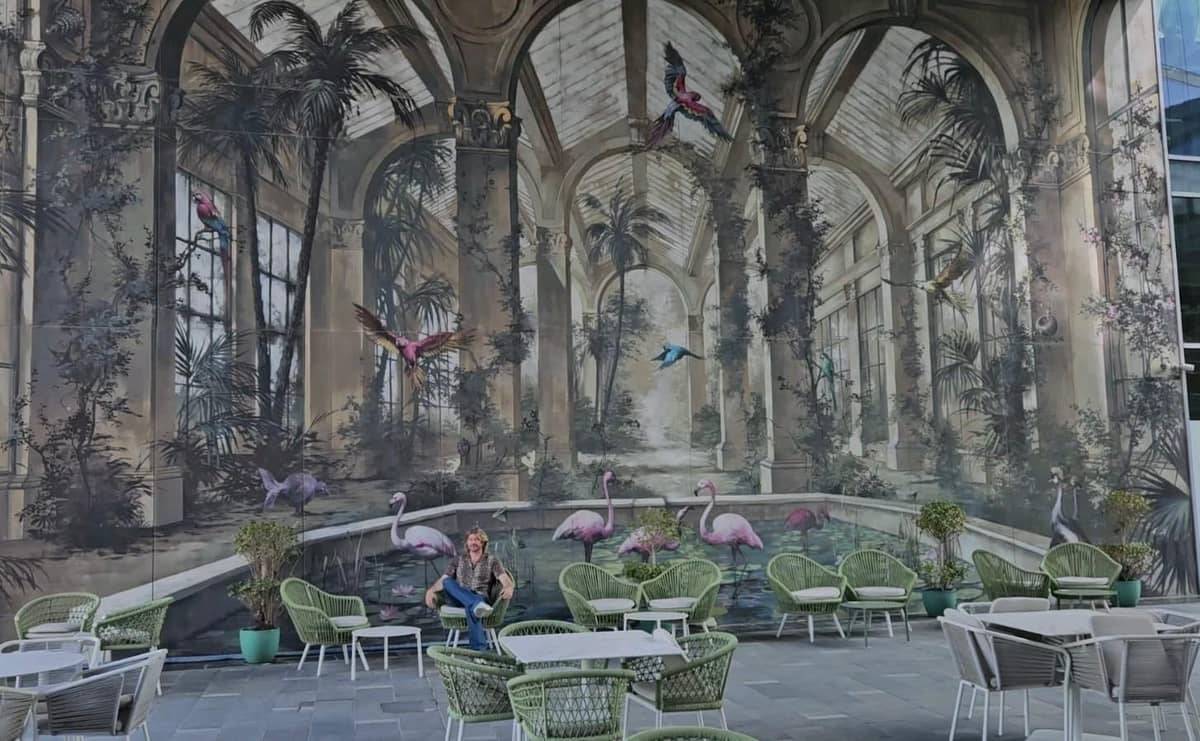
What Dubai Design District Actually Is
Dubai Design District, universally abbreviated to d3, is a purpose-built creative and commercial precinct located near Downtown Dubai and Dubai Creek. It was developed as part of the emirate's broader push to diversify its economy and reputation, positioning Dubai as a genuine hub for design, fashion, architecture, and contemporary art. The district is home to hundreds of companies, from global fashion houses to independent architecture studios and creative agencies, and it also functions as an open public space with outdoor installations, cafés, and event venues.
It is worth being clear about what d3 is not. It is not a traditional souk, a theme park, or a leisure destination in the conventional sense. On a quiet Tuesday afternoon, it can feel more like a corporate campus than a cultural quarter. But during events like Dubai Design Week and Downtown Design, the entire district transforms into something much more energetic, with installations taking over outdoor spaces and the kind of creative programming that genuinely justifies the trip.
💡 Local tip
Check the d3 events calendar before you go. The district's character changes dramatically depending on whether there is a live event, exhibition, or market running. Visiting without context during a slow weekday is a fundamentally different experience to arriving during Dubai Design Week.
The Physical Experience: Walking Through d3
The district is laid out with wide, paved walkways connecting its buildings. The architecture is deliberately contemporary: low-to-mid-rise structures finished in concrete, glass, and steel, with clean lines and intentional negative space. It does not try to look traditional or organic, and that contrast with older parts of the city is part of its identity. The streetscape is interspersed with commissioned art pieces and sculptures, which change periodically.
In the cooler months, roughly November through March, the outdoor areas are genuinely pleasant to walk through. The district has enough shade from awnings and building overhangs to make a late morning or early evening stroll comfortable. During Dubai's summer, the outdoor sections become difficult between 10am and 5pm due to heat that regularly exceeds 40°C, so visiting in the early evening is the practical choice. The air-conditioned interiors of the cafés and studios provide relief, but the outdoor art and spatial experience of d3 are best appreciated when the temperature is cooperative.
For context on how d3 fits into the broader architectural landscape of the emirate, the Dubai architecture guide gives a useful overview of the city's built environment and how districts like this one fit into Dubai's planned urban development.
Time of Day: How d3 Changes Hour by Hour
Mornings are quiet and somewhat corporate. The cafés open around 8–9am and attract a working crowd: architects with laptops, creative professionals taking calls, people who work in the studios above. It is a good time to get a coffee without a queue and observe the district at its most functional. The outdoor spaces are largely empty.
By late afternoon, especially on weekdays, you start to see more browsing visitors and the outdoor seating fills up. The light at this hour is good for photography, catching the geometric facades and art pieces without harsh midday shadows. On weekend evenings, particularly between 5pm and 9pm, the cafés and restaurants are at their most social, and the outdoor plazas have a noticeably different energy.
Event days are an entirely different proposition. When Downtown Design or Dubai Design Week is running, the outdoor spaces are activated with exhibition structures, and the normally low-key district takes on a festival atmosphere that lasts into the night. If your travel window overlaps with these events, prioritise an evening visit when the programming is most dense and the crowds are most interesting.
Cultural and Creative Significance
d3 represents a deliberate government-backed effort to build an ecosystem around the creative industries. The district hosts hundreds of local and international companies, alongside homegrown UAE designers. The district hosts the regional offices of architecture firms, interior design companies, and media agencies that serve the Gulf market. Whether you engage with this professionally or just observe it as a visitor, the concentration of creative industries in one place gives the district a distinct atmosphere that is hard to find elsewhere in Dubai.
The broader trend of arts and culture investment in Dubai is also visible at Alserkal Avenue in Al Quoz, which operates as a more gallery-focused creative district and makes for an interesting comparison visit on the same trip.
During art and design events, the work on display in d3 tends to reflect Gulf and Arab design traditions as much as it does global trends, which gives the programming a regional specificity that generic international exhibitions do not always have. This is not a space trying to replicate Milan or Paris; it is genuinely interested in what design means from a Middle Eastern perspective.
Getting There: The Transit Reality
The district is not directly on the Dubai Metro network, which is the single most important practical fact for visitors planning to use public transport. The closest metro station is Dubai Mall Metro Station on the Red Line. From there, you take RTA bus route D03 from the Dubai Mall Metro Bus Stop to Dubai Design District – 01. The bus connection is reliable but adds time to the journey; factor in 15 to 25 minutes on top of your metro travel.
Taxis, Uber, and Careem all serve d3 directly, which is the most straightforward option. The district is accessible via Al Khail Road and Oud Metha Road, and drivers will know it by name. Visitors with mobility needs will find door-to-door taxi or ride-hailing the most practical choice, as the metro-to-bus transfer involves navigating a busy interchange.
ℹ️ Good to know
Parking is available within the district. If you are driving, d3 offers parking, though during major events it fills quickly. Arriving by midday during Design Week can mean a significant search for a space.
Food, Coffee, and Spending Time
The food and beverage offering in d3 is one of its genuine strengths. The district has attracted a curated mix of independent cafés and mid-range restaurants that cater to the working population and visiting creative professionals. The coffee quality is consistently good, menus tend to be considered rather than generic, and the setting, with outdoor terraces opening onto the streetscape, makes for a more considered dining experience than a typical mall food court.
If you are visiting primarily to eat or spend time at a café rather than for the design context, that is a perfectly reasonable use of d3. The combination of architecture, outdoor space, and food quality makes it a pleasant destination in its own right during cooler months. It is worth noting, though, that prices reflect the professional demographic: expect to pay noticeably more here than in older parts of the city.
For visitors interested in combining a d3 visit with other design or cultural stops, Museum of the Future is nearby in the Downtown area and makes for a logical pairing on the same day.
Who Should Think Carefully Before Visiting
d3 is a thoughtful addition to a Dubai itinerary, not an anchor attraction. If you are visiting Dubai for a short time and prioritising major landmarks, the district is unlikely to compete with the Burj Khalifa viewing experience or a desert safari on a three-day schedule. It rewards visitors who have an existing interest in design, architecture, or creative culture, and who are visiting at a time when something is actually happening.
Families with young children will find limited programming specifically designed for them compared to places like Dubai Safari Park or Green Planet Dubai. And visitors who arrive on a quiet weekday expecting an animated cultural quarter may be underwhelmed by what is, in normal hours, a functioning commercial precinct.
Insider Tips
- Check dubaidesigndistrict.com for the current events calendar before visiting. The difference between a regular day and an event day is significant enough to affect whether the trip is worth making from across the city.
- The rooftop terraces of some d3 cafés offer views across toward Downtown Dubai that are not widely publicised. Ask at the counter whether the upper floor is open, particularly in the late afternoon.
- Bus routes D03 and D03A run directly between Dubai Mall Metro Bus Stop and the Dubai Design District – 01 stop. The journey is short, air-conditioned, and free with a Nol card, which makes it the most cost-effective route if you are already in the Downtown area.
- During Dubai Design Week, the installations spread beyond the formal venues into the streets and courtyards. Arriving without a specific event ticket still gives you access to a substantial amount of free outdoor programming, so do not assume you need to pay to engage with the festival atmosphere.
- Wear comfortable shoes. The district looks compact on a map but the walkways between buildings are longer than they appear, and the paved surfaces can become warm underfoot in sunlight.
Who Is Dubai Design District (d3) For?
- Architecture and design enthusiasts who want to see how Dubai positions itself creatively beyond its luxury-tower identity
- Creative professionals, photographers, and anyone interested in contemporary Gulf design culture
- Café and restaurant visitors looking for an alternative to mall dining during cooler months
- Event visitors during Dubai Design Week and Downtown Design festival periods
- Travellers with a half-day to fill who are already based in the Downtown or Business Bay area