Belek sits about 30km east of Antalya city center, on a flat stretch of Mediterranean coastline backed by pine forests. It is Turkey's most concentrated golf destination and a hub for large all-inclusive resorts, drawing visitors who want beach comfort, spa facilities, and easy access to ancient sites rather than city life.
Belek is where the Turkish Riviera goes upscale: a purpose-built resort zone with 16 kilometers of sandy beach, 14 professional golf courses, and a forest backdrop that keeps the air noticeably cooler than the concrete sprawl of central Antalya. It is not a neighborhood with organic street life or centuries-old character, but for travelers who want polished facilities, sport, and coast access, it delivers with very little friction.
Orientation: Where Belek Sits in the Antalya Region
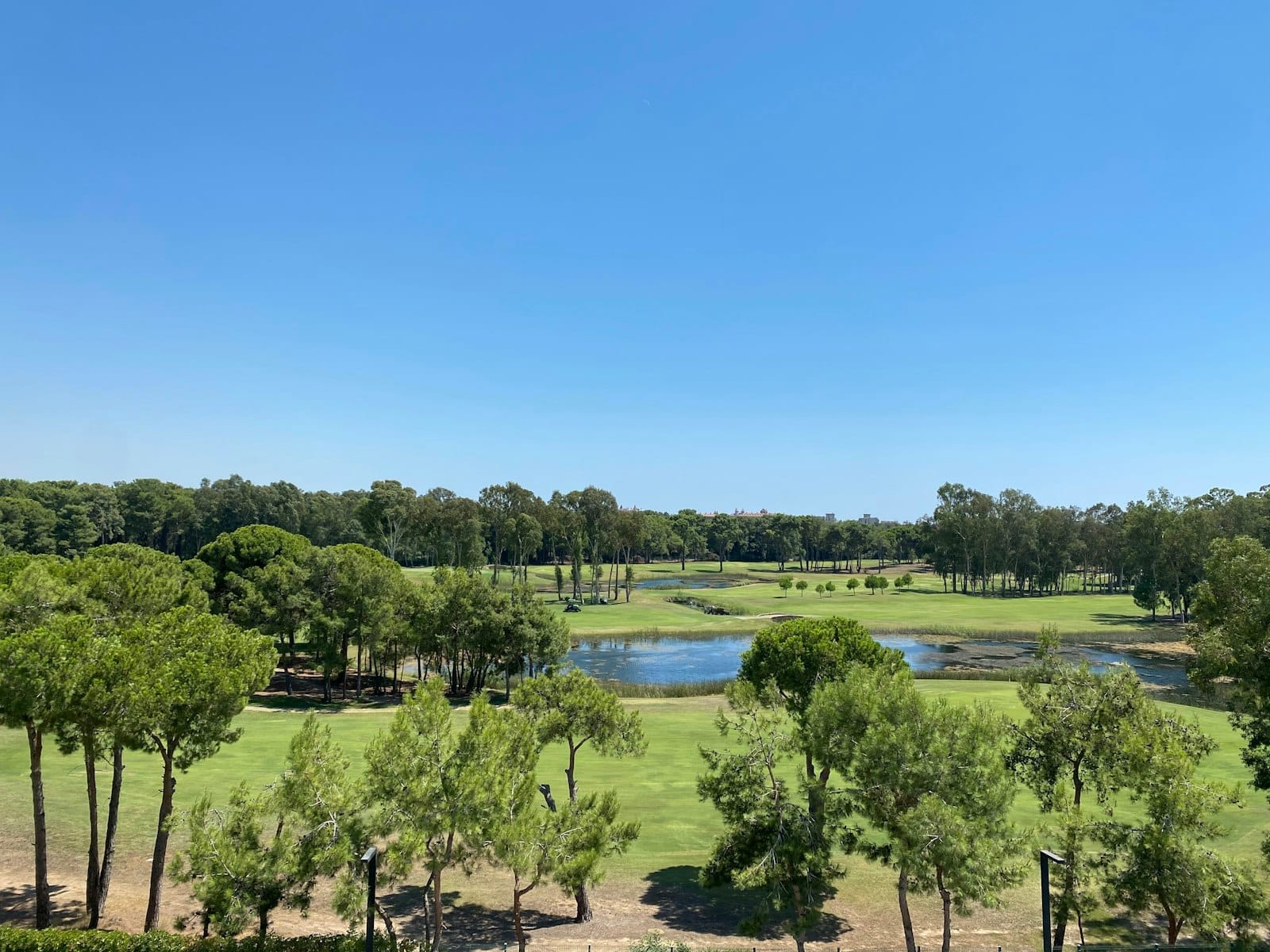
Belek sits within the Serik district of Antalya Province, approximately 30 kilometers east of Antalya city center along the D400 coastal highway. The area spans a narrow coastal strip running roughly from the Aksu River basin westward to the Köprü River in the east, and it is low-lying throughout, rarely rising more than a few meters above sea level. The terrain is flat and forested, with dense stands of Mediterranean pine and eucalyptus stretching inland from the beach, which gives it a greener and cooler feel than you might expect this close to the sea.
To the west, Belek transitions toward the suburban sprawl leading back to Antalya city and its airport. To the east, the road continues toward Serik town and eventually the ancient ruins at Aspendos and Side. This positioning is genuinely useful: Belek places you within easy striking distance of several major archaeological sites without requiring you to be based in a more chaotic urban center.
Antalya Airport (AYT) is the closest international gateway, roughly 35 kilometers west of Belek, which translates to about 30 to 40 minutes by road depending on traffic. The D400 is the main artery connecting everything, and almost every resort transfer, taxi, and local bus uses it.
ℹ️ Good to know
Belek is not walkable in the way a city neighborhood is. The resort compounds are large, the distances between them are significant, and the surrounding infrastructure is built for cars and transfers rather than pedestrians. Factor this into your planning.
Character and Atmosphere: What Belek Actually Feels Like
Belek was developed deliberately as a tourism zone from the 1980s onward, and that origin shapes everything about it. Unlike Kaleiçi in Antalya, which grew over millennia and carries layers of Byzantine walls, Ottoman fountains, and Roman gates, Belek was planned. The streets are wide, the signage is international, and the resort gates are prominent. This is a place where the hotel is often the destination rather than a base for exploring the neighborhood.
Mornings here feel resort-specific: the smell of cut grass on golf fairways mixes with pine resin in the air, and the beach is noticeably quiet before 9am, when the sunbeds fill up and the first pool attendants begin arranging towels. By midday in summer, the heat is significant, the pools are full, and the shade of pine trees along resort pathways becomes genuinely welcome. Afternoons are slow and horizontal for most visitors.
After dark, Belek is neither lively nor unsafe, just quiet. Activity concentrates within the resort compounds themselves: restaurants, bars, and evening entertainment are almost entirely self-contained. The small cluster of shops and restaurants outside the main resort gates sees some foot traffic in the evening, but there is no bar street, no open-air market, and no animated town square. Travelers who need urban energy after dinner will find this genuinely frustrating.
The clientele skews heavily toward European package tourists, golf groups, and families. Russian, German, and British visitors make up a large share of guests in most large resorts. English is widely spoken in all hotel facilities, and Turkish lira is accepted everywhere, though resorts often operate on all-inclusive wristband systems that bypass cash transactions almost entirely.
What to See and Do
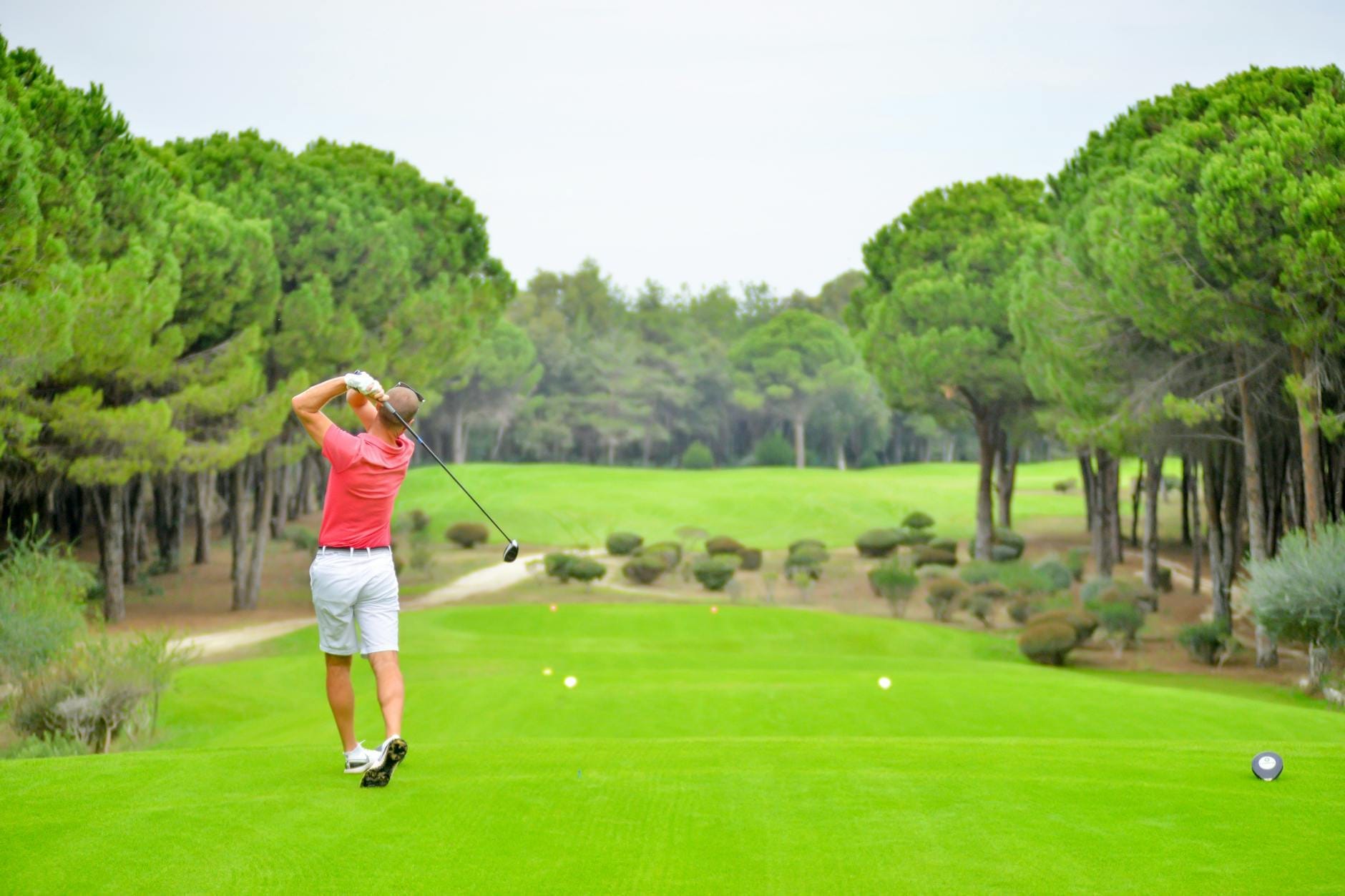
Golf is the defining activity and the reason Belek has an international reputation beyond straightforward beach tourism. The area hosts 14 professional-grade courses, most of them carved through the pine forests that back the coastline. Course conditions are well maintained by Mediterranean standards, and the combination of year-round warm weather and quality greens has made Belek a genuine destination for serious players.
For non-golfers, the beach is the primary attraction: a continuous sandy stretch that extends for around 16 kilometers, with calm, clear Mediterranean water. The beach quality here compares favorably with Lara beach on the eastern side of Antalya, though Belek's beach feels less urban and more naturally framed by trees. Most of the beachfront is managed by resorts, but access is not universally restricted.
The natural environment around Belek rewards curiosity beyond the beach. The coastline is a protected nesting ground for Caretta caretta loggerhead sea turtles, and nest markers appear on the sand during summer months. The pine forests themselves support birdlife that surprises visitors who expect only resort infrastructure. Slightly inland, the Kurşunlu Waterfall Nature Park lies roughly 18 kilometers northwest, offering shaded walking trails, an 18-meter waterfall, and a small lake with ducks and terrapins. It makes a worthwhile half-day excursion and feels like a genuine contrast to resort life.
Belek's greatest asset for culturally curious travelers is its proximity to major archaeological sites. The ancient city of Perge is around 15 kilometers west, with extensive ruins including a Roman bath complex, colonnaded street, and theater that date back to settlement in roughly 1000 BC. The Aspendos theater is roughly 20 kilometers northeast and remains one of the best-preserved Roman theaters in existence, still used today for performances.
Golf courses: 14 professional venues including Carya, Montgomerie Maxx Royal, and National Golf Club
Belek beach: 16km of sandy Mediterranean coastline, calm water, good for families
Caretta caretta turtle nesting zone: visible markers on beach June to August
Kurşunlu Waterfall Nature Park: 18m waterfall with forest walking trails, 18km from Belek
Perge ancient city: major Roman-era ruins, 15km west
Aspendos theater: superbly preserved Roman theater, 20km northeast
Resort spa and wellness facilities: most large hotels offer hammam, treatment centers, and heated or thalassotherapy-style spa pools
💡 Local tip
The Aspendos Opera and Ballet Festival uses the ancient theater as its stage and has recently run in a September-October window rather than the early-summer dates many visitors expect. If your dates align, booking tickets in advance is worth the effort — the acoustics and setting are extraordinary.
Eating and Drinking
The honest reality of eating in Belek is that most visitors never leave their resort's restaurants. The all-inclusive model dominates here, and the large hotels offer extensive buffets covering Turkish, international, and themed cuisine. Quality varies considerably between properties: the mid-range four-star resorts tend toward volume over refinement, while the five-star options invest seriously in specialty restaurants with à la carte menus.
Outside the resort gates, there is a modest strip of independent restaurants and cafes serving Turkish staples: pide, grilled meats, kebabs, fresh seafood, and the kind of çay (tea) that actually tastes like it should. Prices at these spots are dramatically lower than resort outlets, and the food is often more characterful. For a broader sense of what to eat in the region, Antalya's local food scene extends well beyond the resort zone and includes dishes that rarely appear on buffet lines.
Alcohol is available throughout Belek given its international tourism orientation, and most large resorts include it in their all-inclusive packages. Local Efes and Tuborg beer, Raki (the anise spirit that defines a proper Turkish meyhane meal), and Turkish wines from Aegean producers are all accessible. Prices outside resorts are reasonable by European standards.
⚠️ What to skip
If you are on an all-inclusive package, check exactly what is included before ordering. Some resorts classify certain restaurants, imported spirits, or branded soft drinks as 'à la carte extras,' and bills at checkout can surprise guests who assumed everything was covered.
Getting There and Around
Most visitors arrive by transfer bus or taxi directly from Antalya Airport. The journey takes around 30 to 40 minutes under normal conditions and is straightforward. For independent travelers, the D400 highway runs the full length of the coast between Antalya and Belek, and local buses connect Belek to Serik town and onward toward Antalya. A thorough overview of transport options across the region is covered in the getting around Antalya guide.
Taxis are available at resort entrances and can be hired for half-day or full-day trips to Perge, Aspendos, or Kurşunlu. Negotiate the price before getting in, or insist on the meter. Renting a car from the airport gives you much more freedom to combine beach days with archaeological sites, and the D400 is an easy, well-signed road to drive.
Within Belek itself, walking between resorts is possible but not particularly pleasant given road widths and lack of shade on connector roads. Bicycles are available through some hotels. The resort compounds themselves are navigated on foot once you are inside the grounds.
Where to Stay
Belek is almost entirely defined by its accommodation stock. The area contains some of Turkey's largest and most elaborately designed resort hotels, many of which operate as self-contained villages with multiple pools, private beach sections, multiple restaurants, golf course access, and spa complexes. For travelers considering the wider region, the Antalya accommodation guide and the all-inclusive resorts guide both provide useful comparisons between Belek and other coastal options.
Golf-focused travelers should look for hotels with on-site courses or direct partnerships with the Belek golf clubs. Families benefit most from the larger five-star compounds where kids' clubs, waterslides, and shallow pool areas are properly resourced. Couples seeking quiet and good food are probably better served by smaller boutique properties or by choosing a large hotel known for its specialty restaurants rather than buffet volume.
If you are considering Belek primarily as a beach base and plan to spend significant time exploring Antalya city, Perge, or Aspendos, it is worth asking whether staying closer to the city in an area like Lara or even Kaleiçi makes more logistical sense. Belek rewards people who want to stay mostly on the property and venture out selectively. It suits budget travelers poorly, as the area is almost entirely oriented around mid-range to luxury resort pricing.
💡 Local tip
Spring and autumn are the best seasons for Belek: temperatures are comfortable for golf and outdoor touring, the beaches are uncrowded, and hotel rates are significantly lower than July and August. April to early June and September to October are the sweet spots.
Is Belek Right for You?
Belek is a specific proposition rather than a universal destination. It works well for travelers who want a relaxed, high-quality beach stay with sports facilities, good food, and enough proximity to ancient sites to satisfy cultural curiosity. The beaches around Antalya include several other options, but few match Belek's combination of pine forest backdrop, long sandy shore, and organized resort infrastructure.
Travelers who want organic city life, independent street food culture, late-night bars, or architectural history will find Belek thin on all of those. For that kind of trip, the Kaleiçi old town walking tour and a base in Antalya city will serve you much better.
TL;DR
Belek is Turkey's premier golf destination, with 14 professional courses set in pine forests along a 16km Mediterranean beach.
The area is dominated by all-inclusive resort hotels: expect polished facilities, self-contained entertainment, and limited street-level city life.
Ideal for: golfers, families wanting a full-service beach resort, couples on spa breaks, and travelers combining relaxation with day trips to Perge or Aspendos.
Not ideal for: budget travelers, independent explorers wanting local neighborhoods, or anyone who needs urban energy after dark.
Antalya Airport is approximately 35km west, making arrivals and departures straightforward. Spring and autumn offer better value and more comfortable temperatures than peak summer.
Three days is enough time to cover Antalya's best layers: Roman gates and Ottoman lanes in Kaleiçi, world-class ruins at Aspendos and Perge, pebble beaches, dramatic waterfalls, and west-coast viewpoints over the bay. This itinerary is built around smart sequencing so you spend less time backtracking and more time actually seeing things.
Antalya sits at the heart of ancient Pamphylia, surrounded by some of the Mediterranean world's most remarkable ruins. This guide covers the best Roman theaters, Greek temples, mountain citadels, and archaeological sites within reach of the city.
Antalya has hundreds of properties marketed as all-inclusive, from basic meal-plan hotels to full ultra all-inclusive resorts on Lara Beach. This guide cuts through the marketing to explain what you actually get, which resorts deliver value, and when going all-inclusive makes sense in Antalya.
The Aspendos International Opera and Ballet Festival is one of the world's most extraordinary performance settings: grand opera and classical ballet staged inside a 2,000-year-old Roman theatre near Antalya. This guide explains when the festival usually runs, how to verify the current schedule, how to get tickets, and how to handle transport on performance nights.
Antalya's coastline stretches from urban pebble beaches backed by the Taurus Mountains to remote sandy coves tucked between ancient ruins. This guide covers the best beaches in and around Antalya, with honest notes on what each one actually offers.
Everything you need to navigate Antalya city with confidence. From the Roman walls of Kaleiçi to the tram lines connecting the coast, this guide covers neighborhoods, transport, seasonal planning, and the practical details most travel sites skip.
Antalya is far more than a beach resort. This guide breaks down the most rewarding romantic experiences for couples, from Kaleiçi's Roman-era streets and boat tours on turquoise bays to waterfall hikes, ancient theatre evenings, and canyon adventures. Practical, specific, and honest about what actually delivers.
Belek, Turkey's golf capital, packs more than 15 championship courses into a compact stretch of Mediterranean coastline 30km east of Antalya city. This guide covers the standout courses, realistic costs, the best time to book, and what the brochures don't tell you.
Summer in Antalya means scorching heat, packed beaches, crystal-clear sea, and some of the best value sun holidays on the Mediterranean. This guide covers the weather reality, the best things to do in June, July, and August, how to handle the crowds, and what most visitors get wrong about a summer trip.
Antalya's after-dark scene spans ancient-walled cocktail bars in Kaleiçi, open-air mega-clubs at the marina, foam parties in Kemer, and sophisticated shisha lounges. This guide covers the best venues by district, what to expect in each season, dress codes, realistic drink prices, and smarter alternatives to the obvious tourist traps.
Kaleiçi is Antalya's Roman-era old town, packed with 2,000 years of layered history inside ancient walls. This self-guided walking tour covers the essential stops, the best route order, what to skip, and how to time your visit to avoid the worst of the crowds.
Antalya has a reputation as a luxury resort destination, but the reality is far more accessible. This guide breaks down exactly what budget travel looks like in Antalya, from hostel options and free attractions to transport hacks and the best time of year to keep costs down.
Antalya is one of Turkey's most-visited cities, and for good reason. But like any major tourist destination, it has its share of scams and petty pitfalls. This guide breaks down exactly what to watch for, where the real risks are, and how to travel confidently without being caught off guard.
The journey from Antalya to Cappadocia is one of Turkey's great cross-country trips, covering around 540-586 kilometers through Central Anatolia. This guide breaks down every transport option, what guided tours actually include, and how to make the most of the route whether you have two days or five.
Antalya sits at the edge of the Taurus Mountains, and the rivers rushing down from those peaks create some of the Mediterranean coast's most dramatic waterfalls. This guide covers the Upper and Lower Düden falls, the forested Kurşunlu nature park, and the best natural sites to pair them with for a full day outdoors.
Antalya is one of Turkey's most family-friendly destinations, with options ranging from massive water theme parks to free coastal waterfalls and Roman ruins. This guide covers the best things to do in Antalya with kids, broken down by age group, season, and budget — with honest assessments of what delivers and what disappoints.
Antalya delivers sun almost year-round, but timing your visit correctly makes a significant difference. This guide breaks down every season by temperature, crowds, cost, and what you can actually do — so you arrive at the right moment for your priorities.
A boat trip along the Turquoise Coast is one of the best things you can do in Antalya. This guide breaks down every tour type, realistic pricing, departure logistics, and honest advice on what's worth your money and what isn't.
Antalya sits at the center of one of Turkey's richest regions for day-tripping. Within two hours in any direction you'll find world-class Roman ruins, national parks, underground cave systems, and ancient seaside towns. This guide covers the best excursions, organized by type, with practical advice on timing and how long each takes.
Antalya Airport (AYT) is one of Europe's busiest summer gateways. This guide covers which airlines fly there, how the terminals work, how to get into the city, and how to avoid the most common arrival headaches.
Antalya rewards travelers who explore on foot. From a perfectly preserved Roman triumphal gate to clifftop parks overlooking the Mediterranean, the city's best experiences are largely free. This guide covers the top no-cost attractions across the old town, coastline, and beyond.
Antalya Airport (AYT) handles millions of arrivals each year, and getting from the terminal to your hotel shouldn't eat into your first day. This guide covers every realistic transport option — public buses, private transfers, trams, taxis — with honest cost comparisons and seasonal tips.
Antalya draws over 10 million tourists a year, but is it actually worth your time and money? This guide cuts through the resort-brochure hype to give you a clear-eyed look at what the city delivers, what it oversells, and who it suits best.
Köprülü Canyon is Antalya's top rafting destination, offering a 14 km run through a gorge up to 400 metres deep on the Köprüçay River. This guide covers everything from pricing and booking to what to pack, when to go, and how to avoid common mistakes.
Antalya rewards shoppers who know where to look. This guide covers the best markets and bazaars, the most worthwhile things to buy, honest price expectations, and the practical details that help you shop smarter across one of Turkey's most visited coastal cities.
Antalya packs ancient ruins, dramatic waterfalls, world-class beaches, and serious adventure into one destination on Turkey's Mediterranean coast. This guide cuts through the noise to show you exactly what's worth your time, what to skip, and how to plan it all without overpaying.
Antalya has a distinct food culture that goes well beyond kebabs and baklava. This guide covers the city's signature dishes, where locals actually eat, what things cost, and which spots to skip. Whether you have one meal or two weeks, eat like you know what you're doing.
Antalya's food scene runs deeper than the all-inclusive buffet. This guide breaks down the best neighborhoods to eat in, specific restaurants worth your time, what dishes to order, and which spots to skip — so you eat well every meal.
Choosing where to stay in Antalya shapes your entire trip. This guide breaks down the four main areas, their real trade-offs, current price ranges, and exactly who each neighborhood suits best.