Hidden Gems in Split: Beyond the Palace Walls
Split rewards those who wander past Diocletian's Palace. From a cliff-edge sunset terrace to Roman ruins swallowed by meadows, these are the places locals love and guidebooks overlook.
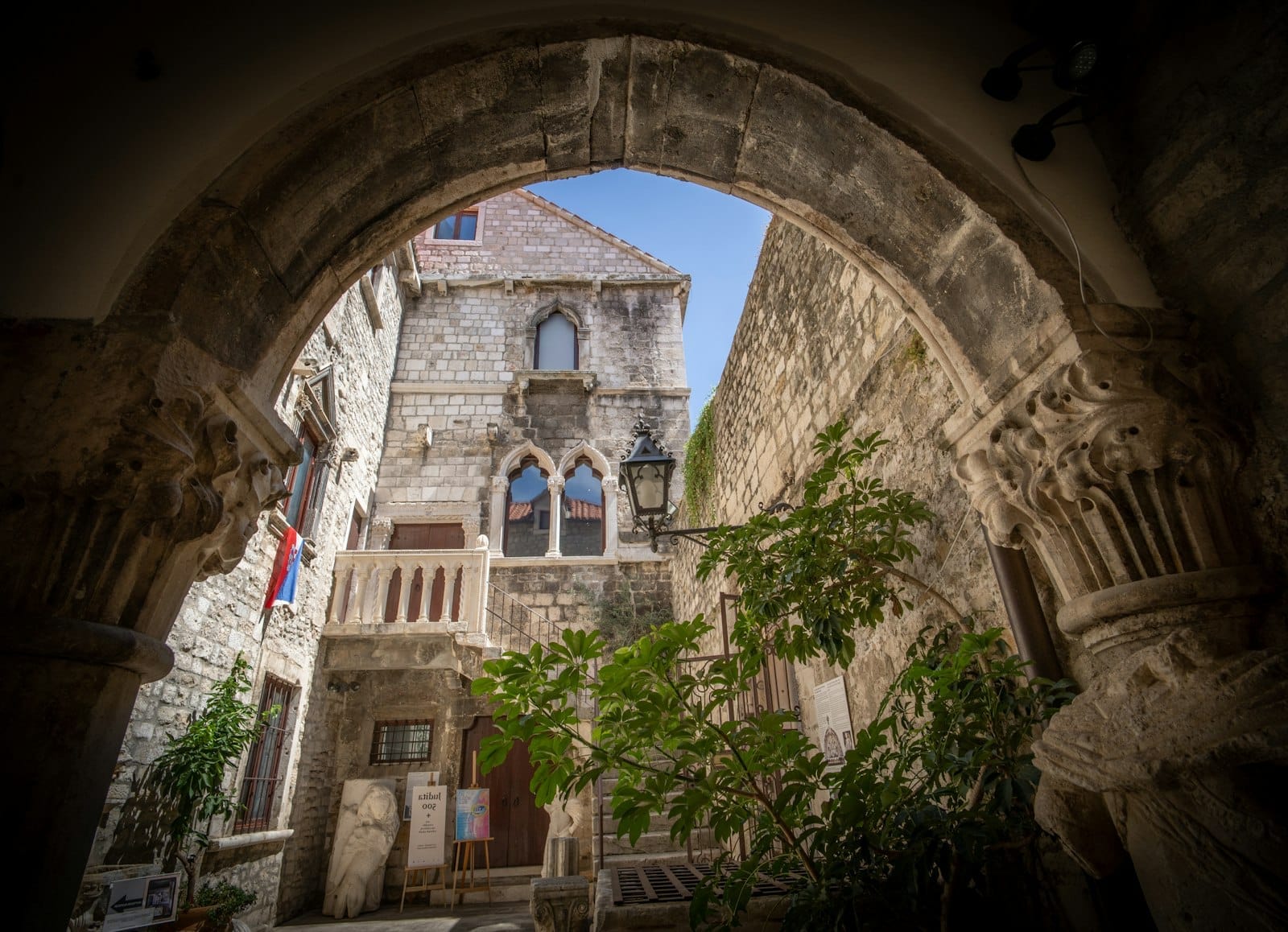
Plan and book this trip
Tools from our partner Travelpayouts help you compare flights and hotels. If you book through them, we may earn a commission at no extra cost to you.
Flights
Hotels map
Most visitors to Split spend their time inside the palace walls, and for good reason. But the city has a parallel life that unfolds just beyond the tourist circuit. The forested trails of Marjan conceal medieval chapels and secret coves. The eastern neighbourhoods around Bačvice offer a lived-in, unposed version of the city. And the hinterland, just 20 minutes inland, holds fortress ruins and ancient Roman cities that most visitors never reach. This guide focuses on what Split looks like when you step away from the obvious. Whether you have a full day or a spare afternoon, these are the places worth seeking out.
💡 Local tip
Many of these spots are free or low-cost. Bring good walking shoes, a water bottle, and a willingness to explore on foot. The best hidden corners of Split rarely appear on tour itineraries.
Marjan Hill: The City's Secret Backyard
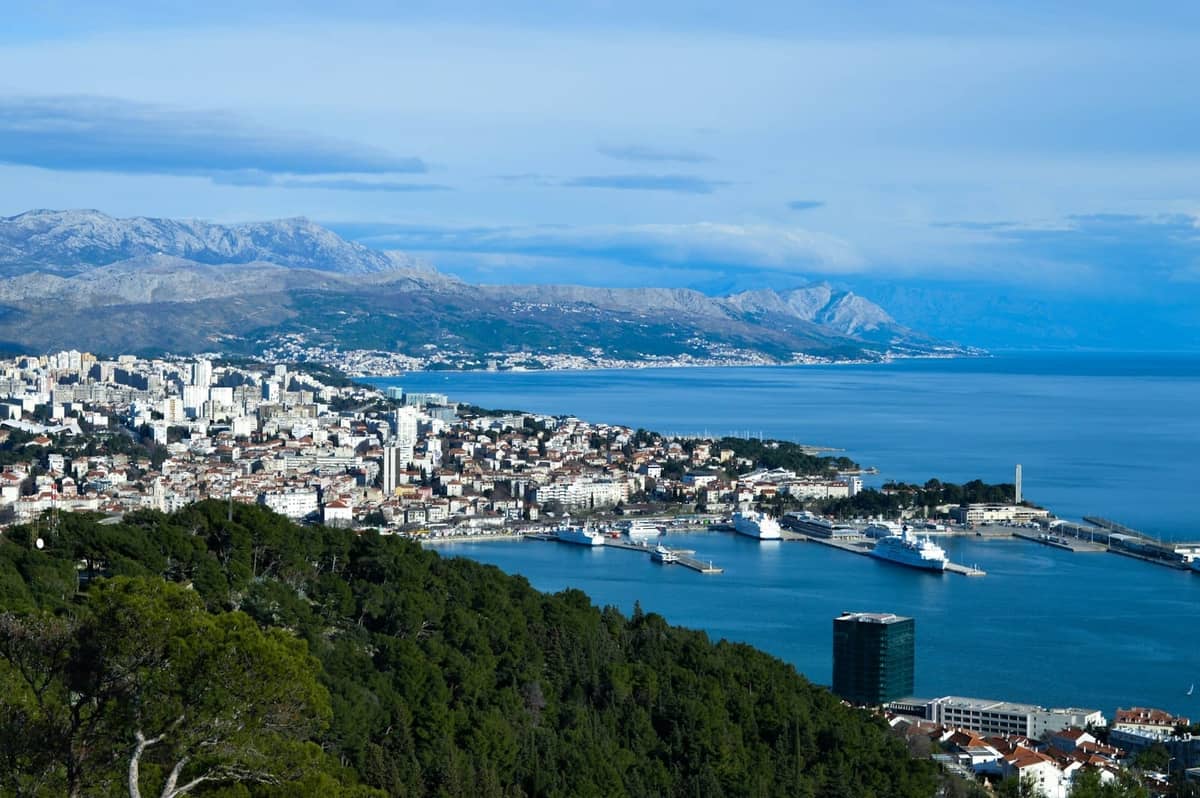
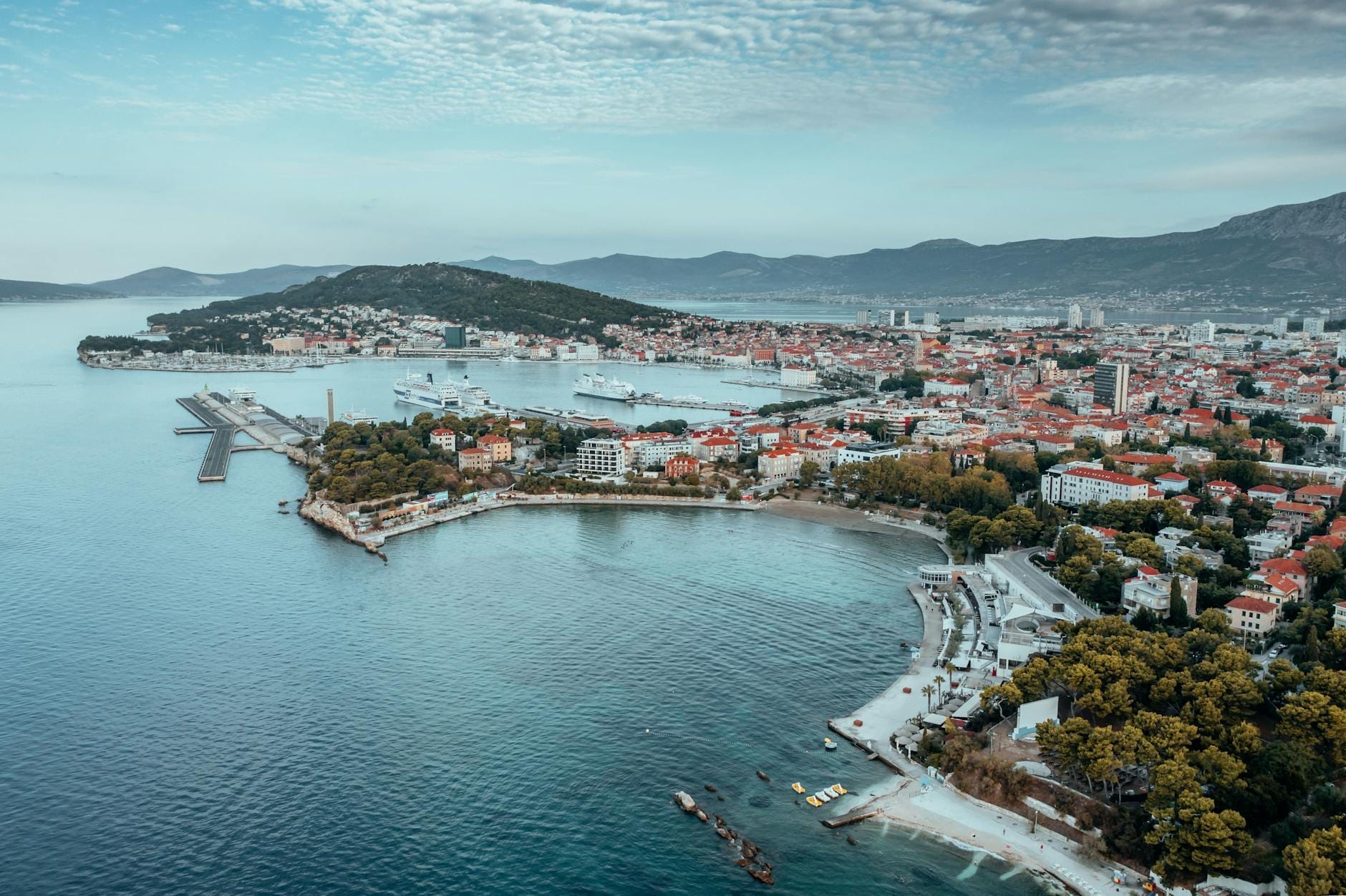
Marjan Hill is Split's great outdoor escape, and most visitors only scratch its surface from the main viewpoint. The full peninsula stretches nearly 4 kilometres west of the old town, with trails that drop to rocky coves, pass 15th-century hermitage chapels, and climb to a summit with an unobstructed 360-degree panorama. Our walking tour guide covers the best route through this area, but for a proper deep dive into the park, allow at least half a day.
1. Walk the Full Marjan Peninsula, Not Just the Viewpoint
Most visitors stop at the first lookout. Push further to reach pine-shaded coves, the St. Jerome hermitage chapel carved into the cliff face, and Telegrin peak at 178m. Allow 2-3 hours for the full loop trail.
Explore1. Walk the Full Marjan Peninsula, Not Just the Viewpoint
Most visitors stop at the first lookout. Push further to reach pine-shaded coves, the St. Jerome hermitage chapel carved into the cliff face, and Telegrin peak at 178m. Allow 2-3 hours for the full loop trail.
Explore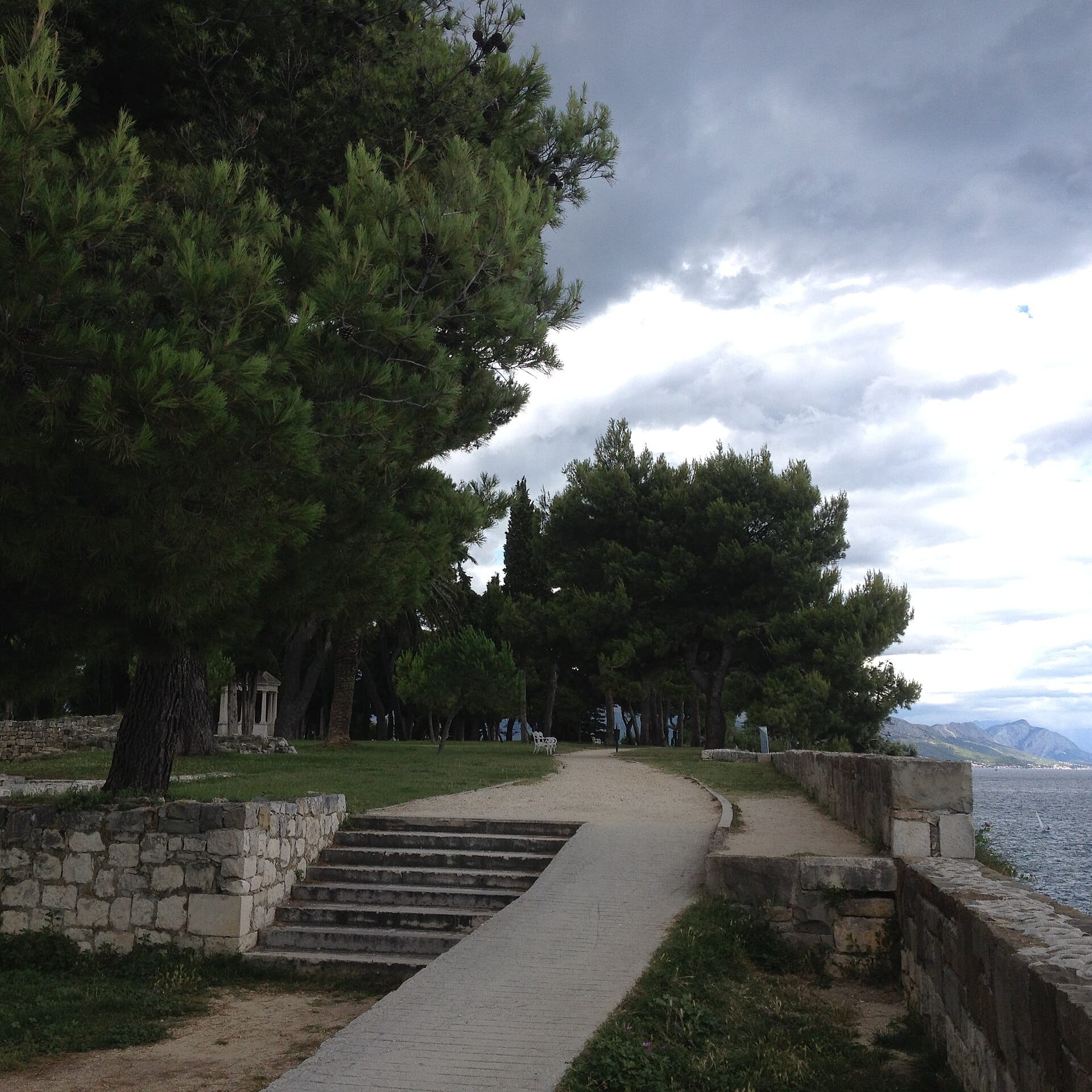
2. Watch the Sunset from Sustipan's Clifftop Terrace
A small promontory tucked below Marjan, Sustipan has a historic cemetery, ruins of a medieval chapel, and a terrace café perched above the water. It's the best sunset spot in the city, and most tourists walk straight past it.
Explore2. Watch the Sunset from Sustipan's Clifftop Terrace
A small promontory tucked below Marjan, Sustipan has a historic cemetery, ruins of a medieval chapel, and a terrace café perched above the water. It's the best sunset spot in the city, and most tourists walk straight past it.
Explore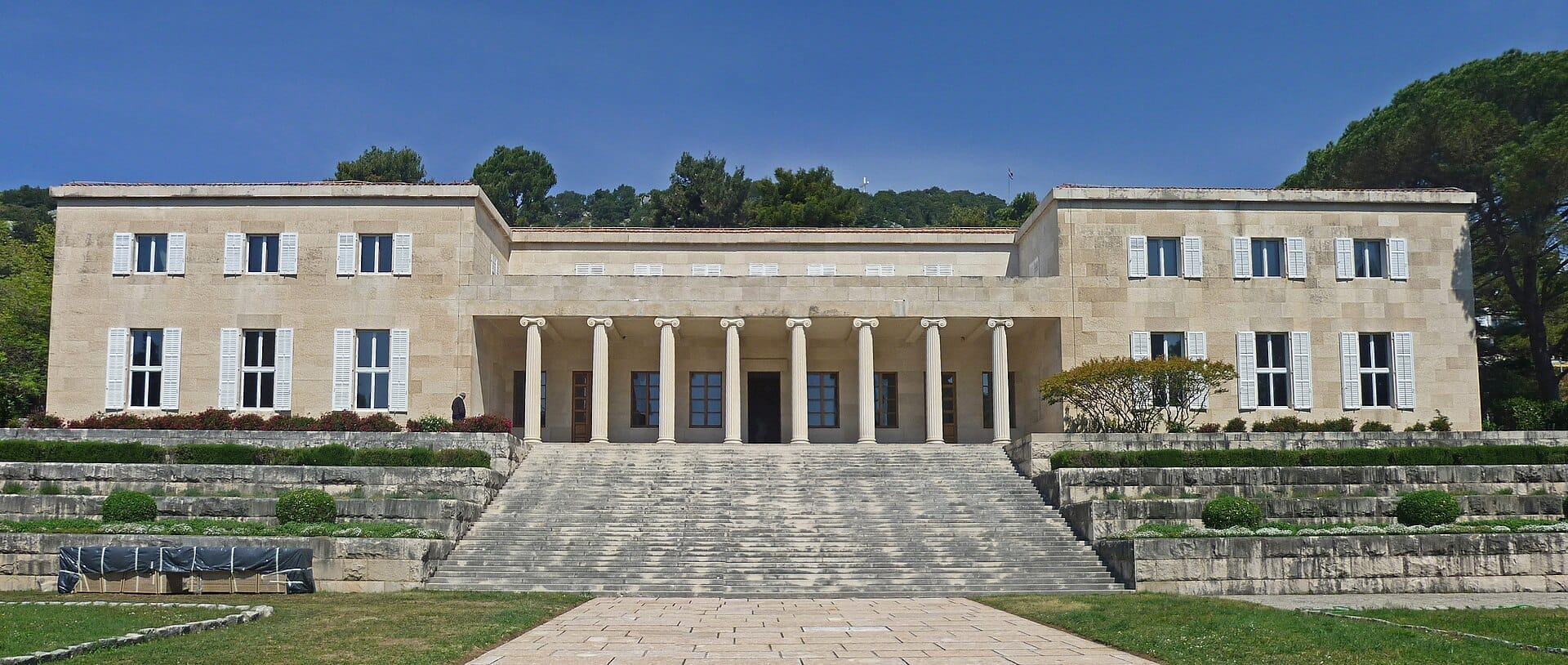
3. Visit Meštrović Gallery, Split's Most Underrated Museum
Ivan Meštrović built this neoclassical villa as his summer home and filled it with bronze and marble works spanning his entire career. The sea-view gardens alone are worth the entrance fee. Closed Mondays; verify current hours before visiting.
Explore3. Visit Meštrović Gallery, Split's Most Underrated Museum
Ivan Meštrović built this neoclassical villa as his summer home and filled it with bronze and marble works spanning his entire career. The sea-view gardens alone are worth the entrance fee. Closed Mondays; verify current hours before visiting.
ExploreHistory Beyond the Palace
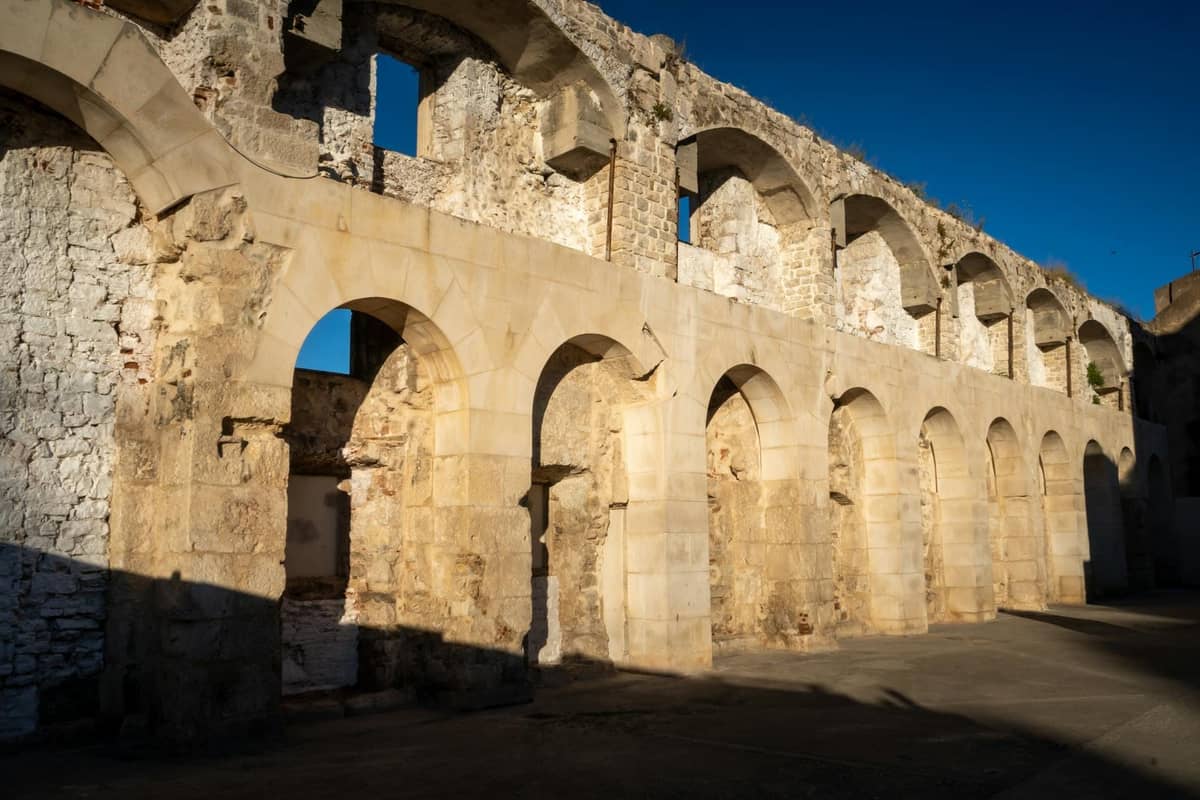
Diocletian's Palace gets the headlines, but Split's Roman and medieval history extends far beyond its walls. The ancient city of Salona, near modern Solin, was once a major Roman urban center on the Adriatic, and the Solin ruins remain one of the most atmospheric and overlooked archaeological sites in Croatia. Combine it with a visit to Klis Fortress, just above, for a half-day history loop that almost no package tourist makes.
4. Explore Salona, the Roman City That Predates Split
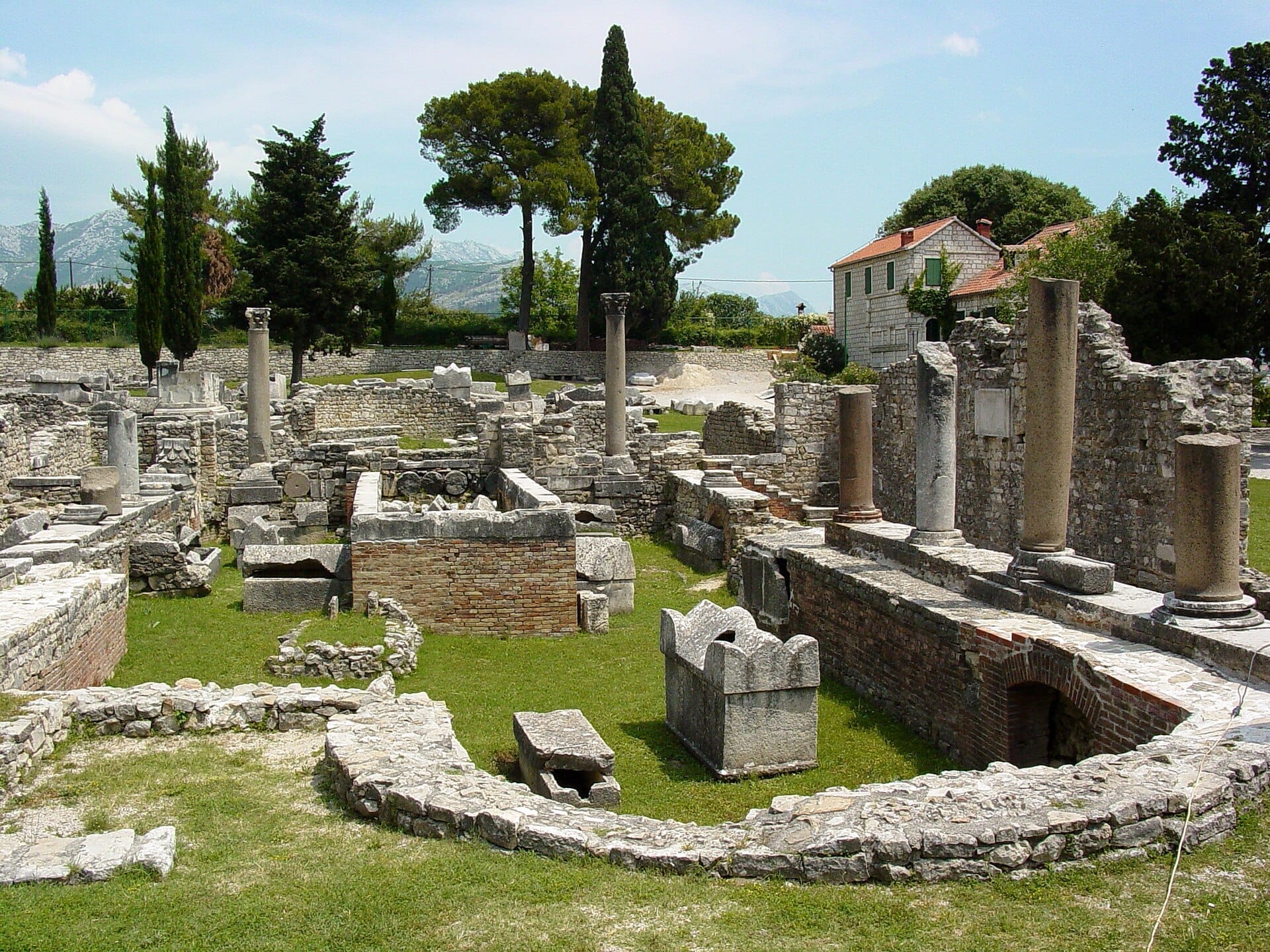
Ancient Salona was the capital of Roman Dalmatia before Split existed. Its open archaeological site includes city walls, a basilica complex, and a partially preserved amphitheatre. Entry is cheap, crowds are minimal, and the scale is genuinely impressive.
Explore4. Explore Salona, the Roman City That Predates Split
Ancient Salona was the capital of Roman Dalmatia before Split existed. Its open archaeological site includes city walls, a basilica complex, and a partially preserved amphitheatre. Entry is cheap, crowds are minimal, and the scale is genuinely impressive.
Explore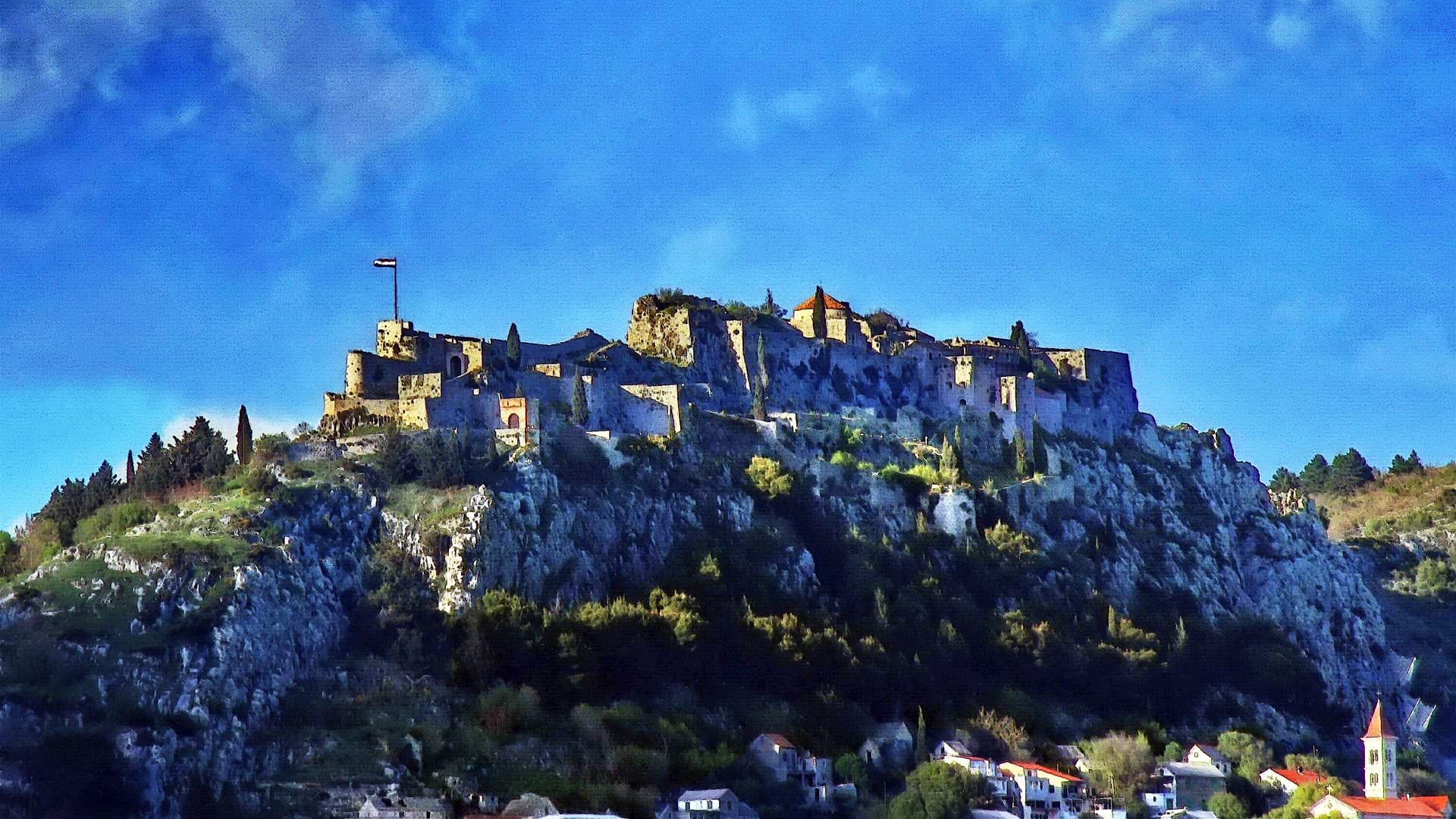
5. Climb to Klis Fortress for Views and Real History
Most visitors know Klis from Game of Thrones, but its actual history is more compelling: a Croatian royal stronghold, then an Ottoman garrison, then Venetian fortification. The panorama over Split and the Adriatic is the best in the region.
Explore5. Climb to Klis Fortress for Views and Real History
Most visitors know Klis from Game of Thrones, but its actual history is more compelling: a Croatian royal stronghold, then an Ottoman garrison, then Venetian fortification. The panorama over Split and the Adriatic is the best in the region.
Explore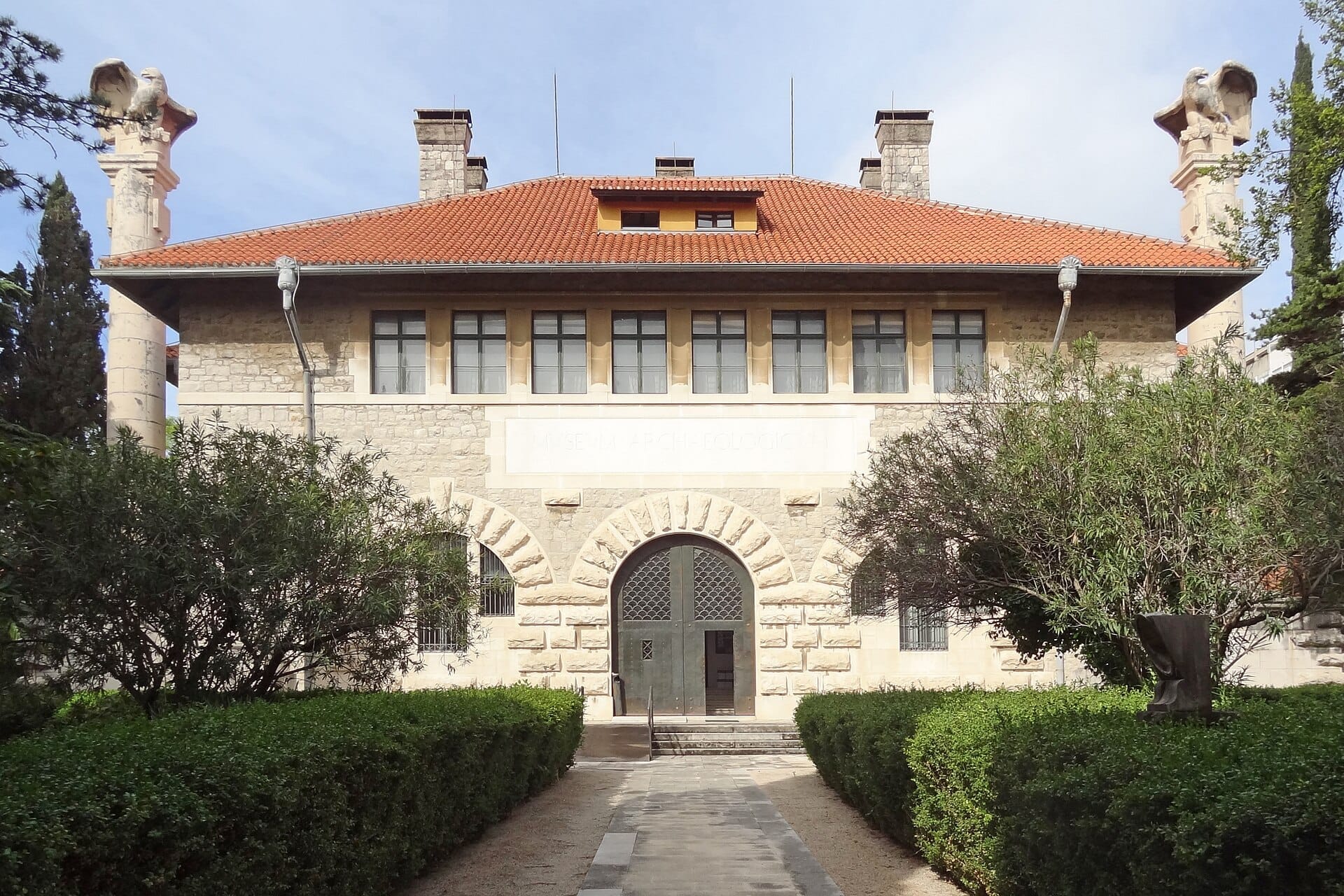
6. Spend an Hour in the Archaeological Museum's Lapidary Garden
Croatia's oldest museum, founded 1820, is quietly exceptional. Skip the crowds at the palace and come here for Roman sarcophagi, early Christian mosaics, and artefacts from Salona. The open-air lapidary garden is one of the most atmospheric spaces in the city.
Explore6. Spend an Hour in the Archaeological Museum's Lapidary Garden
Croatia's oldest museum, founded 1820, is quietly exceptional. Skip the crowds at the palace and come here for Roman sarcophagi, early Christian mosaics, and artefacts from Salona. The open-air lapidary garden is one of the most atmospheric spaces in the city.
Explore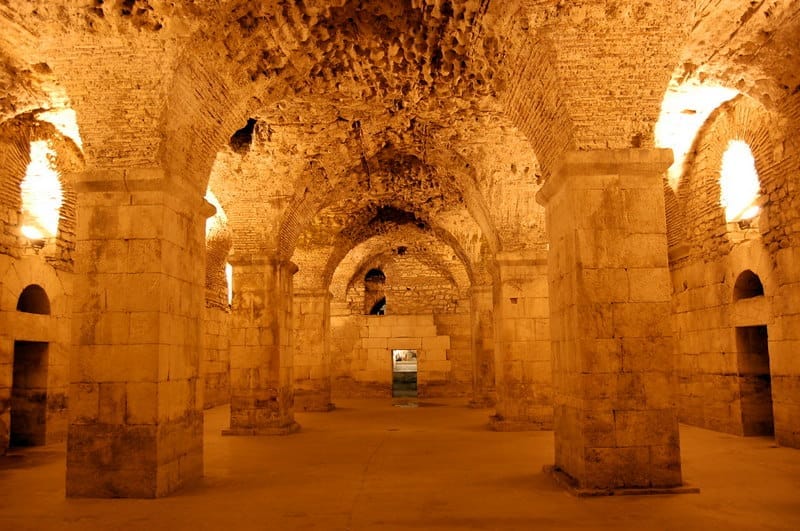
7. Go Underground into Diocletian's Original Cellars
The vaulted substructure beneath the palace is better preserved than almost anything above ground. These halls once supported the emperor's living quarters. They're atmospheric, often uncrowded in early morning, and give the best sense of the original Roman building.
Explore7. Go Underground into Diocletian's Original Cellars
The vaulted substructure beneath the palace is better preserved than almost anything above ground. These halls once supported the emperor's living quarters. They're atmospheric, often uncrowded in early morning, and give the best sense of the original Roman building.
ExploreLocal Life: Markets, Squares, and Neighbourhood Culture
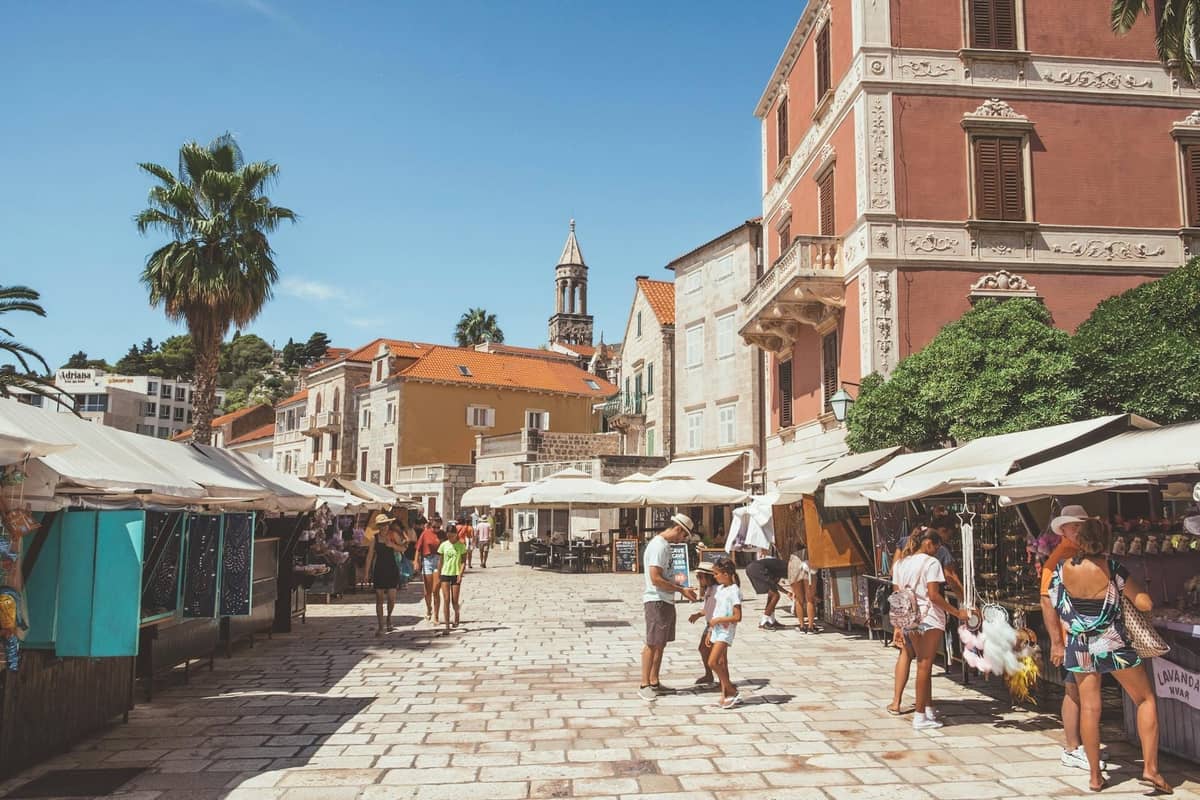
To see Split as residents experience it, follow them to the morning market, the neighbourhood football stadium, or the grand square they use for everything from outdoor concerts to evening strolls. The city centre beyond the palace holds some of the most characterful public spaces on the Adriatic, most of which appear on no standard tour.
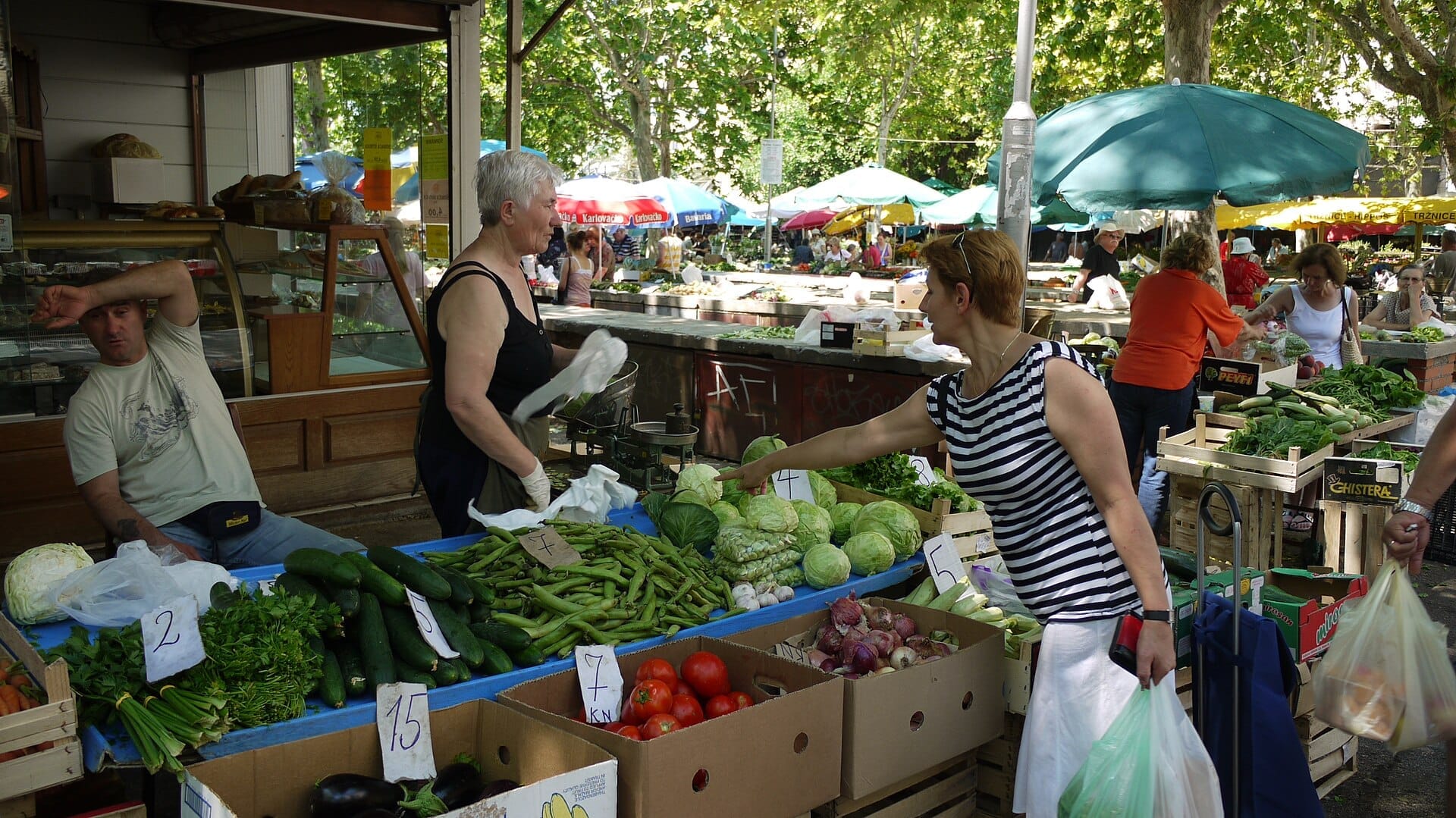
8. Shop Like a Local at Pazar, Split's Daily Open-Air Market
Every morning, just outside the eastern palace wall, locals fill Pazar with fresh produce, local cheeses, homemade olive oil, and seasonal specialities. It runs daily, peaks before 9am, and is one of the most authentic 20 minutes you can spend in Split.
Explore8. Shop Like a Local at Pazar, Split's Daily Open-Air Market
Every morning, just outside the eastern palace wall, locals fill Pazar with fresh produce, local cheeses, homemade olive oil, and seasonal specialities. It runs daily, peaks before 9am, and is one of the most authentic 20 minutes you can spend in Split.
Explore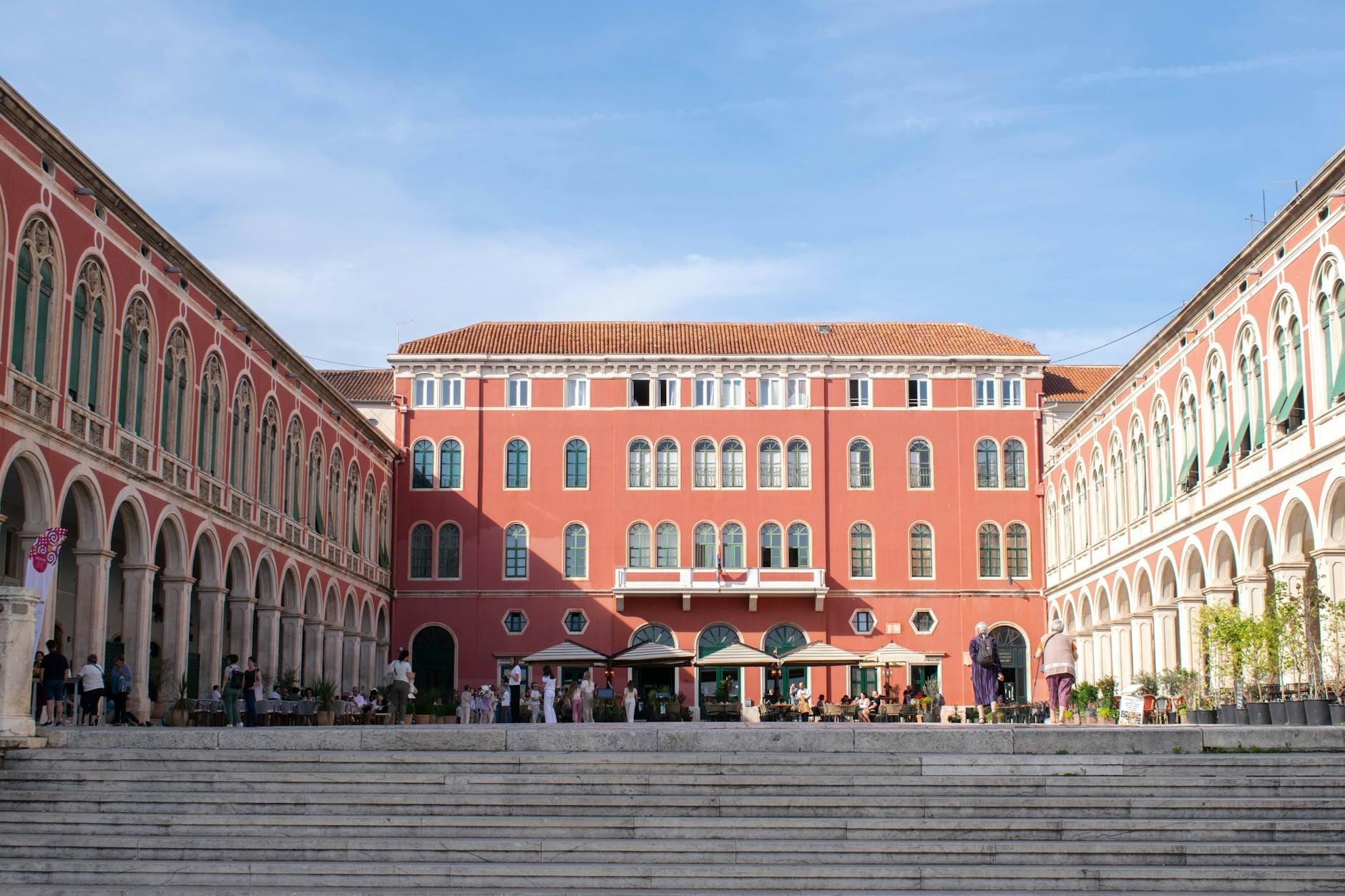
9. Find the Venetian-Style Square Most Visitors Walk Past
Republic Square, known locally as Prokurative, is modelled on St Mark's Square in Venice. Its three-sided colonnade frames an open piazza used for concerts and festivals all summer. Locals drink coffee here; tourists rarely stop. It's five minutes from the palace gates.
Explore9. Find the Venetian-Style Square Most Visitors Walk Past
Republic Square, known locally as Prokurative, is modelled on St Mark's Square in Venice. Its three-sided colonnade frames an open piazza used for concerts and festivals all summer. Locals drink coffee here; tourists rarely stop. It's five minutes from the palace gates.
Explore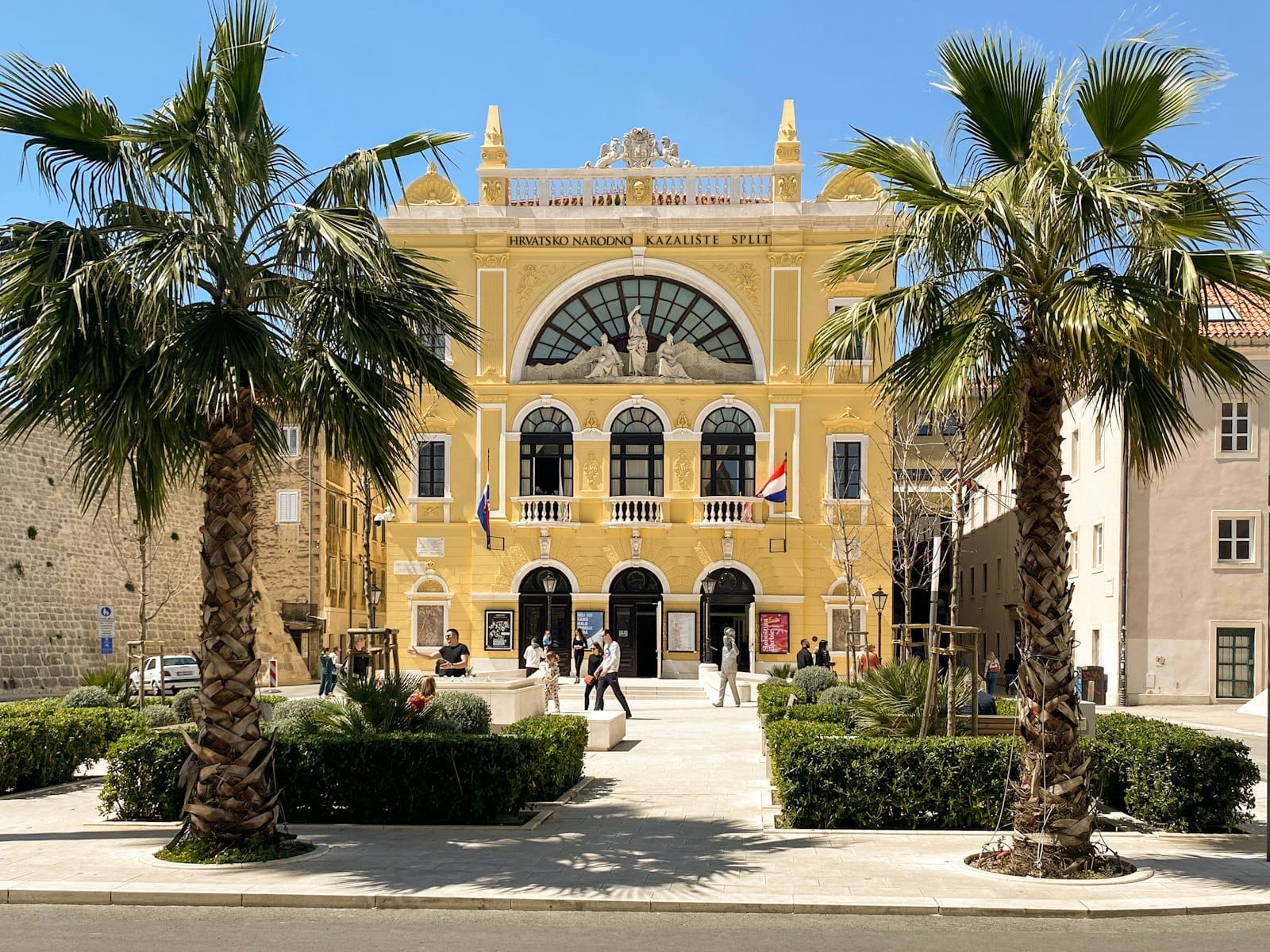
10. Attend a Performance at Split's 130-Year-Old National Theatre
Founded in 1893, Split's national theatre stages opera, ballet, and drama in a genuinely beautiful venue. An evening performance here costs a fraction of what you'd pay in Western Europe and delivers a proper glimpse into the city's cultural life beyond summer tourism.
Explore10. Attend a Performance at Split's 130-Year-Old National Theatre
Founded in 1893, Split's national theatre stages opera, ballet, and drama in a genuinely beautiful venue. An evening performance here costs a fraction of what you'd pay in Western Europe and delivers a proper glimpse into the city's cultural life beyond summer tourism.
Explore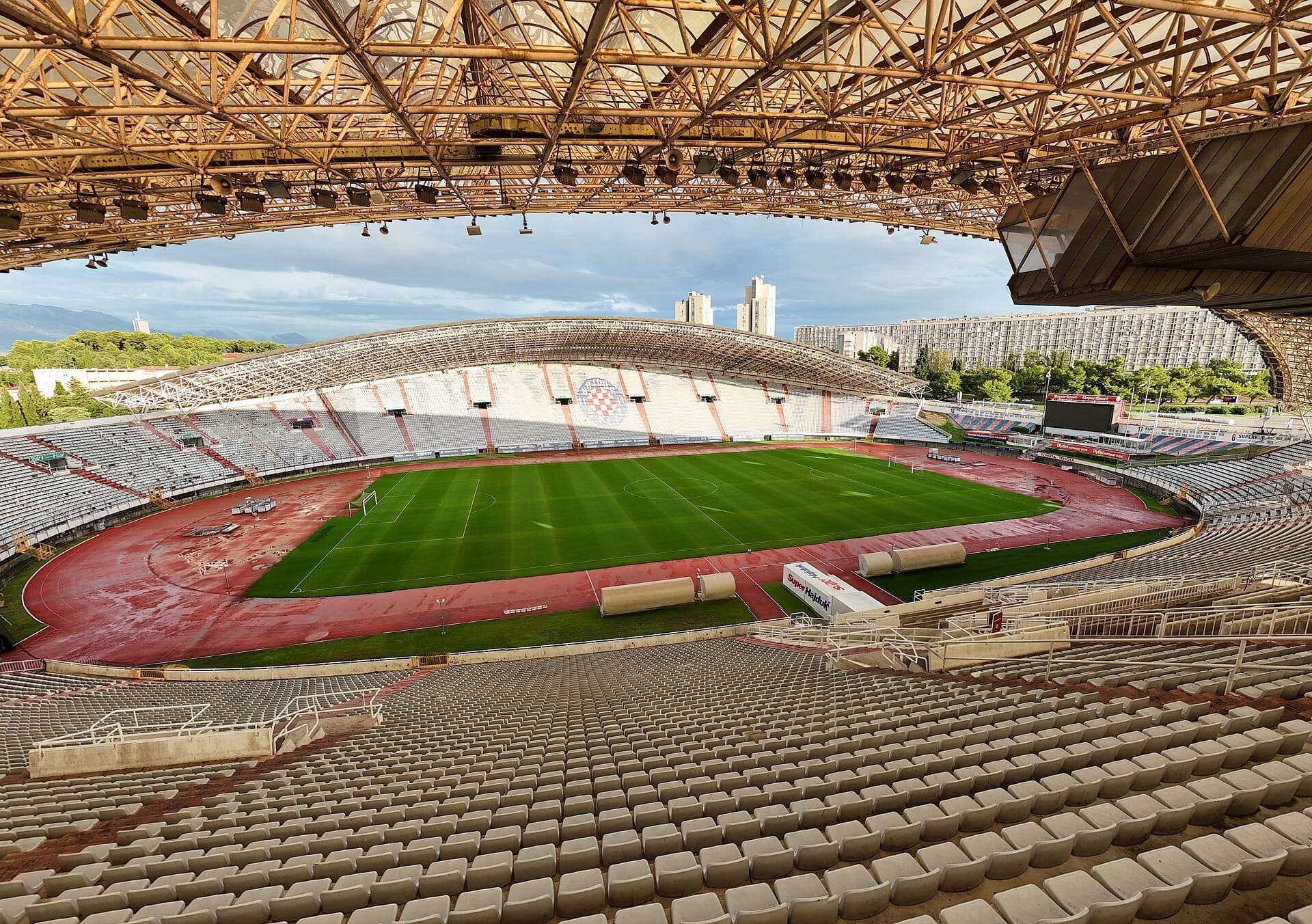
11. Watch Hajduk Split at the Architecturally Remarkable Poljud Stadium
The Poljud Stadium is both an architectural landmark and the spiritual home of Croatian football. Hajduk's ultras, the Torcida, are among Europe's most passionate fan groups. A match here is loud, tribal, and entirely unlike any tourist attraction in the city.
Explore11. Watch Hajduk Split at the Architecturally Remarkable Poljud Stadium
The Poljud Stadium is both an architectural landmark and the spiritual home of Croatian football. Hajduk's ultras, the Torcida, are among Europe's most passionate fan groups. A match here is loud, tribal, and entirely unlike any tourist attraction in the city.
ExploreBeaches Beyond Bačvice
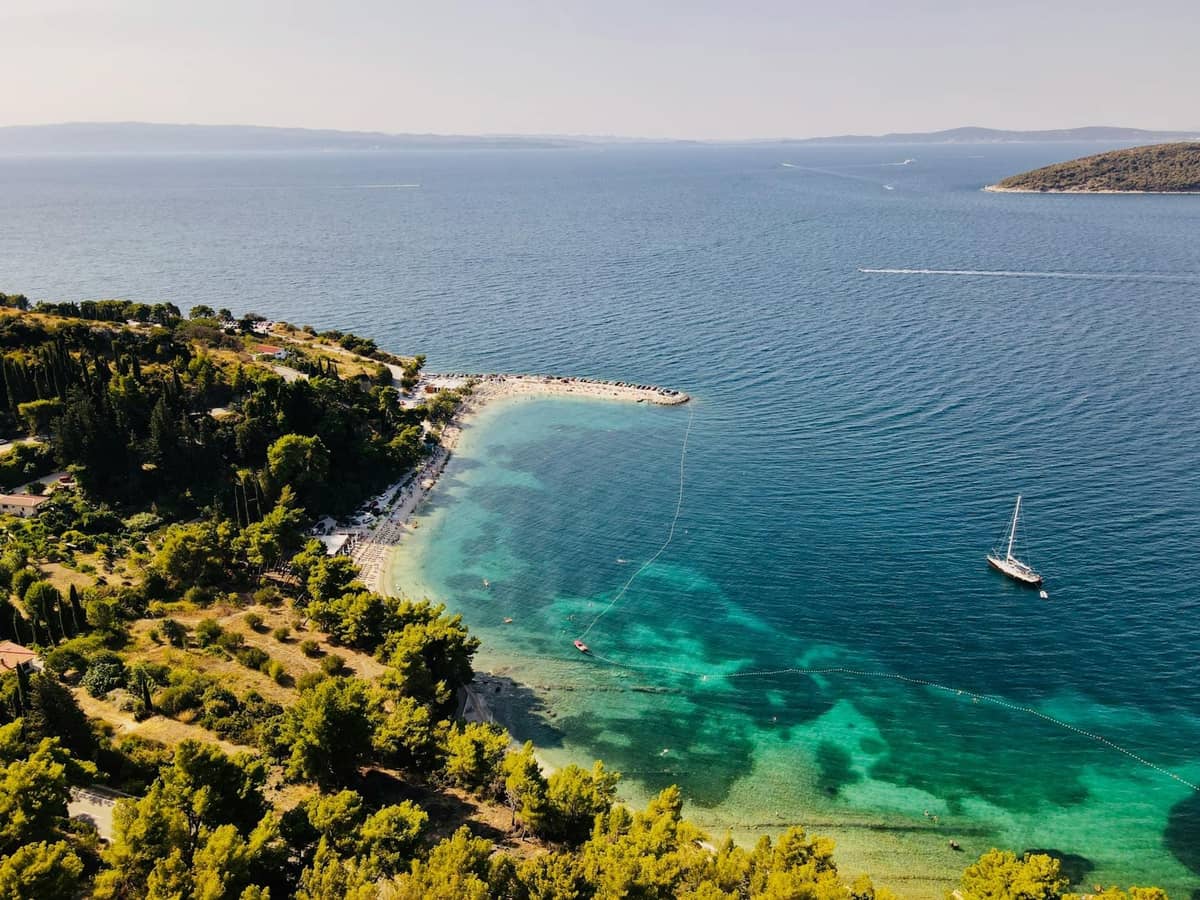
Bačvice Beach is iconic, but Split's coastline stretches far beyond it. For quieter swimming, the coves below Marjan and the longer beaches east of the city offer more space and a calmer atmosphere. Our guide to the best beaches in Split goes deeper on this, but two options stand out for travellers wanting to escape the summer crowds.
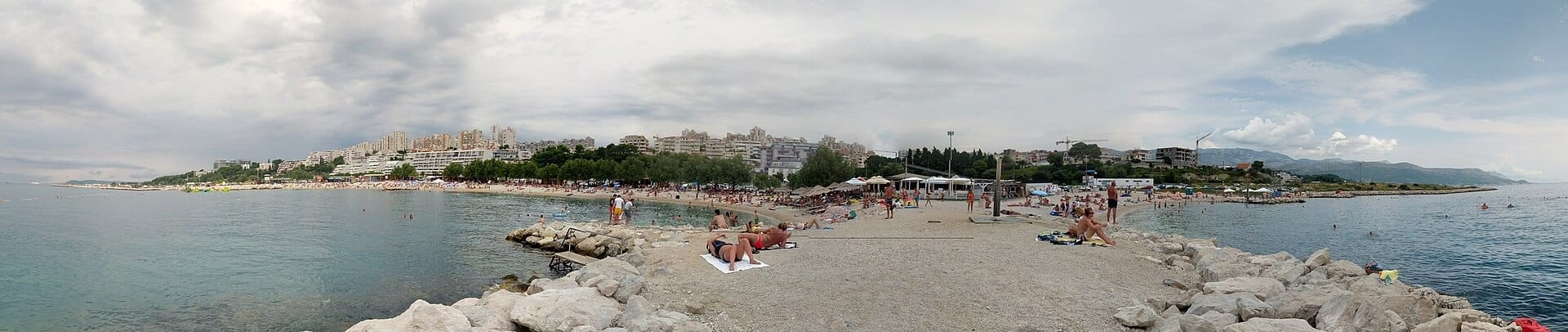
12. Escape the Crowds at Žnjan, Split's Best Family Beach
Žnjan stretches east of the city centre with calm, clear water and good facilities including beach volleyball and showers. It's consistently less crowded than Bačvice while offering more space, a more relaxed pace, and the same quality of Adriatic water.
Explore12. Escape the Crowds at Žnjan, Split's Best Family Beach
Žnjan stretches east of the city centre with calm, clear water and good facilities including beach volleyball and showers. It's consistently less crowded than Bačvice while offering more space, a more relaxed pace, and the same quality of Adriatic water.
Explore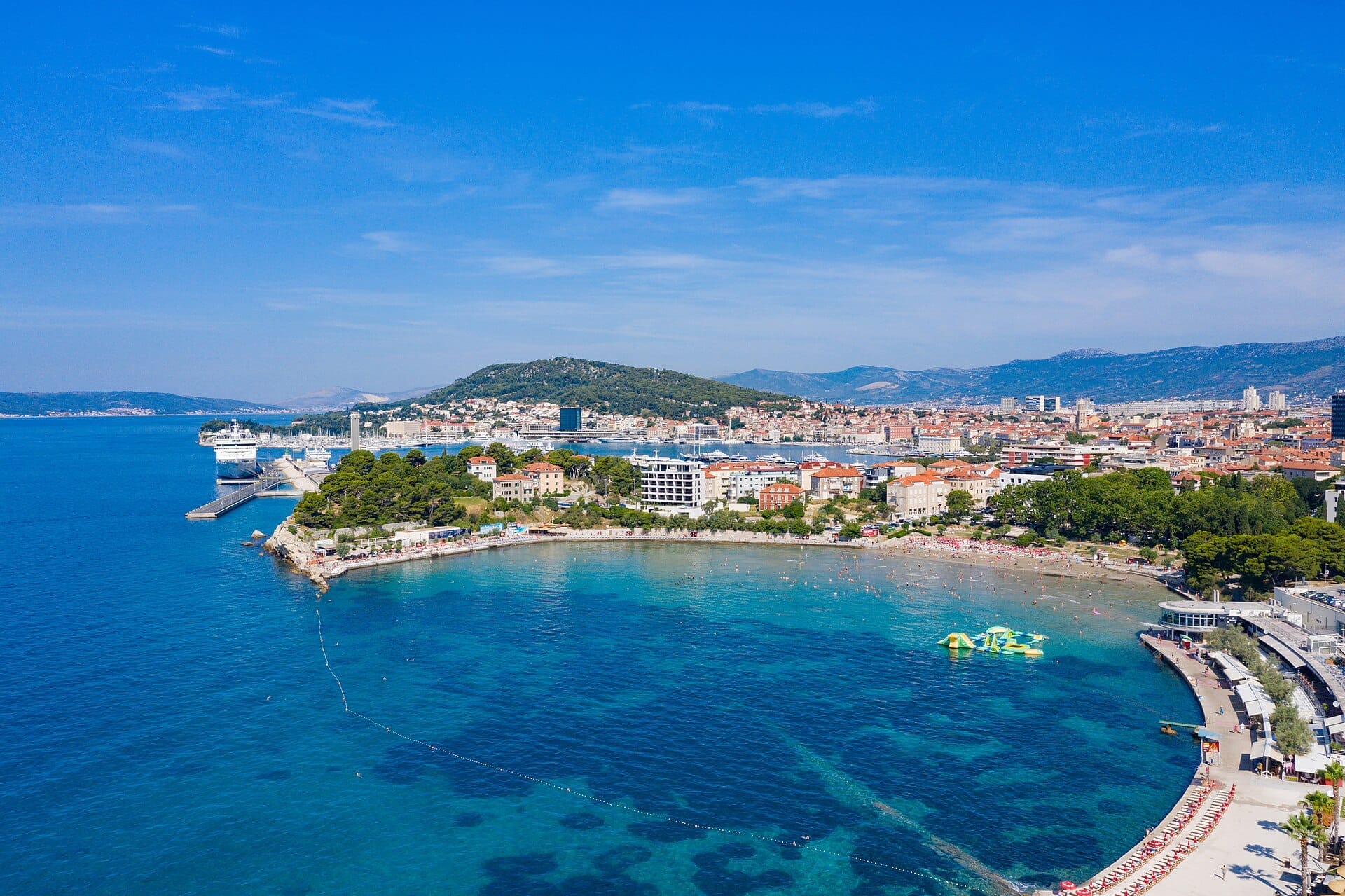
13. See Picigin at Bačvice, Split's Only Truly Local Beach Ritual
Bačvice's real draw isn't the beach itself but picigin: a uniquely Dalmatian ball game played in knee-deep water, requiring no equipment and considerable skill. Watch locals play any morning and you've seen something entirely specific to Split and nowhere else.
Explore13. See Picigin at Bačvice, Split's Only Truly Local Beach Ritual
Bačvice's real draw isn't the beach itself but picigin: a uniquely Dalmatian ball game played in knee-deep water, requiring no equipment and considerable skill. Watch locals play any morning and you've seen something entirely specific to Split and nowhere else.
ExploreUnder-the-Radar Day Trips
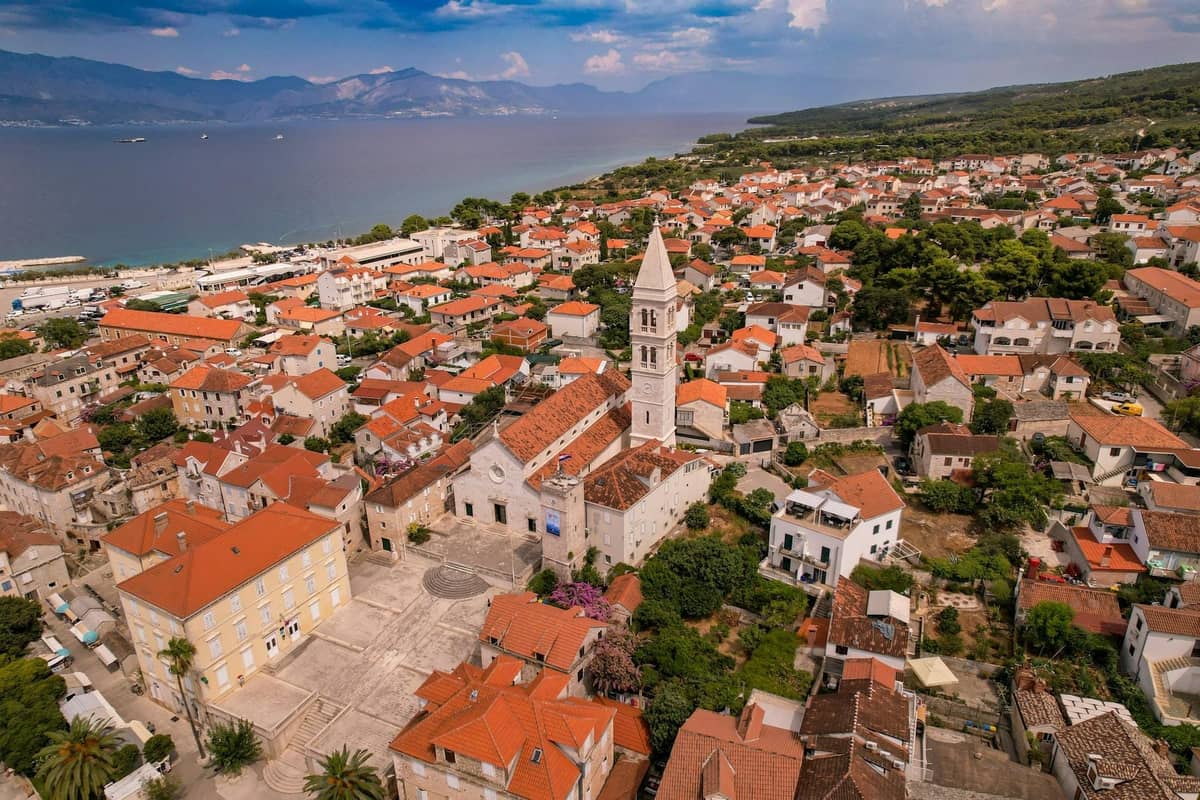
The most popular day trips from Split, Hvar and Krka, are popular for good reason. But the region has destinations that reward travellers willing to go slightly further or slightly less travelled. The day trips from Split guide covers the full range of options, but these two deserve particular attention for travellers seeking something off the standard circuit.
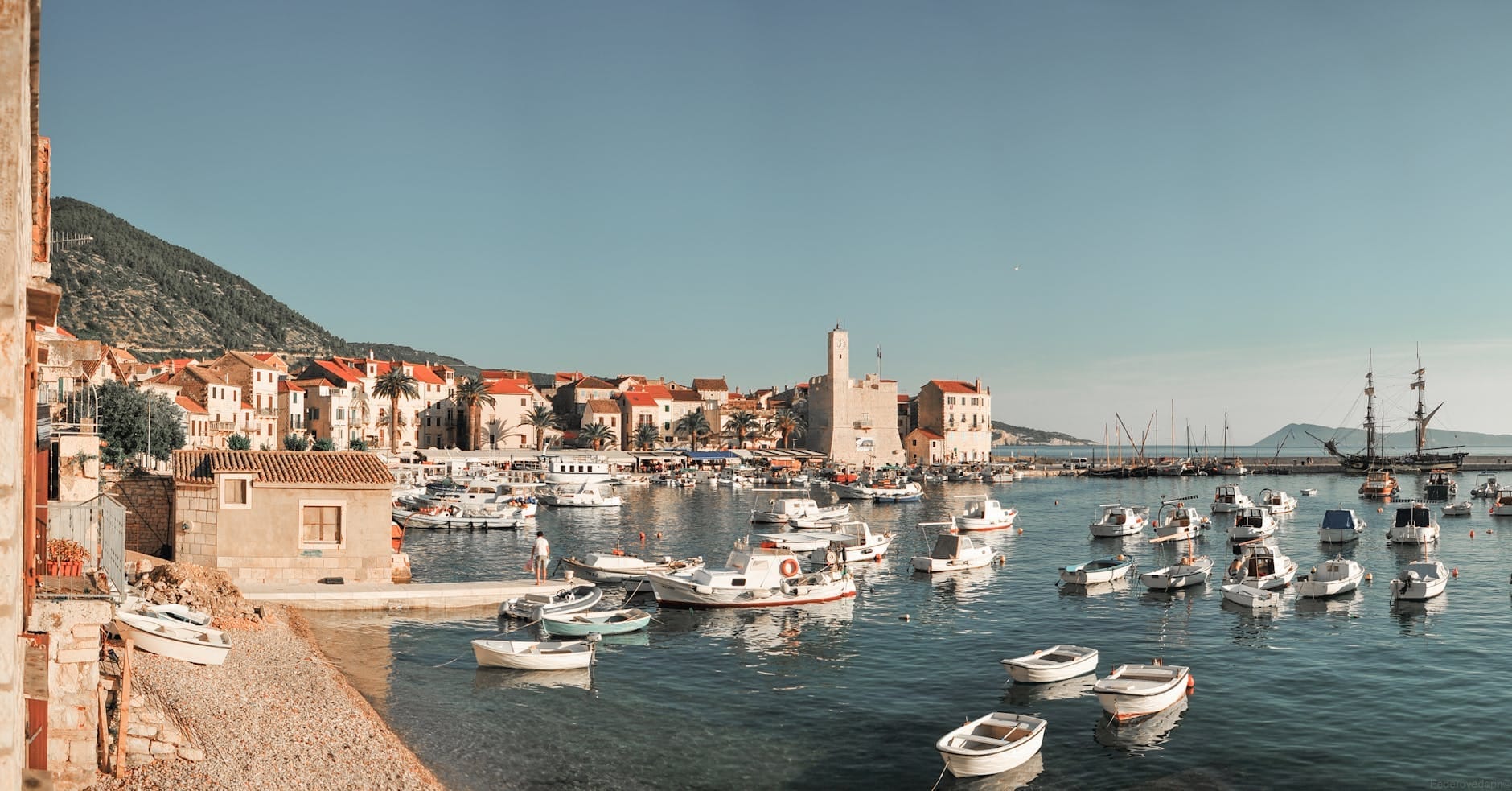
14. Take the Ferry to Vis, Croatia's Most Authentic Dalmatian Island
Vis was closed to foreigners until 1989 and still moves at a different pace from Hvar or Brač. Fewer tourists, better local wine, excellent seafood, and access to the Blue Cave on nearby Biševo. It's a longer ferry ride but worth every minute.
Explore14. Take the Ferry to Vis, Croatia's Most Authentic Dalmatian Island
Vis was closed to foreigners until 1989 and still moves at a different pace from Hvar or Brač. Fewer tourists, better local wine, excellent seafood, and access to the Blue Cave on nearby Biševo. It's a longer ferry ride but worth every minute.
Explore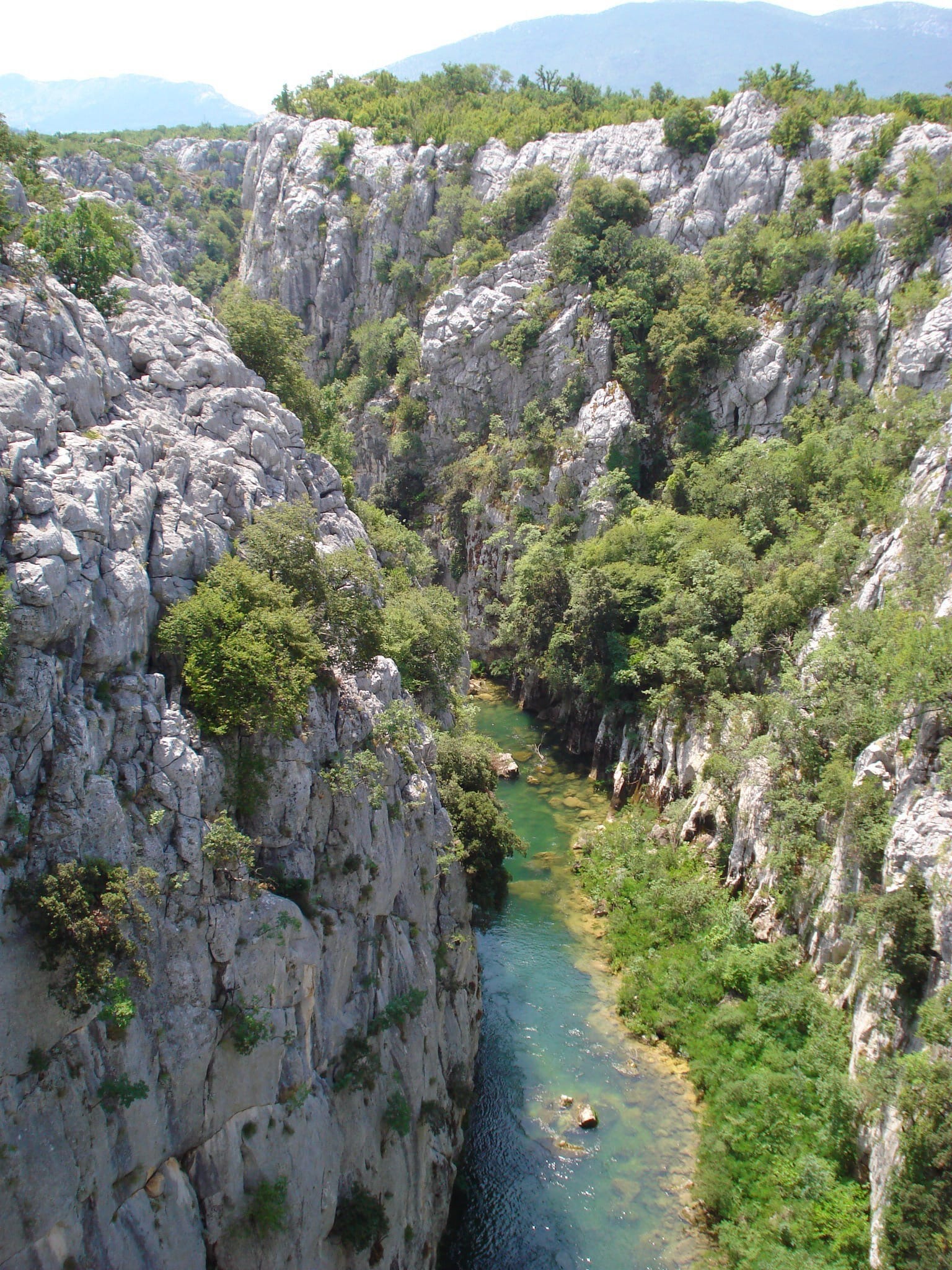
15. Raft the Cetina River Canyon, 30 Minutes from the City
The Cetina gorge near Omiš is one of Croatia's best adventure destinations and almost nobody on a standard Split itinerary visits it. Rafting, kayaking, and zip-lining are available in a dramatic limestone canyon. Half-day tours run from Split throughout summer.
Explore15. Raft the Cetina River Canyon, 30 Minutes from the City
The Cetina gorge near Omiš is one of Croatia's best adventure destinations and almost nobody on a standard Split itinerary visits it. Rafting, kayaking, and zip-lining are available in a dramatic limestone canyon. Half-day tours run from Split throughout summer.
Explore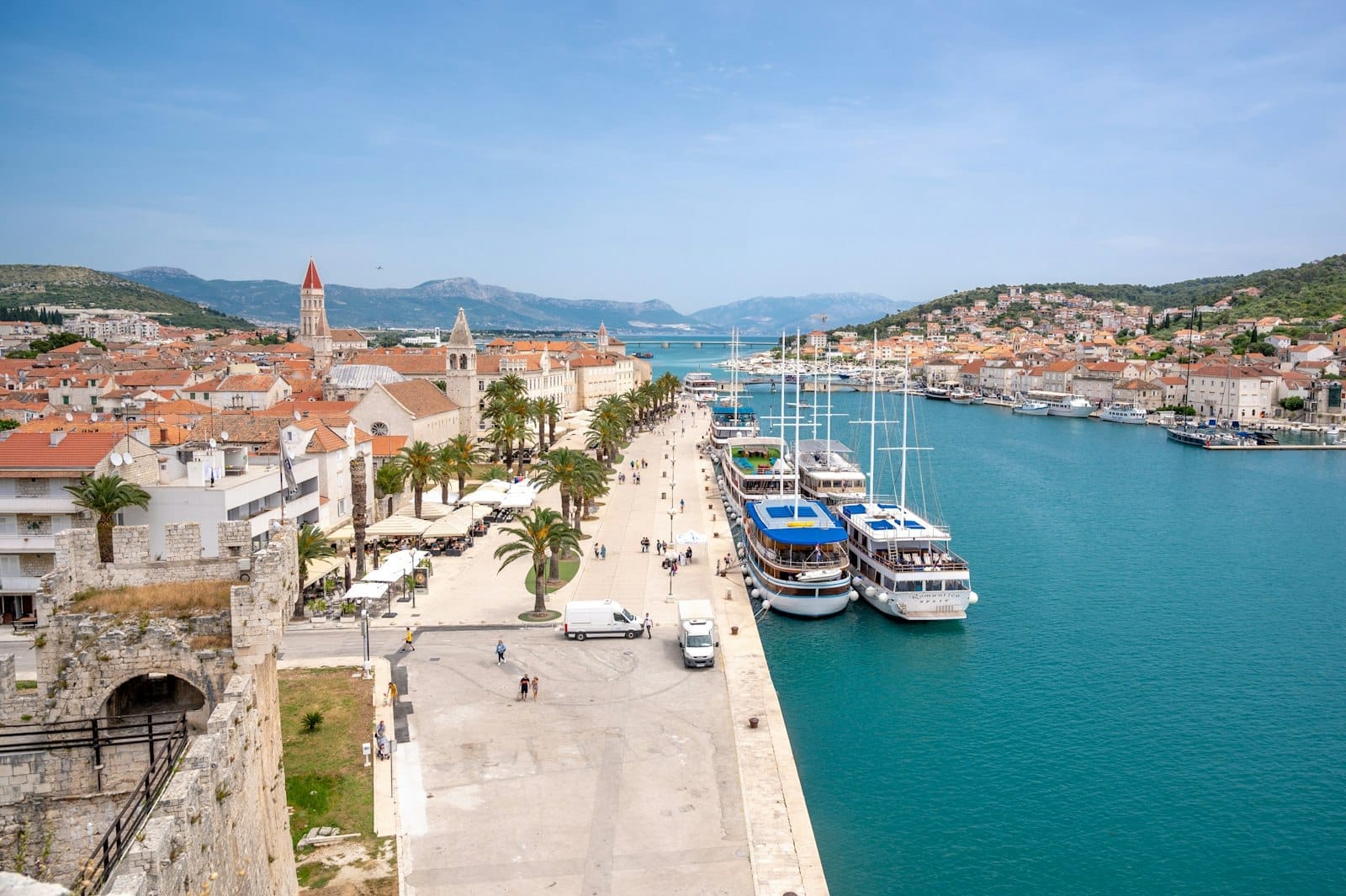
16. Walk the Medieval Lanes of Trogir, Closer Than You Think
Trogir's UNESCO-listed old town sits on a tiny island 30 minutes from Split by bus. Its Romanesque cathedral, compact medieval streets, and waterfront cafés make for one of the most rewarding short trips in Dalmatia, without the crowds that descend on Hvar.
Explore16. Walk the Medieval Lanes of Trogir, Closer Than You Think
Trogir's UNESCO-listed old town sits on a tiny island 30 minutes from Split by bus. Its Romanesque cathedral, compact medieval streets, and waterfront cafés make for one of the most rewarding short trips in Dalmatia, without the crowds that descend on Hvar.
Explore✨ Pro tip
For Klis Fortress and Salona, rent a car or take a taxi and combine both in a single half-day loop. They're within about 10 minutes of each other and together give a complete picture of the region's ancient history.
FAQ
What parts of Split do tourists typically miss?
The Sustipan promontory, the Salona Roman ruins in Solin, the full Marjan Hill trail network, and Meštrović Gallery are all consistently overlooked by visitors focused on Diocletian's Palace. The Pazar market and Republic Square see fewer tourists than the palace interior.
Is it easy to get to the hidden gems without a car?
Most can be reached on foot or by local bus. Marjan, Sustipan, and Meštrović Gallery are all walkable from the old town. Salona and Klis are accessible by bus from the city centre, though a taxi or rental car is faster and makes combining them easier.
When is the best time to visit Split's less-known attractions?
May, June, and September give the best combination of good weather, manageable crowds, and full opening hours. The Pazar market runs year-round but is best in summer for local produce. Marjan trails are enjoyable even in winter, when you'll often have them to yourself.
Are the hidden gems in Split free to visit?
Several are free: Marjan Hill trails, Sustipan, the Pazar market, Republic Square, and the Riva promenade cost nothing. The Archaeological Museum, Meštrović Gallery, Klis Fortress, and Diocletian's Cellars charge modest entry fees. Verify current prices before visiting as they change seasonally.
How do I combine several hidden gems into one day?
A good loop: morning at Pazar market, then the Archaeological Museum, then bus to Salona and Klis Fortress in the early afternoon. Return to Split for a walk through Marjan to Sustipan in time for sunset. This covers Roman history, local culture, and the best viewpoints in one well-paced day.