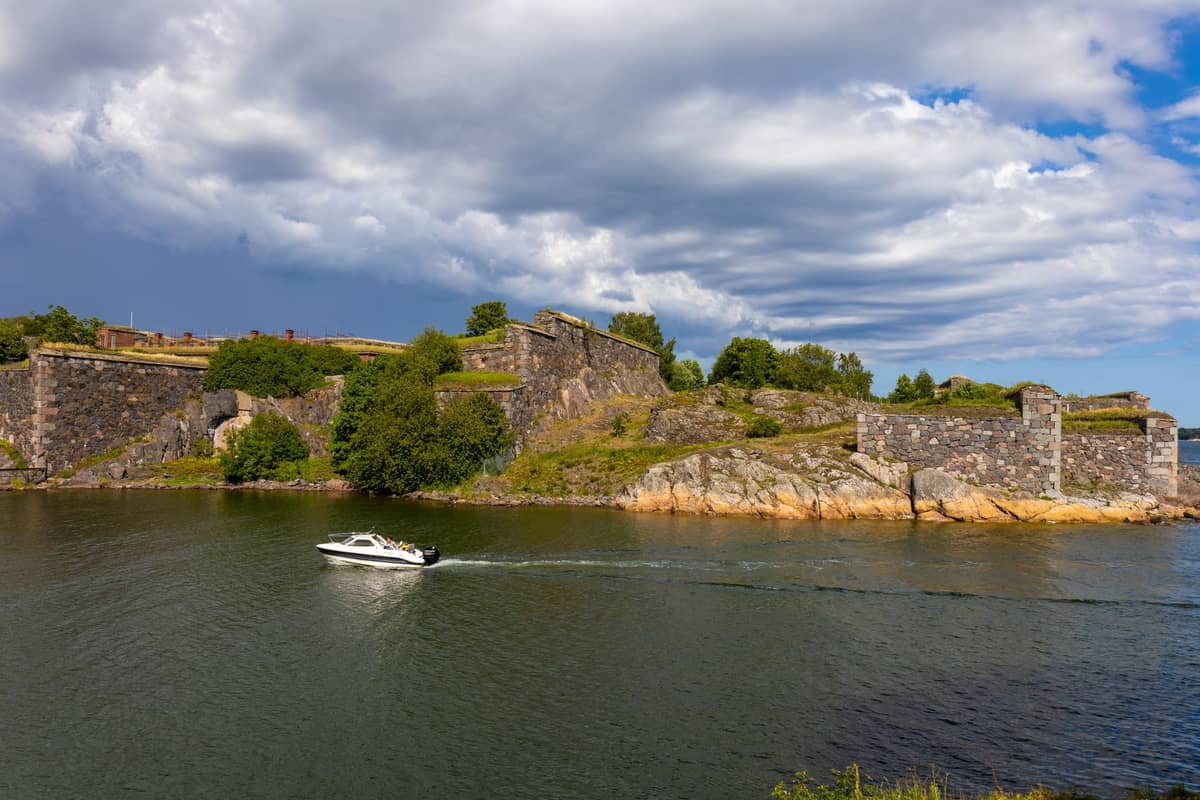
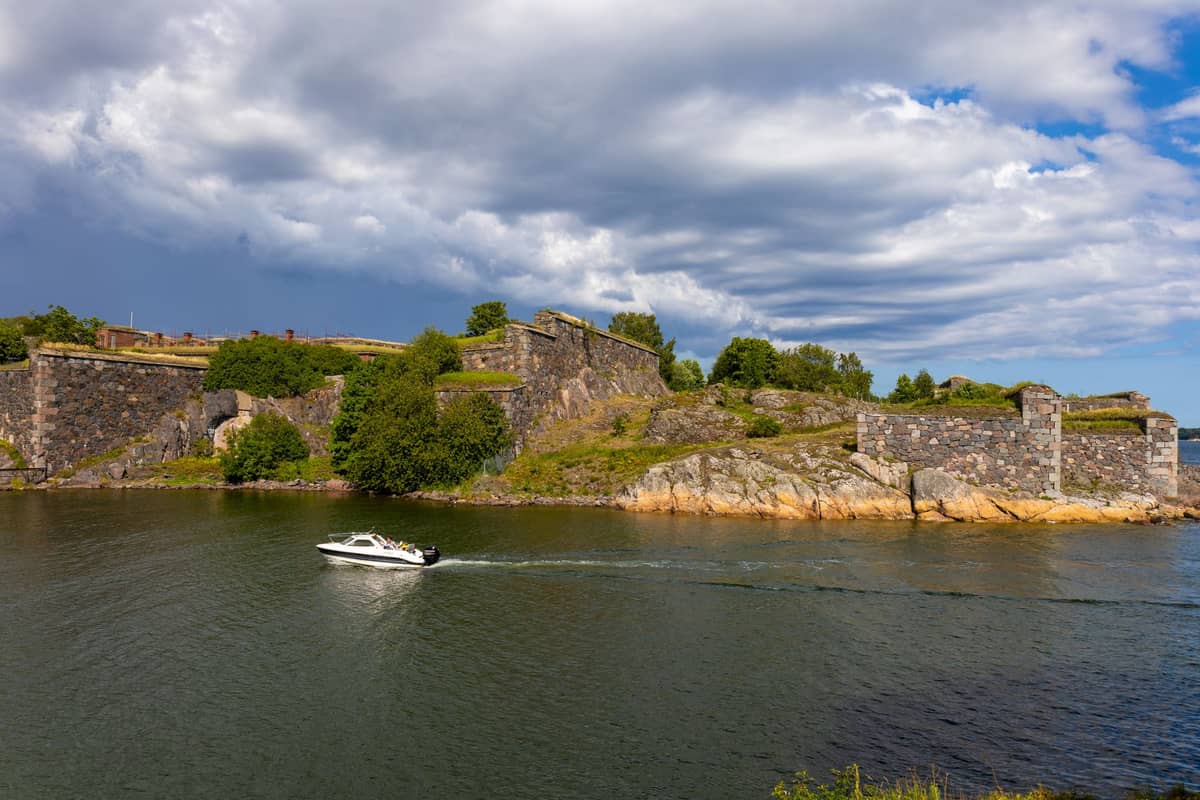
Suomenlinna is an 18th-century sea fortress spread across eight islands in Helsinki's harbor, inscribed as a UNESCO World Heritage Site and home to around 800 permanent residents. Accessible only by ferry from Market Square, it combines centuries of Scandinavian and Russian military history with open-air ramparts, small museums, and a pace of life entirely removed from the mainland city.
Suomenlinna is one of the few places in Europe where you can walk through a functioning UNESCO World Heritage Site, eat lunch beside a 270-year-old dry dock, and be back in the center of a Nordic capital within 15 minutes. It is simultaneously a living neighborhood and one of Finland's most significant historic sites, and it rewards visitors who give it a full half-day rather than a rushed hour.
Orientation
Suomenlinna sits in the outer harbor of Helsinki, roughly 1.5 kilometers southeast of the city center. The fortress complex covers six main islands in total, with a combined land area of around 80 hectares. The UNESCO World Heritage property itself extends across approximately 210 hectares and includes about 200 buildings and 6 kilometers of defensive walls.
The two main islands that most visitors explore are Iso Mustasaari, where the ferry arrives and the main visitor services are concentrated, and Susisaari to the south, where the oldest fortifications, the King's Gate, and the Ehrensvärd Museum are located. The islands are connected by bridges, so you can walk the full length of the site without backtracking to the ferry pier. The northernmost areas near the landing are the most developed; as you walk south across the bridges, the fortifications become more dramatic and the crowds thin out.
Unlike every other neighborhood in Helsinki, Suomenlinna has no road connection to the mainland. There are no cars, no trams, and no metro. It is reached entirely by water, which shapes the rhythm of a visit entirely. From the Market Square terminal, the crossing takes about 15 minutes by the regular HSL ferry. Plan your day around the ferry timetable, especially in winter when departures are less frequent.
Character & Atmosphere
The moment the ferry pulls away from the mainland, the character of the day changes. The noise of the city falls behind. By the time you step onto the Suomenlinna pier, you are somewhere that operates on a different clock: sea wind, granite underfoot, and the low hum of gulls. In summer, the grass bastions above the ferry landing are covered with people reading, picnicking, and watching container ships slide past toward the open Baltic.
Morning arrivals on weekdays feel close to the everyday life of the roughly 800 people who live here year-round. Children head to the island's school, residents cycle to the ferry with work bags, and the small cafes near the landing are occupied by locals rather than tourists. By mid-morning in summer, day visitors begin arriving in volume, and the main paths across Iso Mustasaari become noticeably busier. The fortifications on Susisaari, a 10-minute walk from the pier, remain quieter throughout the day.
In winter, the transformation is dramatic. Snow covers the ramparts, the harbor may freeze partially, and the island hosts only a fraction of its summer visitor numbers. The light is low and golden even at midday, and the fortress walls cast long shadows across the snow-covered courtyards. Winter visits require warm layers and careful footing: the paths and granite rocks become genuinely icy, and the official advice from the fortress administration is to treat all surfaces with caution.
The atmosphere after the last ferry of the day belongs entirely to residents. Suomenlinna is not a nightlife destination. The cafes and restaurants close at reasonable hours, and the island quiets completely by evening. If you are chasing late sunsets in June or July, the western ramparts of Susisaari offer exceptional views over the water, but plan your return ferry time in advance.
What to See & Do
The Suomenlinna fortress as a whole is the attraction, and the best way to approach it is on foot across all six main fortified islands. The UNESCO inscription in 1991 recognized it as an outstanding example of European military architecture, and the scale only becomes apparent once you are walking the full circuit: 6 kilometers of walls, bastions, and sea gates built from local granite starting in the 1740s.
King's Gate (Kuninkaanportti): the ceremonial entrance to the fortress on the southern tip of Susisaari, built in the 1750s and one of the most photographed structures in the complex. The gate opens toward open sea rather than toward the mainland, which underlines its original military logic.
The dry dock: begun in the 1750s and still operational, this is among the oldest functioning dry docks in Europe. Boats are still serviced here, and you can walk along the edge and look down into it.
Suomenlinna Museum: located on Iso Mustasaari near the main ferry pier, this is the starting point for understanding the three-phase history of the fortress under Swedish, Russian, and Finnish control. The multimedia exhibition gives good context before you walk the site.
Ehrensvärd Museum: occupying the former residence of Augustin Ehrensvärd, the Swedish officer who designed and oversaw construction of the fortress. The building itself is part of the experience.
Submarine Vesikko: Finland's only preserved World War II submarine, berthed on the western shore of Susisaari. Visitors can board and walk through the interior. It is a remarkably intimate exhibit for military history enthusiasts.
The ramparts and open fortifications: the walls are unfenced and you walk directly on 18th-century stonework. No admission charge for the outdoor areas, which make up the majority of the experience.
⚠️ What to skip
The fortification walls, bastions, and waterfront areas are largely unfenced, and the official guidance from the fortress administration is clear: visitors move at their own risk. Do not let children climb the walls unsupervised, and keep away from the shoreline edge where currents from passing ships can be dangerously strong. In winter, add icy paths and frost-covered granite to that list.
Beyond the military history, Suomenlinna functions as a large park and outdoor recreation area for Helsinki residents. The eastern shores of the islands have beaches that are popular in summer. Paths loop through open meadows behind the fortifications. The island also has a small art scene, with studios and galleries run by resident artists, and the programming at the Suomenlinna Cinema (outdoor summer screenings) draws mainlanders specifically for that experience.
Eating & Drinking
The food options on Suomenlinna are limited in range but adequate in quality. Near the main ferry pier on Iso Mustasaari, there are a couple of cafes and a restaurant that serve lunch and afternoon meals in both winter and summer, with the selection expanding significantly during peak season from May through September. Expect Finnish cafe staples: open sandwiches, pastries, salmon soup, and coffee.
In summer, kiosks and outdoor serving points open near the main visitor areas. Prices are in line with central Helsinki cafe prices, which is to say they are not cheap by international standards. The brewery on the island, Suomenlinna Brewery, produces beer on-site and serves it in a setting that faces the sea. It is one of the more distinctive drinking experiences in the Helsinki area, though hours are seasonal.
The practical advice for most visitors is to bring a packed lunch or snacks, especially if you are visiting on a weekday in the shoulder season. The natural setting makes picnicking on the grass bastions a reasonable and enjoyable option. The island's small grocery is primarily for residents rather than day visitors, so do not rely on it for a full supply run.
💡 Local tip
If you want a proper sit-down meal on Suomenlinna, arrive early in summer or book ahead. The main restaurant near the pier can fill up by early afternoon on busy days, particularly on weekends between June and August.
Getting There & Around
The HSL public ferry, route 19, is the primary connection between Suomenlinna and the mainland. It departs from the eastern side of Market Square (Kauppatori), directly in front of the Presidential Palace, and takes approximately 15 minutes to reach the main Suomenlinna pier. The ferry runs year-round, from early morning until late at night. In summer there are several departures per hour; in winter, the frequency drops to roughly once per hour. Check the HSL app or website for current timetables before you visit.
The ferry uses standard HSL tickets valid in AB zones, which means your regular Helsinki day ticket, regional day ticket, or season pass covers the crossing. There is no separate fortress entry fee to reach the island itself, though the museums inside charge admission. If you are buying a single journey, a standard HSL zone AB ticket covers the ferry both ways.
From the Market Square terminal, trams 2, 4, and 5 stop within easy walking distance at Kauppatori and Ritarihuone respectively, connecting to the wider tram network across the city center.
A seasonal water bus also serves Suomenlinna from May through September, stopping at additional piers including Artillery Bay and King's Gate. The journey takes approximately 30 minutes and operates as a separate service from the main HSL ferry. This is worth considering if you want to approach the island from the southern side or vary your route.
On the island itself, all movement is on foot. The bridges between the main islands are walkable, and the full circuit of the main fortified areas takes two to four hours depending on how much time you spend at each site. There are no bicycles for hire on the island, no vehicles for visitors, and no shuttle service. Wear comfortable walking shoes, and in winter, footwear with grip.
ℹ️ Good to know
The Helsinki Card includes the Suomenlinna ferry crossing and entry to selected museums and a guided tour on the island. If you are also visiting other Helsinki attractions, check the Helsinki Card guide to see whether it represents good value for your itinerary.
Planning Your Visit
Suomenlinna works best as a half-day excursion from central Helsinki rather than a standalone day trip. Combined with a morning at the Old Market Hall or a walk through the Market Square and Esplanadi area, it fills a full and varied day without requiring transit beyond the ferry.
Summer is the most popular season, and for good reason: the outdoor areas are at their best, the cafes and kiosks are all open, and the long Finnish evenings mean you can be on the island at 8pm with full daylight. If you are visiting in Helsinki in summer, Suomenlinna is as close to essential as the city gets for first-time visitors.
Winter visits are less crowded and have a particular atmosphere, but require more planning. Some museums operate on reduced hours or close entirely. The Helsinki winter experience on Suomenlinna is genuinely striking, but verify museum opening times directly with the fortress before making the crossing specifically to see indoor exhibits.
If you are structuring a broader itinerary, the 2-day Helsinki guide places Suomenlinna logically alongside the harbor-front attractions, which cluster naturally around Market Square and the nearby Uspenski Cathedral on Katajanokka.
Where to Stay
Suomenlinna has a small hostel, Hostel Suomenlinna, operated on the island, making it one of the more unusual places to sleep in Helsinki. Staying overnight means experiencing the island after the day visitors leave, when the paths are quiet and the only lights are from the mainland across the water. It is a specific kind of experience, and not for travelers who want proximity to restaurants or nightlife.
For most visitors, the better strategy is to stay on the mainland near the harbor. The Katajanokka district is directly adjacent to the ferry terminal and offers hotel options within a short walk of the Market Square departure point. The Market Square and Esplanadi area is similarly well-positioned. Both put you within a 5-minute walk of the ferry without requiring any transit connection in the morning.
Quick Verdict
TL;DR
Suomenlinna is a UNESCO World Heritage sea fortress and living island community, 15 minutes by ferry from central Helsinki. It is one of the most historically significant sites in Finland.
Best for: history and architecture enthusiasts, families looking for outdoor space, travelers who want something genuinely different from a city day, and anyone visiting Helsinki for the first time.
Give it at least 3-4 hours. The outdoor fortifications are free to walk; the museums charge admission but are worth it for context.
The main drawback is the ferry dependency: missing the last convenient sailing, or finding reduced winter timetables, can disrupt plans. Always check current timetables before you go.
Not ideal for: travelers who want concentrated nightlife, those with serious mobility limitations on uneven terrain, or visitors with very limited time who cannot spare a half-day away from the city center.
Helsinki rewards a focused two-day visit better than almost any other Nordic capital. This itinerary covers the essential landmarks, best neighborhoods, and a few genuinely worthwhile detours — with practical transport details, honest cost breakdowns, and seasonal advice built in.
Helsinki offers more than its compact scale suggests when it comes to museums. From the golden-age canvases at the Ateneum to open-air farmhouses on a forested island, the city's collections span Finnish identity, world-class design, and contemporary art. This guide covers the best museums in Helsinki, with practical advice on what to expect at each.
Helsinki rewards visitors in every season, but the experience varies dramatically. This guide breaks down weather, crowd levels, prices, and what actually happens on the ground across all four seasons, so you can pick the timing that matches your priorities.
Helsinki is compact enough to explore in a couple of days, but the surrounding region rewards further exploration. From the medieval streets of Tallinn across the Gulf of Finland to the wooden old town of Porvoo and the wilderness of Nuuksio National Park, these are the day trips worth building time into your itinerary for.
Finnish food is more than fish and potatoes. This guide covers the essential dishes to try in Helsinki, where to find them, what they cost, and which seasonal specialties are worth planning around.
Helsinki punches well above its weight for free experiences. From permanently free museums and UNESCO World Heritage sites to urban beaches, sweeping architecture, and peaceful island walks, this guide covers the best free things to do in Helsinki across every season.
Helsinki has one of the most logical public transport systems in Northern Europe, built around a zone-based ticketing network that covers buses, trams, metro, commuter trains, and ferries. This guide covers every mode of transport, from landing at Helsinki Airport to island-hopping by ferry, with practical advice on what to use and what to skip.
The Helsinki Card promises free entry to 25+ attractions plus sightseeing tours from €51 for 24 hours. But does it actually save you money? This guide runs the real numbers, explains the three card versions, and tells you exactly when it's worth buying and when it isn't.
Helsinki's Christmas market season runs from late November through December, centered on the atmospheric Tuomaan Markkinat at Senate Square. This guide covers dates, opening hours, what to expect, and how to make the most of your visit in the Finnish winter.
Helsinki offers more than its compact scale suggests when it comes to design. From the combined Architecture and Design Museum to the underground wonder of Amos Rex, plus one of Europe's most concentrated design shopping districts, this guide covers everything you need to experience the city's design culture properly.
Summer transforms Helsinki into one of Northern Europe's most rewarding city destinations. Nearly 19 hours of daylight, major arts festivals, waterfront saunas, and island escapes make June through August the city's peak season. This guide covers everything you need to plan a summer trip, from the reality of the midnight sun to navigating Midsummer closures.
Helsinki in winter is a different city entirely. Snow-dusted streets, just six hours of daylight, and a culture built for cold. This guide covers everything from average temperatures and transport to the best seasonal activities, so you can decide if a winter visit is right for you.
Helsinki is defined by its archipelago. With dozens of islands ranging from a UNESCO World Heritage fortress to tiny sauna islands, knowing which to visit and how to reach them makes the difference between a great trip and a missed opportunity. This guide covers the best islands for every type of visitor.
Helsinki's market halls are the city's most reliable year-round food destinations, offering everything from fresh Finnish fish and game to evening dining and weekend flea markets. This guide covers all three halls — Old Market Hall, Hakaniemi, and Hietalahti — with practical details on what to eat, when to go, and how to get there.
Helsinki's nightlife runs later than most visitors expect, with licensed venues legally permitted to serve alcohol until 04:00 and some clubs closing even later. This guide covers the best neighborhoods, key venues, alcohol laws, and how to get home safely after a long night in the Finnish capital.
Helsinki has a reputation for being expensive, and it partly deserves it. But with the right strategy, you can see the best of Finland's capital without hemorrhaging euros. This guide covers transport costs, free attractions, the Helsinki Card, and practical tips for keeping your daily spend under control.
Sauna is not a wellness trend in Helsinki — it is infrastructure. This guide breaks down the best public saunas in the city by type, price, and experience, with practical advice on booking, etiquette, and what each venue actually delivers.
Helsinki is a surprisingly strong shopping destination. This guide covers the city's best shopping districts, indoor market halls, open-air markets, and the Finnish design brands worth seeking out, with practical hours, seasonal tips, and practical advice on what to skip.
The Helsinki to Tallinn ferry is one of the busiest short sea crossings in Europe, with up to 6 daily sailings per direction, crossing times as short as 2 hours, and fares starting around €15. This guide covers every operator, pricing reality, port logistics, and seasonal tips so you can book smart.
Vappu transforms Helsinki into Finland's largest outdoor celebration every 30 April and 1 May. From the iconic Havis Amanda statue capping ceremony to sprawling picnics in Kaivopuisto Park, this guide covers everything you need to know to experience the festivities like a local.
Helsinki is a city defined by water, sky, and open horizon. Whether you're scanning the harbour from a cathedral terrace or watching the sun set from a rooftop bar, these are the best viewpoints in the city, ranked and organised by type.
This guide walks you through the best self-guided route across central Helsinki, covering Senate Square, the waterfront, Esplanadi Park, Oodi Library, and beyond. Get practical stop-by-stop advice, timing tips, and honest notes on what to skip.
Helsinki's climate swings from dark, snowy winters to long-lit summers with near-19 hours of daylight. This guide breaks down Finland weather month by month, covering temperatures, precipitation, daylight, and exactly what to wear and plan for each season.
Helsinki is one of Northern Europe's most practical cities for families, with a compact layout, excellent public transport, and a strong mix of indoor and outdoor attractions that work across all seasons. This guide covers the best kid-friendly experiences, clear pricing, seasonal logistics, and what to skip.
Helsinki divides opinion. Some travelers leave wondering what the fuss was about; others come back every year. This guide cuts through the noise with specific costs, seasonal realities, and an honest take on what the Finnish capital actually delivers — and where it falls short.
Helsinki packs an extraordinary range of experiences into a compact, walkable city on the Baltic coast. This guide covers the best things to do in Helsinki across culture, nature, food, and nightlife, with practical advice on what's worth your time and what to skip.
Helsinki is compact enough that almost any central neighbourhood works as a base, but the right choice depends on your budget, travel style, and priorities. This guide breaks down the best areas to stay, typical hotel prices by category, and what to watch out for before you book.