Where to Stay in Guangzhou: Best Areas & Hotels
Guangzhou has several distinct hotel zones, and choosing the wrong one can cost you hours of commuting per day. This guide breaks down the five main areas by trip type, with practical assessments of who each zone actually suits.
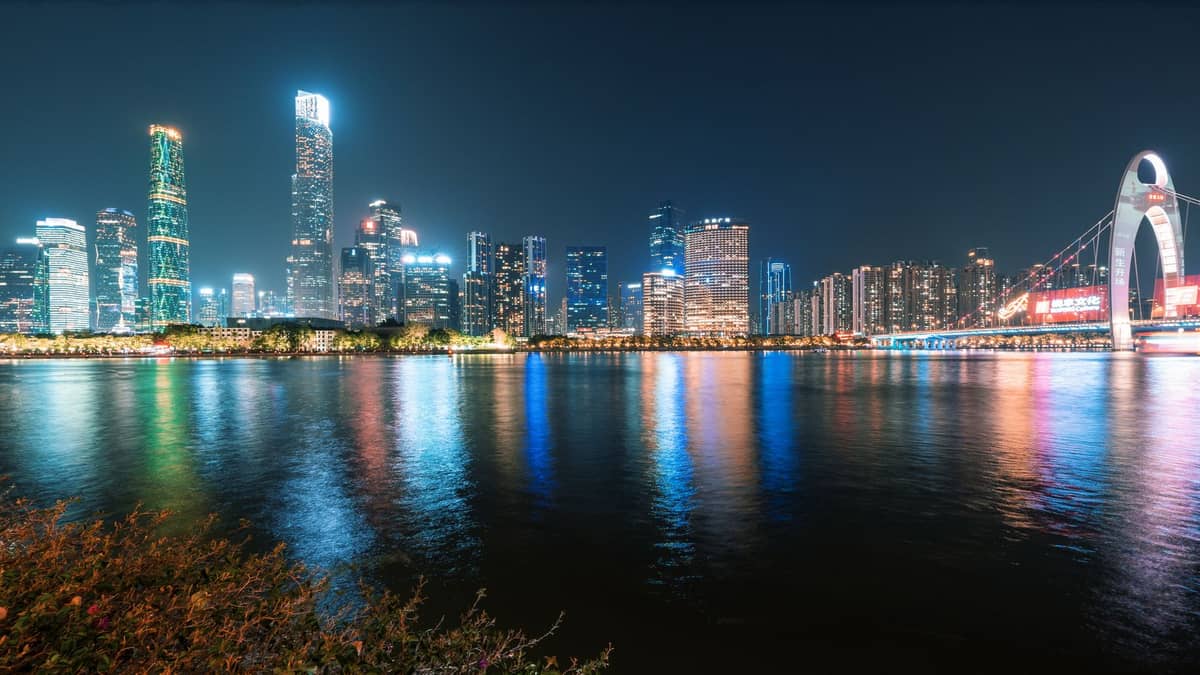
Plan and book this trip
Tools from our partner Travelpayouts help you compare flights and hotels. If you book through them, we may earn a commission at no extra cost to you.
Flights
Hotels map
TL;DR
- Tianhe / Zhujiang New Town is the best all-round base for first-timers: strong metro access, international hotels, and proximity to Canton Tower and Huacheng Square.
- Yuexiu / Beijing Road suits history-focused trips with the city's densest concentration of sights and the most affordable hotel prices.
- Liwan / Xiguan is the right choice if traditional Cantonese architecture, food streets, and Shamian Island are your priority.
- Panyu is only worth considering if Chimelong is the main reason you're visiting — it adds serious commute time for anything else.
- During the Canton Fair, book near Pazhou well in advance. See the Canton Fair visitor guide for full details.
How to Choose Where to Stay in Guangzhou
Guangzhou is one of China's largest cities, covering over 7,400 km² across 11 districts and home to nearly 19 million permanent residents. That scale matters when you're picking a hotel. A room that looks close to your first attraction on the map can easily be 45 minutes away from your second. The city's metro network is excellent, but it can't fix a poorly chosen base.
The right area depends almost entirely on why you're visiting. Business travelers and first-timers cluster in Tianhe and Zhujiang New Town. Culture seekers and budget travelers gravitate toward Yuexiu. Canton Fair buyers need to be in Pazhou. Theme park visitors belong in Panyu. Getting this decision right before you book saves real money and real time.
⚠️ What to skip
Avoid booking near Guangzhou Baiyun International Airport unless you're on a genuine transit stopover. Airport-area hotels are practical only for early departures or late arrivals. For any trip longer than 12 hours in the city, the metro commute into central Guangzhou from Huadu will eat into your schedule significantly.
Tianhe and Zhujiang New Town: Best for First-Timers and Business Travelers
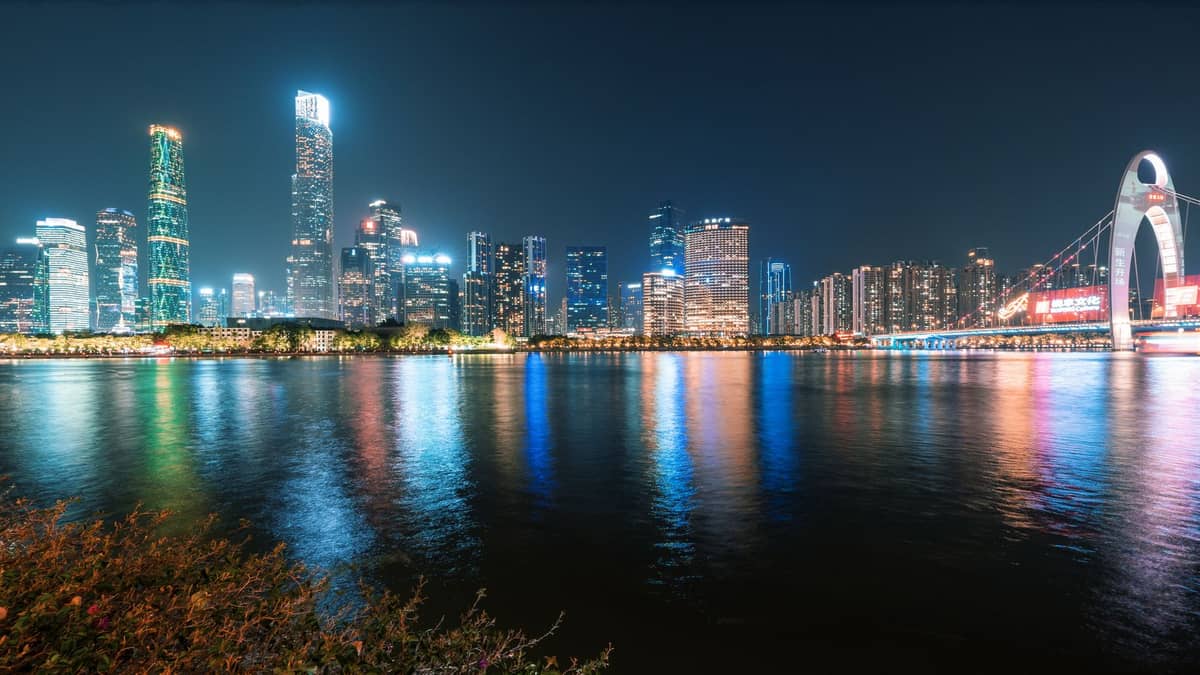
Tianhe is Guangzhou's modern central business district, and Zhujiang New Town is its polished financial core. Together they form the city's most internationally recognizable skyline, anchored by Canton Tower to the south and Huacheng Square at the center. For a first visit, this zone makes logistics easy: multiple metro lines converge here, and almost every major sight in the city is within 20-30 minutes by rail.
Guangzhou hotels in this zone skew toward the international 4-star and 5-star bracket. Expect rates in the range of roughly 500–2,000 CNY per night (around $70–$280 USD) depending on the property and season. The Guangzhou Opera House and the Guangdong Museum are walking distance from most addresses here, which matters if you're pressed for time.
The main drawback is price. Zhujiang New Town is not where you'll find budget guesthouses. It also has less character than the older western districts: the streets are wide, the architecture is contemporary, and the food scene, while good, lacks the depth of Liwan or Yuexiu. If you want to feel like you're in Guangzhou rather than in any modern Chinese city, this zone won't fully deliver that.
- Best for First-time visitors, business travelers, couples wanting riverside views, anyone prioritizing metro convenience above everything else.
- Typical hotel range 500–2,000 CNY/night (approx. $70–$280 USD). Guangzhou 5-star hotels are concentrated here.
- Key metro lines Lines 3, 5, APM tram, and the Pearl River New Town automated line all serve this zone.
- Main drawback Higher prices and less local atmosphere compared to older districts.
Yuexiu and Beijing Road: Best for Sightseeing on a Budget
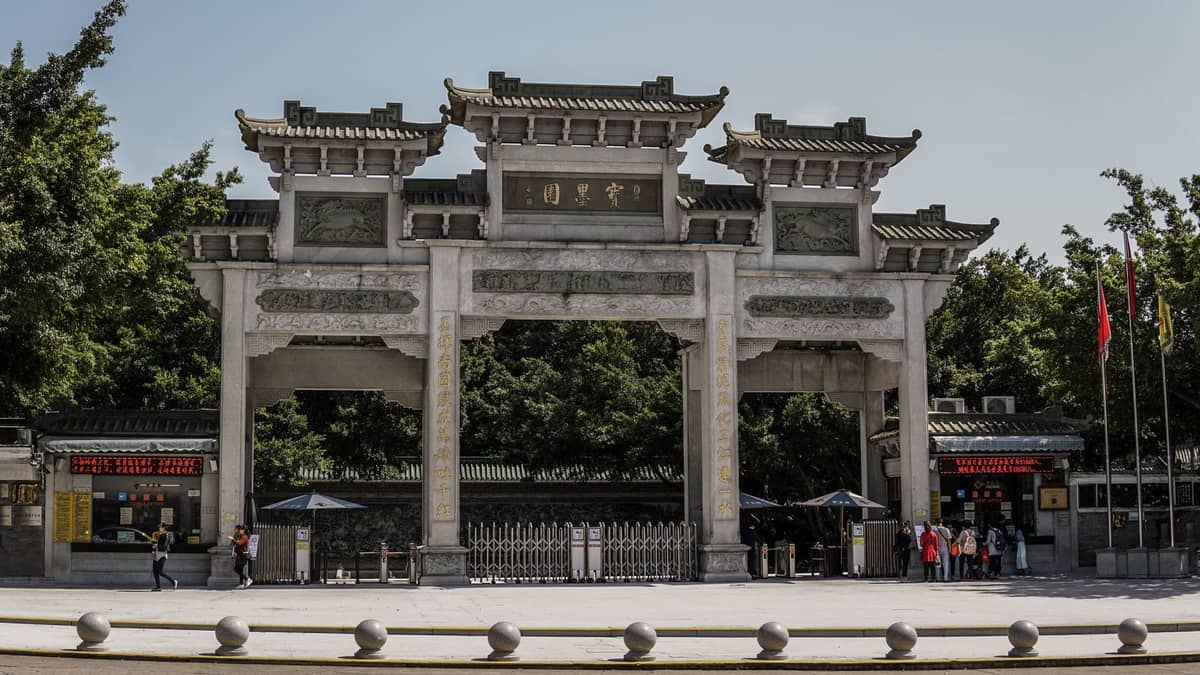
Yuexiu is Guangzhou's historic administrative core and the most logical base for sightseeing. The district contains an unusually dense collection of cultural sites: Yuexiu Park with the iconic Five Rams Statue, the Nanyue King Mausoleum Museum, Sun Yat-sen Memorial Hall, and the Beijing Road Pedestrian Street are all within easy walking distance of the district's hotel cluster.
Hotel prices here are noticeably lower than in Tianhe. Budget to mid-range options are genuine, not just marketing: a clean, well-connected 3-star property typically runs 200–600 CNY per night (around $28–$85 USD). The tradeoff is that some older buildings and guesthouses show their age, so read recent reviews carefully before booking anything on the cheaper end.
💡 Local tip
Yuexiu is one of the best-connected districts for metro travel. Lines 1 and 2 both pass through it, giving quick access to both Tianhe in the east and Liwan in the west. If you want to cover the whole city efficiently without a fixed base near one attraction cluster, Yuexiu's central position is hard to beat.
Liwan and Xiguan: Best for Traditional Cantonese Character
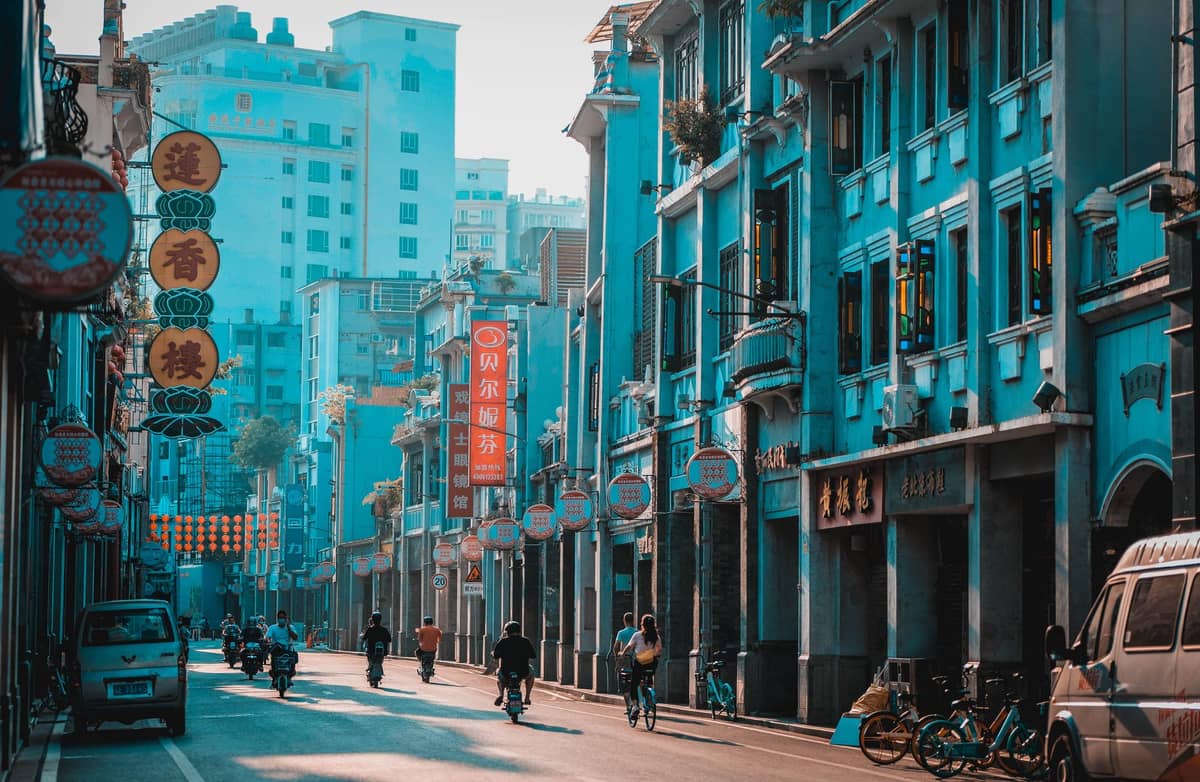
Liwan District, and the historic Xiguan neighborhood within it, offers a very different experience from the polished CBD. This is where Guangzhou's older merchant culture survives most visibly: narrow streets lined with low-rise shophouses, traditional tea houses, jade markets, and the pedestrian stretch of Shangxiajiu. For visitors interested in authentic Cantonese food culture, staying in Liwan puts you within walking distance of some of the city's oldest and most credible dim sum restaurants.
Shamian Island, a quiet colonial-era enclave within Liwan, is particularly popular with travelers who want a calmer, more photogenic environment. The Our Lady of Lourdes Chapel and the Shamian Island riverfront give the area an unusual atmosphere. Hotels here range from budget guesthouses to mid-range boutique options, with nightly rates roughly in the 280–1,400 CNY range ($40–$200 USD).
The honest limitation of Liwan is that metro coverage, while adequate, isn't as dense as in Yuexiu or Tianhe. If you're planning to spend most of your time in the eastern or southern parts of the city, the commute will feel long. Liwan is best for travelers whose itinerary revolves around the western and central historic districts.
Haizhu, Panyu, and Pazhou: Specialist Zones
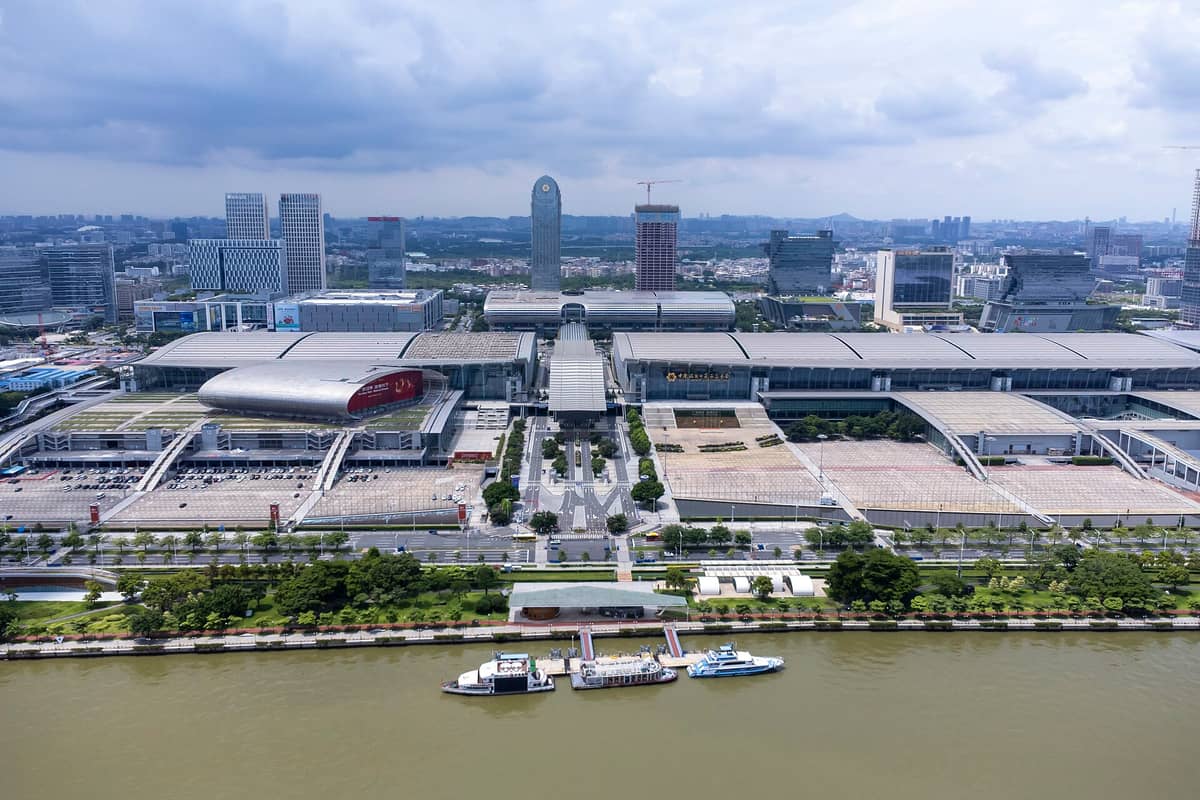
These three areas serve specific traveler types rather than the general visitor. Haizhu DistrictHaizhu sits directly south of the Pearl River and has grown as an accommodation zone partly because of its proximity to the Canton Fair exhibition complex in Pazhou. It's serviceable for business travelers and offers reasonable prices, but it lacks the sightseeing density of Yuexiu or the modern infrastructure of Tianhe.
Pazhou specifically refers to the area around the Canton Fair Complex on Pazhou Island. During the Canton Fair, held twice yearly in April-May and October-November, hotel prices in this zone surge dramatically and rooms sell out months in advance. If you're attending the fair, staying here or nearby in Haizhu is the only sensible option. For everyone else, Pazhou has little to offer as a base.
Panyu, in the city's southern reaches, is almost exclusively relevant to visitors whose primary reason for coming is Chimelong Paradise or the wider Chimelong Tourist Resort. Hotels adjacent to the resort allow early entry before day-trippers arrive, which is the main argument for staying here. Outside of the resort area, Panyu is largely suburban and requires significant travel time to reach central Guangzhou sights.
- Haizhu Reasonable mid-range prices, good for Canton Fair proximity, limited leisure appeal.
- Pazhou Canton Fair visitors only. Rates spike during the fair; book 2-3 months ahead minimum.
- Panyu Chimelong visitors only. Budget 200–2,000 CNY/night depending on whether you want a resort hotel or a budget option near the entrance.
✨ Pro tip
During Canton Fair season (typically April–May and October–November), hotel prices across all of Guangzhou rise, not just in Pazhou. If you're visiting for leisure during those weeks, you'll pay a premium even in Yuexiu or Tianhe. Booking 6–8 weeks ahead is advisable for any fair-period travel.
Practical Notes Before You Book
All prices throughout this guide are indicative ranges gathered from booking platforms and travel resources. Hotel rates in Guangzhou shift with demand, season, and events. The Canton Fair periods aside, the city's high season for leisure travel falls in the cooler months from October through December and again in March and April, when temperatures are mild and rainfall is lower. Summer (June to August) brings humid heat and the rainy season, which typically pushes hotel prices down but makes sightseeing more demanding.
Getting around is straightforward once you understand the metro. The Guangzhou Metro is extensive, affordable, and reliable, with announcements in Chinese and English. Most hotels in the zones covered above sit within 10–15 minutes' walk of a metro station. Taxis and ride-hailing via DiDi are available city-wide, though DiDi requires a Chinese phone number or a registered international account to use effectively. For a fuller breakdown of transport options, the getting around Guangzhou guide covers fares and route planning in detail.
A few practical reminders: tap water in Guangzhou is generally not recommended for drinking without boiling or filtration, which is standard practice throughout mainland China. The currency is CNY (Chinese yuan/renminbi). Tipping is not standard in most hotels and restaurants, though some international properties have adopted tip-accepting practices at their discretion. Electricity runs at 220V; plug types A, C, and I are common, so check your devices before packing adapters.
Visa requirements for China are nationality-specific and have changed repeatedly in recent years, including the introduction of transit and short-stay exemptions for certain passport holders. Check with the nearest Chinese consulate or embassy before finalizing your itinerary. For everything else you need to plan your first visit, the Guangzhou first-timer guide covers arrival, neighborhoods, food, and cultural basics in one place.
FAQ
What is the best area to stay in Guangzhou for first-time visitors?
Tianhe and Zhujiang New Town offer the most practical base for first-timers. Strong metro connections, a high concentration of international hotel brands, and proximity to major attractions like Canton Tower make it easy to navigate the city from day one. If budget is a priority, Yuexiu delivers nearly as much convenience at noticeably lower room rates.
Where should I stay in Guangzhou during the Canton Fair?
Book as close to Pazhou as possible, ideally within Haizhu District. The Canton Fair Complex is on Pazhou Island, and proximity matters when the fair is in session. Rates surge and availability drops sharply during the fair periods (typically April–May and October–November), so book at least 2–3 months in advance.
Are there good budget hotels in Guangzhou?
Yes, primarily in Yuexiu and Liwan districts. Yuexiu in particular has a solid range of clean, well-connected 2- and 3-star properties, with rates commonly in the 200–500 CNY range per night. These areas are also the most convenient for sightseeing, so budget travelers aren't giving up much by staying here.
Where are the best 5-star hotels in Guangzhou located?
The majority of Guangzhou's 5-star hotels are concentrated in Tianhe and Zhujiang New Town, with a smaller cluster in Yuexiu. Panyu has high-end resort-style options adjacent to the Chimelong complex. For luxury with the best urban views and restaurant access, Zhujiang New Town is the benchmark address.
Is it worth staying near Guangzhou airport?
Only for genuine transit layovers. The airport sits in the Huadu area, well north of the city center, and a round trip into central Guangzhou for sightseeing can take about 2–3 hours of travel depending on traffic and route. For any stay where you plan to explore the city, an airport-area hotel is poor value regardless of the rate.