Best Temples in Chengdu: Buddhist Monasteries, Taoist Shrines, and Sacred Mountains
Chengdu's temple scene spans 1,400 years of Buddhist and Taoist history, from incense-filled city monasteries to sacred peaks rising above the clouds. This guide covers the best temples in Chengdu and beyond, with honest advice on what to expect at each one.
Plan and book this trip
Tools from our partner Travelpayouts help you compare flights and hotels. If you book through them, we may earn a commission at no extra cost to you.
Flights
Hotels map
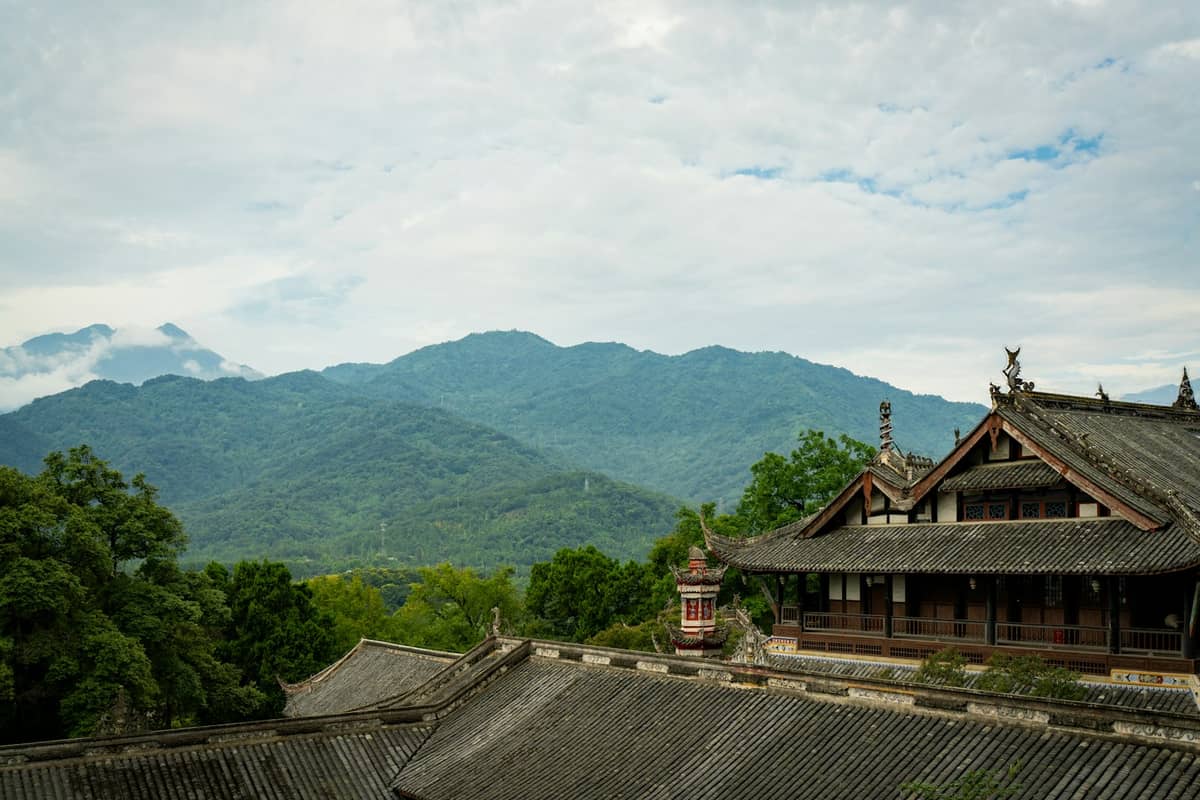
Chengdu has one of the richest concentrations of sacred architecture in southwestern China. The city's four headline temple stops are Qingyang District's Qingyang Palace (Taoist, over 1,300 years old), Wenshu Monastery (Buddhist, Tang Dynasty), the ancient Daci Temple embedded inside the Taikoo Li mall, and Wuhou Shrine, which commemorates Three Kingdoms heroes rather than deities. Beyond the city limits, the sacred mountains of Emeishan and Dujiangyan add a further dimension to any temple-focused itinerary. Before you go, check each venue's official channels for current hours and ticket requirements, as these change around public holidays and during maintenance periods. For a broader look at planning your time in the city, see the Chengdu first-timer guide.
💡 Local tip
Dress modestly at all religious sites: covered shoulders and knees are appropriate. Admission varies considerably: Wenshu Monastery and Daci Temple are commonly listed as free, Qingyang Palace charges around ¥10, and Wuhou Shrine charges ¥50. Always verify before visiting.
Buddhist Temples in the City
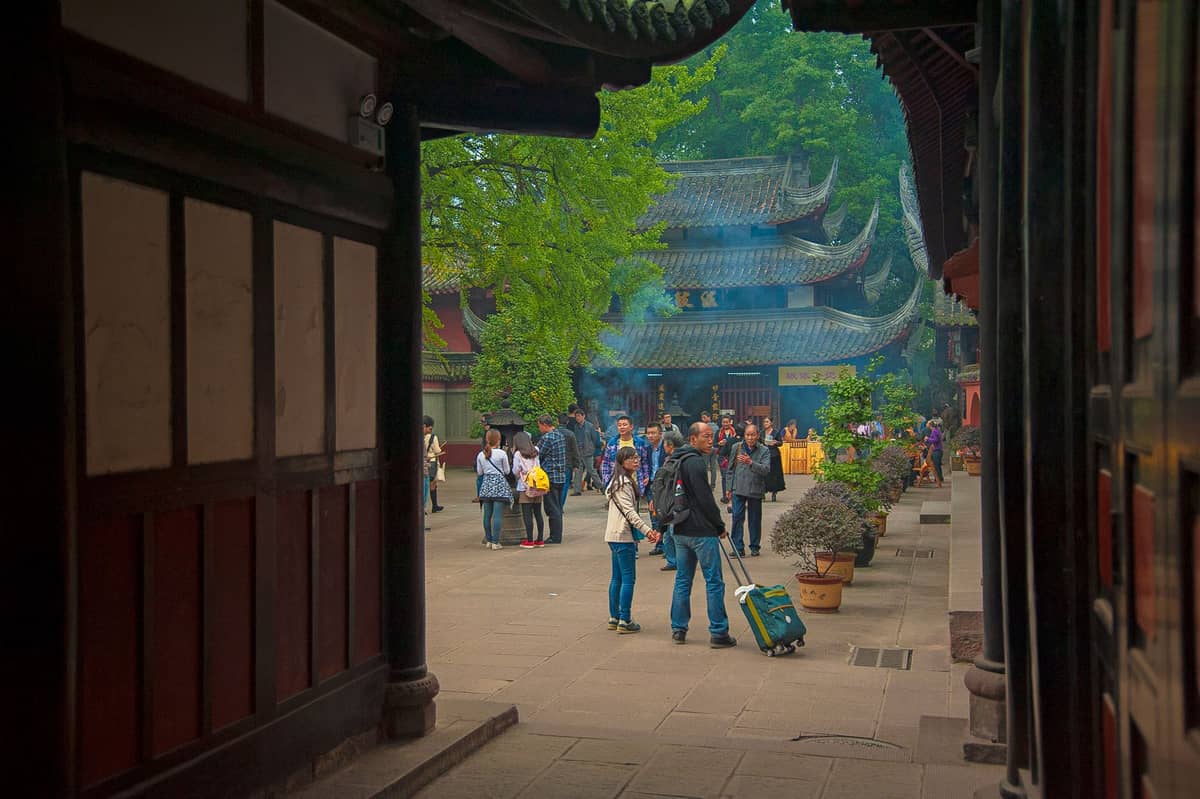
Chengdu's urban Buddhist sites are easy to reach by metro and pair well together in a single day. Wenshu Monastery is the most atmospheric and fully intact, while Daci Temple offers one of the most architecturally striking contrasts you'll find anywhere in China. If you want to combine temple visits with street food and local life, the Chengdu walking tours guide has practical half-day routes that thread through both neighborhoods.
1. Explore Chengdu's Best-Preserved Buddhist Monastery
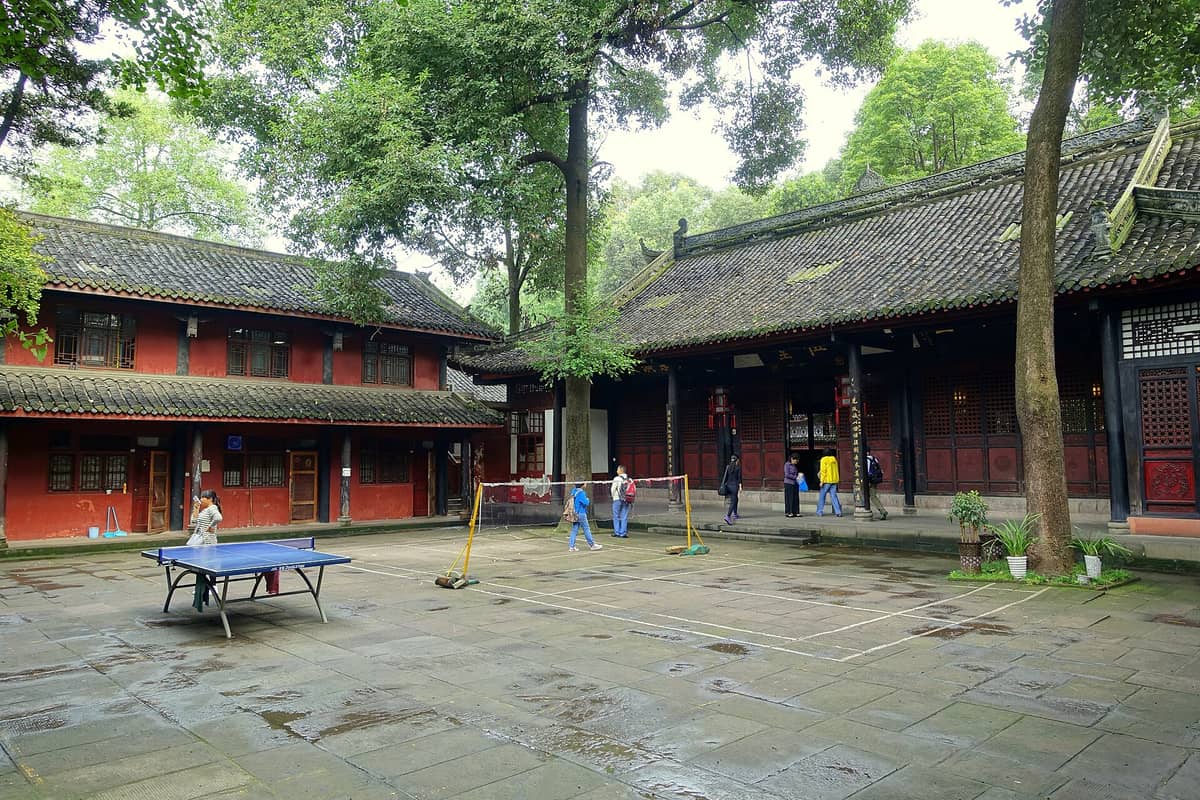
Wenshu is the finest intact Buddhist complex in the city: golden-roofed halls, tranquil courtyards with resident monks, and a renowned vegetarian restaurant on site. Served by Metro Line 1 (Wenshu Monastery Station). Admission is typically free; hours around 08:00–17:00.
Explore1. Explore Chengdu's Best-Preserved Buddhist Monastery
Wenshu is the finest intact Buddhist complex in the city: golden-roofed halls, tranquil courtyards with resident monks, and a renowned vegetarian restaurant on site. Served by Metro Line 1 (Wenshu Monastery Station). Admission is typically free; hours around 08:00–17:00.
Explore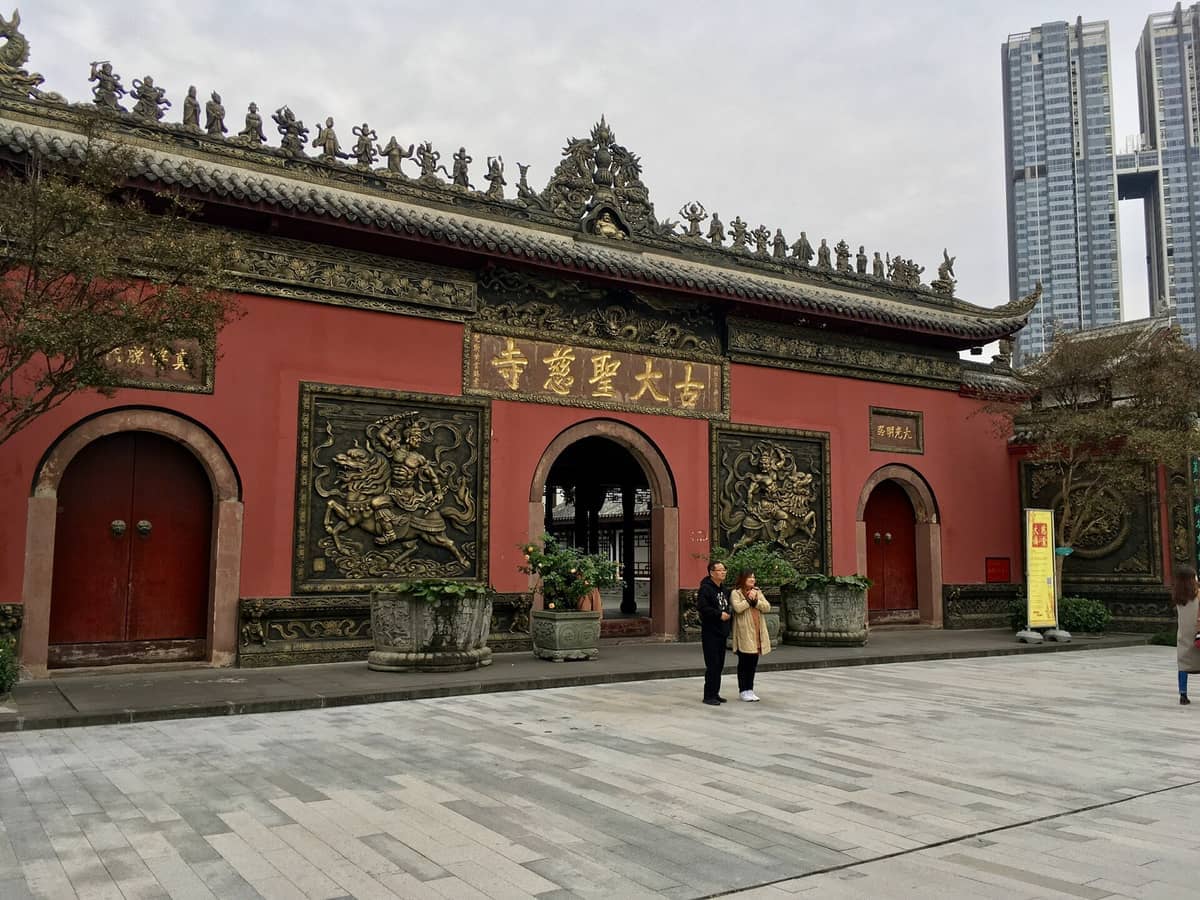
2. Find a Tang Dynasty Temple Inside a Designer Mall at Daci
Over 1,400 years old and now surrounded by the luxury boutiques of Taikoo Li, Daci Temple is one of Chengdu's most arresting sights. Incense smoke drifts past shopfronts. Admission is typically free. Nearest metro: Chunxi Road Station, Lines 2 and 3.
Explore2. Find a Tang Dynasty Temple Inside a Designer Mall at Daci
Over 1,400 years old and now surrounded by the luxury boutiques of Taikoo Li, Daci Temple is one of Chengdu's most arresting sights. Incense smoke drifts past shopfronts. Admission is typically free. Nearest metro: Chunxi Road Station, Lines 2 and 3.
ExploreTaoist Temples and Shrines
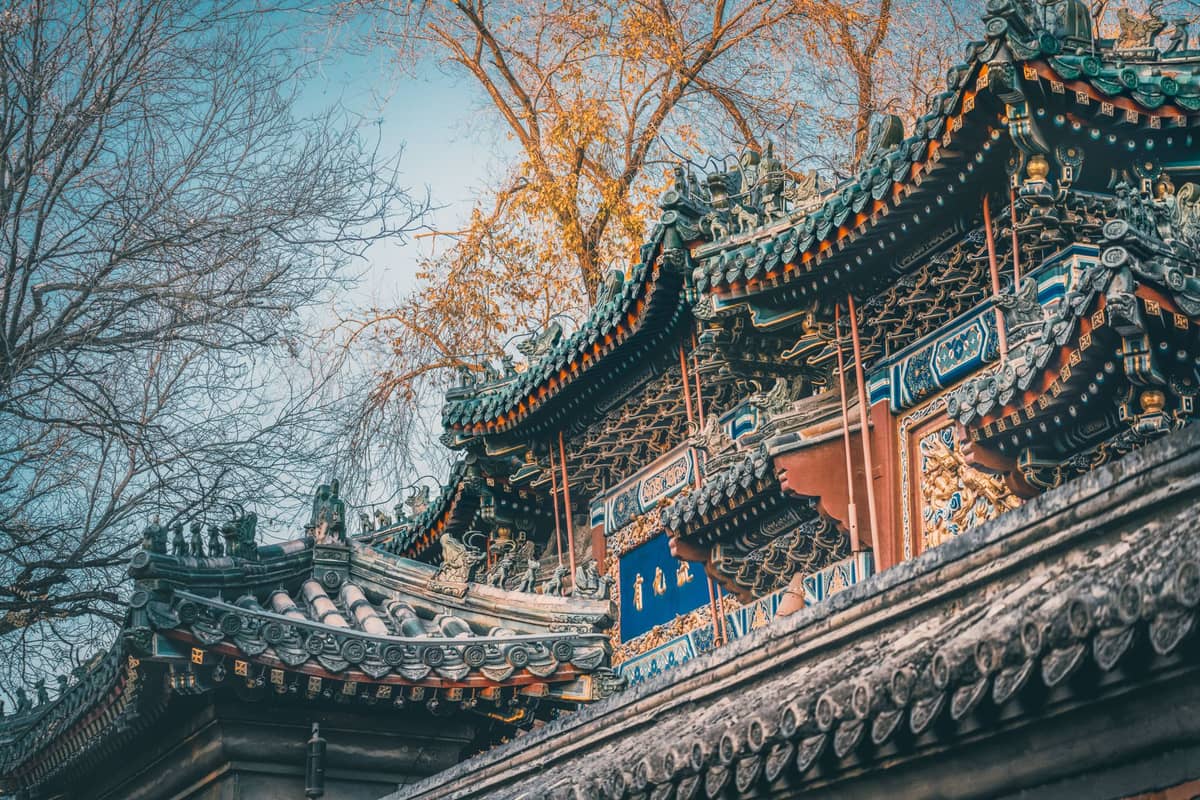
Taoism has deep roots in the Chengdu region. Qingyang Palace is the city's primary Taoist site, but the forested peak of Mount Qingcheng in Dujiangyan is regarded as one of the actual birthplaces of Chinese Taoism. The two work well together on a day trip; see the day trips from Chengdu guide for logistics.
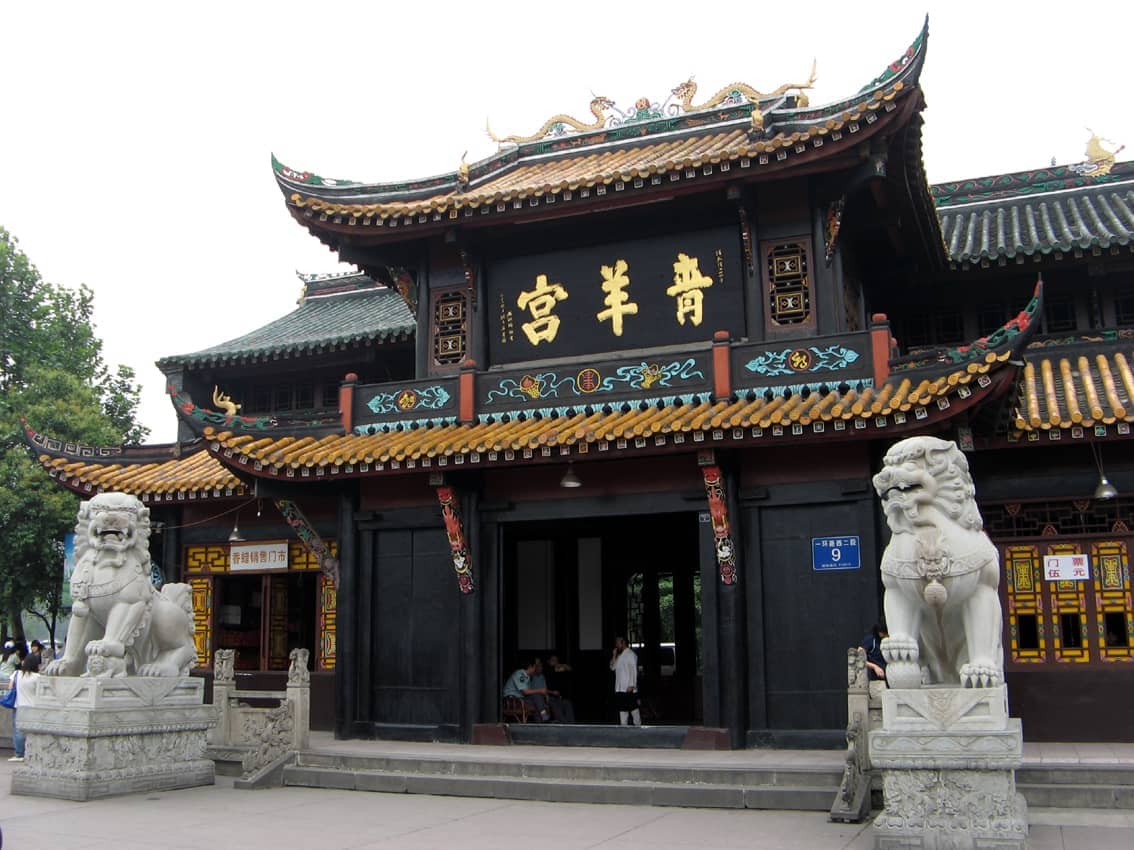
3. Visit Chengdu's Oldest Taoist Temple at Qingyang Palace
Dating back over 1,300 years, Qingyang Palace is a living place of worship with incense-filled courtyards, traditional Taoist architecture, and the iconic Twin Goat bronze statues. Admission is around ¥10 for adults (¥5 for students), with hours typically 08:00–17:30. Located near People's Park.
Explore3. Visit Chengdu's Oldest Taoist Temple at Qingyang Palace
Dating back over 1,300 years, Qingyang Palace is a living place of worship with incense-filled courtyards, traditional Taoist architecture, and the iconic Twin Goat bronze statues. Admission is around ¥10 for adults (¥5 for students), with hours typically 08:00–17:30. Located near People's Park.
Explore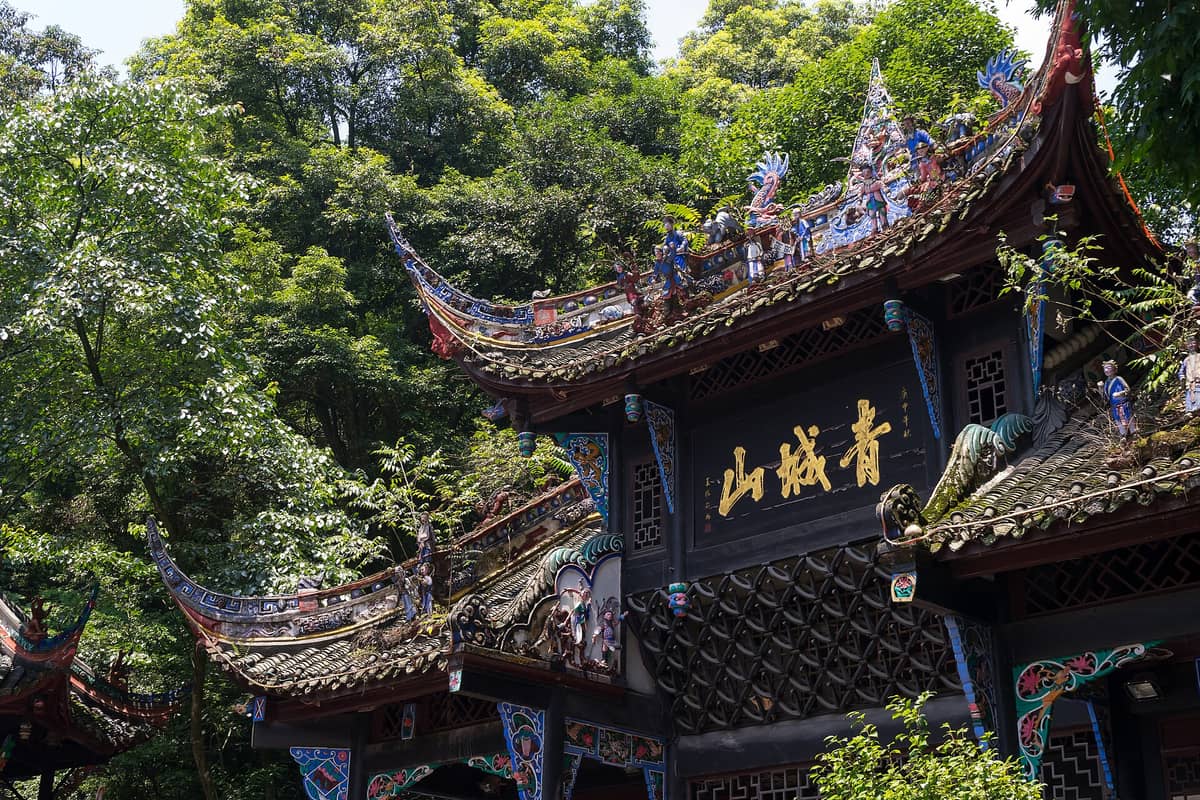
4. Hike Through Mist and Ancient Temples on Mount Qingcheng
One of Taoism's founding mountains, Qingcheng is a forested peak with ancient temples at every switchback, misty valleys, and well-maintained stone stairways. A half-day hike from Chengdu. Shares UNESCO World Heritage status with the Dujiangyan Irrigation System nearby.
Explore4. Hike Through Mist and Ancient Temples on Mount Qingcheng
One of Taoism's founding mountains, Qingcheng is a forested peak with ancient temples at every switchback, misty valleys, and well-maintained stone stairways. A half-day hike from Chengdu. Shares UNESCO World Heritage status with the Dujiangyan Irrigation System nearby.
ExploreHistoric Shrines and Three Kingdoms Heritage
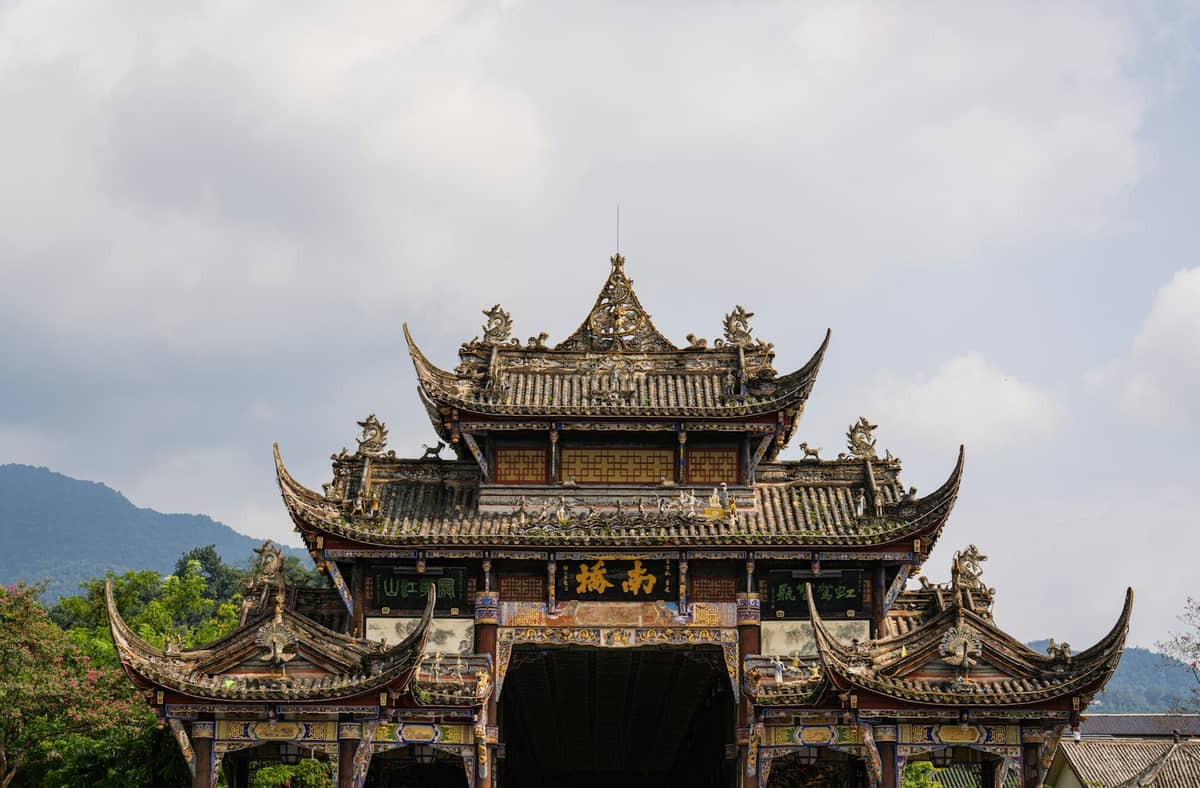
Wuhou Shrine sits in Wuhou District alongside Jinli Ancient Street, making it one of the most rewarding combined visits in the city. The site is not a temple in the conventional sense: it is China's only complex jointly dedicated to a ruler and his prime minister, functioning partly as a museum. Plan at least two hours here.
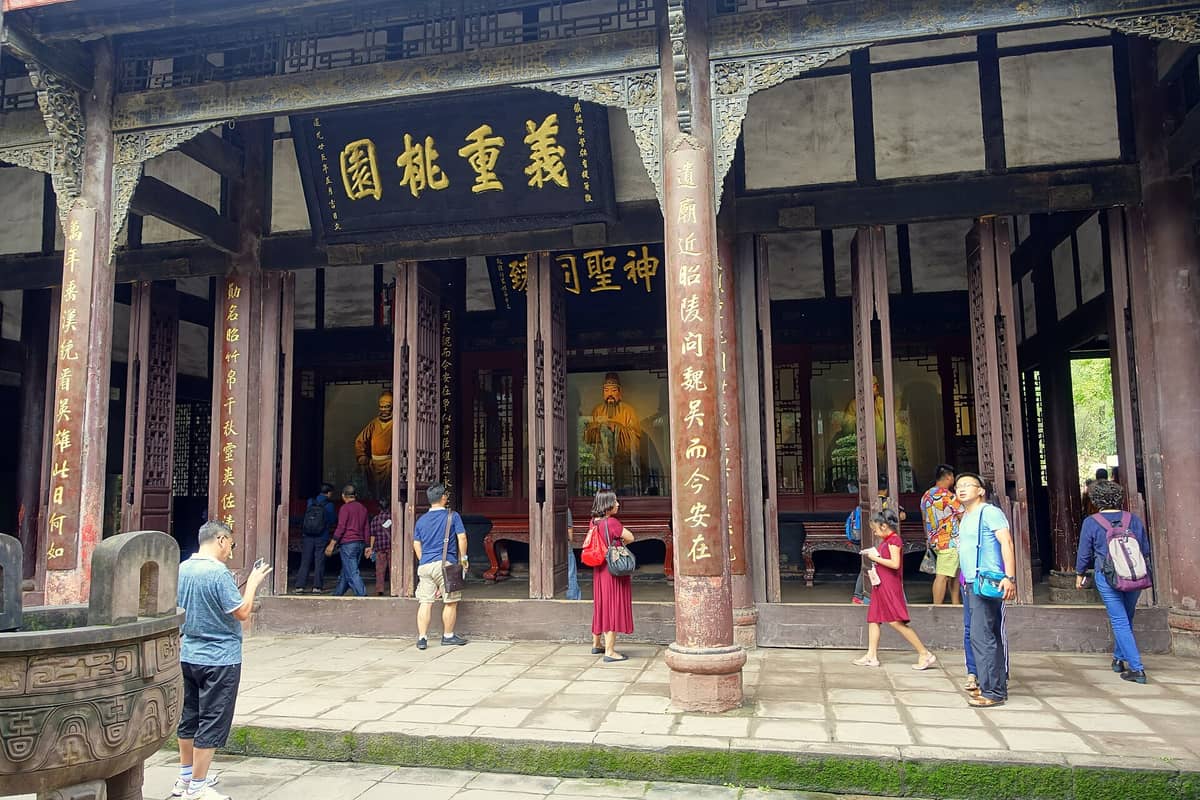
5. Walk the Most Important Three Kingdoms Memorial Site at Wuhou Shrine
China's only temple honoring both a ruler (Liu Bei) and his prime minister (Zhuge Liang), set among ancient cypresses and red-walled courtyards. Adult admission is ¥50; hours are 09:00–18:00 with last entry at 17:00. Allow two hours minimum. Adjacent to Jinli Ancient Street.
Explore5. Walk the Most Important Three Kingdoms Memorial Site at Wuhou Shrine
China's only temple honoring both a ruler (Liu Bei) and his prime minister (Zhuge Liang), set among ancient cypresses and red-walled courtyards. Adult admission is ¥50; hours are 09:00–18:00 with last entry at 17:00. Allow two hours minimum. Adjacent to Jinli Ancient Street.
ExploreSacred Mountains Near Chengdu
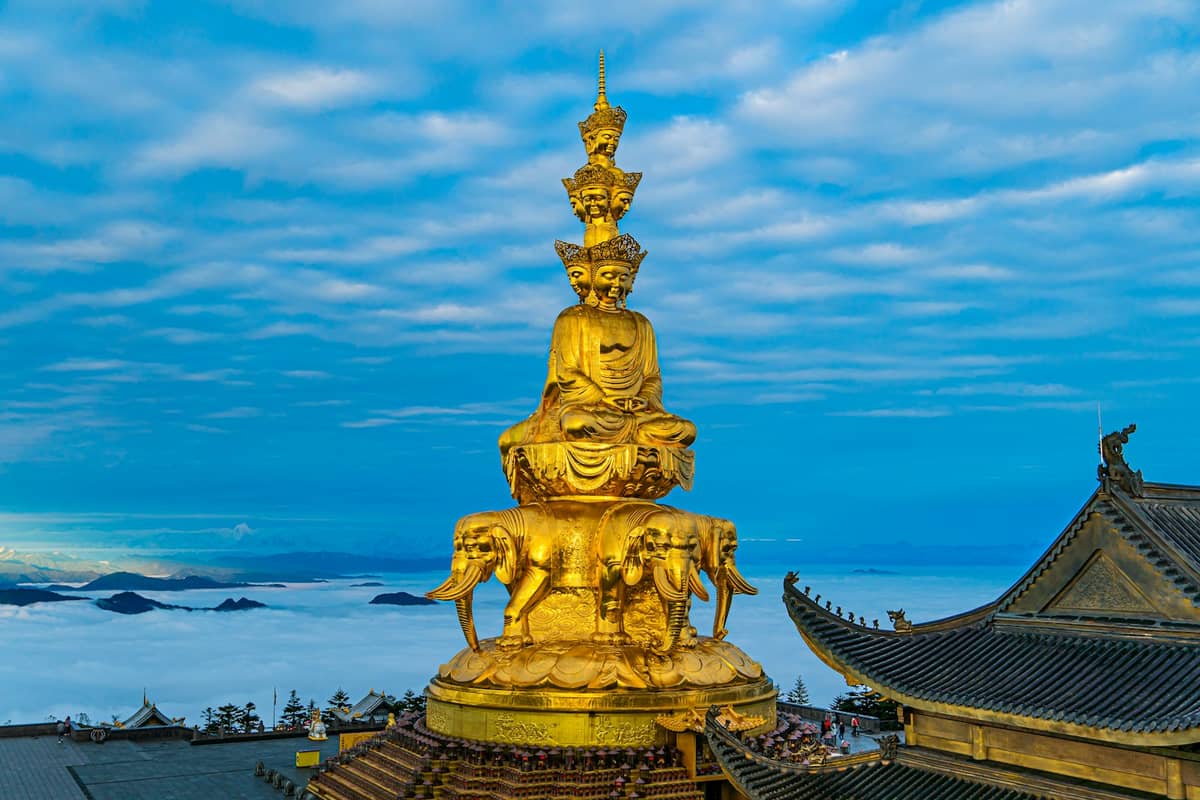
Two of China's most significant religious mountains lie within day-trip distance of Chengdu. Mount Emei is one of the Four Sacred Buddhist Mountains of China and rewards those who overnight on the mountain. The Leshan Giant Buddha, carved during the same Tang Dynasty era, sits close enough to combine in a two-day trip. Both destinations are covered in detail in the day trips from Chengdu guide.
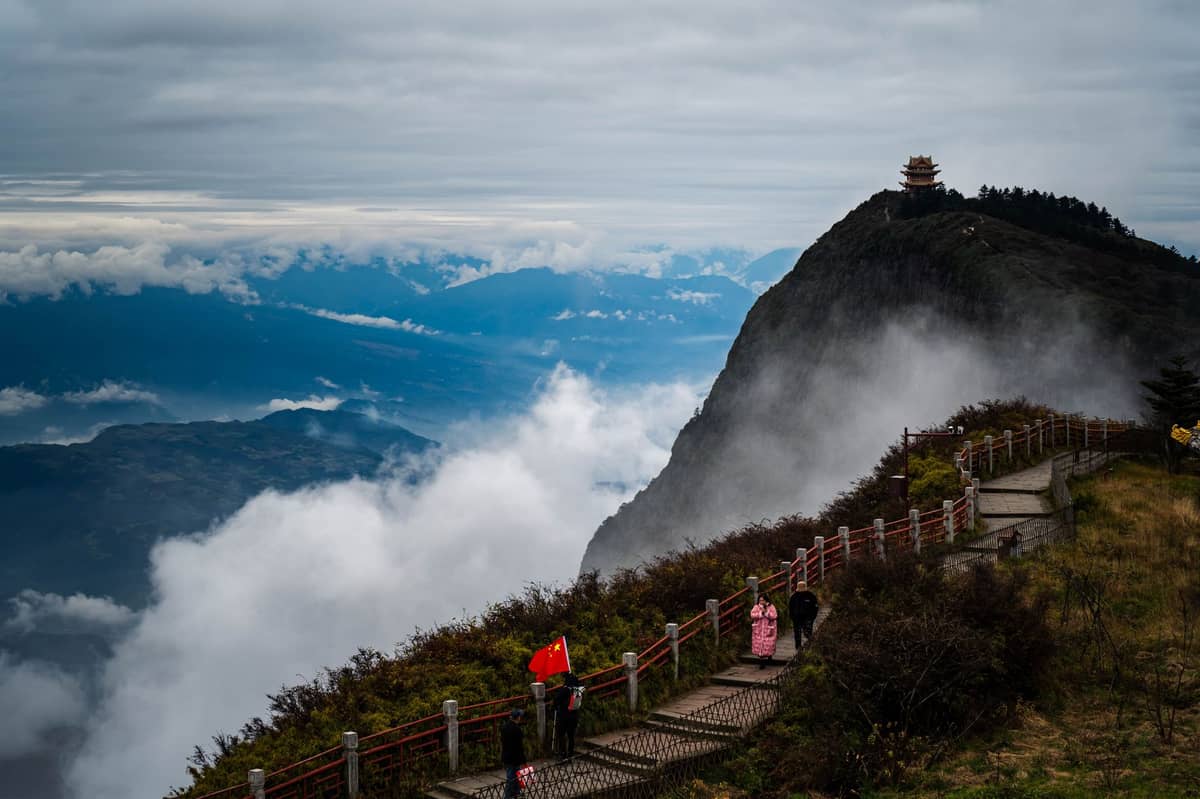
6. Climb One of China's Four Sacred Buddhist Mountains at Emeishan
Over 30 monasteries line the trails of this 3,099-meter sacred peak, home to golden-furred macaques and cloud-shrouded summits. The Golden Summit offers extraordinary sunrise views. Take the cable car for a half-day visit, or hike over two days for the full experience.
Explore6. Climb One of China's Four Sacred Buddhist Mountains at Emeishan
Over 30 monasteries line the trails of this 3,099-meter sacred peak, home to golden-furred macaques and cloud-shrouded summits. The Golden Summit offers extraordinary sunrise views. Take the cable car for a half-day visit, or hike over two days for the full experience.
Explore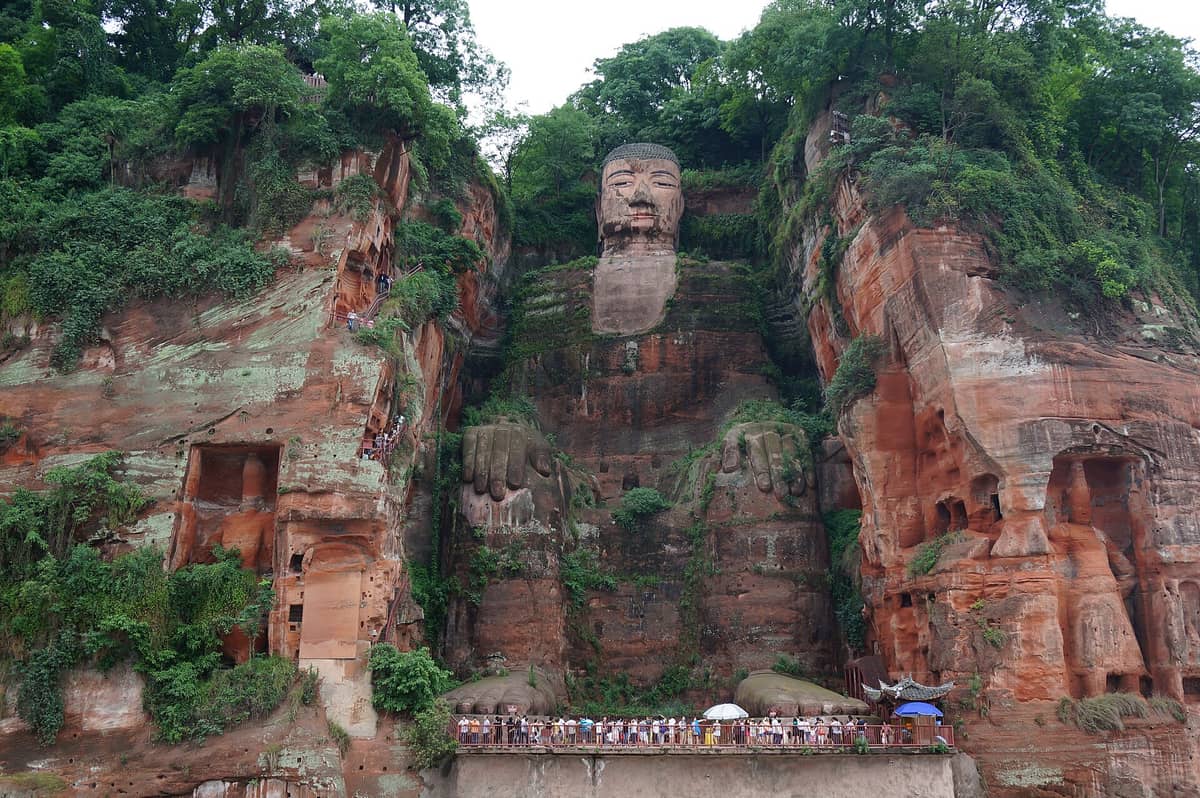
7. Stand Before the World's Largest Stone Buddha at Leshan
Carved from a red sandstone cliff during the Tang Dynasty, this 71-meter Buddha sits at the confluence of three rivers and is a UNESCO World Heritage Site. Viewing by boat gives the full sense of scale. Combine with a Mount Emei visit for a full day or two days out of Chengdu.
Explore7. Stand Before the World's Largest Stone Buddha at Leshan
Carved from a red sandstone cliff during the Tang Dynasty, this 71-meter Buddha sits at the confluence of three rivers and is a UNESCO World Heritage Site. Viewing by boat gives the full sense of scale. Combine with a Mount Emei visit for a full day or two days out of Chengdu.
Explore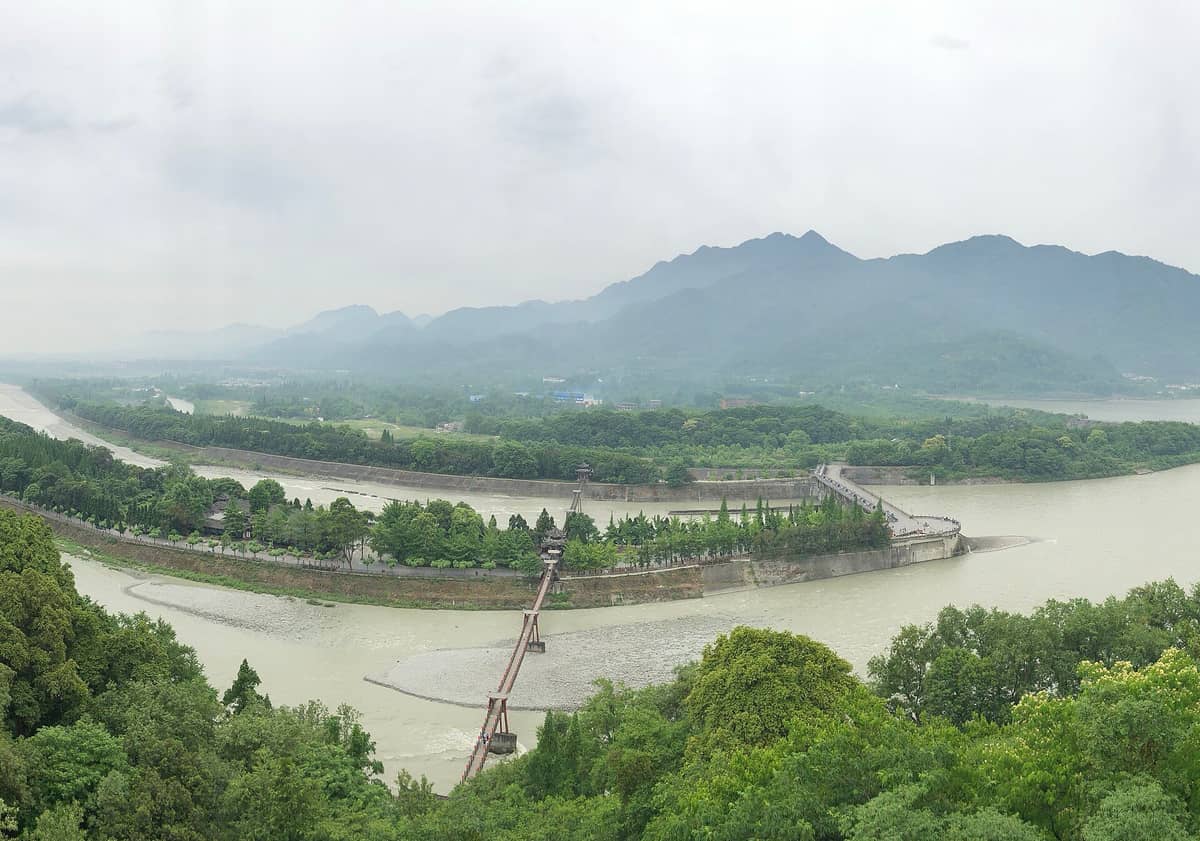
8. See the Erwang Temple at the Ancient Dujiangyan Irrigation Site
The Dujiangyan complex includes Erwang Temple, dedicated to the Qin Dynasty engineer Li Bing who built the still-functioning irrigation system. The temple sits above the roaring weirs and the Anlan Suspension Bridge. A UNESCO World Heritage Site roughly 60 km from central Chengdu.
Explore8. See the Erwang Temple at the Ancient Dujiangyan Irrigation Site
The Dujiangyan complex includes Erwang Temple, dedicated to the Qin Dynasty engineer Li Bing who built the still-functioning irrigation system. The temple sits above the roaring weirs and the Anlan Suspension Bridge. A UNESCO World Heritage Site roughly 60 km from central Chengdu.
ExploreNearby Ancient Towns with Temple Architecture
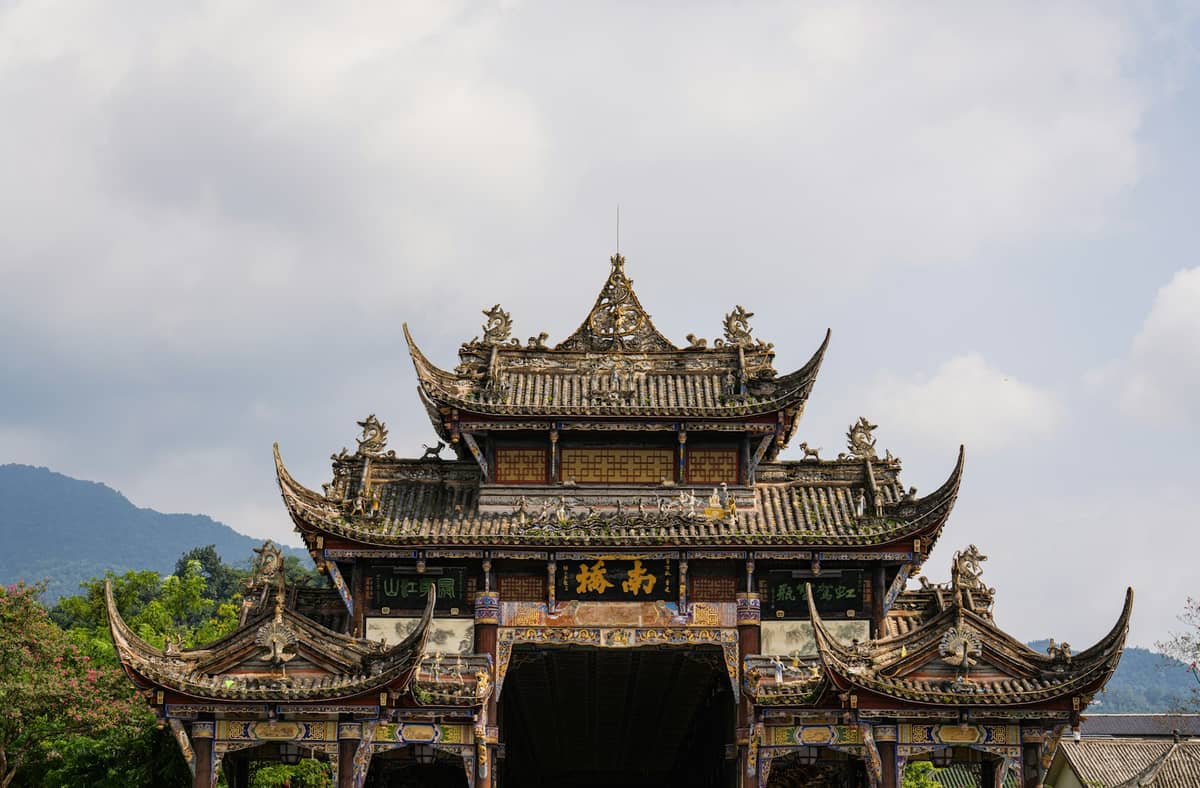
Several of the ancient towns within reach of Chengdu preserve old temple buildings and guild halls as part of their heritage streetscapes. These are not active places of worship in the same way as the city's monasteries, but they offer excellent context for understanding how religion shaped local community life. For a full overview of these destinations, see the Chengdu ancient towns guide.
9. Discover Hakka Guild Halls and Ancestral Architecture at Luodai
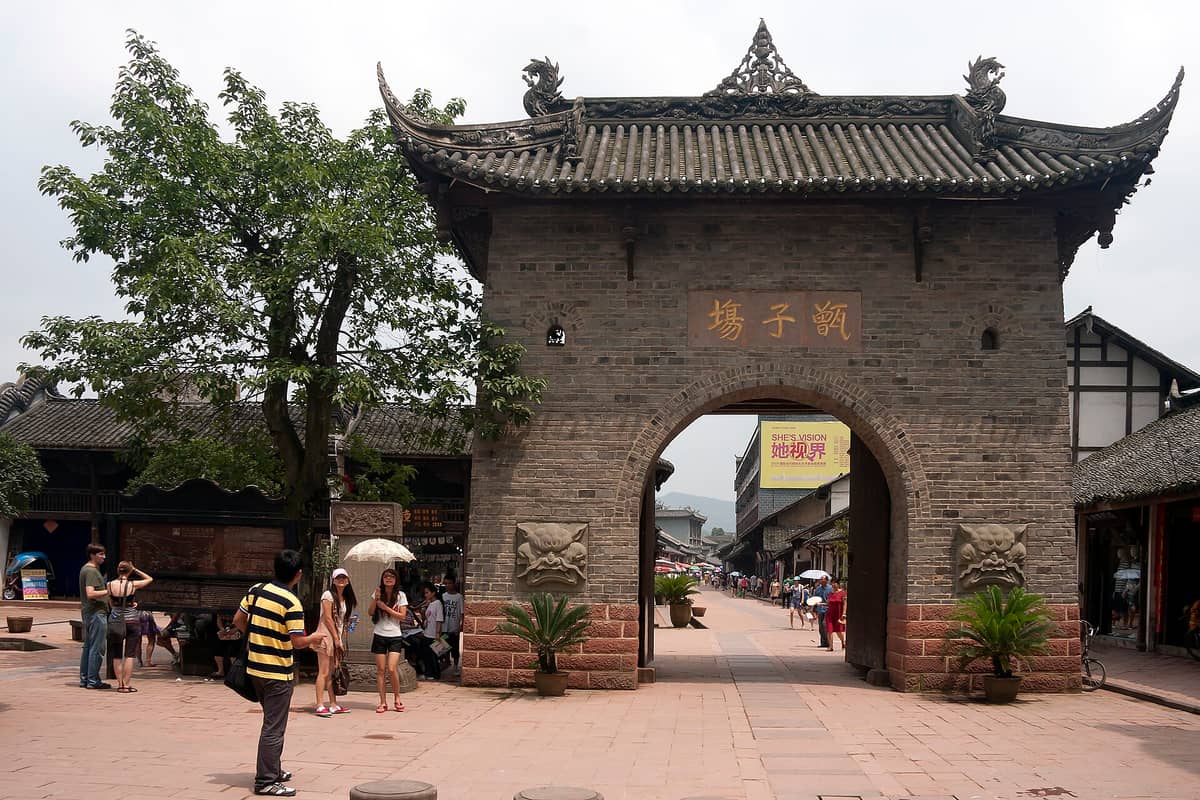
Luodai preserves five Hakka guild halls built by migrants who settled here centuries ago, making it a rare chance to see Hakka religious and ancestral architecture in Sichuan. About 30 km east of central Chengdu, it is a half-day trip on its own — Sanxingdui is a separate excursion north to Guanghan.
Explore9. Discover Hakka Guild Halls and Ancestral Architecture at Luodai
Luodai preserves five Hakka guild halls built by migrants who settled here centuries ago, making it a rare chance to see Hakka religious and ancestral architecture in Sichuan. About 30 km east of central Chengdu, it is a half-day trip on its own — Sanxingdui is a separate excursion north to Guanghan.
Explore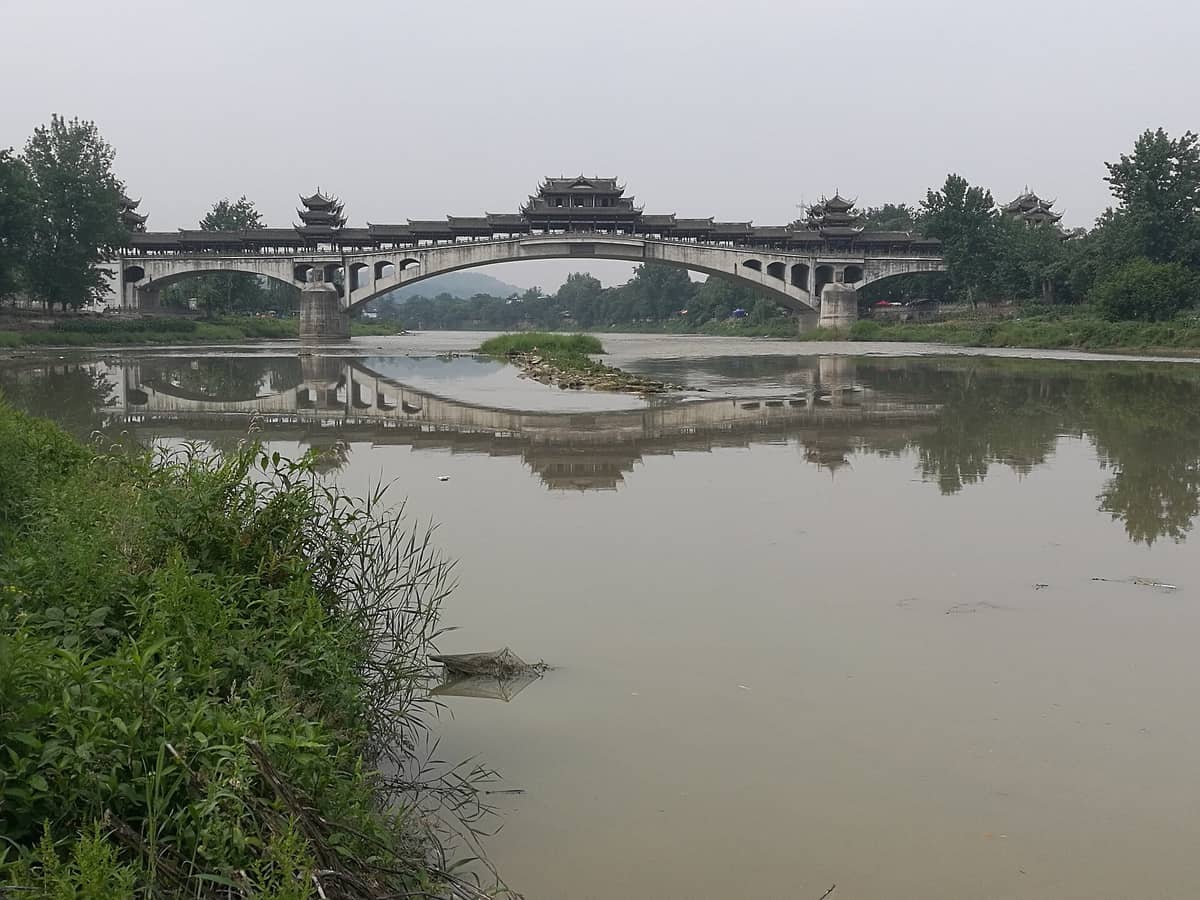
10. Find Ancient Temples Among the Banyan Trees at Huanglongxi
This well-preserved Ming and Qing Dynasty river town, about 40 km south of Chengdu, contains several old temple buildings shaded by enormous banyan trees on cobblestone lanes. The atmosphere is most atmospheric on weekday mornings before tour groups arrive.
Explore10. Find Ancient Temples Among the Banyan Trees at Huanglongxi
This well-preserved Ming and Qing Dynasty river town, about 40 km south of Chengdu, contains several old temple buildings shaded by enormous banyan trees on cobblestone lanes. The atmosphere is most atmospheric on weekday mornings before tour groups arrive.
Explore✨ Pro tip
For the most rewarding temple visits, arrive early: by 08:30 at Wenshu Monastery, you'll see monks at morning practice and avoid the crowds that build from mid-morning. At Mount Emei, overnight stays allow you to catch both sunset and sunrise from the Golden Summit before the cable car queues form.
FAQ
Which temples in Chengdu are free to enter?
Wenshu Monastery and Daci Temple are commonly listed as free admission. Qingyang Palace charges a small fee of around ¥10. Wuhou Shrine charges ¥50 as it functions partly as a museum. Always verify current admission prices through official channels before visiting, as policies can change during holidays.
What is the difference between the temples in Chengdu: are they Buddhist or Taoist?
Chengdu has both. Wenshu Monastery and Daci Temple are Buddhist; Qingyang Palace is Taoist, one of the oldest and most important Taoist temples in Sichuan. Wuhou Shrine commemorates Three Kingdoms historical figures rather than functioning as a religious temple in the Buddhist or Taoist sense. Mount Emei is a sacred Buddhist mountain; Mount Qingcheng is one of Taoism's founding sites.
How do I get to Wenshu Monastery and Daci Temple by metro?
Wenshu Monastery is served by Wenshu Monastery Station on Metro Line 1. Daci Temple is a short walk from Chunxi Road Station, served by Metro Lines 2 and 3. Chengdu Metro fares start at ¥2; service runs approximately 06:00–23:00, but check current timetables as they vary by line.
Can I visit Mount Emei as a day trip from Chengdu?
Yes, but a single day is tight. High-speed trains from Chengdu to Emeishan City take around 40–50 minutes. Taking the cable car to the Golden Summit and back is possible in a long day, but staying overnight on the mountain allows you to experience sunrise above the clouds and visit more monasteries at a relaxed pace.
What should I wear when visiting temples in Chengdu?
Modest clothing is appropriate: covered shoulders and knees are respectful at all religious sites. There is no strict dress code at most Chengdu temples, but removing hats when entering main halls is customary. At Mount Emei, bring warm layers regardless of the season, as the summit is significantly colder than the city.